
REVIEW · MACHU PICCHU
Cusco : Sacred Valley & Inca Trail to Machu Picchu 3 days
Sunrise at Machu Picchu starts the journey early. This 3-day trip connects Cusco and the Sacred Valley to the Short Inca Trail, then times your Machu Picchu visit for the calm, early hours. You get a guided route that keeps the focus on the sites, not map anxiety.
I also like how much you cover without feeling rushed. Pisac terraces, Moray’s circular crop-experiment terraces, and the Salinas de Maras salt ponds are all built into Day 1, and you end with a night in Ollantaytambo, a town that feels like it’s still operating the old way.
One drawback to plan for is logistics and comfort can be uneven. The guides are a standout, but you’ll want to verify meal and hotel details ahead of time, and be ready for basic lodging, especially after long trekking days.
In This Review
- Key Things To Know Before You Go
- Day 1 in the Sacred Valley: Alpacas, Terraces, Salt Ponds, and Ollantaytambo
- Day 2: Short Inca Trail from Km 104 to Wiñay Wayna and the Sun Gate
- Day 3: Machu Picchu Sunrise, a Guided Walk, and the Return Train
- What the Included Sacred Valley Stops Add Up To
- Inca Trail Timing: Why These Particular Stops Matter
- Trains, Buses, and Transfers: Where This Trip Either Flows or Frays
- Hotel Reality Check: Plan for Basic Comfort After Big Days
- Price and Value: Is $817 Fair for What You Get?
- Who This Tour Fits Best
- Should You Book This Cusco, Sacred Valley, and Inca Trail to Machu Picchu 3-Day Trip?
- FAQ
- What is the duration of this tour?
- What time does the tour start in Cusco?
- How many people are on this tour?
- What is included in the price?
- What meals are not included?
- Does this include Machu Picchu Mountain or Waynapicchu?
- What trains are included?
- Where do you sleep overnight?
- What happens if poor weather cancels the experience?
Key Things To Know Before You Go
- Sunrise entry to Machu Picchu with an early bus and a guided 2 to 3 hour walking tour inside the Historic Sanctuary
- Short Inca Trail from Km 104 including registration, a suspension bridge crossing, and stops at Chachabamba and Wiñay Wayna
- Picnic lunch on the trail prepared by your trekking chefs at Wiñay Wayna
- Sacred Valley must-dos packed in Day 1 Pisac, Moray, Salinas de Maras, and Ollantaytambo
- Small group size (max 16), which usually helps pacing and photo stops
- High guide quality, but double-check operations such as hotel category and what meals or items are truly included
Other citadel visits, ticket types and start times
- From Cusco: Full-Day Group Tour of Machu Picchu
★ 4.7 · 1,767 reviews - Machu Picchu Day Trip from Cusco
★ 4.5 · 1,644 reviews - Machu Picchu: Full-Day Tour from Cusco with Optional Lunch
★ 4.6 · 927 reviews - Cusco: 4-Day Inca Trail to Machu Picchu with Accommodation
★ 4.8 · 432 reviews
Day 1 in the Sacred Valley: Alpacas, Terraces, Salt Ponds, and Ollantaytambo
Day 1 starts with pickup in Cusco around 7:00 a.m., then you head out into the Sacred Valley. The early departure matters because it gives you daylight for viewpoints and lets the day breathe instead of turning into a photo sprint.
Your first stop is Manos de la Comunidad, an alpaca center where you can feed and interact with llamas, alpacas, and vicuñas. You also learn how Andean wool has been used for centuries, which adds meaning to the animals beyond a quick look. This is also a nice pacing break before the archaeological focus starts.
Next you swing by Mirador Taray for wide views of the valley and the Urubamba River. It’s short, but it helps you “read” the rest of the valley sites. When you can see the river and the bend of the terrain, the later terraces feel less random and more intentional.
Then comes Pisac Archaeological Park, guided for about an hour. What makes this stop special is the combination of hillside terraces, ceremonial temples, and even hidden Inca tunnels. You’re also getting sweeping valley views, so it’s both architecture and big-picture positioning in one hour. If you like understanding why a place was built where it was, this is a good one.
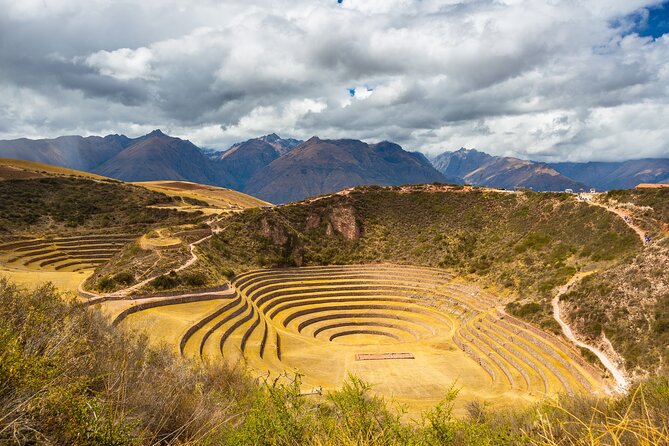
After lunch, you visit Moray, the ancient Inca agricultural laboratory. The highlight here is the perfectly designed circular terraces, which were once used for crop experimentation. Think of it as “science in stone,” and the guide focus will help you see the pattern rather than just admire circles in the landscape.
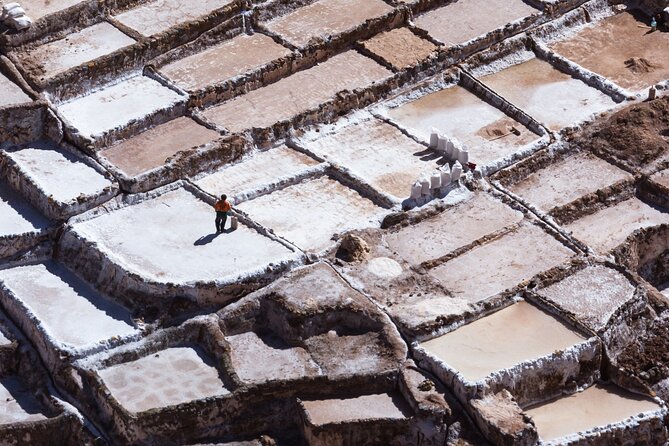
After Moray, you go to Salinas de Maras, the salt ponds near town. This is your hands-on, living tradition stop: local families still harvest salt by hand using traditional methods passed down since Inca times. If you enjoy seeing culture continue instead of just existing as ruins, this is the stop you’ll remember.
You finish the day in Ollantaytambo with a guided visit to a living Inca town. You’ll walk through narrow streets and stone canals that remain unchanged since the 15th century, then you sleep in a hotel in Ollantaytambo. This overnight is a real value add. It breaks up the travel day and sets you up for a smoother transition to the train the next morning.
Practical note: You’re out all day, so if you’re prone to feeling rushed when you travel, this is one of those itineraries where you’ll benefit from bringing your patience and a good water plan. The stops are spaced for viewing and guidance, but it is still a full day.
Day 2: Short Inca Trail from Km 104 to Wiñay Wayna and the Sun Gate
Day 2 begins with pickup from your hotel and a short drive to the train station, about 10 minutes. You take the train along the Urubamba River, and the scenery shifts from rugged highland terrain toward cloud-forest greenery. Even if you’ve done trains in other countries, the river route gives you a steady, dramatic backdrop without asking you to work for it.
You disembark at Km 104, where you complete registration and have a hearty breakfast before starting the Short Inca Trail. There’s also a suspension bridge crossing over the Urubamba River and a checkpoint before you begin. These parts are quick, but they matter because they move you from “transport day” into “trail day” with clear structure.
Your first archaeological stop is Chachabamba, a ceremonial site with carved stone structures and water channels. The water element is key here. The trail is not only about walking, it’s also about how the Incas managed water in sacred settings.
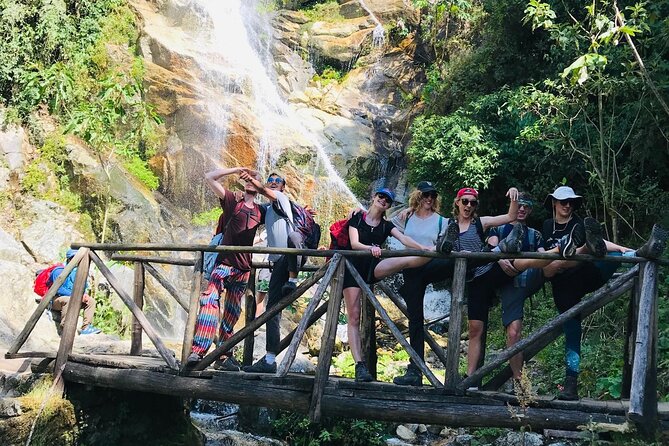
Then you hike to Wiñay Wayna. The trail climbs steadily through lush vegetation and mountain scenery, arriving at Wiñay Wayna, which includes temples, aqueducts, agricultural terraces, and waterfalls. You’ll enjoy a freshly prepared picnic lunch here, made by your trekking chefs. That lunch stop is one of the strongest practical pieces of the whole itinerary. It prevents decision fatigue, keeps your energy steady, and gives you a real pause at a spectacular site.
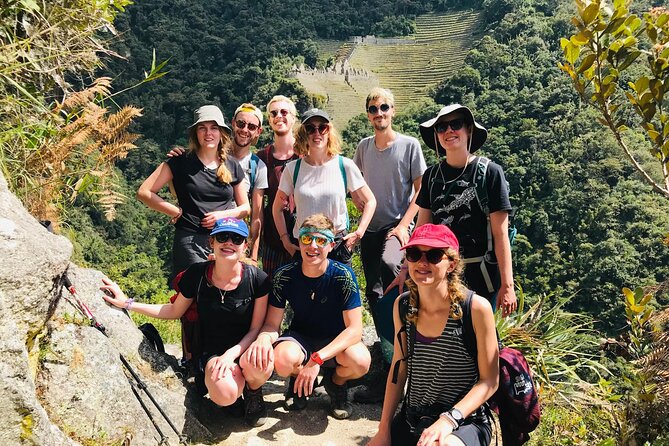
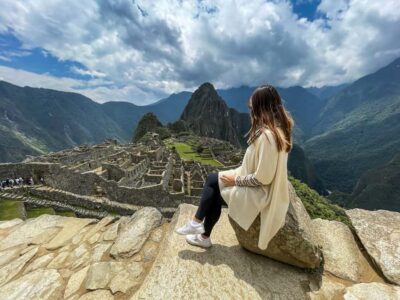
After the lunch stop, you continue on to the Sun Gate. The trail is described as a gentle path, then you arrive at the original entrance to Machu Picchu. This is your payoff moment, because you get your first breathtaking view of the citadel. The timing is also smart. It sets you up for Machu Picchu proper without you feeling like you arrived and immediately got thrown into a long day of stairs.
Then you walk down to the upper terraces of Machu Picchu to catch afternoon photos in golden light with fewer visitors around. This is a subtle but important scheduling advantage. You do a focused exploration with a guide, then you also get time for photos when light and crowd levels are friendlier.
Your evening includes a shuttle bus down to Aguas Calientes, dinner in a local restaurant, and an overnight in a comfortable 3-star hotel. Dinner on Day 2 also helps you avoid hunting for food right after a long trekking day.
Day 3: Machu Picchu Sunrise, a Guided Walk, and the Return Train
Day 3 is the most time-sensitive day. You start with an early breakfast and then take one of the first buses up to Machu Picchu, aiming to arrive before sunrise. That early arrival is the difference between Machu Picchu as a photo platform and Machu Picchu as a quiet sacred place. When the day is new, the site feels different.
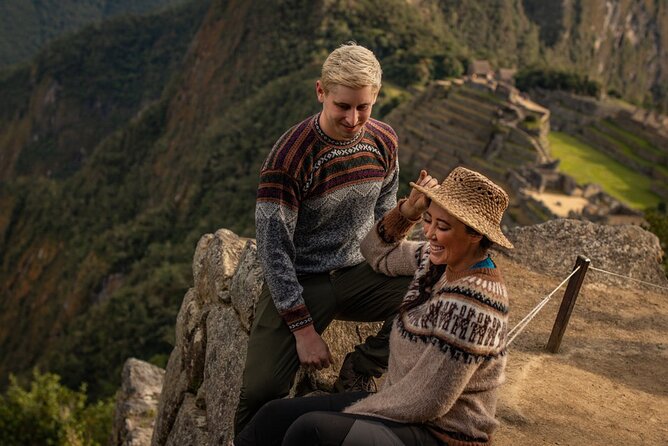
You enter the Historic Sanctuary of Machu Picchu for sunrise. Your expert guide leads a walking tour through the most remarkable parts of the site, including temples, ceremonial plazas, and the iconic terraces carved into the mountainside. The tour time is listed as about 2 to 3 hours. That’s a good length for seeing the big structures without burning through your energy too fast.
After the guided portion, you return to Aguas Calientes by bus. Lunch is at your leisure, which is useful because it lets you eat what you want and recharge at your own pace.
In the afternoon, you board the Vistadome panoramic train for the comfortable ride back to Ollantaytambo. The large windows are a big plus if you enjoy seeing the Andes roll by without craning your neck. Then a private transfer brings you back to your hotel in Cusco.
What the Included Sacred Valley Stops Add Up To
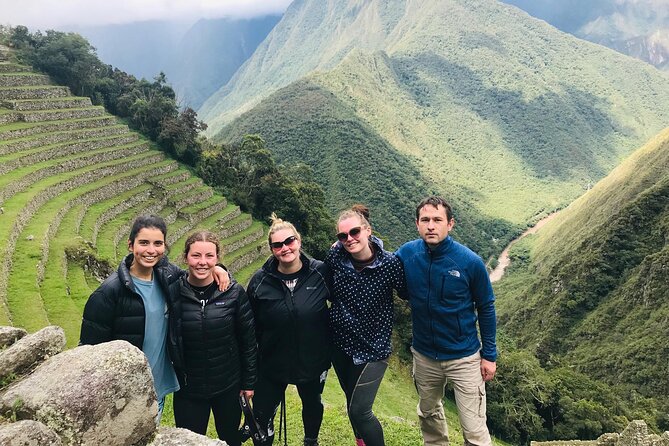
This tour doesn’t only hit the big names. It also builds a theme: how the Andes used water, agriculture, and stone planning.
- Pisac gives you terraces, ceremonial temples, and hidden Inca tunnels, plus valley views.
- Moray focuses on circular terraces used for crop experimentation.
- Salinas de Maras shows salt production continuing with traditional hand harvesting.
If you like travel that teaches you how a culture worked, this structure helps. You’re not just moving from ruin to ruin. You’re moving through different examples of how the Inca world organized land and resources.
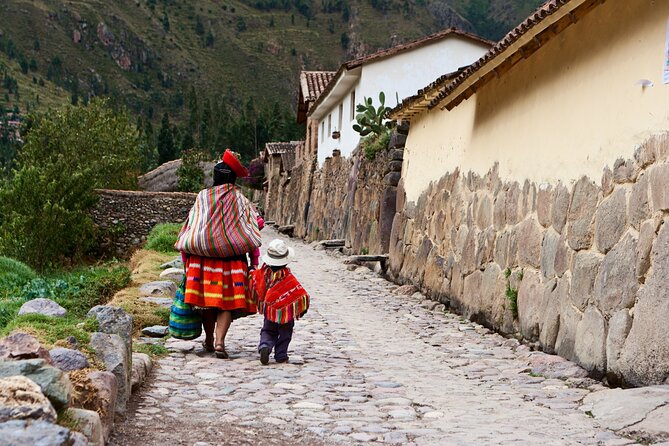
The Ollantaytambo finish is also smart. It’s a living town, not a dead stop, with narrow streets and stone canals that date back to the 15th century. That makes the shift from ruins to daily life feel natural.
Other Inca Trail departures, permits included
Inca Trail Timing: Why These Particular Stops Matter
The Short Inca Trail version here is built around three archaeological anchors: Chachabamba, Wiñay Wayna, and then the Sun Gate view.
Chachabamba is about water channels and carved stone structures, so you get that sacred-water idea early. Wiñay Wayna adds aqueducts, agricultural terraces, and waterfalls, plus the picnic lunch. Then the Sun Gate delivers the first Machu Picchu vista in a way that feels earned. This is one reason the itinerary feels coherent: you don’t just walk until you reach the entrance. Each segment has a “meaning” stop.
Also, the trail includes registration, suspension bridge crossing, and checkpoint procedures at Km 104. Those admin steps sound dull, but in practice they reduce uncertainty. You’re not guessing what happens next, which is a big deal when you’re traveling at altitude and your day is tight.
Trains, Buses, and Transfers: Where This Trip Either Flows or Frays
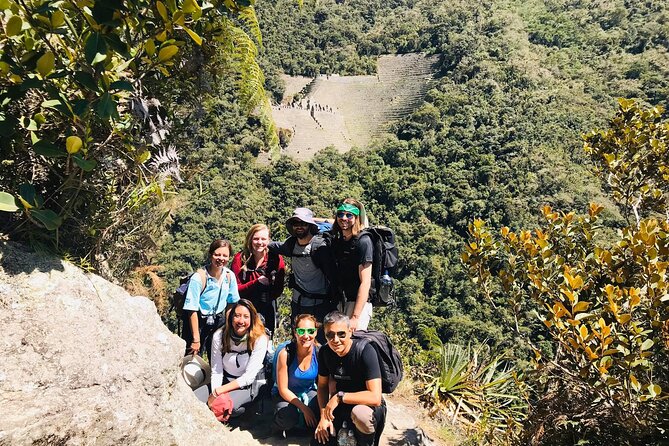
Transport is the skeleton of this itinerary, so it’s worth looking at where your time can get lost.
On Day 2, the Urubamba River train to Km 104 sets you up for the hike, and the return uses the Vistadome panoramic train with large windows. That’s a comfortable way to recover after walking.
Inside Machu Picchu, you also get bus tickets for rides within the complex, plus the shuttle from Aguas Calientes when you’re done exploring. That helps because it reduces the amount of walking you need to do just to move between viewpoints and entrances.
Where I’d be careful is communication and timing coordination. One trip concern that comes up is that updates, document handling, and day-of briefings can fail if the operator’s office systems are not tight. That shows up as confusing instructions, missing photo files, late information, or mixed messages about what’s included. You can protect yourself with a simple habit: confirm everything in writing before you travel, and double-check your inclusion items, especially meals and anything you expect to be provided.
Hotel Reality Check: Plan for Basic Comfort After Big Days
The published structure includes one night in Ollantaytambo in a 2-star hotel, and one night in Aguas Calientes in a 3-star hotel.
What matters for your expectations is the rhythm of the days. You’re trekking and then returning to town tired. After that, hotel comfort becomes less about luxury and more about basics: warm showers if you expect them, quiet enough for rest, and heat or cooling you can actually tolerate. If you get cold easily at night, bring a warmer layer in your day pack or overnight bag so you are not stuck negotiating with hotel temperatures.
If you’re the type who will be annoyed by minor discomforts, treat this as a “good tour experience, basic lodging” situation, not a resort weekend.
Price and Value: Is $817 Fair for What You Get?
At $817 per person, you’re paying for several expensive pieces that would add up fast if you booked separately: guided tours across Sacred Valley and Machu Picchu, entrance tickets for Moray, Maras, Ollantaytambo, Inca Trail and Machu Picchu circuits 1 and 3, train to Km 104 and Vistadome return, plus in-complex bus rides. You also get meals included: dinner once, lunch twice, and breakfast twice. Lodging covers two nights: 2-star in Ollantaytambo and 3-star in Aguas Calientes.
Here’s the value logic I’d use: you’re not only buying entry tickets, you’re buying the “glue” that connects everything. That includes pickup, transport, and guided pacing, especially on Day 2 trail segments and the guided Machu Picchu walk.
The reason the logistics issue matters is this: when a package costs this much, you don’t want surprises. That’s why I recommend you verify the essentials early, so you get the value you paid for, not a scramble at the last minute.
Who This Tour Fits Best
This experience fits best if you want a structured, guided introduction to Cusco and Machu Picchu in a short time.
- You like active days, and you have at least moderate physical fitness for the Short Inca Trail.
- You want sunrise Machu Picchu with a guide and enough time to see major parts of the site.
- You appreciate cultural stops that connect agriculture and water management, not just monuments.
- You can handle basic hotel comfort after trekking.
If your ideal trip is slow, private, and hotel-first, this may feel too packed. But if you want the classic Cusco and Machu Picchu story told in a tight, efficient route, this one makes sense.
Should You Book This Cusco, Sacred Valley, and Inca Trail to Machu Picchu 3-Day Trip?
I’d book it if you’re excited by sunrise Machu Picchu, you want the Short Inca Trail route from Km 104, and you value guided structure that handles the moving parts.
I’d pause and do extra homework if you are picky about hotel comfort, or if you strongly need the trip to run exactly to schedule without any hiccups. In a complex itinerary like this, the guides can be excellent while the office logistics still need your attention.
My best call: confirm your inclusions in writing before you go, especially meals and hotel category expectations, and bring your own rain layer so you are not caught off guard. If you do that, you’ll maximize the biggest strength of this trip: the guided journey that gets you from Sacred Valley history to a sunrise Machu Picchu first impression.
FAQ
What is the duration of this tour?
It is approximately 3 days.
What time does the tour start in Cusco?
Pickup in Cusco is around 7:00 a.m.
How many people are on this tour?
The maximum group size is 16 travelers.
What is included in the price?
Included items include dinner, lunch (2), breakfast (2), entrance tickets for Sacred Valley stops such as Moray, Maras, and Ollantaytambo, entrance tickets for the Inca Trail and Machu Picchu (Circuits 1 and 3), guided tours for the Sacred Valley, Short Inca Trail, and Machu Picchu, all transportation with a professional tour guide, train rides to Km 104 and back on the Vistadome train, bus tickets for rides within the Machu Picchu complex, and two nights of hotel stays (2-star in Ollantaytambo and 3-star in Aguas Calientes).
What meals are not included?
Meals not covered in the itinerary are not included. You can find additional meals in Aguas Calientes town.
Does this include Machu Picchu Mountain or Waynapicchu?
Those optional entrance tickets are not mandatory. If you want them, you must book ahead of time and let the operator know.
What trains are included?
You take an expedition train to Km 104, then return using the Vistadome panoramic train.
Where do you sleep overnight?
You have one night in Ollantaytambo and one night in Aguas Calientes.
What happens if poor weather cancels the experience?
If it’s canceled due to poor weather, you will be offered a different date or a full refund.
Sacred Valley, Further Afield
- Cusco: Sacred Valley, Pisac, Ollantaytambo, Salt Mines Moray
★ 4.6 · 1,058 reviews - Sacred Valley: Chinchero, Moray, Ollantaytambo & Pisac+Lunch
★ 4.8 · 501 reviews - Sacred Valley: Maras & Moray by Quad Bike from Cusco
★ 4.6 · 418 reviews - From Cusco: 2-Day Trip to the Sacred Valley and Machu Picchu
★ 4.6 · 265 reviews - Full-Day Excursion to Sacred Valley, Pisac and Ollantaytambo from Cusco
★ 4.5 · 174 reviews
Other Inca Trail Departures
- Cusco: 4-Day Inca Trail to Machu Picchu with Accommodation
★ 4.8 · 432 reviews - Cusco: Machu Picchu 2-Day Inca Trail with Panoramic Train
★ 4.9 · 260 reviews - From Cusco: 2-Day Inca Trail to Machu Picchu
★ 4.2 · 244 reviews - Machu Picchu: Inca Trail 2-Day Overnight Guided Tour
★ 4.9 · 203 reviews - Short Inca trail to MachuPicchu || 2days – 1nigth ||
★ 5.0 · 103 reviews
Reaching the Citadel, Other Options
- From Cusco: Full-Day Group Tour of Machu Picchu
★ 4.7 · 1,767 reviews - Machu Picchu Day Trip from Cusco
★ 4.5 · 1,644 reviews - Machu Picchu: Full-Day Tour from Cusco with Optional Lunch
★ 4.6 · 927 reviews - Cusco: 4-Day Inca Trail to Machu Picchu with Accommodation
★ 4.8 · 432 reviews - From Cusco: 2-Day Trip to the Sacred Valley and Machu Picchu
★ 4.6 · 265 reviews
Freshly reviewed across Cusco
- Excursion Cusco – Puno – Titicaca Observatory Train★ 5.0 · 3 reviews
- Sacred Valley Vip Cusco★ 4.7 · 3 reviews
- Cusco | Humantay Lake 1-Day Tour with Breakfast and Lunch★ 5.0 · 3 reviews
- Full-Day Condor Viewpoint & Inca Sites Tour★ 5.0 · 3 reviews
- Best of Cusco: Private Walking Tour with a Local★ 3.6 · 3 reviews
- From Cusco: Full-Day Private Sacred Valley Tour★ 5.0 · 3 reviews
Machu Picchu Tours side by side.
 ★ 4.7From Cusco: Full-Day Group Tour of Machu PicchuFrom $3211,767 reviews
 ★ 4.5Machu Picchu Day Trip from CuscoFrom $3361,644 reviews
 ★ 4.6Machu Picchu: Full-Day Tour from Cusco with Optional LunchFrom $283927 reviews
 ★ 4.8Cusco: 4-Day Inca Trail to Machu Picchu with AccommodationFrom $470432 reviews
 ★ 4.6From Cusco: 2-Day Trip to the Sacred Valley and Machu PicchuFrom $370265 reviews
 ★ 4.9Cusco: Machu Picchu 2-Day Inca Trail with Panoramic TrainFrom $582260 reviews
 ★ 4.2From Cusco: 2-Day Inca Trail to Machu PicchuFrom $290244 reviews
 ★ 4.9Machu Picchu: Inca Trail 2-Day Overnight Guided TourFrom $585203 reviews
Also on these Peru lists