
REVIEW · CUSCO CITY
Cusco: Sacsayhuaman Guided Tour and 1-Hour Horseback Ride
In Cusco, history rides with you. I love the way this tour strings together Sacsayhuaman and Qenqo with real guided explanations, then tops it off with a horseback ride through the protected area around the ruins. You get a clear sense of how Inca space worked, plus the story around royal mummification linked to a cave at Qenqo. One thing to consider: the schedule and horse pace depend on your riding experience and comfort.
I also like that you travel with a bilingual guide (English or Spanish) in a small group capped at 10. Hotel pickup and drop-off from central Cusco keeps things simple, so you can focus on the sites instead of figuring out transport.
The last win for me is the flow of the day. You start with archaeology, move into Qenqo’s huaca setting and mummification lesson, then switch gears to ranch time at Vieja Estancia for a practical horseback introduction before riding out into the countryside.
In This Review
- Key highlights at a glance
- A 4-hour Cusco mix of ruins, mummies, and real horseback time
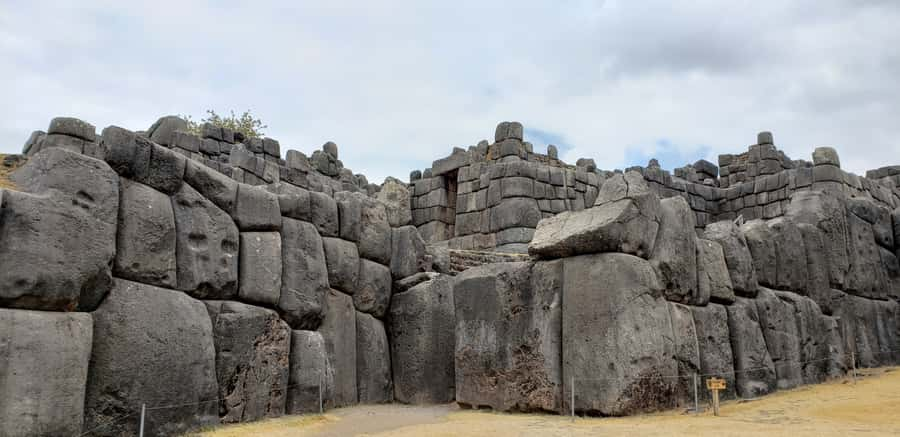
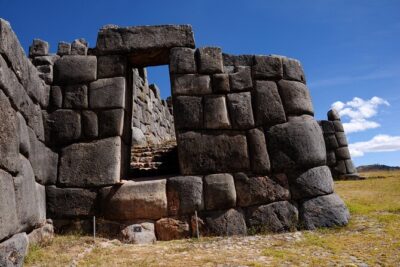
- Entering Sacsayhuaman: Inca engineering you can actually picture
- Qenqo huaca: where the mummification lesson makes the place click
- Vieja Estancia ranch setup: helmets, muleteers, and matching your horse
- Riding the National Park of Sacsayhuaman: views, farms, and wildlife odds
- Tambomachay and Puka Pukara: finishing with water and a fortress feeling
- Price and logistics: is $90 good value for this much variety?
- What you get from great guides in this setting
- Who should book this horseback and ruins combo?
- Should you book this Cusco tour?
- FAQ
- How long is the Cusco Sacsayhuaman and horseback ride tour?
- Where does pickup and drop-off happen?
- What is included in the tour price?
- What is not included, and what should I budget for?
- What languages do the guides speak?
- What should I bring or wear for this experience?
- Is the horseback ride 1 hour, and how are horses chosen?
- Who should not book this tour, and can I get a refund if plans change?
Key highlights at a glance
- Sacsayhuaman guided time that explains Inca architecture and why this site mattered
- Qenqo huaca + mummification story, taught at the archaeological complex
- Ranch induction and safety gear including helmets, saddle, and a muleteer
- A 1-hour ride in a national park area (6000 acres), with farms and possible local animals
- Two more Inca sites after riding: Tambomachay and Puka Pukara
Qorikancha, Sacsayhuaman, Tambomachay: more Cusco
- City Tour Cusco Qoricancha Sacsayhuaman y Tambomachay
★ 4.7 · 617 reviews - Cusco City Sightseeing, San Pedro Market, Cathedral and Qorikancha Temple
★ 4.5 · 139 reviews - Cusco City Sightseeing and Sacsayhuaman Archeological Park Tour
★ 4.5 · 101 reviews - Cusco 4-Hour Private Tour Including Sacsayhuaman and Qenqo
★ 5.0 · 77 reviews
A 4-hour Cusco mix of ruins, mummies, and real horseback time
This is the kind of half-day that works well when you want variety without doing a full day of temples. In just four hours, you cover the “old capital” feeling at Sacsayhuaman, get taught at Qenqo, then shift to moving through the Peruvian countryside on horseback. If you’re in Cusco for a short stay, it’s a strong way to pack meaning into limited time.
You’ll spend about 25 minutes at Sacsayhuaman, 25 minutes at Qenqo, and 25 minutes at each of Tambomachay and Puka Pukara. The centerpiece is the 1-hour horseback ride, which is why this tour doesn’t drag like some ruin-only programs can.
The pacing is intentional. The guided stops give you context, so the stones stop being just “cool ruins.” Then the ride turns those views into something you experience with your body, not just your phone.
Entering Sacsayhuaman: Inca engineering you can actually picture
Sacsayhuaman sits on the outskirts of Cusco, and the tour starts with hotel pickup and a drive out to the site. Your guided visit is about 25 minutes, which is short enough to stay energetic, but long enough to connect features to function when your guide explains them.
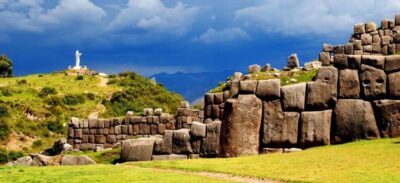
What makes Sacsayhuaman special here is that the tour doesn’t treat it like a single photo stop. You’ll learn about the architecture, the role of the city area, and why Sacsayhuaman is considered one of the best examples of Inca engineering. That matters because Inca sites often look like they’re “made of walls and terraces,” but there’s logic underneath, from layout to construction choices.
A practical tip: wear closed-toe shoes and long pants. Even if you are only there for a short guided period, you want grippy, comfortable footwear because Cusco area terrain can be uneven and you will likely move on paths leading between viewpoints.
Qenqo huaca: where the mummification lesson makes the place click
After Sacsayhuaman, you drive to Qenqo, described as a huaca, meaning a designated Incan holy place. Your guided time here is also about 25 minutes, and it’s focused on a specific theme: mummification of ancient royal people.
The tour explains that this mummification took place in a cave located on the archaeological site. That one detail changes how you see Qenqo. It stops being just another ruin complex and becomes a location tied to ritual and memory, where the landscape served the Inca worldview.
One more value point: a guided lesson at Qenqo helps you connect “site shapes” to “site purpose.” Even if you don’t know any Quechua or Inca history before you arrive, the tour gives you a clean storyline you can follow while you look at the stone features.
Vieja Estancia ranch setup: helmets, muleteers, and matching your horse
The tour shifts from stones to straps when you reach Vieja Estancia Ranch & Hotels for horseback time. Before you ride, you get a brief induction that covers how to lead safely and what to do at the ranch.
This is where the tour feels practical, not just scenic. You’ll have a saddle, and you’ll be given safety helmets. A muleteer is part of the setup, which matters because they help manage horses and the logistics of riding. For many people, that reduces stress because you’re not left alone to figure out what comes next.
Another detail I appreciate: horses are selected according to your experience and mood. That means you’re not guaranteed a high-energy mount, and you’re also not automatically assigned something too basic. Ideally, you get a horse that matches your comfort level, and that is why the total schedule depends on your riding skills.
If you want more freedom while riding, the key is to be honest during that induction about what you can handle. The tour is built to adapt, so your first words to the guide can shape your ride.
Nearby in Cusco, these earned their own write-ups
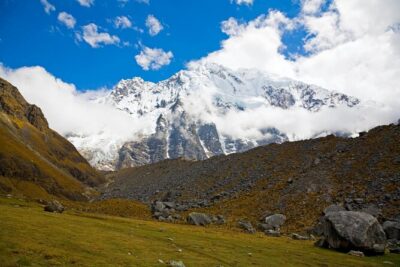
Riding the National Park of Sacsayhuaman: views, farms, and wildlife odds
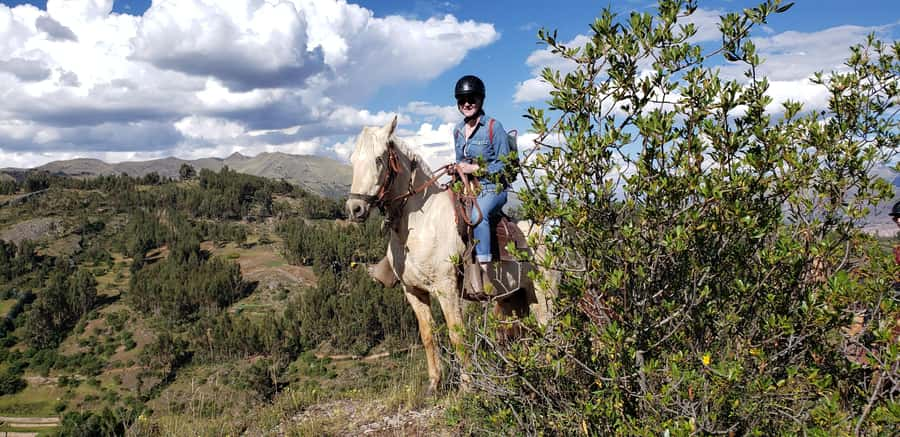
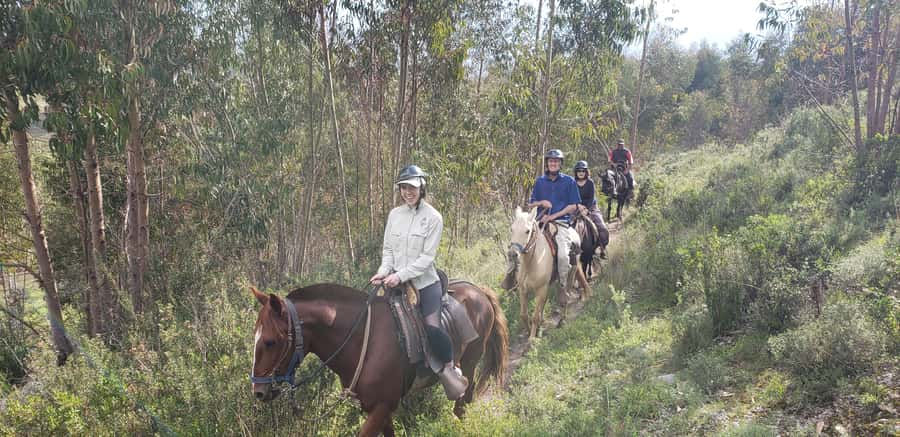
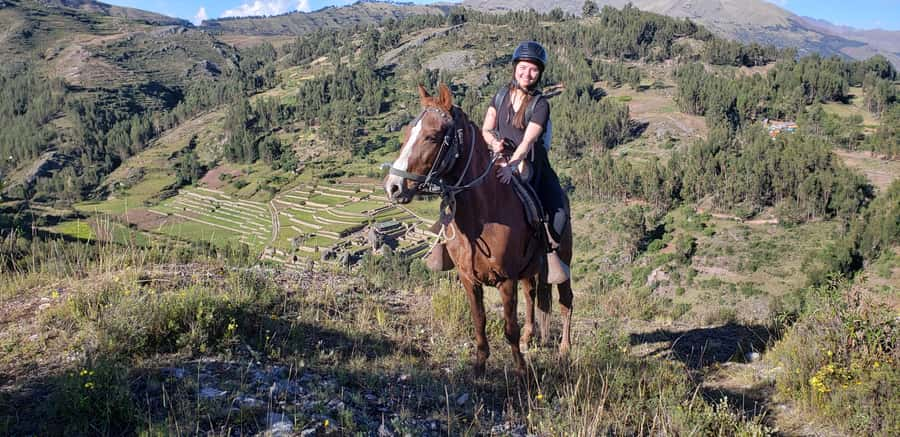
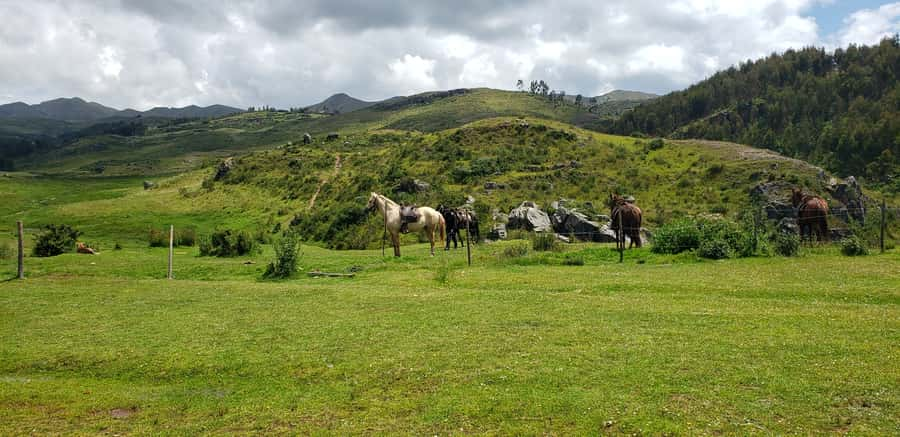
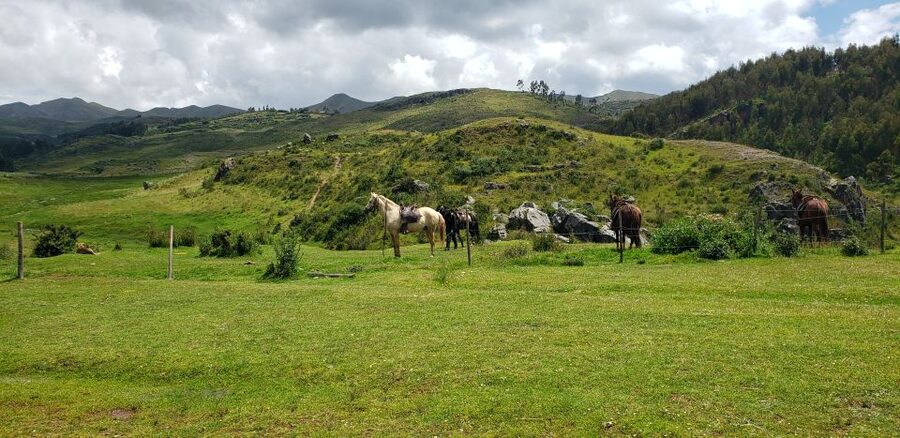
Here’s the main event: a 1-hour horseback ride into the National Park of Sacsayhuaman, totaling 6000 acres. This is not a short spin around a corral. You’re riding through open countryside that connects the archaeology to what’s beyond it.
The tour route includes changing scenery and you’ll pass sights like potato farms, some new excavations, and with luck local animals such as llamas and alpacas. Even if you don’t see animals, the mix of cultivated areas and ruin-adjacent terrain gives you a sense of how daily life and sacred sites could overlap.
One thing to know: the ride’s tempo depends on the group and your comfort. Your horse pace is tied to your riding experience, so don’t show up expecting a guaranteed fast gallop. Instead, aim for a smooth, confident ride, and you’ll get the best views because you’ll actually be present.
Also, consider the altitude you’re riding at. One rider’s experience cited the ride around 3800 masl, so expect your body to feel the altitude even if the pace is manageable. Take it steady at the start, and if you feel winded, tell your guide right away.
Tambomachay and Puka Pukara: finishing with water and a fortress feeling
After the ranch and ride, the tour rounds out with two additional guided archaeological stops.
First is Tambomachay, described as an ancient temple dedicated to water. In practical terms, this is a change of mood after horseback riding. You go from open views back to a more focused “look and listen” site visit, and the guide will help you understand why this place fits as a temple connected to water.
Then you move on to Puka Pukara, an ancient Incan fortress. Again, the guided time is about 25 minutes, which is enough to get the idea of defensive or strategic function without making it feel like a museum lecture.
I like this ending because it balances the day. Sacsayhuaman brings the big city energy, Qenqo brings the ritual and mummification story, the ranch and ride bring movement through the countryside, and then Tambomachay plus Puka Pukara bring you back to purpose built stonework. It’s a full arc for your attention.
Price and logistics: is $90 good value for this much variety?
At $90 per person for roughly 4 hours, the price can feel fair or a bit steep depending on what you compare it to. Here’s the honest way I’d look at value.
You are paying for:
- hotel pickup and drop-off from central Cusco
- a bilingual guide (English or Spanish)
- saddle and safety helmets
- a muleteer
- snacks and water
- guided time at multiple archaeological sites plus the horseback ride
That adds up. Many cheaper tours either skip the guided explanations, reduce the number of stops, or make you handle your own transportation to the ranch. In this program, the transport between sites is handled for you, and the safety basics for riding are included.
What raises your total cost slightly is that entrances fees and the Cusco Tourist Ticket Site Pass are not included, plus insurance is not included. So budget extra for site access. If you already plan to buy the ticket pass, then the $90 is easier to swallow.
Also note a scheduling reality: the duration of the tour depends on participants horse riding skills and experience. If your group is mostly new to riding, you might move more slowly, but that’s often a good thing because it keeps the ride safer and more comfortable.
What you get from great guides in this setting
A tour like this lives or dies by the guide’s ability to connect the dots. In this experience, the guide is doing two jobs at once: teaching you about Inca sites and guiding you through a riding experience where safety matters.
I’ve seen examples of guides like Holger who delivered standout explanations, and Beny who paired excellent English with a flexible approach. In one case, the riders described being able to trot and even galop once the horse and rider situation allowed it. That’s exactly what you want to hear, because it suggests the tour isn’t stuck in one rigid pace.
What it means for you: if you ask clear questions at Sacsayhuaman and Qenqo, you will likely get clearer answers back. And if you communicate how confident you are during the ranch induction, you can usually get a ride that fits you.
Who should book this horseback and ruins combo?
This tour is a great fit if you want:
- a guided introduction to Sacsayhuaman and Qenqo without spending all day
- a horseback ride that is supported by helmets, saddle, and a muleteer
- multiple archaeological stops beyond just one ruin complex
- a small group experience capped at 10
It’s also a good choice for families or couples where one person wants ruins and the other wants an activity. You get both.
It may not be a good fit if:
- you need accessibility accommodations, because the tour is not suitable for people with mobility impairments
- you are pregnant, because the tour is not suitable for pregnant women
- you are over 200 lbs (91 kg), because there is a weight limit
And because the ride time and pace depend on experience, beginners should be ready for a more controlled ride while you learn how to lead your horse safely.
Should you book this Cusco tour?
If you want one half-day that mixes guided Inca ruins with an actually staffed horseback ride in the National Park area, I’d book it. The $90 price makes sense when you factor in pickup, bilingual guiding, and riding safety gear, and you’ll appreciate the structure of short guided site visits followed by a full hour on horseback.
I’d especially book this if it’s your first time around Cusco’s major Inca sites and you like having a story attached to what you see. If you go, wear long pants and closed-toe shoes, speak up about your riding comfort during the induction, and take the time at Qenqo seriously. That mummification lesson is the kind of detail that makes the rest of the ruins feel connected.
FAQ
How long is the Cusco Sacsayhuaman and horseback ride tour?
The duration is 4 hours, including hotel pickup, guided visits, and a 1-hour horseback ride.
Where does pickup and drop-off happen?
Pickup and drop-off are included from hotels in central Cusco. Your guide will meet you in the lobby or at your hotel entrance.
What is included in the tour price?
Included are hotel pickup and drop-off, a bilingual guide (English and Spanish), saddle, safety helmets, a muleteer, and snacks and water.
What is not included, and what should I budget for?
Entrances fees, the Cusco Tourist Ticket Site Pass, and insurance are not included.
What languages do the guides speak?
The live tour guide speaks English and Spanish.
What should I bring or wear for this experience?
Bring long pants and wear closed-toe shoes.
Is the horseback ride 1 hour, and how are horses chosen?
Yes, the tour includes a 1-hour horseback ride. Horses are selected according to your experience and mood, and the total timing can vary depending on riding skills.
Who should not book this tour, and can I get a refund if plans change?
The tour is not suitable for pregnant women, people with mobility impairments, or people over 200 lbs (91 kg). It also offers free cancellation up to 24 hours in advance for a full refund.
More Tours in Cusco
- Cusco: Humantay Lake Tour with Breakfast and Buffet Lunch
★ 4.9 · 2,976 reviews - From Cusco: Moray, Maras Salt Mines & Chinchero Weavers Tour
★ 4.8 · 1,925 reviews - From Cusco: Full-Day Group Tour of Machu Picchu
★ 4.7 · 1,767 reviews - Cusco: Half-Day City Tour with Sacsayhuaman and Q’enco
★ 4.6 · 1,129 reviews - Machu Picchu: Full-Day Tour from Cusco with Optional Lunch
★ 4.6 · 927 reviews
More Tour Reviews in Cusco
- Cusco: Humantay Lake Tour with Breakfast and Buffet Lunch
★ 4.9 · 2,976 reviews - From Cusco: Moray, Maras Salt Mines & Chinchero Weavers Tour
★ 4.8 · 1,925 reviews - From Cusco: Full-Day Group Tour of Machu Picchu
★ 4.7 · 1,767 reviews - Machu Picchu Day Trip from Cusco
★ 4.5 · 1,644 reviews - Cusco: Half-Day City Tour with Sacsayhuaman and Q’enco
★ 4.6 · 1,129 reviews
Cusco Street by Street
- Cusco: Half-Day City Tour with Sacsayhuaman and Q’enco
★ 4.6 · 1,129 reviews - City Tour Cusco Qoricancha Sacsayhuaman y Tambomachay
★ 4.7 · 617 reviews - Cusco City Sightseeing, San Pedro Market, Cathedral and Qorikancha Temple
★ 4.5 · 139 reviews - Cusco City Sightseeing and Sacsayhuaman Archeological Park Tour
★ 4.5 · 101 reviews - Cusco 4-Hour Private Tour Including Sacsayhuaman and Qenqo
★ 5.0 · 77 reviews
Freshly reviewed across Cusco
- Excursion Cusco – Puno – Titicaca Observatory Train★ 5.0 · 3 reviews
- Sacred Valley Vip Cusco★ 4.7 · 3 reviews
- Cusco | Humantay Lake 1-Day Tour with Breakfast and Lunch★ 5.0 · 3 reviews
- Full-Day Condor Viewpoint & Inca Sites Tour★ 5.0 · 3 reviews
- Best of Cusco: Private Walking Tour with a Local★ 3.6 · 3 reviews
- From Cusco: Full-Day Private Sacred Valley Tour★ 5.0 · 3 reviews
Cusco City Tours side by side.
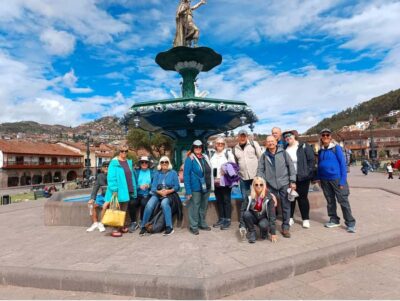 ★ 4.6Cusco: Half-Day City Tour with Sacsayhuaman and Q’encoFrom $131,129 reviews
 ★ 4.7City Tour Cusco Qoricancha Sacsayhuaman y TambomachayFrom $13617 reviews
 ★ 4.5Cusco City Sightseeing, San Pedro Market, Cathedral and Qorikancha TempleFrom $59139 reviews
 ★ 4.5Cusco City Sightseeing and Sacsayhuaman Archeological Park TourFrom $79101 reviews
 ★ 5.0Cusco 4-Hour Private Tour Including Sacsayhuaman and QenqoFrom $8777 reviews
 ★ 4.5Sacsayhuaman Temple, Tambomachay and Puca Pucara Half-Day TourFrom $6959 reviews
 ★ 4.5Half-Day City Tour of Cusco Including TambomachayFrom $1859 reviews
 ★ 5.0Private Cusco City Tour with Sacsayhuaman & Inca SitesFrom $18052 reviews
Also on these Peru lists