
REVIEW · CUSCO CITY
From Cusco: City tour 4 ruins + Qoricancha
Cusco layers in one tight loop. This half-day style outing links Qoricancha and the Inca frontier sites around Cusco, with Sacsayhuamán usually the wow moment. It is a compact way to see how Inca power and Spanish-era influence sit on the same streets.
I especially like two things. First, you get a real guided pass through major sites, including a stop at the religious complex Qoricancha. Second, the route mixes functions, from ceremonial places like Qenqo to defense at Puca Pucara and water worship at Tambomachay.
One consideration is timing, because entrances are not included and the tour can include extra stops that eat minutes. If you are working on a tight schedule, show up prepared to move quickly between places.
In This Review
- Key points to know before you go
- How the 5-Hour Schedule Works From Plaza de Armas
- Qoricancha, Cusco’s Sun Temple, Meets Spanish Power
- Sacsayhuamán Walls: The Inca Military Masterclass
- Qenqo, Puca Pucara, and Tambomachay: Sacred, Defensive, Purification
- Price and Ticket Value When Entrances Are Not Included
- Guide Styles, Group Pace, and the One Thing to Watch For
- What to Pack and How to Handle Altitude Comfortably
- Who This Tour Suits Best in Cusco
- FAQ
- What is the duration of the Cusco city tour with 4 ruins and Qoricancha?
- What times are the morning and afternoon shifts?
- Are entrance tickets included in the price?
- What languages is the live guide?
- What should I bring for the tour?
- Is the tour suitable for vertigo?
- Should You Book This Cusco City Tour?
Key points to know before you go
- Inca and Spanish mix: Qoricancha is the anchor stop and the easiest one to understand in context.
- A clear 5-hour structure: Two daily shifts, morning and afternoon, with a return near Plaza de Armas.
- Transport plus bilingual guide: Included rides help you avoid the hassle of getting between ruins.
- Entrances are extra: The Boleto turistico is common to plan around.
- Watch the pace: Some time can go toward non-ruin stops, so you may need to prioritize photos and key spots.
- Not for vertigo: If height anxiety is an issue, this route may not feel comfortable.
Qorikancha, Sacsayhuaman, Tambomachay: more Cusco
- City Tour Cusco Qoricancha Sacsayhuaman y Tambomachay
★ 4.7 · 617 reviews - Cusco City Sightseeing, San Pedro Market, Cathedral and Qorikancha Temple
★ 4.5 · 139 reviews - Cusco City Sightseeing and Sacsayhuaman Archeological Park Tour
★ 4.5 · 101 reviews - Cusco 4-Hour Private Tour Including Sacsayhuaman and Qenqo
★ 5.0 · 77 reviews
How the 5-Hour Schedule Works From Plaza de Armas
This tour is built around a simple rhythm: meet in Cusco’s Plaza de Armas, get your bearings, then hop between archaeological sites with transport. You’ll start from a meeting point in Plaza de Armas, and you can also have pickup arranged, with the guide contacting you about 15 minutes before. Aim to wait around 10 minutes in your hotel lobby if you are being picked up.
There are two shifts. The morning shift runs from about 8:40 a.m. to 9:00 a.m. and typically ends around 2:30 p.m. The afternoon shift starts around 12:40 p.m. to 1:00 p.m. and typically ends around 6:30 p.m.
On Sundays, hours can shift because some sites open later. If you are going on a Sunday, it pays to be flexible and give yourself a little buffer for slower opening times.
Qoricancha, Cusco’s Sun Temple, Meets Spanish Power
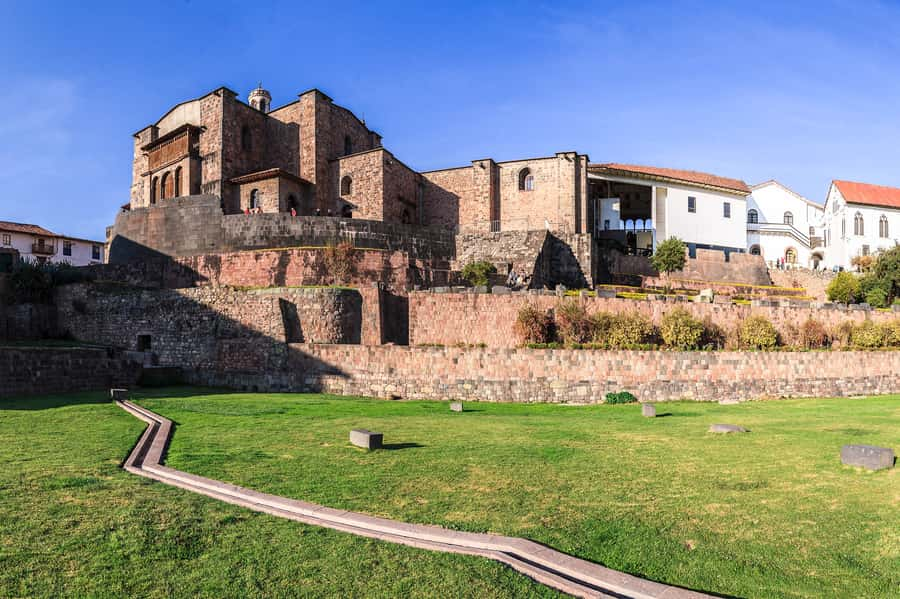
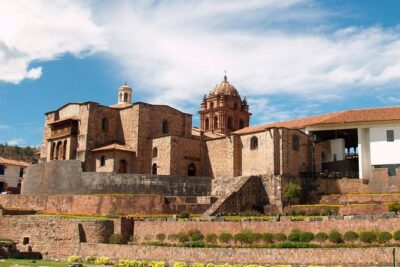
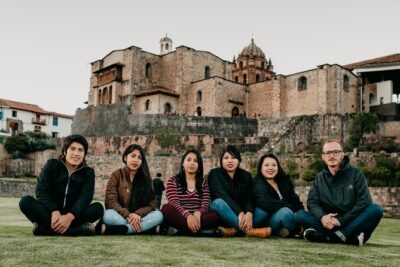
Most Cusco city tours live or die at Qoricancha, and this one puts it right up front. You’ll walk about three blocks from Plaza de Armas to the Temple of the Sun, Qoricancha, then start with a guided visit. That early start matters because Cusco gets busy, and you want your first impression to be unhurried.
Qoricancha is the religious complex that helps you connect the dots between Inca beliefs and what came afterward. The tour pitch is about seeing that blend of cultures, and Qoricancha is the natural place to understand it. Even if you are not an archaeology nerd, a guide explanation turns the stone and layout into a story you can actually picture.
Bring a camera, but also take a moment to look beyond the main facade. The guide’s narration is what helps you notice how the Inca sacred space was interpreted and reused through time.
Sacsayhuamán Walls: The Inca Military Masterclass
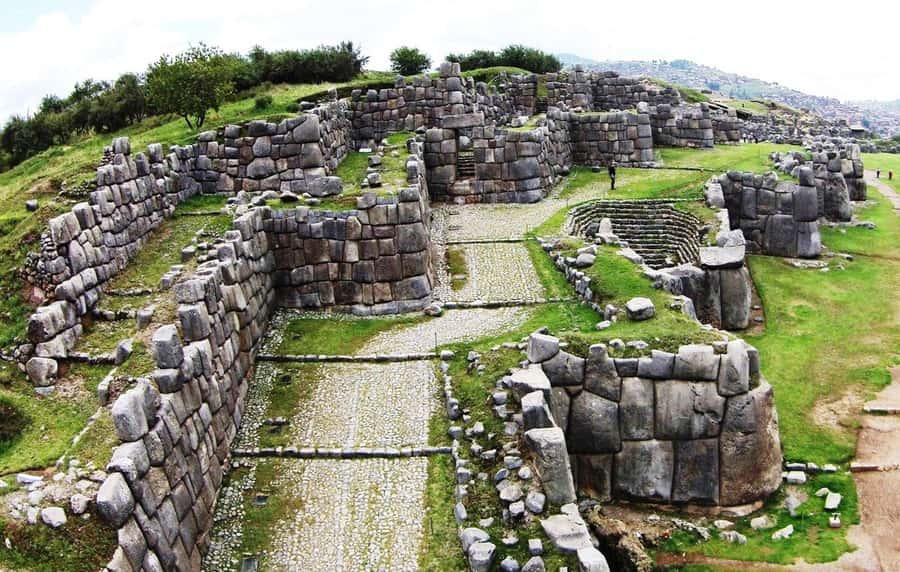
Next you move to Sacsayhuamán, one of the most striking Inca sites for sheer construction. The headline here is Inca military architecture, with imposing, perfectly assembled stone walls that look almost impossible at first glance. If you like places where you can literally feel engineering skill, this stop delivers.
This site is a great “middle of the loop” anchor. After Qoricancha, Sacsayhuamán shifts you from religion to power, from ritual to control. You start to understand why the Inca did not only build temples, they also built a city-scale defense system.
Wear comfortable shoes here. Even if the route is not long, the terrain and uneven stone in Cusco ruins can turn a quick stop into a careful one. If you have any vertigo, keep reading, because the tour is not considered suitable for that.
Qenqo, Puca Pucara, and Tambomachay: Sacred, Defensive, Purification
The route keeps your brain busy by changing the theme at each stop.
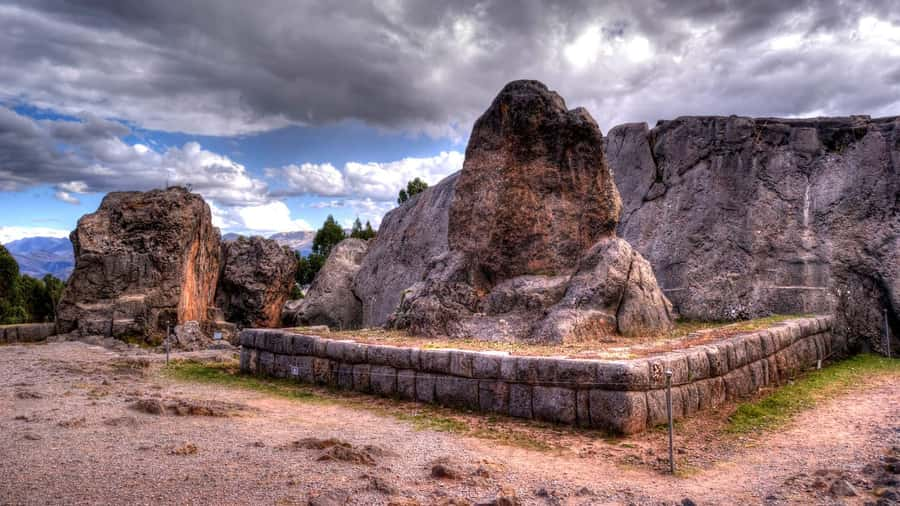
At Qenqo, you’re in an ancient ceremonial center built on a natural rock formation. The standout detail is the way the site uses the rock itself, which makes the setting feel part of the ritual. A good guide helps you connect the natural geography to why people would treat it as sacred.
Then comes Puca Pucara, a military fortress tied to Cusco’s defensive system. This is where you get walls, terraces, and stairways as part of the “how it worked” picture. If Qenqo made you think about belief, Puca Pucara asks you to picture movement, lookout points, and how a fortress functioned.
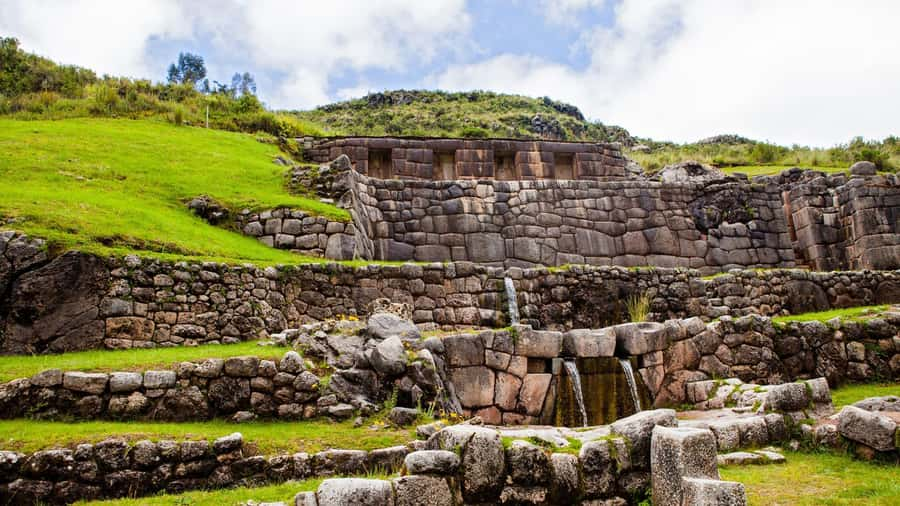
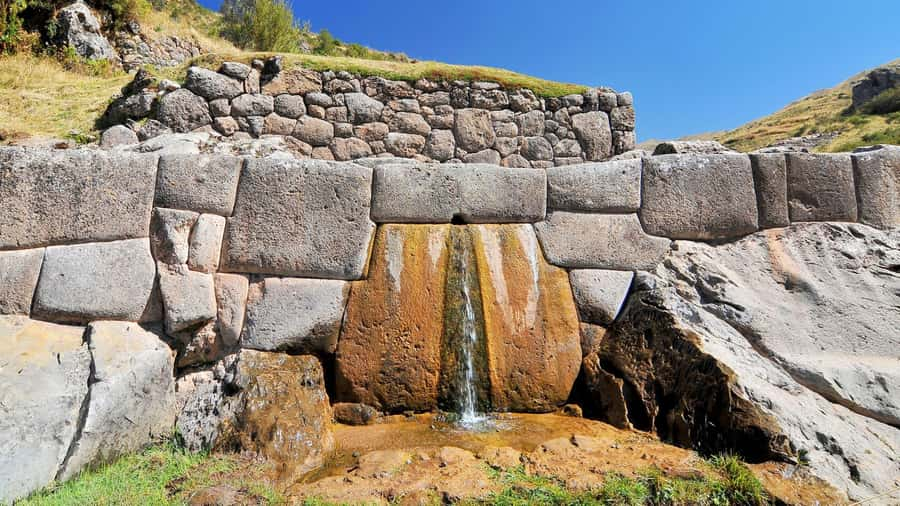
Finally, Tambomachay turns the tone toward water and purification. This archaeological site is dedicated to worship of water, with canals and fountains that are easy to recognize once you’re there. The theme shift is one reason the itinerary feels balanced: you get ceremony, defense, then purification.
If you are traveling with limited time in Cusco, this three-stop run gives you a shortcut to understanding different Inca site purposes. You may not catch every detail at each ruin, but you should leave with a coherent sense of what each place was for.
Nearby in Cusco, these earned their own write-ups
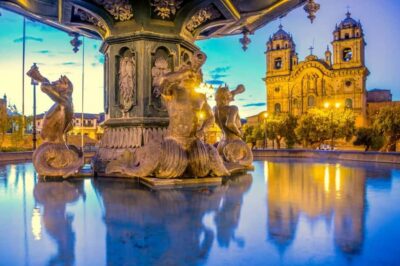
Price and Ticket Value When Entrances Are Not Included
The price is listed at $11 per person, which is hard to beat for a 5-hour guided loop with transport. But here is the catch: entrances are not included, and meals are not included either. In practice, that means your total cost can jump depending on which sites you need to pay for and what ticket options you choose.
A common workaround is buying the Boleto turistico for the full set of parks. In one example shared by a traveler, the complete ticket was cited as S/130, and a student rate was cited as S/70, with the ticket helping cover access across multiple archaeological areas. If you are eligible for student pricing, this is the kind of detail worth checking early at the ticket office.
For value, I treat it like this. The $11 is mostly paying for logistics and guidance, not for entry fees. If you are okay with paying entrance separately, this tour is strong value because it bundles a lot of major sights into one organized half-day.
Guide Styles, Group Pace, and the One Thing to Watch For
You get a bilingual live guide in Spanish and English, and guide quality is usually the deciding factor on a tour like this. One name that comes up is Werner, described as attentive, which suggests a guide who keeps explanations clear and responsive. Another guide name, Angélica, is linked to history-focused guidance, with the added note that pacing can become an issue when time is spent away from ruins.
That brings up the one real watch-out: time can be lost. Some versions of the day include stops that are not the ruins themselves, like museum or retail-style stops. If that happens, you can end up feeling rushed at the last sites because the clock has to win.
There can also be practical hiccups at the start. One traveler described confusion finding the right tour in Plaza de Armas and having a guide named Sam fix it quickly. So, do two simple things: arrive a few minutes early and confirm your name on the list before everyone fans out.
If you like a steady, ruin-first schedule, prioritize the first half of the itinerary. Qoricancha and Sacsayhuamán are the heart of the tour, and those are also the easiest to plan around if time gets tight.
What to Pack and How to Handle Altitude Comfortably
Cusco is high. Even if your day is only 5 hours, you can still feel it.
The tour recommends drinking coca tea before you go to help prevent altitude sickness. You are also asked to bring a hat, sunscreen, sunglasses, and wear appropriate clothing for the activity. Comfortable shoes matter because ruins are not flat, and you want stability underfoot.
Also bring your passport or ID card, plus a camera if you want photos at the stone walls and water channels. You’ll be outside for most of the day, so plan like you are going to be in strong sun, even if mornings start cool.
One small but important behavior note: drinks in the vehicle are not allowed, and alcohol and drugs are not allowed. Pack water outside the vehicle if you need it, and follow the rules so your day stays smooth for everyone.
Who This Tour Suits Best in Cusco
This is a great fit if you want a structured, first-time Cusco overview without having to plan transportation between sites. It is also a smart choice if you want the Inca-to-Spanish storyline explained with a guide.
You should also consider it if you like variety. The itinerary moves from sacred space to military architecture to ceremonial ritual to purification, and the themes help your understanding stick.
It is not suitable for people with vertigo. If you know you struggle with heights or uneven sightlines, this tour can be stressful, even if the walking is not extreme.
If you want ultra-deep study at one site, this is not that kind of tour. Think of it as a high-quality sampler that helps you decide what to revisit later on your own.
FAQ
What is the duration of the Cusco city tour with 4 ruins and Qoricancha?
The tour lasts about 5 hours, based on the scheduled shift you choose.
What times are the morning and afternoon shifts?
Morning shift starts around 8:40 a.m. to 9:00 a.m. and typically ends around 2:30 p.m. Afternoon shift starts around 12:40 p.m. to 1:00 p.m. and typically ends around 6:30 p.m.
Are entrance tickets included in the price?
No. Entrance fees, also described as Boleto turistico, are not included.
What languages is the live guide?
The guide provides live interpretation in Spanish and English.
What should I bring for the tour?
Bring a passport or ID card, comfortable shoes, sunglasses, a camera, and sunscreen. A hat and appropriate clothing are also recommended.
Is the tour suitable for vertigo?
No, it is not suitable for people with vertigo.
Should You Book This Cusco City Tour?
Book it if you want a focused Cusco highlights route with Qoricancha plus major Inca sites, and you prefer doing it with a bilingual guide and included transport. It is good value when you consider that you are paying for logistics and interpretation, not just ruins.
I would skip it if you hate rushing, or if you know you are sensitive to time spent on non-ruin stops. Also, if vertigo is an issue for you, choose a different plan.
If you want to get the most out of it, plan your day around the first half. Arrive early, protect yourself from sun, and think of this tour as your map to what you’ll want to see again in more detail later.
More Tours in Cusco
- Cusco: Humantay Lake Tour with Breakfast and Buffet Lunch
★ 4.9 · 2,976 reviews - From Cusco: Moray, Maras Salt Mines & Chinchero Weavers Tour
★ 4.8 · 1,925 reviews - From Cusco: Full-Day Group Tour of Machu Picchu
★ 4.7 · 1,767 reviews - Cusco: Half-Day City Tour with Sacsayhuaman and Q’enco
★ 4.6 · 1,129 reviews - Machu Picchu: Full-Day Tour from Cusco with Optional Lunch
★ 4.6 · 927 reviews
More Tour Reviews in Cusco
- Cusco: Humantay Lake Tour with Breakfast and Buffet Lunch
★ 4.9 · 2,976 reviews - From Cusco: Moray, Maras Salt Mines & Chinchero Weavers Tour
★ 4.8 · 1,925 reviews - From Cusco: Full-Day Group Tour of Machu Picchu
★ 4.7 · 1,767 reviews - Machu Picchu Day Trip from Cusco
★ 4.5 · 1,644 reviews - Cusco: Half-Day City Tour with Sacsayhuaman and Q’enco
★ 4.6 · 1,129 reviews
Cusco Street by Street
- Cusco: Half-Day City Tour with Sacsayhuaman and Q’enco
★ 4.6 · 1,129 reviews - City Tour Cusco Qoricancha Sacsayhuaman y Tambomachay
★ 4.7 · 617 reviews - Cusco City Sightseeing, San Pedro Market, Cathedral and Qorikancha Temple
★ 4.5 · 139 reviews - Cusco City Sightseeing and Sacsayhuaman Archeological Park Tour
★ 4.5 · 101 reviews - Cusco 4-Hour Private Tour Including Sacsayhuaman and Qenqo
★ 5.0 · 77 reviews
Freshly reviewed across Cusco
- Excursion Cusco – Puno – Titicaca Observatory Train★ 5.0 · 3 reviews
- Sacred Valley Vip Cusco★ 4.7 · 3 reviews
- Cusco | Humantay Lake 1-Day Tour with Breakfast and Lunch★ 5.0 · 3 reviews
- Full-Day Condor Viewpoint & Inca Sites Tour★ 5.0 · 3 reviews
- Best of Cusco: Private Walking Tour with a Local★ 3.6 · 3 reviews
- From Cusco: Full-Day Private Sacred Valley Tour★ 5.0 · 3 reviews
Cusco City Tours side by side.
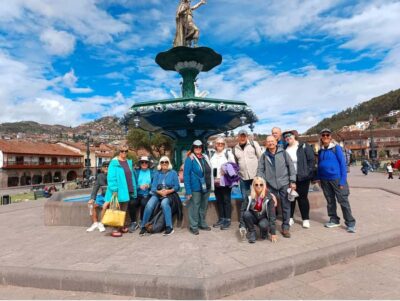 ★ 4.6Cusco: Half-Day City Tour with Sacsayhuaman and Q’encoFrom $131,129 reviews
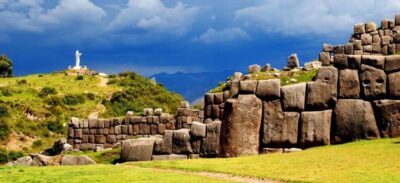 ★ 4.7City Tour Cusco Qoricancha Sacsayhuaman y TambomachayFrom $13617 reviews
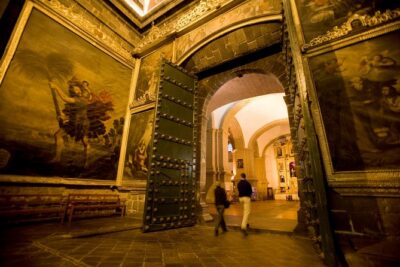 ★ 4.5Cusco City Sightseeing, San Pedro Market, Cathedral and Qorikancha TempleFrom $59139 reviews
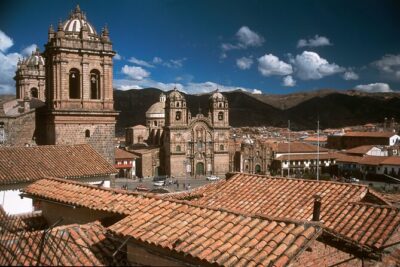 ★ 4.5Cusco City Sightseeing and Sacsayhuaman Archeological Park TourFrom $79101 reviews
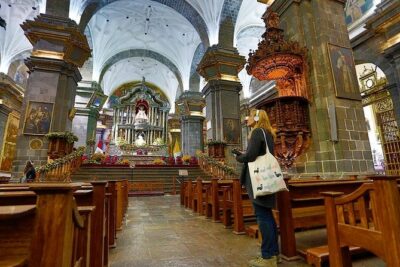 ★ 5.0Cusco 4-Hour Private Tour Including Sacsayhuaman and QenqoFrom $8777 reviews
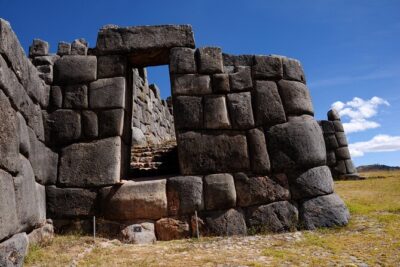 ★ 4.5Sacsayhuaman Temple, Tambomachay and Puca Pucara Half-Day TourFrom $6959 reviews
 ★ 4.5Half-Day City Tour of Cusco Including TambomachayFrom $1859 reviews
 ★ 5.0Private Cusco City Tour with Sacsayhuaman & Inca SitesFrom $18052 reviews
Also on these Peru lists