
REVIEW · CITY
Cusco: Half-Day City Tour
Cusco clicks into place fast. In a tight 6 hours, you get guided stops at Inca ceremonial and defensive sites like Qenqo and Sacsayhuaman, then (on afternoon departures) you add the Basilica Cathedral built in 1560 and the temple of Coricancha. Two things I really like are the mix of Inca engineering plus colonial-era landmarks, and the bilingual, professional guide who keeps the story moving. One possible drawback to plan for is extra costs at the sites, since key entrances and an out-of-city archaeological ticket are not included.
Pickup is from the historic center, and the timing is built for first-time Cusco visitors who want “big highlights” without losing a whole day. You will be walking on uneven ground, so comfortable shoes, water, and long pants matter, and you should also bring sunscreen and a rain layer because weather can change quickly at altitude. If you dislike any stop that is more shopping-adjacent, keep your expectations realistic, since there can be a brief textiles store stop.
In This Review
- Key highlights you will feel right away
- Cusco in Half a Day: What This Tour Actually Covers
- Pickup and Van Time From Centro Histórico, Plus Where You Finish
- Qenqo Archaeological Complex: Ceremonial Rock With a Clear Purpose
- Puca Pucara: Military Ruins, Guard Posts, and the Incas at Defense Mode
- Tambomachay: The Baths of the Incas and Why Water Gets Spiritual Here
- Sacsayhuaman: Solar Shrine Theories and Limestone Blocks Built to Last
- Coricancha and Cusco Cathedral: The Afternoon Add-On That Changes the Whole Flavor
- Timing Tip: Morning vs Afternoon Choices and What You Pay For
- Guide Quality in Cusco: What Makes These Ruins Make Sense
- The One Spot That Might Feel Like Extra Time: Textiles Stops
- What to Wear and Bring at Altitude: Practical Packing That Saves the Day
- Who This Tour Fits Best, and Who Might Want a Different Day Plan
- Should You Book This Cusco Half-Day City Tour?
- FAQ
- What is included in the $17 price?
- What entrance fees are not included?
- Which sites are visited on the morning tour?
- Which extra sites are available on afternoon departures?
- Where does pickup happen, and where do you finish?
- How long is the tour?
- What should I bring, and what is not allowed?
Key highlights you will feel right away
- A half-day route with real Inca sites, not just viewpoints, with guided time at Qenqo, Puca Pucara, Tambomachay, and Sacsayhuaman
- Two versions of the tour, morning only covers the main archaeological complexes, afternoon adds Coricancha and the Basilica Cathedral
- Engineering-focused stops, including the massive limestone blocks at Sacsayhuaman meant to protect the city from invasions from the east
- Tambomachay’s water story, a 9-kilometer-outside Cusco site people connect to the baths of the Incas and possible water purification rituals
- Bilingual guidance in English and Spanish, with guides who can answer curious questions and keep the pace friendly
- Low base price with planned extras, since the guide and van are included, but cathedral and Coricancha entrances, plus the out-of-city archaeological ticket, are not
Nearby in Cusco, these earned their own write-ups
- Cusco: Half-Day City Tour with Sacsayhuaman and Q’enco
★ 4.6 · 1,129 reviews - City Tour Cusco Qoricancha Sacsayhuaman y Tambomachay
★ 4.7 · 617 reviews - Open Bus Cusco City Tour
★ 4.5 · 219 reviews - Cusco: City Tour | Half-Day Tour to 4 Archaeological Sites
★ 4.6 · 206 reviews
Cusco in Half a Day: What This Tour Actually Covers
This is a half-day Cusco city tour designed to be efficient. You start with hotel pickup in the historic center (Centro Histórico), then you ride by van to several major Inca complexes and, depending on your departure time, you may also visit major colonial and temple sites in town.
The key idea is concentration. Instead of spreading stops thin across a full day, this route stacks the most memorable places where you can see Inca planning in the stonework, the layout, and the way the sites are positioned.
You also get a professional, bilingual guide (Spanish and English), which matters in Cusco. Even when you know the names of places, it is the guided explanation that turns the blocks, walls, and rock formations into a story you can follow.
Pickup and Van Time From Centro Histórico, Plus Where You Finish
You get picked up from your Cusco hotel in the historic center, or from the nearest meeting point if your hotel is not reachable by vehicle. Expect a van ride between stops, including a longer transit segment before you begin the archaeological portion.
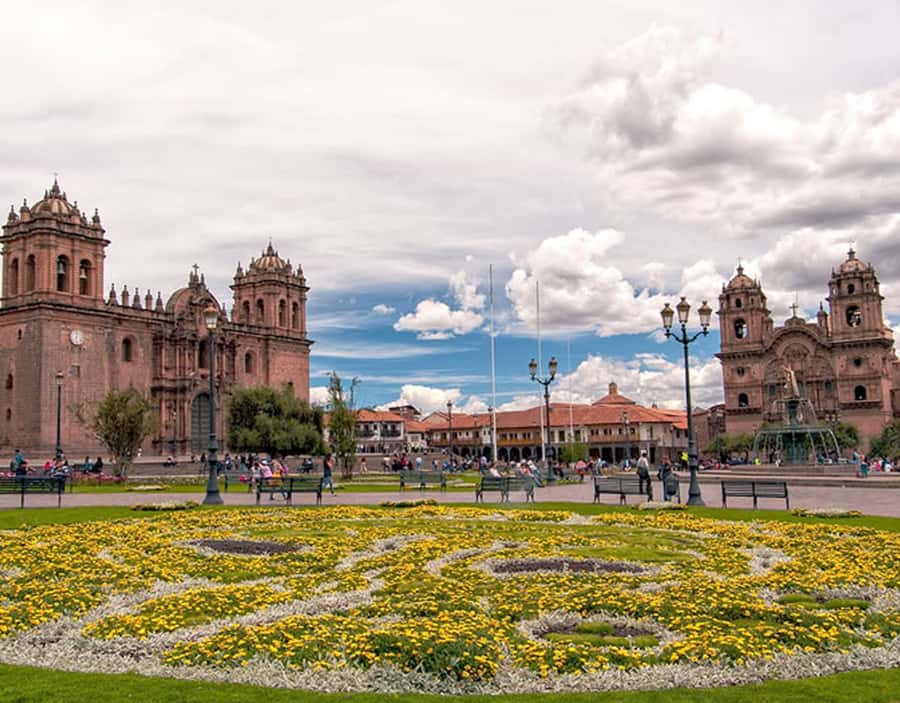
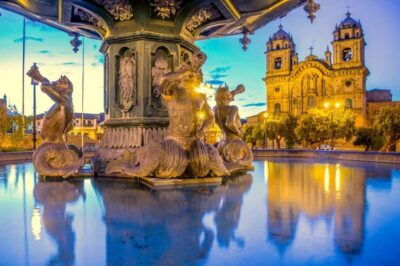
One practical detail: the tour ends at Plaza Mayor del Cusco. That is handy because it drops you right back in the center where you can grab lunch, recharge, and decide what to do next without a long trip across town.
Wear shoes that grip. Cusco paths can be rocky and sloped, and your half day will feel shorter if your feet feel steady from the first stop.
Qenqo Archaeological Complex: Ceremonial Rock With a Clear Purpose
Qenqo is a natural rock formation that became a ceremonial center. The guided time here is about 40 minutes, which is usually enough to understand the place without feeling rushed.
What I like about Qenqo is that it is not just a “look, there are stones” stop. The idea of a ceremonial center on a shaped rock environment helps you read the site as intentional, not accidental.
If you are the kind of person who enjoys noticing details, pay attention to how the space is arranged. Cusco sites often reward slower looking, and Qenqo is one of the best places on this route to practice that.
Puca Pucara: Military Ruins, Guard Posts, and the Incas at Defense Mode
Next comes Puca Pucara, a site known for military ruins. Here you get another 40 minutes of guided exploring, and the description focuses on the remnants of guard posts, staircases, streets, houses, and courtyards.
This stop is a great counterbalance to the ceremonial sites. Inca Cusco was not only about worship and empire-building, it was also about defense and control of movement. Seeing the “everyday built environment” elements like stairways and courtyard-like spaces makes the military purpose feel more grounded.
The best way to enjoy Puca Pucara is to think in layers: first, what is the site, then how would people have moved through it, and finally how the location supports the story of protection.
Nearby in Cusco, these earned their own write-ups
Tambomachay: The Baths of the Incas and Why Water Gets Spiritual Here
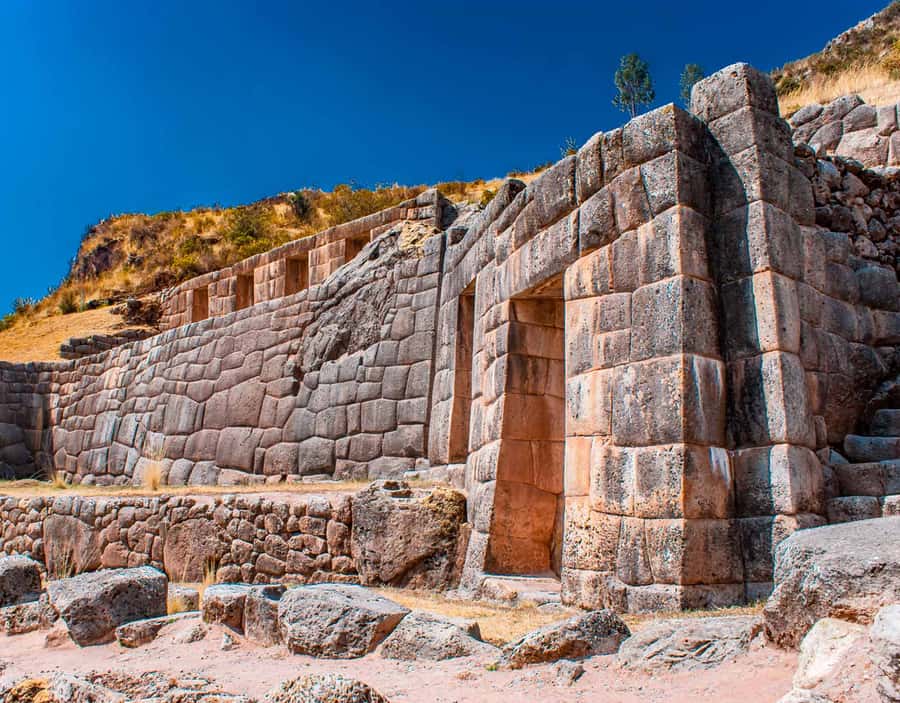
Tambomachay is about 9 kilometers outside Cusco. The tour spends around 40 minutes here, guided, with an explanation tied to the shape of its water source and the idea that it functioned as the baths of the Incas.
Even if you have never heard these theories before, you can usually feel why people connect Tambomachay with purification. Water features naturally create a sense of ritual space, and Cusco’s dry light makes anything water-related feel extra meaningful.
One consideration: because it sits outside the city, this is one of the stops where additional site ticket costs often apply. Plan ahead so you are not dealing with money stress while you are trying to enjoy the moment.
Sacsayhuaman: Solar Shrine Theories and Limestone Blocks Built to Last
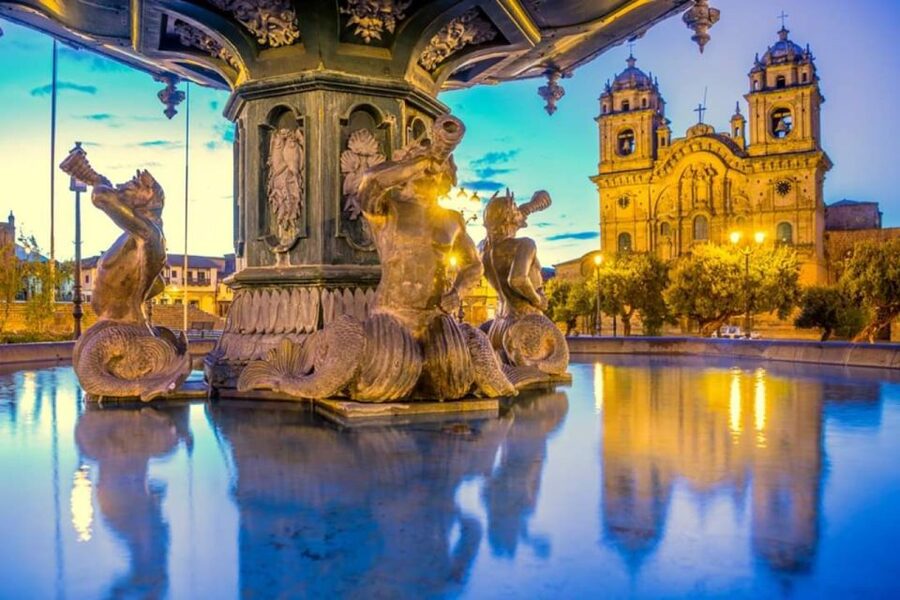
Sacsayhuaman is the stop that most people remember. It is included after Tambomachay, with about 40 minutes of guided time, and the tour frames it as a solar shrine that chroniclers believe was built by the last dynasties of the Incas.
The explanation also highlights the large limestone blocks and their purpose, described as protection of the city from attacks of invaders from the east, or Antis. Whether or not every detail is debated, the stone engineering is real and eye-catching.
Here is how to make this stop land. Walk up, pause, and look at the walls as structural work first. Then switch to storytelling mode and let your guide’s explanation connect the geometry and positioning to the bigger Inca plan.
If your legs are starting to feel it by this point, that is normal. Keep your pace steady and focus on what you can see, not what you cannot.
Coricancha and Cusco Cathedral: The Afternoon Add-On That Changes the Whole Flavor
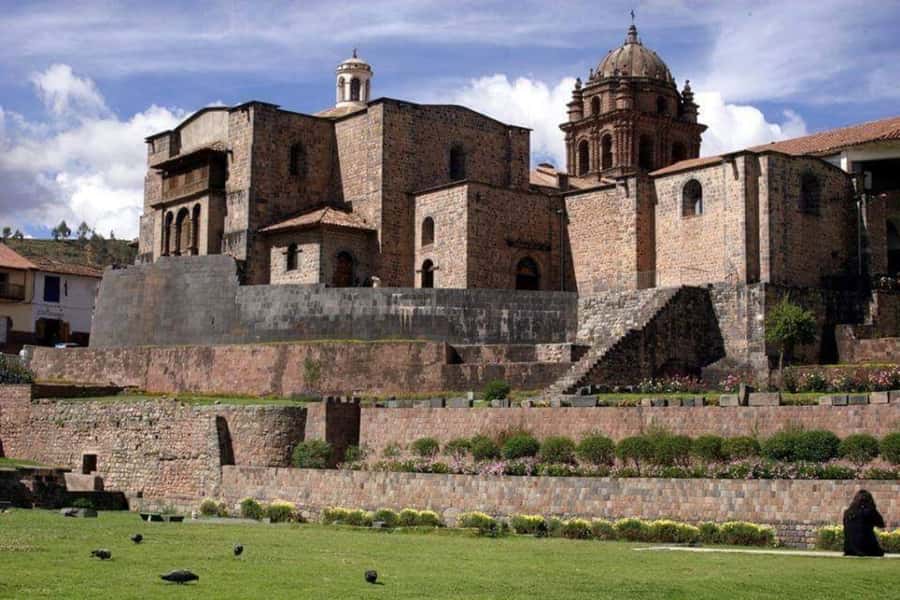
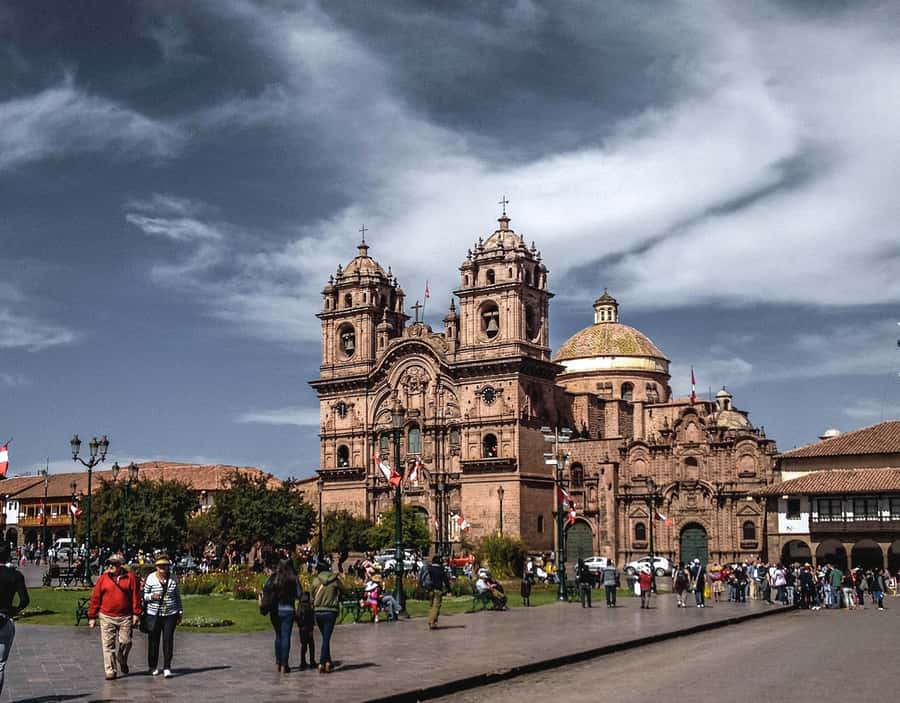
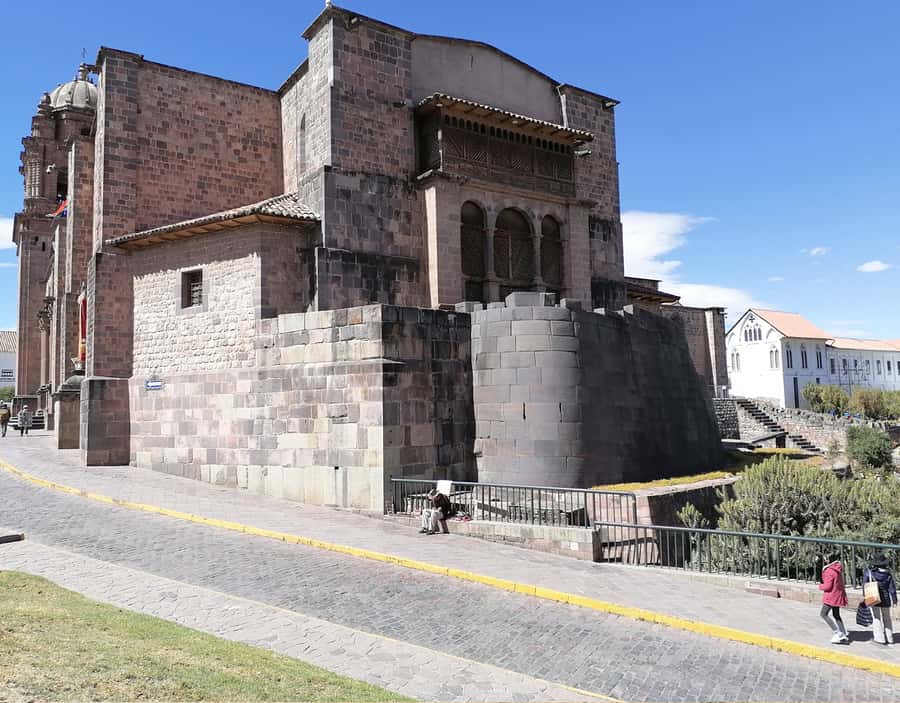
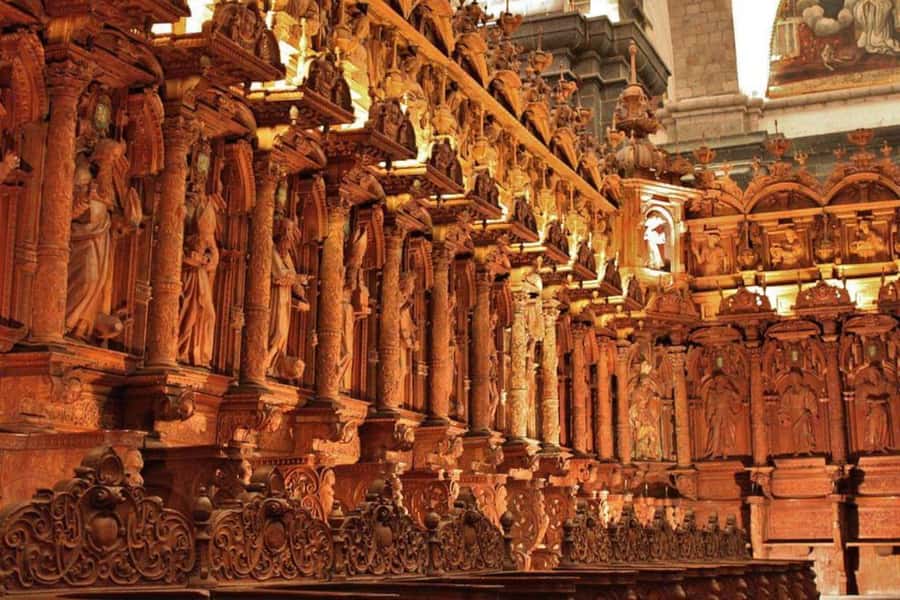
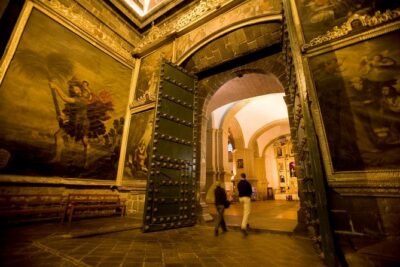
If you are on an afternoon departure, you add two big “in town” stops: the UNESCO-listed Basilica Cathedral and the temple of Coricancha.
The Basilica Cathedral is described as being built in 1560, which helps you appreciate the colonial layer that sits on top of earlier indigenous meaning. It is a different kind of architecture than the Inca sites, and the contrast can make the Inca stonework feel even more dramatic.
Coricancha is the other major piece. The tour describes it as the most important temple of the Inca empire and points out the perfect architecture and stone construction. You get about 1 hour of guided time at Coricancha, so it is not a quick photo stop.
The practical thing to know is that entrance fees for both the cathedral and Coricancha are not included in the base price. If you are budgeting, this is where planning matters most for your final cost.
Timing Tip: Morning vs Afternoon Choices and What You Pay For
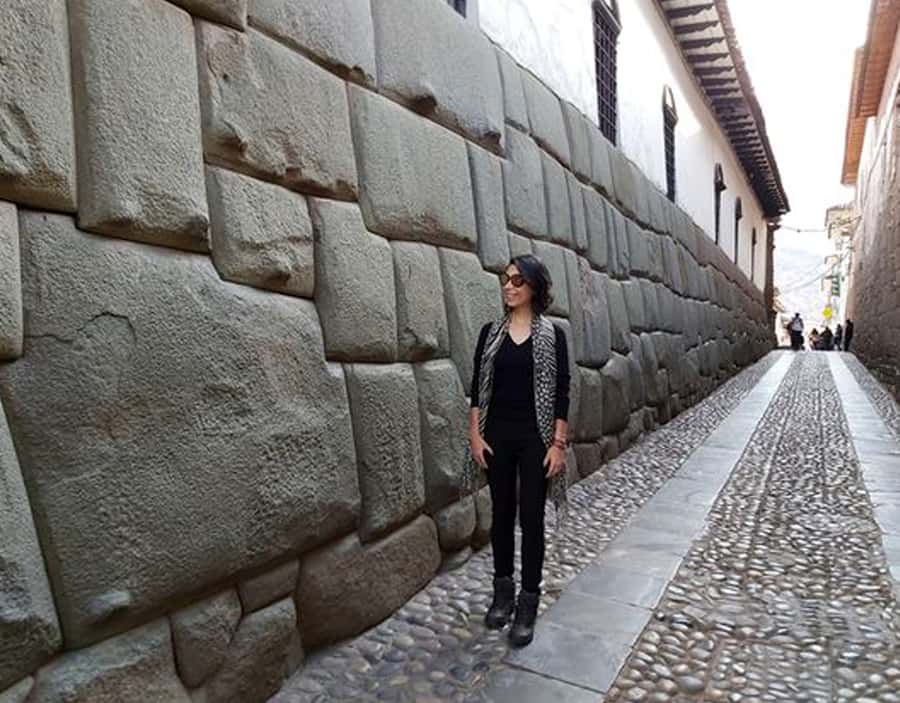
This is where you should make a smart decision based on your day.
For morning tours, you visit the four archaeological complexes: Sacsayhuaman, Qenqo, Puca Pucara, and Tambomachay. In this version, you do not include the cathedral and Coricancha.
For afternoon departures, you still visit the Inca sites, and you get the extra cultural stops in town: the cathedral and Coricancha.
About money: the tour base price is $17 per person and includes tourist transportation plus a professional, bilingual guide. Not included are:
- Cathedral entrance fee (40 soles)
- Coricancha entrance fee (15 soles)
- Tourist ticket for archaeological sites outside the city (70 soles)
So the value math is simple. If you pick the morning option, you are mainly paying for guided access to the Inca complexes and transport, plus the out-of-city archaeological ticket if it applies to your stops. If you pick the afternoon option, you should add cathedral and Coricancha entrances on top of the out-of-city archaeological ticket.
If you prefer fewer surprises, choose the morning tour when you want the Inca focus and keep the total cost more predictable.
Guide Quality in Cusco: What Makes These Ruins Make Sense
The guide is a big part of why this tour earns strong marks. You are getting a professional, bilingual guide, and the explanations tend to be detailed enough to answer curious questions on the spot.
I also like the human feel of the guides on this route. Names you may run into include Silvia, Clara, Janet, Wally, and José. The common thread in these descriptions is energy, patience, and a willingness to talk, whether it is families with kids or adults who ask lots of why questions.
There is another practical plus: the transportation can involve more than one vehicle at times, with the guide managing the transitions so you are not left figuring it out alone. That matters because Cusco streets and routes can get chaotic.
If you want the most value, ask questions early. The first stop is when you set your brain up to read the stonework and site layout correctly.
The One Spot That Might Feel Like Extra Time: Textiles Stops
One real tradeoff to know up front is that there can be a stop at a textiles store. This is described as unnecessary by some people, especially if your goal is purely ruins and history rather than shopping.
The good news is that it is usually a short interruption compared with the time spent at the archaeological sites themselves. Still, if you are travel-light and hate detours, go in with clear expectations so you do not feel annoyed halfway through your half day.
What to Wear and Bring at Altitude: Practical Packing That Saves the Day
Cusco altitude plus sun plus stone paths means the little things matter here.
Bring:
- Comfortable shoes for uneven ground
- Water, and plan to sip during the site transitions
- Passport and cash, since entrance fees are not included
- Long pants, a sun hat, and sunscreen with 30 sun protection factor or more
- A waterproof jacket or raincoat, because conditions can shift
Also remember what is not allowed: pets, luggage or large bags, and video recording.
A small tip that helps your day feel smoother is to travel with your essentials easy to grab. When you are switching between sites, you do not want your water buried under a pile.
Who This Tour Fits Best, and Who Might Want a Different Day Plan
This tour fits best if you:
- Are on a tight schedule and want Cusco highlights without doing a full day
- Like guided interpretation where you learn what you are seeing
- Want both Inca sites and, on afternoon departures, a major cathedral and Coricancha
It might be less ideal if you:
- Want only deep, slow archaeology study with minimal stops
- Are strongly against any shopping-related detours
- Hate paying extra once you arrive (because entrances and the out-of-city archaeological ticket are not included)
If you are taking your first trip to Cusco, this is a strong “get oriented fast” option. It helps you understand what matters, so later you can choose where to spend more time.
Should You Book This Cusco Half-Day City Tour?
Book it if you want a smart, guided introduction to Cusco’s Inca engineering and the colonial landmarks on the afternoon option. The base price is low for what you get, and the bilingual guide makes the stops easier to understand instead of just visiting stones.
Skip it or choose a different plan if you dislike unexpected extra costs, or if a textiles store stop would frustrate you. Also consider whether you prefer morning energy for the archaeological focus, or afternoon when Coricancha and the Basilica Cathedral add a totally different chapter to your Cusco day.
If you do book, my best advice is simple: plan your budget in soles, wear grippy shoes, and treat the first site as the start of your story, not just another stop on a checklist.
FAQ
What is included in the $17 price?
The price includes tourist transportation and a professional, bilingual guided tour in Spanish and English.
What entrance fees are not included?
You will need to pay the entrance fee to the Cusco Cathedral (40 soles) and the entrance fee to Coricancha (15 soles). You also need a tourist ticket for archaeological sites outside the city (70 soles).
Which sites are visited on the morning tour?
On the morning tours, you visit Sacsayhuaman, Qenqo, Puca Pucara, and Tambomachay. The cathedral and Coricancha are not included.
Which extra sites are available on afternoon departures?
On afternoon departures, you also have the chance to visit the UNESCO-listed Basilica Cathedral and the temple of Coricancha.
Where does pickup happen, and where do you finish?
Pickup is from your hotel in the historic center of Cusco. If your hotel cannot be accessed by vehicle, you will be given the nearest meeting point. The tour finishes at Plaza Mayor del Cusco.
How long is the tour?
The duration is 6 hours, with starting times depending on availability.
What should I bring, and what is not allowed?
Bring comfortable shoes, water, passport, and cash. Recommended items include long pants, a sun hat, sunscreen with 30 sun protection factor or more, and a waterproof jacket or raincoat. Pets, luggage or large bags, and video recording are not allowed.
More City Tours in Cusco
- Cusco: Half-Day City Tour with Sacsayhuaman and Q’enco
★ 4.6 · 1,129 reviews - City Tour Cusco Qoricancha Sacsayhuaman y Tambomachay
★ 4.7 · 617 reviews - Cusco: Sightseeing Tour of the City on an Open-Top Bus
★ 4.0 · 481 reviews - Open Bus Cusco City Tour
★ 4.5 · 219 reviews - Cusco: City Tour | Half-Day Tour to 4 Archaeological Sites
★ 4.6 · 206 reviews
More Tours in Cusco
- Cusco: Humantay Lake Tour with Breakfast and Buffet Lunch
★ 4.9 · 2,976 reviews - From Cusco: Moray, Maras Salt Mines & Chinchero Weavers Tour
★ 4.8 · 1,925 reviews - From Cusco: Full-Day Group Tour of Machu Picchu
★ 4.7 · 1,767 reviews - Cusco: Half-Day City Tour with Sacsayhuaman and Q’enco
★ 4.6 · 1,129 reviews - Machu Picchu: Full-Day Tour from Cusco with Optional Lunch
★ 4.6 · 927 reviews
More Tour Reviews in Cusco
- Cusco: Humantay Lake Tour with Breakfast and Buffet Lunch
★ 4.9 · 2,976 reviews - From Cusco: Moray, Maras Salt Mines & Chinchero Weavers Tour
★ 4.8 · 1,925 reviews - From Cusco: Full-Day Group Tour of Machu Picchu
★ 4.7 · 1,767 reviews - Machu Picchu Day Trip from Cusco
★ 4.5 · 1,644 reviews - Cusco: Half-Day City Tour with Sacsayhuaman and Q’enco
★ 4.6 · 1,129 reviews
Freshly reviewed across Cusco
- Excursion Cusco – Puno – Titicaca Observatory Train★ 5.0 · 3 reviews
- Sacred Valley Vip Cusco★ 4.7 · 3 reviews
- Cusco | Humantay Lake 1-Day Tour with Breakfast and Lunch★ 5.0 · 3 reviews
- Full-Day Condor Viewpoint & Inca Sites Tour★ 5.0 · 3 reviews
- Best of Cusco: Private Walking Tour with a Local★ 3.6 · 3 reviews
- From Cusco: Full-Day Private Sacred Valley Tour★ 5.0 · 3 reviews
City Tours side by side.
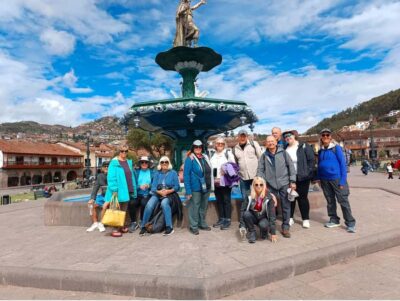 ★ 4.6Cusco: Half-Day City Tour with Sacsayhuaman and Q’encoFrom $131,129 reviews
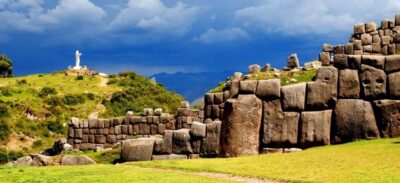 ★ 4.7City Tour Cusco Qoricancha Sacsayhuaman y TambomachayFrom $13617 reviews
 ★ 4.5Lima’s Vibrant Heritage: Exploring the City’s Landmarks Half-dayFrom $39581 reviews
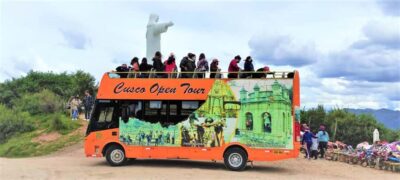 ★ 4.0Cusco: Sightseeing Tour of the City on an Open-Top BusFrom $12481 reviews
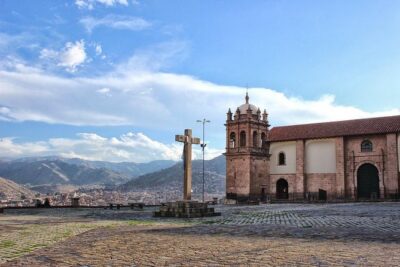 ★ 4.5Open Bus Cusco City TourFrom $14219 reviews
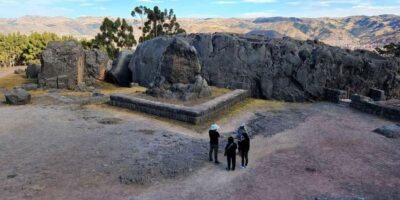 ★ 4.6Cusco: City Tour | Half-Day Tour to 4 Archaeological SitesFrom $29206 reviews
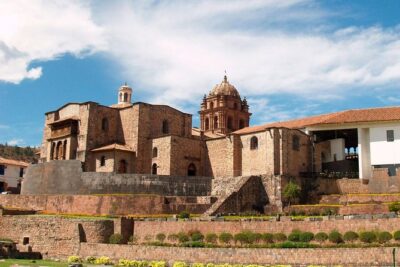 ★ 5.0City Tour in Cusco & visit Museum South American Camelid Private.From $49147 reviews
 ★ 4.5Cusco City Sightseeing, San Pedro Market, Cathedral and Qorikancha TempleFrom $59139 reviews
Also on these Peru lists