
REVIEW · MARAS AND MORAY
From Cusco: Moray, Maras, and Salt Mines Half-Day Tour
A salt mine and a weaving workshop, in one trip. This half-day Cusco route stitches together Quechua craft, Moray’s terraces, and the surreal Salineras salt pools. The mix of hands-on culture and visual wow makes it easy to recommend.
I especially like how the Chinchero stop goes beyond souvenir shopping, with a weaving workshop that explains where the colors come from. I also love the clarity of Moray and its irrigation layout, you can actually see the system at work. One thing to consider: you are up high, and the tour includes walking on uneven ground, so it may feel demanding if you’re short on stamina.
In This Review
- Key highlights worth your time
- Why This Cusco Half-Day Hits the Sacred Valley Sweet Spot
- Getting Oriented: Plaza Regocijo Pickup and High-Elevation Reality
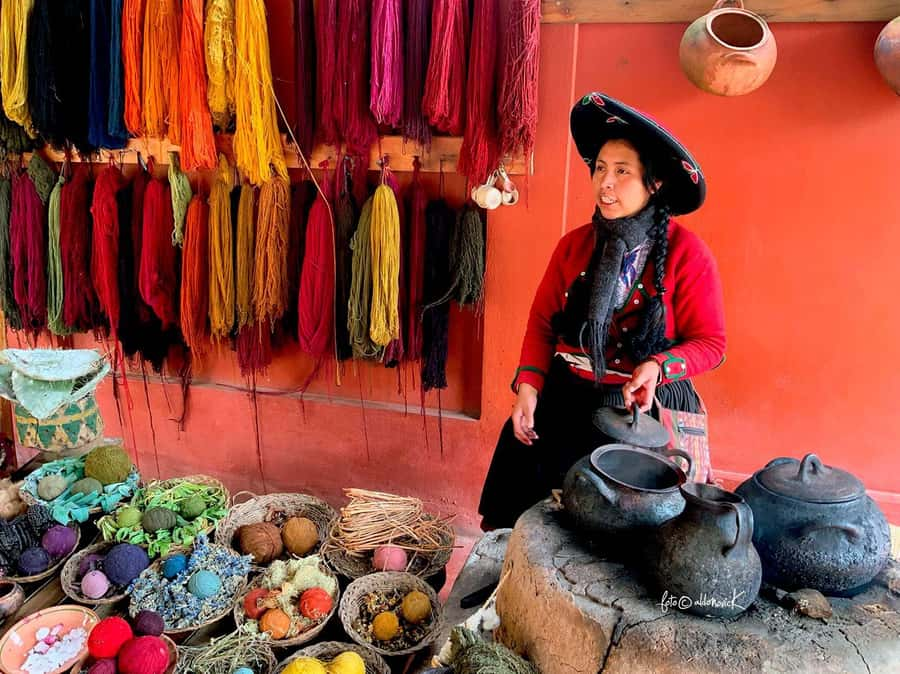
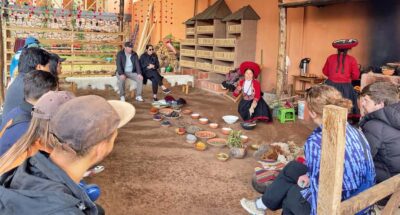
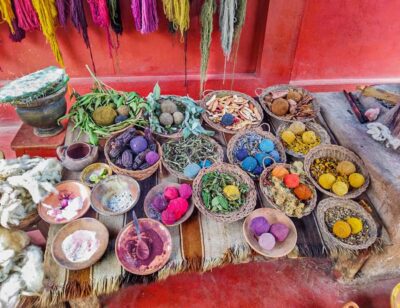
- Chinchero Weaving Workshop: Where Color Starts with Plants
- Moray Terraces: A Built System, Not Just Pretty Steps
- Maras Village Stop: Colonial Stone Details in a Working Place
- Salineras Salt Mines: 3,000 Pools Still Producing Salt
- Price, What You Get, and the Entrance Fees You Should Budget
- Who This Tour Fits Best, and Who Might Want to Skip It
- Should You Book Sierra Travel for Moray, Maras, and Salineras?
- FAQ
- Where does the tour start and end?
- How long is the tour?
- What does the tour include?
- What entrance fees are not included?
- Can I buy the entrance tickets on site?
- Are food and drinks included?
- What languages is the tour guide available in?
- Is the tour suitable for wheelchair users or limited mobility?
Key highlights worth your time
- Chinchero weaving workshop with natural dye colors and ongoing Quechua tradition
- Moray photo stops and guided visit focused on terraced layout and the irrigation system
- Maras village architecture with preserved colonial-era stone buildings
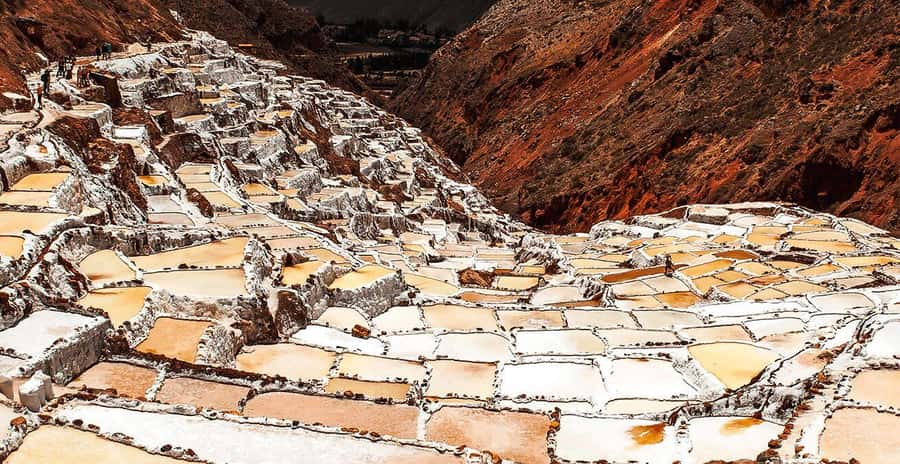
- Salineras salt mines featuring about 3,000 small salt pools
- Long views, short stops planned so you see a lot in about 6 hours
Why This Cusco Half-Day Hits the Sacred Valley Sweet Spot
This tour is basically a greatest-hits sampler of the Sacred Valley, but it doesn’t feel like a rushed slideshow. You move through four very different scenes: a working craft village (Chinchero), engineered terraces (Moray), traditional buildings (Maras), and a functioning salt landscape (Salineras).
That variety matters. If all you do in the Cusco area is big ruins, you can miss the everyday Andean side of life. Here you get hands-on culture at Chinchero, then you get a place where people have been using water and salt for centuries. You finish with the kind of visual payoff that sticks in your memory long after the photos fade.
It is also a smart length. At 6 hours total, it’s enough time to feel like you got value, while still leaving your other Cusco days free.
Getting Oriented: Plaza Regocijo Pickup and High-Elevation Reality
The tour starts at Plaza Regocijo, and the whole flow is set around van rides between stops. You’ll spend about 50 minutes traveling to Chinchero, then another 50 minutes to Moray, and about 30 minutes back to the starting point.
The altitude jump is real. Chinchero sits at 3,762 meters, Moray is at 3,450 meters, and these are not “stroll the whole way” altitudes if you go too fast. I’d treat the first hour like a warm-up: walk slower than you think you need to, drink water, and avoid racing up stairs for a perfect shot.
This is where good shoes become more than a comfort item. The tour calls for comfortable footwear for a reason, and the terrain at terraces and villages is not perfectly flat.
Chinchero Weaving Workshop: Where Color Starts with Plants
Chinchero is your first real cultural stop, with a photo stop and then around 40 minutes focused on shopping and the weaving workshop. You’re not just looking at textiles, you’re learning how the craft continues in the present, using the Quechua tradition.
The weaving workshop is one of the best parts of this tour because it gives you a simple story you can follow. Artisans use natural plants to extract colors. Then those colors become part of Andean weaving and design. Even if you’re not buying anything, you’ll come away with a better sense of what you’re looking at in the region’s textiles.
Practical tip: if you plan to shop, use that workshop time to compare patterns and ask questions before you commit. The tour schedule gives you a set window, so it helps to decide early what you want, scarf, hat, or something smaller.
Also, keep a camera ready. Chinchero looks great from multiple angles, and the stop includes time that’s explicitly set aside for photos.
Moray Terraces: A Built System, Not Just Pretty Steps
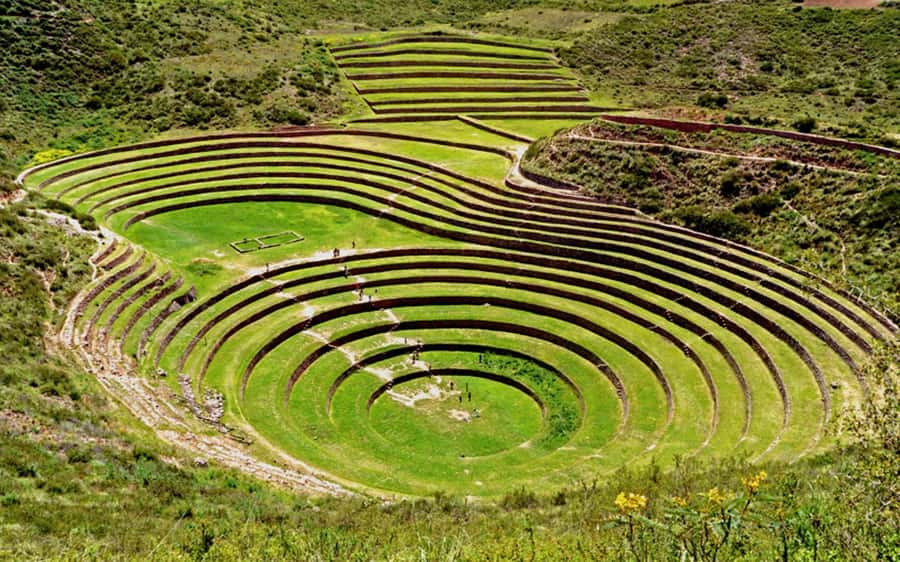
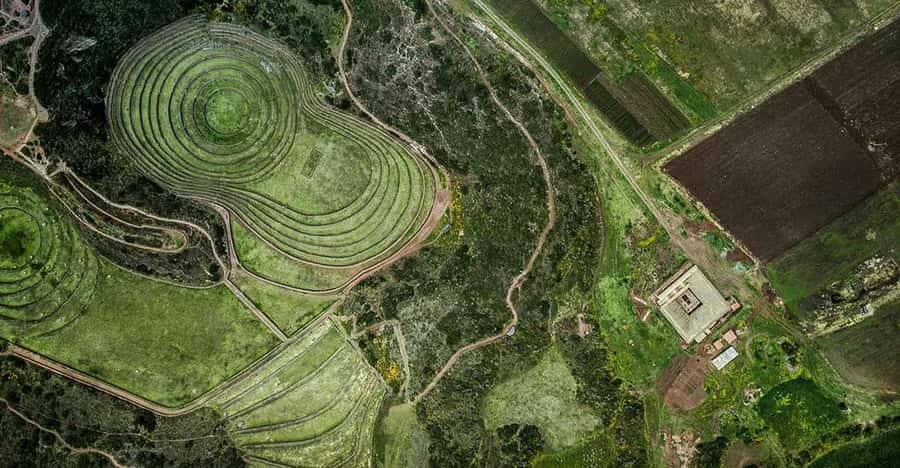
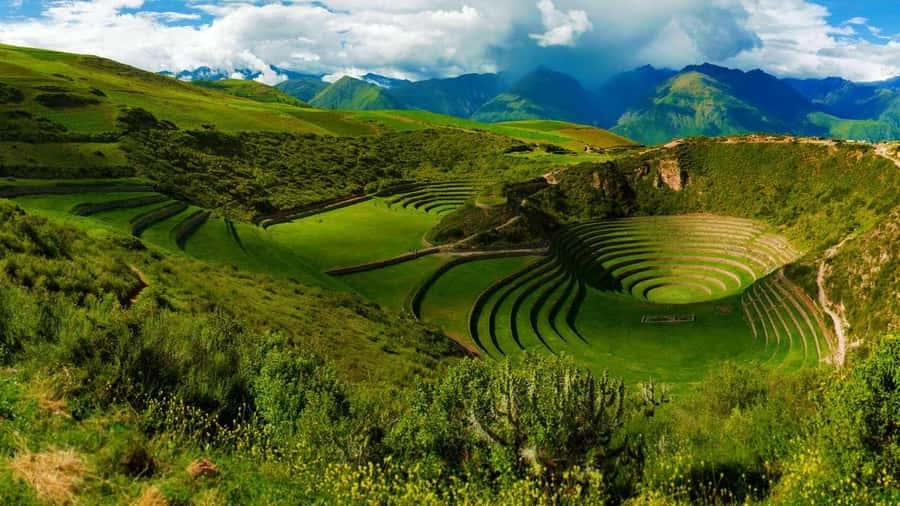
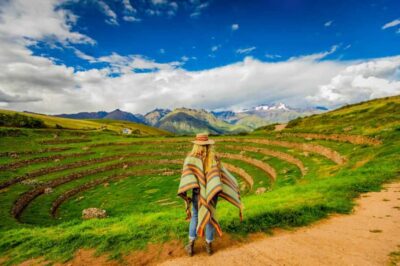
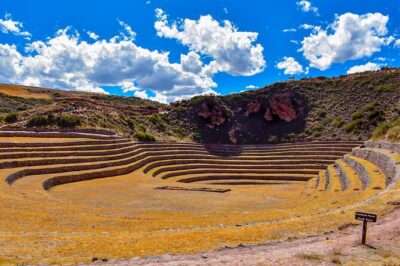
Moray is where you’ll see the tour’s “engineering” side. The stop includes a photo moment, then a guided visit. Moray sits at 3,450 meters and is famous for its terraced layout and its irrigation system.
Here is the key point: the terraces aren’t just scenic. The irrigation system is what makes Moray feel alive and purposeful. You can understand the place better when the guide explains how water and levels relate to the site’s function.
This is a great stop for curious travelers, especially if you like history but also like seeing practical mechanics. The terracing gives you visual order, and the irrigation makes the whole setup feel intentional rather than ornamental.
A small caution: terrace visits often mean uneven paths and steps. Even though this is a short stop, wear shoes with grip, and don’t assume you’ll be able to move fast everywhere.
Also plan your time well for photos. The stop is short, so treat your first few minutes like scouting time. Pick the angles that matter to you, then move on.
Maras Village Stop: Colonial Stone Details in a Working Place
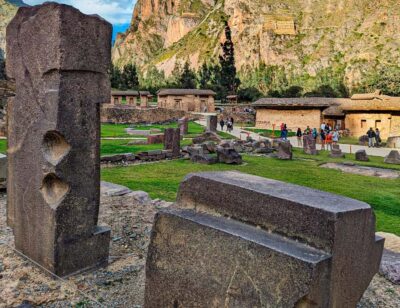
Maras is next, and the tour gives you time for a visit with emphasis on preserved colonial architecture and fine stone buildings. This isn’t a giant ruin complex. It’s more intimate, and that’s the charm.
You’ll likely walk around enough to notice construction details that feel old and careful. The stonework in places like this tends to look simple until you pay attention, then you realize how much craft is built into the walls.
The Maras stop also works as a bridge between Moray and Salineras. It slows you down just a bit, so you can absorb what you saw earlier rather than rushing straight into the salt pools.
If you love architecture, this part is a worthwhile reset. If you prefer hands-on activities, think of it as the cultural palate cleanser before you get to the salt operations.
Salineras Salt Mines: 3,000 Pools Still Producing Salt
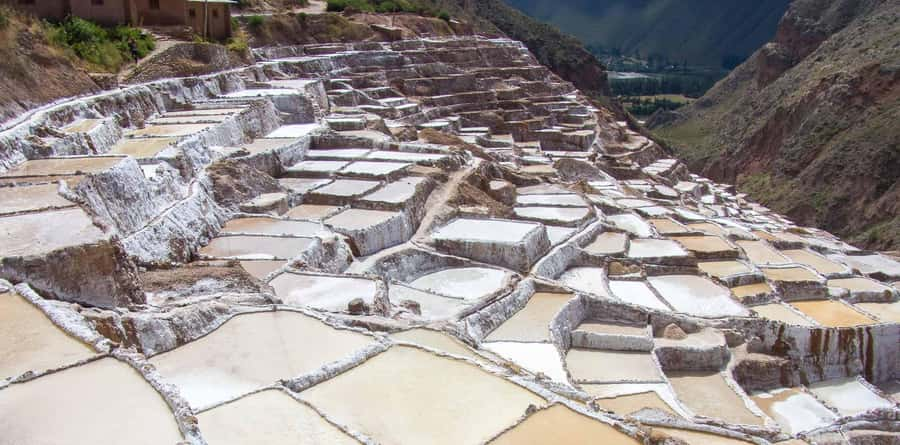
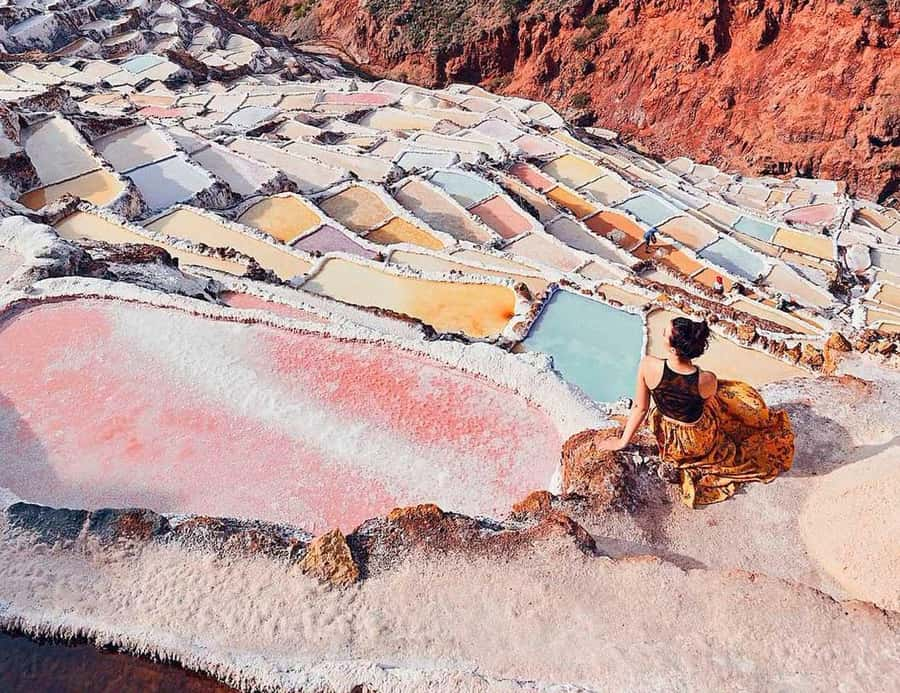
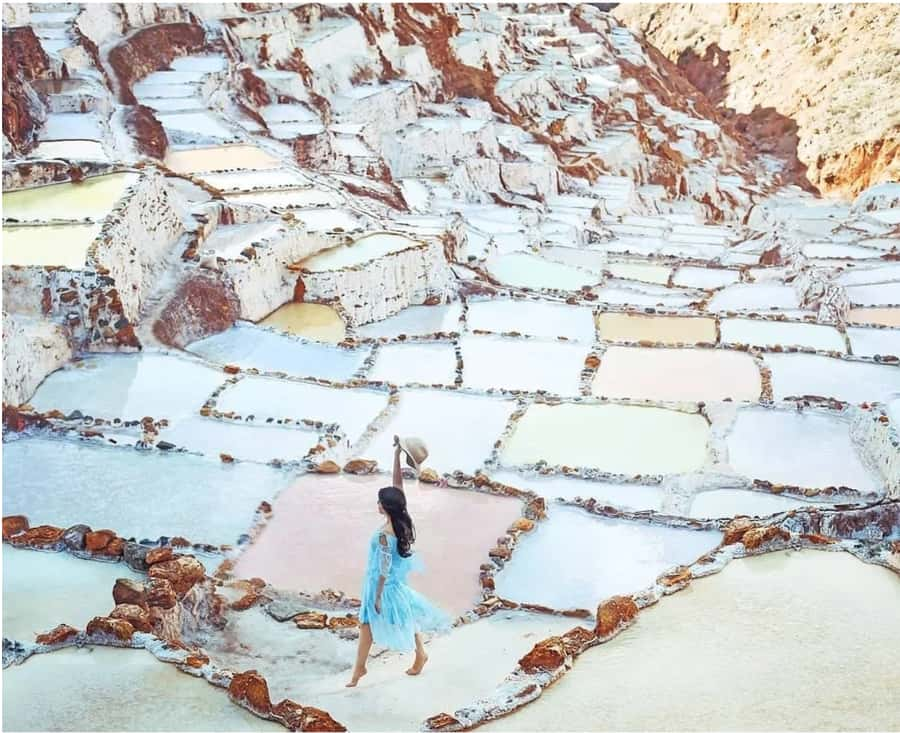
Then comes the big show. Salineras salt mines are made up of about 3,000 small pools. That number is part of the thrill, because the place doesn’t look like one salt pit. It looks like a living grid made for repeated harvest.
The mines date back to pre-Incan times, and they still produce salt that gets processed and distributed in the region. That last detail matters. It’s not only a past-era attraction. It’s a historic site with a working role today.
What to expect on the ground: you’ll want time to look from different angles. The pools create patterns, and those patterns change with your position and the light. Take a moment to scan wide before you zoom in on the smallest pools, otherwise you miss the big picture.
Practical thing to plan for: entrance tickets are not included. The salt mines ticket is 20 soles and can be purchased in Maras. I recommend keeping small cash handy for this sort of on-site payment.
Also, remember water and sunscreen. This is an outdoor stop and the time between your camera moments can get sunny fast.
Price, What You Get, and the Entrance Fees You Should Budget
The advertised price is $15 per person, and for a 6-hour half-day route through multiple sites, that can be a very solid value. The big reason is what’s included: pickup from your Cusco hotel, a stop at the Chinchero weaving workshop, a guided tour of Moray’s terraces, and exploration time at Salineras.
What isn’t included is where you should budget ahead:
- Food and drinks
- Moray entrance ticket: 70 soles (purchase on site)
- Salt mines entrance ticket: 20 soles (purchase in Maras)
So the real cost is not only the $15. It’s $15 plus those entrance tickets, plus whatever you spend to keep hunger and thirst under control.
I like this setup because it keeps the base price low, while letting you decide how you handle meals. But it does mean you should plan your day so you are not searching for food at the worst possible moment. Bring water, and if you know you get hungry, pack a snack plan.
If you want the simplest math: budget for the two entrance fees on the day, and treat the rest as a guided cultural day trip where you only pay extra for personal comfort.
Who This Tour Fits Best, and Who Might Want to Skip It
This tour is a good match if you want a compact Sacred Valley day with real variety. You’ll like it if you enjoy craft, architecture details, and places that still feel functional, like Salineras.
You might also enjoy it if you’re travel-efficient. You start at Plaza Regocijo, you have guided time at Moray, and you get structured photo moments rather than free-for-all wandering.
It is not suitable for people with mobility impairments or wheelchair users. The walking at terraces, villages, and the salt pools requires solid footing and flexibility.
Because food and drinks are not included, it helps if you’re comfortable managing your own snacks and staying hydrated.
Should You Book Sierra Travel for Moray, Maras, and Salineras?
If you want a half-day that balances culture with big natural and man-made visuals, I think this is an easy yes. The standout for me is the pairing of Chinchero weaving education with Moray’s guided terrace system, then finishing with Salineras’ grid of about 3,000 salt pools. It’s the kind of route that gives you both meaning and spectacle.
Book it if:
- you like hands-on craft learning, not just looking
- you want Moray explained, not only photographed
- you care about seeing a historic salt site that still produces
Skip it or consider another option if:
- you cannot handle uneven outdoor walking
- you need a day with included meals
- you prefer fewer sites and more time per stop
FAQ
Where does the tour start and end?
The tour starts at Plaza Regocijo and returns to the same place at the end of the day.
How long is the tour?
The total duration is 6 hours.
What does the tour include?
It includes pickup from your hotel in Cusco, a visit to the Chinchero weaving workshop, a tour of Moray’s terraced landscapes, and exploration of the Salineras salt mines.
What entrance fees are not included?
Moray entrance costs 70 soles and the salt mines entrance costs 20 soles.
Can I buy the entrance tickets on site?
Yes. Moray tickets can be purchased on site, and salt mine tickets can be purchased in Maras.
Are food and drinks included?
No. Food and drinks are not included.
What languages is the tour guide available in?
The live tour guide is available in Spanish and English.
Is the tour suitable for wheelchair users or limited mobility?
No. It is not suitable for people with mobility impairments or wheelchair users.
Maras and Moray Tours side by side.
 ★ 4.8From Cusco: Sacred Valley & Maras Salt Mines Tour with LunchFrom $282,227 reviews
 ★ 4.8From Cusco: Moray, Maras Salt Mines & Chinchero Weavers TourFrom $151,925 reviews
 ★ 4.6Cusco: Sacred Valley, Pisac, Ollantaytambo, Salt Mines MorayFrom $281,058 reviews
 ★ 4.8Cusco:Chinchero,Moray & Salt Mines drop-off in OllantaytamboFrom $27793 reviews
 ★ 4.8Sacred Valley: Chinchero, Moray, Ollantaytambo & Pisac+LunchFrom $25501 reviews
 ★ 4.6Sacred Valley: Maras & Moray by Quad Bike from CuscoFrom $39418 reviews
 ★ 4.7From Cusco: Quad bike tour Moray and Salt MinesFrom $27314 reviews
 ★ 5.0From Cusco: Moray, Maras Salt Mines & Chinchero Weavers Half-DayFrom $15126 reviews
Also on these Peru lists