
REVIEW · SACRED VALLEY
From Cusco: Sacred Valley & Maras Salt Mines with Lunch
Salt mines and Inca terraces, all in one day. This Sacred Valley route is interesting because it strings together living culture and big Inca engineering stops without wasting time backtracking. I love the Chinchero textile community visit, and I also like having a guide with real energy like Rudy, who helps the day feel fun instead of rushed.
One thing to keep in mind is altitude and pacing. You’ll spend time high up around Chinchero and Moray (over 3,700 meters), then drop lower for lunch and gradually climb again for Pisac, so plan to go slow and bring a warm layer, even if Cusco feels mild. Also, key site entries are extra, so your final cost will be higher than the $30 base price.
In This Review
- Key Things Worth Knowing Before You Go
- Cusco to the Sacred Valley, the Fastest Way to See the Big Hits
- The Day Starts With Pickup and a Comfortable Shared Ride
- Chinchero: Textile Culture Meets Inca Views
- Moray: The Inca Agricultural Laboratory You Can Understand Quickly
- Maras Salt Mines: The Most Photogenic Part, With Extra Entry Costs
- Urubamba Lunch: A Worthwhile Midday Reset
- Ollantaytambo: Terraces, Temples, and the Starting Point Story
- Pisac: Mountain Ruins Plus Market Time for Real Shopping
- Price and Value, What $30 Really Buys
- Who This Tour Fits Best (And Who Might Prefer Something Different)
- Practical Tips to Make the Most of the Day
- Should You Book This Sacred Valley and Maras Salt Mines Tour?
- FAQ
- What is the duration of this tour?
- How much does it cost?
- What does the tour include?
- What tickets are not included?
- What languages is the guide available in?
- Where does the tour start and end?
Key Things Worth Knowing Before You Go
- Chinchero weavers and the Textile Interpretation Center put faces to the craft, not just photos.
- Moray as an Inca agricultural laboratory is a visual lesson in how the empire tested farming.
- Maras Salt Mines include guided time and photo stops, plus the town of Maras along the way.
- Urubamba buffet lunch gives you a solid midday reset with Cusquenian flavors.
- Ollantaytambo’s Temple of the Sun and Princess Baths fountain are the classic stone highlights.
- Pisac’s mountain-side ruins and handicraft market add one more layer of culture before you return to Cusco.
More Sacred Valley itineraries on our list
- Cusco: Sacred Valley, Pisac, Ollantaytambo, Salt Mines Moray
★ 4.6 · 1,058 reviews - Sacred Valley: Chinchero, Moray, Ollantaytambo & Pisac+Lunch
★ 4.8 · 501 reviews - Sacred Valley: Maras & Moray by Quad Bike from Cusco
★ 4.6 · 418 reviews - From Cusco: 2-Day Trip to the Sacred Valley and Machu Picchu
★ 4.6 · 265 reviews
Cusco to the Sacred Valley, the Fastest Way to See the Big Hits
This is a one-day loop built for people who want the Sacred Valley highlights with minimal planning. You get hotel pickup in downtown Cusco in the morning, then a series of short, moving transfers that keep the day structured. It is not a slow sightseeing day where you linger for hours. It is more like a well-run sampler platter that still leaves you with enough time to actually understand what you are seeing.
What I like most about the format is that it follows a logical geography: Chinchero first, then Moray and Maras, down to Urubamba for lunch, onward to Ollantaytambo, and finally Pisac before returning to central Cusco in the late afternoon. That means you spend your energy on the sights, not on figuring out how to connect the pieces.
And yes, the day is busy. But the benefit of a guided route is that you do not just walk through places, you learn why they matter. With a guide like Rudy, the tone tends to be upbeat and clear, and the explanations help you connect the dots between textiles, agriculture, and Inca stonework.
The Day Starts With Pickup and a Comfortable Shared Ride
You’ll get picked up from your hotel or accommodation in Cusco. If you are staying in a private place, you will be given a nearby meeting point after you share your address and phone number. The guide and transfer team typically take a few minutes to locate you, so stepping outside when you’re close to pickup time helps.
From there, you are in a shared vehicle. That matters for two reasons. First, you should expect pick-up coordination, which is normal for a shared service. Second, you will get where you need to go without needing to hire your own driver for each hop.
The ride times are not huge, but they add up. The first transfer runs about 70 minutes before Chinchero, and you’ll have a mix of 30 to 40 minute segments after that. You’ll finish around 18:30 to 19:00 back in central Cusco, near the Plaza de San Francisco area (the listed finish point also includes Plaza Regocijo), so aim to have a flexible evening plan.
Chinchero: Textile Culture Meets Inca Views
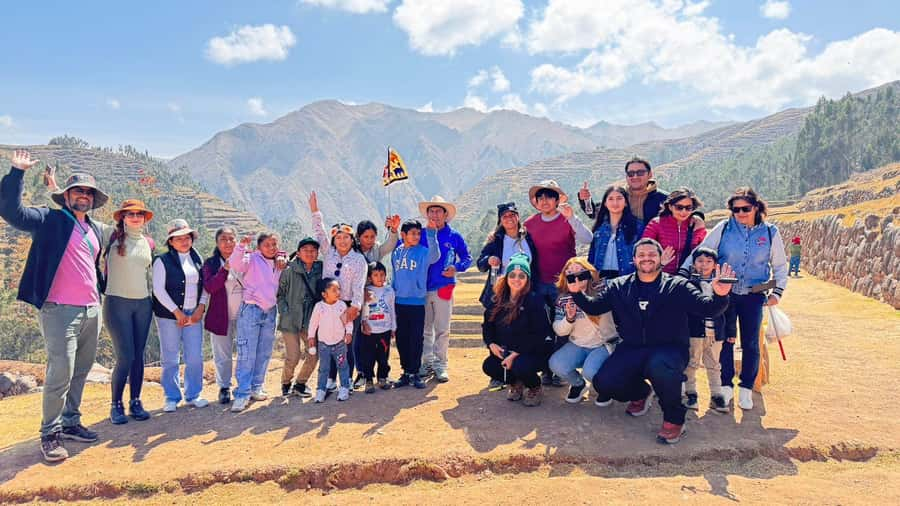
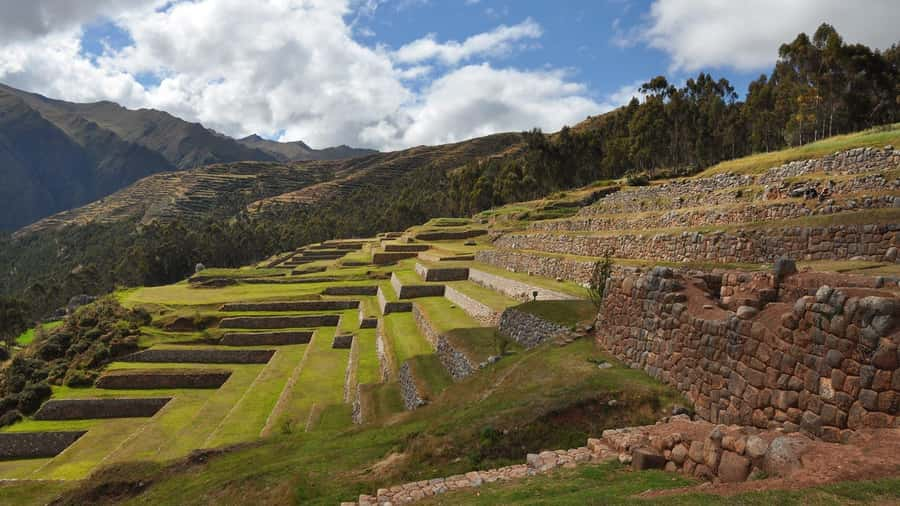
Chinchero is often the Sacred Valley stop people remember because it feels human. Instead of only seeing stones, you get a glimpse of how living communities keep traditions going.
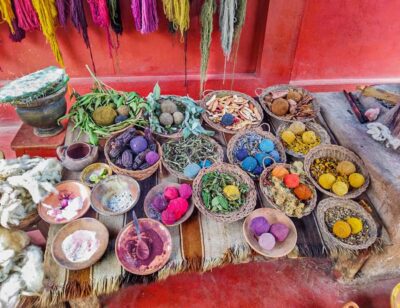
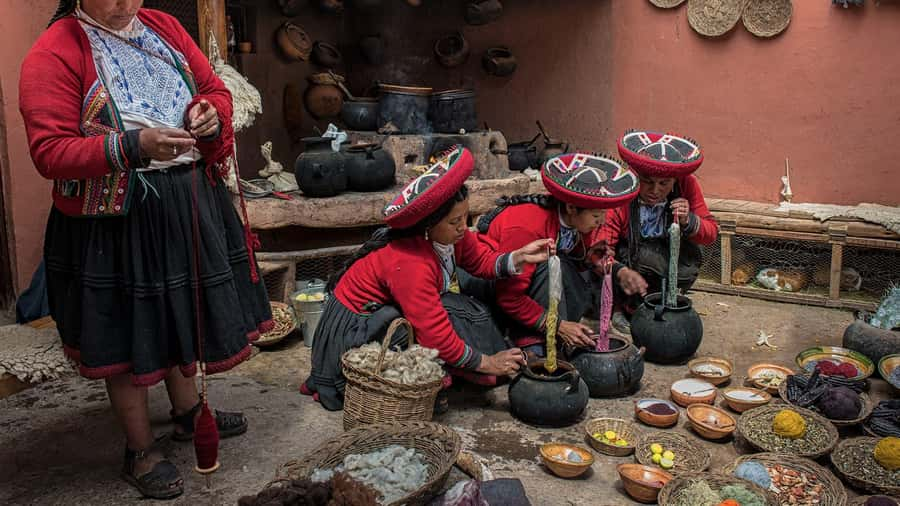
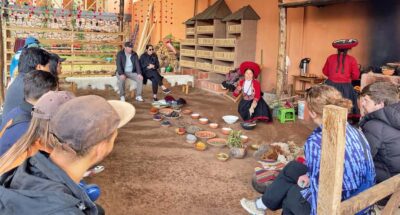
You’ll visit the Chinchero district with a guided walk and sightseeing time (about 80 minutes total for this stop). The highlight here is the Textile Interpretation Center and the local community connection. You are not just watching finished souvenirs. You’re learning the basic logic behind the craft, which makes your later shopping in Pisac feel more meaningful too.
Altitude is real here. Chinchero sits around 3,762 meters. Even if you’ve already adapted to Cusco, plan for short walks and slower breathing. Bring water, take a seat when you can, and do not force fast steps just to “keep up.” This is one of those stops where your comfort level directly affects how much you enjoy the experience.
What to watch for: how color, material, and technique connect to the local environment and community knowledge. That context turns the textiles from a purchase into a story you can recognize.
Moray: The Inca Agricultural Laboratory You Can Understand Quickly
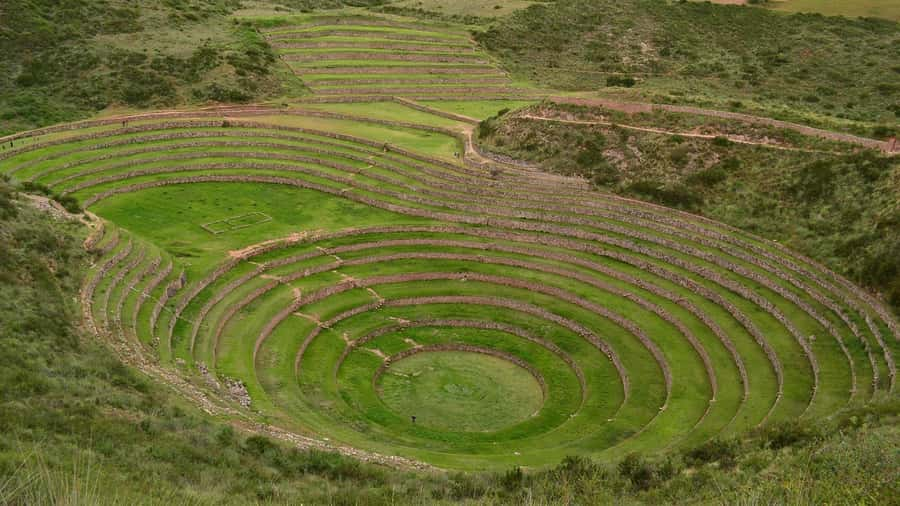
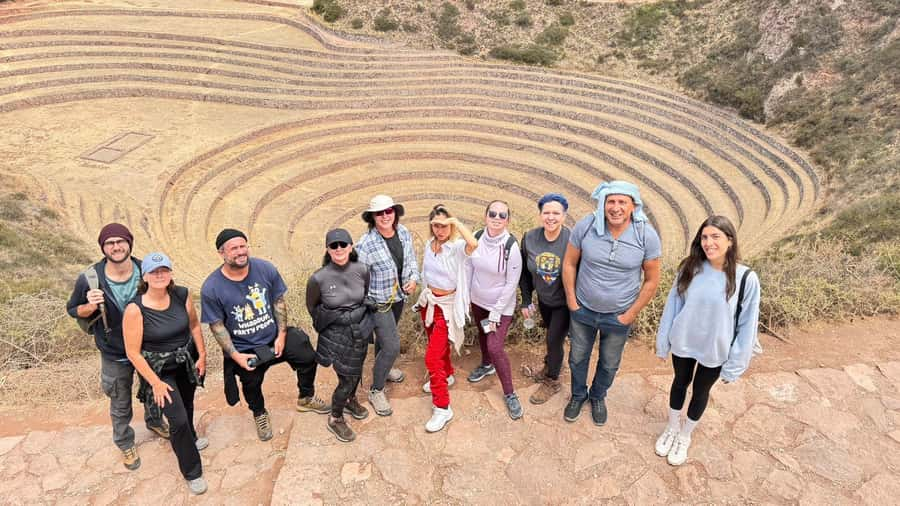
After Chinchero, the tour continues to Moray. Expect a shorter stop with a guided visit plus a photo stop and walk time totaling about 30 minutes.
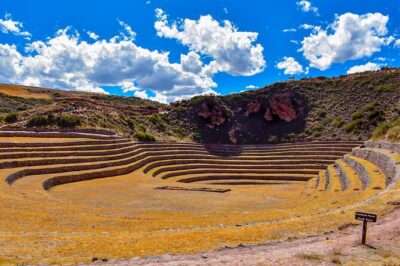
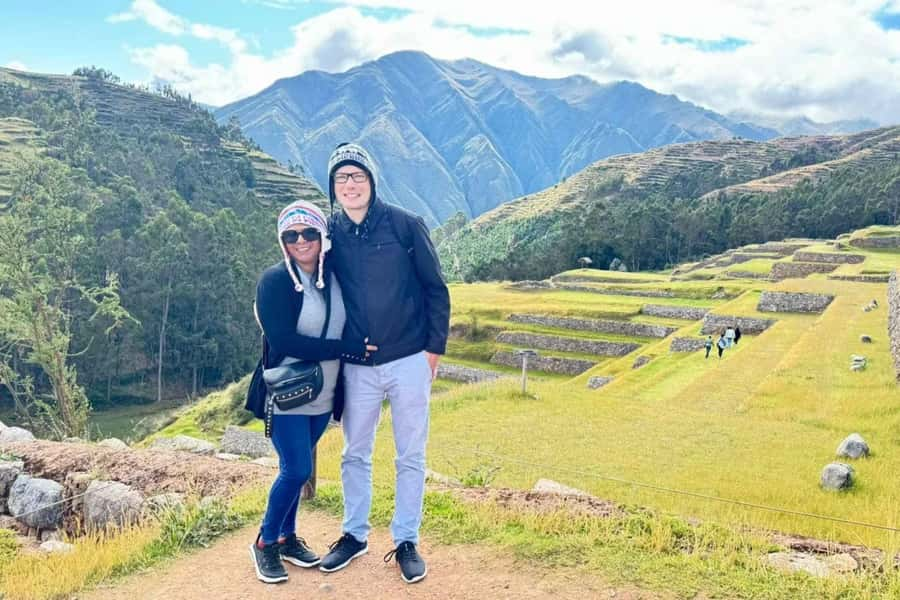
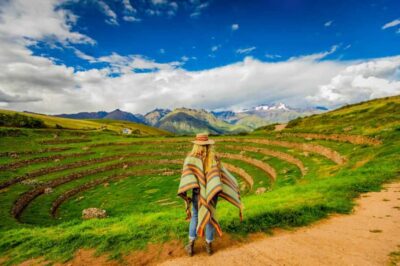
Moray is fascinating because it feels like a giant experiment. The place is commonly described as an Inca agricultural laboratory, and even without getting overly technical, you can see why. The site’s terraced layout creates different conditions in a controlled space, which is the kind of practical thinking the Incas were known for. When your guide explains it clearly, the terraces stop being “cool rocks” and start making sense as purposeful design.
Moray is again at about 3,762 meters. This means you should keep your energy gentle. If you get lightheaded, pause and breathe. You’re on a schedule, but you are not racing a marathon.
Small practical note: since the stop is shorter, it helps to listen early in the guide talk. Wait too long for photos and you can miss the explanation that makes the place click.
Maras salt and Moray terracing, other trips
Maras Salt Mines: The Most Photogenic Part, With Extra Entry Costs
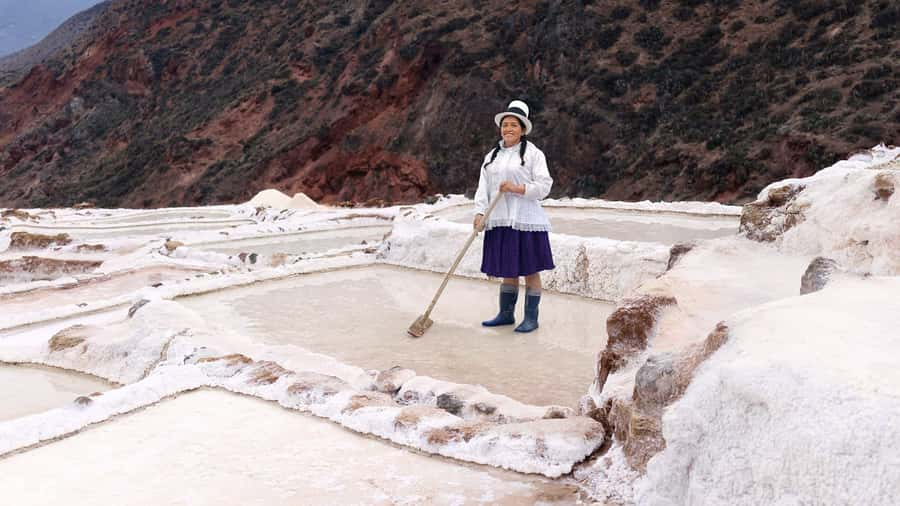
Maras Salt Mines are the signature visual of this route. You pass through the town of Maras and then spend about 40 minutes with photo stops plus a guided visit and sightseeing.
The salt terraces are the main event. Rows of small pools create a pattern that’s both geometric and strangely mesmerizing. The guided time matters because you learn what you’re looking at and how the salt production works in this landscape. Even if you’ve seen photos before, being there makes the scale and texture feel more real.
Altitude is again listed around 3,762 meters, so keep your pacing slow. Cold wind can also show up at higher elevations, even during the daytime.
Budget heads up: entry tickets are not included. The tour lists a tourist entry ticket of 70 soles, and it also lists a specific salt mines entry ticket of 20 soles. So plan on paying those on the spot (bring cash and avoid last-minute scrambling).
Urubamba Lunch: A Worthwhile Midday Reset
Urubamba is where the day gets a little easier. You’ll arrive for lunch with about one hour set aside.
Lunch is described as a buffet with Peruvian cuisine, served in Urubamba at around 2,780 meters. That drop in altitude often feels like a relief after the higher stops. The food is also a practical break after several walking segments.
You should expect a buffet style meal and a Cusquenian focus, described as a nutritious novoandino buffet lunch. The key value of lunch here is timing. Eating well midday helps you handle the rest of the day at Pisac and Ollantaytambo without feeling wrecked.
What to do: eat at a comfortable pace, drink water, and don’t overdo heavy foods if you’re sensitive to altitude. This isn’t about dieting. It’s about setting yourself up to enjoy the stone stops later.
Ollantaytambo: Terraces, Temples, and the Starting Point Story
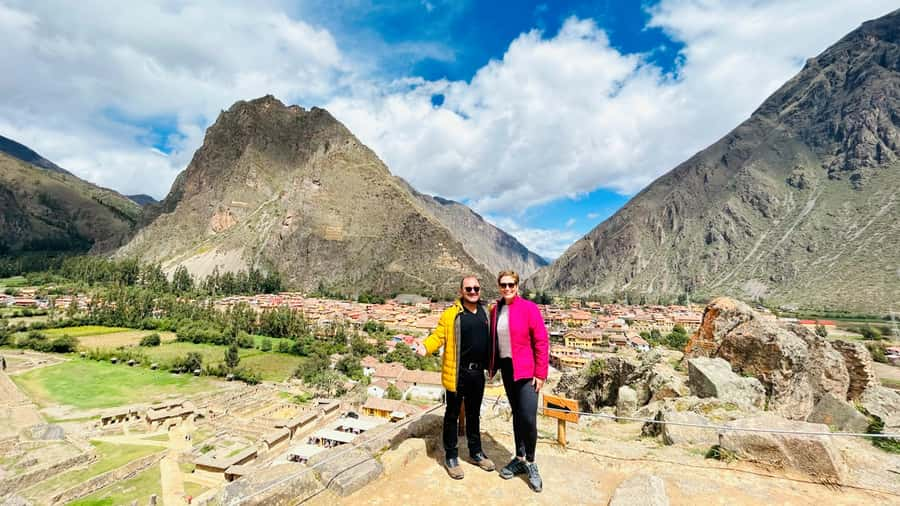
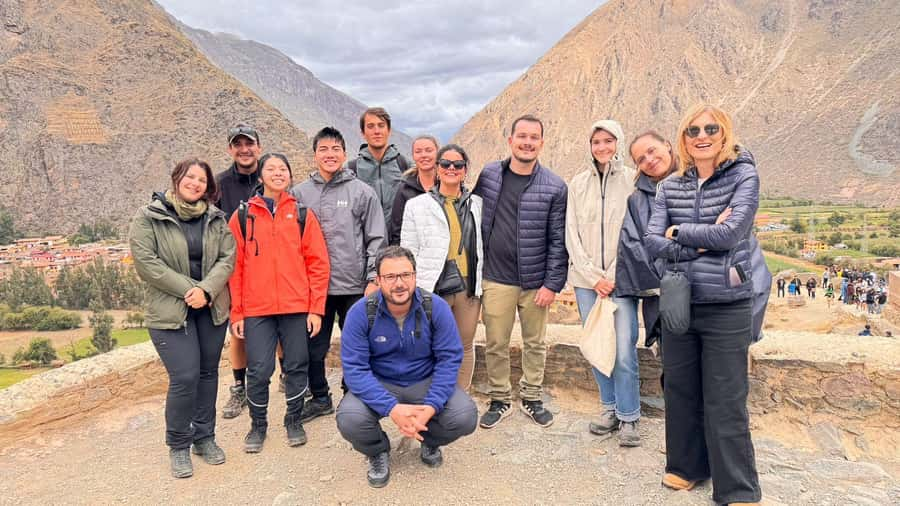
Next up is Ollantaytambo, with about 1.5 hours for a photo stop, guided tour, and sightseeing. Ollantaytambo sits around 2,790 meters, so it’s still high, but it tends to feel better than the top-elevation stops.
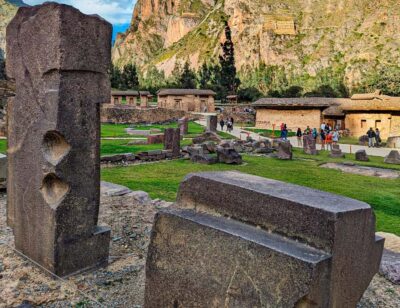
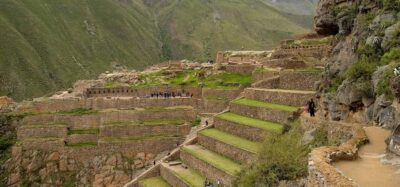
This is one of the places where you see Inca architecture doing real work. Ollantaytambo was a tambo, essentially a resting place during Inca times. That adds a layer beyond pure aesthetics. You’re not just admiring stone. You’re imagining movement, trade, and the daily rhythm of travelers in the empire.
Your guided highlights include:
- Great stone terraces
- The Temple of the Sun
- The fountain associated with the Princess Baths
The tour also notes Ollantaytambo as a starting point to reach Machu Picchu. Even if you are not heading there today, that context helps you understand why this town feels like a hinge in the route.
Practical caution: the stone areas can involve uneven footing and stairs. Wear shoes with grip. Take your time on steps, especially if you still feel the effects of yesterday’s altitude spikes.
Pisac: Mountain Ruins Plus Market Time for Real Shopping
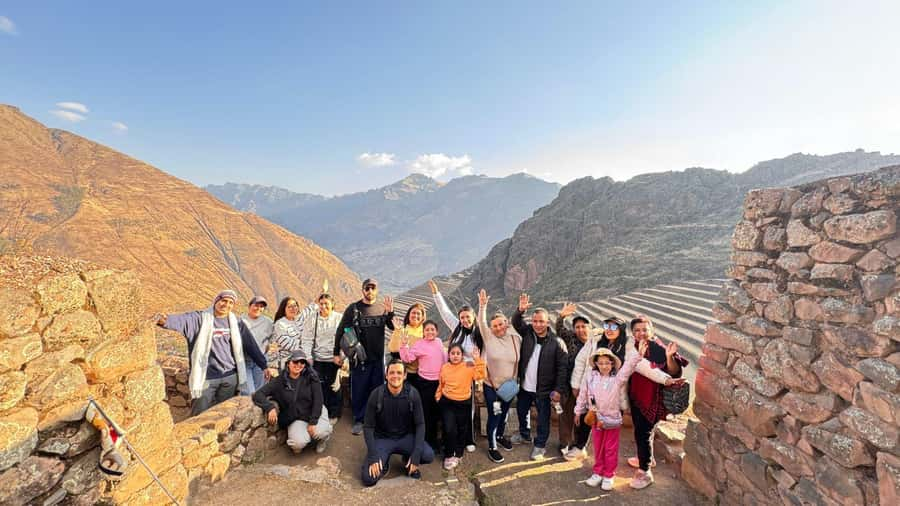
On the way back toward Cusco, the tour heads to Pisac. You’ll spend about one hour at Pisac, including a photo stop, guided visit, and sightseeing.
Pisac has two parts that work well together. First is the archaeological site built on top of a mountain. Seeing the ruins in that position helps you appreciate how the Incas built for both defense and visibility. Second is the handicraft market in town, where local people are described as experts in working with minerals.
This is where the earlier textile context pays off. When you understand that craft is about local technique and materials, shopping becomes more than buying a souvenir. You’re more likely to ask smart questions and spot better work.
Pisac’s altitude is listed in stages, with Pueblo around 2,972 meters and the archaeological site around 3,300 meters. That climb is noticeable. You’ll likely be walking a bit uphill, so go slow, take breaks, and keep a light jacket handy.
The market time gives you a chance to browse and choose items without the pressure of a separate shopping stop. If you like shopping, this is a sensible place to do it. If you don’t, you can still enjoy the market atmosphere quickly and focus on the ruins.
Price and Value, What $30 Really Buys
At $30 per person for a full one-day loop, this tour is priced for value. You’re paying for guided time, transportation between multiple major sites, and lunch in Urubamba.
But the real cost picture depends on entrance fees. The tour lists a tourist entry ticket of 70 soles plus a salt mines ticket of 20 soles. Those are the only specific extra costs named, so they are the ones to plan for.
That means your best budget approach is simple:
- Expect to pay the base $30 for the route and guiding
- Add the site entry tickets when you arrive
Is it still good value? Yes, especially if you would otherwise have to line up separate transport, guide services, and tickets. The route is tightly packed with key stops like Chinchero, Moray, Maras, Ollantaytambo, and Pisac. You’re not paying extra for flexibility that you may not need, you’re paying for someone else to keep the schedule moving.
Also, the guide component appears to be a strong point. The experience rating is high, and the guide Rudy specifically gets praised for being knowledgeable, fun, and energetic. In a day like this, that kind of guidance makes the difference between looking at sights and actually understanding them.
Who This Tour Fits Best (And Who Might Prefer Something Different)
This tour fits best if you:
- Want a full Sacred Valley sampler in one day
- Like guided explanations that connect the sites instead of leaving you to guess
- Enjoy a mix of culture, agriculture, and stone architecture
- Prefer transportation handled for you, even if it means shared ride logistics
It may not be the best match if you:
- Struggle with altitude and need lots of rest time at higher elevations
- Want a slow pace with long stays at each site
- Don’t want to budget extra entrance fees for multiple stops
If you’re already comfortable in Cusco, you’ll probably manage well with careful pacing. If you’re early in your acclimation, consider taking it a little easier in Cusco before this day so you don’t spend your best hours fighting fatigue.
Practical Tips to Make the Most of the Day
A few small choices can make this tour feel smooth instead of stressful.
- Bring a warm layer. Higher elevations cool quickly, and wind near the salt terraces can feel sharp.
- Wear grippy shoes. Stairs and stone paths are part of Ollantaytambo and Pisac.
- Take water seriously. You’re above 3,000 meters much of the day, even with the lunch break.
- Pace yourself at Chinchero, Moray, and Maras. Those stops are where altitude matters most.
- If you want photos, plan your timing: listen first, then shoot when the guide points out key angles.
Should You Book This Sacred Valley and Maras Salt Mines Tour?
If you want one day that covers the Sacred Valley’s best-known stops with guided context, this is a strong pick. The price makes sense for the amount of ground you cover, and the guided tone, especially with a guide like Rudy, can turn a packed schedule into something enjoyable.
I’d book it if you are comfortable with altitude for parts of the day and you are okay with extra entry fees for the main sites. I would skip or compare alternatives if you need a slower day or you get easily overwhelmed by lots of walking at higher elevations.
FAQ
What is the duration of this tour?
This is a 1-day tour. You are picked up in the morning from your Cusco accommodation and the day ends around 18:30 to 19:00.
How much does it cost?
The price is $30 per person.
What does the tour include?
It includes hotel pickup in Cusco, tourist mobility (shared service), a buffet lunch in Urubamba, and an English or Spanish professional tour guide.
What tickets are not included?
Tour entry tickets are not included, listed as 70 soles. The entry ticket for the salt mines is also not included, listed as 20 soles.
What languages is the guide available in?
The tour guide is available in English and Spanish.
Where does the tour start and end?
Pickup is from hotels in downtown Cusco. The tour ends in central Cusco around late afternoon, with the finish point listed as Plaza de San Francisco and also shown as Plaza Regocijo.
More Tour Reviews in Cusco
- Cusco: Humantay Lake Tour with Breakfast and Buffet Lunch
★ 4.9 · 2,976 reviews - From Cusco: Moray, Maras Salt Mines & Chinchero Weavers Tour
★ 4.8 · 1,925 reviews - From Cusco: Full-Day Group Tour of Machu Picchu
★ 4.7 · 1,767 reviews - Machu Picchu Day Trip from Cusco
★ 4.5 · 1,644 reviews - Cusco: Half-Day City Tour with Sacsayhuaman and Q’enco
★ 4.6 · 1,129 reviews
Maras Salt and the Moray Rings
- From Cusco: Moray, Maras Salt Mines & Chinchero Weavers Tour
★ 4.8 · 1,925 reviews - Cusco: Sacred Valley, Pisac, Ollantaytambo, Salt Mines Moray
★ 4.6 · 1,058 reviews - Cusco:Chinchero,Moray & Salt Mines drop-off in Ollantaytambo
★ 4.8 · 793 reviews - Sacred Valley: Chinchero, Moray, Ollantaytambo & Pisac+Lunch
★ 4.8 · 501 reviews - Sacred Valley: Maras & Moray by Quad Bike from Cusco
★ 4.6 · 418 reviews
Sacred Valley, Further Afield
- Cusco: Sacred Valley, Pisac, Ollantaytambo, Salt Mines Moray
★ 4.6 · 1,058 reviews - Sacred Valley: Chinchero, Moray, Ollantaytambo & Pisac+Lunch
★ 4.8 · 501 reviews - Sacred Valley: Maras & Moray by Quad Bike from Cusco
★ 4.6 · 418 reviews - From Cusco: 2-Day Trip to the Sacred Valley and Machu Picchu
★ 4.6 · 265 reviews - Full-Day Excursion to Sacred Valley, Pisac and Ollantaytambo from Cusco
★ 4.5 · 174 reviews
Freshly reviewed across Cusco
- Excursion Cusco – Puno – Titicaca Observatory Train★ 5.0 · 3 reviews
- Sacred Valley Vip Cusco★ 4.7 · 3 reviews
- Cusco | Humantay Lake 1-Day Tour with Breakfast and Lunch★ 5.0 · 3 reviews
- Full-Day Condor Viewpoint & Inca Sites Tour★ 5.0 · 3 reviews
- Best of Cusco: Private Walking Tour with a Local★ 3.6 · 3 reviews
- From Cusco: Full-Day Private Sacred Valley Tour★ 5.0 · 3 reviews
Sacred Valley Tours side by side.
 ★ 4.8From Cusco: Sacred Valley & Maras Salt Mines Tour with LunchFrom $282,227 reviews
 ★ 4.6Cusco: Sacred Valley, Pisac, Ollantaytambo, Salt Mines MorayFrom $281,058 reviews
 ★ 4.8Sacred Valley: Chinchero, Moray, Ollantaytambo & Pisac+LunchFrom $25501 reviews
 ★ 4.6Sacred Valley: Maras & Moray by Quad Bike from CuscoFrom $39418 reviews
 ★ 4.6From Cusco: 2-Day Trip to the Sacred Valley and Machu PicchuFrom $370265 reviews
 ★ 4.8Cusco:Sacred Valley Pisaq,Ollantaytambo,Chinchero with LunchFrom $28183 reviews
 ★ 4.5Full-Day Excursion to Sacred Valley, Pisac and Ollantaytambo from CuscoFrom $47174 reviews
 ★ 5.0Food and Culture Full day Tour in the Sacred ValleyFrom $200144 reviews
Also on these Peru lists