
REVIEW · CUSCO CITY
Horseback Riding Plus Tour to Sacsayhuaman, Quenqo, Puka Pucara and Tambomachay
Horseback and Inca ruins in one shot. That combo is exactly why this Cusco outing works so well, pairing time in the saddle with visits to major nearby sites like Sacsayhuaman and Qenqo. You also get clear history and religious context along the way, plus scenic mountain views that make the whole day feel more like an adventure than a checklist.
I especially like the way this tour balances activity and culture. One highlight is the horse portion, where staff match mounts to rider comfort and you ride at a pace that fits beginners, thanks to the ranch team and guides such as Benni, Benny, Jenny, and Hogler who explain what you are seeing in plain English.
The main drawback to plan for is cost and expectations around entrances. The Cusco Touristic Ticket and archaeological site fees are not included, so you may pay separately at the sites, and horseback riding does not go inside the archaeological areas to protect the soil.
In This Review
- Key things to know before you go
- Why this horseback tour makes sense for Cusco
- Price and value, plus what can add to your total
- The group size, timing, and what your day will feel like
- What the horseback ride is like at Vieja Estancia Ranch
- Stop 1: Sacsayhuaman and why the stones hit harder when you pause
- Stop 2: Puka Pukara, the charm of the lesser-known stop
- Stop 3: Tambomachay, water and ritual logic
- Stop 4: Saddle up and ride outside the ruins
- Stop 5: Qenqo, finishing with carved drama
- Who this tour fits best
- Practical tips to make the day smoother
- Guides make the difference here
- Should you book this horseback plus Inca sites tour?
- FAQ
- How long is the horseback riding plus Inca sites tour in Cusco?
- What sites are included on this tour?
- Is hotel pickup and transport included?
- Are helmets and safety gear provided?
- Is the Cusco Touristic Ticket included in the price?
- Are snacks included?
- How long do you actually ride horseback?
- What is the weight limit?
- Is this tour suitable for beginners?
Key things to know before you go
- Small-group feel with a maximum of 15 travelers, which helps your guide keep a real rhythm.
- Helmets and saddle support are included, plus a muleteer who looks after the horses during the ride.
- Horse time is about an hour to 1.5 hours, with the rest of your half-day spent driving and visiting sites.
- Four major Inca sites close to Cusco, including Sacsayhuaman, Puka Pukara, Tambomachay, and Qenqo.
- Site entrances are separate, since government-managed archaeological areas require direct payment.
- Weather matters, and the tour can be rescheduled or refunded if conditions are poor.
Qorikancha, Sacsayhuaman, Tambomachay: more Cusco
- City Tour Cusco Qoricancha Sacsayhuaman y Tambomachay
★ 4.7 · 617 reviews - Cusco City Sightseeing, San Pedro Market, Cathedral and Qorikancha Temple
★ 4.5 · 139 reviews - Cusco City Sightseeing and Sacsayhuaman Archeological Park Tour
★ 4.5 · 101 reviews - Cusco 4-Hour Private Tour Including Sacsayhuaman and Qenqo
★ 5.0 · 77 reviews
Why this horseback tour makes sense for Cusco
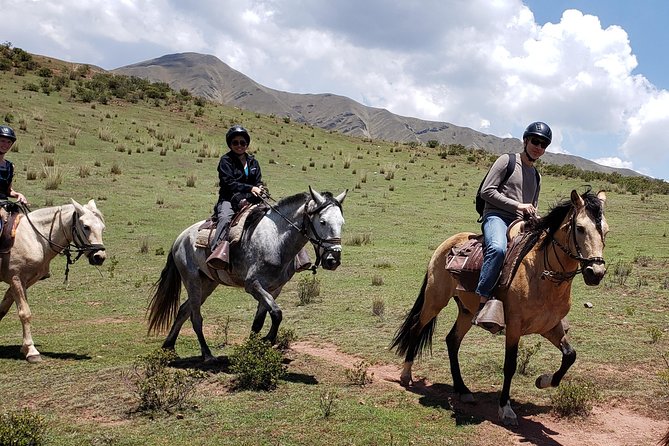
Cusco is famous for ruins, but most day tours boil down to getting you from one viewpoint to the next. This one adds a different way to see the area: you move through the countryside by horse first, then you switch gears to archaeology and Inca tradition.
That mix is not random. The horseback portion gives your brain a break from constant walking, and it also lets you enjoy broad Andean scenery without rushing. Then the ruins stops pull you back into why these places mattered: the carvings, the water features, and the way sacred spaces connect to Inca belief.
You’ll get the added bonus of hotel pickup by private car, plus bottled or natural water during the experience. The whole thing is designed for people who want a strong day out without committing to a full long-day tour.
Price and value, plus what can add to your total
The price is $95 per person for about 4 hours total. That half-day length is a big part of the value, because Cusco days often include acclimatization and other must-dos.
Here’s the honest money picture:
- You pay for the guide, helmets, saddle, muleteer support, and round-trip transport.
- You do not include the Cusco Touristic Ticket, and archaeological site entrances are paid directly for you at the sites.
Some participants felt the price was high compared with other tours, mainly because entrances were not included and snacks did not show up as expected. I’d treat it like this: if you budget entrance fees ahead of time, the tour becomes easier to justify. You are paying for the guided experience plus the logistics of running horses and transfers.
If you are trying to squeeze in ruins but you also want a real activity, this is one of the better ways to do both in a compact time window.
The group size, timing, and what your day will feel like
This runs for about four hours and caps at 15 travelers. That matters more than it sounds. In a small group, your guide can keep everyone moving at a comfortable pace, and the horse team can match riders more thoughtfully.
Expect a flow like:
- A quick drive to the first site
- Short, meaningful time at each archaeological stop
- A ranch switch for saddling up and the ride
- Final ruin stop and then return to your hotel
A pattern you should plan around: the horseback segment is not the entire tour. Several people mention roughly an hour in the saddle, and others say closer to 1.5 hours, with more time spent traveling by van or private car and walking through ruins.
What the horseback ride is like at Vieja Estancia Ranch
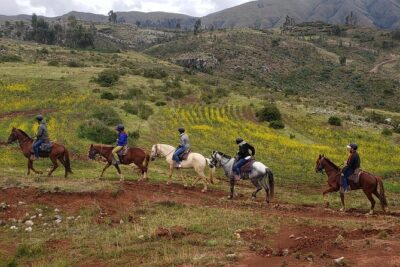
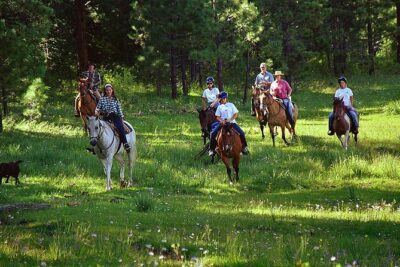
Your ride happens at Vieja Estancia Ranch. You’ll be provided a saddle and a safety helmet. There is also a muleteer who stays involved in caring for the horses during the ride, which adds a layer of safety and smoothness.
Staff generally match horses to rider experience and confidence. That is a big deal in Cusco, because altitude and uneven ground can make first-timer nerves spike fast. Reviews repeatedly point out that the ride is manageable for beginners, and that experienced riders can still have fun without feeling out of control.
A few practical notes from the experience details:
- Wear long pants, ideally jeans.
- Use closed shoes with rubber soles or walking shoes.
- Bring a rain jacket if rain is possible.
- Avoid jewelry or valuables during the ride.
- A sunscreen note came up too, since clouds can fool you into thinking you are not getting strong UV.
Also, don’t expect the horses to go into the archaeological ruins. That is a protective rule. Horses can damage soil, and the tour keeps the riding outside the protected areas while you still enjoy views and access that would be hard on foot.
More riding days on the Cusco hillsides


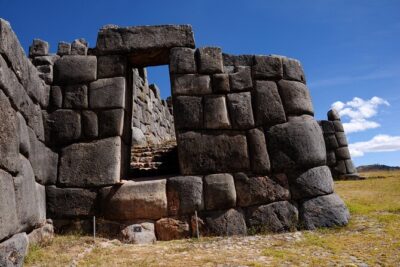
Stop 1: Sacsayhuaman and why the stones hit harder when you pause
Sacsayhuaman is the first major ruin stop and a strong way to start. It gives you that instant Inca-scale feeling, the kind that makes you slow down without being told to.
What makes a guided stop here valuable is context. The guide explains not just what you see, but how the site fits into Inca religious customs and the logic behind the structures. If you’ve ever looked at ruins and wondered why anyone built them, this is where the explanation helps.
Time here is not overly long. That works for people who get altitude headaches or just want to keep moving through the afternoon without getting worn out.
Possible consideration: if you expect to stay for a long deep walk, you may feel you are seeing it in a faster, more compressed way than a full-day archaeological tour. The tradeoff is that you get more variety later.
Stop 2: Puka Pukara, the charm of the lesser-known stop
Puka Pukara is a smaller-feeling stop compared with the headline sites, and that’s part of its appeal. You often get a more relaxed vibe and more time to read the terrain with your guide.
Because you get the explanation alongside the view, it stops feeling random. The tour frames the site within Inca religious and daily-purpose thinking, so you are not only sightseeing shapes in the stone.
Drawback to consider: if you love only the biggest, most famous ruins, this stop might feel like a breather. But for many people, that balance is exactly what makes the full route enjoyable.
Stop 3: Tambomachay, water and ritual logic
Tambomachay is often remembered for its water-related features and the way Inca builders integrated function with belief. On a guided tour, you’ll get the story behind how people understood water, purification, and sacred use.
This is another stop where the guide’s communication style makes a difference. Multiple guides are praised for answering even poorly phrased questions clearly and keeping explanations easy to follow. When you have that, ruins stop being intimidating and start feeling like a conversation with the past.
As with the other sites, plan on a moderate walk. You’ll be in a protected, high-value area, and you should treat it like an outdoor museum: slow down, look around, and don’t rush for photos.
Stop 4: Saddle up and ride outside the ruins
After you’ve done a few archaeological stops, the tour shifts into physical fun. This is the moment when the whole day becomes less about standing still and more about moving.
The ride is designed for safety and comfort:
- Helmet and saddle are included
- A muleteer supports horse care during the experience
- The ranch team manages the horses and matching
From the reviews, the ride includes at least a few moments where horses trot. It’s not constant, but it’s enough to feel like you are doing more than slowly parading around.
The route also offers strong scenery and open countryside views near Cusco. You don’t need super-technical riding skills, and the guide keeps the pace friendly.
One more expectation to calibrate: this is not a “horseback into every ruin” tour. The archaeological areas stay protected, so the riding is around them rather than through them.
Stop 5: Qenqo, finishing with carved drama
Qenqo brings a different look from the other sites. It has that carved-stone feel that makes you want to keep looking and ask questions. Your guide ties the details to Inca customs and religious use, which helps you interpret what might otherwise feel like confusing stonework.
This final stop is also a nice rhythm check. By this point, your legs know what’s coming: short walks, guided explanation, photos, then back to the car.
If you want a satisfying half-day, Qenqo works well as an ending point because it feels distinct from Sacsayhuaman’s massive stone character and from the more water or settlement vibes of other stops.
Who this tour fits best
This outing is for people who want more than a bus tour but do not want a full-day trek.
It fits especially well if:
- You’re a first-time horseback rider and want structured support
- You want multiple Inca sites without picking between ruins-only or riding-only
- You’re traveling with teens or mixed-experience group members and need one plan that covers both fun and learning
- You like clear, story-driven explanations, including answers to questions on the spot
It may be less ideal if:
- You only want the absolute longest time at the biggest, most famous ruins
- You are sensitive to outdoor walking in high-altitude conditions and need a very low-effort itinerary
- You strongly dislike paying additional entrance fees once you arrive
Practical tips to make the day smoother
A few small moves can make a big difference on a horseback and ruins combo day:
- Wear long pants and closed shoes. Avoid sandals.
- Bring a rain jacket, even if the forecast looks mild.
- Skip jewelry. You are on horseback and in open-air spaces.
- Plan for entrance fees at the sites since the Cusco Touristic Ticket is not included.
- If you burn easily, pack sunscreen. Clouds do not mean safe UV.
- Keep expectations clear: riding time is about an hour to 1.5 hours, not the entire four hours.
Also, since the tour has a cap at 15 people, it’s smart to arrive early for pickup. You want your helmet fit and gear check done quickly so you can get to the ride without stress.
Guides make the difference here
A standout theme is guide quality. Several guides are repeatedly praised by name, including Benni, Benny, Jenny, and Hogler. The praise is not vague. People specifically liked that explanations were easy to understand and that the guide could answer questions even when phrasing was messy.
If you care about learning, this tour gives you that. It doesn’t just point at stones. It tries to connect the ruins to Inca beliefs and how religious customs worked.
Should you book this horseback plus Inca sites tour?
Book it if you want:
- Half-day value in Cusco
- The chance to ride horses safely with helmets and staff support
- A mix of big ruins and different stops like Puka Pukara and Qenqo
- A guided explanation that makes the sites feel meaningful
Skip it, or consider a different option, if:
- You hate paying separate entrance fees and you want everything bundled
- You expect horses to go directly into the archaeological zones
- You only want the longest, most in-depth ruin walk time possible
For most visitors, this is a smart fit because it does two hard things well in one compact day: it gets you out of the city grid, and it gives you a guide story strong enough to make the stones make sense.
FAQ
How long is the horseback riding plus Inca sites tour in Cusco?
The tour lasts about 4 hours.
What sites are included on this tour?
You visit Sacsayhuaman, Puka Pukara, Tambomachay, and Qenqo, plus you go horseback riding.
Is hotel pickup and transport included?
Yes. You get round-trip transport from hotels by private car.
Are helmets and safety gear provided?
Yes. Saddle and safety helmets are included.
Is the Cusco Touristic Ticket included in the price?
No. The Cusco Touristic Ticket is not included.
Are snacks included?
Snacks are listed as included in the tour overview, but if you care about this, it is worth confirming at the start of the tour.
How long do you actually ride horseback?
Plan on about 1 hour to about 1.5 hours of riding, with the rest of the time spent at stops and during transfers.
What is the weight limit?
The maximum weight is 200 pounds (90 kilos).
Is this tour suitable for beginners?
Yes, it is suitable for participants with little or no experience. The horses are matched to rider confidence, and a muleteer supports the horses during the ride.
More Tours in Cusco
- Cusco: Humantay Lake Tour with Breakfast and Buffet Lunch
★ 4.9 · 2,976 reviews - From Cusco: Moray, Maras Salt Mines & Chinchero Weavers Tour
★ 4.8 · 1,925 reviews - From Cusco: Full-Day Group Tour of Machu Picchu
★ 4.7 · 1,767 reviews - Cusco: Half-Day City Tour with Sacsayhuaman and Q’enco
★ 4.6 · 1,129 reviews - Machu Picchu: Full-Day Tour from Cusco with Optional Lunch
★ 4.6 · 927 reviews
More Tour Reviews in Cusco
- Cusco: Humantay Lake Tour with Breakfast and Buffet Lunch
★ 4.9 · 2,976 reviews - From Cusco: Moray, Maras Salt Mines & Chinchero Weavers Tour
★ 4.8 · 1,925 reviews - From Cusco: Full-Day Group Tour of Machu Picchu
★ 4.7 · 1,767 reviews - Machu Picchu Day Trip from Cusco
★ 4.5 · 1,644 reviews - Cusco: Half-Day City Tour with Sacsayhuaman and Q’enco
★ 4.6 · 1,129 reviews
Cusco Street by Street
- Cusco: Half-Day City Tour with Sacsayhuaman and Q’enco
★ 4.6 · 1,129 reviews - City Tour Cusco Qoricancha Sacsayhuaman y Tambomachay
★ 4.7 · 617 reviews - Cusco City Sightseeing, San Pedro Market, Cathedral and Qorikancha Temple
★ 4.5 · 139 reviews - Cusco City Sightseeing and Sacsayhuaman Archeological Park Tour
★ 4.5 · 101 reviews - Cusco 4-Hour Private Tour Including Sacsayhuaman and Qenqo
★ 5.0 · 77 reviews
Freshly reviewed across Cusco
- Excursion Cusco – Puno – Titicaca Observatory Train★ 5.0 · 3 reviews
- Sacred Valley Vip Cusco★ 4.7 · 3 reviews
- Cusco | Humantay Lake 1-Day Tour with Breakfast and Lunch★ 5.0 · 3 reviews
- Full-Day Condor Viewpoint & Inca Sites Tour★ 5.0 · 3 reviews
- Best of Cusco: Private Walking Tour with a Local★ 3.6 · 3 reviews
- From Cusco: Full-Day Private Sacred Valley Tour★ 5.0 · 3 reviews
Cusco City Tours side by side.
 ★ 4.6Cusco: Half-Day City Tour with Sacsayhuaman and Q’encoFrom $131,129 reviews
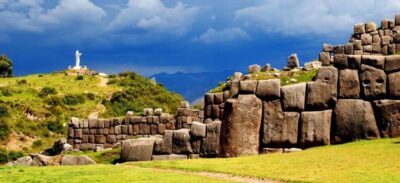 ★ 4.7City Tour Cusco Qoricancha Sacsayhuaman y TambomachayFrom $13617 reviews
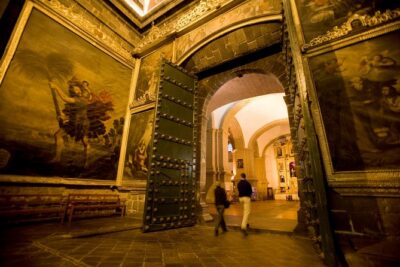 ★ 4.5Cusco City Sightseeing, San Pedro Market, Cathedral and Qorikancha TempleFrom $59139 reviews
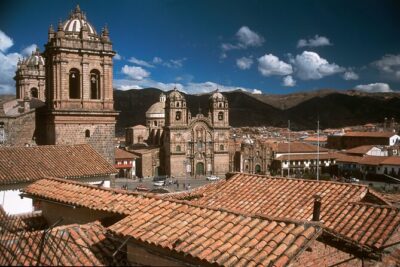 ★ 4.5Cusco City Sightseeing and Sacsayhuaman Archeological Park TourFrom $79101 reviews
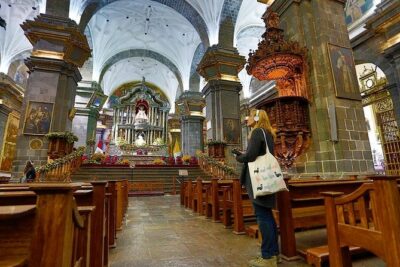 ★ 5.0Cusco 4-Hour Private Tour Including Sacsayhuaman and QenqoFrom $8777 reviews
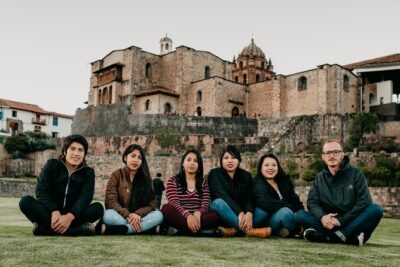 ★ 4.5Half-Day City Tour of Cusco Including TambomachayFrom $1859 reviews
 ★ 4.5Sacsayhuaman Temple, Tambomachay and Puca Pucara Half-Day TourFrom $6959 reviews
 ★ 5.0Private Cusco City Tour with Sacsayhuaman & Inca SitesFrom $18052 reviews
Also on these Peru lists