

REVIEW · HUARAZ
Huaraz: Laguna 69 | Cordillera Blanca | Hike to Lake 69
Laguna 69 hits you fast, that turquoise color grabs attention. I love how the day mixes big mountain scenery with a very doable hike, and I also like that the schedule is handled with clear timing and route expectations. The main catch is altitude and effort for a full 13-hour outing, so you need to pace yourself.
If you’re basing yourself in Huaraz, this is one of the easiest ways to get from town to the Cordillera Blanca in a single day. You’ll ride early from the hotel, stop for breakfast on the way, register at Huascarán National Park, then walk up to Laguna 69 for views of Chacraraju, Pisco, and Huascarán. The possible drawback is simple, food and drinks are on you, and the day gets long if you’re prone to altitude fatigue or slow on gravel roads.
In This Review
- Key things to know before you go
- Why Laguna 69 is worth the long day
- The 5:00 am start: bus route, valleys, and what you’ll actually see
- Breakfast, park entry, and the Huascarán registration rhythm
- Llanganuco ravine drive: Chinancocha and Orconcocha breaks
- Yuraccorra to Laguna 69: the hike at 4,604m
- At the lake: free time, lunch, and how to enjoy the views
- Heading back: same road, different feeling
- Gear and altitude prep that actually help
- Price and value: is $29 worth it?
- Who this one-day Laguna 69 trek is best for
- Should you book Laguna 69 with Iziperu?
- FAQ
- How long is the Laguna 69 trip from Huaraz?
- What time does the tour leave Huaraz?
- How long is the hike to Laguna 69 once you start walking?
- Are meals included?
- Is the Huascarán National Park entrance fee included?
- What languages are the guides?
Key things to know before you go
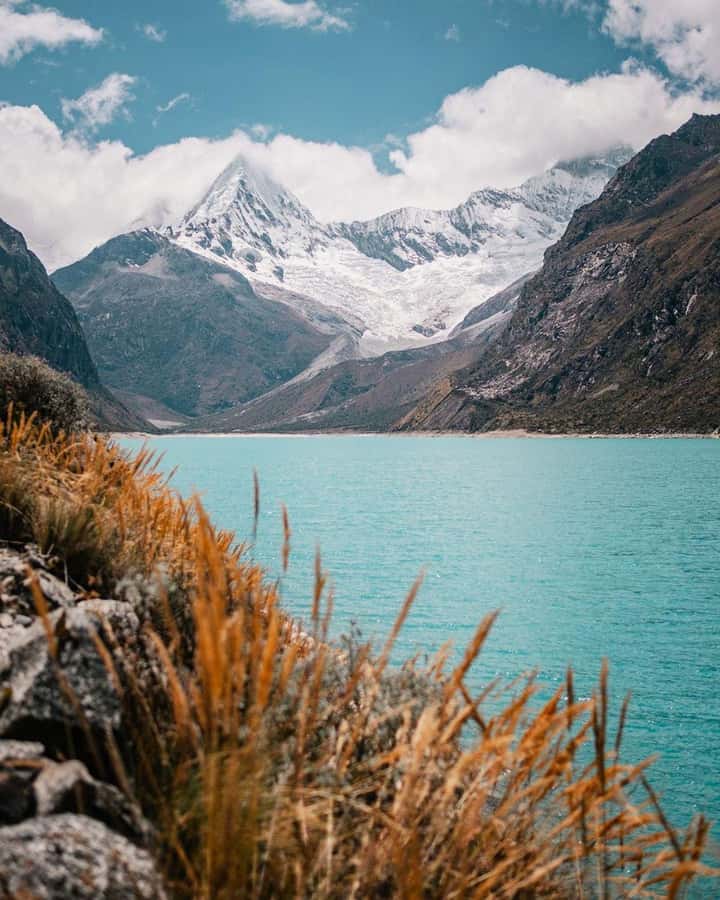
- A timed day with a plan, pick-up around 5:00 am and an organized flow of stops before the hike
- Laguna 69 sits at 4,604m, so acclimation and a steady pace matter
- Huascarán National Park registration is included, but the entrance fee (S/.10) is not
- Llanganuco ravine viewpoints include Chinancocha and Orconcocha, great photo breaks on the drive
- The hike to the lake takes about 3 hours, then you get free time at the shore before turning back
- Spanish and English guides, plus “permanent assistance” to keep you moving with the group
Laguna 69 and other Cordillera Blanca days
- From Huaraz: Tour to the Pastoruri Glacier and Puya Raimondi
★ 4.3 · 68 reviews - 69 Lake – Cordillera Blanca
★ 5.0 · 62 reviews - Parón Lake – Cordillera Blanca
★ 4.5 · 35 reviews - Pastoruri Glacier
★ 4.5 · 34 reviews
Why Laguna 69 is worth the long day
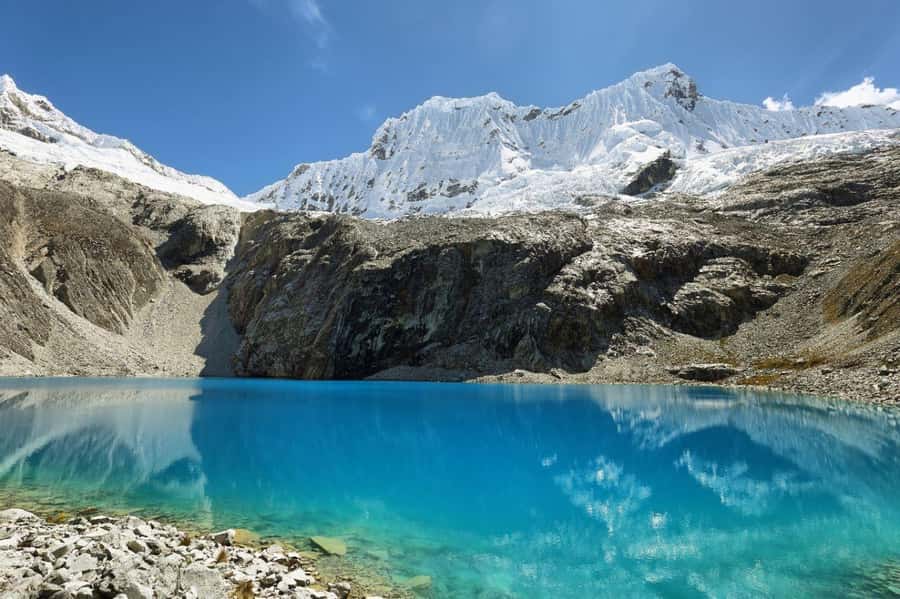
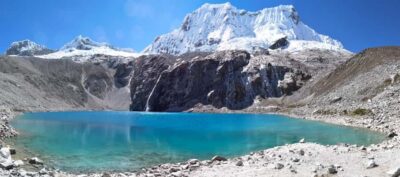
Laguna 69 is famous because it looks like it belongs in a postcard, that intense turquoise comes from glacial sediment and the high-altitude setting. You’re not just walking to a pretty spot, you’re doing it with the Andes towering over you, including views of Chacraraju, Pisco, and Huascarán (6,768m, the highest mountain in Peru). This is the kind of place where the photos are good, but the real reward is standing there and realizing how high and remote it is.
I also like that the day includes multiple scenery stops, not just the hike. You’ll see valleys and lagoons along the route, then finish with your main target at the lake itself. That makes it feel like an adventure day, even if you’re not the strongest hiker.
The one thing to respect is that you’re hiking at altitude. Even if the uphill section is “only” a few hours, thin air turns the effort up a notch.
The 5:00 am start: bus route, valleys, and what you’ll actually see
You’ll leave Huaraz by private bus around 5:00 am, heading north past a string of scenic towns. On the drive, you’ll pass places like Carhuaz, Mancos Ranrahirca, and Yungay. Yungay is worth understanding for its history, in 1970 a major earthquake devastated the area and buried most of the city, which still shapes local memory.
Why this matters for your experience: those early hours buy you two things. First, you reach the trail area with daylight, which helps with footing and pacing. Second, you’re more likely to enjoy clearer views before the day clouds up.
One small practical note, the return includes time on roads that can feel rough. If you’re sensitive to motion or gravel roads, it’s smart to plan for that, like bringing any travel meds that usually help.
Breakfast, park entry, and the Huascarán registration rhythm

Around 7:30 am, the group stops in the Callejón de Huaylas area for breakfast. This is your moment to fuel up before the climb, and it’s also a chance to get your gear sorted. In practice, you’ll typically find meal options around 15 to 20 soles, and you might see simpler sandwiches for around 5 soles.
Next comes the Huascarán National Park stop, where you’ll pay the entrance fee and register. The good part here is that your guide handles the process with the group, so you’re not trying to figure it out on your own. The entrance fee is S/.10, and it’s not included in the tour price, so plan for it.
This park registration step is more than bureaucracy. It signals that you’re entering protected alpine terrain, and it keeps the hiking experience organized with the right access and documentation.
Llanganuco ravine drive: Chinancocha and Orconcocha breaks
After breakfast and park entry, the route continues through the Llanganuco ravine. This is one of those stretches where the bus feels like part of the tour, because you get repeated viewpoints instead of one long, boring ride.
Along the way you’ll stop to enjoy the Chinancocha (female) and Orconcocha (male) lagoons. Even if you only have a short window at each stop, these moments help you warm up your eyes for what comes next. Laguna 69 will be the big finale, but those earlier lagoons make the day feel like a connected story across the valley.
If you care about photos, this is also where you can adjust your plan. You can test your camera settings, check how the light is changing, and decide how you want to shoot at the lake.
Other Andean routes worth the acclimatisation
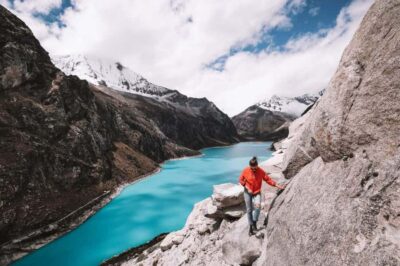
Yuraccorra to Laguna 69: the hike at 4,604m
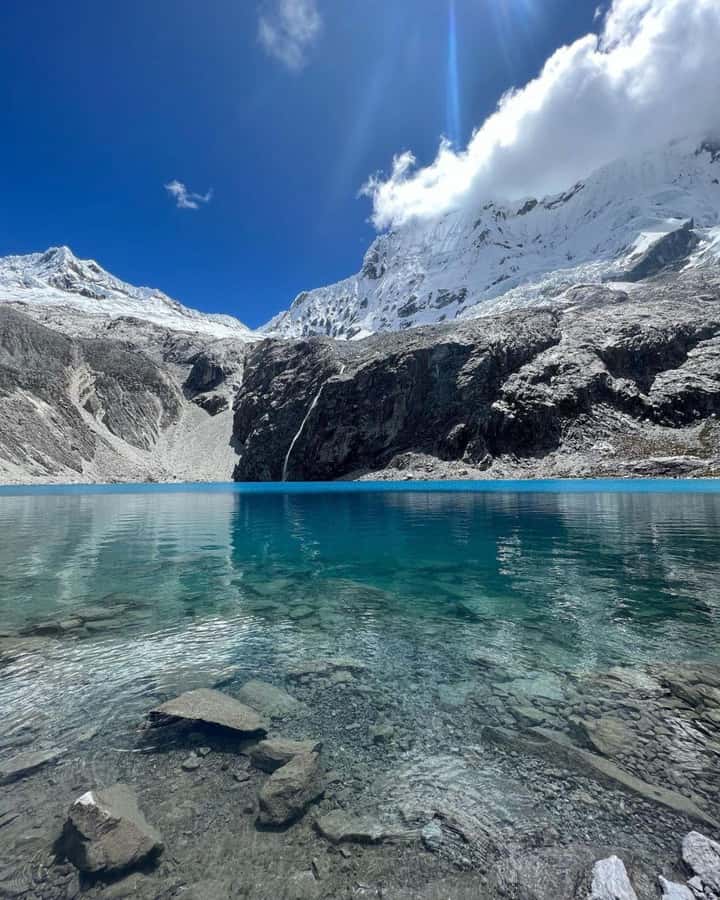
You’ll arrive at Yuraccorra and begin the walk. The hike to Laguna 69 takes about 3 hours to reach the lake, and you’ll be going uphill at real altitude, with the lake at 4,604m.
Here’s the honest part: altitude can slow even strong walkers. A useful rule of thumb is that you should move with your own rhythm but also know there are time windows built around the group pace. One traveler advice that’s worth taking seriously is to aim to reach the first-lake point by around 12:30 to 1:00 pm. If you’re not there, it’s usually wise to turn back rather than forcing it.
If you go faster, don’t just keep sprinting. Expect that you may wait while the rest catch up, and the lake views are good enough that waiting is not a punishment, just part of group hiking.
Also, the hike is not described as extremely technical, but comfort matters. You’ll want comfortable shoes with grip, plus layers. Even in bright conditions, high-altitude air can change fast.
At the lake: free time, lunch, and how to enjoy the views
When you reach Laguna 69, you get free time to enjoy the scenery. You’ll then take a break at the lake, with lunch included. This is where the day shifts from “get there” mode to “soak it in” mode.
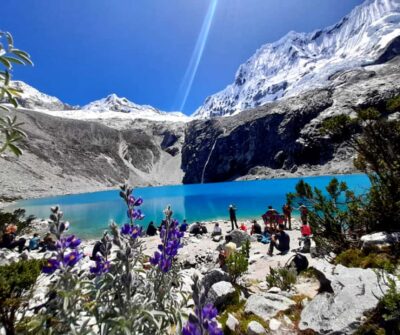
What you should focus on at Laguna 69 is the way the mountains frame the water. You’ll have views of Chacraraju, Pisco, and Huascarán. The combination of snow-capped peaks and the intense turquoise water is exactly why this place draws day hikers from all over.
Practical tip, bring sunglasses and sun protection. At these elevations, glare can be strong, and you’ll be staring at bright water and snow surfaces. Rain gear is also smart, because weather can shift even when the morning looks perfect.
One more detail that helps your mental game, plan your pacing so you arrive with energy left for sitting down. The best photos usually happen while you’re relaxed, not while you’re rushing.
Heading back: same road, different feeling
After your time at the lake, you return along the same road back toward Yuraccorra. Then you’ll take the vehicle back to Huaraz.
The return can feel easier on paper, but remember your body is already adjusted to lower oxygen. Going down can still feel tiring, especially if your legs are wobbling from the uphill pace.
If you’re sensitive to vehicle discomfort, this is where that earlier tip matters again. The drive back may involve gravel road sections, and motion sensitivity is one of those issues you can prevent rather than suffer through.
Gear and altitude prep that actually help
You can make a big difference to your comfort with a short list of basics. The tour guidance calls for:
- Comfortable shoes
- Sunglasses and sun hat
- Snacks and drinks (since food and drinks are not included)
- Sunscreen and rain gear
- Insect repellent
I’d add one mindset tip. Treat the hike like a breathing exercise. Slow your pace early so you don’t gas out before you hit the lake.
Acclimatization matters too. A traveler who did this with only one day of adjustment found it challenging and recommended 2 days minimum for acclimation. That fits the reality of hiking at 3,900m-ish start elevations and pushing up to 4,604m. If you can, add that buffer to your Huaraz plan.
Finally, group pacing is part of the experience. If you’re the type who hates waiting, bring small distractions like a snack, water, and something to pass the time while others finish.
Price and value: is $29 worth it?
The listed price is $29 per person, and for a one-day trek that includes pick-up and drop-off, transport, and a guide, it can be a solid value. Your guide support in this type of hike is not just nice, it helps you keep to timing and manage the route flow, including the park registration stop.
What isn’t included is also important. You pay park entrance fees (S/.10) and you’re responsible for food and drinks. Breakfast is typically something you purchase during the morning stop, and the tour includes lunch once you reach the lake, but snacks and drinks are still on your own plan.
So the “value math” is this: you’re paying for logistics and human help, not for every meal and every fee. If you’re already budget-minded and you pack snacks and water, the $29 price feels more fair than it might at first glance.
Who this one-day Laguna 69 trek is best for
This tour is best for you if you want a structured day from Huaraz and you like the idea of seeing more than one alpine sight. A structured schedule is especially useful at altitude, where getting lost or arriving late can spoil the day.
It also fits you if you prefer guided hiking with Spanish or English support. The guide language is Spanish and English, and one traveler specifically praised Carlos for careful attention up to the last minute. That kind of guided focus matters when you’re balancing breathing, timing, and group movement.
You might want to think twice if you’re very altitude-sensitive or if your comfort level with early starts and long hours is low. The trek itself is just part of the day, the full outing is around 13 hours.
Should you book Laguna 69 with Iziperu?
Based on the tour structure and how guides handle the day, I think this is a strong choice if you want an organized one-day experience to Laguna 69. The big wins are the clear timing, the guide support, and the fact that the day includes multiple scenic stops before and after the hike.
Book it if:
- You’re staying in Huaraz and want a guided, full itinerary to Laguna 69
- You’re ready for altitude and can hike at a steady pace
- You want Spanish or English guidance plus hotel pick-up and drop-off
Skip it or choose a different plan if:
- You can’t handle long days and early departures
- You have serious motion sickness and don’t want to plan for rough road sections
- You’re not yet acclimated and you’d rather add more time in Huaraz first
If you do book, pack for comfort, go slower than you think you need to, and use the free time at the lake to sit down and take in the scale. That’s where Laguna 69 earns its reputation.
FAQ
How long is the Laguna 69 trip from Huaraz?
The total duration is about 13 hours.
What time does the tour leave Huaraz?
Pickup is included, and the bus departs Huaraz around 5:00 am.
How long is the hike to Laguna 69 once you start walking?
The walk from Yuraccorra to Laguna 69 takes about 3 hours.
Are meals included?
Food and drinks are not included. Breakfast is typically purchased during a stop en route, and lunch is taken during the lake break.
Is the Huascarán National Park entrance fee included?
No. The entrance fee is S/.10 and is paid separately.
What languages are the guides?
The guide provides Spanish and English.
Andean Routes Worth the Climb
- HHuayhuash-One of the most impressive hikes in the world
★ 5.0 · 39 reviews - Huaraz: 3-hour Trek to Laguna 69 with Optional Lunch
★ 4.7 · 7 reviews - From Huaraz: Lake 69 Trek Day Tour – White Mountain Range
★ 4.7 · 7 reviews - Ancash: Trekking to Paron Lagoon with Entrance | Full day|
★ 3.2 · 3 reviews
More Tour Reviews in Huaraz
- From Huaraz: Tour to the Pastoruri Glacier and Puya Raimondi
★ 4.3 · 68 reviews - 69 Lake – Cordillera Blanca
★ 5.0 · 62 reviews - Climbing Mateo – Your first 5 thousand
★ 5.0 · 52 reviews - Tour Climbing Nevado Mateo | Your First 5,150 m Summit | 12 Hours
★ 5.0 · 40 reviews - HHuayhuash-One of the most impressive hikes in the world
★ 5.0 · 39 reviews
Cordillera Blanca Lagoons
- From Huaraz: Tour to the Pastoruri Glacier and Puya Raimondi
★ 4.3 · 68 reviews - 69 Lake – Cordillera Blanca
★ 5.0 · 62 reviews - Parón Lake – Cordillera Blanca
★ 4.5 · 35 reviews - Pastoruri Glacier
★ 4.5 · 34 reviews - From Huaraz: Tour to Llanganuco Lakes (Chinancocha Lake)
★ 3.6 · 19 reviews
Freshly reviewed across Huaraz
- From Huaraz: Chavín de Huantar & Chavín Museum Day Trip★ 5.0 · 3 reviews
- Huaraz: Full Day Rocotuyoc Lagoon + Frozen Lagoon★ 5.0 · 3 reviews
- Huaraz: Bike tour | Mountain Biking in the Andes★ 4.8 · 3 reviews
- Ancash: Trekking to Paron Lagoon with Entrance | Full day|★ 3.2 · 3 reviews
- Huaraz: Full-day Tour to Lake Parón with Optional Lunch★ 4.9 · 4 reviews
- Huaraz-Excursion to the Pastoruri Snows and Puyas Raymondi★ 3.3 · 4 reviews
Huaraz and Cordillera Blanca side by side.
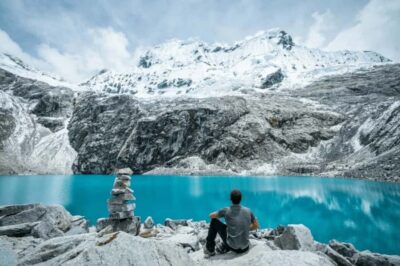 ★ 4.4From Huaraz: Hike to the Lagoon 69From $31121 reviews
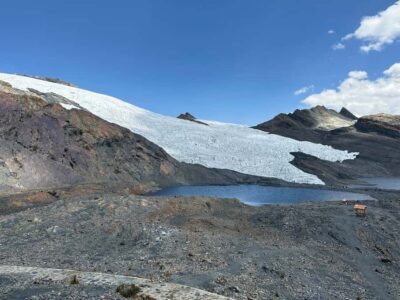 ★ 4.3From Huaraz: Tour to the Pastoruri Glacier and Puya RaimondiFrom $3168 reviews
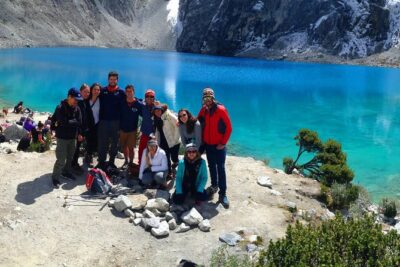 ★ 5.069 Lake – Cordillera BlancaFrom $3062 reviews
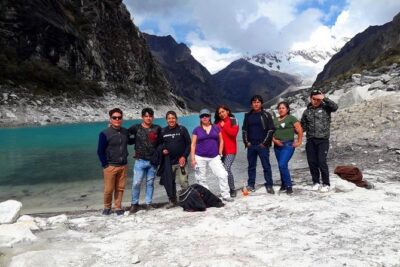 ★ 4.5Parón Lake – Cordillera BlancaFrom $4435 reviews
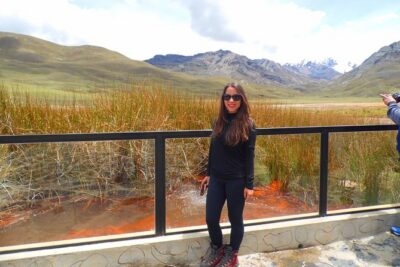 ★ 4.5Pastoruri GlacierFrom $3034 reviews
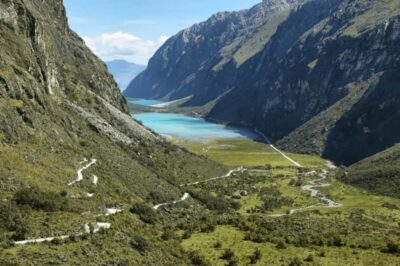 ★ 3.6From Huaraz: Tour to Llanganuco Lakes (Chinancocha Lake)From $3319 reviews
 ★ 5.0Huaraz: Pastoruri Glacier Day TripFrom $2658 reviews
 ★ 4.7Huaraz: 3-hour Trek to Laguna 69 with Optional LunchFrom $2657 reviews
Also on these Peru lists