
REVIEW · ADVENTURE SPORTS
Climbing Mateo – Your first 5 thousand
Dark start, big summit dreams.
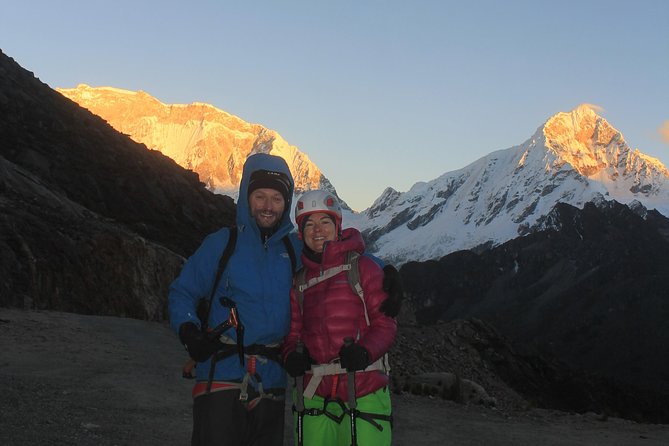
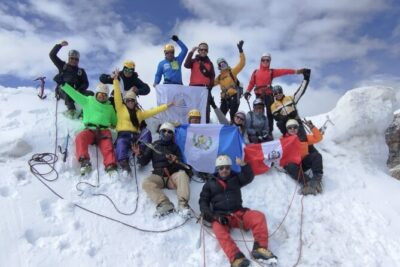
Mateo is one of those climbs that feels built for a first real milestone, not just for experienced mountaineers. You’re in the Huascarán National Park area, heading up toward Mateo in the Contrahierbas Sur range, and the whole plan is timed so you can reach the summit while the sun is still coming up. That combination, plus a straightforward approach and ascent, makes this a practical path into the world of high altitude snow climbing.
I really like the private setup, because your certified guide handles everything hands-on and keeps the day personal. I also like that you get the key technical gear included, so you can focus on moving well instead of hunting for crampons and an ice axe. A fair consideration: this climb depends on weather, and if the day turns poor, you may need to switch dates.
In This Review
- Key highlights you’ll feel on the day
- Mateo, Huascarán Park, and the “first 5,000” goal
- The 3:00 am start from Huaraz, and why it’s not just early
- The approach through the moraine: where you warm up and get your bearings
- The ascent: 1 hour 30 minutes up, and what that pacing teaches
- Technical climbing with included gear: crampons, harness, and group rope safety
- Summit day views around Chopicalqui, Contrahierbas, Ulta, and Huascarán
- Lunch during the climb: energy you can actually use
- How the guide style changes the whole experience
- Price and value: what $120 covers, and what it doesn’t
- What you should bring for a Mateo climb (and what’s not supplied)
- Altitude and fitness: who will feel confident and who should prepare more
- Should you book this Mateo first-5,000 climb?
- FAQ
- What time does the Climbing Mateo tour start?
- What climbing gear is provided?
- Is lunch included during the climb?
- Do I need to pay the Huascarán National Park entrance fee?
- What happens if weather is poor?
- Is this tour private?
Key highlights you’ll feel on the day
- Private climbing with a certified guide who works in English or Spanish and gives step-by-step support
- Technical gear for you including crampons, harness, helmet, and ice axe (plus mountain boots)
- Sunrise-focused timing for a morning summit and big views if skies cooperate
- A clear rhythm of hike to moraine, then a steady ascent with a reasonable first-time structure
- Lunch included during the climb with a vegetarian option
- Group rope and anchoring gear like ropes, ice screw, snow stakes, and carabiners, when needed
Rappel, via ferrata and other high-pulse options
- Tour Climbing Nevado Mateo | Your First 5,150 m Summit | 12 Hours
★ 5.0 · 40 reviews
Mateo, Huascarán Park, and the “first 5,000” goal
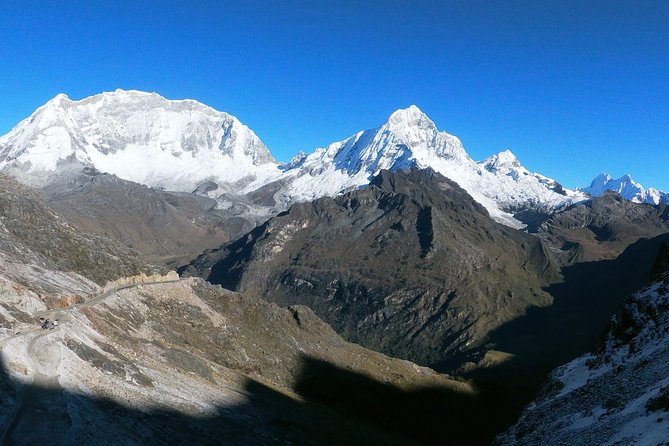
If your plan is a first 5,000-meter summit, Mateo hits a sweet spot. It’s not marketed as a casual hike, but it is positioned as an attainable mountain for people who want to move from altitude day trips into a true snow-and-ice day. You’re climbing within the Huascarán National Park area in the Quebrada Ulta, in the Carhuaz region. That matters because it sets expectations: you’re in a high Andean zone where conditions can shift fast, and the guide’s job is to keep you moving safely.
The other thing I like is the framing. Your focus is not speed, it’s competence. The day is designed so you learn the basics of snow climbing while using the standard tools for the job. You’re not left to guess how crampons should sit or how to use an ice axe for control. That’s what turns a first 5,000 into a win instead of a stress spiral.
The 3:00 am start from Huaraz, and why it’s not just early
This trip begins at 3:00 am, departing very early from Huaraz so you can reach the summit in the morning and catch sunrise. Early starts like this have one job: maximize your chance of good light and stable footing on the upper snow. In high mountains, mornings can be your friend. You also benefit from a calmer route, because you’re not climbing after the day has warmed up.
Private transport is included, which helps a lot on a schedule this tight. You don’t need to coordinate rides at night, and you won’t be late because of traffic or logistics. Also, the meeting point is described as near public transportation, so you’re not stuck if you’re staying in Huaraz and want a simple way to get there.
One practical note: a 3:00 am start means you should take altitude seriously the days before, even if the climb itself is only one day. The better your body is adapted, the more you can enjoy the climb instead of fighting your own breathing. A guide with local expertise matters here, and the English-Spanish support is a real plus.
The approach through the moraine: where you warm up and get your bearings
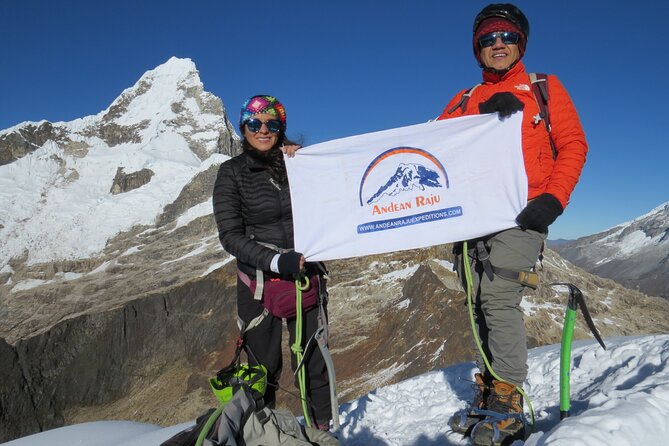
Before you ever use crampons, you start with a hike over a moraine for about 1 hour. That segment is short, but it’s not mindless. Moraines can be uneven, and you’ll want your body used to moving over real mountain ground, not just trail paths.
This is also where you set your rhythm for the day. Your guide’s job is to get you steady early, so you don’t burn energy too fast. You’ll be transitioning from a hiking pace into a snow-climbing pace, and that shift can feel awkward if you go out too hard.
You’ll likely do a gear moment here too, even if the climb later feels the most technical. With crampons, harness, and helmet included, the early check is crucial. A good fit prevents hotspots, keeps your footing more secure, and reduces the mental load. If you’ve never worn crampons before, this first phase is the perfect time to get comfortable with how they change your stride.
The ascent: 1 hour 30 minutes up, and what that pacing teaches
After the moraine, the ascent is about 1 hour 30 minutes to reach the summit. That time frame is one reason Mateo works as a first “big number” climb. It’s not a long grind of endless hours at height. Instead, it’s a concentrated push where the guide can manage technique, rest breaks, and safety without dragging you into fatigue.
For first-time snow climbers, pacing is everything. You want steady effort, controlled breathing, and short breaks at the right moments. If the day turns cloudy, pacing becomes even more important because you can’t rely on the view to mentally break up the climb. One of the biggest takeaways from real-world experiences on this route is that the guide’s support is what keeps the challenge fun even when visibility isn’t perfect.
You’ll also be learning how to handle your ice axe and how crampons help with traction. When these tools are in place, you feel less like you’re gambling with slippery snow and more like you’re moving with intent.
Technical climbing with included gear: crampons, harness, and group rope safety
The gear package is one of the best reasons to book this style of guided trip. For your personal use, you get crampons, a harness, helmet, and an ice axe, plus mountain boots. That’s a big deal if you’re new to this, because the wrong boots or poorly fitted crampons can ruin a day fast.
You also get group equipment for technical sections, including ropes, an ice screw, snow stakes, and carabiners. That doesn’t mean you spend the whole day roped up, but it tells you the operation is prepared for the reality of snow and ice travel. In other words, safety is built into the plan, not added later.
A practical tip for you: treat the gear as part of your skill set. When you’re first learning, don’t just move fast. Move smoothly. Let the traction do its job. Keep your steps deliberate, and trust the guide’s instructions.
If you’ve never done a snow climb, this is also the time to ask questions. The guide is there to translate technique into something you can execute under pressure, and having a certified mountain guide matters when conditions are changing.
Summit day views around Chopicalqui, Contrahierbas, Ulta, and Huascarán
The reason you’re up there early is not only altitude. It’s visibility. From Mateo, the route is timed to give you sunrise and some of the standout scenery of the region. The view focus includes Chopicalqui, Contrahierbas, snowy Huascarán, Ulta, and other surrounding peaks.
On a clear day, sunrise views can feel like a reward for your effort plus a reality check that you’re actually on a mountain that deserves respect. On a less-than-clear day, the experience can still be worth it, but the mental payoff shifts. You may feel more like you’re earning the summit than visually celebrating it.
Either way, bring your expectations into balance. This isn’t a guarantee of perfect weather, but the timing and route planning give you a strong shot at an impressive panorama. The guide can also help you interpret what you’re seeing, especially if skies are patchy and the light keeps changing.
Lunch during the climb: energy you can actually use
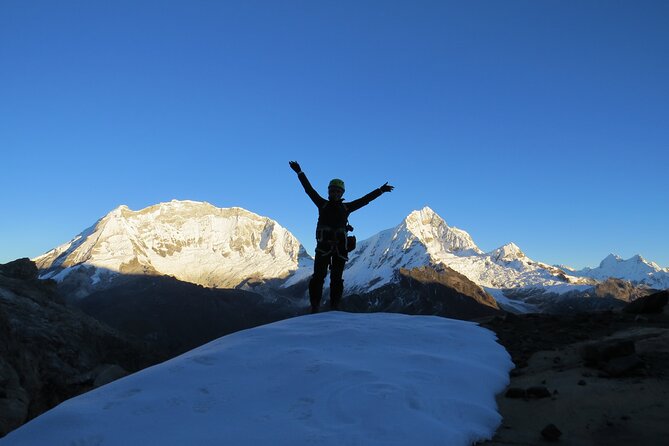
You get lunch included during the climbing day, and there is a vegetarian option. That’s a practical win for beginners because high altitude days often fall apart when you forget to eat or you try to manage food on your own at the worst time.
Since breakfast and dinner are not included, plan your day so you’re not relying on this lunch alone. Eat a simple breakfast before pickup, or make sure you’ve arranged something close to the start time. After that, lunch during the climb helps you keep calories and morale up when the summit effort starts to bite.
Also, with early timing, having food handled reduces your stress. Your mind can focus on movement, not logistics.
How the guide style changes the whole experience
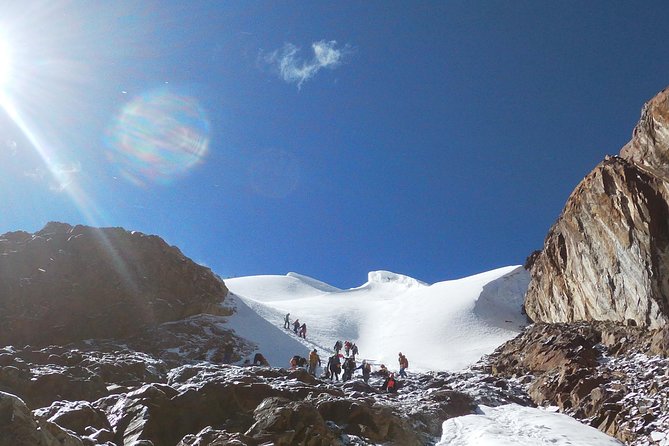
This is a climb with a certified mountain guide, and your service is described as permanent and personalized assistance. That’s exactly what you want for a first 5,000. You’re not just hiring someone to lead you from point A to point B. You’re buying guidance that helps you stay safe and stay calm.
A name that comes up in experiences associated with this trip is Pablo. The theme there is competence plus encouragement: pacing you to your best potential, checking that you are safe and prepared, and using deep local knowledge of Huaraz to help the day make sense. If you tend to get nervous when you’re learning something new, that kind of guiding matters more than fancy gear.
I also like that the guide can communicate in English or Spanish. That removes a common barrier for first-timers, because a technical day requires clear communication. You want to understand what the guide says about footing, breaks, and safety moves, not just hear directions in passing.
Price and value: what $120 covers, and what it doesn’t
At $120 per person for a one-day private climb, the value comes from what is included for a newcomer. You’re getting certified guiding, private transport, meals during the climb, and technical equipment for personal use. That combination is usually hard to replicate on your own without renting gear and paying multiple guides for different skills.
Think of what you’re avoiding: you’re not spending time figuring out how to get crampons fitted, how to rent an ice axe, or how to coordinate a safe rope setup. You’re also not paying extra for lunch during the climbing window. For first-time 5,000-meter climbers, removing those friction points is part of the bargain.
What you should budget for separately is also clear. Huascarán National Park entrance is listed as S/. 30.00 Soles. Breakfast, dinner, and personal expenses are not included. You’ll also need to supply your own headlamp, sunglasses, appropriate clothing, personal medications, and personal gear like that.
When weather hits, you’re not stuck either. The experience requires good weather, and if the operator cancels due to poor conditions, you’ll be offered a different date or a full refund. That’s important value protection for a mountain day.
What you should bring for a Mateo climb (and what’s not supplied)
Even with a strong equipment package, you still need to show up prepared. The tour lists some items not included, and it’s worth reading them like a checklist instead of a footnote. Plan on bringing:
- A headlamp (not included)
- Sunglasses
- Appropriate climbing clothing for cold and early starts
- Personal medications and anything you need for your health routine
You may also want layers you can manage easily. Early mornings can be brutally cold. Then, as you climb and work, you can warm up quickly. If you only bring one heavy layer, you might cook. If you only bring light layers, you might freeze. The right approach is usually layers you can adjust.
Also remember the climb happens inside a national park. Entrance fees are not included, so pack the budget for that. You do not want to discover this at the worst possible moment.
Altitude and fitness: who will feel confident and who should prepare more
The climb is described as most travelers can participate, but the fine print is in how the experience is run. It’s still a snow climb at high altitude. You should have a good physical condition and give yourself time to adapt to altitude before attempting a 5,000-meter objective.
One practical tip that stands out from real-world experiences: take a few days in Huaraz to get used to the altitude. Mateo is one day, but altitude adaptation is not one day. If you arrive and immediately go for the summit, the mountain will decide how enjoyable the day is.
If you’re someone who is comfortable with strenuous hiking and you’ve trained for uphill effort, you’ll likely feel more confident with this kind of schedule. If you’re coming in straight off long travel fatigue or you struggle with breathing at elevation, consider spending extra time acclimatizing first or choosing a less demanding climb for your first mountain day.
Should you book this Mateo first-5,000 climb?
If your goal is a serious but structured first step into snow climbing, this trip is a smart choice. I’d book it if you want private, certified guidance, included technical gear, and a schedule built around a morning summit with sunrise potential. It’s especially attractive if you want the support of a guide like Pablo, who focuses on getting you to your best potential and keeps safety front and center.
I would hesitate if you know you’re not ready for high altitude yet, or if you’re hoping for an easy day with minimal cold exposure. Also, be realistic about weather. This experience depends on good conditions, and the operator can reschedule or refund if the mountain won’t cooperate.
FAQ
What time does the Climbing Mateo tour start?
The start time is 3:00 am.
What climbing gear is provided?
You get technical equipment for personal use, including crampons, a harness, an ice axe, mountain boots, and a helmet. Group equipment like ropes, an ice screw, snow stakes, and carabiners is also provided.
Is lunch included during the climb?
Yes. Meals during the climbing are included, and there is a vegetarian option.
Do I need to pay the Huascarán National Park entrance fee?
Yes. The entrance fee to Huascarán National Park is listed as S/. 30.00 Soles.
What happens if weather is poor?
The experience requires good weather. If it’s canceled due to poor weather, you’ll be offered a different date or a full refund.
Is this tour private?
Yes. It’s a private tour/activity, so only your group participates.
More Tour Reviews in Huaraz
- From Huaraz: Tour to the Pastoruri Glacier and Puya Raimondi
★ 4.3 · 68 reviews - 69 Lake – Cordillera Blanca
★ 5.0 · 62 reviews - Tour Climbing Nevado Mateo | Your First 5,150 m Summit | 12 Hours
★ 5.0 · 40 reviews - HHuayhuash-One of the most impressive hikes in the world
★ 5.0 · 39 reviews - Parón Lake – Cordillera Blanca
★ 4.5 · 35 reviews
Higher-Pulse Days in Huaraz
- Tour Climbing Nevado Mateo | Your First 5,150 m Summit | 12 Hours
★ 5.0 · 40 reviews
Freshly reviewed across Huaraz
- From Huaraz: Chavín de Huantar & Chavín Museum Day Trip★ 5.0 · 3 reviews
- Huaraz: Full Day Rocotuyoc Lagoon + Frozen Lagoon★ 5.0 · 3 reviews
- Huaraz: Bike tour | Mountain Biking in the Andes★ 4.8 · 3 reviews
- Ancash: Trekking to Paron Lagoon with Entrance | Full day|★ 3.2 · 3 reviews
- Huaraz: Full-day Tour to Lake Parón with Optional Lunch★ 4.9 · 4 reviews
- Huaraz-Excursion to the Pastoruri Snows and Puyas Raymondi★ 3.3 · 4 reviews
Adventure Sports side by side.
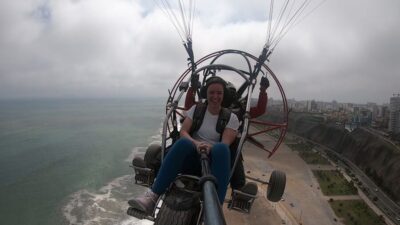 ★ 4.5Lima: Paragliding Flight Over Costa Verde DistrictsFrom $54248 reviews
 ★ 4.5Cusco: Tandem Paragliding in The Sacred Valley of The IncasFrom $12089 reviews
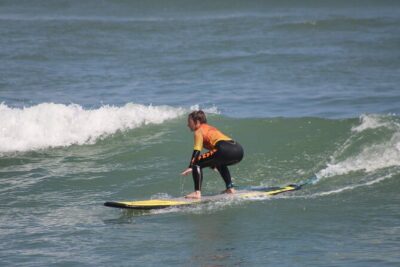 ★ 4.5Beginner Surf Lesson in Lima, PerúFrom $2988 reviews
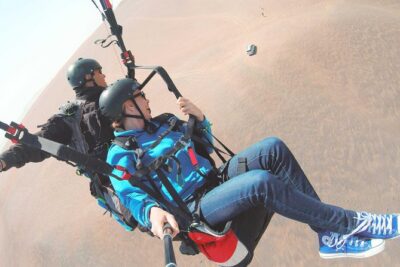 ★ 5.0Paragliding Flight at Paracas National ReservationFrom $10784 reviews
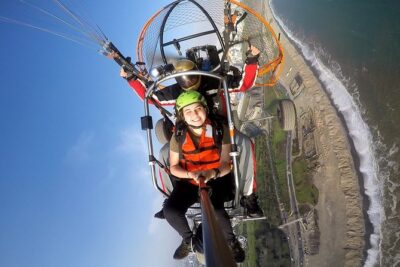 ★ 4.0Paragliding in Lima – Costa VerdeFrom $8074 reviews
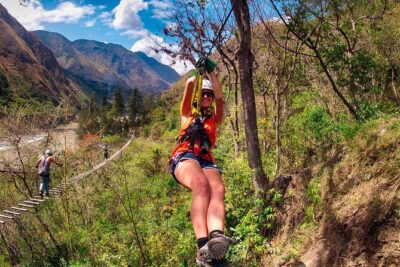 ★ 5.04-Day Inca Jungle Adventure, Mountain Biking, Rafting and ZiplineFrom $37860 reviews
 ★ 5.0Rock Climbing full dayFrom $8547 reviews
 ★ 4.5Cusco Rafting and Zipline AdventureFrom $10047 reviews
Also on these Peru lists