
REVIEW · MACHU PICCHU
Inca Trail Machu Picchu 4 Days
Four days, one rhythm, big rewards.
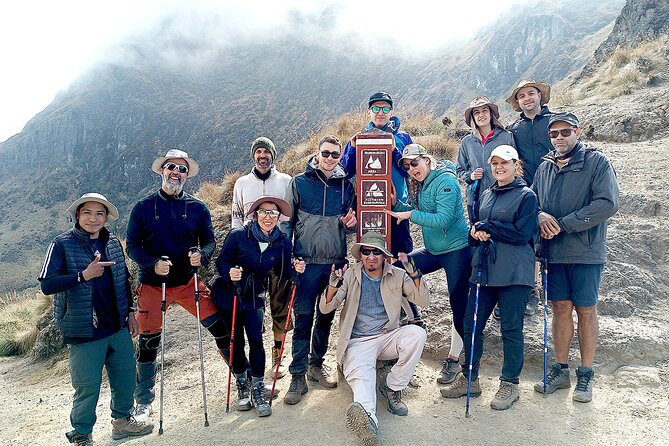
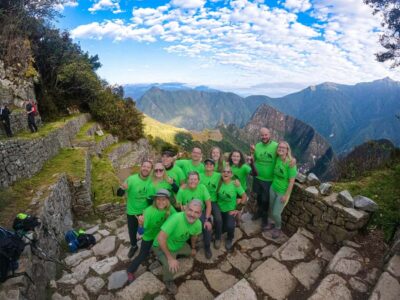
This Inca Trail to Machu Picchu route is built around Km 82 entry and a dawn reveal at Inti Punku, with structured stops, altitude camps, and a guided citadel visit. I like that it stays organized without making the hike feel rushed, and I also like the small group size, capped at 10 travelers, which makes it easier for the guide and support crew to look after everyone. One thing to think about up front: this trek is demanding, including the Warmihuañusca (Death Pass) day, and you should plan for cold weather and steep climbs.
What I especially liked is the way the team handles the details. In accounts of the trip, guides like Franklin are described as keeping the group together while still being flexible if you want a moment to explore, and that kind of calm, human leadership matters when you are hiking at altitude. I also love how well the food is treated for a multi-day trek, including the chance for special touches like a night when the cooks baked a cake, plus daily tea time before dinner. The main consideration is logistics around gear and meals: a sleeping bag is not included, and lunch at Machu Picchu or in Aguas Calientes is also not included, so you will want a budget for that.
Key points up front
- Small group size (max 10) helps the guide keep everyone together without feeling cramped
- Camping included means tents, mats, bathroom setup, dining area, and dining tables are taken care of
- Support team runs the heavy lifting with cook, food carriers, and porters so you focus on walking
- Death Pass and Runkurakay pass are part of the middle day, so pacing and layers matter
- Sunrise at Inti Punku sets you up for a first look at Machu Picchu before the guided visit
- Food plan is built in for most meals, plus oxygen and first aid on the trip
In This Review
- First morning in Cusco: the 5:30 am start and Km 82 entry
- Day 1: Ollantaytambo to Miskay lunch, then Ayapata camp at 3,100m
- Day 2: Llulluchapampa, Death Pass at 4,200m, and Chaquicocha camp
- Day 3: Wiñayhuayna change of ecosystem, tunnel views, and Phuyupatamarca
- Day 4: Inti Punku sunrise, a guided Machu Picchu circuit, then train back
- Camping setup, food, and porters: why this trip feels less punishing
- Price and what you actually get for $905 per person
- Who this tour fits best, and who should rethink it
- A few practical tips before you go
- Should you book Dreamy Tours for this 4 day Inca Trail to Machu Picchu?
First morning in Cusco: the 5:30 am start and Km 82 entry
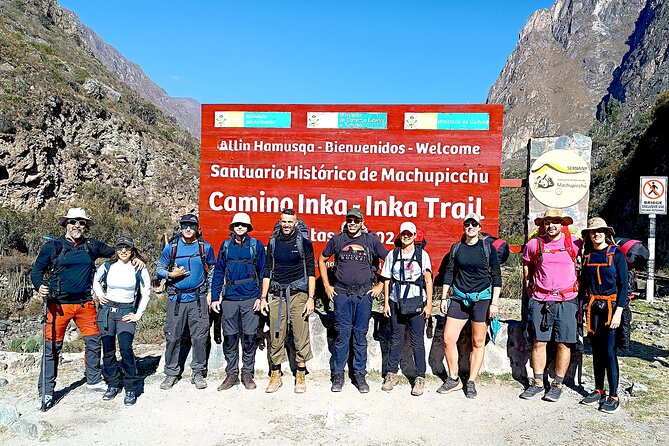
Your trip starts early in Cusco, with pickup around 5:30 am from your hotel. You head toward the Sacred Valley, and before you reach Km 82, there is a short stop in Ollantaytambo where you can grab breakfast if you want. Then it is document check time at Km 82, where you present paperwork for control and registration before joining the Inca Trail.
This matters more than it sounds. The Inca Trail system is tightly managed, and getting your documents right is the difference between a smooth start and a stressful one. Also, that early departure helps you avoid the worst of the day heat once you are on the trail, and it gives you time to settle into a steady walking pace.
Other citadel visits, ticket types and start times
- Machu Picchu Entrance Ticket
★ 4.5 · 108 reviews - Machu Picchu Private Archaeological and Historical Guided Tour
★ 5.0 · 86 reviews - Machu Picchu Private Tour from Aguas Calientes (Tickets included)
★ 5.0 · 84 reviews - Machupicchu Guide Service
★ 5.0 · 42 reviews
Day 1: Ollantaytambo to Miskay lunch, then Ayapata camp at 3,100m
Day 1 is your first taste of the Sacred Valley and it is intentionally the easiest-feeling day. After crossing the Urubamba River at about 2,200m, you begin along the legendary trail where the path is easy to follow. You also get lunch in Miskay, described as a small riverbank, and your guide shares context about the archaeological complex of Llactapata.
Then you keep moving to your first campsite, Wayllabamba (3,100m/10,170 ft), and you finish with an ascent to Ayapata, where you sleep. This section is a classic “get your legs going” day, not a suffering contest. If you go out too fast, you will feel it later, so I like the way Day 1 gives you a chance to find your breathing and shoe rhythm.
What can be tough on Day 1 is the altitude jump. Even though the hike is easier, you still climb, and 2,200m to the 3,000m range is real altitude, not a sightseeing altitude. So bring a steady pace mindset, not a sprinting one.
Day 2: Llulluchapampa, Death Pass at 4,200m, and Chaquicocha camp
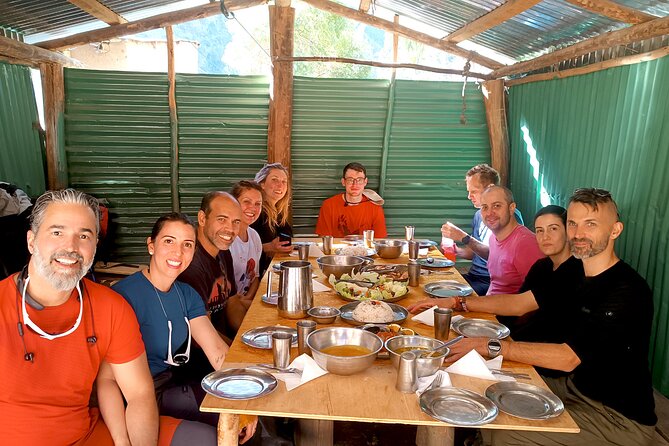
Day 2 is the longest and coldest-feeling day, with about 9 hours of walking time. You start into the valley of Llulluchapampa (3,850m/12,631 ft), and the description is very “sensory” here, with rainforest and water sounds coming through as you walk. You follow the trail for a couple hours, reach the highest point of this day’s profile, and then start the real star attraction of the day.
That star is Warmihuañusca (Death Pass) at 4,200m. This is the part people remember, because it is the most difficult climb on the route. After a brief stop at the summit, you continue with a long steep slope toward the Pacaymayu River, and you head in the direction of the Runkurakay pass (3,050m) before arriving at camp.
Your night is in Chaquicocha (3,650m/11,975 ft). The payoff is the mountain view from camp, plus the relief of getting to stop walking. This is also a day where the “leisure pace” idea still needs respect. “Leisure” on the Inca Trail still means steep and high. So I would treat this day as a serious effort, not a casual stroll.
If you are prone to feeling lightheaded at altitude, use the summit stop for real recovery time. Take it slowly on the descent too, because your legs and knees are doing work. The tour includes oxygen and first aid, but pacing is the real safety tool you can control.
Day 3: Wiñayhuayna change of ecosystem, tunnel views, and Phuyupatamarca
Day 3 is often the “this is why I came” day, because you feel the environment shift and the trail starts to feel more alive with history. You begin from camp Chaquicocha and move into the rainforest section tied to Wiñayhuayna. Along the way, you pass two small lakes at the top of the second pass, around 3,950m.
Then you get a gentle ascent through a small Inca tunnel, plus a magnificent view over the Urubamba River in the Sacred Valley. These tunnel moments are short, but they change the vibe of the hike from “trail” to “place.” It feels like you are walking through a route that was designed for movement and for arriving at key points in sightlines.
From there, your camp is Phuyupatamarca, meaning city above the clouds at about 3,600m. The site is described as well preserved, including a long chain of Inca bath structures, which gives you a tangible sense of how the Incas used water, stonework, and engineering. You pass through another tunnel, then visit the Wiñayhuayna complex, called Forever young, and after that you descend the valley toward your first views of the Machu Picchu mountain.
Day 3 is also about timing. It is only about 6 hours of walking, so you can stay present at the sites rather than just surviving the march. Still, you are going high and low, so keep layering for temperature swings.
Day 4: Inti Punku sunrise, a guided Machu Picchu circuit, then train back
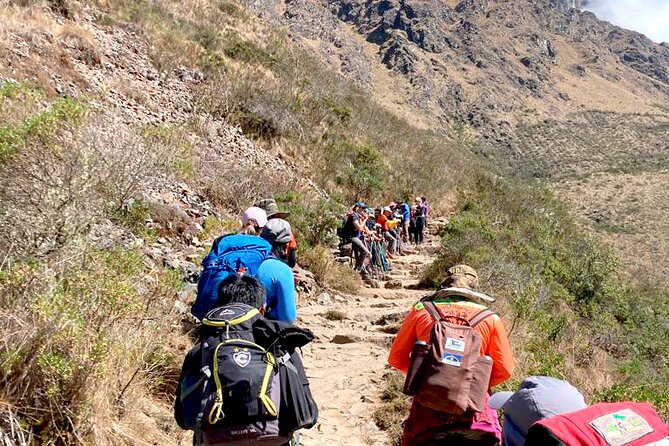
Day 4 starts with breakfast, then a hike to Inti Punku, or Puerta del Sol. The point here is the early payoff: a first view of Machu Picchu and the chance to see sunrise over it. The last uphill push takes almost an hour, and then you arrive at the citadel at roughly 8:00 am.
You get a guided tour of about two hours. That guidance is the difference between snapping photos and understanding what you are looking at, including how the ancient work was meant to function. After the guided portion, you have free time to explore on your own.
This is when you can aim for the viewpoints you care about most. The itinerary explicitly mentions checking out the Inca Bridge, exploring a range of Inca monuments, and the option to climb Huayna Picchu for a panoramic image. Not every day of hiking gives you that kind of choose-your-own-adventure time, so use it wisely.
Then it is downhill to Aguas Calientes for lunch, and return by train to Ollantaytambo and Cusco, depending on availability. This day feels fast, but that is normal once you go from trail to the Machu Picchu circuit. If your legs are sore, plan to move slowly and take your breaks, especially after the guided tour.
Other Inca Trail departures, permits included
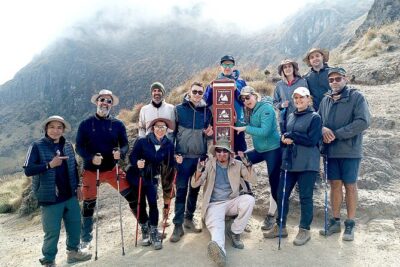
Camping setup, food, and porters: why this trip feels less punishing
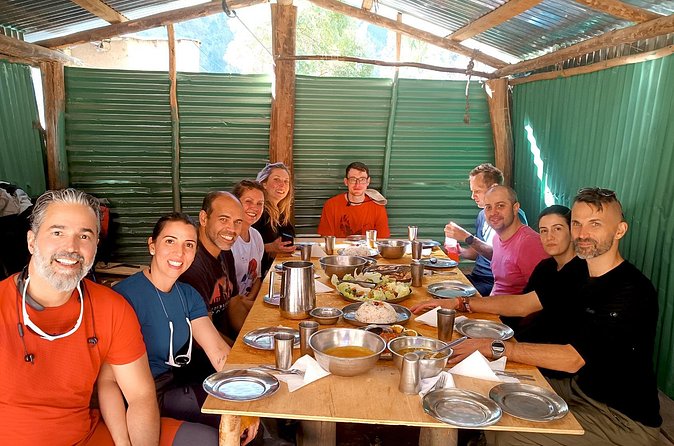
The best value in this experience is that you do not carry your own campsite. The included camping gear covers tents, mats, dining setup, bathroom setup, and the basics that make a multi-day trek survivable. You also get a cook and camping team, plus food with 3 dinners, 3 lunches, 3 snacks, and breakfasts that are included on the trip, except the note that breakfast on the first day is not included.
In practical terms, this means your brain can stay on walking. You can eat without having to manage complicated logistics, and you can recover without reinventing camp life at 3,000m+. Accounts of the trip also highlight how good the food feels for a hiking schedule, including special moments like cake baking one night, which tells you the kitchen crew takes morale seriously.
Porters and carriers do the heavy work of tents and equipment, plus cooking supplies. That is a huge deal for the experience quality, because Inca Trail hiking is already physically demanding. If you tried to haul the same equipment yourself, the trek would feel like two trips at once: walking plus campsite logistics.
One more thoughtful detail: oxygen and first aid are included, which gives you extra reassurance on altitude days. It does not erase the need for good pacing and smart hydration, but it helps if you get symptoms.
Price and what you actually get for $905 per person
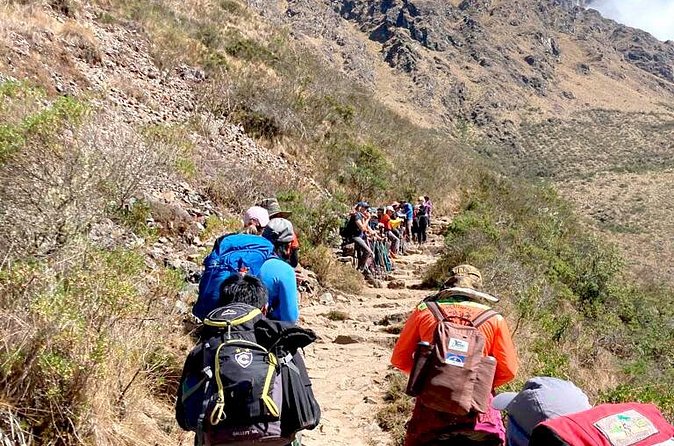
At $905 per person, this is not a cheap hike. But when you break down what is included, it becomes easier to judge the value. You are paying for: Inca Trail and Machu Picchu entrance included, transportation between Cusco and Km 82, return transport by train from Machu Picchu Pueblo to Ollantaytambo, plus the Machu Picchu site transport via Consettur bus from Machupicchu Villa.
On top of that, you are getting professional guiding in Portuguese or Spanish (language on request), plus camping equipment, a cook and team, meals across multiple days, and oxygen and first aid. You also get a tour structure small enough, max 10 travelers, that logistics are less chaotic than on big-group treks.
What is not included is also pretty clear: sleeping bag, first-day breakfast, lunch during the Machu Picchu or Aguas Calientes part, and extra carrier options if you need them. That means you should budget for a couple of meals and plan your sleep comfort gear.
A smart way to decide is to ask yourself what you would have to pay to replace all of that on your own. If your alternative is booking separate parts, you likely end up with more stress and higher total cost. If you want one organized package that covers the moving pieces, this pricing can make sense.
Who this tour fits best, and who should rethink it
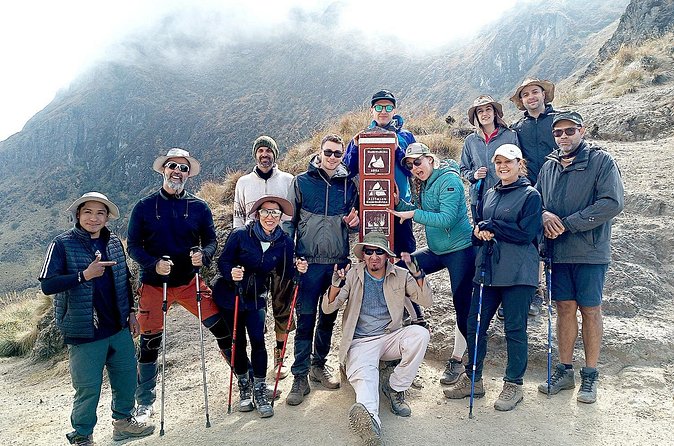
This trek is best for people who want a well-run adventure and can handle real hiking effort. The tour explicitly calls for strong physical fitness, and the itinerary includes major elevation like Death Pass at 4,200m, plus cold conditions on Day 2.
It also fits families and groups who want a small team feeling. The max 10 traveler size helps the guide keep everyone together, and the itinerary is structured so you still get archaeological context, not just walking.
If you dislike early mornings or you have limited mobility for steep terrain, this might feel like too much. You are also sleeping at high elevation, and temperatures can be chilly, so comfort depends on what you bring since a sleeping bag is not included.
A few practical tips before you go
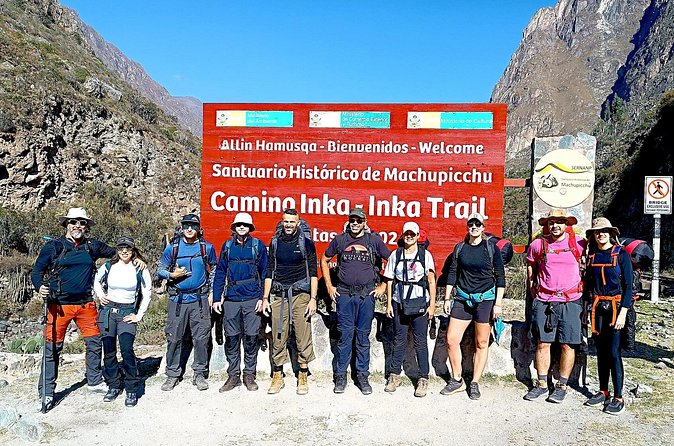
Because the tour gives a clear schedule, your preparation can be straightforward.
- Plan for cold weather on Day 2 and pack layers you can peel off and put back on.
- Bring your own sleeping bag since it is not included.
- Expect document control at Km 82, and keep your paperwork organized.
- On Machu Picchu day, be ready for a tight flow from sunrise hike to guided tour to free exploration, then train.
Also, because this kind of trek tends to be in high demand, the experience is on average booked about 60 days in advance. If your dates are flexible, you may have more options, but if they are fixed, you will want to plan ahead.
Should you book Dreamy Tours for this 4 day Inca Trail to Machu Picchu?
If you want the Inca Trail experience without the hassle of coordinating camp setup, meals, and site transport, this package is a strong match. The combination of camping gear, a support team, oxygen and first aid, and a guided Machu Picchu visit means you spend your energy on the walking and the views, not on logistics.
I would book it if you are physically ready for a multi-day trek with Death Pass, and if you can handle the early start and cold day. I would rethink it if you do not want to buy missing items like a sleeping bag, or if you need flexible changes to plans, since this trip is non-refundable and cannot be changed.
If that sounds like your kind of trip, go for it. You are buying a well-managed route to one of South America’s most famous archaeological experiences, with sunrise timing and guided context built in.
More Tour Reviews in Sacred Valley
- Machu Picchu Entrance Ticket
★ 4.5 · 108 reviews - Machu Picchu Private Archaeological and Historical Guided Tour
★ 5.0 · 86 reviews - Machu Picchu Private Tour from Aguas Calientes (Tickets included)
★ 5.0 · 84 reviews - 2-Day Inca Trail To Machu Picchu
★ 5.0 · 78 reviews - Machupicchu Guide Service
★ 5.0 · 42 reviews
Other Inca Trail Departures
- 2-Day Inca Trail To Machu Picchu
★ 5.0 · 78 reviews
Reaching the Citadel, Other Options
- Machu Picchu Entrance Ticket
★ 4.5 · 108 reviews - Machu Picchu Private Archaeological and Historical Guided Tour
★ 5.0 · 86 reviews - Machu Picchu Private Tour from Aguas Calientes (Tickets included)
★ 5.0 · 84 reviews - 2-Day Inca Trail To Machu Picchu
★ 5.0 · 78 reviews - Machupicchu Guide Service
★ 5.0 · 42 reviews
Freshly reviewed across Sacred Valley
- Inca Trail Machu Picchu 4 Days★ 5.0 · 39 reviews
- Private Tour Guide in Machupicchu from Aguas Calientes.★ 5.0 · 40 reviews
- Machupicchu Guide Service★ 5.0 · 42 reviews
- Machu Picchu Private Tour from Aguas Calientes (Tickets included)★ 5.0 · 84 reviews
- Machu Picchu Private Archaeological and Historical Guided Tour★ 5.0 · 86 reviews
- Machu Picchu Entrance Ticket★ 4.5 · 108 reviews
Machu Picchu Tours side by side.
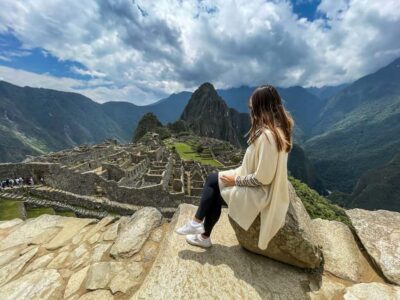 ★ 4.7From Cusco: Full-Day Group Tour of Machu PicchuFrom $3211,767 reviews
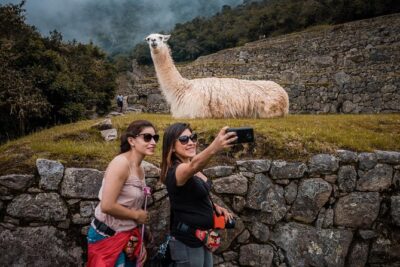 ★ 4.5Machu Picchu Day Trip from CuscoFrom $3361,644 reviews
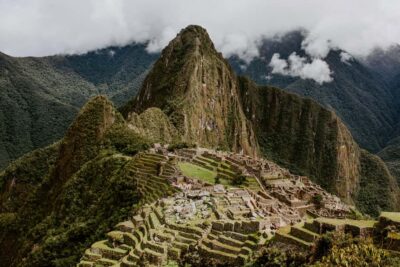 ★ 4.6Machu Picchu: Full-Day Tour from Cusco with Optional LunchFrom $283927 reviews
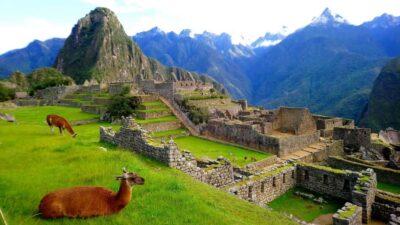 ★ 4.8Cusco: 4-Day Inca Trail to Machu Picchu with AccommodationFrom $470432 reviews
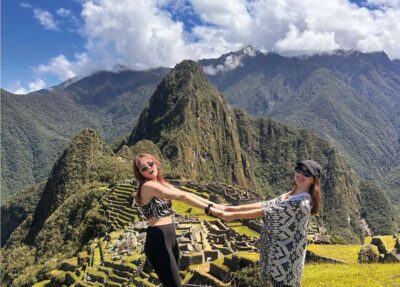 ★ 4.6From Cusco: 2-Day Trip to the Sacred Valley and Machu PicchuFrom $370265 reviews
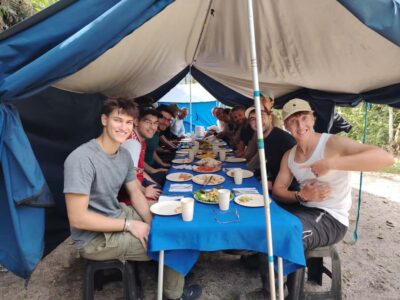 ★ 4.9Cusco: Machu Picchu 2-Day Inca Trail with Panoramic TrainFrom $582260 reviews
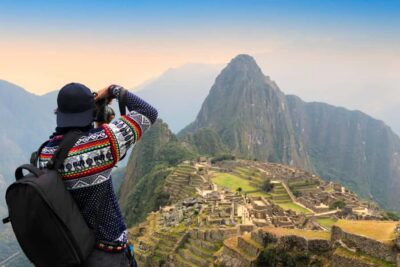 ★ 4.2From Cusco: 2-Day Inca Trail to Machu PicchuFrom $290244 reviews
 ★ 4.9Machu Picchu: Inca Trail 2-Day Overnight Guided TourFrom $585203 reviews
Also on these Peru lists