
REVIEW · MACHU PICCHU
Machu Picchu, Cusco & Lima 7-Day Tour
Machu Picchu without the scramble. This 7-day Peru tour strings together Lima, Cusco, and Machu Picchu with mostly guided stops, included entrance tickets, and transfer support that keeps logistics from stealing your time.
I especially like the way the trip builds in real structure, from arrival-day orientation in Lima to the guided, timed experience at Machu Picchu. I also like the human backup, with 24-hour assistance mentioned again and again in the feedback, including examples like Bryan helping manage delays and updates.
One consideration: Machu Picchu is weather-dependent, and the overall schedule is full. If you’re hoping for lots of free time, you may feel the pace.
In This Review
- Key highlights to know before you go
- What you’re really paying for at $1,311 per person
- Day 1 in Lima: land, check in, and get your bearings fast
- Day 2 in Lima’s Historic Center and Miraflores: Plaza de Armas to the Love Park
- Day 3: fly to Cusco and start altitude-smart with coca tea
- Day 4 Cusco’s Inca core: Qorikancha to Tambomachay
- Day 5 Sacred Valley: Pisac Market, Urubamba food, and Ollantaytambo’s streets
- Day 6 Machu Picchu morning: bus up, guided walk, then down to Cusco
- Day 7 departure from Cusco: last transfer, no last-minute chaos
- Who this tour fits best (and who should reconsider)
- Should you book this Machu Picchu, Cusco & Lima 7-Day Tour?
- FAQ
- What’s included in the tour price?
- Are flights included?
- How many hotel nights are included?
- Is breakfast included?
- How big is the group?
- Do I need good weather for Machu Picchu?
- What if I need help during the trip?
- Can service animals travel with me?
Key highlights to know before you go
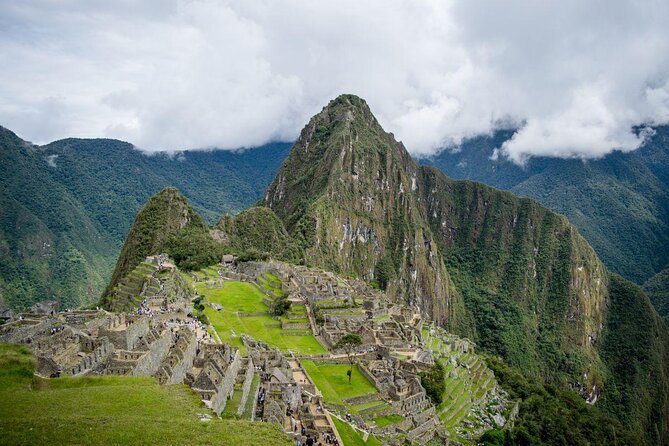
- Guided Machu Picchu morning with a bus ride from Aguas Calientes plus an on-site guide for context while you walk.
- Inca and colonial mix in Cusco across Qorikancha, Sacsayhuaman, Q’enqo, Puka Pukara, and Tambomachay, not just one or two stops.
- Sacred Valley day with both history and local life, including Pisac ruins and the Pisac Market before time in Ollantaytambo.
- Lima stops that go beyond postcards, from Plaza de Armas and Santo Domingo to Miraflores viewpoints and the Love Park.
- Small group size with a maximum of 17 people, which usually makes it easier to move as a unit.
Other citadel visits, ticket types and start times
- 7 Days: Lima, Ica, Cusco & Machupicchu with local flights
★ 5.0 · 52 reviews - Machu Picchu, Cusco & Lima 7-Day Tour
★ 5.0 · 30 reviews
What you’re really paying for at $1,311 per person
This tour costs $1,311 per person, and the value sits in what is bundled rather than in what’s optional. You’re not just buying sightseeing, you’re buying a chain of moving parts: hotels in Lima and Cusco, one night in Aguas Calientes (3-star), entrance tickets for the archaeological sites, and the key transport links.
That includes round-trip train service to Aguas Calientes, plus round-trip bus tickets between Aguas Calientes and Machu Picchu. It also includes private transfers to and from airports on each destination leg, and 24-hour support in Spanish and English.
The best way to think about the price is simple: Machu Picchu logistics cost time and energy even when you self-plan. Here, that friction gets outsourced, so you can focus on walking, taking photos, and actually learning why these sites matter.
Day 1 in Lima: land, check in, and get your bearings fast
Your first day starts at New Jorge Chávez International Airport. After you arrive, the team picks you up, helps you get checked in, and gives you a detailed explanation of the itinerary for your package.
This matters because Lima can feel busy and spread out. The tour’s approach is to get you rested, then get you oriented so you can decide where to eat and what to see nearby without guessing. The day also comes with the right vibe for jet lag, check in, eat well, and sleep.
For food, Lima is famous for Peruvian gastronomy, and the tour encourages you to try it while you’re still fresh. If you land with energy, you’ll enjoy wandering your neighborhood; if you land tired, you’ll still appreciate having a plan.
Day 2 in Lima’s Historic Center and Miraflores: Plaza de Armas to the Love Park
Day 2 is a Lima sampler, and it’s a good mix of big landmarks and human-scale wandering. You start near Nicolás de Piérola Avenue and head into the Historic Center with a local expert guide.
First stop is Plaza de Armas (Plaza Mayor), the heart of Lima’s Historic Center. Around the square you’ll see major civic and religious buildings, including the Government Palace and the Cathedral of Lima, and it’s an easy place to understand why Lima is laid out the way it is.
Then you visit the Basilica and Convent of Santo Domingo, a Colonial architecture highlight dating back to its start in 1578, with construction taking over 50 years. This is a meaningful stop because it houses the remains of Santa Rosa de Lima and San Martín de Porres, two major saints tied to Peru’s religious history.
Next, you shift to Miraflores. Huaca Pucllana is one of the 54 huacas in Lima, dating to about 200 to 700 A.D., and it’s a reminder that this city’s story did not start with the Spanish. The tour also includes Parque del Amor, a scenic viewpoint to the Costa Verde with ceramic benches and the El Beso sculpture by Víctor Delfín. You finish at Kennedy Park, known for its cared-for stray cats in Miraflores, before the group is dropped back at your hotel.
My practical advice: this day works best if you wear comfortable shoes. It’s not all museums, you’re walking enough to feel Lima’s texture, and the best part is how quickly the city changes from grand plazas to seaside views.
Day 3: fly to Cusco and start altitude-smart with coca tea
Day 3 is a transition day. You move from Lima to Cusco by flight, and the team meets you for the airport leg so you’re not juggling schedules on your own.
In Cusco, you’re met at Alejandro Velasco Astete International Airport and taken to your hotel. A nice touch is the mention of coca tea, known for helping with altitude sickness symptoms. Even if you feel fine, I’d still treat this like a gentle start, take it easy, hydrate, and let your body catch up.
After check-in, you get a map-style orientation of Cusco. It’s geared toward practical day-to-day needs like restaurants, exchange offices, and shop areas, which makes it easier to spend your energy on the sights instead of searching for basic services.
Nearby in Lima, these earned their own write-ups

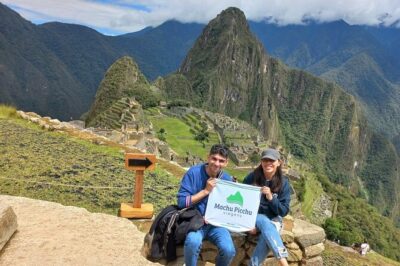
Day 4 Cusco’s Inca core: Qorikancha to Tambomachay
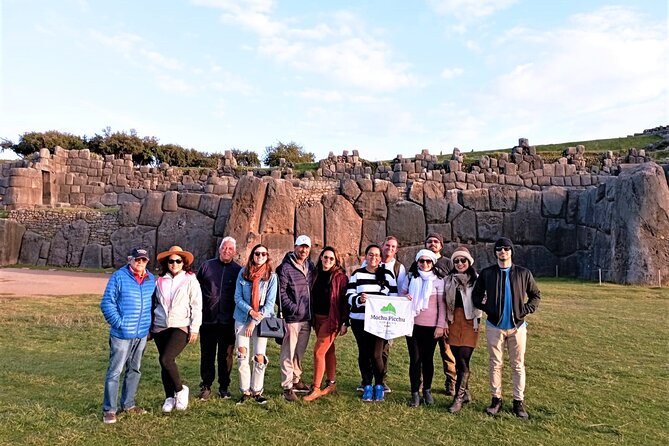
This is one of the most classic days of the route because it strings together multiple Inca ceremonial and defensive sites, then adds the colonial layer where Spanish structures sit on top.
You begin with Qorikancha, the Temple of the Sun and a principal worship center in Inca culture. The site has the Inca remains and also a Catholic church built on top of earlier settlements. That layered setup is one of the best reasons to come to Cusco, you can literally see how cultures overlapped.
Next is Cusco Cathedral, described as a colonial baroque example whose foundations connect to an important Inca palace. The architecture matters here because it explains the city’s transformation after conquest.
Then you head to Sacsayhuamán, a megalithic fortress that has withstood centuries of earthquakes. The scale is hard to process from photos, so I like that the tour gives you dedicated time here. You also learn about massive stones that can measure up to 5 meters and weigh over 120 tons, which helps the site click in your mind.
After that come Q’enqo, believed to be a ritual-based ceremonial center; Puka Pukara, described as a fortress-like military and administrative center; and Tambomachay, known for Inca hydraulic engineering with irrigation channels and three water fountains that continue to provide water until today.
One consideration: this day is concentrated. You’ll likely be walking and climbing at altitude, so plan on taking short slow breaks and drinking water. If you need a lighter day, consider slowing your pace rather than skipping stops, because these sites work best as a chain.
Day 5 Sacred Valley: Pisac Market, Urubamba food, and Ollantaytambo’s streets
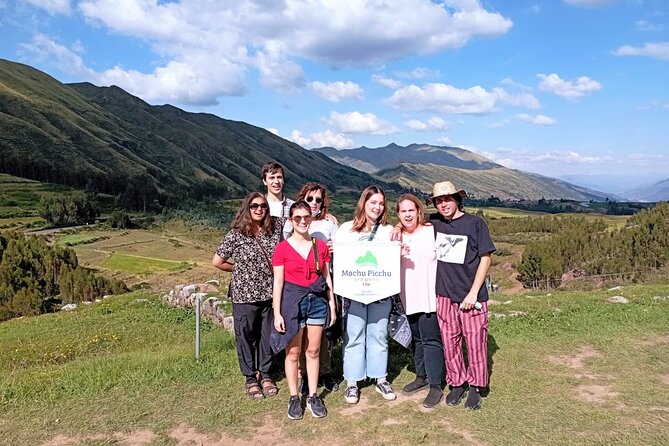
Day 5 is where Cusco culture expands into daily life in the Sacred Valley. You start at Awana Kancha, a place to see alpacas, llamas, and vicuñas, plus an exhibition of Peruvian textiles. It’s a straightforward stop that also gives context for why textiles show up so often in Andean culture.
Next is Parque Arqueologico Pisac. You’re at about 3,300 meters, and you get strong views over the surrounding area along with ruin time. This is a big contrast to Cusco’s downtown feeling, and it makes the Sacred Valley feel more like a living region instead of a single city.
Then you visit the Pisac Market, called one of the largest local markets in the region. It’s an artisan market, so it’s less about generic souvenirs and more about handmade pieces and local craftsmanship. You’ll want to budget some time for browsing slowly, bargaining if you like, and just watching how people trade.
Lunch follows in Urubamba at Tunupa Restaurant, a buffet-style meal with the Urubamba River nearby. This matters because you’re doing a long day, and having a scheduled meal means you’re not stuck hunting for food at the worst possible time.
You finish with Ollantaytambo. The tour highlights cobbled streets and the Inca open draining system, which is one of those details that makes you realize Inca engineering wasn’t just ceremonial, it was practical urban planning. You also visit the Archaeological Park Ollantaytambo, noted as the only place that defeated the Spanish army during colonization for almost 50 years.
After Ollantaytambo, you board the train to Aguas Calientes, the town at the foot of Machu Picchu. You get that one-night stay (3-star hotel), which keeps Machu Picchu morning smooth.
Day 6 Machu Picchu morning: bus up, guided walk, then down to Cusco
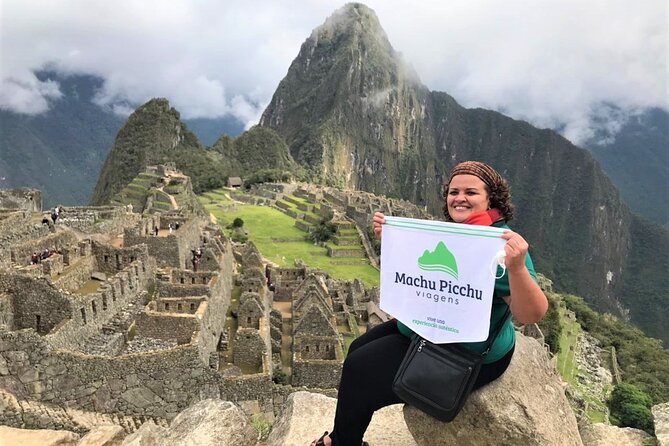
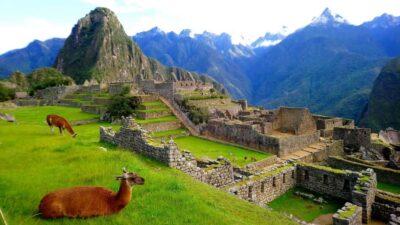
Machu Picchu day is the heart of the trip, and the structure here is exactly what you want if you’d rather not stress about timing. The morning starts with pickup from your Aguas Calientes hotel and a bus ride of about 30 minutes to the main entrance.
You’ll have a professional guide with you during the Machu Picchu visit, with information on mysteries and fascinating facts of Inca culture. This is where the value of a guided experience is real, because you’re not just looking at terraces, you’re learning how people used them, how the site connects, and what to notice as you move.
Your Machu Picchu time is paired with the ride back to Aguas Calientes, then your day continues with the journey to Cusco. The route uses the train to Poroy Train Station, which is about 30 minutes away from Cusco. The team is waiting to take you back to your hotel, keeping the end of the day from turning into a transport puzzle.
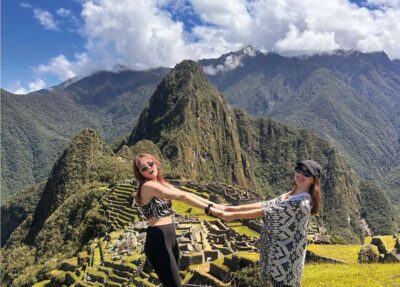
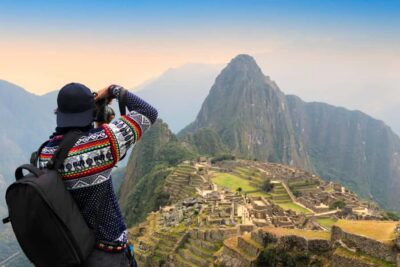
Practical advice: go in with the expectation that you’ll be walking on uneven surfaces and dealing with crowds near key photo spots. If you want photos with fewer people, pay attention to your guide’s suggested rhythm and don’t race ahead.
Day 7 departure from Cusco: last transfer, no last-minute chaos
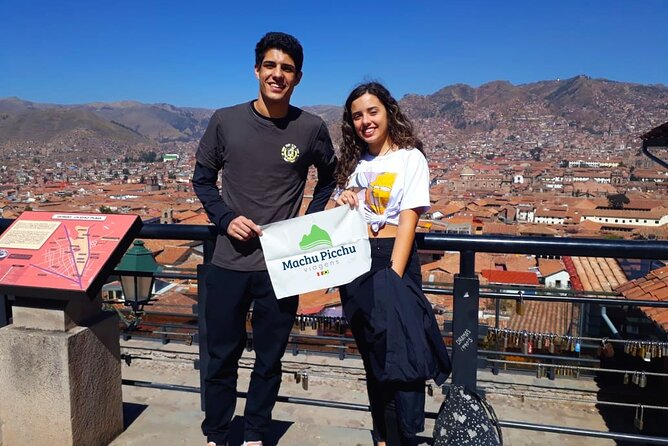
Day 7 is simpler: the team meets you at your hotel and heads to the airport about 2 hours before your flight. That buffer is smart in Cusco, where travel can feel slower than you expect.
Since all transfers are handled, you can focus on packing and one last meal rather than tracking buses or counting on apps to work flawlessly. It’s a calm ending to a packed week.
Who this tour fits best (and who should reconsider)
This tour is a strong match if you want:
- A guided, structured route that connects Lima, Cusco, Sacred Valley, and Machu Picchu without you managing every ticket and transfer.
- Included entrance tickets for archaeological sites and the two big transport links for Machu Picchu and the train to Aguas Calientes.
- A small group size up to 17 people, which helps keep the experience coordinated.
It might be less ideal if you:
- Want a slow, independent pace with lots of downtime.
- Are sensitive to tight scheduling at altitude. Cusco starts things off early enough that you’ll still be adjusting while you’re sightseeing.
Should you book this Machu Picchu, Cusco & Lima 7-Day Tour?
I’d book it if your priority is minimizing logistics stress while still getting meaningful guided time at the big sites. The best part of this route is the way it manages the hardest part, Machu Picchu, and wraps it into a complete Lima and Cusco experience.
Before you book, do one quick reality check: make sure you’re comfortable with a packed itinerary and the fact that Machu Picchu requires good weather. Also, since your flights are not included, confirm your arrival and departure dates line up cleanly with the tour’s structure.
If you want a trip where someone is watching the clock, confirming connections, and helping in Spanish and English, this one is built for that.
FAQ
What’s included in the tour price?
The package includes lunch, hotel nights in Lima and Cusco, one night at a 3-star hotel in Aguas Calientes, entrance tickets for the archaeological sites, round-trip bus tickets from Aguas Calientes to Machu Picchu, and round-trip train tickets to Aguas Calientes. It also includes private transfers to the airport on each destination and 24-hour assistance in Spanish and English.
Are flights included?
No. National and international plane tickets are not included.
How many hotel nights are included?
You get 2 hotel nights in Lima, 3 hotel nights in Cusco, and 1 night in Aguas Calientes.
Is breakfast included?
Yes. Breakfast is included for 6 days.
How big is the group?
The maximum group size is 17 travelers.
Do I need good weather for Machu Picchu?
Yes. The experience requires good weather, and if it’s canceled due to poor weather you are offered a different date or a full refund.
What if I need help during the trip?
You get 24-hour assistance in Spanish and English, plus a professional team on all tours and treks and personalized concierge support.
Can service animals travel with me?
Yes. Service animals are allowed, and most travelers can participate.
More Tours in Lima
- Lima: Ultimate Peruvian Food Tour
★ 4.9 · 700 reviews - Lima: Paracas and the Huacachina Oasis Guided Day Tour
★ 4.5 · 354 reviews - Lima: Pachacamac Ruins & Barranco Half-Day Guided Tour
★ 4.6 · 296 reviews - Pre Inca Temple of Pachacamac Half-Day Tour from Lima
★ 4.5 · 283 reviews - Lima: Magic Water Circuit Light Show Tour with Pickup
★ 4.9 · 251 reviews
More Tour Reviews in Lima
- Lima: Ultimate Peruvian Food Tour
★ 4.9 · 700 reviews - Full Day Paracas Ica and Huacachina from Lima All Included
★ 4.5 · 623 reviews - Lima’s Vibrant Heritage: Exploring the City’s Landmarks Half-day
★ 4.5 · 581 reviews - From Lima: Day trip to Paracas, Ica and Oasis Huacachina
★ 4.6 · 409 reviews - Private transfers from Lima Airport or to Lima Airport
★ 4.0 · 359 reviews
Reaching the Citadel, Other Options
- 10-Day Taste Peru Experience: Lima, Nasca, Cusco & Machu Picchu
★ 5.0 · 63 reviews - 7 Days: Lima, Ica, Cusco & Machupicchu with local flights
★ 5.0 · 52 reviews
Freshly reviewed across Lima
- LIMA: HALF-DAY SANDBOARDING TOUR★ 4.5 · 3 reviews
- Lima: Escapada de 2 Días a la Reserva Nor Yauyos-Cochas★ 3.1 · 3 reviews
- Private Tour Casa Aliaga,San Francisco Convent, Larco Museum★ 4.8 · 3 reviews
- From Lima : 360° Panoramic Bus★ 4.0 · 3 reviews
- Lima: Market Tour and Cooking Class with Pisco Sour★ 5.0 · 3 reviews
- Lima: Market Tour, 35 Fruits Tasting & Cooking Class★ 5.0 · 3 reviews
Machu Picchu Tours side by side.
 ★ 4.7From Cusco: Full-Day Group Tour of Machu PicchuFrom $3211,767 reviews
 ★ 4.5Machu Picchu Day Trip from CuscoFrom $3361,644 reviews
 ★ 4.6Machu Picchu: Full-Day Tour from Cusco with Optional LunchFrom $283927 reviews
 ★ 4.8Cusco: 4-Day Inca Trail to Machu Picchu with AccommodationFrom $470432 reviews
 ★ 4.6From Cusco: 2-Day Trip to the Sacred Valley and Machu PicchuFrom $370265 reviews
 ★ 4.9Cusco: Machu Picchu 2-Day Inca Trail with Panoramic TrainFrom $582260 reviews
 ★ 4.2From Cusco: 2-Day Inca Trail to Machu PicchuFrom $290244 reviews
 ★ 4.9Machu Picchu: Inca Trail 2-Day Overnight Guided TourFrom $585203 reviews
Also on these Peru lists