
REVIEW · MARAS AND MORAY
Moray and Salinera de Maras Half Day
Moray and Maras are two very different ways the Inca era shaped how people used the land. This half-day tour stitches Moray and the Maras Salt Mines together, then adds a Chinchero textile stop so you see agriculture and everyday craft in one smooth run. I love how the day is structured around two big sites, not a long slog of extra stops. I also like that you get provided round-trip transportation with a professional guide doing the explaining. The one thing to plan around is extra entrance fees, plus the bus can feel hot since airflow is not always great.
Most people can handle this route, and the schedule is built for a first taste of the area. The start time is 8:30 am, and you should plan on about 6 hours total. It also helps that communication tends to be easy and pick-up locations are usually straightforward, which matters when you are trying to fit Cusco sightseeing into limited time. If you are heat sensitive, you will want to bring along snacks since there is no lunch included.
In This Review
- Key things to know before you go
- A half-day Cusco route that actually feels focused
- 8:30 am departure, round-trip transport, and the comfort reality
- Moray terraces: an Inca agricultural experiment you can see
- Maras salt mines: white terraces that feel oddly personal
- Chinchero textiles: craft, shop, and the small surprises
- How much you will pay when entrance fees hit
- Guide quality: funny, engaging, and sometimes too talkative
- Timing and pacing: no lunch, so snack smart
- Small issues to watch for: pickup problems and extra stops
- Who should book Moray and Maras for a half day
- Should you book Moray and Maras for a half day?
- FAQ
- What is included in the Moray and Maras Half Day tour?
- Are the entrance tickets included in the price?
- What time does the tour start?
- How long does the tour take?
- Is lunch included?
- What stops are included on the itinerary?
- Can most travelers participate?
Key things to know before you go
- Two major sites, one half day: Moray terraces, then the Maras salt mines
- Inca farming and salt production explained: you are not just looking, you are learning why it matters
- Chinchero textiles fit naturally in the route: textile shop plus a manufacturing visit
- Entrance fees are extra: Maras is PEN20, Via a Moray is PEN70
- Bring snacks: there is no lunch built into the day
- Guide style can vary: some guides are funny and engaging, others may talk more than you want
Maras salt and Moray terracing, other trips
- Cusco: Sacred Valley, Pisac, Ollantaytambo, Salt Mines Moray
★ 4.6 · 1,058 reviews - Cusco:Chinchero,Moray & Salt Mines drop-off in Ollantaytambo
★ 4.8 · 793 reviews - Sacred Valley: Chinchero, Moray, Ollantaytambo & Pisac+Lunch
★ 4.8 · 501 reviews - Sacred Valley: Maras & Moray by Quad Bike from Cusco
★ 4.6 · 418 reviews
A half-day Cusco route that actually feels focused
This tour is designed for people who want the highlights without committing to a full day in the Sacred Valley. You cover Moray first, then switch gears to the salt mines at Maras, and you end with a Chinchero textiles stop. In practice, it is a smart way to understand how land, climate, and craft all connect in this region.
The pacing is the main value. You spend time at each place where it counts, rather than rushing through everything to tick boxes. And because you get round-trip transport and a guide, you do not have to coordinate multiple transfers on your own.
One heads-up: the structure still includes some shopping time. That does not have to be a problem, but if you only want the sights, you should keep an eye out for stops that do not feel directly tied to the itinerary.
8:30 am departure, round-trip transport, and the comfort reality
The day starts at 8:30 am, with round-trip transportation included. That alone saves time and energy in Cusco, where traffic and distances can make self-guided plans feel stressful.
Comfort is the other big practical issue. Some people found the bus very warm, with little airflow and windows that do not open much. The good news is that bus time is not described as endless. Still, if you run hot, plan your clothing accordingly.
A simple strategy makes the day easier: keep your expectations realistic. This is half-day touring, not a luxury ride. Your main comfort wins will come from being ready for warmth and not expecting a long midday break.
Moray terraces: an Inca agricultural experiment you can see
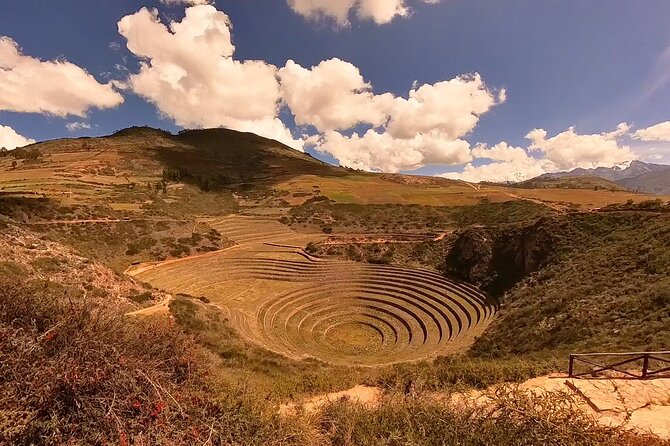
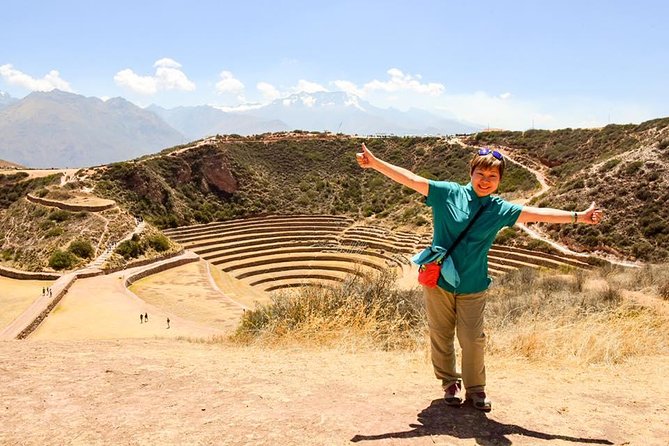
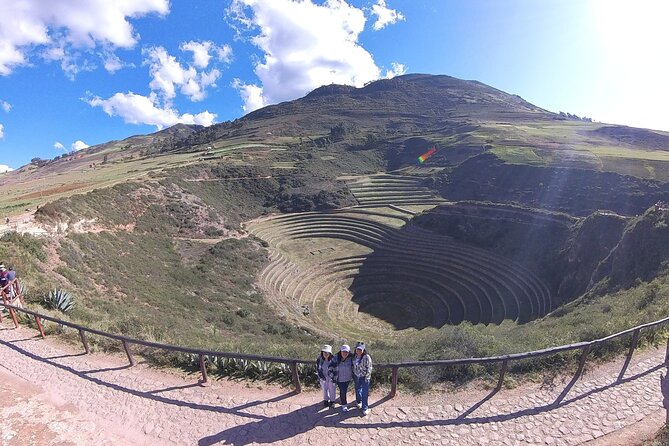
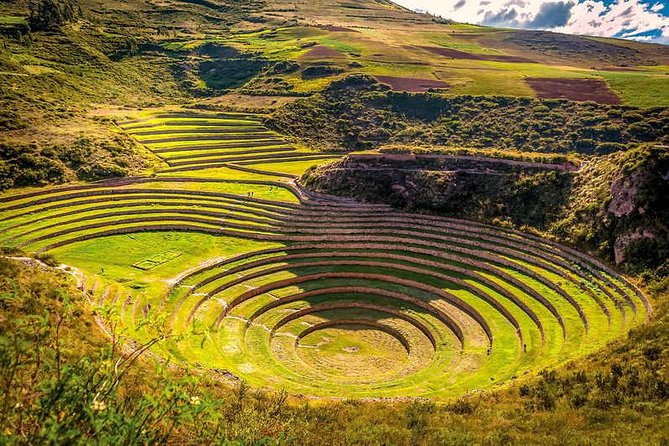
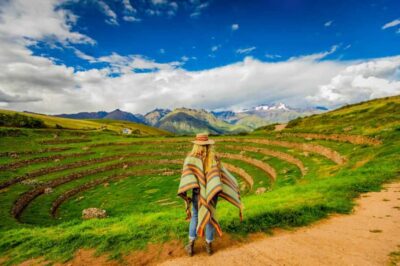
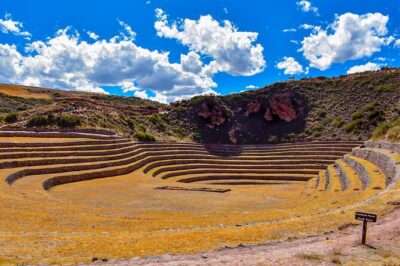
Moray is the first stop, and it is easy to see why it is such a favorite. The terraces look theatrical, like an amphitheater carved into the hillside. But the key is what the guide explains about how the Incas used this site.
You are learning the history of Moray and how it was used by the Incas for agriculture. The terraces create different conditions at different levels, so farmers could test what kinds of plants would grow better in each micro area. You are basically looking at a practical system designed to work with climate differences, not fight them.
What I like about this stop for your visit is the “aha” factor. When you understand the purpose, the shapes stop being just pretty ruins. They become a working tool for experimenting with growing conditions.
Possible drawback to keep in mind: the Moray portion is an archaeological center you visit on a guided route. If you dislike long explanations, you may want to gently steer the guide back toward what you are actually seeing, rather than what happened centuries ago in general terms.
Maras salt mines: white terraces that feel oddly personal
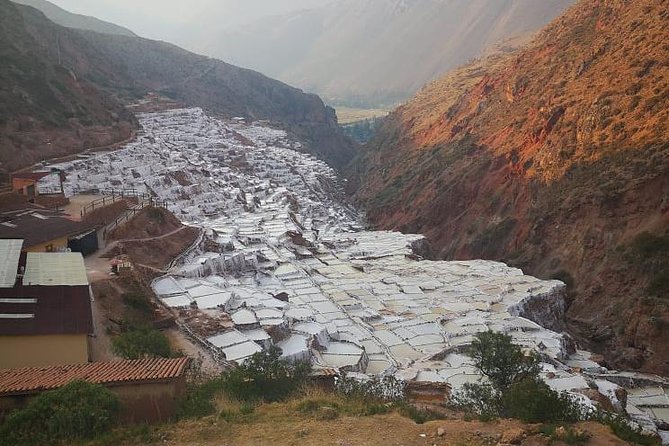
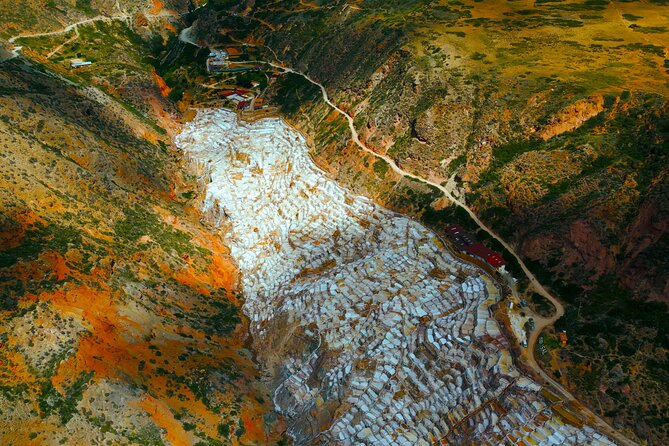
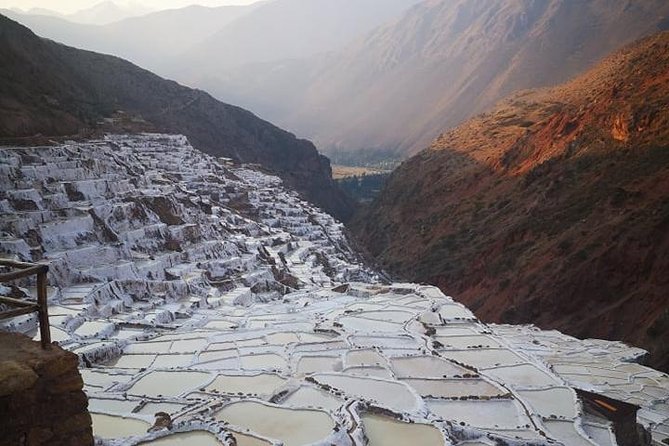
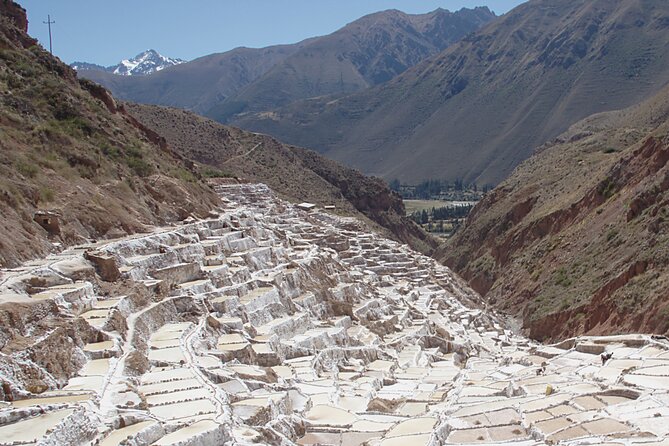
Then comes the salt world of Maras Salt Mines. The view is striking because you are looking at a grid of small salt pools spread out over the slope. It is visually busy, but in a good way. Each plot looks like it is part of a system that keeps going.
This is the part of the tour that helps you understand production, not just heritage. You learn about salt mining and how the site operates, and you get time to walk and take in the terraces from different angles.
Value-wise, Maras pairs perfectly with Moray. Moray is about using climate differences for agriculture. Maras is about using natural resources for salt production. Together they show two ways people adapted their livelihoods to local conditions.
Cost check: the entrance fee for Maras Salt Mine is PEN20 per person. That is extra on top of the tour price, so it is smart to budget early so you are not surprised at the gate.
Chinchero textiles: craft, shop, and the small surprises
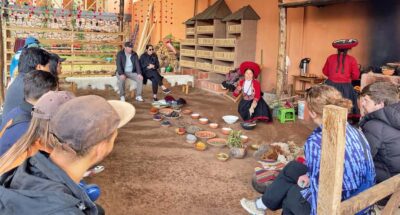
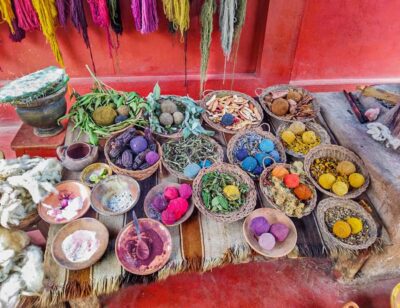
After salt mines, the route includes Chinchero. The tour includes a textile shop and a visit tied to textile manufacturing. Even if you are not shopping, this stop can still be worth it because it connects design and materials to the daily reality of how textiles get made.
This is one reason I like the tour’s flow. You go from large-scale terraces and production sites, then to something more human scale. Textiles help you slow down and see value in craftsmanship, not just sightseeing photos.
One useful expectation to set: you might see extra commercial stops layered into the route. Some people described an added surprise stop at a store selling products connected to the Maras salt flats, including chocolate and salt items. That can be a fun detour if you enjoy snacks and souvenirs.
Just keep control of your time and your spending. If you do want to buy, great. If you do not, ask for the group to stick close to the plan, and treat shopping stops as optional in your own mind.
How much you will pay when entrance fees hit
The tour price is $14.00 per person, with about 6 hours total time. That is a solid base price for a guided half-day with round-trip transportation.
But you should plan for entrance fees because they are not included. The data is clear:
- Via a Moray entrance fee: PEN70 per person
- Maras Salt Mine entrance fee: PEN20 per person
So entrance fees total PEN90 per person. With that in mind, the tour still tends to feel like good value because you are paying for two major guided site visits plus the Chinchero textiles stop. You are not paying separately for each local driver and guide.
Practical tip: bring cash and small bills if you can. Entrance payment happens on-site, and it is easiest if you do not have to scramble mid-morning.
Guide quality: funny, engaging, and sometimes too talkative
The guide is the difference between a “seen it” day and a “got it” day. When the guide is on point, you leave with a better understanding of why Moray works, how salt production functions, and what textile-making connects to.
In the good experiences, the guide was described as engaging and even funny. Some named guides stood out. Washington, for example, was praised for being attentive and for helping people choose the right tickets. Mario also came up in a positive way for explaining the visits clearly.
That said, there is a real consideration here: guide talk time can vary. At least one person felt the guide never stopped talking and spent time on topics not directly tied to the itinerary. If you are the type who gets distracted by long explanations, do not be shy about re-centering the conversation. You can ask direct questions like what you are looking at right now, and ask the guide to keep things focused on the sites.
Timing and pacing: no lunch, so snack smart
No lunch is included. In a half day, that can be totally fine if you handle it like an adult and pack a plan.
One easy fix comes straight from real feedback: bring snacks. If you know you get hungry, you will be happier with a small stash in your day bag. This matters because Moray and Maras are both visual stops that can keep you moving, and you do not want low-energy fatigue to ruin the experience.
The day is also not positioned as a slow, lounging style tour. You are on the move, and you will likely appreciate snacks for energy as much as taste.
Small issues to watch for: pickup problems and extra stops
Most of the experiences described were smooth, with easy pick-up and clear communication. Still, one very negative case mentioned a pickup failure and a lack of response when contact was attempted. That is rare, but it is a reminder to confirm your pick-up details close to the tour time and keep a contact method handy.
Another issue that popped up for one group was a push toward an end-of-day stop not fully aligned with what they expected, including a longer detour toward food instead of returning straight to Cusco. If you care about ending on schedule, you can ask early in the day how the return works and whether any optional stops are planned at the end.
Who should book Moray and Maras for a half day
This is a strong fit if:
- you want Moray and Maras Salt Mines without a full Sacred Valley commitment
- you like guided context and short explanations tied to what you are seeing
- you want a cultural add-on at Chinchero focused on textiles
It may be less ideal if:
- you hate shopping stops or feel uncomfortable with sales pressure
- you are very sensitive to heat on buses with limited airflow
- you dislike tours where the guide talks a lot for long stretches
If you fall into the middle ground, it can be a great balance: a guided day with enough structure to reduce hassle, plus enough time at each place to actually remember it.
Should you book Moray and Maras for a half day?
If you only have one half day and you want two of the most memorable Cusco-area experiences, I think this tour is a smart booking. The price is low for the amount of guided time you get, and combining Moray, salt production at Maras, and Chinchero textiles makes your morning feel like a story instead of a checklist.
Just go in prepared. Budget for the entrance fees, bring snacks since there is no lunch, and be ready for the bus to run warm. If you want a quieter guide, ask to keep explanations tied to what you are currently visiting. If you do that, you should walk away with a much clearer sense of how people in this region have used land and resources for centuries.
FAQ
What is included in the Moray and Maras Half Day tour?
The tour includes round-trip transportation and a professional tour guide.
Are the entrance tickets included in the price?
No. Entrance tickets are extra. Via a Moray is PEN70 per person, and the Maras Salt Mine is PEN20 per person.
What time does the tour start?
The start time is 8:30 am.
How long does the tour take?
The duration is about 6 hours.
Is lunch included?
No lunch is included, so it helps to bring snacks.
What stops are included on the itinerary?
You visit the archaeological center of Moray, the Salt Mine of Maras, and Chinchero, including a textile shop and a textile manufacturing visit.
Can most travelers participate?
The tour notes that most travelers can participate.
More Tour Reviews in Cusco
- Cusco: Humantay Lake Tour with Breakfast and Buffet Lunch
★ 4.9 · 2,976 reviews - From Cusco: Moray, Maras Salt Mines & Chinchero Weavers Tour
★ 4.8 · 1,925 reviews - From Cusco: Full-Day Group Tour of Machu Picchu
★ 4.7 · 1,767 reviews - Machu Picchu Day Trip from Cusco
★ 4.5 · 1,644 reviews - Cusco: Half-Day City Tour with Sacsayhuaman and Q’enco
★ 4.6 · 1,129 reviews
Maras Salt and the Moray Rings
- From Cusco: Moray, Maras Salt Mines & Chinchero Weavers Tour
★ 4.8 · 1,925 reviews - Cusco: Sacred Valley, Pisac, Ollantaytambo, Salt Mines Moray
★ 4.6 · 1,058 reviews - Cusco:Chinchero,Moray & Salt Mines drop-off in Ollantaytambo
★ 4.8 · 793 reviews - Sacred Valley: Chinchero, Moray, Ollantaytambo & Pisac+Lunch
★ 4.8 · 501 reviews - Sacred Valley: Maras & Moray by Quad Bike from Cusco
★ 4.6 · 418 reviews
Freshly reviewed across Cusco
- Excursion Cusco – Puno – Titicaca Observatory Train★ 5.0 · 3 reviews
- Sacred Valley Vip Cusco★ 4.7 · 3 reviews
- Cusco | Humantay Lake 1-Day Tour with Breakfast and Lunch★ 5.0 · 3 reviews
- Full-Day Condor Viewpoint & Inca Sites Tour★ 5.0 · 3 reviews
- Best of Cusco: Private Walking Tour with a Local★ 3.6 · 3 reviews
- From Cusco: Full-Day Private Sacred Valley Tour★ 5.0 · 3 reviews
Maras and Moray Tours side by side.
 ★ 4.8From Cusco: Sacred Valley & Maras Salt Mines Tour with LunchFrom $282,227 reviews
 ★ 4.8From Cusco: Moray, Maras Salt Mines & Chinchero Weavers TourFrom $151,925 reviews
 ★ 4.6Cusco: Sacred Valley, Pisac, Ollantaytambo, Salt Mines MorayFrom $281,058 reviews
 ★ 4.8Cusco:Chinchero,Moray & Salt Mines drop-off in OllantaytamboFrom $27793 reviews
 ★ 4.8Sacred Valley: Chinchero, Moray, Ollantaytambo & Pisac+LunchFrom $25501 reviews
 ★ 4.6Sacred Valley: Maras & Moray by Quad Bike from CuscoFrom $39418 reviews
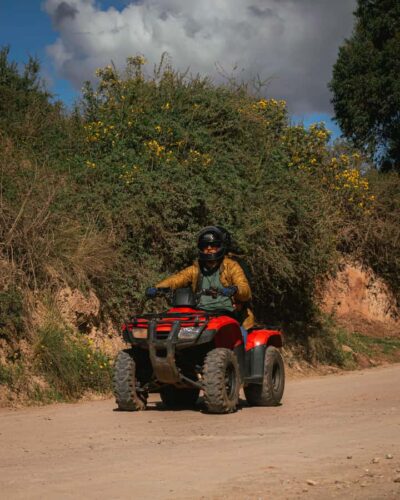 ★ 4.7From Cusco: Quad bike tour Moray and Salt MinesFrom $27314 reviews
 ★ 5.0From Cusco: Moray, Maras Salt Mines & Chinchero Weavers Half-DayFrom $15126 reviews
Also on these Peru lists