
REVIEW · PISAC AND OLLANTAYTAMBO
Private Ollantaytambo, Pisac Ruins Tour with Farm Visit, Gourmet Picnic Lunch
Inca ruins plus lunch made on a farm. This private Cusco-area tour pairs Ollantaytambo and Pisac with a Sacred Valley farm visit and Urubamba market tastings, guided by Valentin who grew up in the region. I love how it is private, so you get real time for questions, and I love that the picnic feels farm-to-table, not boxed-truck food. One drawback to plan for up front: entrance tickets are not included.
Expect about 8 hours in total, with hotel pickup and drop-off in Cusco or the Sacred Valley, and a start time that depends on where you stay (7:00 am from Cusco, 8:30 am from Ollantaytambo). You will do moderate walking with some stairs at Ollantaytambo, so comfortable shoes matter.
The best part is learning everyday Andean life, not just stones: you can help cut alfalfa to feed guinea pigs, watch chicha getting made, and then taste fruits like lucuma and chirimoya at a local market. If you want archaeology plus agriculture, this day makes the connection fast.
In This Review
- Key highlights you will actually care about
- The value case: what your $197 buys for this private day
- Ollantaytambo terraces: Pachacutec’s place, water, and storage built for real work
- Yanahuara farm visit: guinea pigs, alfalfa, and learning chicha from the source
- The chef-made gourmet picnic lunch with organic produce
- Urubamba market tasting: lucuma, chirimoya, and how people shop
- Pisac ruins: terraces above 11,000 feet, astronomy cues, and an optional Inca trail
- A chance to walk an original Inca trail and tunnel
- Handicraft browsing in Pisac town
- Valentin’s Sacred Valley perspective: what makes the guide stand out
- Logistics and comfort: the small stuff that makes a long day work
- Who this private tour suits best (and who should think twice)
- Should you book this private Ollantaytambo and Pisac tour?
- FAQ
- How long is the private Ollantaytambo and Pisac tour?
- What is included in the price?
- Are entrance fees included?
- What time does the tour start?
- Is there much walking or stairs?
- Is this tour private or shared?
Key highlights you will actually care about
- Private pacing that gives you time to ask questions, not just shuffle from stop to stop
- Ollantaytambo terraces and waterworks, plus storage houses designed to use winds to cool crops
- Farm work and chicha making, including the small hands-on moments like feeding guinea pigs
- A gourmet picnic lunch at an organic farm, prepared by a chef with local produce (including some of their own crops)
- Urubamba’s authentic market feel, with fruit tastings and ingredients for corn beer
- Pisac ruins with big views and the option to hike a lesser-used original Inca trail and tunnel
Pisac market and Ollantaytambo fortress, other runs
- From Cusco: Moray, Maras Salt Mines & Chinchero Weavers Tour
★ 4.8 · 1,925 reviews - Cusco: Sacred Valley, Pisac, Ollantaytambo, Salt Mines Moray
★ 4.6 · 1,058 reviews - Cusco:Chinchero,Moray & Salt Mines drop-off in Ollantaytambo
★ 4.8 · 793 reviews - Sacred Valley: Chinchero, Moray, Ollantaytambo & Pisac+Lunch
★ 4.8 · 501 reviews
The value case: what your $197 buys for this private day
At $197 per person, this is not the cheapest way to see Ollantaytambo and Pisac. But you are paying for three things that add up quickly when you travel in Peru: privacy, food that is part of the itinerary (not an afterthought), and a guide who can explain what you are looking at in plain language.
This day runs about 8 hours, and it includes hotel pickup and drop-off, a local professional guide, private transportation, and lunch plus food tastings. The “included” part matters because it prevents the usual headache of arranging separate guides, separate tickets, and separate meals.
The one cost you should budget for is entrances. The tour does not include site fees, and you will need a Boleto Turistico for key Inca areas like Ollantaytambo and Pisac (the package is listed to cover multiple sites, including Pisac, Ollantaytambo, Chinchero, Moray, several Cusco museums, and Sacsayhuaman). If you are traveling with a tight schedule, buying the right ticket option beforehand can save time and stress.
Ollantaytambo terraces: Pachacutec’s place, water, and storage built for real work
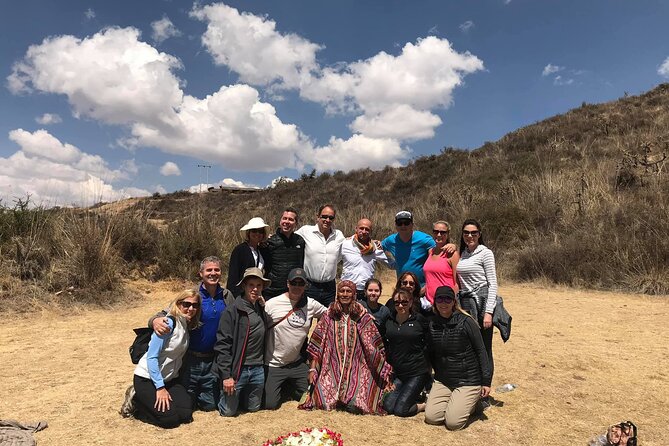
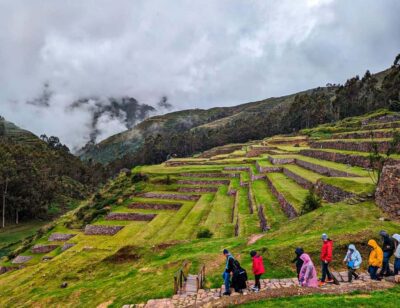
The day starts at Ollantaytambo, one of those sites where the architecture feels practical, not just ceremonial. This was the lodging area linked to Inca emperor Pachacutec, and later it functioned as a military checkpoint aimed at protecting the road routes toward Machu Picchu from Spanish pressure. Your guide walks you through terraces, fountains, and aqueduct-style water systems, and you also get to see storage houses that were used to take advantage of winds to help cool and preserve crops.
That design point is worth paying attention to. Inca engineering here is not about impressing you with shapes. It is about farming, weather, and keeping food usable longer. If you’ve ever wondered how people could grow and preserve crops at altitude, Ollantaytambo gives you a concrete answer.
After the guided portion, you get time to wander the town, including older Inca-era buildings that still stand among later structures. This is one of those “slow down” moments that makes the ruins feel connected to daily life.
Practical catch: there is some stair climbing involved at Ollantaytambo. It is not described as extreme, but if you have knee issues or you want minimal steps, wear supportive shoes and go at your pace.
Yanahuara farm visit: guinea pigs, alfalfa, and learning chicha from the source
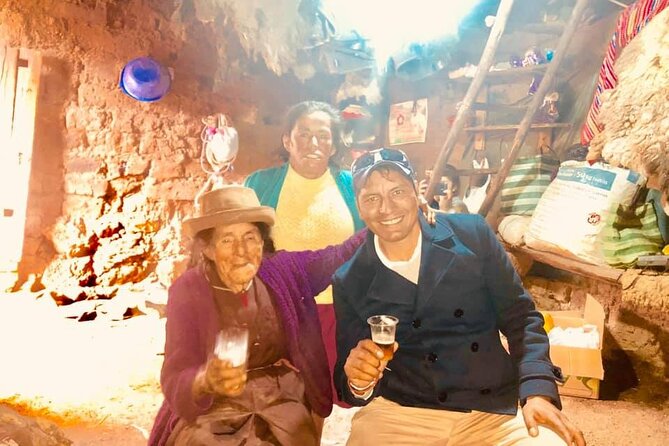
From Ollantaytambo, you drive about 20 minutes to the farm area in the Sacred Valley (the stop is described around Yanahuara). This is where the tour stops feeling like a highlight reel and starts feeling like you are watching how the region works.
You tour the farm lands and participate in small tasks, such as cutting alfalfa to feed guinea pigs. That sounds simple, but it quickly gives you context for how Andean households and farms operate. You are not just looking at agriculture, you are doing a tiny part of it.
Then comes one of the most culturally useful parts of the day: chicha. You get to see first-hand how it is made. Corn beer is an important part of regional culture, but seeing the process helps you understand it as more than a novelty drink.
The chef-made gourmet picnic lunch with organic produce
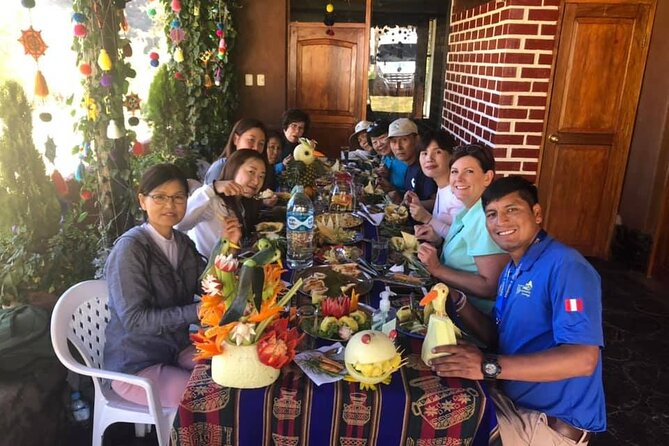
Lunch is served as a gourmet picnic prepared by a chef at the farm. You are told it uses local organic produce, including some ingredients grown on-site. Lunch outdoors, with views over the Sacred Valley, is one of the best ways to reset between archaeological stops.
What I like about the format is that it is not just lunch. It is an itinerary anchor that turns the day into a flow: ruins, hands-on agriculture, then a long meal where you can ask follow-up questions without rushing.
You will also get tasting time later, so arriving hungry helps. If you have dietary needs, you should ask ahead, since the menu details beyond local organic produce and farm crops are not listed.
Nearby in Cusco, these earned their own write-ups

Urubamba market tasting: lucuma, chirimoya, and how people shop
After lunch, you head to an authentic, non-tourist market in Urubamba. This is the part that can make or break a food-focused trip, and here it’s built to be more than random snacking.
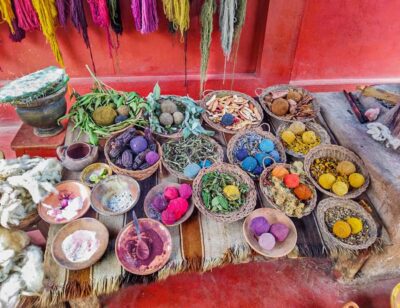
Your guide leads you through the market and explains what you are looking at, including everyday goods like fruits, vegetables, flowers, and natural medicinal plants. Then you taste Peruvian fruits and foods such as passion fruit, lucuma, and chirimoya.
One of the best “learn-by-doing” elements is that you also connect these flavors back to chicha ingredients. You learn what is needed to make chicha, and you learn why it has mattered since Inca times. Even if you only take in a few tastes, the cultural link is clear because your guide keeps the story moving.
Tip: markets can be a sensory overload if you rush. Slow down for the tastings. If your guide offers explanations while you are holding a fruit sample, pause and let it land.
Pisac ruins: terraces above 11,000 feet, astronomy cues, and an optional Inca trail
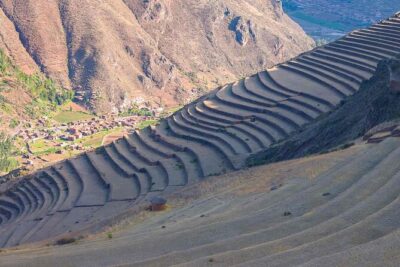
Next you drive about one hour to Pisac, where the ruins sit high on a mountain with strong views over the Sacred Valley. Pisac is famous for terracing, and this tour uses that fact to guide your attention.
You climb toward the top of the ruins and get views that make the setting obvious. Your guide explains the religious, astronomical, and military functions of the site. You also learn how the terraces allowed food production above 11,000 feet, which is a mind-bending detail when you’re used to farming near sea level.
A chance to walk an original Inca trail and tunnel
After visiting the main area, you may have time for a hike on a little used original Inca trail, including passage through an Inca-built tunnel. That adds a lived-in feel. It is not listed as a long trek, but it is an option that can turn a “viewing day” into a “moving day.”
A second standout at Pisac is the large Inca cemetery located within the ruins. You can tour this portion as well, depending on timing and group pace.
Handicraft browsing in Pisac town
To close, you visit the Pisac handicraft market in town. This is the place to browse for ceramics, jewelry, and weaving. If you like buying art, this stop is useful because it happens after the cultural context of the ruins, not before.
As always, marketplaces can pressure you into fast decisions. Take your time, compare, and only buy what you genuinely want to take home.
Valentin’s Sacred Valley perspective: what makes the guide stand out
This tour’s strongest asset is the guide. With Valentin, you are not just getting a list of facts. You are getting a regional lens.
He explains day-to-day Andean village life in a way that connects agriculture and culture. One of the most helpful topics is how the region shapes diet, weather patterns, the local economy, and what people can grow. That kind of context makes the ruins feel less like distant monuments and more like the infrastructure of a working society.
Also, the tours are private, which matters for how questions get handled. If you want to know why a channel was built, how terraces worked in specific conditions, or why chicha matters beyond taste, this format gives you the time to get a satisfying answer.
Logistics and comfort: the small stuff that makes a long day work

This is an 8-hour day with multiple drives, plus stair work and a climb at the ruins. The “moderate walking” note should be taken seriously even if you consider yourself fit.
Here’s how to make it easier on yourself:
- Wear shoes with grip for uneven stone at Ollantaytambo and Pisac.
- Plan for sun and changing temperatures. Even in daytime, Andean conditions can shift.
- Bring water. You have stops, but you are still moving and climbing.
Timing also matters because pickups differ depending on your lodging. If you start from Cusco, you leave at 7:00 am. If you are starting from Ollantaytambo, pickup is 8:30 am. If you want to maximize sleep, choose the starting point that matches your hotel location.
Finally, the tour’s entrance fees are not included, so budget for the Boleto Turistico in advance. Knowing that ahead of time keeps the day smooth instead of stressful.
Who this private tour suits best (and who should think twice)
This tour is a great match if you want a blend of:
- Inca ruins with clear explanations of how they function
- Sacred Valley farming life, including hands-on moments
- Food with meaning, like chicha and fruit tastings tied to the local culture
- A private guide so you can ask questions and move at your pace
It is also ideal if you dislike long group logistics. Private transportation and a private experience mean less waiting, fewer compromises, and more personal attention.
Who should think twice? If you cannot handle any stairs or uneven stone, Ollantaytambo may feel challenging. Also, if you are traveling with a strict budget and do not want to add entrance fees, you will need to calculate the total ticket cost before committing.
Should you book this private Ollantaytambo and Pisac tour?
I’d book it if you want a day that feels connected: ruins tied to agriculture, food tied to culture, and a private guide who can explain what you see without rushing you.
If your priority is purely ticking off ruins fast, you might not get maximum value from the farm and market time. But if you want the region’s logic, you will appreciate the extra stops. The chef-made picnic and the Urubamba market tastings add a lot of memorable texture beyond stone walls.
One last practical note: because entrance tickets are not included, make sure you plan your Boleto Turistico choice early so the only “surprise” you get is how good the farm lunch tastes. If you want flexibility, the experience offers free cancellation up to 24 hours before the start time.
FAQ
How long is the private Ollantaytambo and Pisac tour?
The tour lasts about 8 hours (approx.).
What is included in the price?
The price includes lunch, food tastings, private transportation, a local professional guide, and hotel pickup and drop-off.
Are entrance fees included?
No. Entrance fees require purchasing a Boleto Turistico for entrance into Ollantaytambo and Pisac ruins. The tour information lists typical options for coverage.
What time does the tour start?
Pickup depends on where you are staying. It starts at 7:00 am if you are in Cusco, and 8:30 am if you are in Ollantaytambo.
Is there much walking or stairs?
There is a moderate amount of walking, with some stairs to climb at Ollantaytambo. The Pisac and other areas also involve climbing as part of visiting the ruins.
Is this tour private or shared?
This is a private tour/activity. Only your group participates.
More Tours in Cusco
- Cusco: Humantay Lake Tour with Breakfast and Buffet Lunch
★ 4.9 · 2,976 reviews - From Cusco: Moray, Maras Salt Mines & Chinchero Weavers Tour
★ 4.8 · 1,925 reviews - From Cusco: Full-Day Group Tour of Machu Picchu
★ 4.7 · 1,767 reviews - Cusco: Half-Day City Tour with Sacsayhuaman and Q’enco
★ 4.6 · 1,129 reviews - Machu Picchu: Full-Day Tour from Cusco with Optional Lunch
★ 4.6 · 927 reviews
More Tour Reviews in Cusco
- Cusco: Humantay Lake Tour with Breakfast and Buffet Lunch
★ 4.9 · 2,976 reviews - From Cusco: Moray, Maras Salt Mines & Chinchero Weavers Tour
★ 4.8 · 1,925 reviews - From Cusco: Full-Day Group Tour of Machu Picchu
★ 4.7 · 1,767 reviews - Machu Picchu Day Trip from Cusco
★ 4.5 · 1,644 reviews - Cusco: Half-Day City Tour with Sacsayhuaman and Q’enco
★ 4.6 · 1,129 reviews
Pisac and Ollantaytambo Again
- From Cusco: Moray, Maras Salt Mines & Chinchero Weavers Tour
★ 4.8 · 1,925 reviews - Cusco: Sacred Valley, Pisac, Ollantaytambo, Salt Mines Moray
★ 4.6 · 1,058 reviews - Cusco:Chinchero,Moray & Salt Mines drop-off in Ollantaytambo
★ 4.8 · 793 reviews - Sacred Valley: Chinchero, Moray, Ollantaytambo & Pisac+Lunch
★ 4.8 · 501 reviews - Pisac Indian Market and Ollantaytambo Fortress with Lunch
★ 4.5 · 395 reviews
Freshly reviewed across Cusco
- Excursion Cusco – Puno – Titicaca Observatory Train★ 5.0 · 3 reviews
- Sacred Valley Vip Cusco★ 4.7 · 3 reviews
- Cusco | Humantay Lake 1-Day Tour with Breakfast and Lunch★ 5.0 · 3 reviews
- Full-Day Condor Viewpoint & Inca Sites Tour★ 5.0 · 3 reviews
- Best of Cusco: Private Walking Tour with a Local★ 3.6 · 3 reviews
- From Cusco: Full-Day Private Sacred Valley Tour★ 5.0 · 3 reviews
Pisac and Ollantaytambo Tours side by side.
 ★ 4.8From Cusco: Moray, Maras Salt Mines & Chinchero Weavers TourFrom $151,925 reviews
 ★ 4.6Cusco: Sacred Valley, Pisac, Ollantaytambo, Salt Mines MorayFrom $281,058 reviews
 ★ 4.8Cusco:Chinchero,Moray & Salt Mines drop-off in OllantaytamboFrom $27793 reviews
 ★ 4.8Sacred Valley: Chinchero, Moray, Ollantaytambo & Pisac+LunchFrom $25501 reviews
 ★ 4.5Pisac Indian Market and Ollantaytambo Fortress with LunchFrom $84395 reviews
 ★ 4.8Cusco:Sacred Valley Pisaq,Ollantaytambo,Chinchero with LunchFrom $28183 reviews
 ★ 4.5Full-Day Excursion to Sacred Valley, Pisac and Ollantaytambo from CuscoFrom $47174 reviews
 ★ 5.0From Cusco: Moray, Maras Salt Mines & Chinchero Weavers Half-DayFrom $15126 reviews
Also on these Peru lists