
REVIEW · SACRED VALLEY
Sacred Valley of the Incas Tour with Moray & the Salt Mines
A single day can still feel personal. I love the licensed, bilingual guide explanations and the buffet lunch in Urubamba, but the schedule can feel a bit tight at each stop. If you want a classic Sacred Valley overview with real hands-on context, this is a solid pick.
This is a full 9 hour outing with roundtrip transport and a small group (max 9 people), so you are not stuck watching from the back. The big payoff is seeing how the Incas engineered food, water, and salt production in places like Moray and Maras, then ending with Chinchero’s textile culture. Just know the day starts early and you will also need to budget extra for site entrance fees.
In This Review
- Key highlights to know before you go
- A 9-hour Sacred Valley sampler from Cusco
- Pisac and the Taray viewpoint: hilltop Inca views plus craft street energy
- Urubamba lunch break: the buffet that prevents the mid-day crash
- Ollantaytambo: town planning, ruins on both sides, and train-day vibes
- Moray’s circular terraces: the Inca lab you can actually picture
- Maras salt mines: solar evaporation and a working tradition
- Chinchero: textiles, terraces, and a church tied to Pachacutec
- Price and what you truly get for $99
- Who should book this Sacred Valley day trip?
- Should you book this Sacred Valley tour with Moray and the Salt Mines?
- FAQ
- What time does pickup happen for this Cusco day tour?
- How long is the Sacred Valley tour with Moray and the Salt Mines?
- How many people are in the group?
- What’s included in the price?
- Are entrance tickets included?
- Where do you stop for lunch?
- What sites are included in the day?
- Is this tour refundable if I change plans?
Key highlights to know before you go
- Max group size of 9 people, which makes questions actually possible
- Bilingual local guide that keeps the Inca sites understandable, not just scenic
- Urubamba buffet lunch included, giving you a real break in the middle of the day
- Moray + Maras together, two different sides of the Inca science and salt economy
- Chinchero textiles and the Pachacutec-era church, a quieter finale with clear local flavor
- Roundtrip transport from Cusco, so the altitude and parking headache are not your problem
More Sacred Valley itineraries on our list
- Cusco: Sacred Valley, Pisac, Ollantaytambo, Salt Mines Moray
★ 4.6 · 1,058 reviews - Sacred Valley: Chinchero, Moray, Ollantaytambo & Pisac+Lunch
★ 4.8 · 501 reviews - Sacred Valley: Maras & Moray by Quad Bike from Cusco
★ 4.6 · 418 reviews - From Cusco: 2-Day Trip to the Sacred Valley and Machu Picchu
★ 4.6 · 265 reviews
A 9-hour Sacred Valley sampler from Cusco
You start the day in Cusco at 7:00 am, with pickup from the Plaza Regocijo area (F2M9+5X2). From there, you ride in private transport through the Sacred Valley, usually with short, purposeful stops so you can cover the big names without turning it into an all-afternoon slog.
This tour is built for people who want a strong overview in one go. It is not a slow village amble. Instead, think of it as a guided highlights circuit that helps you connect the dots: hilltop Inca power in Pisac, town and fortress planning in Ollantaytambo, and then the science and food-and-fuel logic in Moray and Maras.
The small-group format (up to 9) matters more than it sounds. When timing is tight, you want a guide who can keep everyone together and still answer your questions without sounding rushed. Based on what I’ve seen reflected in past experiences, guides like Julio and Adolfo are the kind of hosts who can be patient and upbeat while still moving on schedule.
One practical note: the day is long, even if the drive does most of the work. Dress for cool morning air, then plan for warm sun by mid-day. And if you have already hiked hard in Peru, this kind of day can still work because you are not constantly trekking, but you will be on your feet during site stops.
Pisac and the Taray viewpoint: hilltop Inca views plus craft street energy
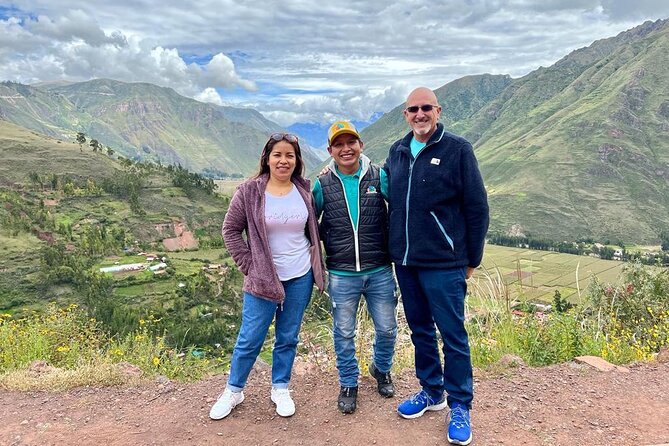
Pisac is your first major stop after a quick viewpoint break at Taray on the way. From that Taray vantage point, you get a clear look down into the valley and the Urubamba River cutting through villages. It’s one of those early “okay, this is why people come” moments.
Then you head up to Pisac’s main Inca complex. The complex sits on a hilltop overlooking the area, and the drive to the entrance helps you jump right into the site without wasted time. Inside, you are guided by a local expert, and that matters here. Pisac is not just rocks. When you understand why particular areas were positioned and how they relate to the valley below, the place becomes more than a postcard.
After the Inca complex, you drop down toward Pisac’s main plaza. On weekends, the narrow cobblestone streets fill with local sellers, including handicrafts. Even if you are not shopping, it’s a useful cultural contrast to the more formal Inca ruins.
Timing is something to watch. The stop is about 1 hour 30 minutes, which means you should expect a guided sweep more than a long wander. If you like to linger, plan to treat Pisac as “learn first, stroll later” and save deeper exploration for a separate half-day or full-day on a different date.
Urubamba lunch break: the buffet that prevents the mid-day crash
After Pisac, you drive to Urubamba, described as the lower area of the Sacred Valley. The big win here is the included lunch: a buffet at a local restaurant with about 1 hour on the clock.
This matters more than people realize when doing Sacred Valley tours. You are at high altitude, you’ve started early, and you have already walked through at least one major site. A real sit-down meal keeps your energy steady for Moray and Maras later, when the schedule gets science-heavy and visually intense.
The menu details are not listed, so I can’t tell you what specific dishes you will get. But in general, these included buffets are designed for variety and quick service. If you are sensitive to rich food, aim for lighter options and drink water before you head back out.
If you want to maximize your energy, use part of the lunch time to ask your guide what to focus on at Moray and the salt mines. One good tip you can ask for: what to look for in the terraces and salt pans so you do not spend the stop just taking photos without understanding what you’re seeing.
Ollantaytambo: town planning, ruins on both sides, and train-day vibes
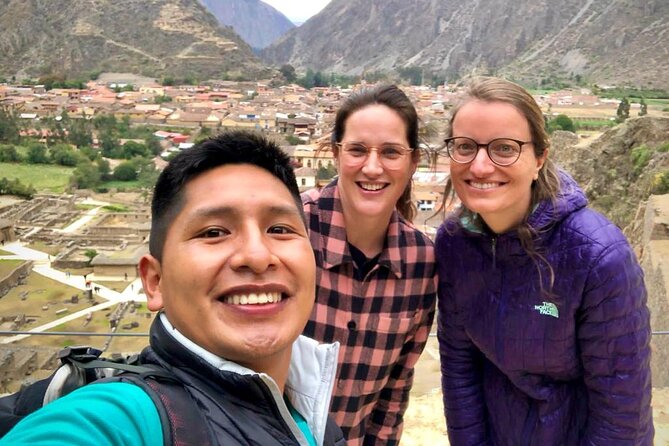
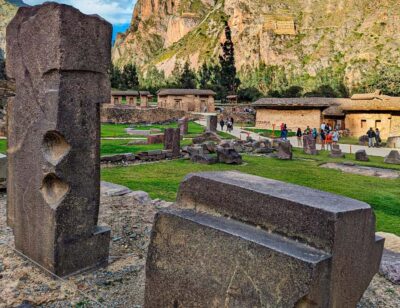
Next up is Ollantaytambo, with about 1 hour 30 minutes. This is one of the most prominent places in the Inca empire, and it also feels active today. Even though you are touring archaeological ruins, the town has that lived-in quality that makes it easier to imagine the daily rhythms of people who lived there year after year.
You are shown the advancement of Inca town planning, including how the settlement sits and functions with the surrounding ruins. The village is positioned between two Inca ruins, so you get that strong “framed by stone” feeling as you look in different directions.
There’s also a practical connection here: this is where you board the train to Machu Picchu and also the route associated with the Inca Trail. Even if you are not taking the train today, it helps you understand why Ollantaytambo is often a staging point for Peru trips. You can feel the logistics of travel in the place, which makes it easier to plan your own follow-on days.
Just be honest with yourself about pacing. The stop is long enough to learn, but not long enough to fully wander every nook. If you love architecture and street-level details, go slow for the first part so you can absorb the “why” behind what you’re seeing. Save extra shopping time, because the schedule later includes places like Chinchero that reward calmer attention.
Maras salt and Moray terracing, other trips
Moray’s circular terraces: the Inca lab you can actually picture
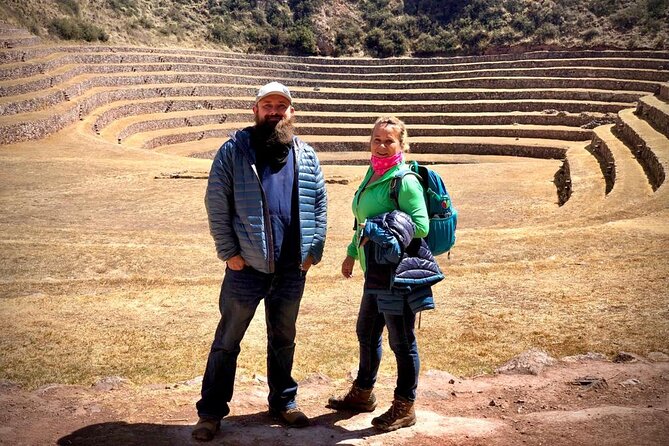
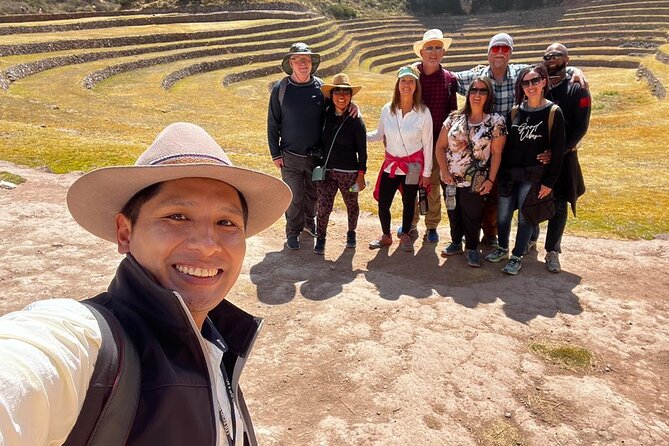
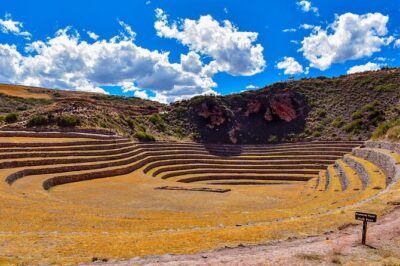
Moray is where the tour becomes more than a sightseeing loop. This site is known for its circular agricultural terraces, which served as an agricultural laboratory. The cool part is that each level has a different temperature, which the Incas used to test what conditions worked best for different crops.
When you stand here, it helps to think like a scientist instead of a tourist. The terraces are arranged so temperature variation can be observed in a controlled setting. You get a visual reminder that the Incas weren’t just building impressive structures, they were also testing, adapting, and optimizing how they fed communities.
The tour gives you about 1 hour at Moray, and you likely won’t have long for side trails or extended wandering. That is fine. Moray works best when your guide helps you interpret what you are looking at quickly and clearly. If you ask one good question, make it about temperature. It ties directly to why the terrace design is the point.
Also, Moray’s entrance fee is listed as not included. Plan for that in your budget so the day stays stress-free.
Maras salt mines: solar evaporation and a working tradition
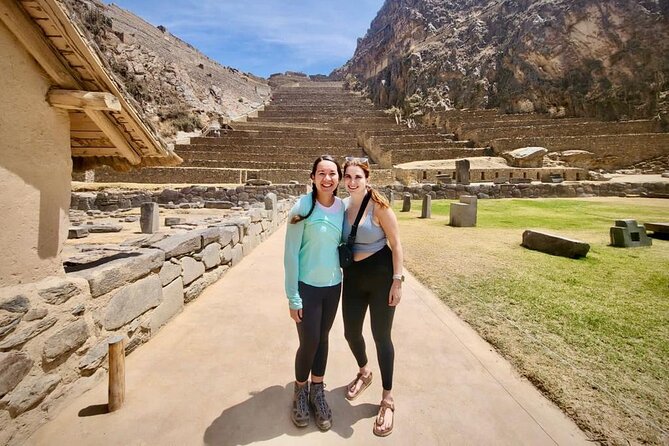
From Moray you move to Maras, home to the famous salt mines. Here you see salt being produced using the traditional solar evaporation method, passed down through generations. Even today, locals keep this practice going.
The salt mines look simple at first glance, like patterned pools and earthwork channels. But the explanation from a local expert adds the meaning. You’re not just looking at mineral deposits. You are witnessing how water management and evaporation work together, and how that process becomes a local economy.
The stop is about 1 hour, so focus on understanding the system rather than trying to photograph every single pan. I recommend picking a few angles: one wide shot that shows the overall pattern, then one closer view where you can see how water is channeled and how the setting is arranged.
Maras entrance costs are listed separately in the tour information. So this is one of the easiest places to forget a fee if you only think about the tour price. Add it ahead of time in your mental budget and you’ll feel more in control during the day.
Chinchero: textiles, terraces, and a church tied to Pachacutec
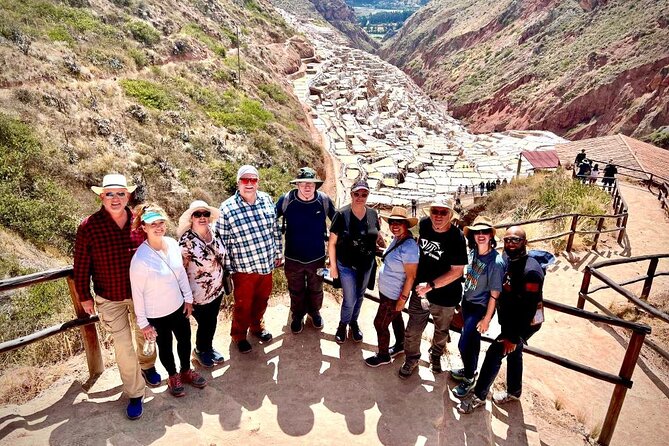
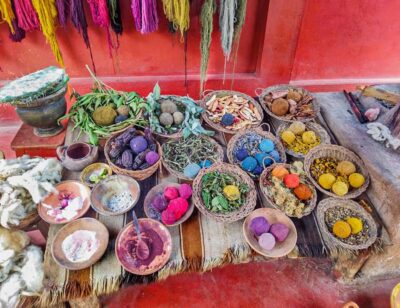
Chinchero is a strong finale stop because it leans cultural rather than purely archaeological. It is known for Andean textile traditions, and the village can feel calmer than some of the other high-profile places in the Sacred Valley.
You’ll also see a white-washed church that was once a royal palace of Incan emperor Pachacutec. That connection makes the setting feel layered, even if you are not a deep scholar of Inca timelines. The point is that these places were power centers, and later communities reused or transformed the spaces.
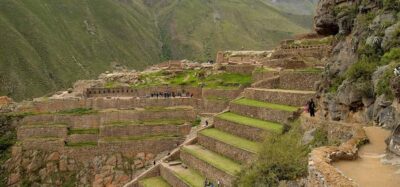
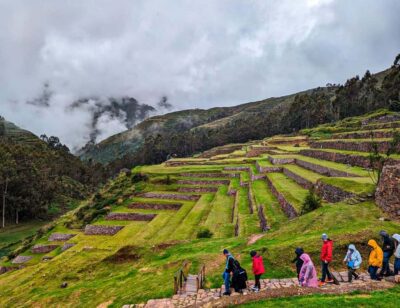
Chinchero is also described as having some of the most fertile soil among Sacred Valley sites. During the Inca civilization, Pachacutec’s leadership is linked to building many farming terraces here. Look for the water channels, which show the engineering logic behind agriculture. Even if you only catch it briefly, the message is clear: farming was a designed system, not a random patchwork of fields.
This stop is about 1 hour, and you are not likely to do major shopping time unless you choose to. If textiles are your thing, plan to ask questions about patterns and production methods. And if you are not buying, that is still a valuable stop, because you get to see craft and farming together in one place.
Then you head back to Cusco and drop off at Plaza Regocijo, a block away from Plaza de Armas.
Price and what you truly get for $99
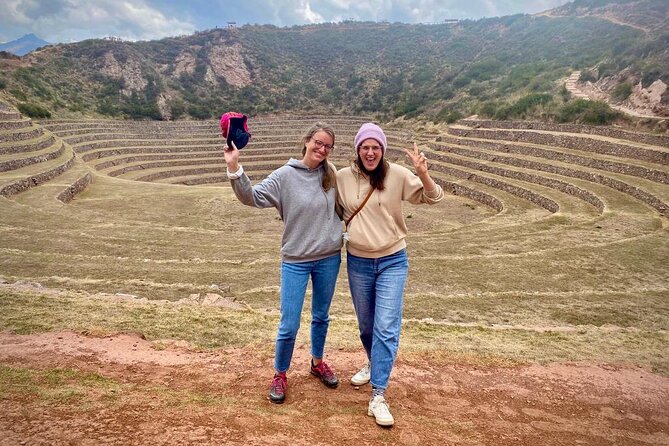
At $99 per person, this tour’s value comes from what’s bundled. You get roundtrip transport, a bilingual local guide, and an included buffet lunch in Urubamba. You also get a small-group experience, max 9 people, which reduces the feeling of being herded.
The main thing not included is entrance. The tour lists about USD 20 (70 Soles per person) for archaeological site tickets, plus Maras entrance around PEN 10. So think of $99 as your base cost, then budget for the site fees on top. If you mentally add those before you go, there are fewer surprises.
Where this tour shines is in convenience. You do a full day without needing to figure out drives between sites, arrange entry timing, or coordinate a guide for every individual stop. That is often what you are paying for, not just the sightseeing itself.
What you should watch for is the tradeoff built into a 9 hour schedule: shorter time slices at each location. That can be perfect if you want breadth, less perfect if you want to linger for details or feel you need to re-read every sign.
Who should book this Sacred Valley day trip?
This is a good match if you want:
- A guided overview of top Sacred Valley sites in one day
- Clear explanations from a bilingual local guide
- A planned lunch stop so your energy holds up through the afternoon
- A small group format where you can ask questions without shouting
It also tends to work well if your legs are tired from earlier Peru activities. A review experience I saw described being physically exhausted after long South America touring, yet still enjoying the day because the pace allows you to see a lot without heavy hiking. Even so, it is still a full day with multiple site walks and early pickup, so comfortable shoes matter.
If you are the type who hates shopping detours, here is the heads-up: the schedule can include brief stops that are commercial in nature. Keep your priorities clear. If you want only ruins and explanations, tell your guide what you care about, and use your time wisely at the sites themselves.
Should you book this Sacred Valley tour with Moray and the Salt Mines?
I’d book it if you are in Cusco and want the Sacred Valley highlights in one efficient day, with lunch and a guide that helps you connect sites to Inca logic. It is also a strong option for first-time visitors who need a map in their head after the trip, not just a stack of photos.
I would hesitate if you dislike tight timing, because each stop is relatively short and you may feel rushed if you want to linger. I’d also factor in entrance fees so the final total feels fair.
If you want the best result, go in with two goals: at Moray, focus on the temperature idea behind the terraces, and at Maras, focus on how solar evaporation and water management create salt. Do that, and this day earns its place on your Peru itinerary.
FAQ
What time does pickup happen for this Cusco day tour?
Pickup starts at 7:00 am from the Plaza Regocijo meeting point area in Cusco (near Plaza de Armas).
How long is the Sacred Valley tour with Moray and the Salt Mines?
The tour runs about 9 hours total.
How many people are in the group?
The group size is capped at 9 people.
What’s included in the price?
Roundtrip transport, a bilingual local tour guide, and a buffet lunch in Urubamba are included.
Are entrance tickets included?
No. Entrance tickets to archaeological sites are listed as about USD 20 (70 Soles per person), and Maras has a separate fee listed as PEN 10.
Where do you stop for lunch?
Lunch is a buffet stop in Urubamba at a local restaurant.
What sites are included in the day?
You visit Pisac, Urubamba (lunch), Ollantaytambo, Moray, Maras (salt mines), and Chinchero, then return to Cusco.
Is this tour refundable if I change plans?
Yes. There is free cancellation, with a full refund if you cancel at least 24 hours before the experience starts.
If you want, tell me your travel dates and whether you prefer slower time at fewer sites, and I can suggest how to pair this day with Machu Picchu logistics.
More Tour Reviews in Cusco
- Cusco: Humantay Lake Tour with Breakfast and Buffet Lunch
★ 4.9 · 2,976 reviews - From Cusco: Moray, Maras Salt Mines & Chinchero Weavers Tour
★ 4.8 · 1,925 reviews - From Cusco: Full-Day Group Tour of Machu Picchu
★ 4.7 · 1,767 reviews - Machu Picchu Day Trip from Cusco
★ 4.5 · 1,644 reviews - Cusco: Half-Day City Tour with Sacsayhuaman and Q’enco
★ 4.6 · 1,129 reviews
Maras Salt and the Moray Rings
- From Cusco: Moray, Maras Salt Mines & Chinchero Weavers Tour
★ 4.8 · 1,925 reviews - Cusco: Sacred Valley, Pisac, Ollantaytambo, Salt Mines Moray
★ 4.6 · 1,058 reviews - Cusco:Chinchero,Moray & Salt Mines drop-off in Ollantaytambo
★ 4.8 · 793 reviews - Sacred Valley: Chinchero, Moray, Ollantaytambo & Pisac+Lunch
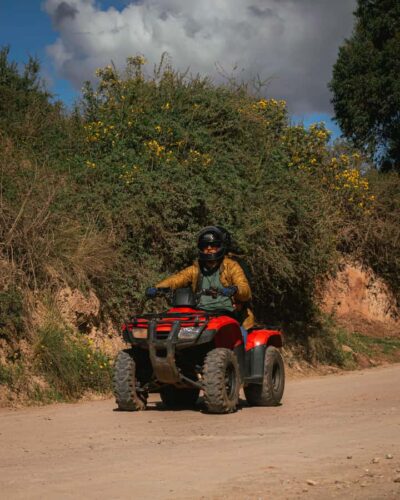
★ 4.8 · 501 reviews - Sacred Valley: Maras & Moray by Quad Bike from Cusco
★ 4.6 · 418 reviews
Sacred Valley, Further Afield
- Cusco: Sacred Valley, Pisac, Ollantaytambo, Salt Mines Moray
★ 4.6 · 1,058 reviews - Sacred Valley: Chinchero, Moray, Ollantaytambo & Pisac+Lunch
★ 4.8 · 501 reviews - Sacred Valley: Maras & Moray by Quad Bike from Cusco
★ 4.6 · 418 reviews - From Cusco: 2-Day Trip to the Sacred Valley and Machu Picchu
★ 4.6 · 265 reviews - Full-Day Excursion to Sacred Valley, Pisac and Ollantaytambo from Cusco
★ 4.5 · 174 reviews
Freshly reviewed across Cusco
- Excursion Cusco – Puno – Titicaca Observatory Train★ 5.0 · 3 reviews
- Sacred Valley Vip Cusco★ 4.7 · 3 reviews
- Cusco | Humantay Lake 1-Day Tour with Breakfast and Lunch★ 5.0 · 3 reviews
- Full-Day Condor Viewpoint & Inca Sites Tour★ 5.0 · 3 reviews
- Best of Cusco: Private Walking Tour with a Local★ 3.6 · 3 reviews
- From Cusco: Full-Day Private Sacred Valley Tour★ 5.0 · 3 reviews
Sacred Valley Tours side by side.
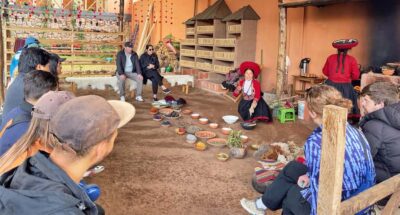 ★ 4.8From Cusco: Sacred Valley & Maras Salt Mines Tour with LunchFrom $282,227 reviews
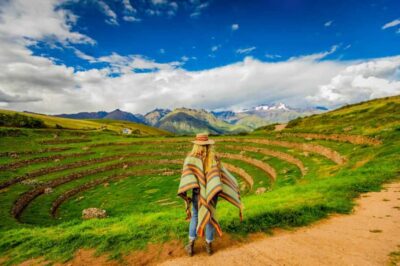 ★ 4.6Cusco: Sacred Valley, Pisac, Ollantaytambo, Salt Mines MorayFrom $281,058 reviews
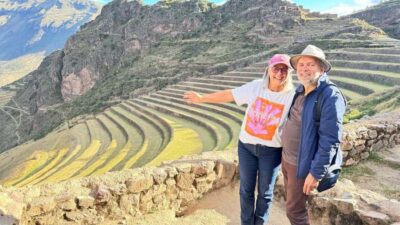 ★ 4.8Sacred Valley: Chinchero, Moray, Ollantaytambo & Pisac+LunchFrom $25501 reviews
 ★ 4.6Sacred Valley: Maras & Moray by Quad Bike from CuscoFrom $39418 reviews
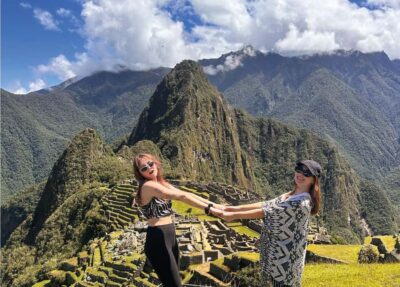 ★ 4.6From Cusco: 2-Day Trip to the Sacred Valley and Machu PicchuFrom $370265 reviews
 ★ 4.8Cusco:Sacred Valley Pisaq,Ollantaytambo,Chinchero with LunchFrom $28183 reviews
 ★ 4.5Full-Day Excursion to Sacred Valley, Pisac and Ollantaytambo from CuscoFrom $47174 reviews
 ★ 5.0Food and Culture Full day Tour in the Sacred ValleyFrom $200144 reviews
Also on these Peru lists