
REVIEW · SACRED VALLEY
Sacred Valley with Peru Vip : Pisac, Ollantaytambo and Chinchero
One day, four Inca-world stops, handled well. This private Sacred Valley tour mixes camelids at Awana Kancha with major Inca sites like Pisac, Ollantaytambo, and Chinchero, plus a full lunch and entrance tickets so you can focus on the sights. I especially like that it includes oxygen support and a guide who paces the day for the altitude, even with some uphill walking. The main watch-out is that a few stops involve strenuous paths and climbs, so bring solid shoes and expect some effort.
You also get the best kind of “stress relief” in Peru: door-to-door pick up, private transport, and fewer logistics to juggle. In the same day, you’ll move from panoramic Inca stonework to town streets, canals, and terrace engineering. One possible drawback to plan around is that the storytelling can lean a bit repetitive at times, so if you want more variety, ask direct questions and steer the conversation.
In This Review
- Key highlights to look for
- Why this Sacred Valley route feels worth your time
- Awana Kancha (South American Camel Reserve): start with the animals
- Pisac Archaeological Park: watch the Inca engineering up close
- Ollantaytambo: a town you can still picture living
- Chinchero: Inca walls meet church square life
- Lunch in the Sacred Valley: the break that keeps the day enjoyable
- Private transport, pacing, and where “strenuous” shows up
- Guide quality is the real variable, and this one tends to deliver
- Tickets, oxygen support, and what the $299 price actually covers
- Who this Sacred Valley day trip fits best
- Should you book Sacred Valley with Peru Vip?
- FAQ
- How long is the Sacred Valley tour with Peru Vip?
- How much does the tour cost?
- What sites are included in the tour?
- Is hotel pickup included?
- Is lunch included?
- Are entrance tickets included?
- What about altitude support during the day?
- Is tipping included in the price?
- What is the cancellation policy?
Key highlights to look for
- Awana Kancha camel reserve with llamas, alpacas, and vicuñas in a South American Camel Reserve setting
- Pisac’s fortress city in carved-stone Inca architecture, set near 2,972 meters altitude
- Ollantaytambo’s preserved Inca town with streets, houses, and canals that still show the original layout
- Royal Hall and Inca monoliths like the Mañaracay, Incahuatana, and Princess Baths in one sweep
- Chinchero’s Inca wall with 12 niches plus three carved shrine sites in the surrounding area
- Included tickets, lunch, and oxygen balloon so you are not scrambling during a high-altitude day
More Sacred Valley itineraries on our list
- Cusco: Sacred Valley, Pisac, Ollantaytambo, Salt Mines Moray
★ 4.6 · 1,058 reviews - Sacred Valley: Chinchero, Moray, Ollantaytambo & Pisac+Lunch
★ 4.8 · 501 reviews - Sacred Valley: Maras & Moray by Quad Bike from Cusco
★ 4.6 · 418 reviews - From Cusco: 2-Day Trip to the Sacred Valley and Machu Picchu
★ 4.6 · 265 reviews
Why this Sacred Valley route feels worth your time
The Sacred Valley can eat an entire trip, but a smart day plan lets you hit the biggest “wow” sites without feeling like you’re constantly in transit. What I like about this format is that it pairs three headline Inca areas (Pisac, Ollantaytambo, Chinchero) with a nature-friendly opening (Awana Kancha). It gives you a mental reset before you start walking through stone cities.
This is also a private tour. That matters more than people think. You can move at a pace that suits your breathing, not a schedule that assumes everyone is a marathoner. It also means your guide can build in short photo breaks and help you understand what you’re actually looking at, not just recite dates.
If you come to Cusco wanting a structured, high-value day, this kind of route is a solid fit because the “big three” are geographically connected. You’re not bouncing across the map. You’re tracing the Sacred Valley story with stops that each show a different side of Inca life: settlement, defense, worship, and daily systems.
Awana Kancha (South American Camel Reserve): start with the animals
Your day begins with Awana Kancha, a reserve built around South American camelids. This is a nice opener because it’s visual and calm, and it gets you outdoors before you start the heavier walking.
What to expect here:
- You’ll see llamas, alpacas, and vicuñas (the tour describes them as living in their natural state).
- The stop is short, about 30 minutes, so it won’t drain your energy before the first archaeological climb.
- Admission is included, which helps keep the day simple.
Why I think this stop is a good choice: Inca sites are impressive, but they can also blur together if you’re exhausted. Animal viewing gives you a different kind of connection to Andean life, and it often helps you feel less rushed at the start.
Practical tip: bring a light layer even if it looks sunny. High Andean weather can shift fast, and you’ll want comfort when you move from the reserve into stone sites.
Pisac Archaeological Park: watch the Inca engineering up close
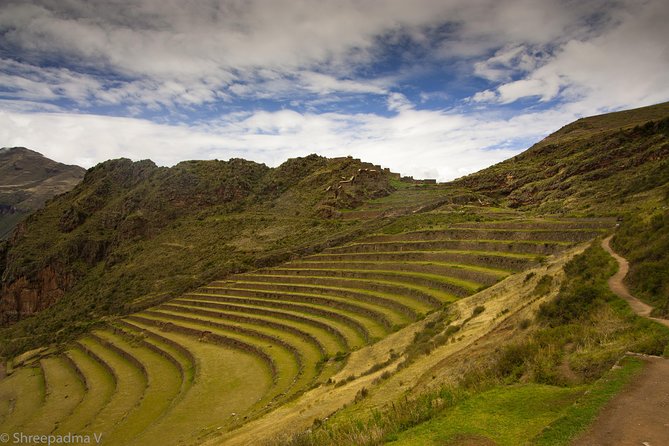
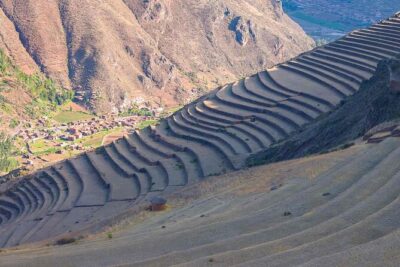
Next comes Pisac (Pisaq Archaeological Park), an Inca fortified city set above the valley near the town of Pisac. The tour notes the altitude here as 2,972 meters above sea level, which is exactly the kind of detail that matters when you’re planning your day.
What makes Pisac special is how the site works as a whole:
- It is described as a strategic, fortified ensemble. The location provided security and control.
- The tour frames Pisac as having both urban and religious purposes.
- You’ll see classic Inca construction methods: stone carved so the blocks fit precisely, with minimal need for mortar.
At Pisac, you’re not just looking at ruins. You’re reading a system. The way the complex is laid out helps you understand why the Incas built where they did, and how stonework could handle both movement and defense.
One more interesting angle the tour provides is the naming. Pisac doesn’t have a definite translation, and the tour mentions a possible link to a Quechua word related to a bird, plus the idea that land design might reflect that shape.
How to handle the physical side: even if you don’t sprint, Pisac can be a strain because it’s up and down, and the air is thinner. A lot of guides keep you moving but slow when needed. This tour includes oxygen support, so you’re not just left to “push through.”
Possible drawback to keep in mind: if your group dislikes walking on uneven stone paths, Pisac can feel demanding. Wear shoes with grip and give yourself time to breathe on the climbs.
Ollantaytambo: a town you can still picture living
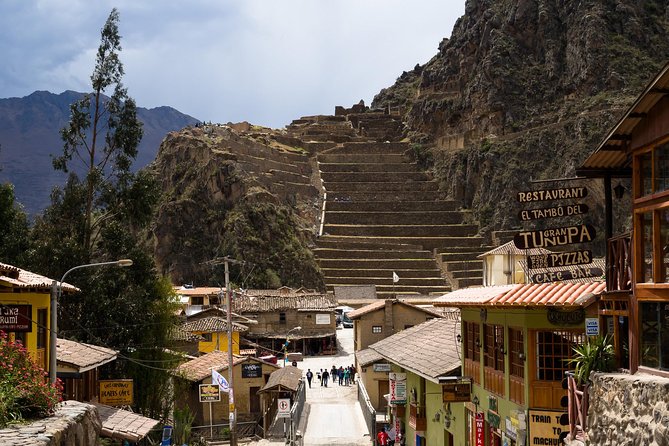
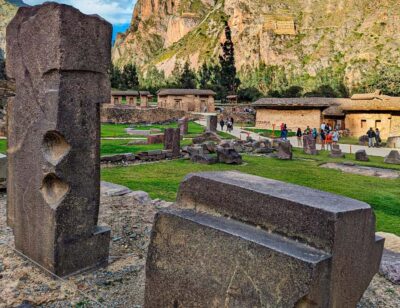
After Pisac, you move to Ollantaytambo, an Inca town that preserves houses, streets, and canals in the layout of Tahuantinsuyo. That’s a big deal. Many archaeological sites feel like they’re frozen in time, but Ollantaytambo reads like a working place.
Here’s what the tour highlights in the archaeological set:
- The lower area includes well-preserved blocks of mansions, described as stone-walled and laid out with a north extension around Hanan Huacaypata Square.
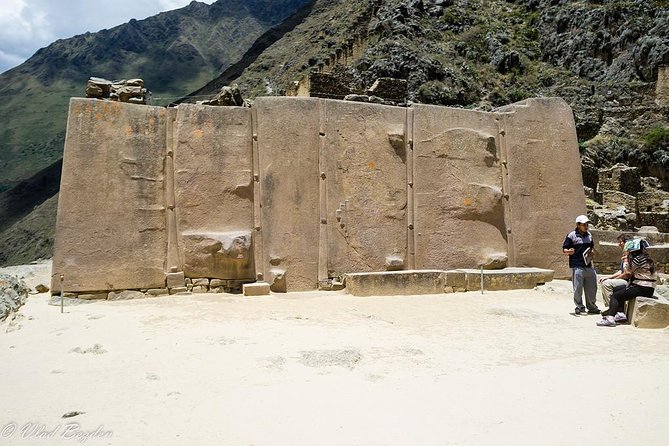
- The hill area features major structures like the Temple of the Sun, plus prominent monoliths.
The tour names several standout features you can look for as you walk:
- Mañaracay, also called the Royal Hall
- Incahuatana
- Princess Baths
Ollantaytambo also includes a fortress viewpoint, with terraces carved into the stone. The purpose described is protective, designed to defend the valley from groups coming from jungle regions.
If you like structure and logic, this stop usually lands well because you can often spot how the site channels movement and visibility. You’re not just admiring stone, you’re noticing why it’s arranged that way.
One practical note from what guides have done well in similar private days: you’ll likely get photo time because the view lines at Ollantaytambo are worth it. It’s also a great place to ask your guide what changes depending on the season. The tour is built for a full day, so you should have some breathing space for photos, not just quick snapshots.
Pisac market and Ollantaytambo fortress, other runs
Chinchero: Inca walls meet church square life
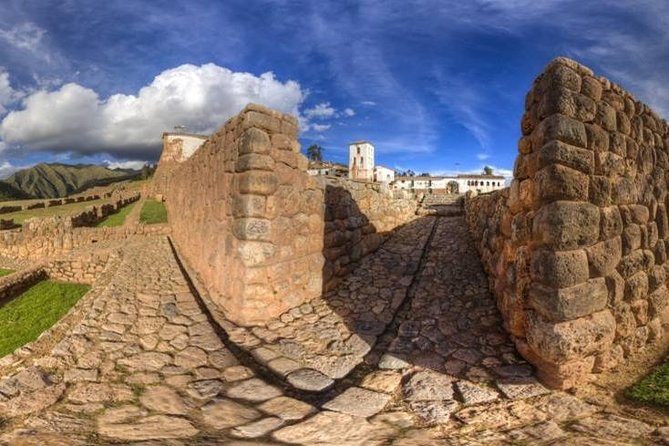
Chinchero is the final major site, and it’s a fascinating way to see how Inca architecture interacts with later structures. The tour explains that the present church area sits over what was once an important urban center.
What stands out here:
- You’ll see formidable Inca walls with polyhedral stone shapes forming retaining walls and shaping platforms.
- The tour points out a main square that concludes with an Inca wall on the eastern side.
- That eastern wall includes 12 niches, each about 2 meters high and 1.5 meters wide, and it acts as part of a larger containment and atrium layout.
Then there are the shrines the tour calls out by name: Titiqaqa, Pumaqaqa, and Chincana. These are described as enormous limestone outcrops carved to form seats, stairways, cupboards, and canals. It’s the kind of detail that rewards slow looking. Don’t rush this section, even if your feet want to.
Why I like Chinchero as a closing stop: it feels human. Even though you’re dealing with archaeological remains, the square connection and the niche wall give you a sense of how public space worked over time.
Potential drawback: if you’re already tired from Pisac and Ollantaytambo, Chinchero can feel like one more effort. But it’s also easier than it looks on paper because you’re not just dealing with one viewpoint. There’s a natural flow from square to wall to shrine areas.
Lunch in the Sacred Valley: the break that keeps the day enjoyable
This tour includes lunch, described as a buffet in the best restaurant in the Sacred Valley. That’s not just a comfort perk. It’s also smart planning for a high-altitude day.
Why lunch matters here:
- You’re balancing exertion across multiple stops. A real meal helps you keep your energy steady.
- Buffet style makes it easier to find something that sits well in your stomach on altitude.
- Eating included means you are not spending precious time tracking down food between sites.
What I recommend: keep lunch moderate. Try to eat normally, but don’t go heavy on extremely rich dishes if you’re prone to feeling off at altitude. You want energy for the afternoon walking.
Also, since the tour includes an oxygen balloon, it’s a reminder that the day is designed with altitude in mind. Your best move is simple: sip water, eat something, and take a few slow breaths when you feel winded.
Private transport, pacing, and where “strenuous” shows up
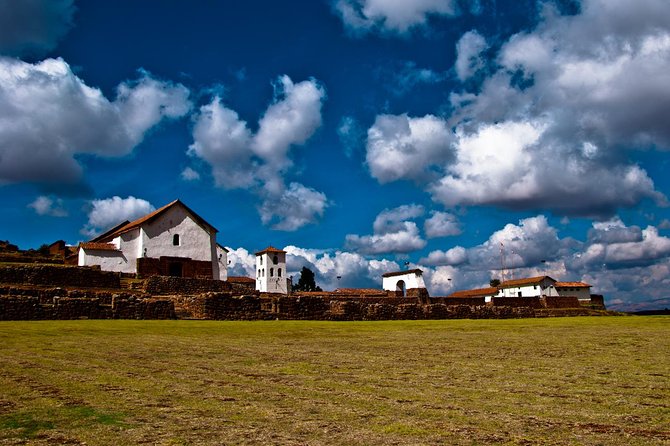
This is a private tour with private tourist transport and hotel pickup. That’s a big value factor in Peru. You lose less time, and you spend more time looking at stone and views, not negotiating rides.
The tour is around 9 hours 30 minutes total, and each stop is built with a set time:
- Awana Kancha: 30 minutes
- Pisac: about 1 hour
- Ollantaytambo: about 1 hour
- Chinchero: about 1 hour
Those time blocks sound clean, but you should mentally add walking time and altitude pacing. Some parts of these sites can be tiring because paths are uneven. In comparable private days, guides often emphasize that certain sections require effort, and you should not write off the day because you’re worried about climbs.
Here’s what I’d do:
- Wear shoes you can trust on stone.
- Don’t sprint between viewpoints. The goal is to arrive calm, not breathless.
- If your guide offers more photo time or a slower pace for acclimatization, take it.
A practical bonus: guides have been praised for adjusting the pace to altitude and planning enough time for individual photos. That’s the difference between feeling like a tour stop and actually feeling like a day you can remember.
Guide quality is the real variable, and this one tends to deliver
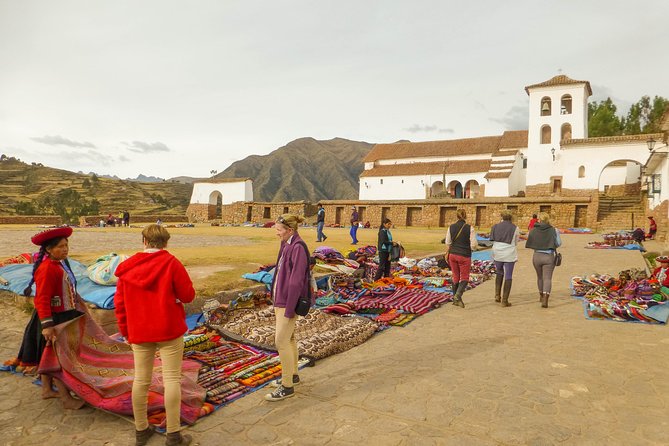
You’ll travel with a professional guide in the required language, plus permanent assistance and transfers. Even when an itinerary looks similar across companies, the guide is what turns the day into learning and enjoyment.
In the feedback tied to this exact experience, guides have been described as:
- Friendly and very familiar with the sites
- Strong at taking great photos
- Good at timing and altitude awareness
- Likely to feel more like a companion than a lecturer by the end of the day
The one constructive note is that the history can sometimes repeat. That’s not unusual when you’re covering multiple Inca areas in one day. If you want more variety, treat your guide like a conversation. Ask for the “why” behind what you’re seeing, like how terraces relate to water, how fortification differs by site, or what daily life likely looked like in street and canal layouts.
Also, drivers matter here. Safe, smooth driving reduces fatigue. One driver has been praised for speed and skill, which hints at good route handling and keeping the day on track.
Tickets, oxygen support, and what the $299 price actually covers
This costs $299 per person and runs about 9 hours 30 minutes. The big value move is what’s included.
Included items:
- Hotel pickup and private transport
- Guide and assistance
- Visits to the camel reserve and the three archaeological parks
- Entrance tickets to Pisac, Ollantaytambo, and Chinchero
- Entrance tickets to the camel reserve
- Lunch buffet at the Sacred Valley restaurant
- First aid kit and an oxygen balloon
When you price tours like this, entrance fees, transport, and guide time can add up fast if you do it alone. Here, those costs are folded into one price. That makes budgeting easier and reduces the risk of wasting time at ticket counters.
Could the price be cheaper? Sometimes. But you’re paying for a private day with multiple major sites, plus the altitude support element. For many people, that tradeoff feels fair because it buys comfort and structure.
Not included:
- Tips and gratuities
If you’re the type who wants a clean plan with minimal friction, this price looks more reasonable. If you already have transport and want to self-drive, you might compare costs, but that changes the whole experience.
Who this Sacred Valley day trip fits best
This tour makes sense if you:
- Want to cover Pisac, Ollantaytambo, and Chinchero in one day without planning each ticket and transfer
- Prefer a private format where pacing can adjust to altitude
- Like having a guide connect stone ruins to practical life, not just facts
- Appreciate a smooth lunch stop instead of hunting for food between sites
You should think twice if:
- You struggle with uphill walking and uneven stone paths. Expect that some parts will feel strenuous.
- You hate feeling on a schedule. This is a full day with set stop times, so it’s not a slow wander.
Should you book Sacred Valley with Peru Vip?
Book it if you want a high-value, structured day in the Sacred Valley, with tickets and lunch handled, and if you value a guide who takes pacing seriously. I especially like the combination of a camel reserve start and three major Inca stops that each show a different side of how the empire organized life.
Skip or reconsider if you know you’re sensitive to altitude and walking, and you cannot handle uphill paths even with oxygen support. Also consider that some guides may deliver history in a similar pattern across stops, so if you want highly varied storytelling on every minute, be ready to ask questions and guide the conversation.
If your goal is a memorable, efficient Sacred Valley day where you spend less time organizing and more time looking closely, this one is a strong pick.
FAQ
How long is the Sacred Valley tour with Peru Vip?
The duration is approximately 9 hours 30 minutes.
How much does the tour cost?
The price is $299.00 per person.
What sites are included in the tour?
You’ll visit Awana Kancha (South American Camel Reserve), Pisac archaeological park, Ollantaytambo archaeological park, and Chinchero archaeological complex.
Is hotel pickup included?
Yes, the tour includes pickup at your hotel, plus transfers as part of the experience.
Is lunch included?
Yes. Lunch is provided as a buffet in a restaurant in the Sacred Valley.
Are entrance tickets included?
Yes. Entrance tickets are included for Pisac, Ollantaytambo, and Chinchero, and also for the camel reserve.
What about altitude support during the day?
An oxygen balloon is included, along with a first aid kit.
Is tipping included in the price?
No. Tips for staff are not included.
What is the cancellation policy?
You can cancel for a full refund if you cancel at least 24 hours in advance. The experience requires good weather, and if it is canceled due to poor weather, you will be offered a different date or a full refund.
More Tour Reviews in Cusco
- Cusco: Humantay Lake Tour with Breakfast and Buffet Lunch
★ 4.9 · 2,976 reviews - From Cusco: Moray, Maras Salt Mines & Chinchero Weavers Tour
★ 4.8 · 1,925 reviews - From Cusco: Full-Day Group Tour of Machu Picchu
★ 4.7 · 1,767 reviews - Machu Picchu Day Trip from Cusco
★ 4.5 · 1,644 reviews - Cusco: Half-Day City Tour with Sacsayhuaman and Q’enco
★ 4.6 · 1,129 reviews
Pisac and Ollantaytambo Again
- From Cusco: Moray, Maras Salt Mines & Chinchero Weavers Tour
★ 4.8 · 1,925 reviews - Cusco: Sacred Valley, Pisac, Ollantaytambo, Salt Mines Moray
★ 4.6 · 1,058 reviews - Cusco:Chinchero,Moray & Salt Mines drop-off in Ollantaytambo
★ 4.8 · 793 reviews - Sacred Valley: Chinchero, Moray, Ollantaytambo & Pisac+Lunch
★ 4.8 · 501 reviews - Pisac Indian Market and Ollantaytambo Fortress with Lunch
★ 4.5 · 395 reviews
Sacred Valley, Further Afield
- Cusco: Sacred Valley, Pisac, Ollantaytambo, Salt Mines Moray
★ 4.6 · 1,058 reviews - Sacred Valley: Chinchero, Moray, Ollantaytambo & Pisac+Lunch
★ 4.8 · 501 reviews - Sacred Valley: Maras & Moray by Quad Bike from Cusco
★ 4.6 · 418 reviews - From Cusco: 2-Day Trip to the Sacred Valley and Machu Picchu
★ 4.6 · 265 reviews - Full-Day Excursion to Sacred Valley, Pisac and Ollantaytambo from Cusco
★ 4.5 · 174 reviews
Freshly reviewed across Cusco
- Excursion Cusco – Puno – Titicaca Observatory Train★ 5.0 · 3 reviews
- Sacred Valley Vip Cusco★ 4.7 · 3 reviews
- Cusco | Humantay Lake 1-Day Tour with Breakfast and Lunch★ 5.0 · 3 reviews
- Full-Day Condor Viewpoint & Inca Sites Tour★ 5.0 · 3 reviews
- Best of Cusco: Private Walking Tour with a Local★ 3.6 · 3 reviews
- From Cusco: Full-Day Private Sacred Valley Tour★ 5.0 · 3 reviews
Sacred Valley Tours side by side.
 ★ 4.8From Cusco: Sacred Valley & Maras Salt Mines Tour with LunchFrom $282,227 reviews
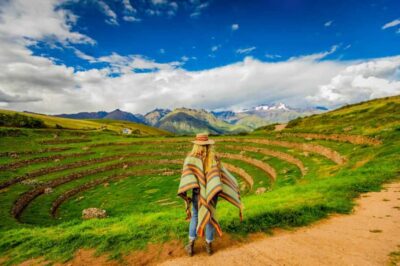 ★ 4.6Cusco: Sacred Valley, Pisac, Ollantaytambo, Salt Mines MorayFrom $281,058 reviews
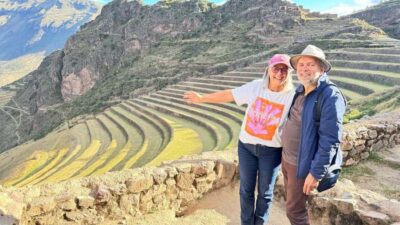 ★ 4.8Sacred Valley: Chinchero, Moray, Ollantaytambo & Pisac+LunchFrom $25501 reviews
 ★ 4.6Sacred Valley: Maras & Moray by Quad Bike from CuscoFrom $39418 reviews
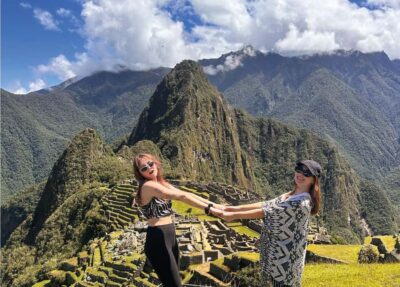 ★ 4.6From Cusco: 2-Day Trip to the Sacred Valley and Machu PicchuFrom $370265 reviews
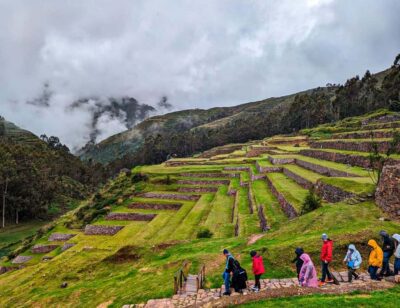 ★ 4.8Cusco:Sacred Valley Pisaq,Ollantaytambo,Chinchero with LunchFrom $28183 reviews
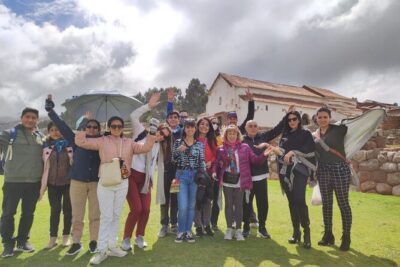 ★ 4.5Full-Day Excursion to Sacred Valley, Pisac and Ollantaytambo from CuscoFrom $47174 reviews
 ★ 5.0Food and Culture Full day Tour in the Sacred ValleyFrom $200144 reviews
Also on these Peru lists