
REVIEW · MACHU PICCHU
Salkantay Trek: 5 Days to Machu Picchu
That first pass gets your attention. This Salkantay Trek is a less-crowded route to Machu Picchu, built around big mountain days and jungle-to-Andes transitions, with camping most nights. I like that you start early from Cusco and end with a guided citadel visit, plus a train back to Ollantaytambo.
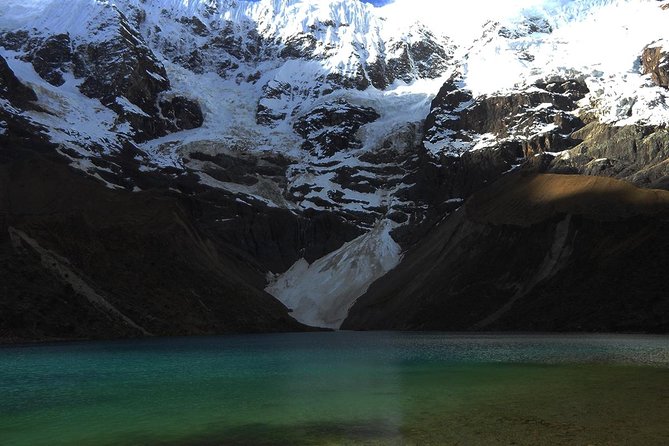
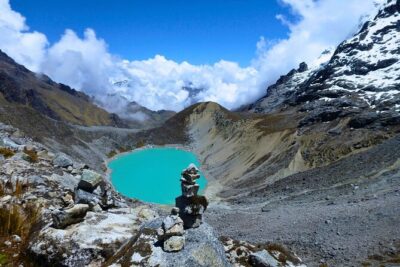
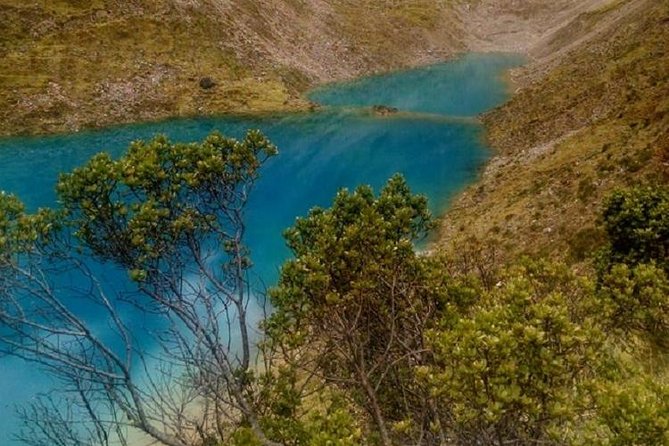
You’ll love the Humantay Lagoon day, because it gives you classic Andean scenery without the crush you see on other routes. And I really like the practical setup: tents, sleeping bags, Term-a-Rest style mattresses, bilingual guide, and even hiking poles are part of the package.
One consideration: the trek runs at high altitude and the jungle days can bring mosquitoes, so plan for how you’ll handle discomfort in the middle days (and do not ignore altitude advice).
In This Review
- Key highlights that make this trek work
- Salkantay Trek to Machu Picchu: what you’re really signing up for
- Cusco pickup and the 4:30 am start: why it matters
- Day 1 to Humantay Lagoon: a strong intro with mule support
- Day 2 over Abra Salkantay: the main challenge day in plain terms
- Day 3 to Santa Teresa: jungle walking and the thermal-bath option
- Day 4 to Hydroelectric and Aguas Calientes: the travel day that sets up Machu Picchu
- Day 5 at Machu Picchu: guided first, then you explore on your terms
- Food, tents, and the camp crew: comfort is part of the plan
- Price of $909: where the value is, and what can cost extra
- Who this Salkantay Trek suits best
- Should you book this Salkantay Trek with Tierras Vivas?
- FAQ
- What time does the trek start in Cusco?
- How big is the group?
- Is Machu Picchu entrance included?
- Are meals included?
- Is a hotel included in Aguas Calientes or only at Machu Picchu?
- Are thermal baths included on day 3?
- What transfers are included for the return to Cusco?
Key highlights that make this trek work
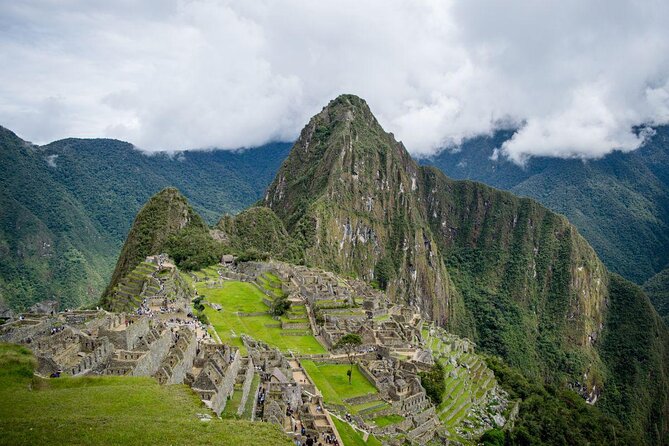
- Abra Salkantay views: the highest stretch hits around 4,650 m, with dramatic mountain snowfalls on the way up
- Camp comfort you can actually sleep in: inflatable mattresses, sleeping bags for cold nights, and included tent setup
- Bilingual guide momentum: guided interpretation of Inca sites and the natural world throughout the hike
- Jungle eyebrow day 3: coffee plantations, orchids, bromeliads, and plants used for natural medicine
- Thermal baths as an optional add-on: soak at Cocalmayo in Santa Teresa if you want a reset
- Machu Picchu with structure: guided tour first, then time to wander and take photos
Other citadel visits, ticket types and start times
- From Cusco: Full-Day Group Tour of Machu Picchu
★ 4.7 · 1,767 reviews - Machu Picchu Day Trip from Cusco
★ 4.5 · 1,644 reviews - Machu Picchu: Full-Day Tour from Cusco with Optional Lunch
★ 4.6 · 927 reviews - Cusco: 4-Day Inca Trail to Machu Picchu with Accommodation
★ 4.8 · 432 reviews
Salkantay Trek to Machu Picchu: what you’re really signing up for
This is not a gentle hike. It’s a guided mountain-to-jungle trek that keeps you moving through changing climates, then delivers the big finale at Machu Picchu with an organized flow back to Cusco. If your goal is Machu Picchu, you still get it, but the Salkantay route is the main event because you earn every view.
The tour also comes with a useful promise of less congestion. You’re not competing with the exact crowds and schedules that come with the best-known Inca Trail timing. Instead, you get a more spread-out rhythm: early starts, long days when the terrain demands it, and camp nights that help you actually rest for what’s next.
For your money, the value is in the logistics and comfort. You get a bilingual guide, a full camp crew, and gear that reduces your packing stress. You’re paying for the whole machine, not just your own hiking boots.
Cusco pickup and the 4:30 am start: why it matters
The trek begins in Cusco, with hotel pickup coordinated for a 4:30 am start from Plaza de Armas. That early departure is part practical, part strategic. Higher trail conditions and daylight windows matter on mountain routes, and the schedule is built around reaching the trail head at the right time.
Your morning ride includes travel by bus through towns like Izcuchaca and Limatambo, then a stop at Mollepata (around 2,900 m). You’ll have a breakfast stop there (the itinerary says breakfast, but the package notes breakfast on day 1 is not included, so expect that you may pay for something at the start depending on how your operator handles it that day). Either way, you’re positioned for the first hike after that.
Group size is up to 12 travelers. That’s large enough to meet people, but small enough that the guide can keep you moving and adjust pacing when needed. If you’re sensitive to getting lost in a big herd, this matters.
Day 1 to Humantay Lagoon: a strong intro with mule support
Day 1 starts with the classic high-start rhythm: pickup at 04:30, bus travel, then arrival near Mollepata at about 07:30. Breakfast happens at the stop, then you can leave some personal belongings behind. You’ll be able to drop off up to 5 kg to be carried by muleteers, which is a big deal. It means your day pack can stay lighter for the first climb.
Next, you take a transport about an hour to Challacancha (around 3,380 m). From there, the walk is paced to reach Soraypampa (around 3,900 m) in about three hours. You’ll arrive roughly at 13:30, then stop for lunch and visit Humantay Lagoon.
This is a smart first day because it gives you a payoff without making you grind for 10 hours. The Humantay Lagoon stop is the kind of moment you remember later when you’re tired. Also, the altitude shift is real, so this day helps your body acclimate before the heavier Day 2 effort.
Back at camp, you rest. Camping here is not a “rough it” free-for-all. You’re provided a tent setup, sleep gear, and mattresses. More on that later, but the point is: your first night is designed to help you recover, not just survive.
Day 2 over Abra Salkantay: the main challenge day in plain terms
Day 2 is the day that people feel in their legs and lungs. You’ll start with breakfast around 05:00, then hike from Soraypampa toward Abra Salkantay.
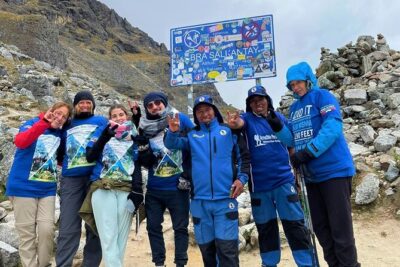
The climb takes about three hours to reach the high point around 4,650 m. This is where the views become the conversation, with snowfalls and big mountain silhouettes described along the route, including Salkantay and Humantay. The walk continues through areas like Salkantaypampa and Soyrococha, where there’s a small lagoon.
Then comes the descent. You head toward Huayracmachay (around 3,800 m) for lunch, about three hours down. After that, there’s more hiking, another three hours to Chaullay (around 2,900 m) for the campsite.
The itinerary lists a 10-hour day. Even if you’re fit, treat it like a long day with variable footing and altitude. If you’re someone who wants to “push pace,” be careful. The pass day is where you choose controlled effort over hero moves.
One practical detail I appreciate: there’s an emergency horse available if you’re feeling ill or if you’re slower. That’s not an invitation to slack off. It’s a safety net, which matters when you’re out of cell range and deep in the mountains.
Salkantay by other operators and other night counts
Day 3 to Santa Teresa: jungle walking and the thermal-bath option
Day 3 shifts the scenery and the energy. You’ll eat breakfast at 06:00, then hike for about 5.5 hours through what’s described as a jungle eyebrow route, with level ascents and descents. This is a different kind of workout than straight mountain climbing.
Here, the route highlights plant life: coffee plantations, orchids, bromeliads, and natural-medicine plants. Even if you’re not the “plants nerd” type, it’s a welcome change after the cold, high, open days.
You arrive at Playa Sahuayaco for lunch, then transport is included from that lunch point to the campsite in Santa Teresa. That transfer helps you reset, so you’re not stuck finishing the day with more steep walking.
Once you arrive, there’s an option to visit thermal baths in Cocalmayo. The big caveat: the entrance ticket is not included. You still return to camp at about 18:00, then tea and dinner follow.
This is also the day where you’re most likely to notice bugs. One piece of feedback I’m glad to highlight is that mosquitoes can show up around day 3 in the jungle segment. So if you’re the kind of person who reacts badly to bites, plan for that reality mentally.
Day 4 to Hydroelectric and Aguas Calientes: the travel day that sets up Machu Picchu
Day 4 is a bridge day between the wilderness trek and the Machu Picchu finale. You’ll wake for sunrise in a tropical zone, then breakfast comes first. After that, you continue toward Hydroelectric, with lunch at a restaurant there.
Then you keep walking through the tropical zone toward Aguas Calientes, where you settle in a hostel. The timing is built for you to arrive with enough energy to do the next day well.
At 18:30, you have dinner with the guide and you prepare for the last day. That prep matters more than people think, because Machu Picchu’s timing and route choices can feel confusing once you’re there. A guide’s plan helps you show up focused instead of flustered.
This is the day to pace yourself. You’ll already have heavy days in your legs. You don’t need to turn Day 4 into extra sightseeing miles. Let the schedule do the work.
Day 5 at Machu Picchu: guided first, then you explore on your terms
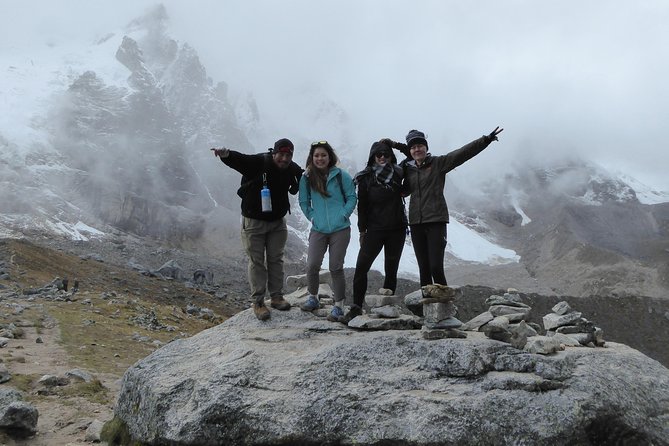
Day 5 starts early again, because Machu Picchu works on tight time windows. You’ll wake up very early and head to the citadel for a guided tour.
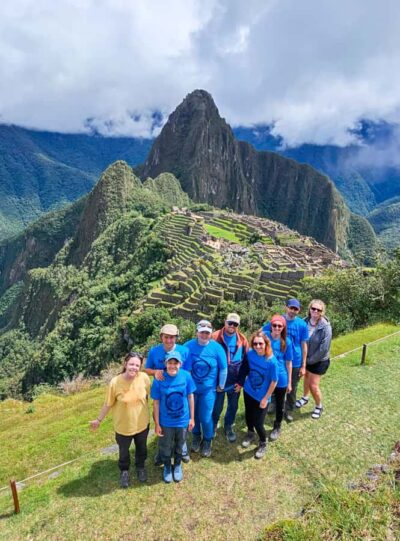
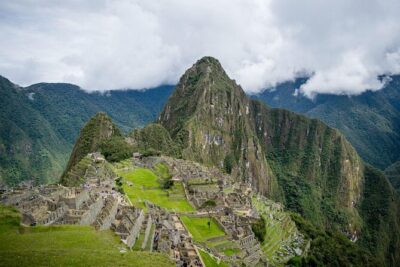
The guide focuses on the major areas: temples, terraces, palaces, and platforms. You then get time to take pictures and explore on your own. That mix is a good formula. The guided part helps you understand what you’re looking at. The free time lets you linger where your eyes want to go.
After the visit, you descend from Machu Picchu to Aguas Calientes. Then you board the tourist train to Ollantaytambo. A representative meets you there and transfers you back to Cusco, with drop-off at your hotel.
There’s one practical note here: you might need a shuttle bus between Machu Picchu and Aguas Calientes. The package lists that bus as not included, with pricing given as $12 one way or $24 round trip. So if you’re planning your exact last-day route, keep that cost in mind.
Food, tents, and the camp crew: comfort is part of the plan
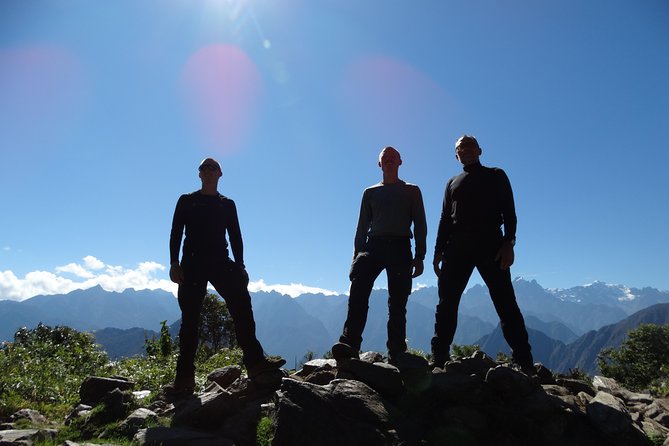
This trek is structured around real camp nights, not just day hikes. You get 3 nights at campsites and 1 night in a hotel in Machu Picchu. That is a meaningful difference for sleep quality.
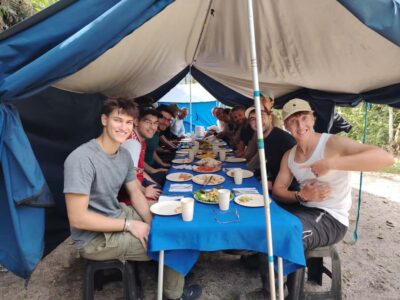
Meals are included for most of the day-to-day rhythm: 4 breakfasts, 4 lunches, 4 dinners, plus afternoon hot beverages. One detail that stands out is that you can request vegetarian food at no extra cost. If you’re traveling with dietary needs, this is the kind of information you want to confirm early, but it is explicitly supported.
Gear is where this tour pays off for your sanity. You get:
- A personal double tent setup designed to keep gear organized (the tent is described as a 4-person tent for comfort and storage)
- An inflatable mattress (Term-a-Rest style)
- A sleeping bag for up to -5°C, plus a blanket and pillow
- A duffel bag for personal belongings
- Hiking poles (a pair)
You also get horse support to carry most of the group equipment, plus your 7 kg personal stuff carried by the crew. There’s even an emergency option if you truly can’t continue by foot.
And yes, the food gets praise. Multiple guide-and-crew names show up in feedback, including chefs like Leoncio and Jesus, and cooks like Clemente and Louis. The consistent theme is that you’re not just eating to survive. You’re eating meals prepared in the middle of a remote route, which changes how you feel for the next day.
Price of $909: where the value is, and what can cost extra
At $909, the price looks steep until you match it to what’s included. You’re getting a full guided trek with camp logistics, meals, gear, transfers, and a train back from Aguas Calientes.
Included value points:
- Private early morning transfer by bus to the trail head
- Bilingual guide plus professional cook
- Horsemen and horses for camp and cooking equipment
- Campsites for 3 nights, plus a hotel night in Machu Picchu
- Train from Aguas Calientes to Ollantaytambo, then bus back to Cusco
- Trek gear like sleeping bag, mattress, tent support, duffel bag, and hiking poles
What’s not included can change your final total:
- Huayna Picchu entrance fee: $25 (not included)
- Shuttle bus between Machu Picchu and Aguas Calientes: $12 one way, $24 round trip
- Travel insurance
- Tips and other extras
- Breakfast day 1 and lunch on the last day, per the package list
So the value question comes down to you. If you want minimal hassle, consistent meals, and you don’t want to source camp gear on your own, $909 starts looking fair. If you’re a hardcore minimalist who already has everything and you’re comfortable organizing train and lodging moves yourself, it may feel expensive. For most people, it’s the “pay once, hike, then get dropped back in Cusco” appeal.
Who this Salkantay Trek suits best
This is a great fit if you want:
- Machu Picchu without the Inca Trail crowds feeling
- Guided context and structure, not just “sign in and go”
- The reward of varied environments over one long hike
- A small group (max 12) with room to manage pace
It’s also a solid choice for mixed-age groups and first-time trekkers, as long as everyone is honest about fitness. The tour notes moderate physical fitness as the baseline, and the day 2 pass hike is the obvious stress test.
If you hate cold nights or you’re worried about sleeping, the included sleeping bag and mattresses are a big reason to consider this route seriously. It’s still outdoors, but it’s supported.
Should you book this Salkantay Trek with Tierras Vivas?
If your top goal is reaching Machu Picchu through a less congested route and you want camp comfort built into the price, I’d lean yes. The combination of organized transfers, included trekking gear, bilingual guiding, and the pass-and-jungle rhythm is the kind of “whole experience” package that works well when you’re short on time and energy.
But if you know you’re extremely altitude-sensitive, talk with your doctor and do not ignore the altitude guidance. Also, plan for bugs in the jungle stretch around day 3, especially if you’re prone to itching or swelling.
My practical recommendation: book if you want a guided, structured trek and you’ll appreciate the gear and camp setup. Skip or compare if you want total freedom to roam on your own schedule, because this trek runs on a tight, early-start timeline.
FAQ
What time does the trek start in Cusco?
Pickup is scheduled for 4:30 am, with the start at Plaza de Armas in Cusco.
How big is the group?
The tour lists a maximum group size of 12 travelers.
Is Machu Picchu entrance included?
The package includes the guided Machu Picchu tour, but the Huayna Picchu entrance fee ($25) is not included.
Are meals included?
Meals are included for most days: 4 breakfasts, 4 lunches, 4 dinners, plus afternoon hot beverages. The package also lists breakfast on day 1 and lunch on the last day as not included.
Is a hotel included in Aguas Calientes or only at Machu Picchu?
You get a hotel in Machu Picchu for one night. The itinerary also says you’ll settle in a hostel in Aguas Calientes on day 4.
Are thermal baths included on day 3?
You have an option to visit thermal baths in Cocalmayo on day 3, but the entrance ticket is not included.
What transfers are included for the return to Cusco?
You’ll take the tourist train from Aguas Calientes to Ollantaytambo, then a tourist bus from Ollantaytambo to Cusco, with a representative waiting and transfer back to your hotel.
More Tour Reviews in Cusco
- Cusco: Humantay Lake Tour with Breakfast and Buffet Lunch
★ 4.9 · 2,976 reviews - From Cusco: Moray, Maras Salt Mines & Chinchero Weavers Tour
★ 4.8 · 1,925 reviews - From Cusco: Full-Day Group Tour of Machu Picchu
★ 4.7 · 1,767 reviews - Machu Picchu Day Trip from Cusco
★ 4.5 · 1,644 reviews - Cusco: Half-Day City Tour with Sacsayhuaman and Q’enco
★ 4.6 · 1,129 reviews
Salkantay, Other Itineraries
- Salkantay Trek Challenge – 3 Days / 2 Nights
★ 5.0 · 101 reviews - Small Group 5 Days Salkantay and Machu Picchu by Llactapata Tour
★ 5.0 · 88 reviews - Machu Picchu: 5-Day Salkantay Trek with Panoramic Train
★ 5.0 · 79 reviews - Salkantay Trek 4 Days to Machu Picchu by Glamping Sky Lodge Dome
★ 5.0 · 68 reviews - Salkantay Trek to Machu Picchu in 4 days
★ 4.5 · 50 reviews
Reaching the Citadel, Other Options
- From Cusco: Full-Day Group Tour of Machu Picchu
★ 4.7 · 1,767 reviews - Machu Picchu Day Trip from Cusco
★ 4.5 · 1,644 reviews - Machu Picchu: Full-Day Tour from Cusco with Optional Lunch
★ 4.6 · 927 reviews - Cusco: 4-Day Inca Trail to Machu Picchu with Accommodation
★ 4.8 · 432 reviews - From Cusco: 2-Day Trip to the Sacred Valley and Machu Picchu
★ 4.6 · 265 reviews
Freshly reviewed across Cusco
- Excursion Cusco – Puno – Titicaca Observatory Train★ 5.0 · 3 reviews
- Sacred Valley Vip Cusco★ 4.7 · 3 reviews
- Cusco | Humantay Lake 1-Day Tour with Breakfast and Lunch★ 5.0 · 3 reviews
- Full-Day Condor Viewpoint & Inca Sites Tour★ 5.0 · 3 reviews
- Best of Cusco: Private Walking Tour with a Local★ 3.6 · 3 reviews
- From Cusco: Full-Day Private Sacred Valley Tour★ 5.0 · 3 reviews
Machu Picchu Tours side by side.
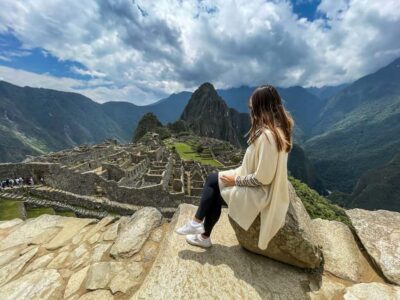 ★ 4.7From Cusco: Full-Day Group Tour of Machu PicchuFrom $3211,767 reviews
 ★ 4.5Machu Picchu Day Trip from CuscoFrom $3361,644 reviews
 ★ 4.6Machu Picchu: Full-Day Tour from Cusco with Optional LunchFrom $283927 reviews
 ★ 4.8Cusco: 4-Day Inca Trail to Machu Picchu with AccommodationFrom $470432 reviews
 ★ 4.6From Cusco: 2-Day Trip to the Sacred Valley and Machu PicchuFrom $370265 reviews
 ★ 4.9Cusco: Machu Picchu 2-Day Inca Trail with Panoramic TrainFrom $582260 reviews
 ★ 4.2From Cusco: 2-Day Inca Trail to Machu PicchuFrom $290244 reviews
 ★ 4.9Machu Picchu: Inca Trail 2-Day Overnight Guided TourFrom $585203 reviews
Also on these Peru lists