
REVIEW · MACHU PICCHU
Salkantay Trek To Machu Picchu 5 Days And 4 Nights
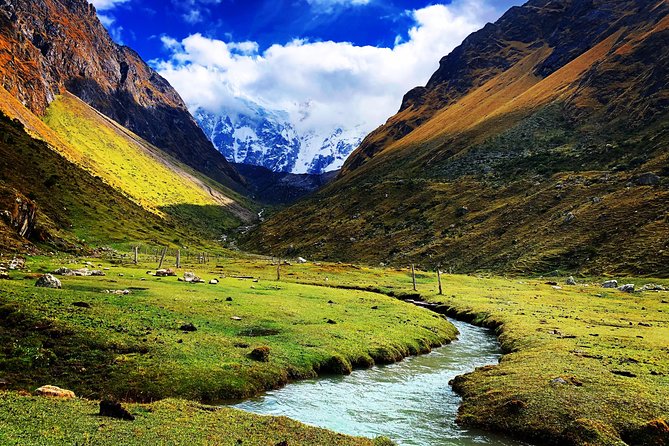
Salkantay starts at 4:30 am, and it does not waste time. This 5-day, small-group trek takes you from Cusco into the Andes to Machu Picchu, with bilingual guides, camp comfort, and an easy-to-follow plan that handles most logistics for you.
I especially like that you get real camp support. Tents (two people per tent unit), mattresses and pillows, a kitchen and dining setup, hot water for washing, plus a toilet tent with a portable toilet means you spend energy on the hike, not on survival skills.
One consideration: you still need to plan for gear and a couple meals. The tour does not include a sleeping bag (you can rent one), and it also does not include your round-trip Machu Picchu bus ticket or Day 5 lunch in Aguas Calientes.
In This Review
- Key things that make this trek worth your time
- Why Salkantay-to-Machu Picchu makes sense in 5 days
- The 4:30 am meeting and what a small-group trek changes
- Day 1: Humantay Lake views, the Mollepata breakfast, and getting geared up
- Day 2: Salkantay Pass at 15,252 ft, then down to Colpapampa
- Day 3: Gentle hiking through rain forest, Santa Teresa river, and a coffee tour
- Day 4: Llactapata ruins, your first Machu Picchu view, and trains to Aguas Calientes
- Day 5: Machu Picchu bus, a 2-hour guided walk, and train back to Cusco
- Price and logistics: where your $690 fits best
- Camp comfort and food that keep altitude from stealing the show
- Guides, culture moments, and the difference between a trip and an experience
- Altitude, fitness, and gear: what you should do before you go
- Who this trek fits best, and who should consider another route
- Should you book this Salkantay trek?
- FAQ
- What time does the trek start?
- Is pickup from my hotel included?
- Is a sleeping bag included?
- Do I need my own hiking poles?
- How does Machu Picchu entry work?
- Is Huayna Picchu included?
- What is included in the camp setup?
Key things that make this trek worth your time
- Small-group size up to 16 travelers, which usually means fewer bottlenecks on steep parts and more hands-on guidance around camp
- Serious support team, including wranglers and horses to carry tents, food, chairs, and tables, plus an emergency horse if conditions demand it
- High pass day that feels structured, with a Salkantay offering moment at 15,252 ft and then a controlled descent
- Coffee plantation tour at Day 3, tucked into a quieter section of the route along the Santa Teresa river
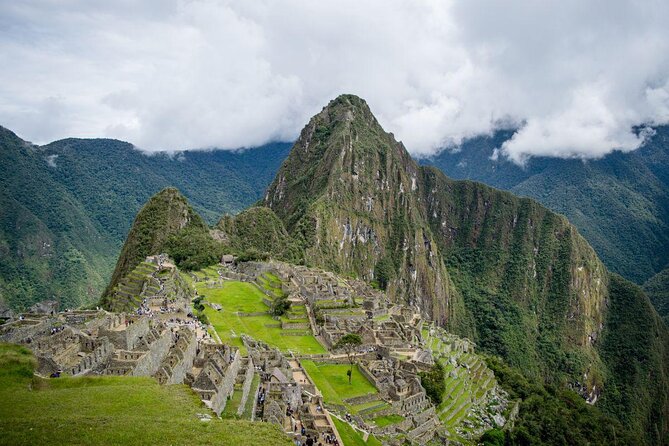
- Machu Picchu with a guided 2-hour walking tour, plus optional Huayna Picchu hike that you handle separately
- Camp comfort is built in, including mattresses, pillows, hot water for washing, and daily water for filling bottles
Other citadel visits, ticket types and start times
- From Cusco: Full-Day Group Tour of Machu Picchu
★ 4.7 · 1,767 reviews - Machu Picchu Day Trip from Cusco
★ 4.5 · 1,644 reviews - Machu Picchu: Full-Day Tour from Cusco with Optional Lunch
★ 4.6 · 927 reviews - Cusco: 4-Day Inca Trail to Machu Picchu with Accommodation
★ 4.8 · 432 reviews
Why Salkantay-to-Machu Picchu makes sense in 5 days
If you want Machu Picchu without flying past the best parts of the Andes, this route is the sweet spot. You get classic Salkantay scenery and altitude, then you finish with the UNESCO-listed highlight, with enough time to actually enjoy the transition instead of sprinting from one checkpoint to the next.
I like that this plan mixes effort and recovery. You get long scenic days where you earn views, but the itinerary also includes gentler stretches and a full night in Aguas Calientes, which helps your body adjust before Machu Picchu.
Also, the support is designed for people who want the experience but do not want to manage every detail alone. You bring your body and your attitude. The team handles the rest, from the tents to the water system.
The 4:30 am meeting and what a small-group trek changes
The start time is 4:30 am, so you will want an early night in Cusco. Expect a pickup and transport out to the trailhead area, then a smooth handoff to your guide and support staff once you reach the start of the trekking day.
The tour caps groups at 16 travelers. In practice, that matters because you are not stuck waiting in a giant line at the narrow, steep moments. It also keeps meals and camp routines from feeling chaotic, which becomes important after altitude days.
You will also get a pre-departure briefing at your hotel 1 or 2 days before you go. That is one of those boring-sounding items that pays off fast when you learn what to pack, how to pace yourself, and what the schedule will feel like.
Day 1: Humantay Lake views, the Mollepata breakfast, and getting geared up
Day 1 begins with a scenic drive, including a stop in Mollepata for breakfast. This is a nice reset day, because you are moving from Cusco into the trekking zone, but you are not yet doing the highest-pain sections.
When you reach Soraypampa (12,467 ft), the support team meets you and gets the equipment organized. You will see the team load gear onto horses, and you will also get a clear sense of how the trek logistics work, including your personal baggage allotment of up to 8 kg on a horse.
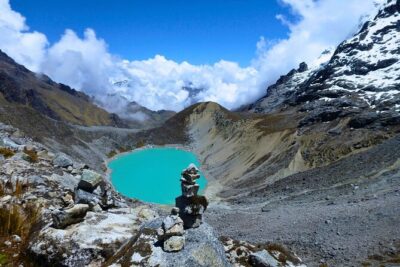
Then comes the first big highlight: a visit to Humantay Lake. It is listed as a 2-hour excursion, which gives you time to enjoy the views without turning the first day into a grind. This is also a great moment to watch your footing, find your rhythm, and start getting used to breath control at elevation.
How it can feel: Day 1 sets the tone. If you push too hard because you feel good, you can pay for it later. If you pace early, the trek tends to feel more like a long, rewarding experience and less like a constant recovery session.
Day 2: Salkantay Pass at 15,252 ft, then down to Colpapampa
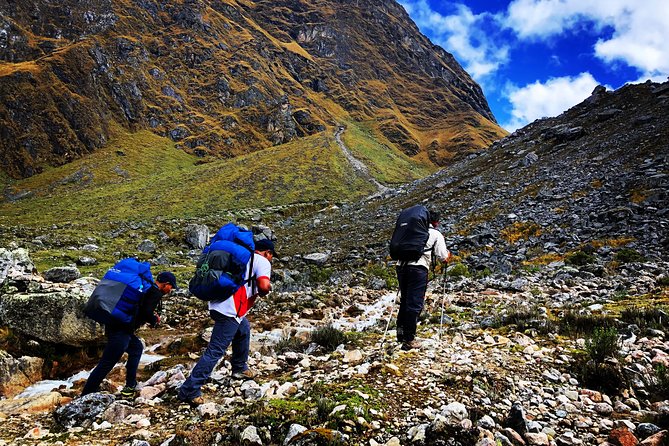
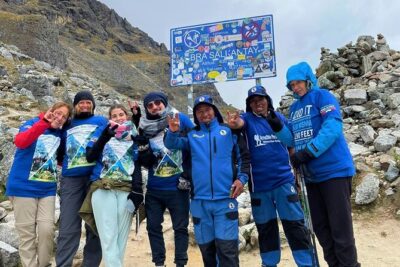
Day 2 is the signature challenge. You start after breakfast with an uphill hike of about 1 hour to Salkantay pass (15,252 ft), and that brief intensity is often what people remember most.
At the top, you make an offering to Salkantay and hear cultural context about why this spot matters. For me, this is one of the best parts of an Andes trek when it is handled thoughtfully. It turns a hard altitude moment into something meaningful, instead of just a viewpoint photo stop.
After that, you work your way downhill to Huayrac (12,464 ft) for lunch, then you continue downhill for about 4 hours to Colpapampa (10,170 ft). This combination matters: you get the altitude test, then you get the controlled descent, which helps your legs recover while you still move toward camp.
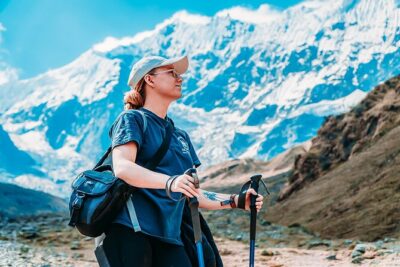
If you are prone to tight knees on descents, this is the day to be strategic. Keep steps short, use trekking poles if you have them, and let the guide’s pace do the work. The tour also recommends poles, and it offers rentals if you do not bring your own.
Salkantay by other operators and other night counts
Day 3: Gentle hiking through rain forest, Santa Teresa river, and a coffee tour
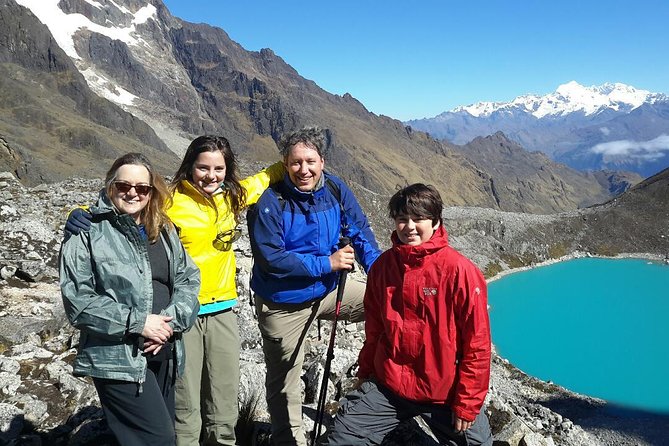
Day 3 is one of the more pleasant days, and the schedule reflects that. You hike about 6 hours with gentle up and down segments, moving along the route near the Santa Teresa river.
This is when you will likely notice the change in vegetation and sound. The trek can feel cooler and greener, and it often gives your body a chance to settle after Day 2’s altitude push.
You also get a standout nature moment: the route includes a beautiful waterfall along the path. It is not just a quick glimpse. You get enough time in the day to notice it, which is how you actually end up enjoying the river corridor instead of just passing it.
After reaching Lucmabamba around noon and doing lunch, you add the coffee experience. The itinerary includes a coffee plantation tour adjacent to the campsite. It is a smart pairing because you are not expecting a big hike later in the day, so you can enjoy the tasting or explanations at a relaxed pace.
Day 4: Llactapata ruins, your first Machu Picchu view, and trains to Aguas Calientes
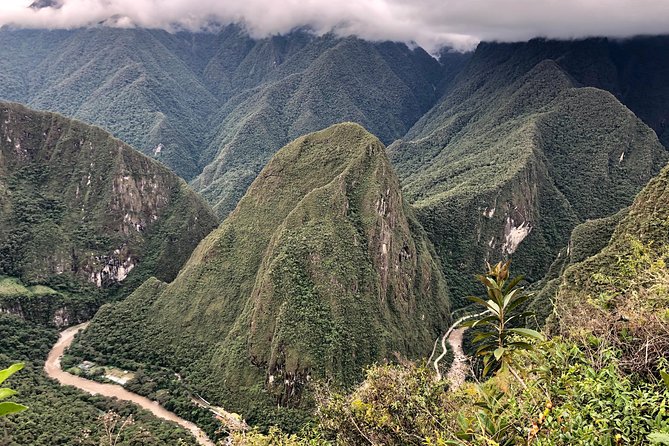
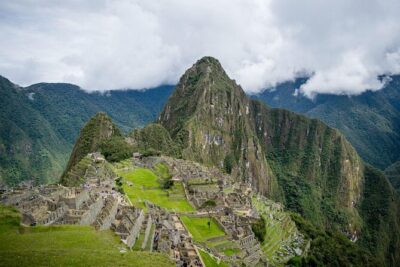
Day 4 starts early, with a hike described as a moderate 3.5-hour climb through the rain forest to Llactapata (8,856 ft). You also get a thorough tour of the ruins there, and the big payoff is your first view of Machu Picchu in the distance.
That first look changes how you experience the rest of the day. Instead of thinking only about getting to the final destination, you start noticing scale, timing, and the logic of where the site sits in the valley.
From Llactapata, you descend about 2.5 hours to Hydro, where you have lunch. Then, at around 3 pm, you board the train to Aguas Calientes.
When you arrive, you check into your hotel and dinner is at a restaurant. This is one of those days where the logistics are doing work for you. Rather than arranging transportation yourself, you get a planned handoff from walking to rail travel, which helps you stay present in the moment.
Day 5: Machu Picchu bus, a 2-hour guided walk, and train back to Cusco
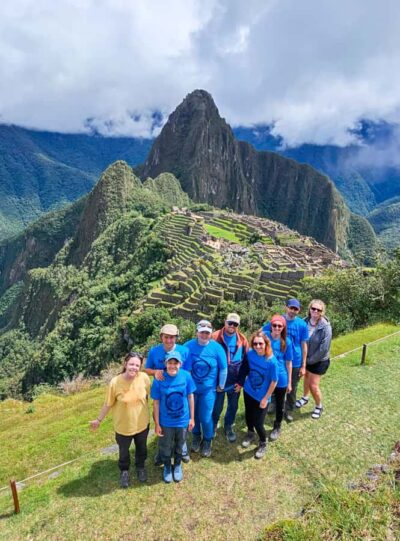
Machu Picchu day starts with breakfast at your hotel, then a bus ride up to the site. Once you arrive, you get a 2-hour walking tour of Machu Picchu.
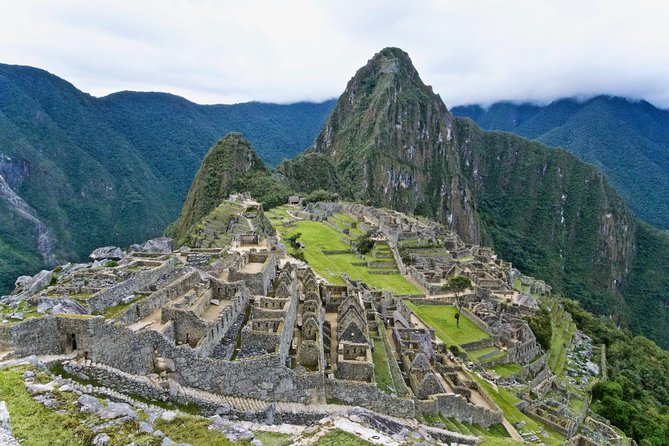
That guided time matters. Machu Picchu is built for seeing patterns and purposeful geometry, but without context it can turn into a blur of stone. With a guide, you start understanding why certain viewpoints exist and how different areas function.
You may also choose to climb Huayna Picchu, but it is listed as not included in the package. If you pick it, the hike begins at 10 am. If you do not, you still have time in Machu Picchu before you return to Aguas Calientes.
Then you train back toward Cusco, either to Ollantaytambo or Poroy, and finish with a private van to Cusco. One more detail to plan around: the tour does not include Day 5 lunch in Aguas Calientes, so budget a meal there.
Price and logistics: where your $690 fits best
At $690 per person, you are paying for far more than a hike badge. The tour includes:
- bilingual English-speaking guide and support
- pickup and transport to the trailhead area on Day 1
- trekking camp setup with tents, mattresses and pillows, dining and kitchen tents
- chef and assistant chef, with meals provided across the trek
- wranglers and horses to carry most equipment, plus an emergency horse option
- emergency oxygen bottle and a medical kit
- train from Aguas Calientes, plus private van transport back to Cusco
- lodging in Aguas Calientes on night 4 (double occupancy)
- coffee plantation tour
What is not included is also clear. You will need to cover the round-trip bus ticket to Machu Picchu, tips for the crew, and you should plan for your sleeping bag and Day 5 lunch. Hiking poles are recommended and can be rented from the operator.
To me, the best value angle here is camp comfort plus logistics. You are not doing “rough it” camping where you spend the day worrying about your sleeping setup. Instead, you can focus on hiking and getting to Machu Picchu with your energy intact.
Camp comfort and food that keep altitude from stealing the show
This trek is not just about peaks. It is about how you recover at camp so you can do the next day.
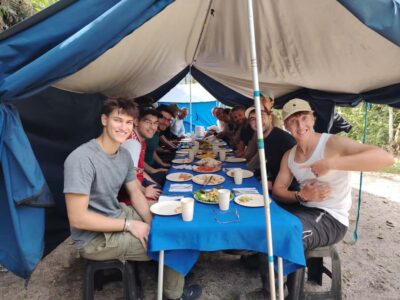
Your setup includes mattress and pillow in the tent, plus a dining tent with tables and chairs. There is also a toilet tent with a portable toilet, and hot water for washing. That hot water detail sounds small until Day 2 or Day 3, when you will be grateful your body has a way to reset before sleep.
Water access is also handled. You get daily boiled and cold water to fill your bottles. That matters because hydration at altitude is not optional, and it is easier to stick to a routine when you are not constantly tracking down water sources.
Meals are a big part of the experience too. The plan provides breakfasts, lunches, and dinners across the trek, and the chef and assistant chef run the kitchen. In the field, you will likely recognize a pattern: meals are structured, often served as multiple courses, and designed to keep you fueled for long hiking days.
Guides, culture moments, and the difference between a trip and an experience
The quality of the guide is what can turn a strenuous hike into something memorable and easy to follow. Here, guides include bilingual English-speaking leadership. In past trips connected to this route, names like Christian and Eddie show up repeatedly, often credited for history explanations and attentive care.
You also get culture moments built into the route. The Salkantay pass includes an offering and discussion about Inca culture and why the site is venerated. On Day 4 at Llactapata, you get a guided tour of the ruins, plus that first sighting of Machu Picchu far below.
That mix is important. You are not only hiking scenery. You are learning how people understood this terrain and how the Inca system used mountain geography.
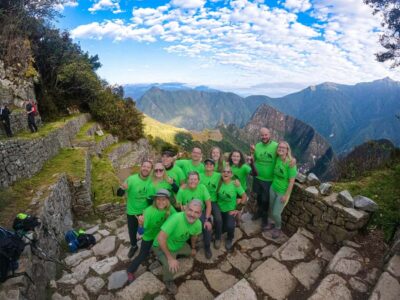
And yes, you still get to have fun with the group. With a max group size of 16, the vibe tends to be social without turning into a party. It is more like hiking buddies with a chef behind the curtain.
Altitude, fitness, and gear: what you should do before you go
This trek includes high altitude, including Soraypampa at 12,467 ft and the pass at 15,252 ft. The tour notes that you should have moderate physical fitness. It also makes clear that the first couple days can be harder due to altitude.
Here is how to set yourself up to succeed:
- Pack a warm fleece jacket, warm underwear, gloves, and a rain jacket, because nights and weather can shift fast.
- Bring a head lamp, sunglasses, and sunscreen SPF 35+.
- Use a sleeping bag if you rent one from the tour, or bring your own. The trek does not include one by default.
- Consider trekking poles for steep descents. They are recommended and available for rent.
- Bring insect repellent and basic toiletries like wet wipes and toilet paper.
One more practical tip: if you bring binoculars, you will likely use them on mountain and ruin viewpoints. And remember that batteries drain faster at altitude, so keep spares warm.
Also, start slower than you think you need to. Your breath is the metronome for altitude. Use the guide’s pace and take short stops when offered. It is the easiest way to avoid the classic mistake of feeling strong at the start and empty by afternoon.
Who this trek fits best, and who should consider another route
This is a great fit if you want:
- a supported small-group trek with camp comfort
- a guided Machu Picchu visit that is not just a rush through the main terraces
- a mix of rainforest, river paths, and high pass scenery
- the convenience of trains and private van transport handled for you
It may not be the best fit if you want total freedom to change routes day-by-day. This itinerary runs on a schedule, and the support structure is designed for that flow.
It also helps to be comfortable hiking several hours a day. Day 2 and Day 4 include harder segments, and Day 5 is a big finale with early starts and a guided walk at Machu Picchu.
If you are traveling with kids or older adults, you might find it challenging unless everyone is prepared for elevation and long hiking days. The trek does not list any accessibility adjustments, so you should think carefully about your group’s stamina.
Should you book this Salkantay trek?
I think this is a strong choice if you care about value and comfort at the same time. The equipment list is unusually practical for a trekking package, and the itinerary builds in time to enjoy the lead-up to Machu Picchu instead of rushing it.
Book it if you want: support, clear planning, camp comfort, and a guided Machu Picchu day. This is the kind of trek that makes the hard parts feel organized, and the payoff feels earned.
Skip it, or look closer, if you dislike early starts or you are not ready to handle long hikes with altitude. In that case, you might still dream about Machu Picchu, but you might prefer a lower-demand route.
FAQ
What time does the trek start?
The meeting time is 4:30 am, with pickup from your hotel and transport toward the trailhead area on Day 1.
Is pickup from my hotel included?
Yes. The tour includes pickup from your hotel and transportation to Soraypampa on Day 1.
Is a sleeping bag included?
No. A sleeping bag is not included, but you can rent one from the tour operator.
Do I need my own hiking poles?
Hiking poles are recommended. They are not included, but you can rent them from the operator.
How does Machu Picchu entry work?
You get a 2-hour walking tour of Machu Picchu. The package does not include the round-trip bus ticket to Machu Picchu.
Is Huayna Picchu included?
Huayna Picchu is not included in the package. If you choose it, the hike begins at 10 am.
What is included in the camp setup?
The trek includes tents for two people, plus mattresses and pillows, a kitchen tent, a dining tent with tables and chairs, and a toilet tent with a portable toilet. It also includes hot water for washing and daily boiled and cold water for bottle refills.
More Tour Reviews in Cusco
- Cusco: Humantay Lake Tour with Breakfast and Buffet Lunch
★ 4.9 · 2,976 reviews - From Cusco: Moray, Maras Salt Mines & Chinchero Weavers Tour
★ 4.8 · 1,925 reviews - From Cusco: Full-Day Group Tour of Machu Picchu
★ 4.7 · 1,767 reviews - Machu Picchu Day Trip from Cusco
★ 4.5 · 1,644 reviews - Cusco: Half-Day City Tour with Sacsayhuaman and Q’enco
★ 4.6 · 1,129 reviews
Salkantay, Other Itineraries
- Salkantay Trek Challenge – 3 Days / 2 Nights
★ 5.0 · 101 reviews - Small Group 5 Days Salkantay and Machu Picchu by Llactapata Tour
★ 5.0 · 88 reviews - Machu Picchu: 5-Day Salkantay Trek with Panoramic Train
★ 5.0 · 79 reviews - Salkantay Trek 4 Days to Machu Picchu by Glamping Sky Lodge Dome
★ 5.0 · 68 reviews - Salkantay Trek to Machu Picchu in 4 days
★ 4.5 · 50 reviews
Reaching the Citadel, Other Options
- From Cusco: Full-Day Group Tour of Machu Picchu
★ 4.7 · 1,767 reviews - Machu Picchu Day Trip from Cusco
★ 4.5 · 1,644 reviews - Machu Picchu: Full-Day Tour from Cusco with Optional Lunch
★ 4.6 · 927 reviews - Cusco: 4-Day Inca Trail to Machu Picchu with Accommodation
★ 4.8 · 432 reviews - From Cusco: 2-Day Trip to the Sacred Valley and Machu Picchu
★ 4.6 · 265 reviews
Freshly reviewed across Cusco
- Excursion Cusco – Puno – Titicaca Observatory Train★ 5.0 · 3 reviews
- Sacred Valley Vip Cusco★ 4.7 · 3 reviews
- Cusco | Humantay Lake 1-Day Tour with Breakfast and Lunch★ 5.0 · 3 reviews
- Full-Day Condor Viewpoint & Inca Sites Tour★ 5.0 · 3 reviews
- Best of Cusco: Private Walking Tour with a Local★ 3.6 · 3 reviews
- From Cusco: Full-Day Private Sacred Valley Tour★ 5.0 · 3 reviews
Machu Picchu Tours side by side.
 ★ 4.7From Cusco: Full-Day Group Tour of Machu PicchuFrom $3211,767 reviews
 ★ 4.5Machu Picchu Day Trip from CuscoFrom $3361,644 reviews
 ★ 4.6Machu Picchu: Full-Day Tour from Cusco with Optional LunchFrom $283927 reviews
 ★ 4.8Cusco: 4-Day Inca Trail to Machu Picchu with AccommodationFrom $470432 reviews
 ★ 4.6From Cusco: 2-Day Trip to the Sacred Valley and Machu PicchuFrom $370265 reviews
 ★ 4.9Cusco: Machu Picchu 2-Day Inca Trail with Panoramic TrainFrom $582260 reviews
 ★ 4.2From Cusco: 2-Day Inca Trail to Machu PicchuFrom $290244 reviews
 ★ 4.9Machu Picchu: Inca Trail 2-Day Overnight Guided TourFrom $585203 reviews
Also on these Peru lists