
REVIEW · MACHU PICCHU
Salkantay Trek to Machu Picchu 5D/4N or 4D/3N by glamping
Machu Picchu feels closer when you trek first. This 5-day Salkantay route trades the usual crowd energy for high-altitude scenery and camp-style nights that feel real, not staged. I like the glamping setup (glass-roof cabin, sky huts, jungle domes) because you get comfort without losing the adventure. I also love the food system, with a professional chef cooking fresh meals every day, plus afternoon tea snacks that keep morale up. One caution: you are walking at serious altitude, including a high pass, and the itinerary is not a stroll.
If you want a more remote way to reach Machu Picchu, this is a strong choice, especially with a small group capped at 15. Still, pacing can matter. When a group mixes very different ages and speeds, you may spend extra time waiting to regroup, and a couple of segments can feel less fun than the big-view parts.
In This Review
- Key things you will remember
- Salkantay to Machu Picchu is the quieter, tougher line
- Glamping nights along the way: comfort that still feels outdoorsy
- The day-before briefing and packing rules that matter
- Day 1: Cusco to Soraypampa, Humantay Lake, and a glass-roof sunset
- Day 2: Salkantay Pass at 4630 m, the Trail of the 7 Snakes, and Collpapampa
- Day 3: Santa Teresa Valley, Cocalmayo hot springs, coffee tour, and dome night
- Day 4: Llactapata ruins via an Inca Trail section, then Hidroelectrica to Aguas Calientes
- Day 5: Early guided Machu Picchu circuit 2B, plus hike options
- Food on the trek: why the meals are a big deal here
- Coffee tour, hot springs, and zipline: the variety keeps the trek from feeling repetitive
- Price and value: $35 looks tempting, but read the extra fees
- Who this trek suits best, and where it may not
- What to bring for cold mornings, altitude, and camp comfort
- Guides, organization, and the human touch in the details
- Should you book this Salkantay glamping trek?
Key things you will remember
- Humantay Lake at 4200 m, plus a sunset dinner moment that is calm in a way big tours rarely are
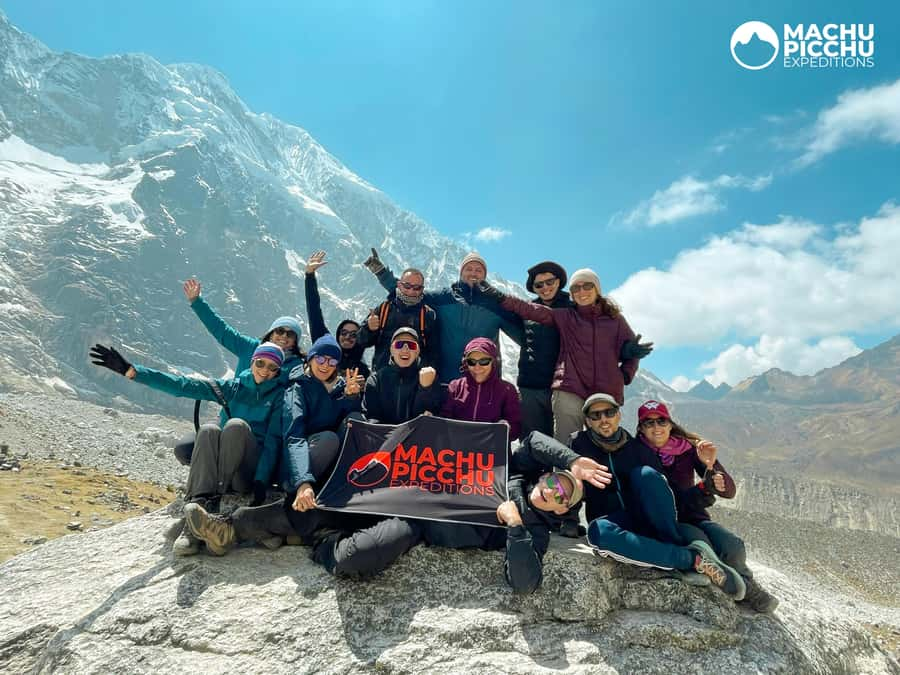
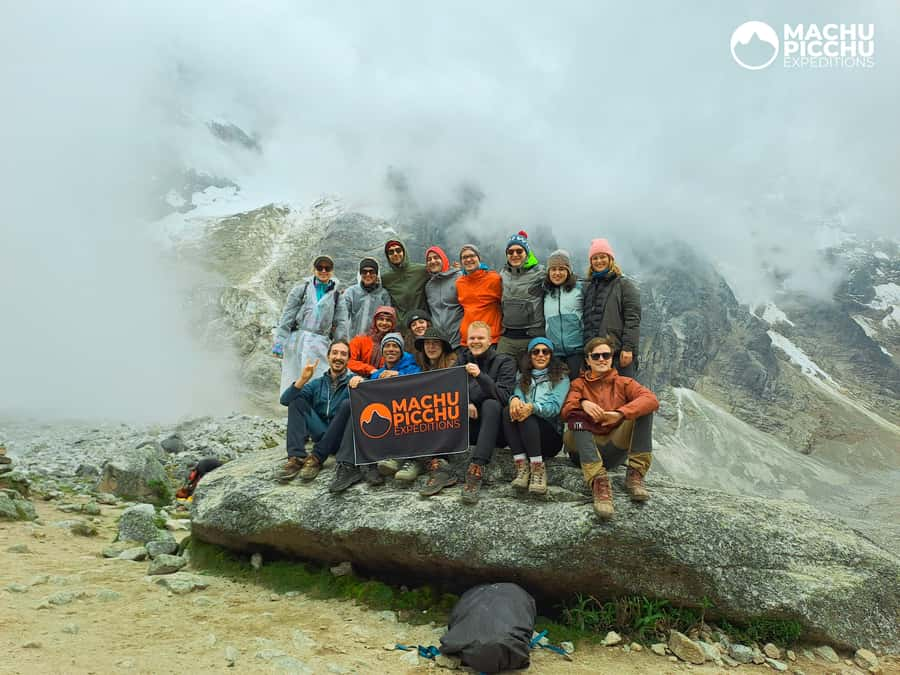
- Salkantay Pass topping out around 4630 m, with early coca tea and views of Salkantay Mountain
- Cocalmayo hot springs and coffee tour on day 3, with an optional zipline for the brave
- Llactapata ruins reached via a section of the Inca Trail, with Machu Picchu views as a payoff
- Fresh chef-made meals and afternoon tea snacks (popcorn, cookies, chocolate, coffee) included
- Early guided Machu Picchu visit on Circuit 2B, then free time to hike if your legs still work
Other citadel visits, ticket types and start times
- From Cusco: Full-Day Group Tour of Machu Picchu
★ 4.7 · 1,767 reviews - Machu Picchu Day Trip from Cusco
★ 4.5 · 1,644 reviews - Machu Picchu: Full-Day Tour from Cusco with Optional Lunch
★ 4.6 · 927 reviews - Cusco: 4-Day Inca Trail to Machu Picchu with Accommodation
★ 4.8 · 432 reviews
Salkantay to Machu Picchu is the quieter, tougher line
The big idea here is simple. You trade the classic Inca Trail crowds for a more remote, rugged route that tends to feel quieter and more personal. The payoff is timing and atmosphere. You see dramatic places like Humantay and the Salkantay Pass area without constantly bumping into tour flow.
This trek also gives you a mix of ecosystems. You climb high, then you transition toward warmer zones as you descend. That rhythm matters, because it changes what you feel each day, not just what you see.
Glamping nights along the way: comfort that still feels outdoorsy
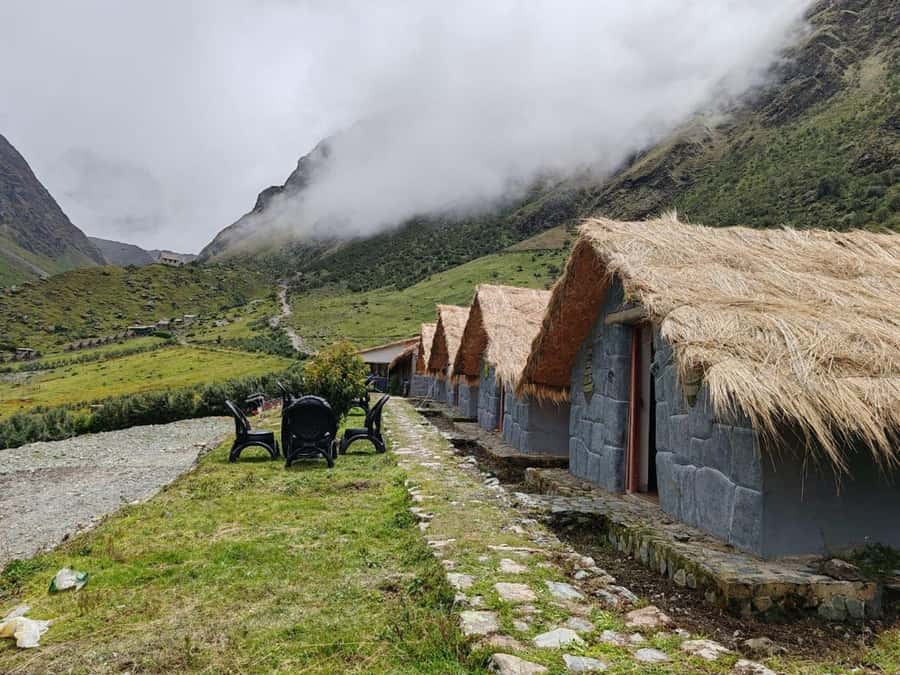
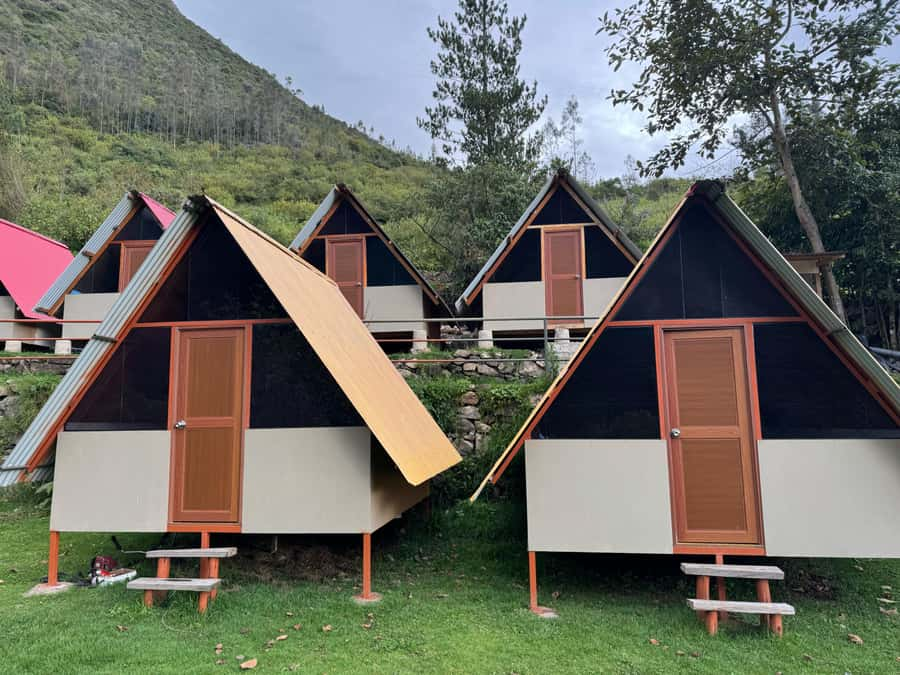
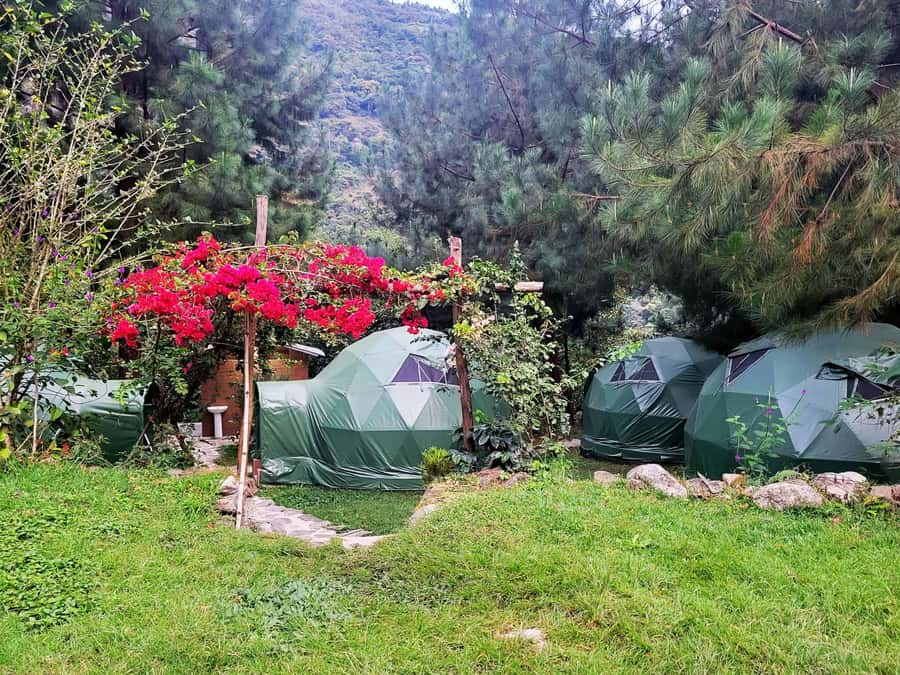
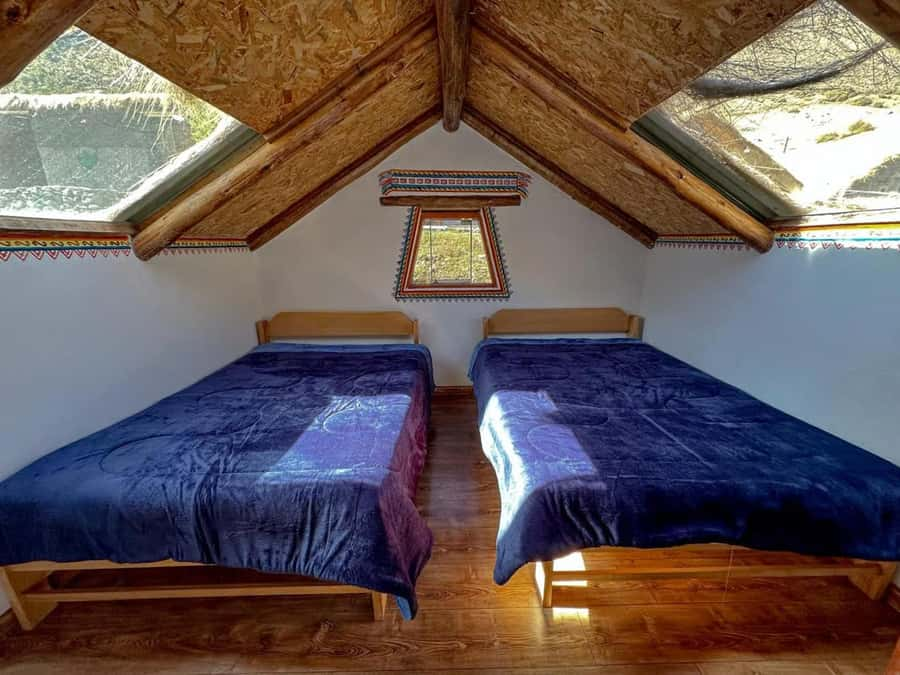
You do not sleep in a grim “bring a sleeping bag and suffer” style. Your nights include 3 nights in different camp setups: a cabin with a glass roof on day 1, sky huts on day 2, and jungle domes on day 3. You also get a personal pad and pillow, so you can skip some of the most annoying packing.
A practical detail that helps: there is free electricity in all camps to charge devices. That means you can keep your phone alive for photos, maps, and the guide instructions without gambling on battery life.
On the flipside, comfort has limits because this is still a trek. You should expect cool evenings, and you should plan for warm layers, not just a light jacket.
The day-before briefing and packing rules that matter
You get a pre-trek briefing at 6 pm on the day before departure at the operator office. It is not just small talk. It helps you understand how the trek works, what to prioritize, and how your gear will move.
Here is the key packing rule: you use a duffle bag for belongings, limited to 6 kilos that are carried by horses. That one detail changes your whole strategy. Bring what you need for the day, keep valuables and essentials handy, and do not bring your whole closet unless you want to hate your bag weight by day 2.
Day 1: Cusco to Soraypampa, Humantay Lake, and a glass-roof sunset
Day 1 starts early. You get picked up from your Cusco hotel in the historic center at 4 a.m., then you head toward the trail with a short rest built into the transport. You stop in Mollepata for breakfast, which is a smart move because altitude days punish an empty tank.
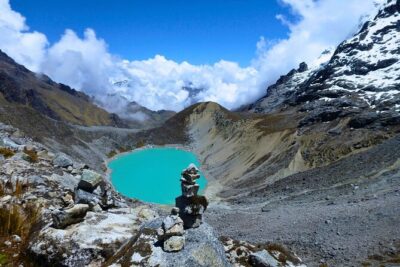
You begin hiking from Challacancha to Soraypampa, then you settle into your private camp. After lunch and some rest, you climb to Humantay Lake at about 4200 m. This is usually the moment people realize the trek is not just about Machu Picchu. It is also about the quiet shock of high-mountain views.
Back at camp, dinner comes with a sunset vibe. After a long travel and first hike day, that dinner routine helps you reset fast before you tackle the real altitude challenge the next morning.
Salkantay by other operators and other night counts
Day 2: Salkantay Pass at 4630 m, the Trail of the 7 Snakes, and Collpapampa
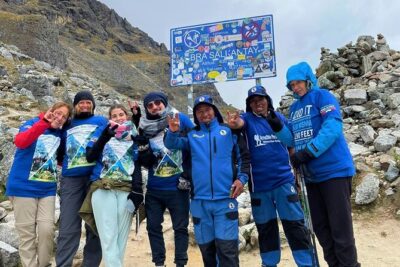
This is the demanding day. You wake up with coca tea, then you start climbing toward Salkantay Pass (4630 m). The route includes the Trail of the 7 Snakes section, and the name fits the experience. It feels steep, slow, and focused.
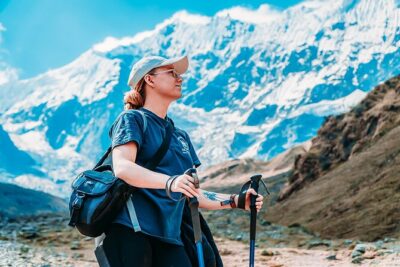
At the top, you get stunning views of Salkantay Mountain (around 6271 m). Even if you are moving carefully, this is where you’ll remember why you chose the Salkantay route. It is big, cold-air big, and your body will feel it.
After reaching Collpapampa (about 2950 m), you spend the night at camp. You get dinner and a restful setup in the Sky Huts. Practical tip: take the moment seriously. Sleep helps you handle day 3’s transitions.
Day 3: Santa Teresa Valley, Cocalmayo hot springs, coffee tour, and dome night
Day 3 begins at 6 a.m. with tea and breakfast. Then you hike from camp toward La Playa, passing through the Santa Teresa Valley area. This is the day where your legs start to feel less like they are climbing a wall, and more like you’re moving through changing terrain.
After lunch at camp, you get choices. You can visit Cocalmayo hot springs for a relaxing soak. The hot springs themselves are not fully included, because entrance and transport are extra, but the option is there, and it is a classic reward day activity.
You also have a coffee tour experience on this day. That matters because it connects the trek to the region’s everyday life, not just the scenic highlights.
Then comes another choice point: an optional zipline or simply unwind at camp. At night, you sleep in the Jungle Domes, and you will probably fall asleep faster than you expect, thanks to a full day’s movement plus cooler evening air.
Day 4: Llactapata ruins via an Inca Trail section, then Hidroelectrica to Aguas Calientes
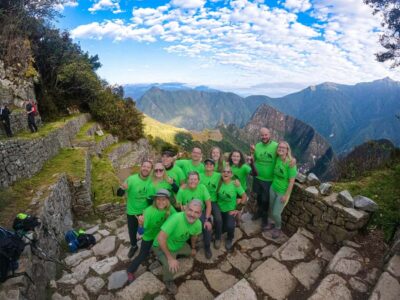
Day 4 is where your journey shifts from trek to “getting ready for Machu Picchu.” After breakfast, you start the final trekking day, which includes a section of the original Inca Trail.
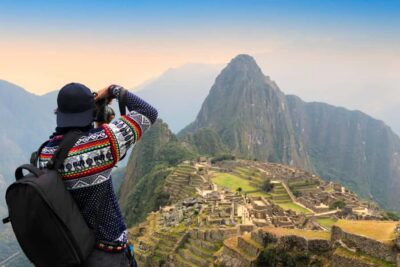
You climb for about 2 hours to reach Llactapata (around 2700 m), an archaeological site with views toward Machu Picchu. The value here is timing. By the time you reach Llactapata, Machu Picchu is no longer a distant concept. You can actually see it in the distance, and it makes the last push feel purposeful.
You then descend for about 2 hours, with glimpses of the citadel before lunch in Hidroelectrica. From there, you arrive in Aguas Calientes, check into a 3-star hotel, and eat dinner at about 7:00 p.m.
A caution that can affect your vibe: in Aguas Calientes, the hotel experience can be noisy, and hot water has not always been reliable. If you are sensitive to sleep, pack earplugs or plan for a lighter sleep night.
Day 5: Early guided Machu Picchu circuit 2B, plus hike options
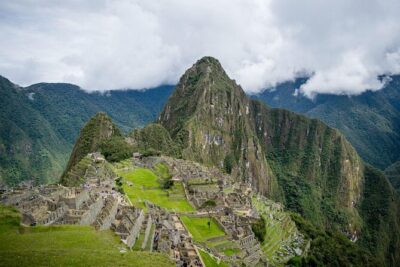
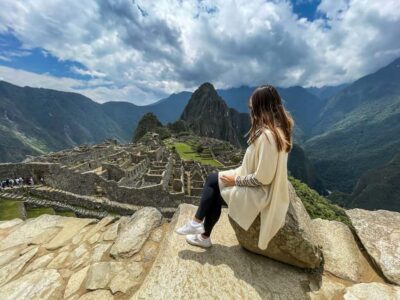
Machu Picchu day starts with the guided part. You get about 1.5 hours with a guide, and it is scheduled around an early morning slot using Circuit 2B. This matters because it changes the feel of the site. Early access usually means a calmer start and better time to explore before your energy runs out.
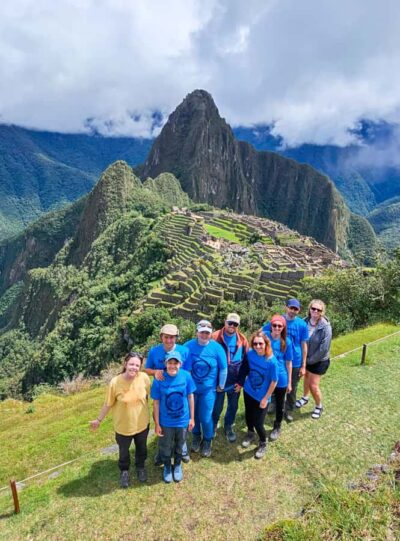
Then you get free time. If your body still has fuel, you can hike Huayna Picchu (about 2720 m) or Machu Picchu Mountain (about 3000 m). You can also visit Sun Gate or Inca Bridge. Even if you skip the big hike options, just wandering the main areas with time can feel very different from a rushing-style tour.
My practical advice: if you have the stamina, choose one major add-on, not two. The route is steep in places, and you are still recovering from days at altitude.
Food on the trek: why the meals are a big deal here
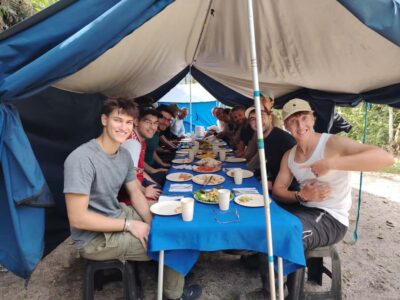
This trip puts real effort into food, and it shows. You get 5 breakfasts, 4 lunches, and 4 dinners plus 3 snack moments and daily afternoon tea breaks. That is not just nutrition. It is pacing and comfort.
You also get a professional chef with cooking equipment, meaning meals are prepared fresh as part of the trek rhythm. People often remember two things after a trek: the views, and whether they felt cared for at meals. Here, the meals are a core strength.
Vegetarian and vegan options are available on request with no additional charge. That is a rare kind of promise in active travel, so if you eat a special way, this is worth leaning into.
Coffee tour, hot springs, and zipline: the variety keeps the trek from feeling repetitive
One reason this itinerary works for many people is that it interrupts walking with other experiences. On day 3, you mix mountain travel with a coffee tour and optional Cocalmayo hot springs time. Then you can add a zipline if you want the adrenaline.
You should read the extras in a clear way. Hot springs entrance and transport are not included, and zipline costs extra. But the fact these options exist is useful. It gives you flexibility if you feel strong that day, or if you want a slower pace.
Price and value: $35 looks tempting, but read the extra fees
The headline price listed here is $35 per person, which sounds like an unbelievable bargain for a multi-day trek with guides, chef cooking, camps, and a Machu Picchu guided visit. The catch is also clear: major entrance fees are extra.
Machu Picchu entrance is not included. The ticket for the relevant Circuit 2B early slot is around $45 and depends on official availability through the Peruvian government site. Humantay Lake entrance is extra (PEN 20). Hot springs entrance and transport are also extra (entrance around PEN 10, transport around PEN 40). If you add the zipline, that is listed as $28.
So how do you judge the value? Think of it like this.
- You are paying for logistics, expert guidance, and camp support.
- You are also paying for time and safety systems, including emergency gear like first-aid equipment, walkie-talkies, and an oxygen bottle.
If you budget the entrance fees in advance, this tour can still feel like strong value, especially for what you get at camps and with the chef-led meals.
Optional transport from Hidroelectrica back to Cusco is also extra. You can take a bus from there to Cusco for about $12. A train option from Machu Picchu town to Ollantaytambo costs about $90 more, then a bus to Cusco.
Who this trek suits best, and where it may not
This is not a beginner-friendly “pretty walk” by any means. You are moving at altitude, and the itinerary includes a steep pass day and early starts. It is best for people who can hike consistently and handle altitude.
It may also be tricky if you have health concerns. The trip is listed as not suitable for pregnant women, people with back problems, mobility impairments, wheelchair users, heart problems, people with respiratory issues, epilepsy, children under 18, and people over 70.
Group size is small, limited to 15 participants, which helps with organization and guide attention. Still, pace differences are real. If your group has mixed ages and hiking speed, you may have more waiting to regroup than you would on a more evenly paced tour. Plan your mindset for that.
What to bring for cold mornings, altitude, and camp comfort
Your packing list is practical, and you should follow it. Bring warm clothing and gloves because high points mean colder air. Sunglasses, a hat, and sunscreen are essential. Include biodegradable sunscreen and biodegradable insect repellent.
You also need real hiking shoes, long-sleeved shirts, and hiking pants. A daypack helps you keep your essentials accessible during climbs.
Other items that save you on trek days:
- Swimwear and a towel, because you may want a hot springs soak
- A reusable water bottle
- A flashlight
- Cash for entrance fees and add-ons
- A charged smartphone and power bank
You are also offered optional rentals. Walking sticks cost $10 for the whole trek, and a sleeping bag rental is also $10 for the whole trek. The fact these rentals exist is helpful if you travel light.
Guides, organization, and the human touch in the details
A good guide changes how you suffer and how you enjoy. This trip includes an English/Spanish speaking professional guide, and emergency systems are built in with first-aid equipment, walkie-talkies, and an oxygen bottle.
From the names you might meet, guides like Ruben, Roger, Reynaldo, and Tupac have been called out for being friendly and helpful. That matters because on a trek, the calm explanations and steady support can prevent small issues from becoming big problems.
Also, the itinerary includes free electricity in camps and a “skip the ticket line” approach for Machu Picchu. That saves time on one of the days you want to protect most.
Should you book this Salkantay glamping trek?
If you want a less crowded route to Machu Picchu, enjoy high-altitude trekking, and care about camp comfort plus real food, this is a strong yes. The combo of Humantay Lake, the Salkantay Pass, and Llactapata gives you multiple major “wow” moments before you even reach the main site.
I would book it if you:
- Can hike several hours on steep days
- Want glamping-style nights without turning the trip into survival mode
- Want a guided Machu Picchu visit early in the morning
- Like the idea of chef-made meals and afternoon tea snacks keeping your mood steady
I would hesitate if you:
- Are worried about altitude or have health limitations listed as not suitable
- Expect a super-fast, never-waiting schedule
- Sleep very lightly, since Aguas Calientes lodging can be noisy and warm water may be inconsistent
If you do book, plan your budget for the missing entrance fees and add-ons, and pack for cold mornings. With that setup, this trek feels like a smart alternative to the classic route, and the Machu Picchu day will hit harder because you earned it the hard way.
More Tour Reviews in Cusco
- Cusco: Humantay Lake Tour with Breakfast and Buffet Lunch
★ 4.9 · 2,976 reviews - From Cusco: Moray, Maras Salt Mines & Chinchero Weavers Tour
★ 4.8 · 1,925 reviews - From Cusco: Full-Day Group Tour of Machu Picchu
★ 4.7 · 1,767 reviews - Machu Picchu Day Trip from Cusco
★ 4.5 · 1,644 reviews - Cusco: Half-Day City Tour with Sacsayhuaman and Q’enco
★ 4.6 · 1,129 reviews
Salkantay, Other Itineraries
- Salkantay Trek Challenge – 3 Days / 2 Nights
★ 5.0 · 101 reviews - Small Group 5 Days Salkantay and Machu Picchu by Llactapata Tour
★ 5.0 · 88 reviews - Machu Picchu: 5-Day Salkantay Trek with Panoramic Train
★ 5.0 · 79 reviews - Salkantay Trek 4 Days to Machu Picchu by Glamping Sky Lodge Dome
★ 5.0 · 68 reviews - Salkantay Trek to Machu Picchu in 4 days
★ 4.5 · 50 reviews
Reaching the Citadel, Other Options
- From Cusco: Full-Day Group Tour of Machu Picchu
★ 4.7 · 1,767 reviews - Machu Picchu Day Trip from Cusco
★ 4.5 · 1,644 reviews - Machu Picchu: Full-Day Tour from Cusco with Optional Lunch
★ 4.6 · 927 reviews - Cusco: 4-Day Inca Trail to Machu Picchu with Accommodation
★ 4.8 · 432 reviews - From Cusco: 2-Day Trip to the Sacred Valley and Machu Picchu
★ 4.6 · 265 reviews
Freshly reviewed across Cusco
- Excursion Cusco – Puno – Titicaca Observatory Train★ 5.0 · 3 reviews
- Sacred Valley Vip Cusco★ 4.7 · 3 reviews
- Cusco | Humantay Lake 1-Day Tour with Breakfast and Lunch★ 5.0 · 3 reviews
- Full-Day Condor Viewpoint & Inca Sites Tour★ 5.0 · 3 reviews
- Best of Cusco: Private Walking Tour with a Local★ 3.6 · 3 reviews
- From Cusco: Full-Day Private Sacred Valley Tour★ 5.0 · 3 reviews
Machu Picchu Tours side by side.
 ★ 4.7From Cusco: Full-Day Group Tour of Machu PicchuFrom $3211,767 reviews
 ★ 4.5Machu Picchu Day Trip from CuscoFrom $3361,644 reviews
 ★ 4.6Machu Picchu: Full-Day Tour from Cusco with Optional LunchFrom $283927 reviews
 ★ 4.8Cusco: 4-Day Inca Trail to Machu Picchu with AccommodationFrom $470432 reviews
 ★ 4.6From Cusco: 2-Day Trip to the Sacred Valley and Machu PicchuFrom $370265 reviews
 ★ 4.9Cusco: Machu Picchu 2-Day Inca Trail with Panoramic TrainFrom $582260 reviews
 ★ 4.2From Cusco: 2-Day Inca Trail to Machu PicchuFrom $290244 reviews
 ★ 4.9Machu Picchu: Inca Trail 2-Day Overnight Guided TourFrom $585203 reviews
Also on these Peru lists