
REVIEW · MACHU PICCHU
Small Group: 4-Day Inca Trail Trek to Machu Picchu
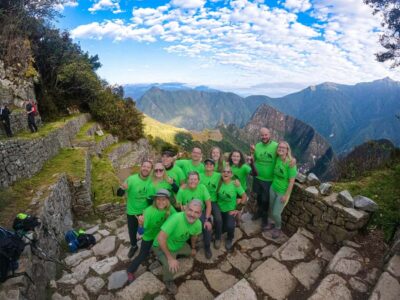
At 5 am, the Andes start talking. This 4-day Inca Trail trek from Cusco follows the official route to Machu Picchu, and it does it with a small-group setup plus the permits and camp support that let you focus on hiking.
I love that the crew runs the heavy stuff. You get a chef, porters for camp cooking and equipment, and even a personal porter who carries up to 5 kg of your gear, so you can keep your pack realistic. I also like the rhythm of the itinerary, hiking long but not chaotic days, then sleeping in set camps like Wayllabamba, Pacaymayo, and Wiñayhuayna.
The trade-off is effort and altitude. You’ll tackle major passes like Abra de Warmihuañusca (Dead Woman’s Pass) at 4,215 m, hike 5 to 9 hours on travel days, and deal with weather swings that can include rain and cold. If you have back problems or heart disease, the operator says this trek is not recommended, and you’ll want a warm sleep setup since the sleeping bag is not included.
In This Review
- Key things I’d zoom in on before you book
- Cusco to Km 82: the part you should not waste energy on
- Day 1 Wilka Rakay to Wayllabamba: a strong start with Patallacta views
- Day 2 Tres Piedras and Dead Woman’s Pass: where the hike becomes the point
- Day 3 Runkurakay, Sayacmarca, cloud forest, and the road toward Wiñayhuayna
- Day 4 Sun Gate and Machu Picchu: the first view, then the rest of the citadel
- Camping setup that makes Day 1 feel survivable
- Food on the trail: when a chef is more important than you think
- Guide and Chasquis: the storytelling part that makes it feel alive
- Permits, the 500-person limit, and why timing affects your comfort
- Price and logistics: is $850 good value here?
- What to bring so you don’t suffer extra
- Who this Inca Trail trek fits best
- Should you book Inkayni Peru Tours for the Inca Trail?
Key things I’d zoom in on before you book
- Small group on a regulated trail: you’re capped at 10 travelers, while the overall Inca Trail limit is 500 people each morning including staff
- Big passes, clear pacing: the itinerary builds toward Dead Woman’s Pass (Abra de Warmihuañusca) and then finishes with Sun Gate
- Support that reduces the backpack problem: chef, porters, and a personal porter for 5 kg
- Camping comfort upgrades: inflatable sleeping mattress, hot water each morning, and an oxygen bottle
- Machu Picchu timing with options: Sun Gate first look, then an optional in-citadel tour and optional Huayna Picchu or Machu Picchu Mountain
Other citadel visits, ticket types and start times
- From Cusco: Full-Day Group Tour of Machu Picchu
★ 4.7 · 1,767 reviews - Machu Picchu Day Trip from Cusco
★ 4.5 · 1,644 reviews - Machu Picchu: Full-Day Tour from Cusco with Optional Lunch
★ 4.6 · 927 reviews - Cusco: 4-Day Inca Trail to Machu Picchu with Accommodation
★ 4.8 · 432 reviews
Cusco to Km 82: the part you should not waste energy on
The smart move here is that you start with pickup from your hotel in central Cusco and a private bus ride into the Sacred Valley. After about a 2.5-hour scenic drive (passing through places like Chinchero, Urubamba, and Ollantaytambo), you reach Km 82, the official trail starting point.
That early logistics piece matters more than people think. When you’re about to hike from altitude and you have gear and timing to manage, a smooth transfer helps you start calm instead of stressed.
The day also sets the tone: you’re not just walking, you’re traveling with the trail system in mind, moving from town life toward Inca road and ruin.
Day 1 Wilka Rakay to Wayllabamba: a strong start with Patallacta views
Day 1 kicks off with hiking after the transfer, and it begins with a climb to Wilka Rakay. You get views of Patallacta and the Kusichaca Valley, which is a great way to understand what you’re moving through.
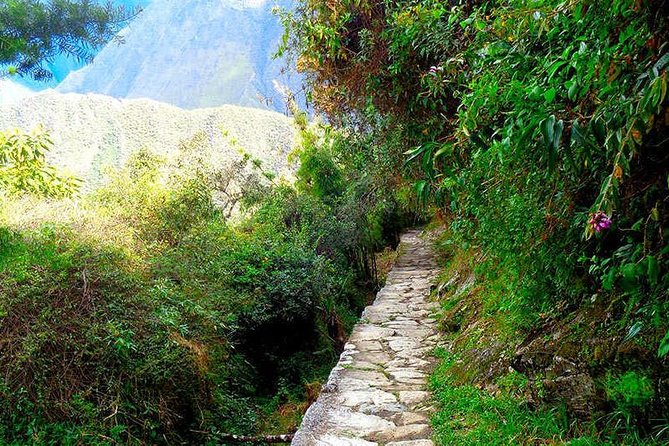
From there, the trail carries you along Inca paths and through Andean flora, with ancient ruins showing up as you go. You’re hiking into the high country, not just toward a finish line.
By late afternoon, you reach Wayllabamba at about 3,000 m. This is where the “trek package” part really shows: you camp, dinner happens, and you’re not hunting for supplies. You’ll sleep with an inflatable sleeping mattress and into a very basic but structured camp setup, then wake up ready for the real climb tomorrow.
Expect this day to feel like setting your body’s pace, not maxing out your legs.
Day 2 Tres Piedras and Dead Woman’s Pass: where the hike becomes the point
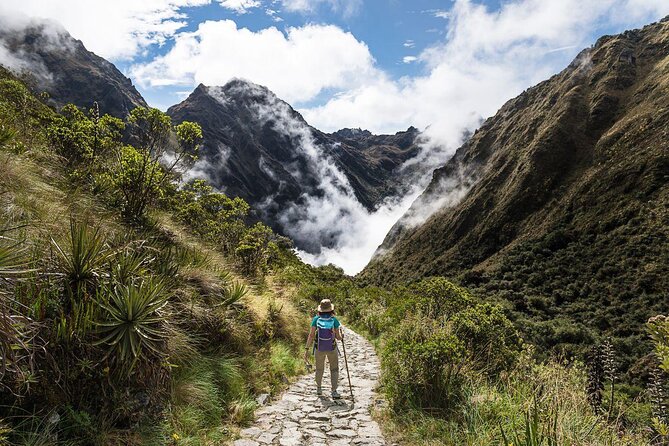
After breakfast, Day 2 starts with an ascent to Tres Piedras, the Three Stones, about an hour of hiking. Then you enter cloud forest, where the air feels different and the world turns greener. It’s a good reminder that the Inca Trail is not one kind of scenery, it changes with altitude and moisture.
After that comes the big moment: Abra de Warmihuañusca (Dead Woman’s Pass) at 4,215 m. The itinerary description is clear, you’ll cross high grassland and then earn the kind of panoramic views that make your effort feel worth it.
What I like about this plan is that it doesn’t pretend the pass is easy. It frames Dead Woman’s Pass as a milestone, then shifts you into a steep descent toward Pacaymayo (around 3,600 m).
You finish with time to settle at camp, enjoy a meal, and rest your body for Day 3. For many people, this is the day where the trek stops being a checklist and starts being a story.
Day 3 Runkurakay, Sayacmarca, cloud forest, and the road toward Wiñayhuayna
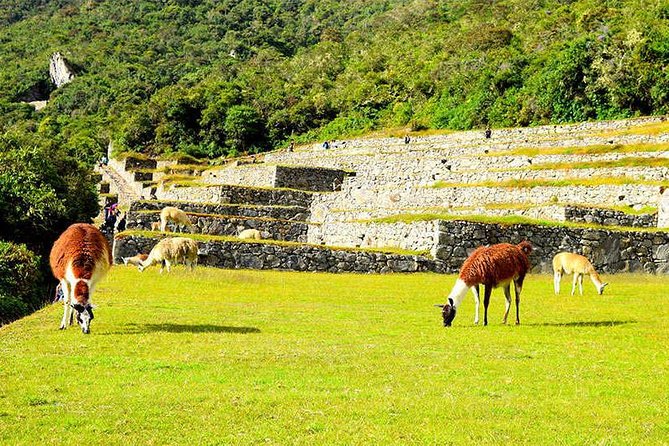
Day 3 begins with two climbs in sequence. First, you hike about 45 minutes to Runkurakay, an ancient Inca resting site, then another 45 minutes to Runkurakay Pass at about 4,000 m.
From the pass, you descend toward Sayacmarca, built on a steep mountainside. This is one of those stops where you get to see stonework that looks intentional even while you’re moving. You’ll also see how the trail threads the ruins rather than isolating them.
After exploring Sayacmarca, you continue to lunch at Chaquicocha, then the trail transitions again into cloud forest. A narrow ridge leads toward Phuyupatamarca Pass, and as you descend you pass ceremonial sites and agricultural terraces.
You finish at Wiñayhuayna, your final campsite before the last morning at Machu Picchu. That matters, because the last day is about arriving, not just walking.
If you tend to psych yourself out, this is the day to focus on steady steps and not on what’s waiting at the end.
Other Inca Trail departures, permits included
Day 4 Sun Gate and Machu Picchu: the first view, then the rest of the citadel
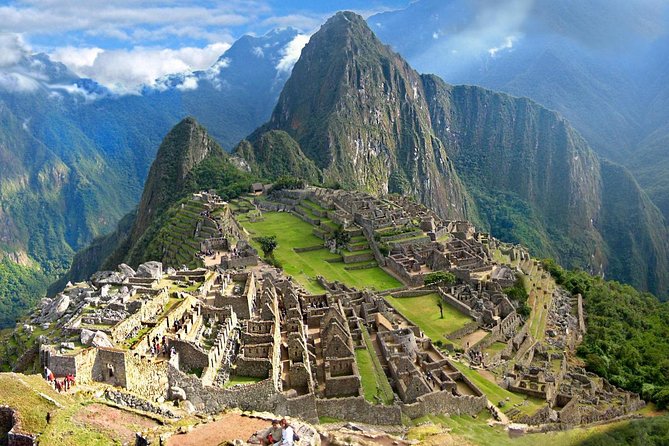
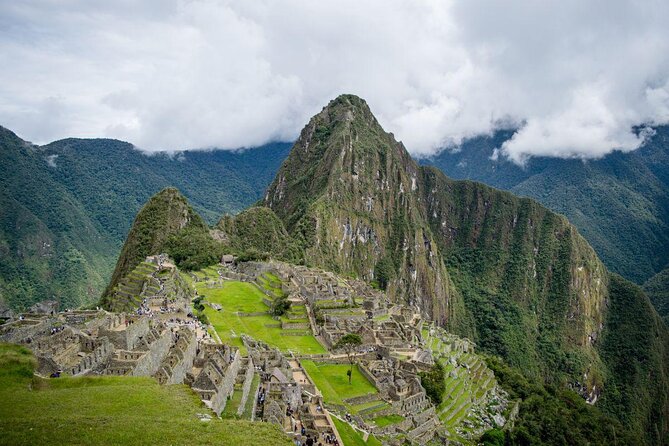
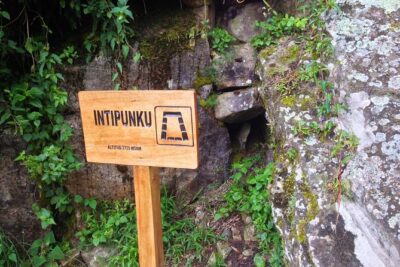
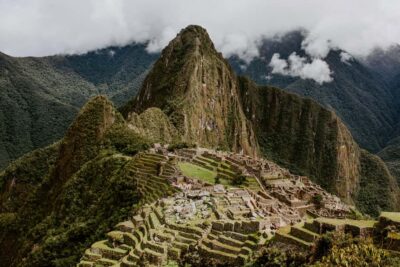
Day 4 starts early. The final stretch takes you toward Inti Punku (Sun Gate), the classic entrance point to Machu Picchu. The itinerary says this part is relatively easy, around one hour, and then you reach the viewpoint.
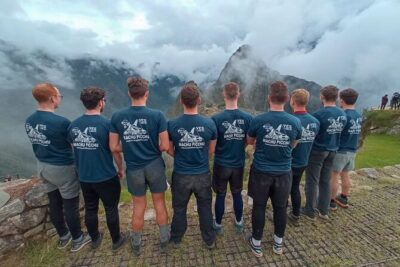
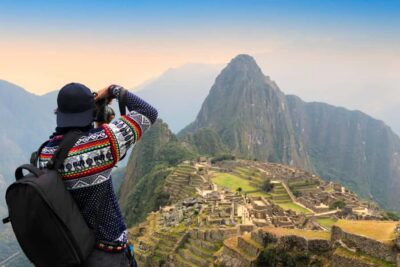
Weather permitting, this is where you can catch a sunrise look over the Andes and get your first major glimpse of Machu Picchu. Even if the sky is cloudy, the drama still lands, because you’re not looking at a postcard. You’re arriving through the same corridor that made this city feel hidden and protected.
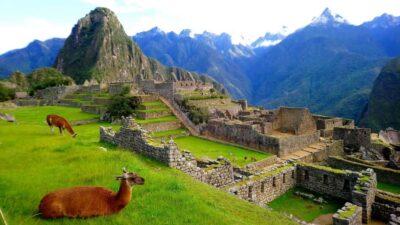
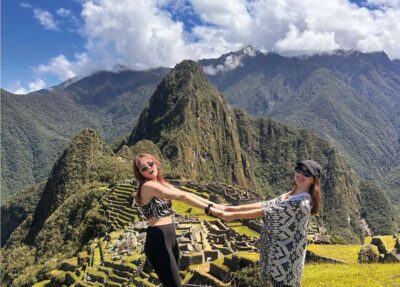
After Sun Gate, you descend about 45 minutes to the upper terraces, a good spot for the classic photos. From there, your guide can lead an optional tour inside the citadel. The package notes an optional extra cost if you need a new ticket for re-entry.
This is also where you might add a bonus hike if you booked it ahead of time, either Huayna Picchu or Machu Picchu Mountain for panoramic views. If you do not have that ticket, you’ll still have the main Machu Picchu experience built in.
Then it’s back to real life. You return to Aguas Calientes for a break and lunch before taking the train to Ollantaytambo, where a private van brings you back to Cusco.
Camping setup that makes Day 1 feel survivable
This trek is camping, not glamping. Still, the included gear reduces the pain points.
You get:
- Inflatable sleeping mattress and an inflatable pillow (you need to carry the pillow)
- Spacious 4-man tents, with one tent used by two people
- A first aid kit and an oxygen bottle
- Hot water every morning
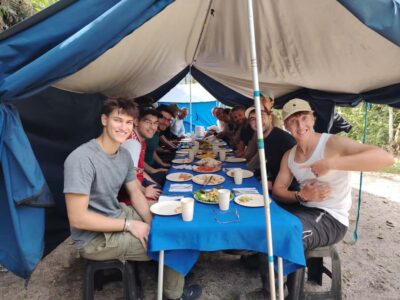
- A dining tent with tables and chairs
Two little things I appreciate here. First, hot water changes how you feel at camp, it’s not just comfort, it helps you reset after cold hiking mornings and damp trail days. Second, an oxygen bottle is a practical safety item when you’re working at altitude.
And since you’ll be hiking for 4 days through changing conditions, that camp structure means you don’t lose time every day improvising.
Food on the trail: when a chef is more important than you think
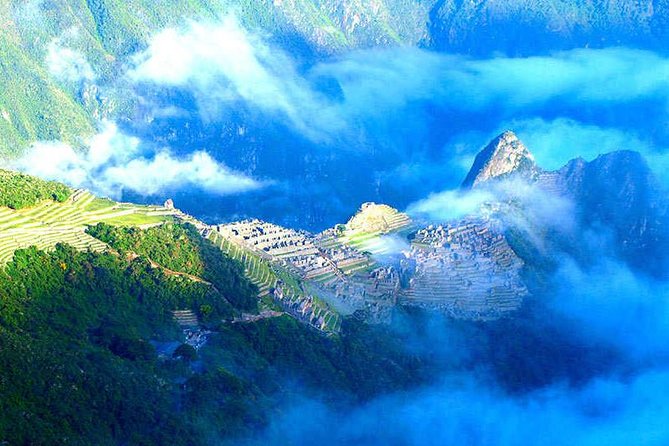
Meals are included and thoughtfully timed:
- Breakfast 3 times
- Lunch 3 times
- Dinner 3 times
- Water is included except for the first 4 hours of the trek, when you need to bring your own
In the feedback you can see a pattern: the chef is often singled out for making the food feel like a real meal, not just fuel. People talk about satisfying dishes, strong flavors, and the comfort of warm food at the end of long hikes. That matters because your body needs calories, and your mood needs something warm and steady after cold and rain.
If you’re vegetarian or have a dietary request, you should let the operator know in advance. The tour notes that dietary needs can be handled if you tell them before you go.
Guide and Chasquis: the storytelling part that makes it feel alive
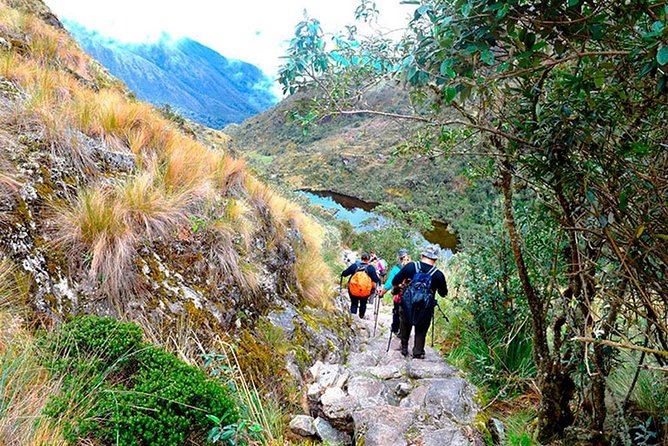
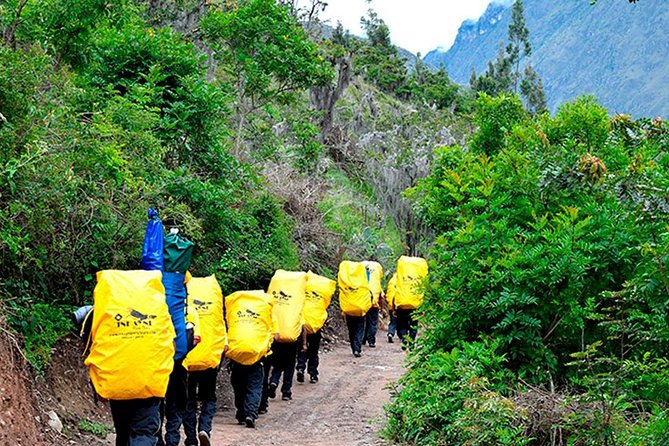
This is not a silent hiking tour. A professional English-speaking guide runs the itinerary and helps connect what you see with what the Inca were doing here.
And the “crew” has a cultural weight. Multiple guides and chefs get mentioned in feedback by name, including Papa Freddy, Ronald Ccana Sotalero, Herlin, and Paul, plus chefs like Sabino, Mario, Nazario, and Herminio. You’re also traveling with Chasquis, the porters and support team who carry equipment and help keep the camp running.
What you should watch for in your own experience is pacing and support. The best guides don’t push everyone the same way. They help you find your rhythm, stop when you need to breathe, and still keep the day moving toward the next milestone.
If you want history that doesn’t feel like a classroom lecture, this is the style to look for. You’re on the trail, so you experience the setting while the stories explain it.
Permits, the 500-person limit, and why timing affects your comfort
The Inca Trail is regulated, and that’s one of the reasons the experience still feels special. The tour info notes that since 2000, Peru has limited daily entries, with 500 people permitted each morning on the trail, including hikers, guides, porters, and cooks.
That means you’ll never feel like you’re on a highway of people. It also means you should book early, because permits can sell out quickly. The operator strongly recommends booking at least 5 months in advance.
In practical terms, regulation improves the feel of the trail. You still hike among other groups at points, but it’s not endless crowd crush.
Price and logistics: is $850 good value here?
At $850 per person, you’re paying for more than a hike.
What’s included in this package is the heavy lifting of logistics:
- Professional English-speaking guide
- Chef plus porters for cooking and camping equipment
- Personal porter for 5 kg
- Pickup from your Cusco hotel
- Bus to Km 82
- Return transport by train and van back to Cusco
- Admission tickets included for the trek and Machu Picchu parts of the schedule
- Meals and water plan
- Camp gear like tents, sleeping mattress, dining tent, hot water
- Oxygen bottle and first aid kit
- Briefing 1 to 2 days prior to the trek
What’s not included:
- Sleeping bag (you can rent it locally)
- Huayna Picchu entrance
- Entrance cost for optional Huayna Picchu Mountain or Machu Picchu Mountain if you add it (the itinerary says these are optional hikes when pre-booked)
- A possible extra ticket cost if you want a new entry to be part of the in-citadel tour
- Travel insurance, strongly recommended
So is it fair? For most people, yes, because the total cost of permits, guided days, and the camp support adds up fast when booked separately. You’re paying to avoid the day-by-day coordination headache, and you get a crew that keeps camp running while you hike.
The biggest “cost risk” is your add-ons, especially if you want Huayna Picchu or mountain hikes. If you skip those, the plan is more straightforward.
What to bring so you don’t suffer extra
The tour gives you a solid packing list, and it’s worth taking seriously. Your comfort depends on weather gear more than style.
Bring:
- Walking boots
- Waterproof jacket or rain poncho
- Warm jacket
- Hat and gloves
- T-shirts and comfortable trousers
- Sunscreen factor 35 or higher
- Insect repellent
- Toiletries and hand sanitizer
- Personal medication
- Camera, and if you use film, bring film
- Torch with spare batteries
Also note the paperwork and ID needs:
- A current valid passport is required on travel day
- If you’re a student using an ISIC card, bring it if you want student qualification support
Gear handling:
- Your personal porter carries up to 5 kg, so pack smart for what you truly need on the move.
Sleep:
- The sleeping bag is not included, and that’s the one “missing comfort item” you should not ignore.
Who this Inca Trail trek fits best
This is a moderate physical fitness trek. The itinerary shows 5, 7, 8, and 9 hours of hiking days, plus altitude passes.
It’s a good fit if:
- You can hike for multiple hours at a steady pace
- You’re comfortable with cold and rain as possibilities
- You want a guided, small-group trail with camp support
- You care about the Machu Picchu arrival experience, especially the Sun Gate viewpoint timing
It’s not a good fit if:
- You have back problems or heart disease or other serious medical conditions, because the tour explicitly warns against it
- You’re expecting a low-effort nature walk
Age-wise, the minimum age is 6 years, which suggests families can be considered, as long as they meet the physical demands.
Should you book Inkayni Peru Tours for the Inca Trail?
If you want Machu Picchu but also want the trail to feel meaningful, this setup makes sense. The mix of small-group size, a crew with a chef and porters, and the last-day Sun Gate structure is the core reason to book.
Book this trek if you:
- Want fewer people on your hike due to the small-group cap, while still getting the regulated trail experience
- Prefer a guided plan with permits handled and camp logistics sorted
- Are willing to take weather and altitude seriously, pack for it, and train your legs a bit
Think twice if you:
- Don’t want to deal with altitude passes and variable mountain weather
- Are not willing to rent or provide a sleeping bag
- Plan to add Huayna Picchu or a mountain hike and might feel surprised by extra ticket costs
If you do book, do it early. Permits move fast, and the earlier you lock in, the more calm you’ll feel before you reach Km 82.
More Tour Reviews in Cusco
- Cusco: Humantay Lake Tour with Breakfast and Buffet Lunch
★ 4.9 · 2,976 reviews - From Cusco: Moray, Maras Salt Mines & Chinchero Weavers Tour
★ 4.8 · 1,925 reviews - From Cusco: Full-Day Group Tour of Machu Picchu
★ 4.7 · 1,767 reviews - Machu Picchu Day Trip from Cusco
★ 4.5 · 1,644 reviews - Cusco: Half-Day City Tour with Sacsayhuaman and Q’enco
★ 4.6 · 1,129 reviews
Other Inca Trail Departures
- Cusco: 4-Day Inca Trail to Machu Picchu with Accommodation
★ 4.8 · 432 reviews - Cusco: Machu Picchu 2-Day Inca Trail with Panoramic Train
★ 4.9 · 260 reviews - From Cusco: 2-Day Inca Trail to Machu Picchu
★ 4.2 · 244 reviews - Machu Picchu: Inca Trail 2-Day Overnight Guided Tour
★ 4.9 · 203 reviews - Short Inca trail to MachuPicchu || 2days – 1nigth ||
★ 5.0 · 103 reviews
Reaching the Citadel, Other Options
- From Cusco: Full-Day Group Tour of Machu Picchu
★ 4.7 · 1,767 reviews - Machu Picchu Day Trip from Cusco
★ 4.5 · 1,644 reviews - Machu Picchu: Full-Day Tour from Cusco with Optional Lunch
★ 4.6 · 927 reviews - Cusco: 4-Day Inca Trail to Machu Picchu with Accommodation
★ 4.8 · 432 reviews - From Cusco: 2-Day Trip to the Sacred Valley and Machu Picchu
★ 4.6 · 265 reviews
Freshly reviewed across Cusco
- Excursion Cusco – Puno – Titicaca Observatory Train★ 5.0 · 3 reviews
- Sacred Valley Vip Cusco★ 4.7 · 3 reviews
- Cusco | Humantay Lake 1-Day Tour with Breakfast and Lunch★ 5.0 · 3 reviews
- Full-Day Condor Viewpoint & Inca Sites Tour★ 5.0 · 3 reviews
- Best of Cusco: Private Walking Tour with a Local★ 3.6 · 3 reviews
- From Cusco: Full-Day Private Sacred Valley Tour★ 5.0 · 3 reviews
Machu Picchu Tours side by side.
 ★ 4.7From Cusco: Full-Day Group Tour of Machu PicchuFrom $3211,767 reviews
 ★ 4.5Machu Picchu Day Trip from CuscoFrom $3361,644 reviews
 ★ 4.6Machu Picchu: Full-Day Tour from Cusco with Optional LunchFrom $283927 reviews
 ★ 4.8Cusco: 4-Day Inca Trail to Machu Picchu with AccommodationFrom $470432 reviews
 ★ 4.6From Cusco: 2-Day Trip to the Sacred Valley and Machu PicchuFrom $370265 reviews
 ★ 4.9Cusco: Machu Picchu 2-Day Inca Trail with Panoramic TrainFrom $582260 reviews
 ★ 4.2From Cusco: 2-Day Inca Trail to Machu PicchuFrom $290244 reviews
 ★ 4.9Machu Picchu: Inca Trail 2-Day Overnight Guided TourFrom $585203 reviews
Also on these Peru lists