
REVIEW · AUSANGATE AND ANDEAN LAKES
1 day excursion to Qeswachaka bridge and the 4 lagoons
That early start turns into real magic. One moment you are watching the last Inca suspension bridge, the next you are bird-watching across 4 Andean lagoons. I like how the day mixes big cultural craft with quiet nature time, not just one or the other.
My favorite part is the way the stops are timed for photos and explanations, with a guide who keeps you moving and helps you make sense of what you are seeing around Quehue and the lagoons. Still, there is one catch to plan for: the road trip is long, the van can feel tight if you are tall, and the bridge may be temporarily inaccessible in some dates for maintenance.
Key points if you want the best version of this day
- Qeswachaka bridge views near Quehue, with guided context and photo time
- Pomacanchi Lagoon as the largest stop, known for bird variety
- Four-lagoon route with a clear change in scenery at each water stop
- Early pickup and long drive, so pack for comfort and altitude
- Food is handled with breakfast in Cusipata and lunch back there
In This Review
- Qeswachaka and the Four Lagoons: why this day feels worth the early alarm
- The 4:00 a.m. pickup and Cusipata breakfast stop
- Quehue and Qeswachaka bridge: photos, guidance, and possible access limits
- Pomacanchi Lagoon and the first wave of birds
- Acopia Lagoon: another color of quiet
- Asnacocha Lagoon: mineral notes and why they matter
- Pampamarca Lagoon: the end of the water circuit
- The drive, the group, and keeping yourself comfortable
- Breakfast and lunch in Cusipata: included and actually helpful
- Value for $50: what you get, what to watch, and what to spend extra on
- Who this day trip suits best, and who should skip it
- Should you book this Qeswachaka and four-lagoons trip?
- FAQ
- What time do you get picked up from Cusco?
- What does the price include?
- Are entrance fees included?
- What languages are offered during the tour?
- What should I bring for the day?
- Who is this tour not suitable for?
- What is the cancellation policy?
Qeswachaka and the Four Lagoons: why this day feels worth the early alarm
This is the kind of outing that makes you grateful you chose the less obvious route. Instead of staying in Cusco the whole day, you head south early and spend the daylight doing two things Peru is good at: living history and high-Andes nature.
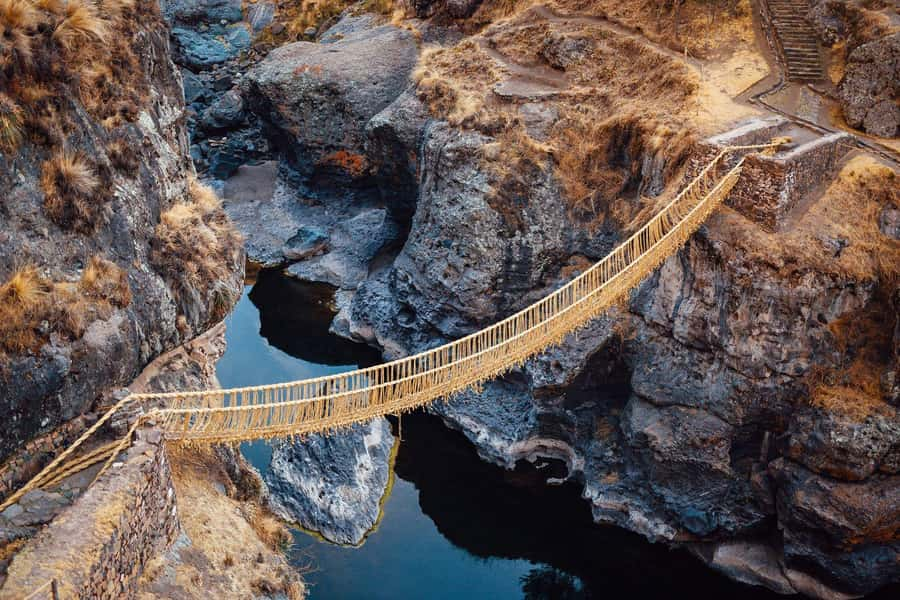
The Qeswachaka bridge is the headline. It is described as the last suspension bridge of Inca origin, and that alone is a reason to come. Then the lagoons take over with quiet stops where you can slow down, look for birds, and enjoy the natural scenery without a museum vibe.
The day is also built for photos. You get time at the bridge area for pictures, plus short guided stops along the lagoon circuit where your guide points out what matters.
Ausangate lagoons, other trekking days
- Excursion to Ausangate & 7 lakes with Coca Ceremony |Private|
★ 5.0 · 80 reviews - Ausangate Trek 5 Days
★ 5.0 · 74 reviews - Laguna Humantay Full Day Trail
★ 5.0 · 57 reviews - Full-Day Tour to Ausangate 7 Lakes
★ 5.0 · 56 reviews
The 4:00 a.m. pickup and Cusipata breakfast stop
Your day begins with hotel pickup at 4:00 a.m. from near the historic center of Cusco. That hour feels brutal the first time, but it helps you beat crowds and start the sightseeing while the lighting is better for photos.
Breakfast is in the village of Cusipata. This matters more than it sounds. If you have ever tried to “snack your way through” an all-day drive in the Andes, you know how fast that turns into cranky energy. Here, breakfast is included, and it gives you a real buffer before the long hours on the road.
The drive south is part of the experience, but it is also where you should set expectations. One review noted a hard ride due to roads and turns, plus altitude. So yes, you will spend a lot of time in the vehicle, even though the scenery helps.
Quehue and Qeswachaka bridge: photos, guidance, and possible access limits
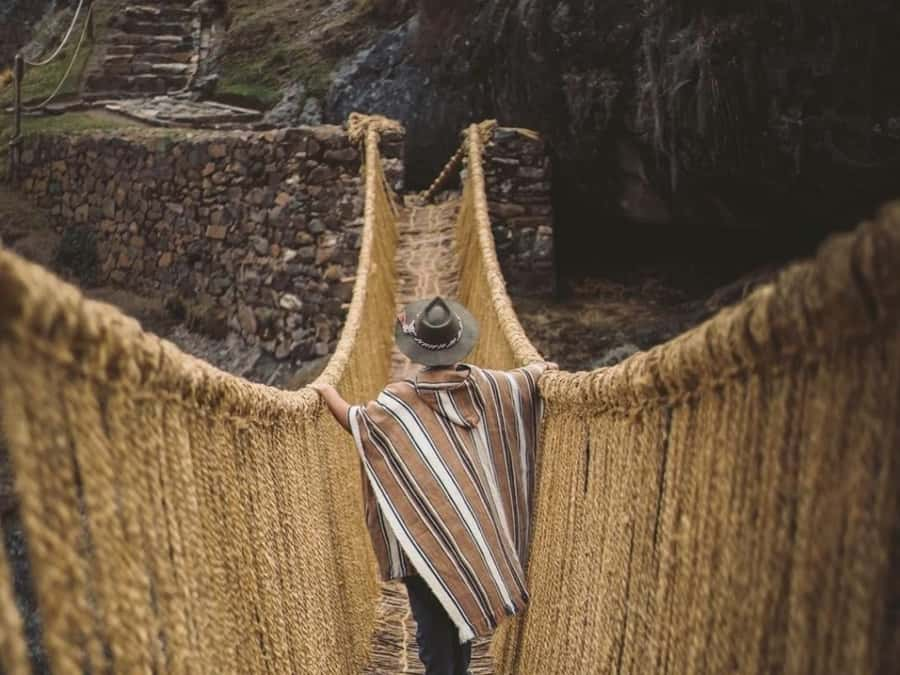
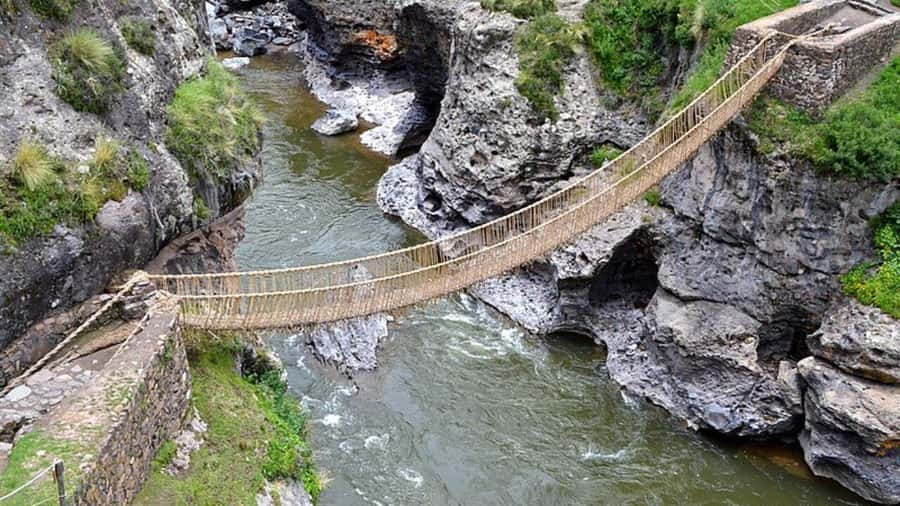
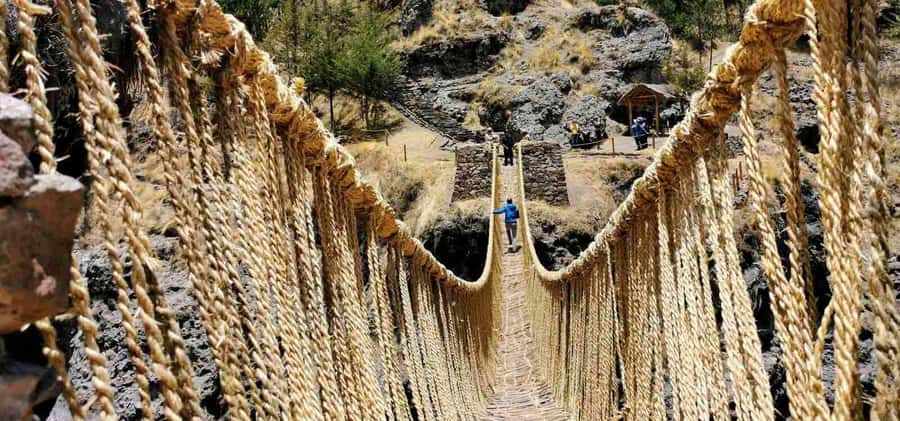
You reach the Quehue area to observe the Qeswachaka bridge. You get time to take pictures, and your guide provides a brief explanation. The key word here is observe. The bridge is the star, but the experience can vary depending on access.
One important consideration from past dates: the bridge may be cut or partially closed for maintenance. In one case, the group could not cross because the bridge was already separated, and it was scheduled to be rebuilt in June. That does not mean this tour is unreliable, it means you should think of the day as a view and cultural insight outing, not a guaranteed crossing.
What makes the bridge stop especially valuable is the human element. In one account, the group even met the bridge builder or construction leader, who shared extra details about how the bridge works and why it is maintained. That kind of chance encounter is not something you can demand, but if conditions allow, it adds a layer you do not get from a quick roadside viewpoint.
If you want to get the most out of your photo time, ask your guide what angle shows the structure best and where the light will hit. Even a short explanation helps you notice details you might otherwise miss.
Pomacanchi Lagoon and the first wave of birds
After Quehue, the route moves through the lagoons in sequence. The first is Pomacanchi Lagoon, described as the largest of the four. This stop is a big deal for bird watching, and it is one of the easiest places to feel like you are in a living ecosystem rather than a checklist.
Bird variety is specifically called out here, so if you enjoy spotting movement in the distance, this is a good place to slow down. Spend your first minutes scanning the shoreline and looking for activity before you start focusing on your camera. High-Andes birds often look subtle until you know what you are searching for.
A practical tip: bring water and use sunglasses early. The sun can feel strong, even when it is cold. Sunscreen and sunglasses are included in the recommended packing list for a reason.
Acopia Lagoon: another color of quiet
A few kilometers away, you reach Acopia Lagoon. This stop is less about a single dramatic feature and more about the change of scenery. Each lagoon has its own mood, and Acopia is part of that shift.
If you are the type who likes to travel with your eyes, not only your itinerary, Acopia can be a breather. You are not rushing from one viewpoint to the next without a pause. Your guide continues with brief notes, but you also get time to just look.
The main drawback is timing. Because the day is structured, you may feel the pull to keep moving even when you want to linger. If birding is your priority, you can gently ask your guide for a couple extra minutes for scanning, especially if you are not chasing photos nonstop.
Nearby in Cusco, these earned their own write-ups


Asnacocha Lagoon: mineral notes and why they matter
Next comes Asnacocha Lagoon, described as rich in mineral resources. That detail is useful because it gives you a reason to look beyond the surface. With mineral-rich waters, you might notice color differences or how the shoreline plants and terrain interact with the water.
This is a good stop to lean into questions. Ask what the mineral richness means in simple terms and what your guide thinks it contributes to the ecosystem. The goal is not to force science into a day trip. It is to make your viewing more informed and satisfying.
If you are traveling with someone who loves nature but struggles with patience, this is a good compromise stop. There is enough to look for and ask about, but it still feels calm.
Pampamarca Lagoon: the end of the water circuit
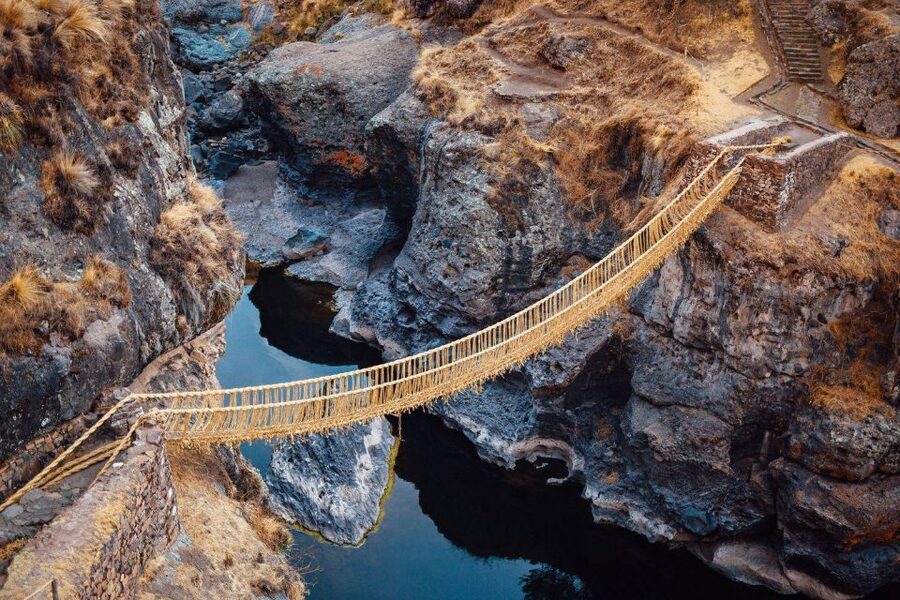
Finally, the route reaches Pampamarca Lagoon, where you enjoy a beautiful natural environment. This is your last lagoon stop before the day turns back toward lunch in Cusipata.
By this point, you will probably feel the rhythm of the trip. The early drive, the bridge photos, and two or three lagoon scans have set the tone. Pampamarca is where you can settle into the day, take fewer photos, and just enjoy the air and stillness.
Also, remember this is a high-altitude day. Even when you are not exerting much, you can feel tired by mid-afternoon. Keep sipping water and pace your camera time so you do not burn out before the lunch stop.
The drive, the group, and keeping yourself comfortable
This is where the reviews line up with reality. You spend a lot of time in the car. One review mentioned that a tall traveler felt crunched in the van, even though the guide was attentive and tried to help. So if you are 6 feet or taller, or you carry a backpack with bulk, plan for tight seating.
The roads and turns can also feel intense. One person specifically warned that it is a bit of a hard drive due to elevation plus road conditions. If you get car sick, consider what you usually do for long rides, and pack accordingly.
Your best strategy is practical:
- Dress in layers, because early morning temperature can feel very different from mid-afternoon.
- Keep your water accessible, not buried at the bottom of your bag.
- Bring a hat even if it is cloudy, and use sunscreen before you get stuck in shade hopping.
The upside is that the scenery helps. Even when the ride is bumpy, you are moving through the Andes corridor, and you get real payoff for your time.
Breakfast and lunch in Cusipata: included and actually helpful
Breakfast in Cusipata is included, and so is lunch. That is a big part of the value because it prevents you from trying to find food options in smaller places on a tight schedule.
After the guided lagoon visits, you return to Cusipata for lunch. That timing is smart. You do not end the day hungry and rushed, you eat while you are still in control of your energy.
In one review, the food on the tour was described as very good. Even if you are picky, a scheduled lunch with a real meal is a comfort after an early departure and a long drive.
If you have dietary needs, the tour data does not spell out options. So you should message the operator before you go and be clear about what you need.
Value for $50: what you get, what to watch, and what to spend extra on
For $50 per person, you are paying for a full day of transportation, a bilingual guide, breakfast, and lunch, plus the sightseeing structure that takes you to the bridge and four lagoons. That is a strong deal if you do not want to manage private transport yourself.
What is not included is entrance fees. The amount is not listed, so you should plan to cover any sites that charge at the moment you arrive. Bringing a little extra cash just in case is the simplest move.
Another value point is the guide quality. One review called out a guide named Roland, who gave detailed explanations at the bridge and stops, covering things like plants and other points along the route. In another account, the guide was described as super nice and attentive to individual needs, like making sure a taller participant had the best possible fit.
Language is another practical value detail. The tour is listed as English and Spanish with a bilingual guide, but one review felt that most of the tour was in Spanish. If English interpretation is crucial for you, you might ask beforehand how language balance usually works.
Who this day trip suits best, and who should skip it
This excursion is a great match if you want:
- A mix of culture and nature in one day
- Photo opportunities at a single, recognizable landmark like Qeswachaka
- A guided structure that keeps you from guessing where to go next
- Included meals that make a long day easier
It is not suitable for pregnant women, people with heart problems, or wheelchair users. That is likely related to the early hours, road conditions, and general physical demands of a long day. If any of those apply, you should look for a different Cusco option that is designed for your needs.
Also note: alcohol and drugs are not allowed. So keep it simple, stick to water, and save any celebrations for after you get back to Cusco.
Should you book this Qeswachaka and four-lagoons trip?
I would book it if you want a one-day reset outside Cusco, and you are happy treating it as a guided observation day. The Qeswachaka bridge is a standout, and the four-lagoon sequence gives you a sense of variety without feeling like you are sprinting.
I would think twice if you are very sensitive to bumpy rides, you expect lots of comfort in a small van, or you need guaranteed bridge access to walk across. The bridge can be restricted at times, and the early start plus long drive is not for everyone.
If you are booking, do it at least 24 hours ahead and confirm pickup timing through WhatsApp one or two days before your tour. And on the day, pack the basics they recommend: ID or passport, sunglasses, sun hat, camera, sunscreen, and water.
If you want to see the Andes beyond Cusco, this is a solid choice. Just go in with the right mindset: observe, learn, look for birds, and enjoy the day you worked for.
FAQ
What time do you get picked up from Cusco?
Pickup is at 4:00 a.m. You return to Cusco around 18:00.
What does the price include?
The price includes pickup from your hotel near the historic center of Cusco, transportation, a bilingual guide, breakfast, and lunch.
Are entrance fees included?
No, entrance fees are not included.
What languages are offered during the tour?
The tour offers a live guide in English and Spanish.
What should I bring for the day?
Bring your passport or ID card, sunglasses, a sun hat, a camera, sunscreen, and water.
Who is this tour not suitable for?
It is not suitable for pregnant women, people with heart problems, or wheelchair users.
What is the cancellation policy?
You can cancel up to 24 hours in advance for a full refund.
More Tours in Cusco
- Cusco: Humantay Lake Tour with Breakfast and Buffet Lunch
★ 4.9 · 2,976 reviews - From Cusco: Moray, Maras Salt Mines & Chinchero Weavers Tour
★ 4.8 · 1,925 reviews - From Cusco: Full-Day Group Tour of Machu Picchu
★ 4.7 · 1,767 reviews - Cusco: Half-Day City Tour with Sacsayhuaman and Q’enco
★ 4.6 · 1,129 reviews - Machu Picchu: Full-Day Tour from Cusco with Optional Lunch
★ 4.6 · 927 reviews
More Tour Reviews in Cusco
- Cusco: Humantay Lake Tour with Breakfast and Buffet Lunch
★ 4.9 · 2,976 reviews - From Cusco: Moray, Maras Salt Mines & Chinchero Weavers Tour
★ 4.8 · 1,925 reviews - From Cusco: Full-Day Group Tour of Machu Picchu
★ 4.7 · 1,767 reviews - Machu Picchu Day Trip from Cusco
★ 4.5 · 1,644 reviews - Cusco: Half-Day City Tour with Sacsayhuaman and Q’enco
★ 4.6 · 1,129 reviews
Lagoons Below Ausangate
- From Cusco: 7 Lakes Ausangate Trek with Breakfast and Lunch
★ 4.8 · 360 reviews - Excursion to Ausangate & 7 lakes with Coca Ceremony |Private|
★ 5.0 · 80 reviews - Ausangate Trek 5 Days
★ 5.0 · 74 reviews - Laguna Humantay Full Day Trail
★ 5.0 · 57 reviews - Full-Day Tour to Ausangate 7 Lakes
★ 5.0 · 56 reviews
Freshly reviewed across Cusco
- Excursion Cusco – Puno – Titicaca Observatory Train★ 5.0 · 3 reviews
- Sacred Valley Vip Cusco★ 4.7 · 3 reviews
- Cusco | Humantay Lake 1-Day Tour with Breakfast and Lunch★ 5.0 · 3 reviews
- Full-Day Condor Viewpoint & Inca Sites Tour★ 5.0 · 3 reviews
- Best of Cusco: Private Walking Tour with a Local★ 3.6 · 3 reviews
- From Cusco: Full-Day Private Sacred Valley Tour★ 5.0 · 3 reviews
Ausangate and Andean Lakes side by side.
 ★ 4.8From Cusco: 7 Lakes Ausangate Trek with Breakfast and LunchFrom $29360 reviews
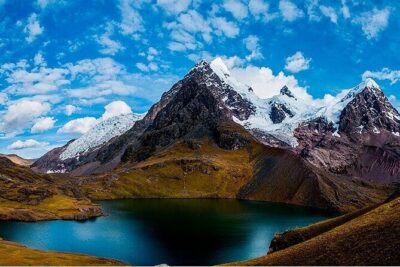 ★ 5.0Excursion to Ausangate & 7 lakes with Coca Ceremony |Private|From $10880 reviews
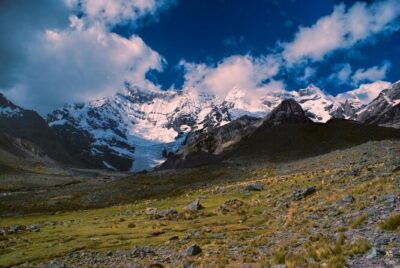 ★ 5.0Ausangate Trek 5 DaysFrom $66074 reviews
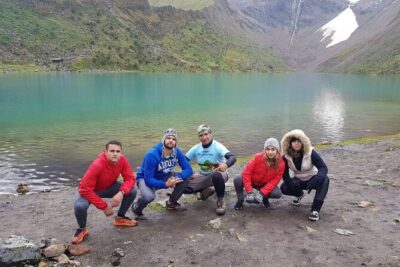 ★ 5.0Laguna Humantay Full Day TrailFrom $12157 reviews
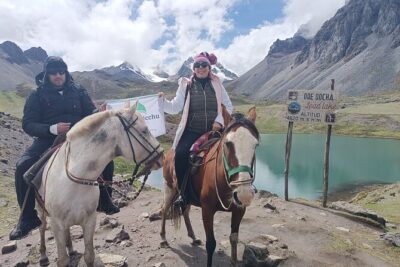 ★ 5.0Full-Day Tour to Ausangate 7 LakesFrom $6956 reviews
 ★ 4.5From Cusco: Ausangate 7 Lakes Tour with MealsFrom $3747 reviews
 ★ 5.0Ausangate and Rainbow Mountain Trek – 3 Days / 2 NightsFrom $53535 reviews
 ★ 5.06 day Rainbow Mountain x Ausangate Trek – FlashpackerConnectFrom $1,05030 reviews
Also on these Peru lists