
REVIEW · MACHU PICCHU
2-Day Inca Trail Hike to Machu Picchu & Panoramic Train
Starting the day at 4:00 AM turns this hike into a real journey, not a box-checking tour. You climb the classic Inca Trail to the Sun Gate, then you enter Machu Picchu through the most Inca-like entrance you can use as a visitor.
Two things I really like: the pacing gives you time to actually look at places like Wiñay Wayna (terraces, temples, and working agriculture) before you reach Inti Punku. And the small group format, capped at just a handful of hikers, keeps the hike feel personal, with a guide who can explain what you are seeing in plain English.
One drawback to consider: it is physically demanding, and it is not suitable if you have back problems. Also, Aguas Calientes is convenient, but it is not a huge “hang out all evening” town, so plan on resting up for Day 2.
In This Review
- Key takeaways
- Why this 2-day Inca Trail plus Machu Picchu combo feels worth it
- Day 1: 4:00 AM Cusco pickup, Urubamba train to km 104, and the climb into cloud forest
- Wiñay Wayna at 8,694 ft: why these terraces change how you see the trail
- Inti Punku (Sun Gate) at 8,924 ft: the first Machu Picchu view in warm light
- Descend to Aguas Calientes: hotel night, dinner, and a calm evening plan
- Day 2: early bus to Machu Picchu, guided citadel tour, and learning the “how” not just the “what”
- Optional Huayna Picchu or Machu Picchu Mountain: extra viewpoints, but only if you planned ahead
- Vistadome train back to Ollantaytambo, then Cusco again
- Price and logistics: what you are really paying for at $624
- How fit and comfort really work on this route
- What to pack, and what not to do on tour
- The guide factor: why the right explanations make Machu Picchu click
- Should you book this 2-day Inca Trail and Machu Picchu tour?
- FAQ
- What time does the tour pickup start in Cusco?
- Where does the Inca Trail trek start?
- Is breakfast included on Day 1?
- What meals are included during the tour?
- Is water provided during the tour?
- Are Huayna Picchu or Machu Picchu Mountain included?
- When is the Inca Trail closed?
Key takeaways
- 4:00 AM Cusco pickup and a smooth train transfer set you up for an early start on the trail
- Wiñay Wayna terraces along the hike give you more than just the main postcard stops
- Inti Punku (Sun Gate) first view of Machu Picchu, timed with warm light
- Sunrise-style early entry to the citadel on Day 2 through your scheduled ticket
- Optional Huayna Picchu or Machu Picchu Mountain adds extra viewpoints if you book ahead
- Guides named Noemie, Saul, and Franco are known for clear explanations and strong organization
Other citadel visits, ticket types and start times
- From Cusco: Full-Day Group Tour of Machu Picchu
★ 4.7 · 1,767 reviews - Machu Picchu Day Trip from Cusco
★ 4.5 · 1,644 reviews - Machu Picchu: Full-Day Tour from Cusco with Optional Lunch
★ 4.6 · 927 reviews - Cusco: 4-Day Inca Trail to Machu Picchu with Accommodation
★ 4.8 · 432 reviews
Why this 2-day Inca Trail plus Machu Picchu combo feels worth it
This is a classic “two days, one goal” route, and that is exactly why it works. You spend Day 1 moving through the Inca Trail ecosystem, not just walking from point A to point B. Then Day 2 becomes a focused Machu Picchu morning, with a guide helping you understand what you are looking at.
The train element also matters. You start with a scenic ride along the Urubamba River to the trailhead area, and you come back on a Vistadome service, which keeps the logistics calmer than doing everything by road.
Price-wise, $624 per person is not cheap. But it is built around a bundle of big costs: trail and Machu Picchu entrance tickets, transport, one night in a 3-star hotel in Aguas Calientes, a professional English-speaking guide, plus meals that reduce what you would otherwise pay on your own.
Day 1: 4:00 AM Cusco pickup, Urubamba train to km 104, and the climb into cloud forest
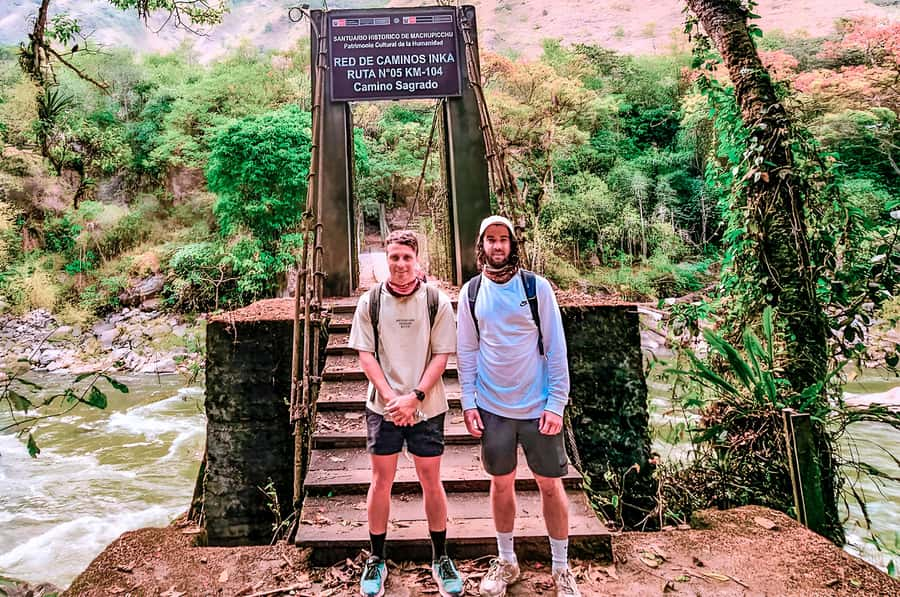
Your day starts early, with hotel pickup in Cusco at 4:00 AM. After a scenic drive, you board a train for about 1.5 hours along the Urubamba River to the trail starting area at Chachabamba or km 104 (about 7,218 ft / 2,200 m).
That early morning start is not just for drama. It helps you beat crowds on the trail and gives you more stable light for the views. And because your transport is handled, you are not spending your first hours in Peru bouncing around trying to coordinate trains and buses.
From there, the hike begins with Chachabamba, an Inca ceremonial and administrative site. You are not just “starting to walk,” you are stepping into a place that matters within the Inca system, which makes the first stretch feel like the beginning of a story.
Then you ascend through cloud forests toward Wiñay Wayna (about 8,694 ft / 2,650 m). This part is where the trail starts to feel real. The air gets thinner as you go higher, and your body learns what “hike day” means again, especially if you are used to city walking.
Wiñay Wayna at 8,694 ft: why these terraces change how you see the trail
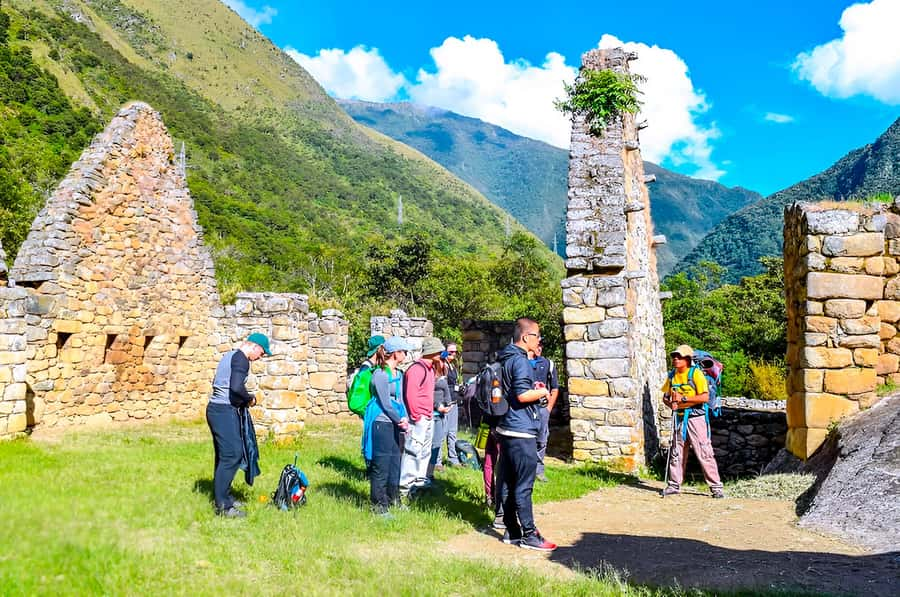
Wiñay Wayna is one of the stops that makes this route feel complete. You will see an impressive complex with agricultural terraces and temples, and that is key because it explains how the Incas used geography to grow food and manage water.
If you only think of the Inca Trail as a path to Machu Picchu, Wiñay Wayna corrects that. It shows you that the trail was also a system of farms, worship areas, and way stations that kept people fed and connected.
The altitude also makes the experience feel more intense. At around 8,694 ft, you are not just taking photos at a viewpoint. You are moving through a place that is physically demanding, which makes the scenery and stonework more memorable.
Inti Punku (Sun Gate) at 8,924 ft: the first Machu Picchu view in warm light
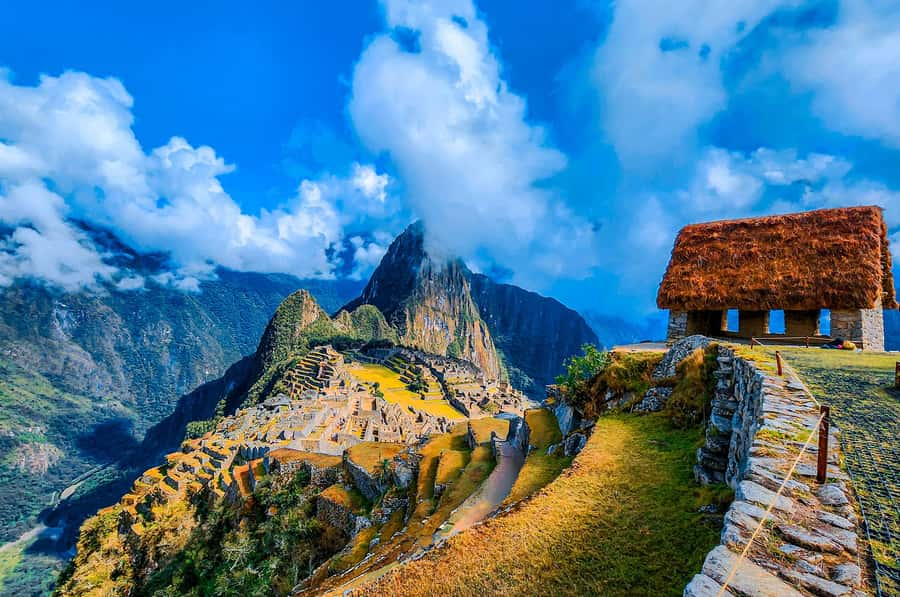
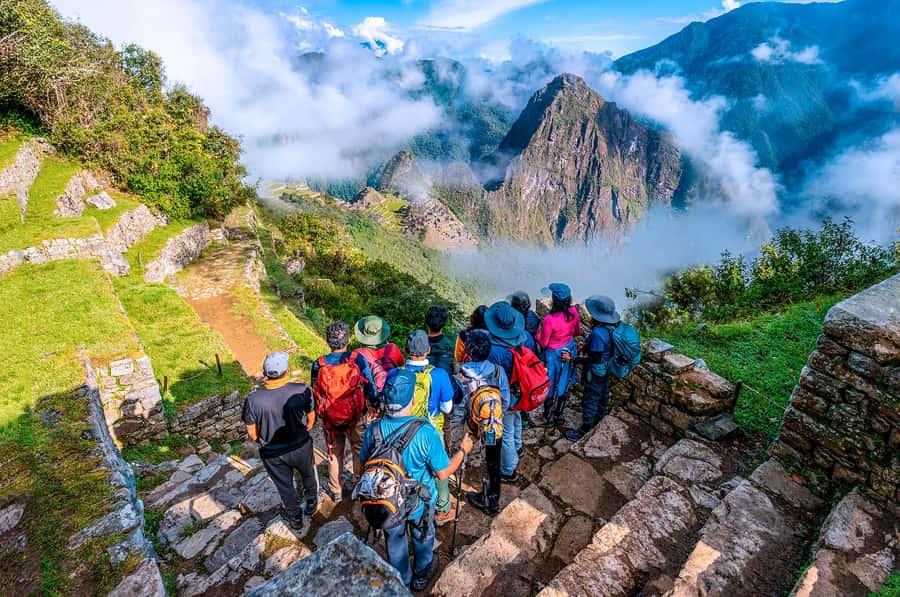
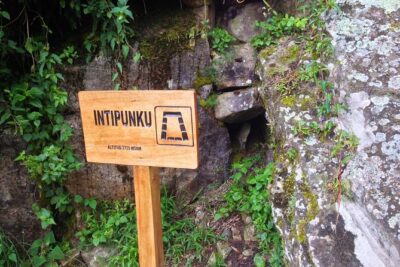
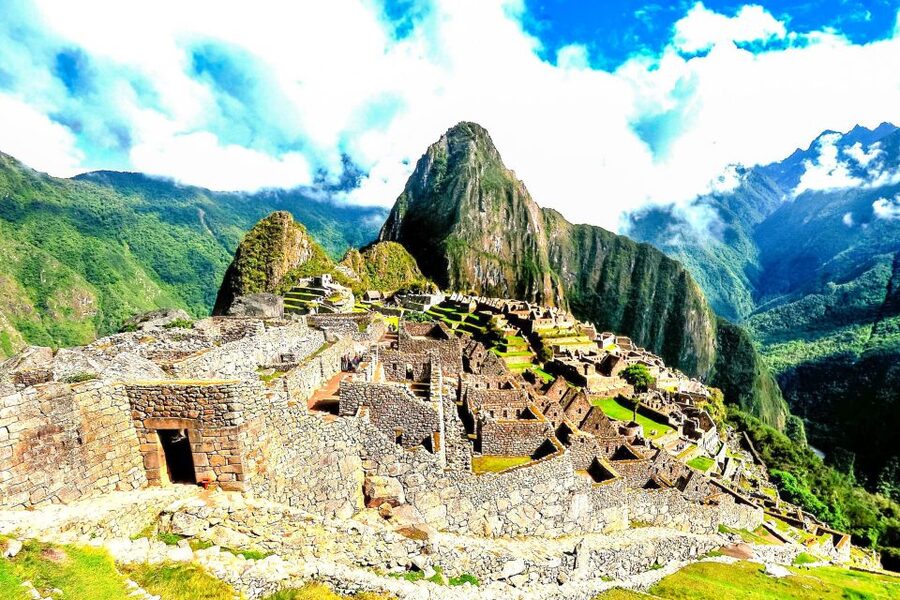
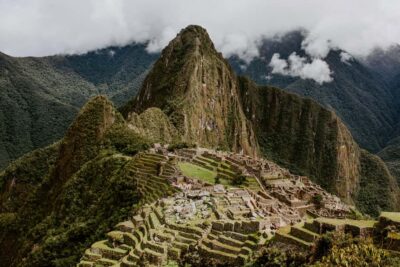
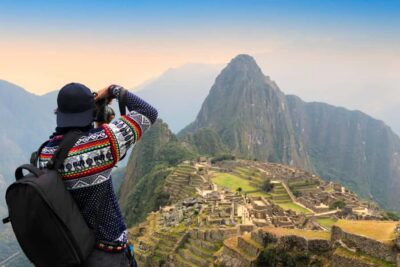
After Wiñay Wayna, you continue toward Inti Punku (Sun Gate) at about 8,924 ft / 2,720 m. This is the moment the tour is built around: the first panoramic view of Machu Picchu (about 7,972 ft / 2,430 m) as golden afternoon light hits the area.
I like that they do not rush past this. You get the view and then the day shifts into descent. That rhythm helps you absorb the scale. Machu Picchu is one thing on a postcard. It is another thing when you see it appear in front of you after a full day of walking.
Also, arriving from the Sun Gate direction helps the experience feel more “Inca route” than random sightseeing. You are walking toward the same kind of approach visitors imagine when they picture the citadel.
Other Inca Trail departures, permits included
Descend to Aguas Calientes: hotel night, dinner, and a calm evening plan
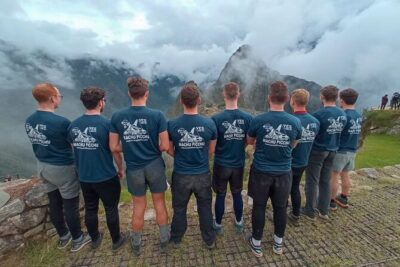
Once you reach the Sun Gate viewpoint, you descend to Aguas Calientes, where you check into a comfortable 3-star hotel. You get dinner at a local restaurant, which takes one decision off your plate after a long day.
What you do with the evening matters here. Aguas Calientes is not a giant nightlife hub. In practice, the best plan is to eat, reset your body, and prepare for an early day on Day 2. If you are tempted to wander late, remember your schedule depends on getting to the Machu Picchu bus at the right time.
This is also where small-group travel helps. When you are with a tight group, it is easier to keep everyone on time for the next morning’s entry.
Day 2: early bus to Machu Picchu, guided citadel tour, and learning the “how” not just the “what”
On Day 2, you wake up early and take a morning bus to Machu Picchu. You enter at your designated time according to your ticket schedule, and your guide leads the visit.
This part is more than moving through corridors and terraces. Your guide explains the history and engineering marvels of the Inca civilization while you visit iconic spots like temples, terraces, and astronomical structures. That guide-focused approach is what turns Machu Picchu from scenery into understanding.
One of the smartest design choices here is timing. Even if your exact entry minute varies, you are doing a morning visit, which tends to feel more atmospheric and less rushed than late-day entry.
Optional Huayna Picchu or Machu Picchu Mountain: extra viewpoints, but only if you planned ahead
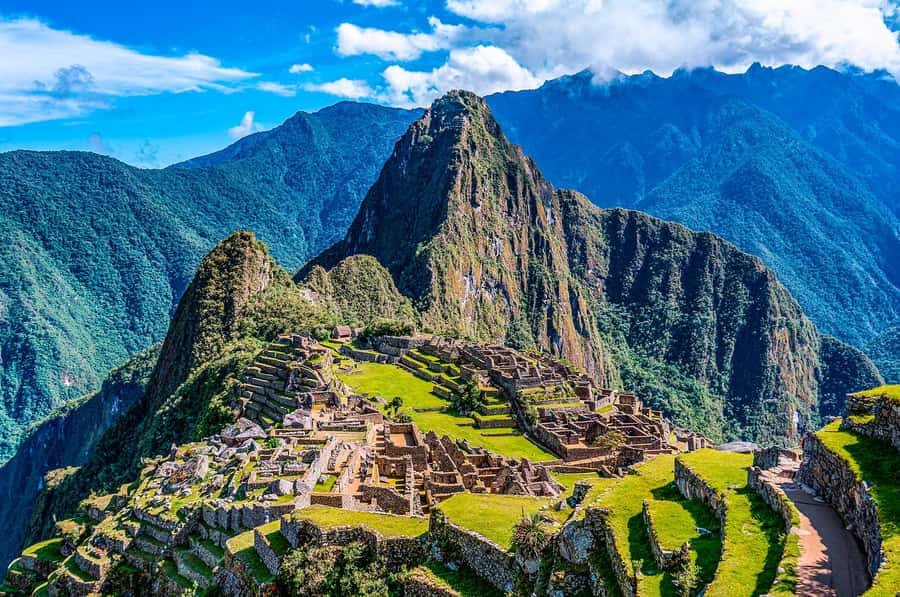
After the guided tour, you have an optional add-on if you secured the extra ticket in advance (booked 3 to 6 months ahead): Huayna Picchu (about 8,924 ft / 2,720 m) or Machu Picchu Mountain (about 10,112 ft / 3,082 m). The additional cost for the hike is $85 per person.
This is not an “on the fly” upgrade. The timing and permit rules mean you should decide early if you want those summit views. If you do go, bring the same hiking mindset as Day 1: slow pace, steady footing, and patience for altitude and wind.
If you do not add the hike, you still get a full guided citadel experience. And honestly, having an option is good, because everyone’s recovery needs are different after two days of walking.
Vistadome train back to Ollantaytambo, then Cusco again
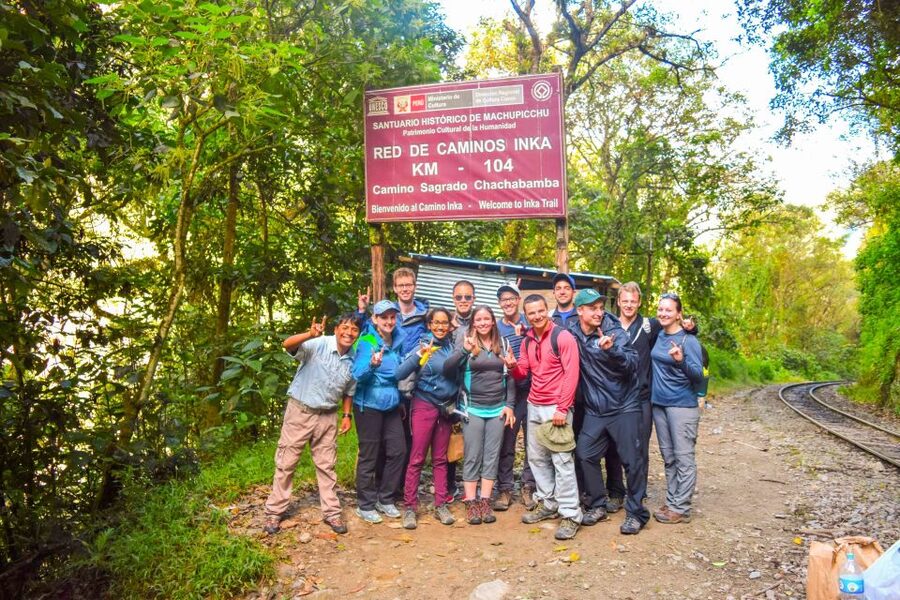
When your Machu Picchu time is done, you take a Vistadome train back to Ollantaytambo. Then a bus takes you back to Cusco, arriving in the early evening.
That return structure gives you closure without dragging into late night. It also means you are not left hunting for connections with sore legs.
And because the ride is handled, you can stay in “tour mode” instead of switching to “logistics mode” right when you are tired.
Price and logistics: what you are really paying for at $624
At $624 per person, this tour bundles a lot that adds up fast if you plan separately.
You get:
- Entrance tickets to both the Inca Trail and Machu Picchu
- Hotel in Aguas Calientes for one night (3-star)
- Professional English-speaking guide
- Train transport to the trailhead and the return ride on Vistadome
- Bus transfers between Machu Picchu and Aguas Calientes and on Day 2
- Meals: a boxed lunch on Day 1 and dinner in Aguas Calientes
The only meals left out are breakfast on Day 1, plus lunch and dinner on Day 2. Water is also not provided, so you will want to carry your own.
For value, I think the biggest win is the ticket coverage plus the guide-led interpretation. Without that, you would likely spend more time figuring out entry times, transportation timing, and what to look for once you get there.
Also, the small-group cap matters. A group limited to around 10 and pushed smaller for a more intimate pace (maximum 8) means you are less likely to feel like you are one of many in a factory line.
How fit and comfort really work on this route
This is a hiking-focused experience. The trail reaches high points including Inti Punku at 8,924 ft / 2,720 m, and you also walk through cloud forest conditions. That is why the tour is specifically not suitable for people with back problems or for wheelchair users.
If you are generally healthy, this is still a “real effort” itinerary. It is best for people who can handle early starts, uneven terrain, and sustained uphill walking.
One practical point: you should come prepared for weather. The tour includes rain gear advice because conditions can change, and the Inca Trail often does not care if you brought a perfect blue-sky outfit.
What to pack, and what not to do on tour
You do not need a fancy list, but you do need the basics. Bring:
- Passport or ID card
- Sun hat and sunscreen
- Rain gear
- Comfortable clothes
Water is not provided, so plan to carry enough for the day and your comfort.
And follow the rules. Pets are not allowed, and you cannot bring weapons or sharp objects, and alcohol and drugs are not allowed. It is about keeping everyone safe and focused on the experience.
The guide factor: why the right explanations make Machu Picchu click
The guide can make or break the day. I like that this tour uses a professional English-speaking guide, and that the group format supports questions instead of rushing you through.
Names like Noemie, Saul, and Franco show up in past trips, and the pattern is clear: they focus on history in a way that matches what you are standing in front of. When a guide explains why a site is laid out the way it is, you start noticing details you would otherwise miss, like how terraces and astronomy fit into daily Inca life.
Should you book this 2-day Inca Trail and Machu Picchu tour?
Book it if you want the classic Inca Trail experience with Sun Gate timing and a Machu Picchu visit that is guided, structured, and not left to guesswork. It is also a strong choice if you value a small group and you want someone handling transport, tickets, and timing while you focus on hiking and learning.
Consider skipping or choosing a different style if:
- you have back problems
- you need wheelchair accessibility
- you want a relaxed two-day vacation with lots of free time to roam without schedules
One more timing note to keep in mind: this route runs year-round except February, when the Inca Trail is closed for maintenance.
If you are deciding between “do it yourself” and a guided route, I would choose this kind of packaged approach for your first Inca Trail experience. At $624, you are paying for friction-free logistics, real ticket coverage, and a guide who helps you see Machu Picchu as more than a single viewpoint.
FAQ
What time does the tour pickup start in Cusco?
The pickup begins at 4:00 AM in Cusco, with hotel pickup included.
Where does the Inca Trail trek start?
It starts from Chachabamba or km 104 (around 7,218 ft / 2,200 m).
Is breakfast included on Day 1?
No. Breakfast on Day 1 is not included.
What meals are included during the tour?
You get a boxed lunch on Day 1 and dinner in Aguas Calientes. Lunch and dinner on Day 2 are not included.
Is water provided during the tour?
No. Water is not provided, so you should bring your own.
Are Huayna Picchu or Machu Picchu Mountain included?
Not automatically. They are optional, and you need to book the extra ticket in advance. The additional fee is $85 per person.
When is the Inca Trail closed?
The tour operates year-round except February, when the Inca Trail is closed for maintenance.
Rail Into Aguas Calientes
- Cusco: Machu Picchu 2-Day Inca Trail with Panoramic Train
★ 4.9 · 260 reviews - The First Class Machu Picchu Train by Inca Rail
★ 4.0 · 182 reviews - Machu Picchu: 5-Day Salkantay Trek with Panoramic Train
★ 5.0 · 79 reviews - Excursion to the Sacred Valley and Machu Picchu by Panoramic Train
★ 5.0 · 45 reviews - Machu Picchu Tour by Vistadome Panoramic Train from Cusco
★ 5.0 · 43 reviews
Other Inca Trail Departures
- Cusco: 4-Day Inca Trail to Machu Picchu with Accommodation
★ 4.8 · 432 reviews - Cusco: Machu Picchu 2-Day Inca Trail with Panoramic Train
★ 4.9 · 260 reviews - From Cusco: 2-Day Inca Trail to Machu Picchu
★ 4.2 · 244 reviews - Machu Picchu: Inca Trail 2-Day Overnight Guided Tour
★ 4.9 · 203 reviews - Short Inca trail to MachuPicchu || 2days – 1nigth ||
★ 5.0 · 103 reviews
Reaching the Citadel, Other Options
- From Cusco: Full-Day Group Tour of Machu Picchu
★ 4.7 · 1,767 reviews - Machu Picchu Day Trip from Cusco
★ 4.5 · 1,644 reviews - Machu Picchu: Full-Day Tour from Cusco with Optional Lunch
★ 4.6 · 927 reviews - Cusco: 4-Day Inca Trail to Machu Picchu with Accommodation
★ 4.8 · 432 reviews - From Cusco: 2-Day Trip to the Sacred Valley and Machu Picchu
★ 4.6 · 265 reviews
Freshly reviewed across Cusco
- Excursion Cusco – Puno – Titicaca Observatory Train★ 5.0 · 3 reviews
- Sacred Valley Vip Cusco★ 4.7 · 3 reviews
- Cusco | Humantay Lake 1-Day Tour with Breakfast and Lunch★ 5.0 · 3 reviews
- Full-Day Condor Viewpoint & Inca Sites Tour★ 5.0 · 3 reviews
- Best of Cusco: Private Walking Tour with a Local★ 3.6 · 3 reviews
- From Cusco: Full-Day Private Sacred Valley Tour★ 5.0 · 3 reviews
Machu Picchu Tours side by side.
 ★ 4.7From Cusco: Full-Day Group Tour of Machu PicchuFrom $3211,767 reviews
 ★ 4.5Machu Picchu Day Trip from CuscoFrom $3361,644 reviews
 ★ 4.6Machu Picchu: Full-Day Tour from Cusco with Optional LunchFrom $283927 reviews
 ★ 4.8Cusco: 4-Day Inca Trail to Machu Picchu with AccommodationFrom $470432 reviews
 ★ 4.6From Cusco: 2-Day Trip to the Sacred Valley and Machu PicchuFrom $370265 reviews
 ★ 4.9Cusco: Machu Picchu 2-Day Inca Trail with Panoramic TrainFrom $582260 reviews
 ★ 4.2From Cusco: 2-Day Inca Trail to Machu PicchuFrom $290244 reviews
 ★ 4.9Machu Picchu: Inca Trail 2-Day Overnight Guided TourFrom $585203 reviews