
REVIEW · COLCA CANYON
2 Day Trek Including Transfer to Puno / Colca Canyon
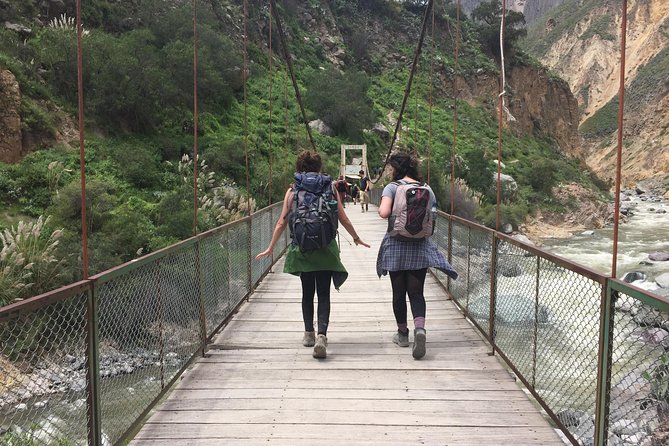
The Colca Canyon moves fast. One day you are chasing Andean condors at sunrise viewpoints, the next you are hiking down into the canyon and sleeping where the air feels different. Then, you wake up and do the steep uphill grind, followed by a one-way transfer to Puno.
What I like most is the mix of real canyon hiking with a full Chivay to Puno transfer, so you do not have to scramble for connections. I also like the small group feel, because when the route gets tough, having a guide paying attention makes the whole thing easier to manage.
The main drawback to plan for is that this is not a casual trek. The second day is a serious uphill effort, and the included lodging and meals are basic, not luxury.
In This Review
- Key points before you go
- A super early start that sets the Colca mood
- Chivay morning: Plaza de Armas and Condor’s Cross
- The long drive down to Cabanaconde and the first descent
- San Juan de Chuccho and the canyon villages you pass through
- Sangalle at the end of day one: warm pool recovery
- Day two starts with a torchlight climb to Cabanaconde
- Breakfast, pre-Inca terraces, and the ride back toward Chivay
- Pampa Cañahuas stop: volcanoes and four camelid species
- Food and lodging: included basics, with one standout kind of meal
- Colca Canyon entrance and optional hot springs: budget for add-ons
- Logistics that matter: luggage, buses, and group size
- Who should take this Colca Canyon trek to Puno
- Should you book this 2-day trek with transfer?
- FAQ
- What time does the tour start in Arequipa?
- How long is the trek, and what is the overall duration?
- What is included in the price?
- What costs are not included?
- Is the hot springs visit required?
- What fitness level do I need?
- What happens if weather is bad?
Key points before you go
- Small group max 12 means more guide attention on a steep route
- Andean Condors at Condor’s Cross is built into your schedule, with free viewpoint time
- Downhill hike to Sangalle includes a warm swimming pool stop for recovery
- Very early starts (3:00 am pickup, and a 5:00 am torchlight climb)
- Add-on costs matter: Colca Canyon entrance and optional hot springs are not included
Colca departures from Arequipa and Chivay
- From Arequipa: Colca Canyon Full-Day Guided Tour with Meals
★ 4.5 · 982 reviews - From Arequipa: 2-Day Colca Canyon Trekking Tour
★ 4.8 · 243 reviews - Colca Canyon Plus
★ 5.0 · 198 reviews - From Arequipa: Full Day Tour of Colca Canyon with Meals
★ 4.4 · 146 reviews
A super early start that sets the Colca mood
This tour starts with a pickup that’s effectively pre-dawn. Expect to be picked up around 3:00 am in Arequipa. From there, you drive to Chivay, where you arrive around 7:30 am, and you start the day with breakfast and canyon country sightseeing.
That early timing is not random. It helps you get your best viewpoint time before the day heats up, and it positions you to begin the downhill trekking section without losing daylight. If you hate waking up early, this part will test your patience.
Chivay morning: Plaza de Armas and Condor’s Cross
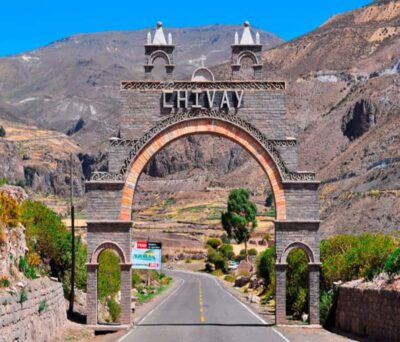
Your first real taste of the region happens in Chivay. You’ll have time for breakfast, then a stop at Plaza de Armas de Chivay. It is a classic town square moment, and it gives you an easy way to adjust to the altitude before you get moving.
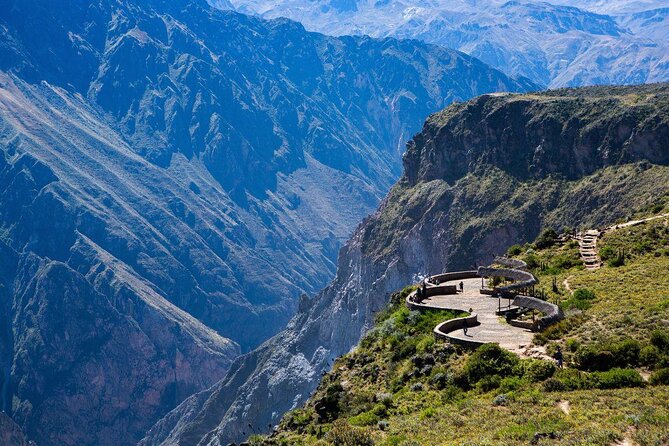
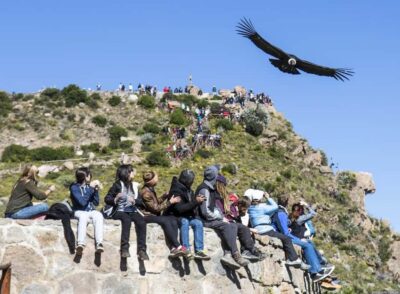
Next comes Condor’s Cross, one of the most famous viewpoints for Andean condors. The condor can weigh up to 12 kg with a wingspan over 3 metres, so you’re not just looking for a speck in the sky. The entry is free, and the stop is about 30 minutes, which is enough time to scan the thermals and catch birds if the wind is right.
Practical tip: wear layers for the viewpoint. Morning air can feel sharp, and you’ll want something that you can strip off once you’re back in motion.
The long drive down to Cabanaconde and the first descent
After the Chivay morning, you shift into the main travel day rhythm. Between 3:00 and 3:30 pm, you depart Arequipa to Cabanaconde as part of the overall transfer plan. The drive is about 6 hours, with breakfast breaks along the way.
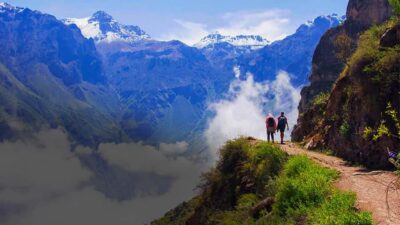
Once you reach the area, you continue back toward the Condor’s Cross viewpoint for an additional sighting opportunity, then take a bus segment (around 20 minutes) to the trailhead area. From there, you start hiking downhill for about 3 hours, dropping from around 3300 masl to 2100 masl into the canyon.
This part is why the trek feels so satisfying. You’re not just walking on a flat path. You’re moving through altitude change and terrain, and the canyon opens up as you lose elevation. It is also a lot easier on the body than the second day, but you still need solid footing and good shoes.
San Juan de Chuccho and the canyon villages you pass through
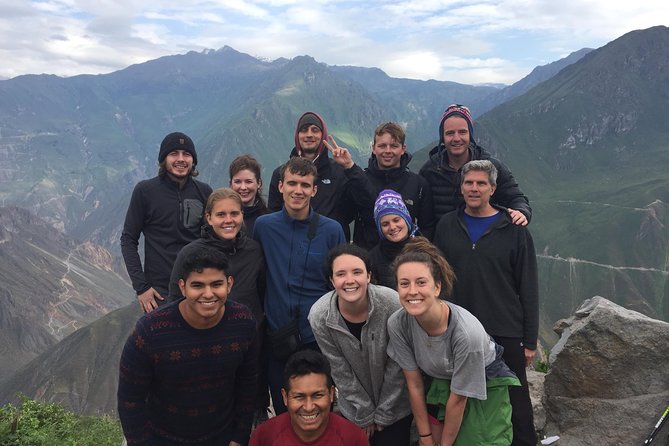
After the downhill segment, you get lunch and a rest in San Juan de Chuccho. This is a quieter pause point where you can reset, catch your breath, and let the afternoon hiking feel manageable again.
Then the trail continues through smaller towns along the canyon route, including Cosñirhua and Malata. These aren’t big, polished tourist stops. They are part of the actual texture of the Colca Canyon experience, and they give you a sense of how people live and farm at these elevations.
One more push follows, deeper into the canyon, heading toward Sangalle at around 1900 masl. You’re likely to arrive around 17:00, with time to settle in before dinner.
Uros, Taquile and Amantani, other crossings
Sangalle at the end of day one: warm pool recovery
Your first night is around Sangalle, where you stay at Cielo azul Lodge. The big reason Sangalle works as a trek destination is simple: after a day of downhill effort, you get a chance to recover in a warm swimming pool.
The pool is described as warm, and it is the kind of practical perk that makes a difference. You’re not expecting a spa experience, but warm water helps your legs feel human again when tomorrow requires a serious uphill climb.
Expect basic comfort. In real-world terms, that means your comfort depends on weather and your ability to relax with simple facilities. One review noted the vibe can feel a bit rough around the edges in some stays, so I would not plan this trek like a hotel vacation.
Day two starts with a torchlight climb to Cabanaconde
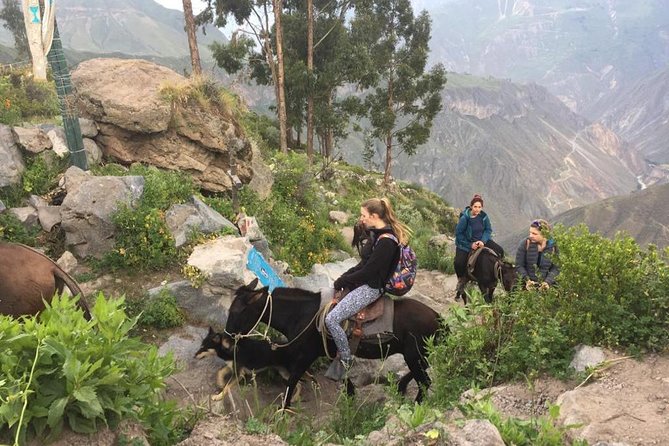
Day two is the hard part. You’ll start trekking around 5:00 am with torch lights, hiking uphill for about 3 hours back toward Cabanaconde. The timing matters because you get sunrise views while you climb, and you avoid the hottest part of the day.
This is where fitness really shows. The uphill gain is often described as roughly 950 to 1200 altitude meters up, depending on how you interpret the route and your pace. Even if you are fit, you’ll feel it in your lungs and thighs.
My advice: treat the first half of the climb as a steady effort, not a race. If you sprint early, you will pay for it later. Trekking sticks, if your operator allows them, can be useful, and trekking pole technique is one of those small things that changes how your knees feel.
Breakfast, pre-Inca terraces, and the ride back toward Chivay
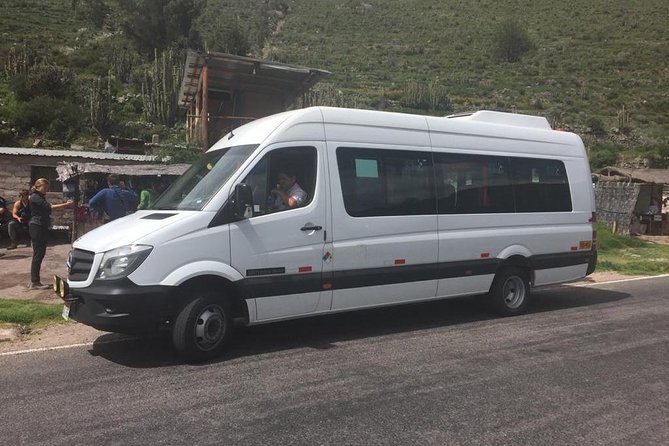
After reaching Cabanaconde, you’ll have breakfast. From there, you head toward Chivay. On the way, you pass views of pre-Inca terraces, plus archaeological ruins and colonial towns.
This is a smart way to add context to the canyon. Even if you did not plan to do extra sightseeing, the route itself gives you a sense of how long people have shaped this region.
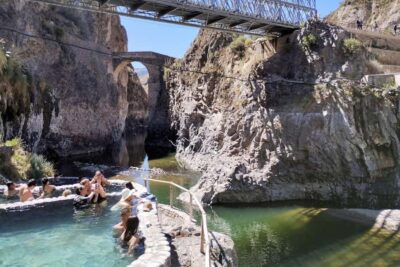
You reach Chivay around midday. Then you have the option to visit Hot Springs Chacapi, which is near Chivay. Entrance is 15 soles and not included, but the water temperature is described as ranging from about 30°C up to 60°C across different pools.
If you do the hot springs, plan it like a recovery session. It can feel amazing after uphill hiking, but if your legs are already stiff, don’t overdo time in the hottest pools.
Pampa Cañahuas stop: volcanoes and four camelid species
Once you have your Chivay break, you shift into the transfer portion. This tour includes a one-way transfer from Chivay to Puno, with arrival around 18:30.
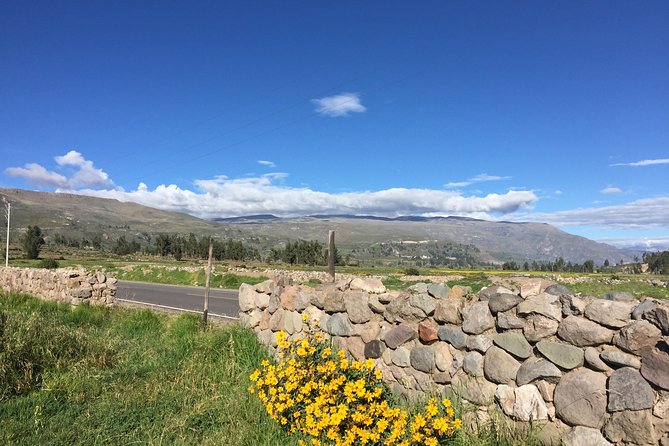
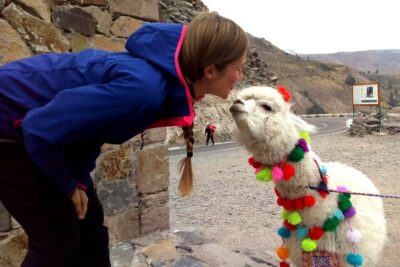
On the way, you stop at Pampa Cañahuas, part of the broader Salinas y Aguada Blanca National Reserve area. The stop is short on paper, but you still get time to look for camelids. The information lists alpacas, llamas, vicuñas, and guanacos, along with volcano views.
Practical note: wildlife spotting is never guaranteed. But even if you only catch one species, the fact that you are at an altitude where these animals live makes the stop feel earned, not random.
You’ll get dropped off at your hotel or hostel in central Puno when it’s located in that area.
Food and lodging: included basics, with one standout kind of meal
The tour includes two breakfasts, plus lunch and dinner. The details on meal quality are a mixed bag, which is normal on multi-day treks in remote areas.
Here is the honest expectation I would set: the included meals are okay, not gourmet. One review described food as not great, while another mentioned a tasty lunch in a local family house and fresh natural juices. That tells me you should expect simple, hearty flavors that do the job, plus a chance for a genuinely good local moment if your route and timing line up.
Lodging is also basic-to-comfortable rather than upscale. You sleep in bungalows around Sangalle (at Cielo azul Lodge), and the earlier part of the trek includes an overnight stay at Oasis ecolodge. Reviews point out that in some stays you may find limited hot water and a somewhat shabby feel, so pack with that mindset.
In other words, treat the overnight as a tool for recovery, not as a highlight by itself.
Colca Canyon entrance and optional hot springs: budget for add-ons
The advertised price is $179 per person, and that covers key things like the trek’s core logistics, plus dinner, lunch, and two breakfasts, and the Chivay to Puno transfer.
But you should budget for add-ons:
- Colca Canyon entrance: PEN 70 per person (not included)
- Hot Springs Chacapi: PEN 15 per person (optional, not included)
- A last lunch in Chivay or buffet: PEN 30 per person (not included)
This is a tour where the base price gets you the schedule and the major moves. The entrance fee and optional hot springs are the pieces you control later. If you like planning tightly, set aside cash for those early so you’re not scrambling at the wrong moment.
Also, I’d pay attention to how you book. One complaint from an online booking experience warned of situations where people paid much more than they expected compared to local office pricing, often tied to currency handling. I am not saying every booking channel is a bad deal, but it is smart to compare and confirm what you are actually paying in soles versus converted prices.
Logistics that matter: luggage, buses, and group size
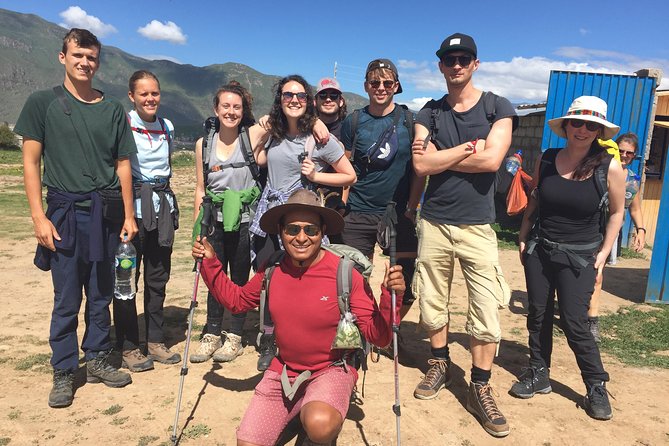
This is a small-group trek, with a maximum of 12 travelers. That number matters. In places like Colca, where you may stop often, adjust pacing, and coordinate checkpoints, a smaller group tends to feel less chaotic.
Your luggage is handled as part of the planning. Even with that, the route can involve bus changes, and one review noted needing to swap buses during the transfer. That is not a reason to panic. It is just the reality of multi-vehicle canyon travel, where routes and timing can shift.
The timing is also intense. You have multiple travel blocks across two days, so if you get motion sick easily, consider bringing something you trust. And if you want to sleep on a bus, bring an eye mask and something warm, since mornings and canyon drives can cool off quickly.
Who should take this Colca Canyon trek to Puno
This tour fits best if you want a structured Colca Canyon hike but do not want to build the transfer to Puno yourself. The included one-way transfer is a real convenience, especially if you are stitching together Peru highlights on a tight schedule.
You should also feel comfortable with a moderate physical fitness level. The trek includes a long downhill day, then a tough uphill day at sunrise. If you can walk for several hours and handle steep climbs without drama, you will enjoy it much more.
If you want an easy stroll, this is not that. The second day uphill is the make-or-break moment.
Should you book this 2-day trek with transfer?
Yes, if you want the Colca Canyon experience in a tight two-day format and you value a guided, organized route with a transfer to Puno included. I’d book it especially if condors and the canyon villages are on your must-see list, and if you are ready for early starts.
I would think twice or plan extra carefully if:
- you hate waking up before dawn
- you are sensitive to steep uphill effort
- you expect hotel-level comfort in the overnight stay
- you dislike budgeting for add-ons like Colca Canyon entrance and optional hot springs
If you book, go in with the right mindset: this is about the hike and the canyon rhythm, not about plush lodging. Do that, and you’ll likely come away saying the timing and the scenery were worth the effort.
FAQ
What time does the tour start in Arequipa?
Pickup is scheduled for 3:00 am from your hotel or hostel in Arequipa.
How long is the trek, and what is the overall duration?
It runs for 2 days (approx.) with hiking, meals, overnight accommodation, and the transfer from Chivay to Puno.
What is included in the price?
The price includes dinner, lunch, two breakfasts, and the transfer from Chivay to Puno.
What costs are not included?
Not included are Colca Canyon entrance (PEN 70 per person), Hot Springs Chacapi entrance (PEN 15 per person), and the last lunch in Chivay or buffet (PEN 30 per person).
Is the hot springs visit required?
No. The Hot Springs Chacapi visit is described as optional, with entrance costing PEN 15.
What fitness level do I need?
The tour is designed for people with a moderate physical fitness level, since you hike both downhill and uphill, including an early-morning uphill climb.
What happens if weather is bad?
This experience requires good weather. If it is canceled due to poor weather, you are offered a different date or a full refund.
More Tour Reviews in Arequipa
- From Arequipa: Colca Canyon Full-Day Guided Tour with Meals
★ 4.5 · 982 reviews - Tour to the Salinas Lagoon and National Reserve in Arequipa
★ 4.5 · 548 reviews - From Arequipa: Sillar Route Trek
★ 4.2 · 461 reviews - Arequipa: Chili River White Water Rafting with Hotel Pickup
★ 4.8 · 329 reviews - From Arequipa: 2-Day Colca Canyon Trekking Tour
★ 4.8 · 243 reviews
Island Time on Titicaca
- From Arequipa: Colca Canyon Day Trip with Transfer to Puno
★ 4.6 · 90 reviews - Colca Canyon: 2-Day Tour from Arequipa to Puno
★ 4.7 · 45 reviews - From Arequipa: 2-Day Colca Canyon Tour with Transfer to Puno
★ 4.2 · 17 reviews
Colca, Other Departures
- From Arequipa: Colca Canyon Full-Day Guided Tour with Meals
★ 4.5 · 982 reviews - From Arequipa: 2-Day Colca Canyon Trekking Tour
★ 4.8 · 243 reviews - Colca Canyon Plus
★ 5.0 · 198 reviews - From Arequipa: Full Day Tour of Colca Canyon with Meals
★ 4.4 · 146 reviews - Full-Day Colca Canyon Tour from Arequipa
★ 4.3 · 112 reviews
Freshly reviewed across Arequipa
- Excursion Salinas Lagoon and National★ 5.0 · 3 reviews
- From Arequipa: Full Day Colca Canyon Tour★ 4.5 · 3 reviews
- Arequipa: Colca Canyon Trekking 2 days and 1 night + food★ 4.8 · 3 reviews
- Walking tour through the Historic Center of Arequipa★ 4.0 · 3 reviews
- Arequipa: Catarata de Pillones and Bosque de Piedras Tour★ 4.3 · 3 reviews
- Cooking Class Typical Food in Arequipa★ 3.9 · 3 reviews
Colca Canyon Tours side by side.
 ★ 4.5From Arequipa: Colca Canyon Full-Day Guided Tour with MealsFrom $42982 reviews
 ★ 4.62-Day Tour Colca Canyon in Arequipa with end in PunoFrom $78248 reviews
 ★ 4.8From Arequipa: 2-Day Colca Canyon Trekking TourFrom $30243 reviews
 ★ 5.0Colca Canyon PlusFrom $103198 reviews
 ★ 4.4From Arequipa: Full Day Tour of Colca Canyon with MealsFrom $27146 reviews
 ★ 4.3Full-Day Colca Canyon Tour from ArequipaFrom $39112 reviews
 ★ 4.52 Day 1 Night Trek / Colca CanyonFrom $12492 reviews
 ★ 4.6From Arequipa: Colca Canyon Day Trip with Transfer to PunoFrom $6590 reviews