
REVIEW · AREQUIPA CITY
Walking tour through the Historic Center of Arequipa
Arequipa’s center is best seen on foot. This 3-hour walk strings together architecture, volcano views, and local details you’d miss on your own.
What I like most is how the route weaves big-picture stories into specific places, starting at the main square and ending near major landmarks. I also love the Mundo Alpaca stop, where you see the camelid-breeding legacy and get a practical look at the fibers.
One drawback to plan for: you’ll spend the whole time walking, and the tour is priced as a guided experience, not as a food or ticket package.
In This Review
- Key things to know before you go
- Walking the Historic Center like a local, not a stamp collector
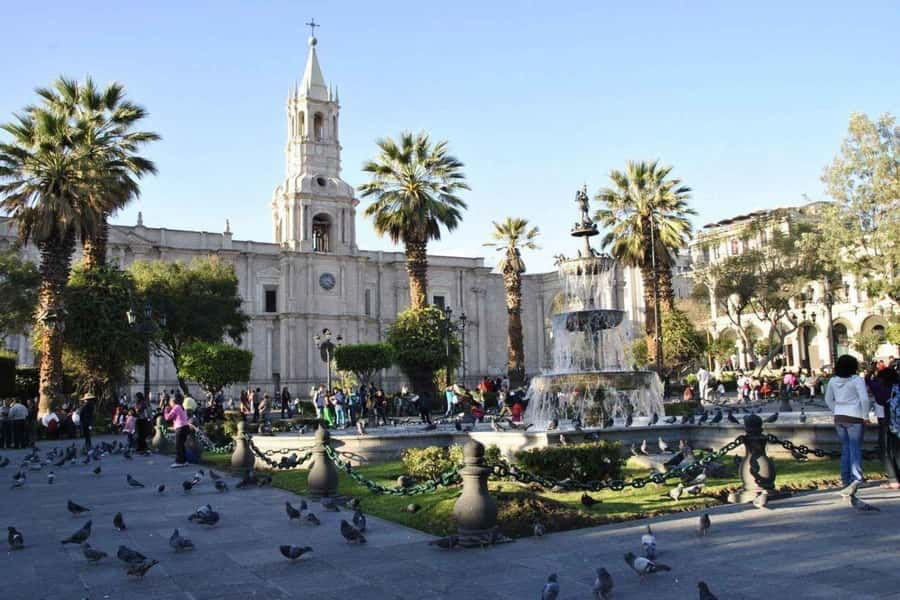
- Starting at Arequipa’s Main Square: arches, portals, and the city’s center of gravity
- The Company’s cloisters: where architecture slows time
- Bridge views, Misti, and the Chili River: the segment that makes the walk worth it
- Mundo Alpaca: old camelid breeding farm, modern fiber learning
- San Lázaro: the early roots of the White City
- Finishing near Santa Catalina and the Juanita Mummy Museum
- Price and value: what you pay $25 for, and what you don’t
- Who this tour is best for
- Tips that make a difference on a 3-hour walking route
- Should you book this Historic Center walking tour?
- FAQ
- Where does the tour start?
- How long is the walking tour?
- What is the price per person?
- Is hotel pick-up included?
- What sights are included on the route?
- Does the tour include food or drinks?
- Are tickets included?
- What languages does the guide speak?
- Is the tour fully on foot?
- What is the cancellation policy?
Key things to know before you go
- Main Square architecture: iconic arches and portals set the tone right away
- Cloisters of the Company: impressive stonework and calm, historical atmosphere
- Volcano views from the bridges: look for Misti, plus the Chili River below
- Mundo Alpaca stop: learn about llamas, alpacas, suris, and vicuñas
- San Lázaro neighborhood: a key early chapter of the White City
Santa Catalina, Yanahuara and more Arequipa
- From Arequipa: Colca Canyon Full-Day Guided Tour with Meals
★ 4.5 · 982 reviews - Tour to the Salinas Lagoon and National Reserve in Arequipa
★ 4.5 · 548 reviews - From Arequipa: Sillar Route Trek
★ 4.2 · 461 reviews - Arequipa: Chili River White Water Rafting with Hotel Pickup
★ 4.8 · 329 reviews
Walking the Historic Center like a local, not a stamp collector
This tour is built for orientation. In three hours, you get a guided sweep through Arequipa’s core, with enough variety to keep it interesting without turning it into a rushed checklist. You’re moving mostly at street level, so you feel the scale of the city, not just the monuments.
The price also makes sense for what’s included. You pay for a professional guide and a walking format, plus hotel pick-up only if you’re staying inside the historical center. Tickets and food are not included, so you are not paying extra for stops that might not match your pace.
Starting at Arequipa’s Main Square: arches, portals, and the city’s center of gravity
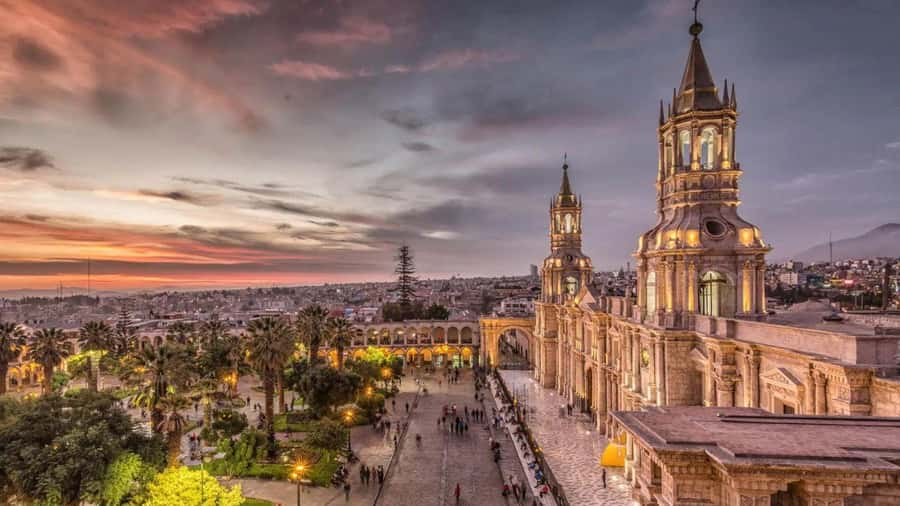
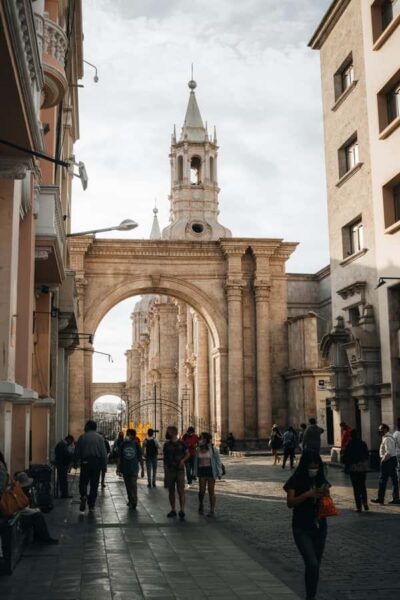
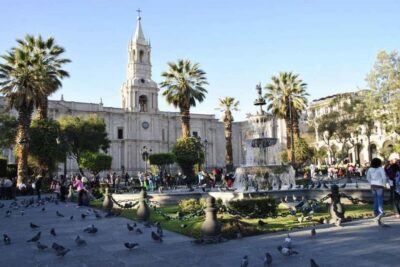
You meet in the main square of Arequipa, which is the smartest place to begin. From there, the guide takes you through the square’s iconic arches and portals, giving you a quick framework for how the historic center is laid out and why it matters.
I like this start because it’s visual first, story second. You’re looking at the shapes and design details as you learn the context, which makes the history easier to remember. It also helps you figure out where everything is, so you can explore after the tour without getting turned around.
The Company’s cloisters: where architecture slows time
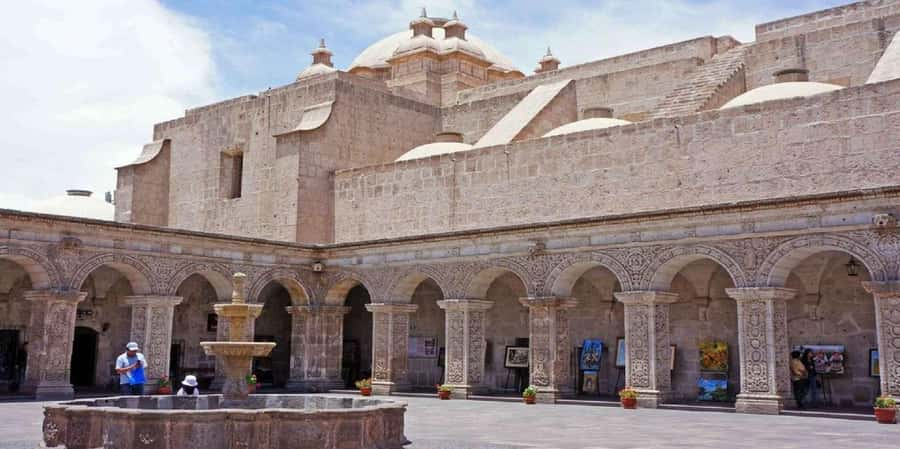
Next up is the cloisters of the Company, one of the architectural highlights of the route. Even if you’re not a design nerd, cloisters are hard to ignore. The stone, the proportions, and the way the spaces create a quiet rhythm make them feel different from the street.
This stop is valuable because it shows another side of Arequipa’s identity: not only public squares and bridges, but also enclosed spaces tied to important institutions. You get a sense of why these buildings have lasted, and how the city’s past still shapes what you see today.
Bridge views, Misti, and the Chili River: the segment that makes the walk worth it
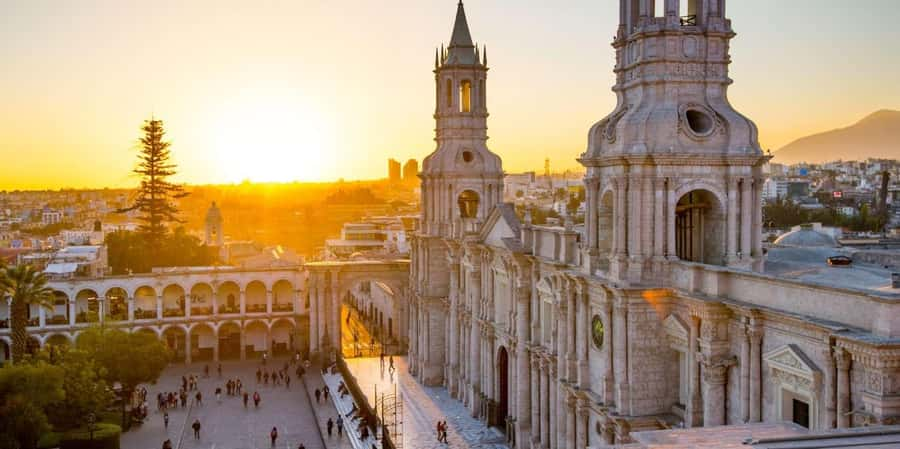
One of the best payoffs comes when you reach the bridge area, with views out toward volcanoes such as Misti and the Chili River. The tour specifically calls out this observation point, and it’s the moment when your eyes finally break out of the dense old-city streets and take in the bigger setting.
This matters more than you might think. Arequipa’s historic center is dramatic, but it can also feel visually heavy if you only focus on buildings. The volcano and river views give your brain a reset, plus they help you understand how the city sits in relation to the surrounding geography.
Other guided walking routes in Arequipa
Mundo Alpaca: old camelid breeding farm, modern fiber learning
Then you head to Mundo Alpaca, described as the old breeding farm for camelids like llamas, alpacas, suris, and vicuñas. This is more than a random shop stop. The tour frames it around what the farm means, so the animal connection feels real instead of generic.
You also have the option to purchase fabrics made from these fibers. That’s a practical choice for you to consider based on your travel style. If you like taking home something useful, this is where it fits naturally. If you prefer not to shop, you can still enjoy the educational aspect and move on with the rest of the tour.
A small word of advice from experience with places like this: fabrics can be tempting because they look great, and the product story can be persuasive. If you’re shopping, focus on what’s made and how it’s described, then decide calmly instead of in the moment.
San Lázaro: the early roots of the White City
After Mundo Alpaca, the tour shifts into the San Lázaro neighborhood, identified as the first town where the White City was founded. That detail gives this part of the walk extra meaning. You’re not only seeing sights, you’re stepping into an area tied to the earliest chapter of the city’s growth.
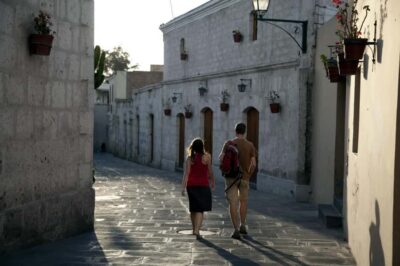
I like neighborhood segments because they show the city’s human scale. You notice street patterns, transitions, and how historic areas connect to everyday life. It’s also a nice contrast after a more structured stop like the alpaca farm.
Finishing near Santa Catalina and the Juanita Mummy Museum
The tour concludes in the center of the city, close to the Monastery of Santa Catalina or the Juanita Mummy Museum. That ending location is smart, because it keeps your options open. If you want to keep exploring right away, you’re positioned near major attractions. If you’re done with guided walking, you can head back and still feel like you used your time well.
Also note: tickets are not included. So if you want entry to anything you pass near, you’ll need to plan for that separately based on what interests you.
Price and value: what you pay $25 for, and what you don’t
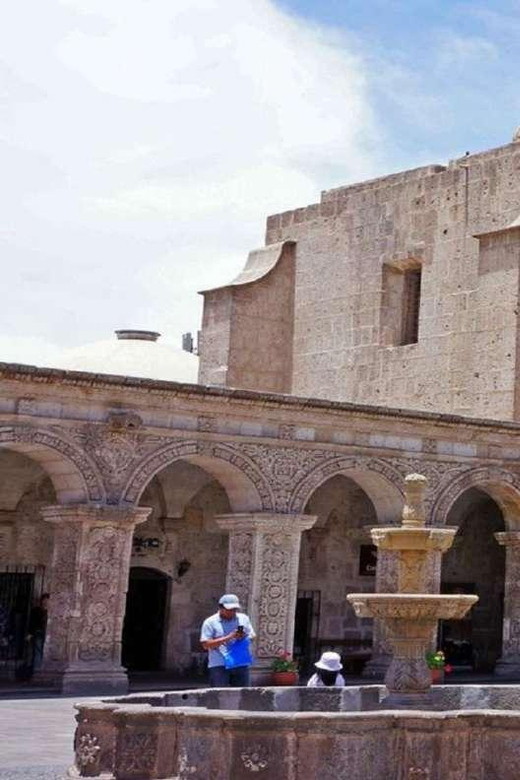
At $25 per person for a 3-hour guided walking tour, the value is in the structure and local interpretation. You’re not just walking around. You’re getting a guide to connect the dots between the main square, the cloisters, bridge viewpoints, and neighborhood context.
Here’s what’s included: a professional guide, the walking tour itself, and hotel pick-up only within the historical center. You can think of the pick-up as a small convenience fee, not a guarantee for every neighborhood.
Here’s what’s not included: foods and tickets. That’s normal for a walking tour, but it matters for budgeting. If you want a snack or a full meal after, plan it separately.
Who this tour is best for
This tour fits you if you want a first-orientation walk and you like mixing architecture with city views. It also works well if you’re curious about local materials, since the Mundo Alpaca stop connects camelids to fiber production.
It may not be the best fit if you strongly prefer a sit-down style tour. Since it’s an all-on-foot experience, you should be comfortable walking for the full duration.
Tips that make a difference on a 3-hour walking route
- Wear comfortable shoes since the entire journey is on foot
- Decide in advance if you want to shop at Mundo Alpaca, so you do it calmly if you choose to
- If you care about language, pick the Spanish or English option that matches you best, since the tour includes live guiding in both
Should you book this Historic Center walking tour?
I’d book it if you’re heading to Arequipa for the first time and want a guided sweep that covers the essentials without feeling like a whirlwind. The standout moments are the cloisters of the Company and the bridge-side view toward Misti and the Chili River, plus the more grounded cultural stop at Mundo Alpaca.
Skip it or at least compare options if you’re looking for food included, or if you want a tour that focuses only on museums and ticketed sites. This one is for people who enjoy walking, looking closely, and learning as they go.
FAQ
Where does the tour start?
You meet in the main square of Arequipa.
How long is the walking tour?
The duration is 3 hours.
What is the price per person?
The price is $25 per person.
Is hotel pick-up included?
Pick up from your hotel is included only if your hotel is in the historical center.
What sights are included on the route?
You’ll see the main square’s arches and portals, the cloisters of the Company, the area with views from the bridges (including Misti and the Chili River), Mundo Alpaca, the San Lázaro neighborhood, and you’ll end near the Monastery of Santa Catalina or the Juanita Mummy Museum.
Does the tour include food or drinks?
No, foods are not included.
Are tickets included?
No, tickets are not included.
What languages does the guide speak?
The live tour guide is available in Spanish and English.
Is the tour fully on foot?
Yes, the entire journey is on foot.
What is the cancellation policy?
You can cancel up to 24 hours in advance for a full refund.
More Tours in Arequipa
- From Arequipa: Colca Canyon Full-Day Guided Tour with Meals
★ 4.5 · 982 reviews - Tour to the Salinas Lagoon and National Reserve in Arequipa
★ 4.5 · 548 reviews - From Arequipa: 2-Day Colca Canyon Trekking Tour
★ 4.8 · 243 reviews - Walking tour in the Historic Center of Arequipa
★ 4.4 · 180 reviews - From Arequipa: Full Day Tour of Colca Canyon with Meals
★ 4.4 · 146 reviews
More Tour Reviews in Arequipa
- From Arequipa: Colca Canyon Full-Day Guided Tour with Meals
★ 4.5 · 982 reviews - Tour to the Salinas Lagoon and National Reserve in Arequipa
★ 4.5 · 548 reviews - From Arequipa: Sillar Route Trek
★ 4.2 · 461 reviews - Arequipa: Chili River White Water Rafting with Hotel Pickup
★ 4.8 · 329 reviews - From Arequipa: 2-Day Colca Canyon Trekking Tour
★ 4.8 · 243 reviews
Arequipa Under El Misti
- From Arequipa: Colca Canyon Full-Day Guided Tour with Meals
★ 4.5 · 982 reviews - Tour to the Salinas Lagoon and National Reserve in Arequipa
★ 4.5 · 548 reviews - From Arequipa: Sillar Route Trek
★ 4.2 · 461 reviews - Arequipa: Chili River White Water Rafting with Hotel Pickup
★ 4.8 · 329 reviews - From Arequipa: 2-Day Colca Canyon Trekking Tour
★ 4.8 · 243 reviews
Freshly reviewed across Arequipa
- Excursion Salinas Lagoon and National★ 5.0 · 3 reviews
- From Arequipa: Full Day Colca Canyon Tour★ 4.5 · 3 reviews
- Arequipa: Colca Canyon Trekking 2 days and 1 night + food★ 4.8 · 3 reviews
- Walking tour through the Historic Center of Arequipa★ 4.0 · 3 reviews
- Arequipa: Catarata de Pillones and Bosque de Piedras Tour★ 4.3 · 3 reviews
- Cooking Class Typical Food in Arequipa★ 3.9 · 3 reviews
Arequipa City Tours side by side.
 ★ 4.5From Arequipa: Colca Canyon Full-Day Guided Tour with MealsFrom $42982 reviews
 ★ 4.5Tour to the Salinas Lagoon and National Reserve in ArequipaFrom $27548 reviews
 ★ 4.2From Arequipa: Sillar Route TrekFrom $12461 reviews
 ★ 4.8Arequipa: Chili River White Water Rafting with Hotel PickupFrom $20329 reviews
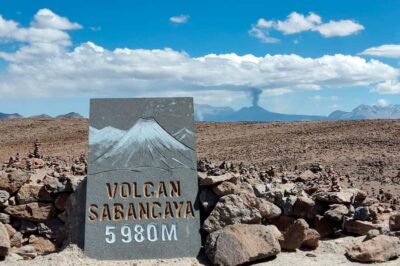 ★ 4.62-Day Tour Colca Canyon in Arequipa with end in PunoFrom $78248 reviews
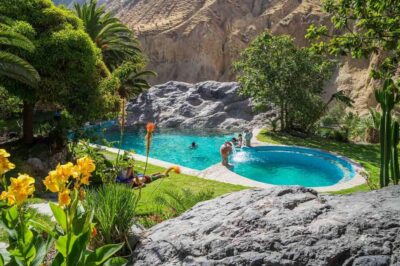 ★ 4.8From Arequipa: 2-Day Colca Canyon Trekking TourFrom $30243 reviews
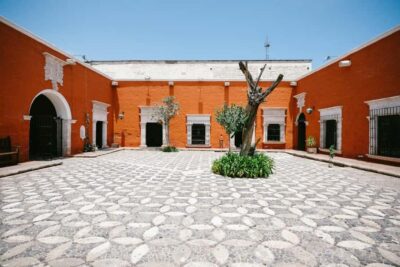 ★ 4.4Walking tour in the Historic Center of ArequipaFrom $10180 reviews
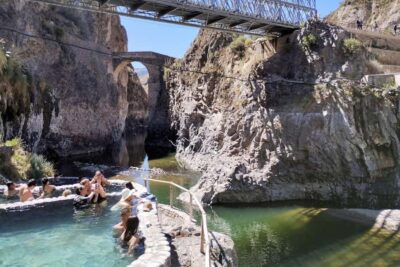 ★ 4.4From Arequipa: Full Day Tour of Colca Canyon with MealsFrom $27146 reviews
Also on these Peru lists