
REVIEW · AREQUIPA CITY
Arequipa: Catarata de Pillones and Bosque de Piedras Tour
Stone columns and a waterfall, all before lunch. This Arequipa day trip mixes Catarata de Pillones with the Bosque de Piedras de Puruña stone formations, plus vicuñas and Misti Volcano views.
I especially like the feel of moving from town to high-altitude reserve, then into a full-on natural “show” at the waterfall. You’ll also get context on local culture and traditions, and the guide keeps the day connected instead of feeling like a drive-through.
The main drawback is that the schedule starts at 6:00 AM and the altitude around 4,000 meters means cold air and some rocky walking. If you’re not comfortable with a careful descent or you’re traveling with mobility limits, this may not be the right fit.
In This Review
- Key highlights that make this day trip worth it
- Why Catarata de Pillones feels bigger than the name
- A 6:00 AM start that actually makes sense
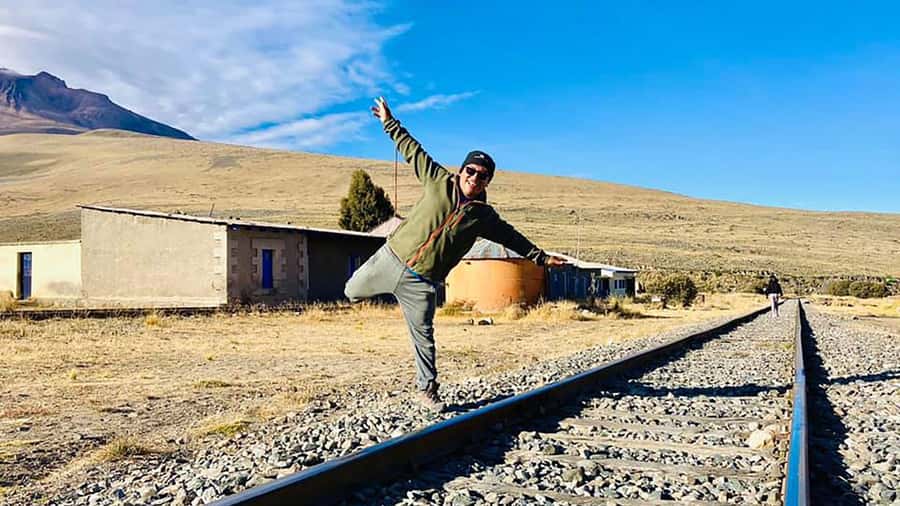
- Pampa de Arrieros and Pampa Cañahuas: trains, vicuñas, and the Misti
- Patahuasi at 4,000 meters: acclimatize before you start walking
- Catarata de Pillones: the 20-minute descent and the river-walk feel
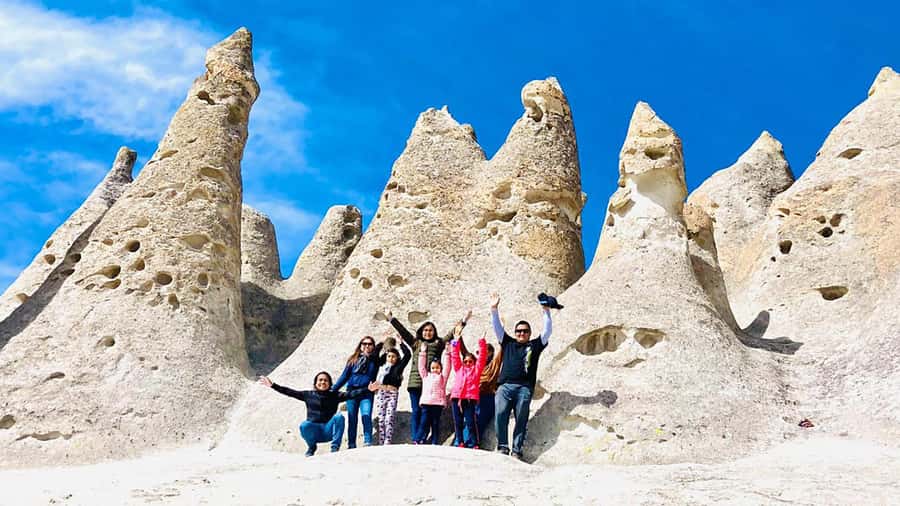
- Bosque de Piedras de Puruña (Imata area): stone columns that look alive
- Lunch timing around 12:30 and how to handle the food stop
- Getting back near Plaza de Armas by 4:00 PM
- What you pay for at $32, and why the value can be real
- Who this tour suits best (and who should skip it)
- Packing list that makes the day easier
- Should you book Catarata de Pillones and Bosque de Piedras?
- FAQ
- What time does the tour start?
- Where is the meeting point?
- How long is the tour?
- What’s included in the price?
- Is lunch included?
- What languages are the guides?
- What should I bring?
- Is this tour suitable for children or pregnant women?
- Can I cancel for a full refund?
Key highlights that make this day trip worth it
- Catarata de Pillones: a huge waterfall with erosion-shaped rocks and lots of photo time
- Bosque de Piedras de Puruña (Imata area): stone columns that look like petrified prehistoric creatures
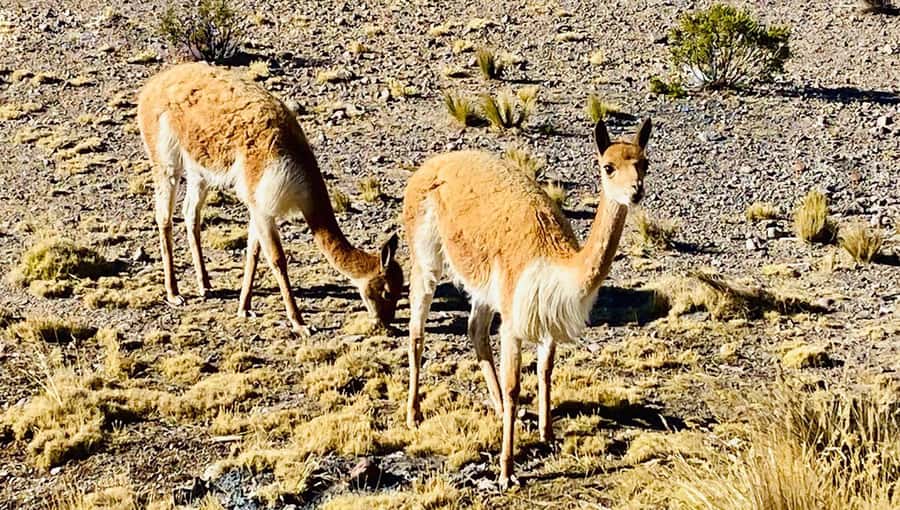
- Pampa Cañahuas National Reserve: vicuñas with Misti Volcano in the background
- Patahuasi acclimatization stop: warm up with Andean teas before you start descending
- Private tour feel: small group max of 19, guided and air-conditioned transport
Santa Catalina, Yanahuara and more Arequipa
- From Arequipa: Colca Canyon Full-Day Guided Tour with Meals
★ 4.5 · 982 reviews - Tour to the Salinas Lagoon and National Reserve in Arequipa
★ 4.5 · 548 reviews - From Arequipa: Sillar Route Trek
★ 4.2 · 461 reviews - Arequipa: Chili River White Water Rafting with Hotel Pickup
★ 4.8 · 329 reviews
Why Catarata de Pillones feels bigger than the name
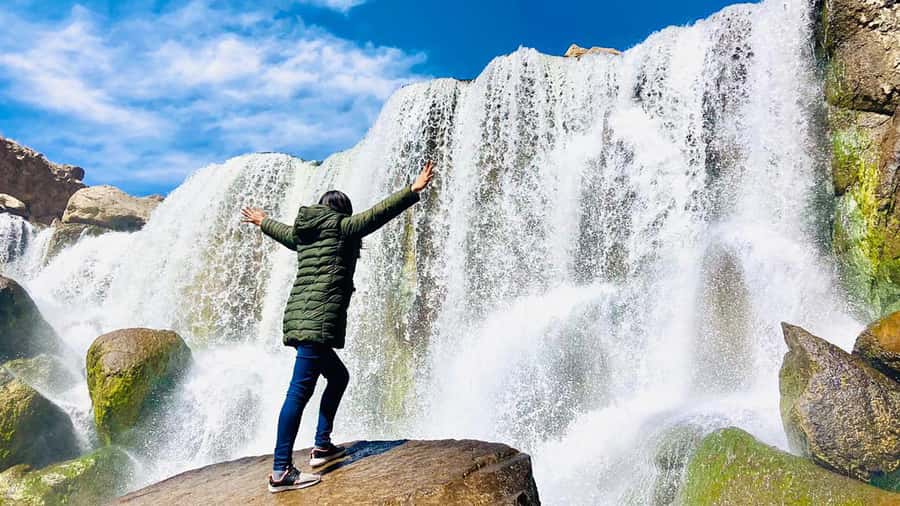
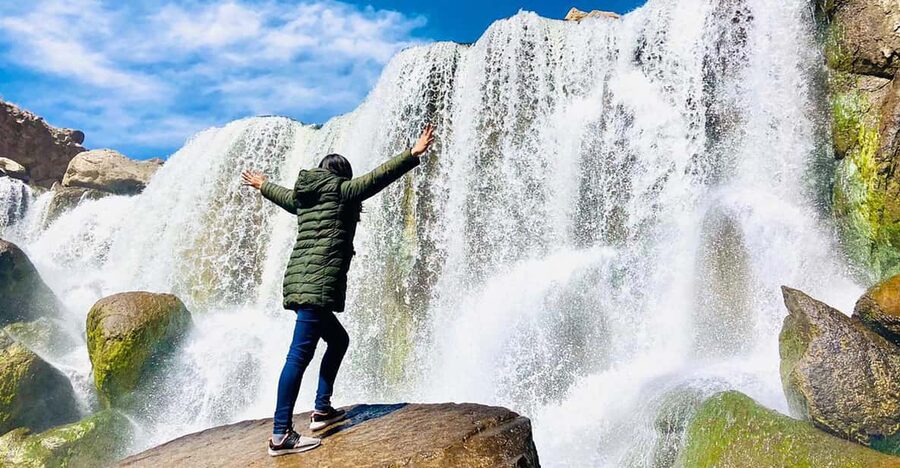
Catarata de Pillones is the kind of place where the photos can never fully explain the scale. You’re looking at a wide waterfall sitting in rock that was carved by water and time, so the whole area feels shaped, not just scenic.
I also like that you’re not rushed. The plan includes a 45-minute stay at the waterfall, so you can take your time with photos, walks along the river area, and just standing there to let it sink in.
A 6:00 AM start that actually makes sense
This tour leaves early, with a meeting at the main entrance of the Cathedral. If you’re in the historic center, you can also have pickup at your hotel, and you’ll meet the group via a phone call if needed. The operator lists a local office reference point on Jerusalén Street 515, so you have a backup option for finding the guide.
Early departure isn’t for show. At altitude, mornings can be colder, and you’ll want stable light for photos before the day heats up and clouds or haze roll in. Plus, starting at 6:00 AM gives you time to do both the waterfall and the stone forest without feeling like you’re sprinting the whole day.
Pampa de Arrieros and Pampa Cañahuas: trains, vicuñas, and the Misti
The first real stop is Pampa de Arrieros, with a photo stop plus guided touring. This area connects to a chapter of Arequipa travel when a train brought people into the White City. It’s one of those pauses where the scenery is nice, but the story is what makes it memorable.
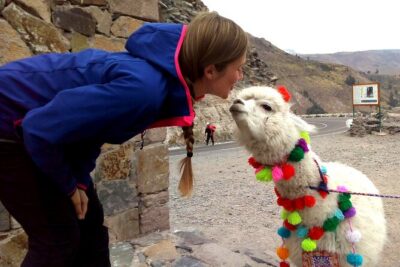
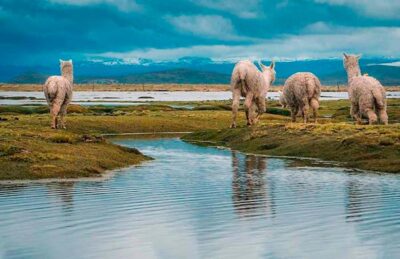
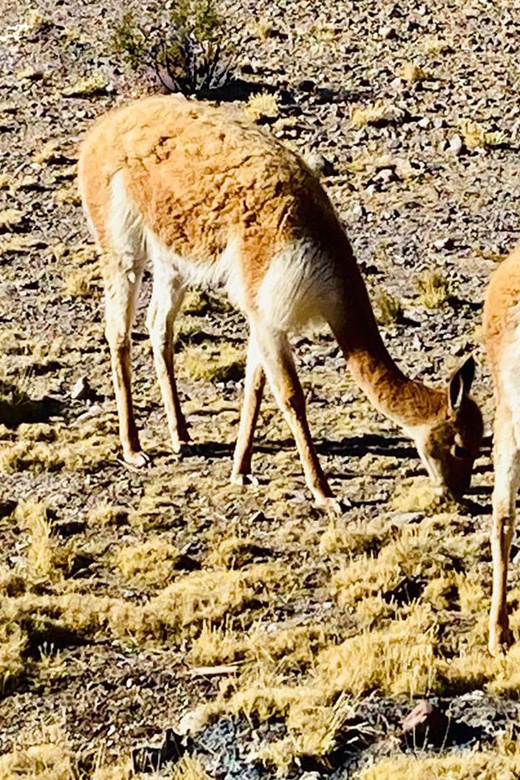
Next comes Pampa Cañahuas National Reserve, where the day hits its wild-animal moment. Here you can look for vicuñas with the Misti Volcano as your backdrop. Even if you’ve seen llamas and alpacas up close before, vicuñas have a different vibe, more alert and wild-feeling.
Practical tip: expect wide-open space and bright sun. Even when it’s cold, you’ll still want sunglasses and a camera ready, because the views open fast and you don’t always get a second chance at the best angle.
Patahuasi at 4,000 meters: acclimatize before you start walking
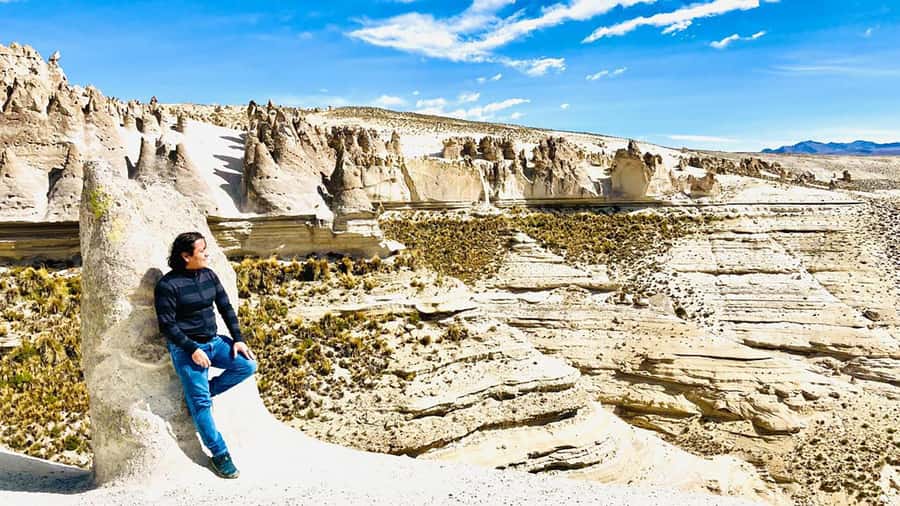
After the reserve, you reach Patahuasi. This is your “slow down and adjust” moment, with time to have breakfast or drink Andean teas. The area is high, listed at about 4,000 meters, so the cold can hit harder than you expect.
I like that the plan builds in a buffer. Before the waterfall descent, you get a chance to settle your breathing, warm up a little, and make sure you’re steady on your feet. If you’re prone to feeling lightheaded at altitude, take it easy during this part and don’t treat it like a quick snack stop.
Catarata de Pillones: the 20-minute descent and the river-walk feel
Now for the main event. From where you start, it’s a 20-minute descent to reach Catarata de Pillones. The information also notes you can see the waterfall from above, so you have a built-in option if you prefer less walking.
For the full experience, plan on a careful rocky slope down, then a walk along the river before the waterfall opens up. That approach is what makes the moment better than just arriving at a viewpoint. You’re moving through the setting, so the waterfall lands with more impact when it finally appears.
You get 45 minutes at the waterfall for photos and lingering. I recommend taking a few minutes just to stand still first, then do your photo rounds. It helps you avoid focusing only on the camera and missing the way the water patterns the rocks.
Important safety note: this part is rocky and requires attention. Wear shoes you can trust on uneven ground. If it’s icy or you’re tired, take your time on the descent, because rushing doesn’t pay off here.
Bosque de Piedras de Puruña (Imata area): stone columns that look alive
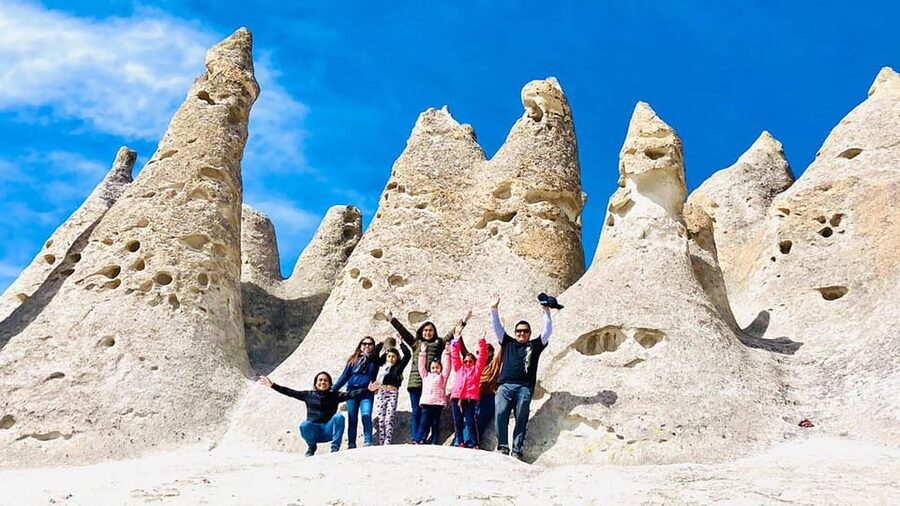
At around 10:30 AM, you continue on to the Bosque de Piedras area, listed as Bosque de Piedras de Imata. In the highlights, this same “stone forest” theme connects with Bosque de Piedras de Puruña, described as natural stone columns that resemble a petrified enchanted forest.
You’ll be walking among rock formations shaped by erosion. Water has done the sculpting over long periods, and the result can feel a little sci-fi when you first see it. Some formations read like prehistoric animals, which is exactly what makes it fun to explore. You’re not just looking at stones, you’re “finding” creatures in them.
Photo tip: the best angles often come from moving sideways and changing height. If you only shoot straight-on, you’ll miss how the columns create depth. Also, keep an eye on the ground, because you’ll likely be on uneven terrain while you hunt for the most convincing shapes.
Lunch timing around 12:30 and how to handle the food stop
Lunch happens at about 12:30 PM at a local restaurant. The tour notes lunch as not included, so you should plan to pay for what you eat. The good part is you still get a dedicated stop, not a random grab-and-go.
What I suggest: keep lunch simple and filling, not heavy. Your body is still adjusting to altitude, and you’ll want steady energy for the final drive back to Arequipa.
Since food and drinks aren’t included, I also recommend carrying water and a couple of snacks. The tour does specifically ask you to bring snacks and water, which tells me the day is built to rely on your own supplies between stops.
Getting back near Plaza de Armas by 4:00 PM
The schedule aims to finish around 4:00 PM, concluding near Plaza de Armas in the city center. That’s a practical end time, because it leaves you enough evening energy for dinner and a slow wander back through Arequipa’s historic core.
If you’re planning something right after, I’d keep it flexible. You’re doing a full day at altitude with uneven walking, so a little buffer helps.
What you pay for at $32, and why the value can be real
At about $32 per person for a one-day trip, this is priced like a budget-friendly way to hit multiple highlights without organizing separate transport. The included items list covers a professional guide, hotel pickup, private tour format, and air-conditioned transportation.
What’s not included is equally important. Food and drinks are listed as not included, along with lunch and entrance tickets. That means your real cost depends on what you choose to eat and buy during the stops. Still, you’re getting guided access to the big natural targets plus transport that handles the long stretches for you.
In plain terms: it’s good value if you’re comfortable covering your own meals and you want a structured day that doesn’t require planning.
Who this tour suits best (and who should skip it)
This day trip fits people who want a mix of geology and wildlife, without spending a whole week in the countryside. I think it’s especially good for:
- photographers who want waterfall and stone-formation shots
- hikers who are okay with a careful descent on rocky ground
- travelers who want high-altitude nature and vicuñas with a volcano view
It’s not suitable for children under 8, and the listed age range is 8 to 50. It also isn’t recommended for pregnant women or people with mobility impairments. If any of those apply, you’ll likely find the descent part too challenging.
One more thing to know: the group size cap is 19 for a private, coordinated tour. So it’s not a huge bus mob, but you should still assume it’s not a silent, fully private experience either. You’ll likely be sharing photo moments and moving at the group pace.
Packing list that makes the day easier
Bring comfortable shoes. The waterfall approach involves rocky walking and careful footing.
Warm clothing matters because the tour is at high altitude, around 4,000 meters. Layers are your friend, because you’ll go from cold air to warmer sun depending on where you are.
Also bring:
- a camera (you’ll use it more than you expect)
- snacks and water (food is not included)
- warm outerwear plus sport-appropriate clothing
And one clear rule: no smoking.
Should you book Catarata de Pillones and Bosque de Piedras?
I’d book it if you want a one-day Arequipa nature hit with real variety. You’re getting a major waterfall with time to photograph, a stone-forest walk that feels strange in the best way, and the chance to see vicuñas with the Misti Volcano behind them. The $32 price works well when you value guided timing and transport over DIY planning.
Skip it if you hate early mornings, feel easily overwhelmed by cold at altitude, or you’re not comfortable with rocky walking. This is a nature day first, so the comfort level depends heavily on your footing and stamina.
If you want, tell me your travel dates and your hiking comfort level, and I’ll help you decide if the descent is realistic for you.
FAQ
What time does the tour start?
The tour starts at 6:00 AM.
Where is the meeting point?
The reference point is the main entrance of the Cathedral. The guides can also meet you at your hotel if it is located in the historic center, or at the office on Jerusalén Street 515.
How long is the tour?
The duration is 1 day.
What’s included in the price?
The tour includes a professional guide, hotel pickup, private tour format, air-conditioned transportation, and special activities.
Is lunch included?
No. Lunch is not included, though you will have time for lunch at a local restaurant during the day.
What languages are the guides?
The live tour guide is offered in English and Spanish.
What should I bring?
Bring comfortable shoes, warm clothing, a camera, snacks, and water.
Is this tour suitable for children or pregnant women?
No. It is not suitable for children under 8 years old, and it is not suitable for pregnant women.
Can I cancel for a full refund?
Yes. You can cancel up to 24 hours in advance for a full refund.
More Tours in Arequipa
- From Arequipa: Colca Canyon Full-Day Guided Tour with Meals
★ 4.5 · 982 reviews - Tour to the Salinas Lagoon and National Reserve in Arequipa
★ 4.5 · 548 reviews - From Arequipa: 2-Day Colca Canyon Trekking Tour
★ 4.8 · 243 reviews - Walking tour in the Historic Center of Arequipa
★ 4.4 · 180 reviews - From Arequipa: Full Day Tour of Colca Canyon with Meals
★ 4.4 · 146 reviews
More Tour Reviews in Arequipa
- From Arequipa: Colca Canyon Full-Day Guided Tour with Meals
★ 4.5 · 982 reviews - Tour to the Salinas Lagoon and National Reserve in Arequipa
★ 4.5 · 548 reviews - From Arequipa: Sillar Route Trek
★ 4.2 · 461 reviews - Arequipa: Chili River White Water Rafting with Hotel Pickup
★ 4.8 · 329 reviews - From Arequipa: 2-Day Colca Canyon Trekking Tour
★ 4.8 · 243 reviews
Arequipa Under El Misti
- From Arequipa: Colca Canyon Full-Day Guided Tour with Meals
★ 4.5 · 982 reviews - Tour to the Salinas Lagoon and National Reserve in Arequipa
★ 4.5 · 548 reviews - From Arequipa: Sillar Route Trek
★ 4.2 · 461 reviews - Arequipa: Chili River White Water Rafting with Hotel Pickup
★ 4.8 · 329 reviews - From Arequipa: 2-Day Colca Canyon Trekking Tour
★ 4.8 · 243 reviews
Freshly reviewed across Arequipa
- Excursion Salinas Lagoon and National★ 5.0 · 3 reviews
- From Arequipa: Full Day Colca Canyon Tour★ 4.5 · 3 reviews
- Arequipa: Colca Canyon Trekking 2 days and 1 night + food★ 4.8 · 3 reviews
- Walking tour through the Historic Center of Arequipa★ 4.0 · 3 reviews
- Arequipa: Catarata de Pillones and Bosque de Piedras Tour★ 4.3 · 3 reviews
- Cooking Class Typical Food in Arequipa★ 3.9 · 3 reviews
Arequipa City Tours side by side.
 ★ 4.5From Arequipa: Colca Canyon Full-Day Guided Tour with MealsFrom $42982 reviews
 ★ 4.5Tour to the Salinas Lagoon and National Reserve in ArequipaFrom $27548 reviews
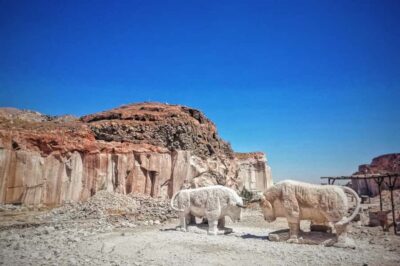 ★ 4.2From Arequipa: Sillar Route TrekFrom $12461 reviews
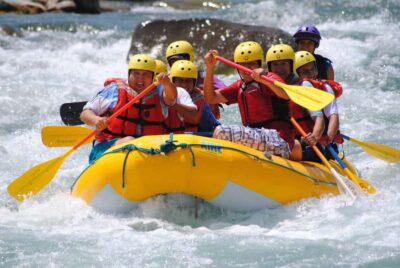 ★ 4.8Arequipa: Chili River White Water Rafting with Hotel PickupFrom $20329 reviews
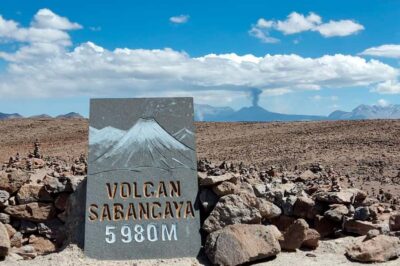 ★ 4.62-Day Tour Colca Canyon in Arequipa with end in PunoFrom $78248 reviews
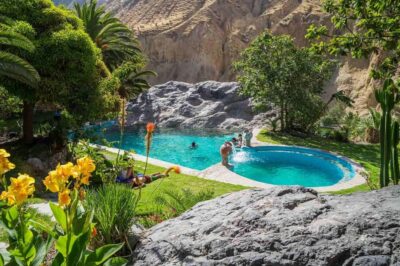 ★ 4.8From Arequipa: 2-Day Colca Canyon Trekking TourFrom $30243 reviews
 ★ 4.4Walking tour in the Historic Center of ArequipaFrom $10180 reviews
 ★ 4.4From Arequipa: Full Day Tour of Colca Canyon with MealsFrom $27146 reviews
Also on these Peru lists