
REVIEW · AREQUIPA CITY
From Arequipa: Sillar Route Trek
Sillar is not just white stone. This half-day Arequipa trek connects Sillar mining history with real working quarries and then rewards you with Quebrada de Culebrillas canyon walls and Wari petroglyphs. It is only about 4 hours, and it is priced so you can spend your money on snacks, not tour add-ons. One thing to consider: photo stops and group timing can feel a bit rushed if you like to linger.
I really liked how the itinerary mixes big views with hands-on stone craft, especially at Añashuayco Quarry where you can watch stonemasons early in the day. I also appreciated the variety, from ashlar production and carved scenes to a short walk through a cool, narrow canyon. If your Spanish is limited, it is still fine, since guides work in English and Spanish, though you may wait a touch if the group is large.
In This Review
- Key highlights at a glance
- Sillar Route Trek, the big idea behind the rocks
- Meeting point to first drive, getting oriented fast
- Stop 1: Añashuayco Quarry, where sillar turns from legend into work
- The mega carving you do not expect
- The stonemason experience
- A fair warning about timing
- Stop 2: Volcano and Chilina Valley viewpoint, quick altitude drama
- Stop 3: Quebrada de Culebrillas, the short canyon walk that steals the show
- Wari petroglyphs, more than a random rock wall
- What to wear and bring
- Stop 4: Apachetas, stone gratitude and good luck
- Stop 5: Mirador de los Volcanes, photo stop with a guided edge
- The route, pacing, and what 4 hours really means
- Price and value: $12 plus tickets, what you get for the money
- Who this trek suits best
- Practical tips so your day runs smoother
- Should you book the Sillar Route Trek?
- FAQ
- How long is the Sillar Route Trek from Arequipa?
- What does the tour cost, and are there extra entrance fees?
- What is included in the price?
- What language is the guide, and is English available?
- Where is the meeting point?
- Is there more than one departure time?
Key highlights at a glance
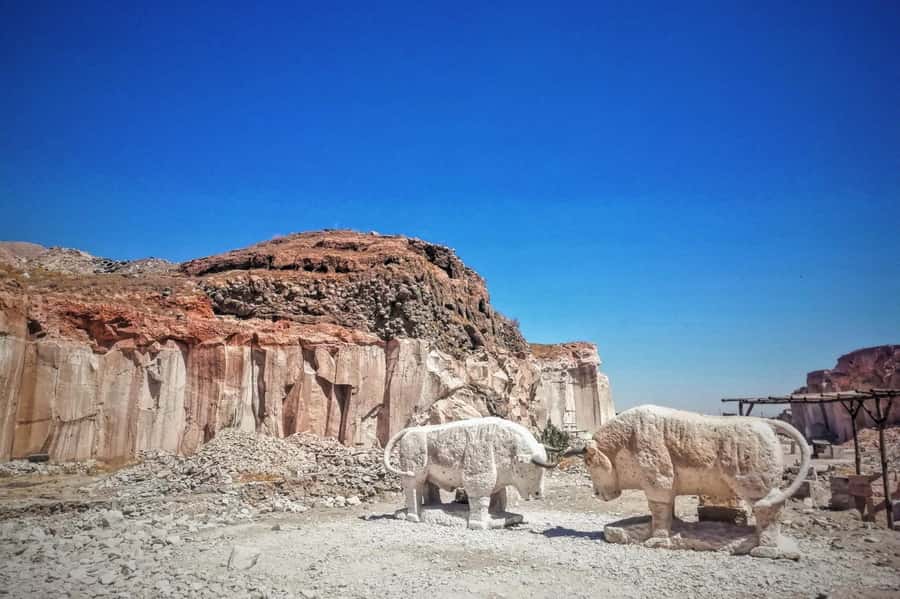
Añashuayco Quarry’s working walls: you see how ignimbrite gets carved into the ashlar blocks that made Arequipa famous.
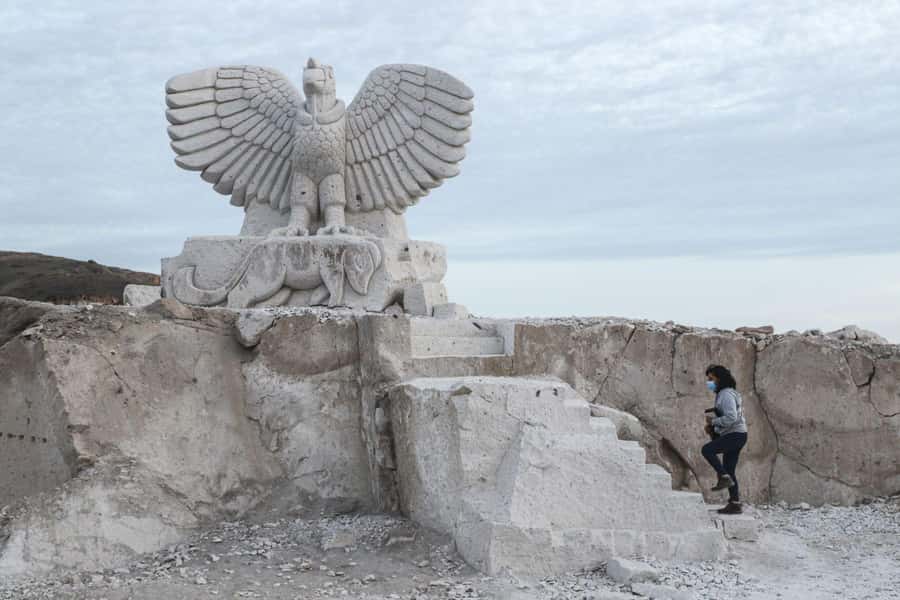
A mega carving in the quarry: a large church carving done by the stonemasons themselves.
Quebrada de Culebrillas canyon walk: a short hike through walls about 15 to 20 meters high.
Wari petroglyphs inside the canyon: ancient rock art you reach on foot.
Volcanoes and Chilina Valley viewpoints: quick stops for dramatic photos and a sense of place.
Good value for a 4-hour route: transport plus a guide for $12, with only modest entry fees extra.
Santa Catalina, Yanahuara and more Arequipa
- From Arequipa: Colca Canyon Full-Day Guided Tour with Meals
★ 4.5 · 982 reviews - Tour to the Salinas Lagoon and National Reserve in Arequipa
★ 4.5 · 548 reviews - From Arequipa: Sillar Route Trek
★ 4.2 · 461 reviews - Arequipa: Chili River White Water Rafting with Hotel Pickup
★ 4.8 · 329 reviews
Sillar Route Trek, the big idea behind the rocks
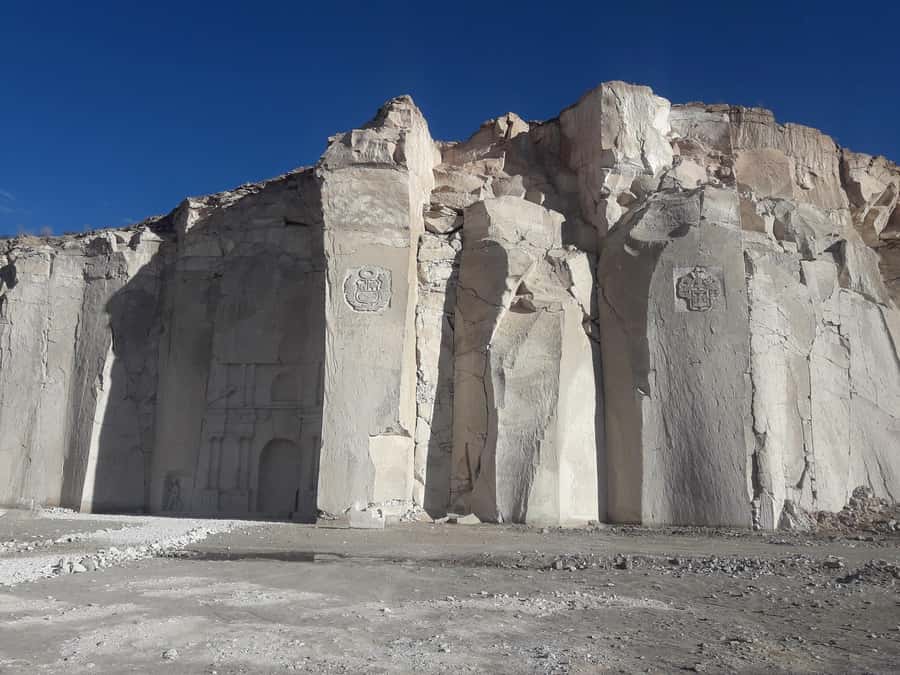
The Sillar Route is Arequipa’s version of a “how it was made” story, but with real-life geology and a living craft. The star is sillar, the pale volcanic stone that built much of the city’s look. When you visit the sources, it stops being a pretty facade and becomes a working process: cutting, hauling, shaping, and putting blocks where they belong.
What makes this trek worth doing is the mix. You are not just staring at scenery. You are learning how the stone came out of the ground, why it matters, and how people still work it today. Then you get a canyon walk that feels like a little secret, even though it is part of a planned route.
If you are in Arequipa for only a few days, this is a smart half-day option. It covers multiple “must-see” Sillar landscapes without swallowing your entire day.
Meeting point to first drive, getting oriented fast
You start at C. Álvarez Thomas 115. The tour begins around 9:15 AM, and it follows a simple loop idea: van rides between key sites, guided explanations at each stop, and short walks where it counts.
This is one of those tours where logistics help your brain. You get in a van, you get a guide, and you avoid the stress of figuring out which quarry turnoff matches which photo you saw online. One review also described the ride as comfortable, though it may not be air conditioned, so it helps to dress for sun and warm air.
Groups are often around the mid-20s range. That is not huge. Still, if you hate crowds, keep your expectations grounded, especially at the quarry where multiple tour groups overlap.
Stop 1: Añashuayco Quarry, where sillar turns from legend into work
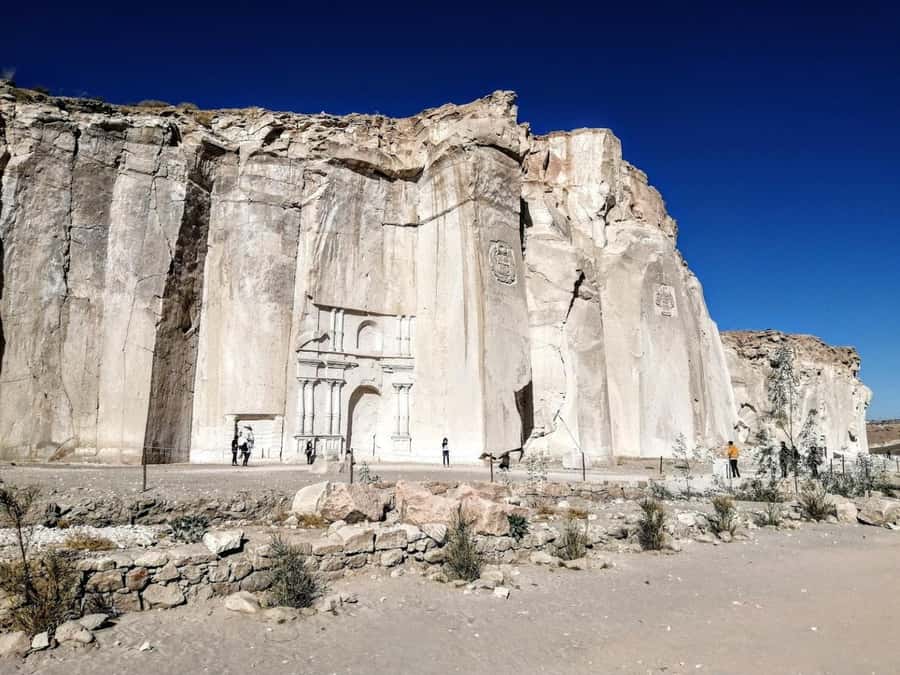
Añashuayco Quarry is the main event for stone nerds and curious travelers alike. You arrive in about 45 minutes after leaving the start area, and you get guided context right away.
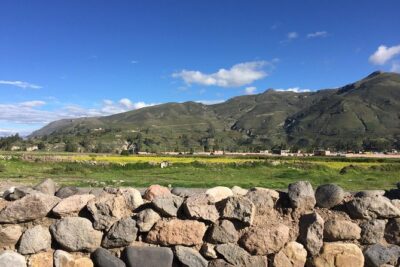
Here is what you are actually looking at: a deep canyon of ignimbrite walls, meters high, shaped by extraction for ashlar blocks. In plain terms, this is where Arequipa’s signature stone started. It is geology, but it also shows labor and craft.
The mega carving you do not expect
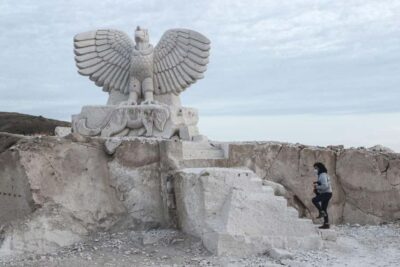
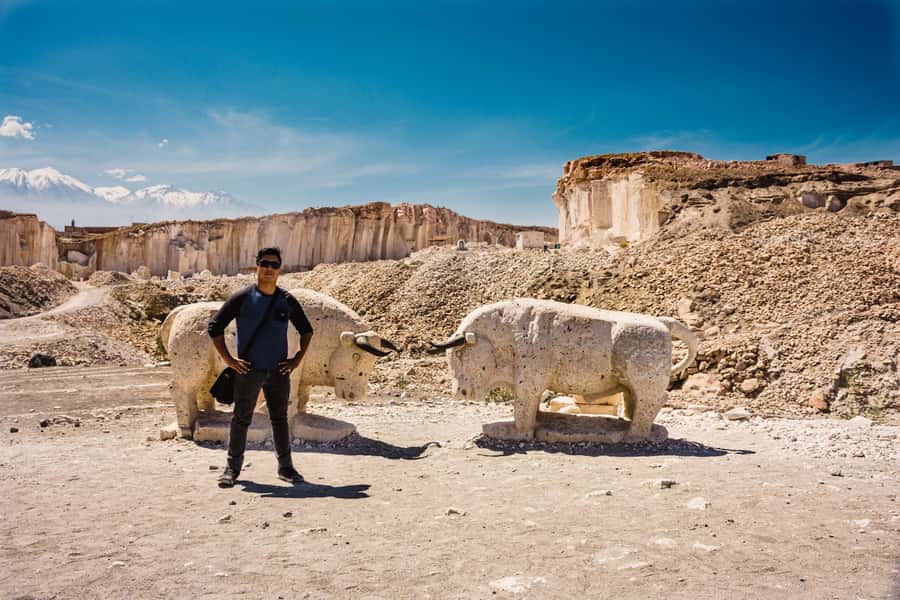
One of the coolest moments is the mega carving of the Church of the Company of Jesus created by the stonemasons. Seeing it in the quarry setting makes it feel different than a museum display. It is art made with the same tools and routines as everyday stonework.
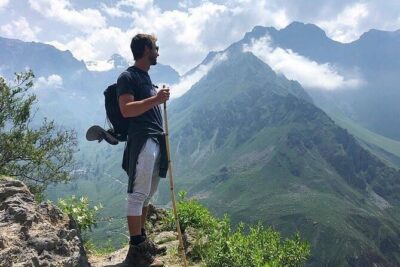
Other Andean routes worth the acclimatisation
The stonemason experience
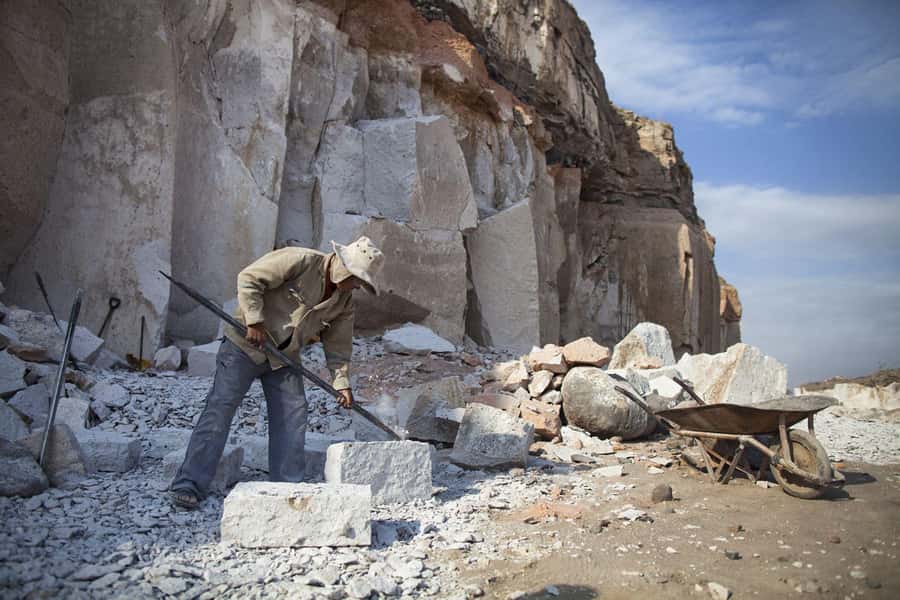
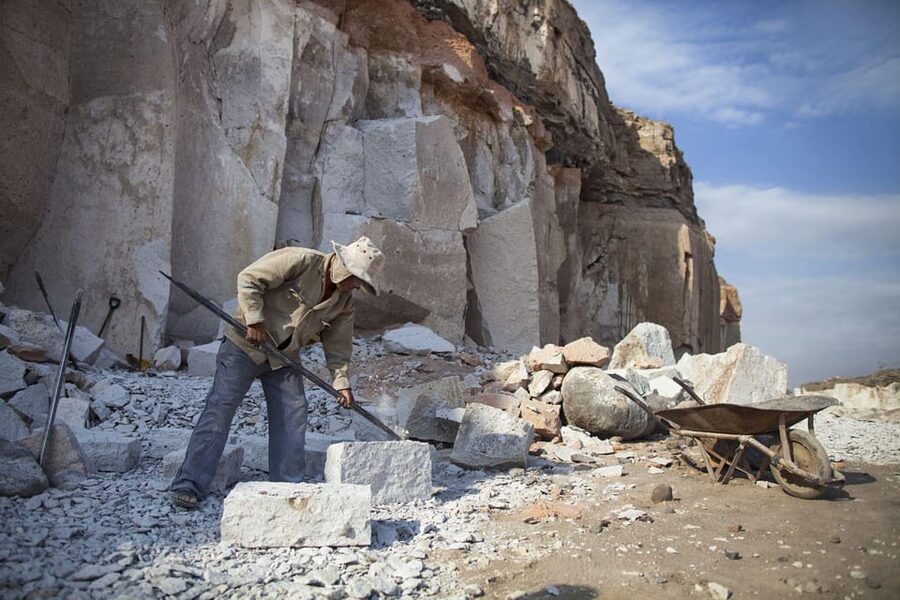
At this quarry, you are not limited to looking. You can also watch stonemasons work early, when the day is fresh. The guide may arrange a chance to meet one of them, hear about daily tasks, and even do a small hands-on experiment cutting a stone block yourself.
In practical terms, this is why the tour feels “alive.” The stonemasons are doing the work now, not just explaining it from photos. Guides named Jose Jose and Mike have been praised for clear explanation and English support, so if you are hoping for good narration, this tour often delivers.
A fair warning about timing
This is the stop where people sometimes feel the pacing squeeze. The quarry is a popular photo target, and if lots of groups stack up, free time can get eaten by waiting lines or photo turns. If you prefer slow wandering, you might want to accept that the guides keep moving to hit every site.
Stop 2: Volcano and Chilina Valley viewpoint, quick altitude drama
After the quarry, you reach a strategic viewpoint where you can see volcanoes and the Chilina Valley. Depending on the season and timing, the order of viewpoints can vary, and you may swap in another traditional overlook first.
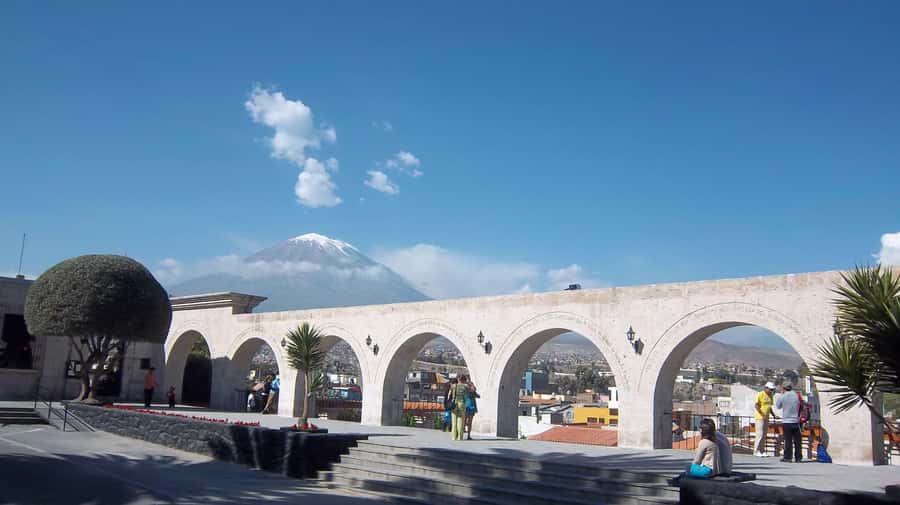
This stop is not long, but it gives your brain the geography. Arequipa is high and surrounded by dramatic volcanic shapes. Looking out from the edge of the city helps you understand why these quarries and canyons matter so much to local life. It also sets up the next canyon walk, because you start noticing how water and rock cut the land.
Take your photos here, then let the rest of the trip move you. This is a good spot to get your bearings fast.
Stop 3: Quebrada de Culebrillas, the short canyon walk that steals the show
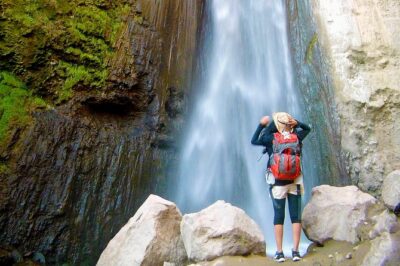
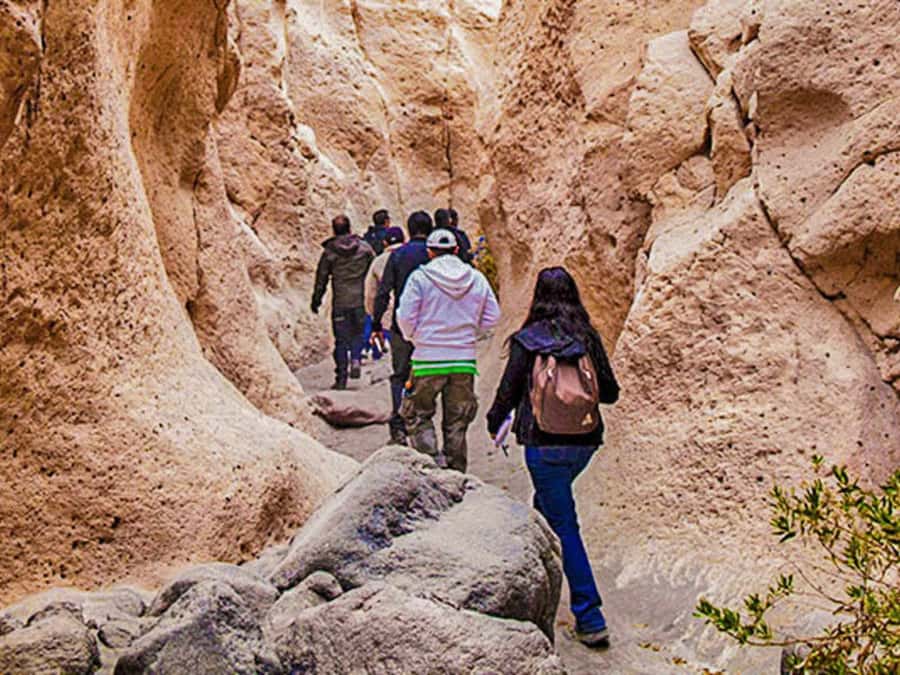
Then comes the walk: Quebrada de Culebrillas. You are driven there and then you take about a 20 to 25 minute walk inside a small canyon carved by water.
The canyon walls are around 15 to 20 meters high. As you go in, the walls seem to rise around you. That is the feeling you want, a narrow, sheltered pocket where the landscape turns from open desert into something more intimate.
Wari petroglyphs, more than a random rock wall
At the end of the walk, you reach petroglyphs made by the Wari culture, reportedly over a thousand years old. Seeing rock art in its original setting changes the impact. The designs are not hanging in a protected room. They are on the stone where they were placed.
This is one of the most highly praised parts of the tour. Many people mention that the canyon walk is the highlight, and it is easy to understand why. It feels like a little nature and culture package that fits into a half-day.
What to wear and bring
The canyon walk is not described as a long trek, but it does involve walking inside a confined space. One review warned that insect repellent and close shoes help, and that some participants with walking problems struggled with the canyon segment. So if you have mobility concerns, consider the canyon route a real walking component, not just a stroll.
Also, sunlight and insects are a thing at altitude. Bring sunscreen and consider bug spray, since it comes up again and again in feedback.
Stop 4: Apachetas, stone gratitude and good luck
Before you head back toward Arequipa, you will observe Apachetas, stone formations stacked one on top of the other.
People associate apachetas with gratitude toward nature and symbolism of good luck. Even if you do not buy into the mysticism, it is still a meaningful cultural touchstone. It is also the kind of small stop that slows you down just enough to notice the human side of the landscape.
In a tour packed with geology, apachetas remind you this is not an empty stage. It is a lived environment.
Stop 5: Mirador de los Volcanes, photo stop with a guided edge
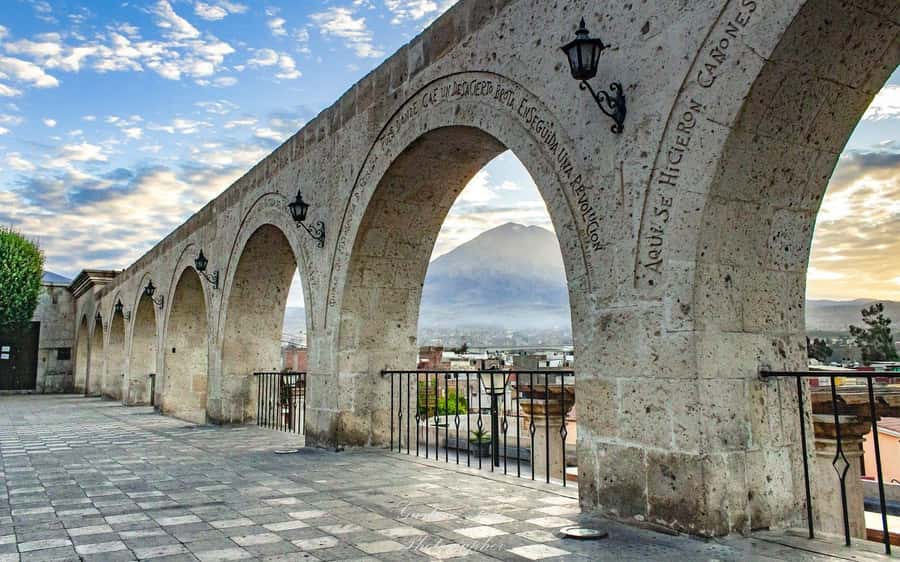
The final major landmark stop is the Mirador De Los Volcanes. Expect a guided explanation plus time for photos.
This stop tends to land well because it closes the loop. You started by learning about stone production. You walked a canyon shaped by water. Now you look back at the volcanic world that frames it all.
If you take the afternoon shift, this is where timing can really pay off. Some reviews specifically noted that afternoon light makes the rocks and views look fantastic, with a sunset feel. If you can choose between morning and afternoon, the later departure often gives better lighting for photos.
The route, pacing, and what 4 hours really means
The tour is officially about 4 hours, with a morning start around 9:15 AM and a return that brings you back near Arequipa’s center around 1:30 PM. There is also an afternoon session at 2:00 PM, which can be a better fit if you want those softer sunset tones.
The structure is tight but not frantic. You get:
- van transfers between sites
- guided explanation at key moments
- limited free time for photos and small exploration
The main “pacing risk” is at popular photo-heavy stops, especially the quarry. If your style is to linger, plan to compromise a little. The guide keeps everyone on schedule to reach the next site.
One practical note from feedback: some tours may include extra time at viewpoints and snacks, and that can feel like wasted minutes if you came for only the sillar and canyon portions. If you are the kind of person who keeps a stopwatch, go in knowing this is a group experience with small tradeoffs.
Price and value: $12 plus tickets, what you get for the money
The price is listed at $12 per person, and transportation and a guide are included. Entrance fees are not included, listed as 18 soles totally for tickets.
Is it good value? For Arequipa, yes, largely because transport and guiding roll into that $12. Many half-day tours elsewhere charge more just for a vehicle and a couple of lookouts. Here you get:
- a working quarry with stonemasons
- a canyon walk plus ancient petroglyphs
- volcanic viewpoint time
- a guide doing translation and interpretation in English and Spanish
So your main extra cost is the entry fees. Bring cash for the tickets if that is how they handle payment on-site, because some feedback warned about needing cash in soles for purchases during the tour.
Also, if you are on a budget, the afternoon session can be a smart choice for photo quality. You can make the same trip feel better just by catching the light.
Who this trek suits best
I think this trek is ideal for you if you want:
- a short Arequipa outing that still feels substantial
- stone and craft context, not just “pretty rocks”
- a guided walk that includes ancient cultural details
- a mix of viewpoints, quarry work, and canyon atmosphere
It is also a good first Arequipa day if you arrive with energy. The sites are close enough that you do not lose your whole schedule on long travel.
If you hate crowds, you can still enjoy it, but manage expectations at the quarry. If you have limited mobility, the canyon portion deserves extra caution, since some participants with walking problems had trouble with the mini-canyon segment.
Practical tips so your day runs smoother
- Wear close-toed shoes you trust on uneven ground, especially for the canyon segment.
- Bring sunscreen and consider insect repellent. Altitude and insects both show up.
- Bring water. The tour is short, but sun hits hard.
- If you care about photos, go for the big shots quickly at each stop, then enjoy the guided explanation without sprinting.
- Consider the 2:00 PM shift if you want better lighting for the stone and rock formations.
Finally, if the guide works mostly in Spanish, it helps to ask for English clarification when you need it. Guides like Jose Jose and Alexandra have been praised for bilingual delivery, and Mike has been singled out for good English.
Should you book the Sillar Route Trek?
Yes, I would book it if you are looking for a half-day that mixes Arequipa’s signature stone, a real quarry experience, and a canyon walk with ancient petroglyphs. The price is hard to beat once you remember that you are paying for transport plus guiding, and you still get multiple meaningful stops.
I would choose a different option if you hate group scheduling or if you need lots of slow, unstructured time at one site. The quarry is the place where pacing can feel tight, because it is popular and photo-focused.
FAQ
How long is the Sillar Route Trek from Arequipa?
The tour lasts about 4 hours.
What does the tour cost, and are there extra entrance fees?
The tour price is $12 per person. Entrance ticket costs are not included and total 18 soles.
What is included in the price?
Transportation and a live guide are included.
What language is the guide, and is English available?
The tour guide works in English and Spanish.
Where is the meeting point?
The meeting point is at C. Álvarez Thomas 115. The tour office is on the same corner, and your name is added to the list before departure.
Is there more than one departure time?
Yes. There is a 9:15 AM start, and there is also a 2:00 PM afternoon shift.
Andean Routes Worth the Climb
- From Arequipa: 2-Day Colca Canyon Trekking Tour
★ 4.8 · 243 reviews - 2 Day 1 Night Trek / Colca Canyon
★ 4.5 · 92 reviews - 4 hours Tour: Route of Sillar with Trek in Culebrillas
★ 4.2 · 69 reviews - Private 3 Day Colca Canyon Trekking tour (superior Service)
★ 5.0 · 58 reviews - Trekking, Waterfalls and Thermal Baths
★ 4.5 · 47 reviews
More Tour Reviews in Arequipa
- From Arequipa: Colca Canyon Full-Day Guided Tour with Meals
★ 4.5 · 982 reviews - Tour to the Salinas Lagoon and National Reserve in Arequipa
★ 4.5 · 548 reviews - Arequipa: Chili River White Water Rafting with Hotel Pickup
★ 4.8 · 329 reviews - From Arequipa: 2-Day Colca Canyon Trekking Tour
★ 4.8 · 243 reviews - Colca Canyon Plus
★ 5.0 · 198 reviews
Arequipa Under El Misti
- From Arequipa: Colca Canyon Full-Day Guided Tour with Meals
★ 4.5 · 982 reviews - Tour to the Salinas Lagoon and National Reserve in Arequipa
★ 4.5 · 548 reviews - Arequipa: Chili River White Water Rafting with Hotel Pickup
★ 4.8 · 329 reviews - From Arequipa: 2-Day Colca Canyon Trekking Tour
★ 4.8 · 243 reviews - Walking tour in the Historic Center of Arequipa
★ 4.4 · 180 reviews
Freshly reviewed across Arequipa
- Excursion Salinas Lagoon and National★ 5.0 · 3 reviews
- From Arequipa: Full Day Colca Canyon Tour★ 4.5 · 3 reviews
- Arequipa: Colca Canyon Trekking 2 days and 1 night + food★ 4.8 · 3 reviews
- Walking tour through the Historic Center of Arequipa★ 4.0 · 3 reviews
- Arequipa: Catarata de Pillones and Bosque de Piedras Tour★ 4.3 · 3 reviews
- Cooking Class Typical Food in Arequipa★ 3.9 · 3 reviews
Arequipa City Tours side by side.
 ★ 4.5From Arequipa: Colca Canyon Full-Day Guided Tour with MealsFrom $42982 reviews
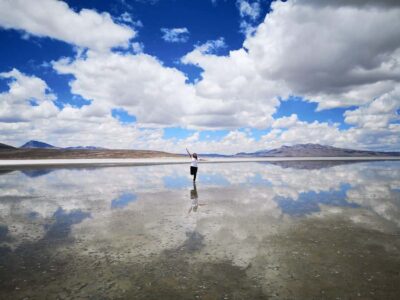 ★ 4.5Tour to the Salinas Lagoon and National Reserve in ArequipaFrom $27548 reviews
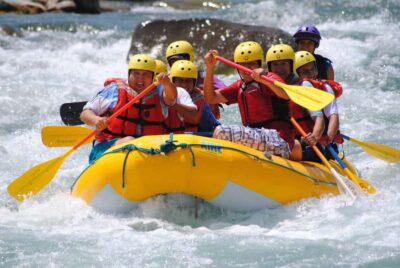 ★ 4.8Arequipa: Chili River White Water Rafting with Hotel PickupFrom $20329 reviews
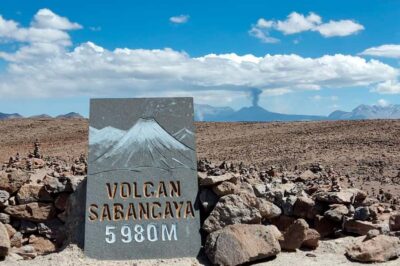 ★ 4.62-Day Tour Colca Canyon in Arequipa with end in PunoFrom $78248 reviews
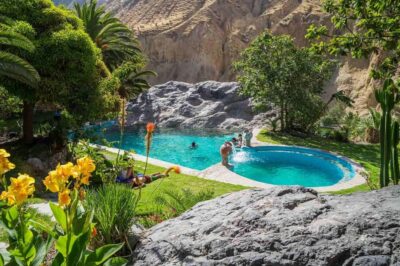 ★ 4.8From Arequipa: 2-Day Colca Canyon Trekking TourFrom $30243 reviews
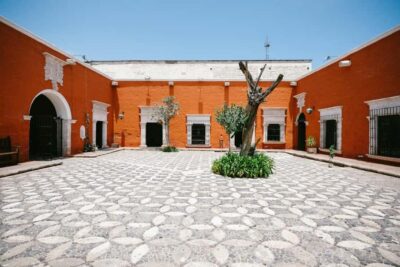 ★ 4.4Walking tour in the Historic Center of ArequipaFrom $10180 reviews
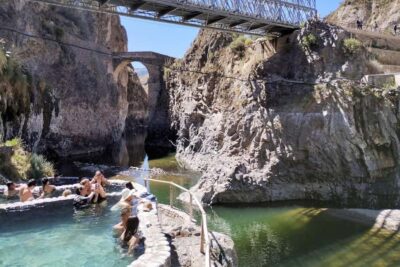 ★ 4.4From Arequipa: Full Day Tour of Colca Canyon with MealsFrom $27146 reviews
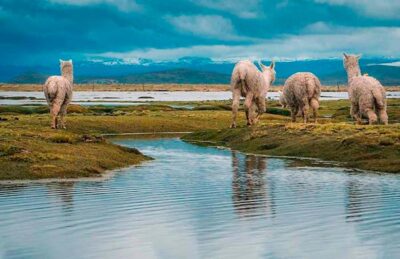 ★ 4.7Adventure Day in Arequipa: Pillones Waterfall + Rock ForestFrom $27120 reviews
Also on these Peru lists