
REVIEW · AMAZON JUNGLE
Amazon Rescue Center – Manatees Conservation Center Admission Ticket
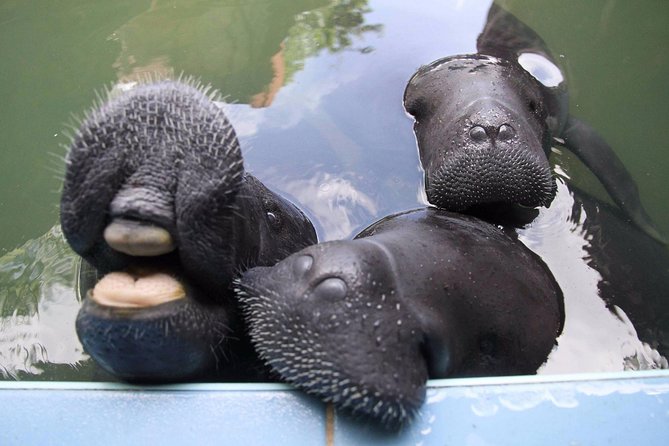
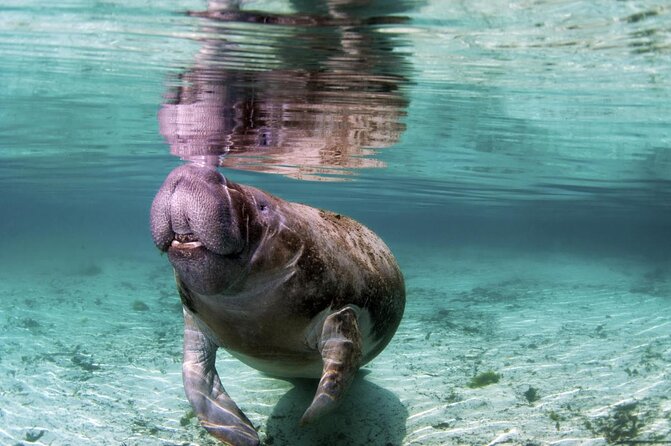
Manatees have a second chance here. The Amazon Rescue Center in Iquitos, Peru (CREA) is a small, practical stop where you learn how rescued wildlife is treated and prepared for life back in the forest. You go with a guide, you walk through the forest path, and you end with a themed interpretation stop called The flooded forest.
I love the focus on real rehabilitation, not performances or petting. I also like that the tour stays efficient, about an hour, so it fits easily into a day that already includes Iquitos sights or an Amazon cruise.
One thing to consider: this is a conservation facility, not a fancy attraction, so your expectations should lean educational and hands-off. You also need to plan for the outside setting, including mosquitoes and hot weather.
In This Review
- Key points before you go
- Where the Amazon Rescue Center sits outside Iquitos
- Price and what $8.08 really buys you
- Getting in: ticket timing and the private-group feel
- Step-by-step: what happens during the one-hour visit
- Stop 1: Amazon Rescue Center and the rehab story
- What to watch for during the walk
- Manatees, pink dolphins, and the hands-off conservation approach
- The flooded forest: why this interpretation stop helps
- What you’ll learn from the guide, and how to get the most
- What to bring to CREA for a comfortable visit
- Is it worth it: expectations vs reality
- Best fit: who should book and who should skip
- Should you book the Amazon Rescue Center ticket?
Key points before you go
- Rehabilitation first: you learn how rescued animals are nursed, then prepared for release
- A one-hour forest walk: expect a guided path through Amazon habitat zones
- Manatees and more: manatees are the star, but guides also cover reptiles, monkeys, birds, and other rescues
- The flooded forest: an interpretation center using real-size fiberglass statues of key aquatic species
- Get an English guide: if you book a private option, you can ask for smoother English explanations (Jessica is one guide name you may hear)
- Simple facilities: the experience is about the mission, not luxury comforts
Tambopata and Iquitos lodges we have covered
- Belen Market and La Venecia Loretana Tour With A Local Guide
★ 5.0 · 85 reviews - 3-Day All Inclusive Guided Jungle Tour from Iquitos at Maniti Eco-Lodge
★ 4.5 · 74 reviews - 2-Day All Inclusive Guided Jungle Tour from Iquitos at Maniti Eco-Lodge
★ 4.5 · 62 reviews - 3-Day Iquitos Amazon Jungle Adventure at Heliconia Lodge
★ 4.5 · 54 reviews
Where the Amazon Rescue Center sits outside Iquitos

CREA is located about 30 minutes from downtown Iquitos by tuk tuk, or around 1 hour by bus. That travel time matters because it changes how you plan your day. If you are starting from Iquitos in the morning, it helps to book this as a focused activity rather than something you stack last minute.
The meeting point is at Centro de Rescate Amazónico / Amazon Rescue Center, on Carr. Iquitos-Nauta km 13.8, San Juan 16024, Peru. The tour ends back at that same spot, so you are responsible for getting yourself to and from the center unless you arrange transport separately.
The big picture: this is one of the most meaningful ways to spend time outside Iquitos while staying grounded in what conservation actually looks like day to day. The program is built as a partnership involving The Dallas World Aquarium Zoo and the Research Institute of the Peruvian Amazon, which helps explain why the education part is so structured.
Price and what $8.08 really buys you
At about $8.08 per person, you are paying for entrance plus a professional guide. The low cost is part of what makes this feel like good value in Iquitos. You are not buying an all-inclusive day, and you are not paying for transport or a long excursion, but you are paying to get access to a working wildlife rehab project and to hear how it works.
Typical tour time is about one hour at the center. That means you can get an organized, guided visit without losing half your day. Add transit time, and you will likely spend more time overall, but the core experience stays short and focused.
Just keep your budget expectations realistic: transportation to and from the attraction is not included, and lunch, food, and drinks are not included either. If you go hungry or under-hydrated, the hour can feel longer than it needs to.
Getting in: ticket timing and the private-group feel
Booking ahead is recommended, and on average this activity is booked 12 days in advance. Confirmation is received at the time of booking. For anyone traveling in high season, that means you have a smoother path to entry and less stress about timing once you reach Iquitos.
This also runs as a private tour/activity for your group, so you are not forced into a crowded group pace. In practice, that often makes it easier to ask questions during the guide-led portions, especially if English is your language and you want explanations to be clear and well-paced. One guide name that shows up in English experiences is Jessica, and the tone described tends to be friendly, not lecture-like.
Step-by-step: what happens during the one-hour visit
The tour is organized around one main stop, Amazon Rescue Center (CREA). Within that, you move through rehab areas and educational zones. Expect walking on a forest path and short interpretive stops, guided from start to finish.
Nearby in Iquitos, these earned their own write-ups

Stop 1: Amazon Rescue Center and the rehab story
CREA rescues animals from places where they have been kept illegally in captivity. After rehabilitation, the goal is to release them into their natural habitat. The center also cares for some animals long term when release is not possible.
Guides explain the rehabilitation process in different areas, including:
- Reptiles such as yellow spotted river turtle and tortoise
- Monkeys
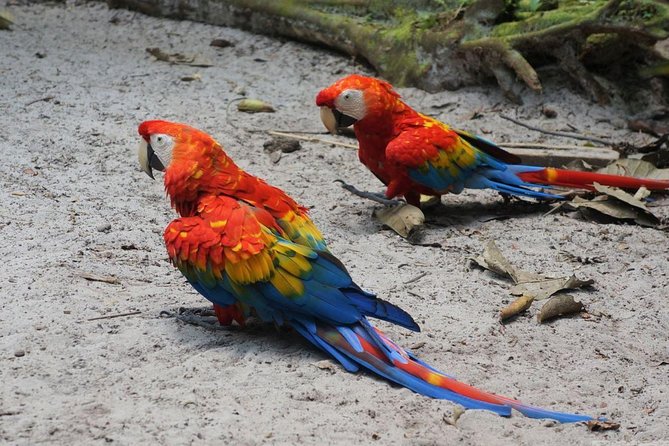
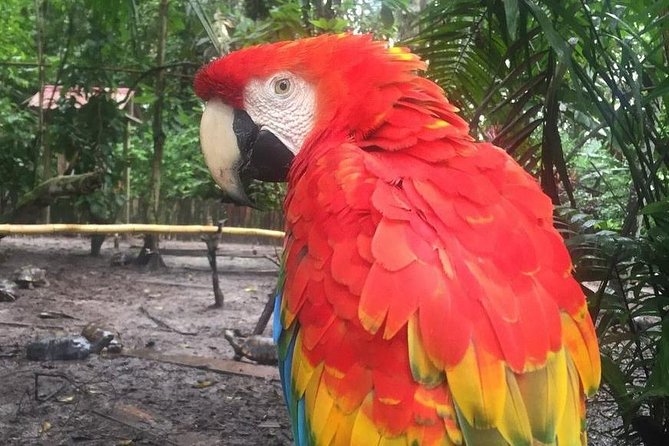
- Birds
- Manatees
You also visit an interpretation center called The flooded forest. This is not just a slideshow. It uses real size fiberglass statues of the main aquatic species of the Amazon, which helps your brain “map” the ecosystem while you are standing in the Amazon setting outside Iquitos.
As for what the center has released back into the wild, the information you receive emphasizes success stories. One overview notes releases including 23 manatees and 2 pink dolphins, along with other rescued wildlife such as anteaters, sloths, turtles, and more. So the visit is not purely about animals you see behind enclosures. You learn the full arc, rescue to rehab to release.
What to watch for during the walk
You will walk a forest path where you can learn more about the Amazon. The biggest “what to look for” is not flashy scenery. It is the pattern of care: how the guide connects species needs to the rehabilitation plan.
If you are a manatee-focused visitor, pay extra attention during the manatee section. Even when animals are not right up close, the guide’s explanation helps you understand why the enclosures exist and what recovery requires. Some visits also include memorable moments like seeing baby manatees bottle fed during the right time of day, but that is not something to assume will always be visible on every visit.
Manatees, pink dolphins, and the hands-off conservation approach

This is where CREA feels different from a typical animal stop. The center is built around animal welfare and reintegration into the wild, so the atmosphere tends to be more respectful and controlled.
The star animals are the manatees, but the educational focus includes other Amazon wildlife. You may hear about pink dolphins, turtles, sloths, monkeys, birds, and more, depending on what is currently part of the guide’s route and the animals’ rehab stage.
One important expectation check: this is not a place designed for touching, and it is not set up like a petting zoo. If you want interaction, plan for a lot more observation than physical contact. That hands-off approach is part of why the center can claim a conservation mission instead of a simple entertainment one.
If you are traveling with kids, this can still work really well. The guides tend to explain the mission in a way that connects to why the animals need help. It is education with a purpose, and that usually lands well with younger visitors when adults keep their focus on the “why,” not just the “look.”
The flooded forest: why this interpretation stop helps
The flooded forest section is an underrated part of the visit. The Amazon is not just “trees.” It is also aquatic space, seasonal flooding, and food chains that depend on water and habitat.
Because the interpretation center uses real-size fiberglass statues of aquatic species, it gives you a scale reference quickly. That makes the rehab stories feel more grounded. When the guide talks about animals that live in water, you can actually visualize the size and shape, rather than trying to guess from memory.
Think of it as your mental shortcut. Without it, the day can feel like scattered animal facts. With it, those facts connect into a single ecosystem you can picture.
What you’ll learn from the guide, and how to get the most
A professional guide leads the entire experience, and the best versions of this tour are the ones where the guide’s explanations are clear, friendly, and specific to the animals’ rehab steps.
A key theme is how rescue to release works. CREA focuses on animals rescued from illegal captivity, then rehab support until they are ready for their natural habitat. That includes learning about:
- Why some animals need quarantine and careful feeding early on
- How rehab progresses over time
- What it means to aim for release, even if it is slow
If English matters to you, private touring can help. On English private tours, guides have translated the tour into English and guided the pace of explanations. Jessica is one example of a guide name tied to English private experiences, and the descriptions also highlight warmth and friendliness.
To get the most out of the guide, bring one question to start. For instance: which species needs the longest rehab time, and why? Guides love questions that show you are listening for the real conservation logic.
What to bring to CREA for a comfortable visit
This is outdoors. It is hot. Mosquitoes exist. The center is also focused on forest walking, not climate-controlled comfort.
Bring and wear:
- Outdoor clothes
- Mosquito repellent
- Comfortable footwear for walking
Also consider practical adds that fit the Amazon setting. A simple one is water, because the region can feel especially warm during the day.
If you get motion-sick or fatigued easily, remember the center is outside Iquitos and your route includes walking. Keep your expectations realistic: this is an educational hour, not a long hike.
Is it worth it: expectations vs reality
At $8.08 with entrance and a guide included, this is hard to call overpriced. The value comes from access to a working rescue and rehab mission, plus a structured explanation that gives context beyond “look at an animal.”
The reason some people feel disappointed is usually mismatch, not quality. If your expectation is a big, flashy facility with endless animal variety and constant action, a rescue center can feel calmer and more limited. In the conservation model, enclosures serve rehab needs, and that means not every moment is visually dramatic.
If you want proof of impact, this is the right kind of stop. You learn about the rehabilitation process and the intent to release animals. You also learn that the facility supports a wider conservation effort, not just one species.
Put simply:
- Go if you want education + conservation work and you can handle hands-off viewing.
- Skip if your main goal is interaction or a fancy, high-gloss attraction.
Best fit: who should book and who should skip
This experience is a strong match for:
- Anyone interested in manatees conservation and Amazon wildlife care
- Families who want kid-friendly explanations tied to real rehab work
- Visitors who want a short, guided activity that makes sense from Iquitos
You should rethink booking if:
- You want lots of interactive time with animals
- You are expecting luxury facilities or a theme-park feel
- You only have time for something that is purely entertainment
The center is doing important work, but it is also meant to protect animals first. When you show up with the right mindset, it feels both meaningful and strangely inspiring.
Should you book the Amazon Rescue Center ticket?
I think you should book this if you want one hour in Iquitos that connects to real conservation in the Peruvian Amazon. The price is reasonable, the guided focus on rehabilitation and release gives you useful context, and the forest walk plus The flooded forest interpretation stop helps you understand the ecosystem, not just individual animals.
Book it if you are okay with a simple facility and a hands-off approach. Bring mosquito repellent, plan your transit from Iquitos since transport is not included, and treat the tour as an educational mission visit.
If you want a quick, worthwhile stop that respects how wildlife rehab actually works, CREA is a smart choice.
More Tickets in Iquitos
- Monkey Island,Amazon River & Native Aquatic Species – All tickets
★ 5.0 · 44 reviews
More Tour Reviews in Iquitos
- Belen Market and La Venecia Loretana Tour With A Local Guide
★ 5.0 · 85 reviews - 3-Day All Inclusive Guided Jungle Tour from Iquitos at Maniti Eco-Lodge
★ 4.5 · 74 reviews - 2-Day All Inclusive Guided Jungle Tour from Iquitos at Maniti Eco-Lodge
★ 4.5 · 62 reviews - 3-Day Iquitos Amazon Jungle Adventure at Heliconia Lodge
★ 4.5 · 54 reviews - From Iquitos: 3-Day Amazon Jungle Adventure Trip
★ 4.7 · 50 reviews
Upriver Into the Peruvian Amazon
- Belen Market and La Venecia Loretana Tour With A Local Guide
★ 5.0 · 85 reviews - 3-Day All Inclusive Guided Jungle Tour from Iquitos at Maniti Eco-Lodge
★ 4.5 · 74 reviews - 2-Day All Inclusive Guided Jungle Tour from Iquitos at Maniti Eco-Lodge
★ 4.5 · 62 reviews - 3-Day Iquitos Amazon Jungle Adventure at Heliconia Lodge
★ 4.5 · 54 reviews - From Iquitos: 3-Day Amazon Jungle Adventure Trip
★ 4.7 · 50 reviews
Freshly reviewed across Iquitos
- Iquitos: Amazon River Tribes Full-Day Tour with Lunch★ 3.5 · 3 reviews
- 2-Day All Inclusive Guided Jungle Tour from Iquitos★ 4.3 · 3 reviews
- Iquitos : Full Day Excursion to Monkey Island★ 4.4 · 3 reviews
- Iquitos: Amazon Jungle in 3 Days: Adventure and Culture★ 4.8 · 4 reviews
- Iquitos: Piranha Fishing Experience in the Amazon jungle★ 4.7 · 4 reviews
- Iquitos: Amazon Jungle in 2 Days: Adventure and Expedition★ 4.5 · 6 reviews
Amazon Jungle Tours side by side.
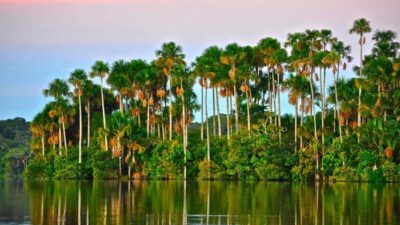 ★ 4.5Tambopata Peruvian Amazon Jungle for Three Days/Two NightsFrom $350329 reviews
 ★ 4.6Puerto Maldonado: 4-Day Tambopata Rainforest TourFrom $424213 reviews
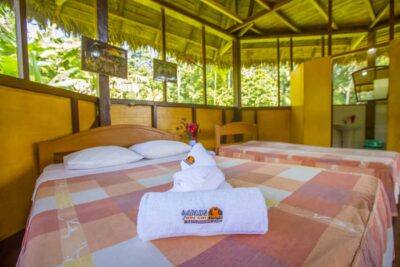 ★ 4.5Puerto Maldonado: Sandoval Lake 4-Day, 3-Night Guided TourFrom $30090 reviews
 ★ 5.0Belen Market and La Venecia Loretana Tour With A Local GuideFrom $5085 reviews
 ★ 5.04 Day Tour to the Manu National ParkFrom $38981 reviews
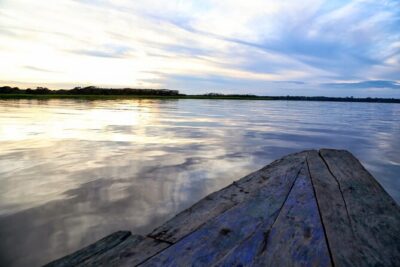 ★ 4.53-Day All Inclusive Guided Jungle Tour from Iquitos at Maniti Eco-LodgeFrom $45974 reviews
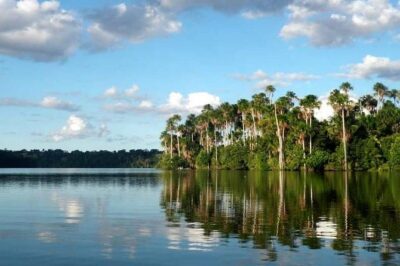 ★ 4.54 Day Tambopata Amazon Wildlife & Canopy ExperienceFrom $58572 reviews
 ★ 5.0Manu National Park Tour 4days/3nightFrom $47069 reviews
Also on these Peru lists