
REVIEW · AMAZON JUNGLE
Iquitos: Amazon River Tribes Full-Day Tour with Lunch
Tribes and rivers collide in Iquitos. This full day tour mixes Nanay River cruising with short cultural visits at Bora and Kukama malocas, plus market and jungle stops that give you real context for life along the water. I especially like the way the day balances nature with people, and I like that you also get a guided story track on the river. One drawback to plan for, the tribe time is intentionally brief, so you see an introduction rather than a full window into daily life, and the craft viewing can feel a bit salesy if you are not ready.
I like the flow before the boats even start. You get picked up, then you move through Belén Market, stop at a jungle pharmacy, and walk the Tarapacá Boardwalk so you understand what Iquitos looks like when the day begins, not after you are already sunburned. Then it is onward to Bellavista Nanay port, where lunch and local dishes set the tone.
It is a long 8 hours with real sun, bugs, and boat time, so you need to come prepared. The tour is not for everyone, including pregnant women and people with mobility limits, so read the note carefully and be honest with yourself about what you can handle.
In This Review
- Key things I’d bet on before you go
- From Belén Market to the Jungle Pharmacy: your Amazon warm-up
- Tarapacá Boardwalk and Iquitos boulevard: get oriented before the water
- Bellavista Nanay port: suri, barbecues, and a local meal on route
- River time on Nanay, then into the Amazon story
- Bora and Kukama malocas: dances, crafts, and respectful expectations
- Jungle insectarium: frogs, tarantulas, and a change of pace
- Museum of Native Weapons: a quieter learning stop
- Lunch at the floating restaurant: good rhythm, know what’s extra
- Price and value: is $132 per person worth it?
- Who this tour suits best (and who should skip it)
- What to bring and how to stay sane on a jungle day
- Should you book the Iquitos Amazon River Tribes Tour with Lunch?
- FAQ
- How long is the Iquitos Amazon River Tribes Full-Day Tour?
- What languages does the live tour guide speak?
- What is included with lunch?
- Which tribes are included in the tour?
- Can I expect to see dolphins?
- What should I bring for the day?
- Is photography allowed during the community visits?
Key things I’d bet on before you go
- Nanay River cruising plus the Amazon confluence gives you the most “only here” part of Iquitos.
- Belén Market and the jungle pharmacy help you understand local daily life and plant-based knowledge on land first.
- Brief Bora and Kukama maloca visits focus on dances and crafts as an introduction to traditions.
- Jungle insectarium time adds a practical nature stop, not just more boats.
- À la carte floating restaurant lunch is built into the route, and drinks are not included.
- A live guide in English or Spanish keeps the day from feeling like a checklist.
Tambopata and Iquitos lodges we have covered
- Belen Market and La Venecia Loretana Tour With A Local Guide
★ 5.0 · 85 reviews - 3-Day All Inclusive Guided Jungle Tour from Iquitos at Maniti Eco-Lodge
★ 4.5 · 74 reviews - 2-Day All Inclusive Guided Jungle Tour from Iquitos at Maniti Eco-Lodge
★ 4.5 · 62 reviews - 3-Day Iquitos Amazon Jungle Adventure at Heliconia Lodge
★ 4.5 · 54 reviews
From Belén Market to the Jungle Pharmacy: your Amazon warm-up
Most Iquitos tours jump straight into the river. This one does a smart thing first: it puts you in the city and the local rhythm, then transitions to the jungle.
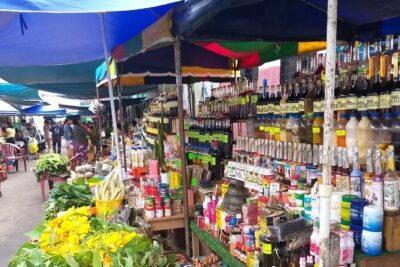
You start with pickup, then head to Belén Market. This is where you get a quick read on the region’s food and supplies culture, and it also helps you set expectations. If you’ve never visited a market in the Amazon region, it can feel chaotic, but that is also the point. It is real life, not a staged photo stop.
From there, you visit the jungle pharmacy. The name sounds poetic, but what matters for your trip is what it does for you. You learn how locals think about plants and remedies, which makes later jungle moments feel less random. Even if you only catch a few key points, the concept clicks: in this region, nature is part of the everyday toolkit, not just scenery.
My practical tip: wear light clothing you can sweat in. This part of the day is usually where you will feel the sun the most, and you want your later river time to feel enjoyable, not like punishment.
Tarapacá Boardwalk and Iquitos boulevard: get oriented before the water
After the market and the jungle pharmacy, you walk the Tarapacá Boardwalk. It is a simple add-on, but it changes the whole day. You get that “Iquitos has its own heartbeat” feeling before stepping onto boats.
The boardwalk tour also feeds into the next stop, because you visit the vibrant heart of Iquitos and its famous boulevard area. This is useful if you want photos that tell a bigger story than just jungle leaves. You’ll come back from the river with a wider sense of where you actually are.
If you are the type who loves structure, this section gives it. It is a steady pacing break, a chance to stretch your legs before you head to port.
Bellavista Nanay port: suri, barbecues, and a local meal on route
Once you reach the Port of Bellavista Nanay, the tour becomes more about people and place. You experience local cuisine, including suri and a variety of exotic barbecues.
A quick note on how to read this meal: your best experience will come if you treat it as part of the cultural setting, not as a menu you can compare to home. The point here is to eat what the region serves as everyday specialty, then head back out to the water.
You also have a floating-restaurant lunch later, which is à la carte. So you might not need to go huge at port food, unless the choices are clearly what you want. Either way, bring hydration into the equation. Between sun and boat movement, you can feel surprisingly dry even when you think you are drinking enough.
River time on Nanay, then into the Amazon story
Now we get to the big value of this tour: water, confluences, and guided storytelling.
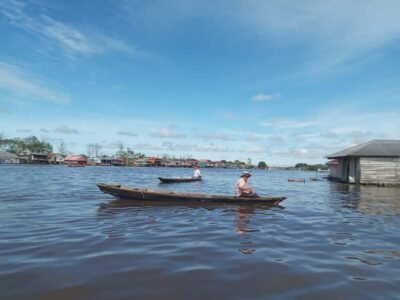
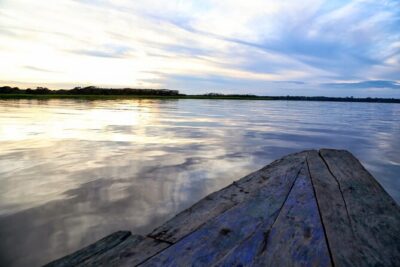
You receive the chance to cruise the Nanay River and observe its confluence with the Amazon River. This is exactly the kind of moment that makes Iquitos special. It is not just about seeing a river, it is about seeing how rivers meet and change the geography around you.
Then you cruise the Amazon River while listening to stories from your guide. This is where a live guide matters. You are not just looking at scenery through a window, you are learning what to watch for and why it matters to people who live here.
You’ll also watch for gray or pink dolphins. This is seasonal and not guaranteed, so I’d treat it as an extra bonus if you spot them, not a requirement. If you are booking specifically for dolphin spotting, keep expectations realistic.
The itinerary also takes you into the Momón River. That extra river channel gives the day variety, and it gives your guide room to connect the dots between different waterways and tribal life. It is one thing to see plants and animals. It is another to understand how travel, fishing, and daily rhythms follow the rivers.
Practical boat tip: comfortable shoes are non-negotiable. Even when most of the day is water, you still spend time walking between pickup points, boardwalks, and port areas.


Bora and Kukama malocas: dances, crafts, and respectful expectations
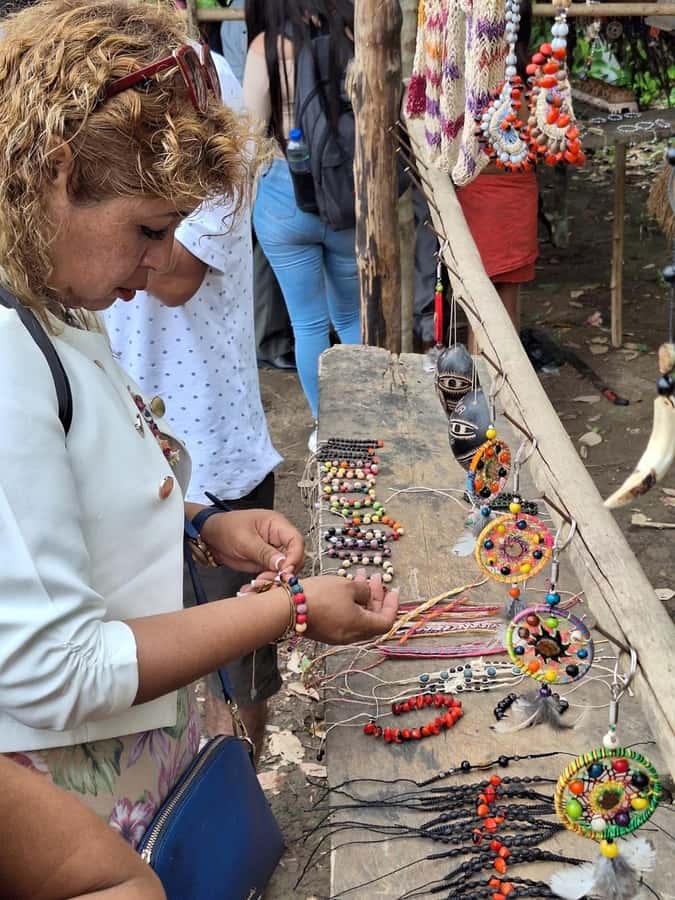
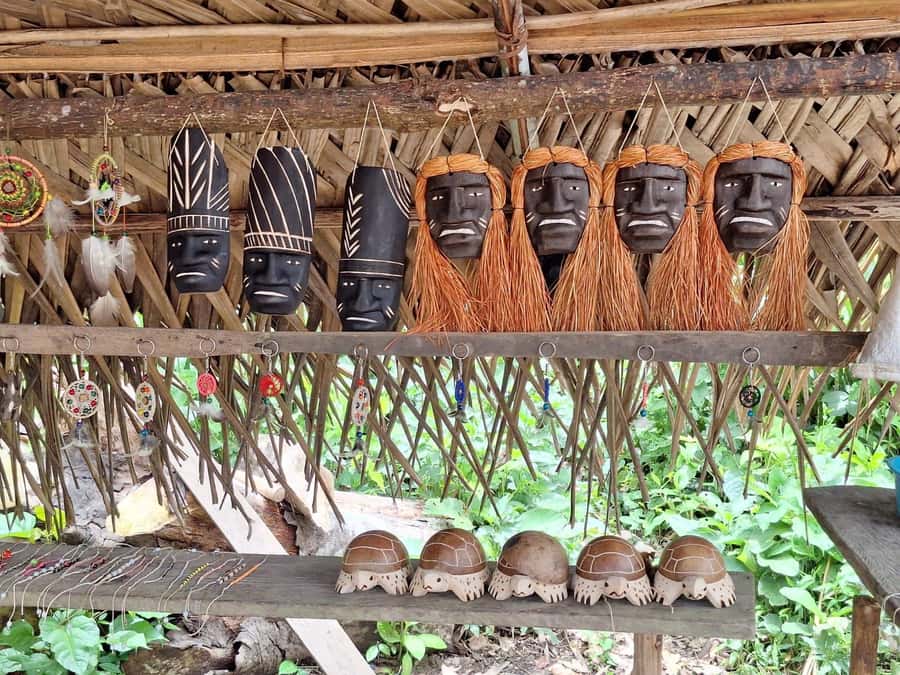
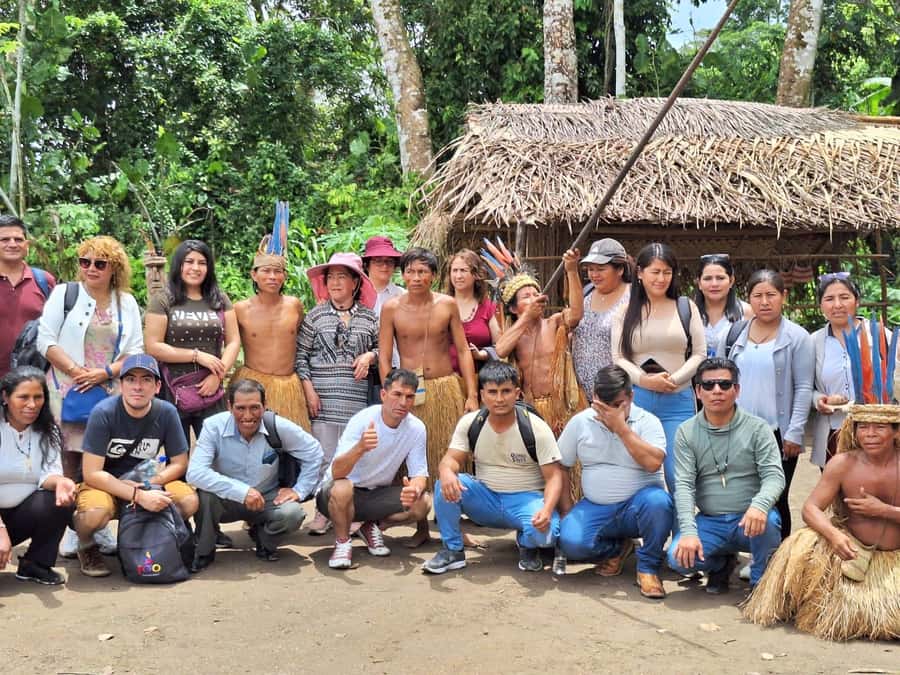
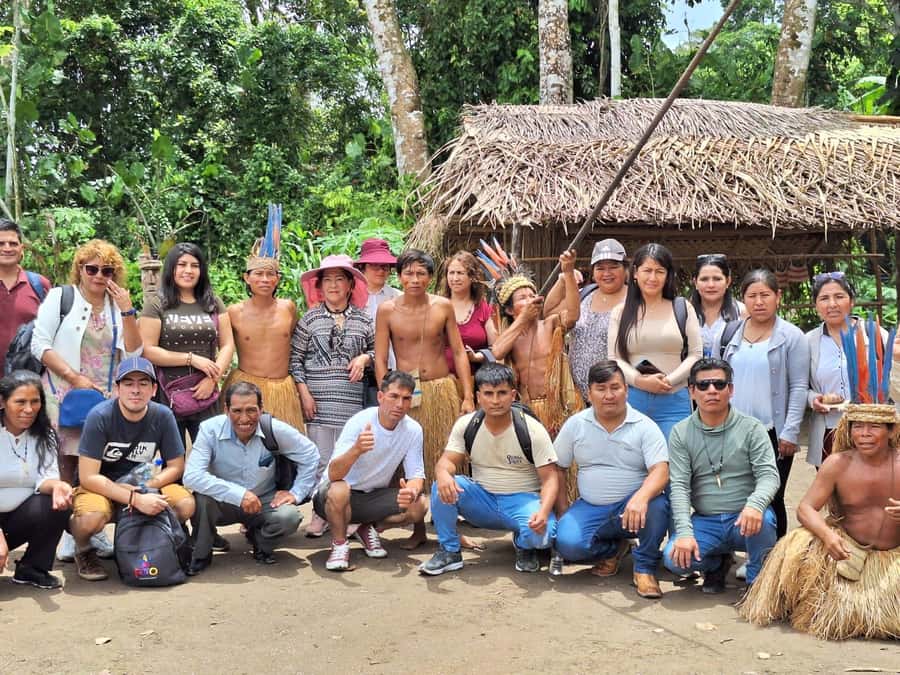
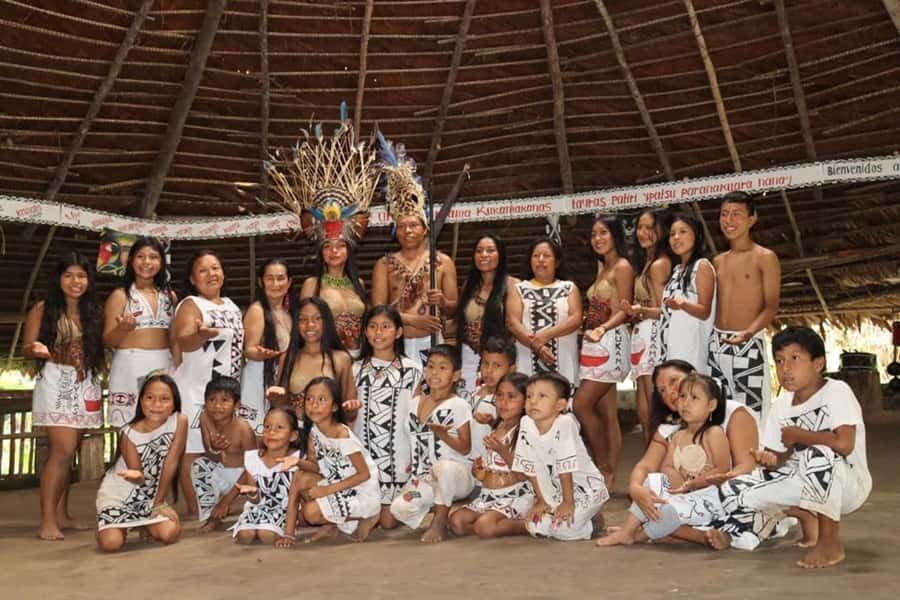
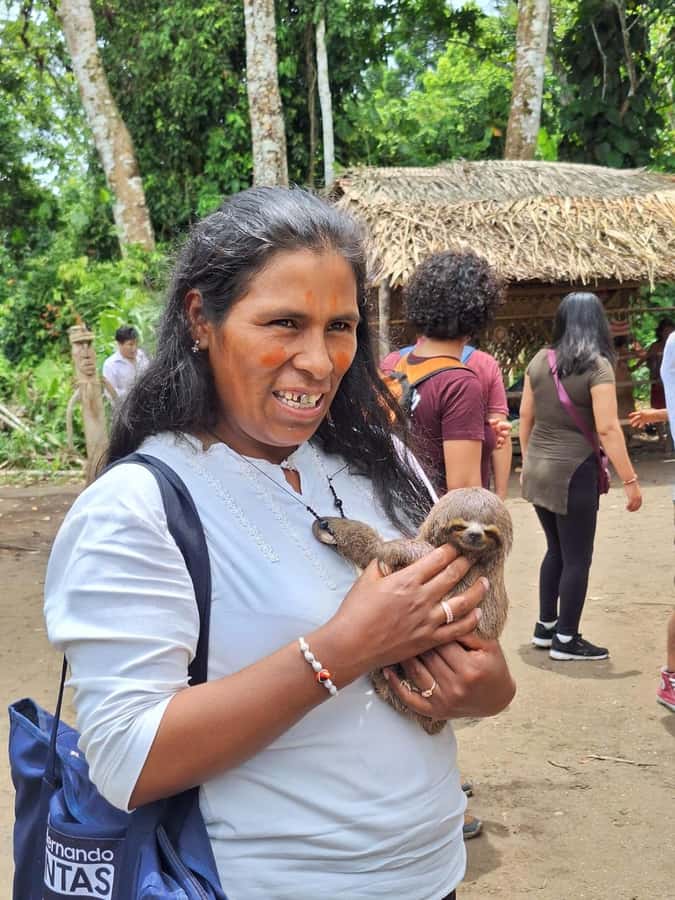
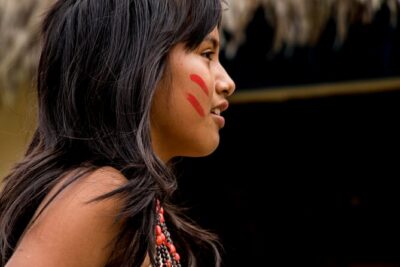
The heart of this tour is visiting indigenous communities. You participate in dances and learn about crafts at the Bora tribe and the Kukama tribe.
Here is what you need to know to make this work in your head. Visits to the Bora and Kukama communities are brief. They take place in their malocas, which are ceremonial centers. Think of it as an introduction to traditions, not a day-long cultural immersion. Their daily reality is much broader than what you see in a short visit.
This tour design can be a good thing if you want a first connection and you handle it with respect. It can feel frustrating if you want to slow down, ask long questions, or expect a deep personal experience.
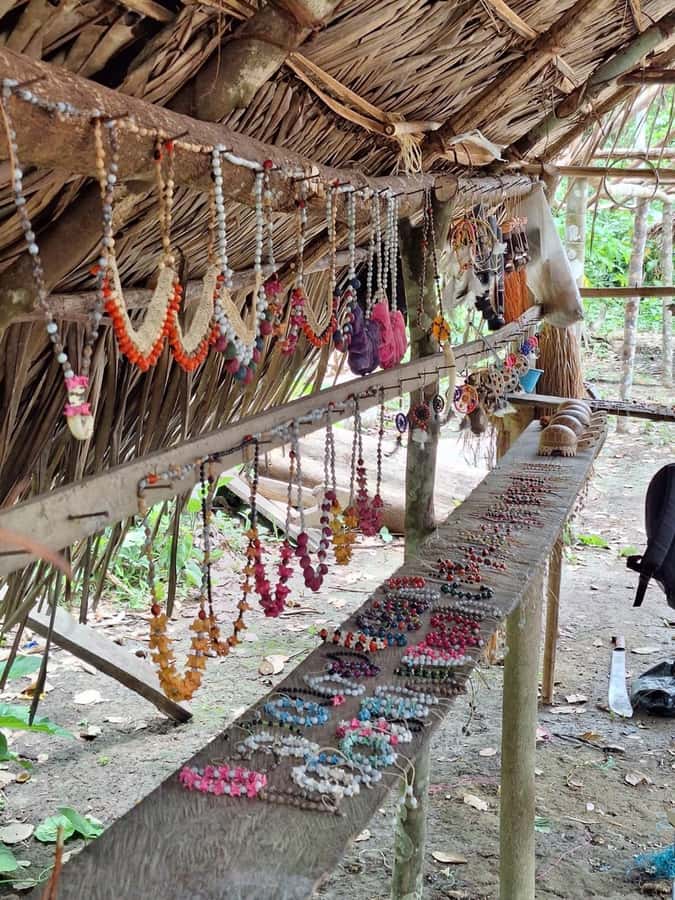
I’ve found the best approach is to go in with two priorities. First, watch the dances and listen to what you are told without rushing to judge. Second, keep your souvenir mindset under control. One criticism of this kind of stop is that it can drift toward sales pressure, especially if you are not ready for craft purchasing prompts. If that part bothers you, decide ahead of time whether you will buy anything at all.
Photography is allowed, but you should respect privacy of indigenous communities. That is not just a rule, it is part of good manners in a place where people are sharing culture, not performing for your feed.
Jungle insectarium: frogs, tarantulas, and a change of pace
Between tribe visits and cruising, you’ll visit the jungle insectarium. This is one of the smarter mid-day breaks because it gives you something different to focus on.
You can learn about frogs, tarantulas, and insects. For many people, this is a calmer experience than another hour of boat time. It also works well if your group has mixed interests, because there is usually something eye-catching on every wall or exhibit.
If you are prone to motion sickness, land stops like this are useful. You still get jungle information, but your body gets a breather.
Bring an insect repellent that you actually want to reapply if needed. Even if the insectarium is indoors or semi-covered, the general rule in the jungle region is that bugs do not care about your schedule.
Museum of Native Weapons: a quieter learning stop
Admission to the Museum of Native Weapons is included. That means you get an educational stop beyond river and village time.
Because the tour data does not spell out what is inside, I won’t pretend specific display details. But a museum stop like this usually gives you a more reflective angle. Instead of learning only through stories and demonstrations, you also get to see artifacts connected to survival, crafting, and tools used in the region.
If you enjoy history, anthropology-style context, or simply want more than scenic photos, this added admission is part of the value equation.
Lunch at the floating restaurant: good rhythm, know what’s extra
Lunch is at a floating restaurant, and it is à la carte. The good news is you are not forced into one set meal. The not-so-good news is you need to budget for what you choose, and drinks are not included.
I recommend you treat lunch as your main energy repair, because the day continues with plenty of moving around. Plan to eat something filling, then use sunscreen again afterward. Floating restaurants sound relaxing, but the sun still gets to you while you are on the water.
If you are picky about food, look at your choices quickly when you sit down. You do not want to waste your best meal time standing in a line while the boat day keeps ticking forward.
Price and value: is $132 per person worth it?
At $132 per person for an 8-hour day, the price is not a bargain, especially if you compare it only to “boat time plus lunch.” But when you look at what is bundled, the value story becomes clearer.
You get:
- pickup and a full day of river and land transportation
- a live guide in English or Spanish
- visits to Kukama, Bora, and Yagua tribe programs
- a museum admission (Native Weapons)
- jungle pharmacy, insectarium, and market time
- À la carte lunch at a floating restaurant
So the price starts to make sense if you want a single guided day that touches multiple parts of Iquitos life. It is especially fair if you would otherwise have to piece together transportation and guide yourself for all those stops.
Now, the balanced view. If your main goal is long, in-depth cultural contact, you might find the community portion brief. And if you dislike souvenir pressure, you may feel irritated by how often crafts come up during tribal visits.
My take: this is best value for people who want a guided sampler day, with river scenery as the anchor, and who can handle short cultural introductions with respectful curiosity.
Who this tour suits best (and who should skip it)
This tour fits best if you:
- want a full day that combines river scenery, city context, and cultural stops
- like guided storytelling and want a live guide in English or Spanish
- are comfortable with boat travel and outdoor walking
- enjoy animals and learning, especially the insectarium focus
It is not suitable for:
- pregnant women
- people with back problems
- people with mobility impairments
- wheelchair users
If you fall into those categories, it is worth choosing a different Iquitos experience that is designed around your limitations.
What to bring and how to stay sane on a jungle day
This is one of those days where packing can make or break your mood.
Bring:
- comfortable shoes
- hat
- camera
- sunscreen
- water
- insect repellent
You should wear light clothing and plan to stay hydrated. Also follow the simple rule: no littering. In a place like this, that matters fast, and it is also part of respecting the communities and wildlife you are seeing.
One more practical note: photography is allowed, but privacy comes first. If you want photos, ask your guide what is appropriate before you start shooting during community stops.
Should you book the Iquitos Amazon River Tribes Tour with Lunch?
If you want the easiest way to get a guided snapshot of Amazon life around Iquitos, I think this tour is a solid pick. The river cruising, the cultural stops at malocas, and the added nature and museum components make it more than just a boat ride plus lunch.
I’d say book it if you can accept brief community visits as an introduction and you are okay with a day that is active and outdoorsy. Skip it if your priority is deep, time-rich cultural contact, or if you know you get strongly bothered by souvenir pressure during indigenous craft viewing.
If you do book, set yourself up for success with one mindset: treat each stop as part of a bigger story, from Belén Market to the confluence waters, then back to lunch and learning. That is when the day feels worth the money.
FAQ
How long is the Iquitos Amazon River Tribes Full-Day Tour?
The tour lasts 8 hours.
What languages does the live tour guide speak?
The live tour guide speaks English and Spanish.
What is included with lunch?
Lunch is à la carte at a floating restaurant. Drinks inside the restaurant are not included.
Which tribes are included in the tour?
The tour includes visits connected to the Kukama, Bora, and Yagua tribes.
Can I expect to see dolphins?
You will watch for gray or pink dolphins, but spotting depends on seasonal factors.
What should I bring for the day?
Bring comfortable shoes, a hat, camera, sunscreen, water, and insect repellent.
Is photography allowed during the community visits?
Photography is allowed, but you should respect the privacy of indigenous communities.
More Tours in Iquitos
- Belen Market and La Venecia Loretana Tour With A Local Guide
★ 5.0 · 85 reviews - 3-Day All Inclusive Guided Jungle Tour from Iquitos at Maniti Eco-Lodge
★ 4.5 · 74 reviews - 2-Day All Inclusive Guided Jungle Tour from Iquitos at Maniti Eco-Lodge
★ 4.5 · 62 reviews - Belen Market & Floating City 2-3 Hour Private Tour
★ 4.9 · 38 reviews - Iquitos: 6-Hour Wonderful Wildlife Guided Tour
★ 4.7 · 32 reviews
More Tour Reviews in Iquitos
- Belen Market and La Venecia Loretana Tour With A Local Guide
★ 5.0 · 85 reviews - 3-Day All Inclusive Guided Jungle Tour from Iquitos at Maniti Eco-Lodge
★ 4.5 · 74 reviews - 2-Day All Inclusive Guided Jungle Tour from Iquitos at Maniti Eco-Lodge
★ 4.5 · 62 reviews - 3-Day Iquitos Amazon Jungle Adventure at Heliconia Lodge
★ 4.5 · 54 reviews - From Iquitos: 3-Day Amazon Jungle Adventure Trip
★ 4.7 · 50 reviews
Upriver Into the Peruvian Amazon
- Belen Market and La Venecia Loretana Tour With A Local Guide
★ 5.0 · 85 reviews - 3-Day All Inclusive Guided Jungle Tour from Iquitos at Maniti Eco-Lodge
★ 4.5 · 74 reviews - 2-Day All Inclusive Guided Jungle Tour from Iquitos at Maniti Eco-Lodge
★ 4.5 · 62 reviews - 3-Day Iquitos Amazon Jungle Adventure at Heliconia Lodge
★ 4.5 · 54 reviews - From Iquitos: 3-Day Amazon Jungle Adventure Trip
★ 4.7 · 50 reviews
Freshly reviewed across Iquitos
- Iquitos: Amazon River Tribes Full-Day Tour with Lunch★ 3.5 · 3 reviews
- 2-Day All Inclusive Guided Jungle Tour from Iquitos★ 4.3 · 3 reviews
- Iquitos : Full Day Excursion to Monkey Island★ 4.4 · 3 reviews
- Iquitos: Amazon Jungle in 3 Days: Adventure and Culture★ 4.8 · 4 reviews
- Iquitos: Piranha Fishing Experience in the Amazon jungle★ 4.7 · 4 reviews
- Iquitos: Amazon Jungle in 2 Days: Adventure and Expedition★ 4.5 · 6 reviews
Amazon Jungle Tours side by side.
 ★ 4.5Tambopata Peruvian Amazon Jungle for Three Days/Two NightsFrom $350329 reviews
 ★ 4.6Puerto Maldonado: 4-Day Tambopata Rainforest TourFrom $424213 reviews
 ★ 4.5Puerto Maldonado: Sandoval Lake 4-Day, 3-Night Guided TourFrom $30090 reviews
 ★ 5.0Belen Market and La Venecia Loretana Tour With A Local GuideFrom $5085 reviews
 ★ 5.04 Day Tour to the Manu National ParkFrom $38981 reviews
 ★ 4.53-Day All Inclusive Guided Jungle Tour from Iquitos at Maniti Eco-LodgeFrom $45974 reviews
 ★ 4.54 Day Tambopata Amazon Wildlife & Canopy ExperienceFrom $58572 reviews
 ★ 5.0Manu National Park Tour 4days/3nightFrom $47069 reviews
Also on these Peru lists