
REVIEW · AMAZON JUNGLE
Monkey Island,Amazon River & Native Aquatic Species – All tickets
Monkey Island makes conservation feel personal. This private 7-hour outing pairs native aquatic species viewing on the Amazon with a visit to Monkey Island, a refuge where rescued primates are rehabilitated and then released. I like the conservation focus and I love that the day is guided, with experienced locals like Kelwin Peña Andrade, Javier, and William helping you connect the dots. One drawback to keep in mind: if you feel uneasy on the river, this probably will not feel good, and it is not recommended.
Plan for a day that asks for moderate physical fitness. You’ll be on the water and moving around enough to need solid balance, and it is not recommended for travelers over 70. The upside is a well paced, small-group feel, with a focus on what species need to survive, not just quick photo stops.
In This Review
- Key highlights to look for
- Monkey Island and Amazon wildlife, without the touristy fog
- Price and what you are really paying for at $150
- A 9:00 am start that suits real river timing
- First stop on the water: native aquatic species viewing in Iquitos
- Monkey Island: rehabilitation, illegal hunting lessons, and primates up close
- Guides you trust in the jungle: Kelwin, Javier, and William
- Extra jungle stops you might encounter, like a giant tree and a fish farm
- River wildlife time: dolphins, including possible pink sightings
- What to bring for comfort on a river day
- Is this tour ethical and conservation-minded enough for serious animal lovers?
- Who should book Monkey Island, Amazon River & Native Aquatic Species
- Should you book this Monkey Island and Amazon species tour?
- FAQ
- How long is the tour?
- What is included in the $150 per person price?
- Is lunch included?
- What time does the tour start?
- Is the tour suitable for older travelers or people who do not like boats?
- What happens if the weather is poor, or I cancel?
Key highlights to look for
- Rescue to release, not just rescue to tourism: you learn how rehabilitation supports long-term survival back in the wild.
- Native aquatic species first: you start with water life in the Iquitos region, then shift to primates at Monkey Island.
- Guides with real jungle credibility: Kelwin Peña Andrade, Javier, and William bring deep experience and clear English.
- Learning about illegal hunting and trafficking: the day includes the uncomfortable parts, explained in a practical way.
- Close-up primate encounters: you may see monkeys from very young (around 9 months) to older individuals (around 18 years).
- River time can include dolphin sightings: some days include dolphins, and even pink dolphin sightings have been part of the experience.
Tambopata and Iquitos lodges we have covered
- Belen Market and La Venecia Loretana Tour With A Local Guide
★ 5.0 · 85 reviews - 3-Day All Inclusive Guided Jungle Tour from Iquitos at Maniti Eco-Lodge
★ 4.5 · 74 reviews - 2-Day All Inclusive Guided Jungle Tour from Iquitos at Maniti Eco-Lodge
★ 4.5 · 62 reviews - 3-Day Iquitos Amazon Jungle Adventure at Heliconia Lodge
★ 4.5 · 54 reviews
Monkey Island and Amazon wildlife, without the touristy fog
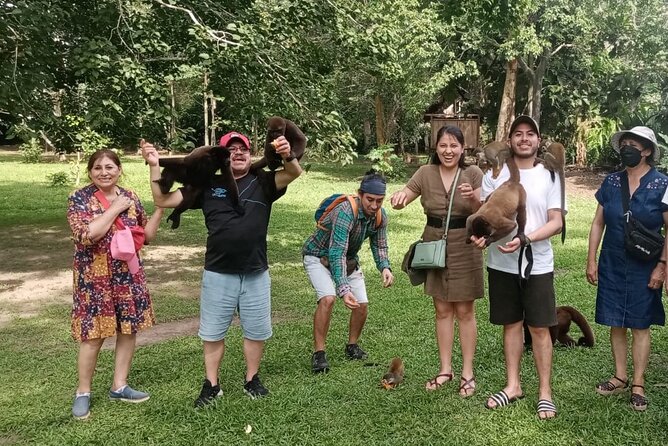
In Iquitos, it’s easy to find nature tours that blur into generic animal spotting. This one stays grounded. You get native aquatic species on the water, then you shift to Monkey Island, where the core story is what conservation looks like when it is hands-on.
I like that the experience explains the stakes. You’re not just told monkeys are important. You learn how illegal hunting and the trafficking of monkeys as pets harms populations, and how a refuge tries to reverse the damage by rehabilitating primates and supporting their return to habitat.
There’s also a human element. The guides matter. On this kind of day, a strong guide turns a list of animals into a living system with cause and effect.
Price and what you are really paying for at $150
At $150 per person for about 7 hours, you’re paying for three things that add up quickly in the Amazon: a private format, a trained guide service, and the entrance and local fees. Lunch is not included, so plan an extra budget for that.
That private part is not a throwaway detail. In a place like Iquitos, wildlife timing is unpredictable. With a private group, you’re not stuck waiting while strangers shuffle on and off boats and stumble over the schedule. You can ask questions, slow down for a sighting, and adjust when conditions change.
If you do not want the stress of organizing your own river day, this bundled structure can feel like good value. You are buying peace of mind, plus conservation access that is better than casual, self-guided wandering.
A 9:00 am start that suits real river timing
The tour begins at 9:00 am in Iquitos. That start time usually gives you workable daytime light for river viewing, and it keeps the day from dragging into an evening that feels rushed.
The bigger point is rhythm. When you start earlier, you’re more likely to get smoother wildlife spotting windows, then finish with the Monkey Island portion without feeling like everything was squeezed into the last hour.
It is also a good idea to treat this as a whole-day commitment in your planning. Even though it’s 7 hours, the river makes time feel different, so build in extra room for transit back to wherever you’re staying.
First stop on the water: native aquatic species viewing in Iquitos
This tour is structured around native aquatic species viewing before the Monkey Island visit. That matters because it gives you a different entry point to the Amazon story.
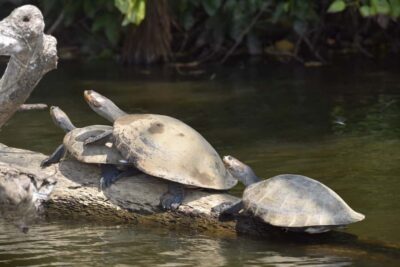
The Amazon is not only about trees and parrots. It is also about fish, river behavior, and the food web that connects everything. Starting with water life helps you understand why conservation is not just about land animals. When habitats change, aquatic species reflect that fast, and the impacts ripple outward.
What to expect during this phase is straightforward: you are on the river and you’re looking for native species in their environment. Wildlife spotting can be hit or miss, so I’d come with a flexible mindset. The guide’s job is to help you focus on what you can actually see, not what you wish you saw.
Practical note: because this is river-based, motion comfort matters. If you have any history of getting sick on boats, bring what you normally use. Don’t rely on willpower.
Nearby in Iquitos, these earned their own write-ups
Monkey Island: rehabilitation, illegal hunting lessons, and primates up close
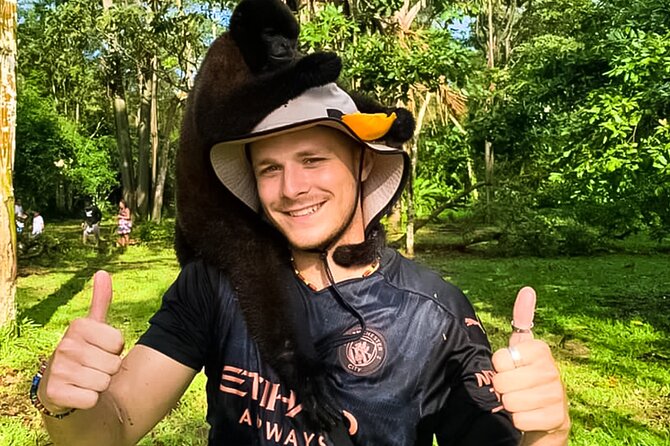
Monkey Island is the heart of the day. This refuge works with Amazonian primates that have been rehabilitated, then released back into their natural habitat. That specific focus is the reason this tour feels more meaningful than a typical zoo-style stop.
You’ll also learn about the causes behind many rescue cases. One of the most praised parts of the experience is the clear explanation of illegal hunting, both for meat and for trafficking monkeys as pets, which is also illegal. The message is delivered in a way that helps you understand the chain of harm, not just the fact that harm exists.
What makes Monkey Island especially memorable is the chance to see monkeys across a wide range of ages. During the visit, people have described seeing monkeys from roughly 9 months old up to around 18 years. Seeing that range helps you visualize how long rehabilitation can take, and how recovery is not a quick fix.
Some encounters also include direct interaction. That does not mean a free-for-all. A good refuge visit is about learning and observing within whatever rules staff set that day. Still, getting close enough to notice behavior is a big part of why people rate this so highly.
If you’re the type who worries about animal welfare, you’re likely to appreciate that the whole pitch is about survival after rescue, not just entertaining visitors for an hour.
Guides you trust in the jungle: Kelwin, Javier, and William
In this type of day, the guide can make or break the experience. The standout theme here is English that’s clear and natural, plus jungle knowledge that feels earned, not rehearsed.
Kelwin Peña Andrade is listed as the experience provider, and guides like Javier have been highlighted for their ability to explain what you’re seeing in plain terms. Another name that comes up strongly is William, who guided a Monkey Island portion with a clear passion for the primate care work.
That guide energy does something practical. You don’t just observe. You understand. You’ll ask better questions, you’ll notice details you’d miss on your own, and you’ll leave with a mental map of how conservation works on the ground.
If you’re doing the Amazon as a once-in-a-lifetime trip, I’d treat a strong guide as part of your investment, not an optional bonus.
Extra jungle stops you might encounter, like a giant tree and a fish farm
Along with Monkey Island and river viewing, this tour experience has included other jungle-related stops such as a giant tree and a fish farm. Since your exact route can vary with conditions and timing, treat these as possibilities rather than guarantees.
Still, they can add value. A giant tree stop, for instance, can give you a clearer sense of scale in the forest, and how the Amazon’s structure supports life. A fish farm component can tie back to the aquatic theme, showing how people manage food sources and habitats linked to river ecosystems.
The takeaway for you is simple: the tour tends to keep the theme consistent. It’s not only about collecting sightings. It’s also about showing how humans interact with the environment and how knowledge is shared.
If you’re the kind of traveler who prefers a tighter, strictly wildlife-focused route, bring that preference. A private tour format can usually accommodate small adjustments more easily than larger group outings.
River wildlife time: dolphins, including possible pink sightings
The Amazon river portion can include dolphin sightings, and one highlight from this experience is the mention of pink dolphins. That’s not something I’d promise for every day, but it’s an important reason many people love doing this exact style of tour.
When dolphins appear, they change the mood fast. The guide’s job becomes spotting and tracking movement, not just standing still and hoping.
Come with two expectations set in advance:
First, you might see dolphins.
Second, you might not, and the guide should still help you make the day worthwhile through other native aquatic viewing.
That balance is what keeps the tour from feeling like a gamble.
What to bring for comfort on a river day
Because you are in and around the Amazon river, comfort is not a luxury. It’s part of the experience.
I suggest you pack with these points in mind:
- Sunscreen and a hat (the river reflects light)
- Insect repellent (jungle air can get buggy)
- A light rain layer (weather can shift fast)
- Water and a snack you can grab if lunch is delayed, since lunch is not included
- Motion comfort items if you tend to get queasy on boats
Also think about shoes. You’ll want footwear that handles uneven ground and gets you through short walks or steps without drama.
Moderate physical fitness is required. If you feel confident with uneven outdoor surfaces and boat movement, you’ll likely enjoy the day more.
Is this tour ethical and conservation-minded enough for serious animal lovers?
This is where Monkey Island makes its case. The refuge is presented as a rehabilitation and release program, and it actively teaches why illegal hunting and trafficking are so harmful.
That matters because the worst animal experiences mix spectacle with ignorance. Here, the emphasis is on understanding the problem and how the refuge supports recovery.
One of the highest praised parts is that visitors learn about illegal activities impacting monkeys, including hunting for meat and the illegal pet trade. That kind of direct context helps you become a more informed visitor, not just a consumer of cute moments.
If you want your Amazon trip to feel like more than a photo album, this is one of the better formats: aquatic wildlife viewing plus a refuge visit grounded in rehabilitation.
Who should book Monkey Island, Amazon River & Native Aquatic Species
This tour fits you if:
- You want a private day with an experienced guide
- You care about conservation that explains cause and effect
- You enjoy river wildlife viewing and can handle boat time
- You want a Monkey Island visit that focuses on rehabilitation and release
You should think twice if:
- You are afraid to travel on the river
- You have limited comfort with movement and moderate walking
- You’re over 70, since it is not recommended for that age range
It also makes sense for couples and small groups who want a smoother pace. The private format helps you avoid the feeling of being dragged through multiple stops on someone else’s schedule.
If you’re building an Iquitos itinerary and you want one experience that connects water life to primate conservation, this is a strong anchor.
Should you book this Monkey Island and Amazon species tour?
Book it if you want the Amazon story with real context. The best parts are the conservation focus at Monkey Island, the explanations about illegal hunting and trafficking, and the quality of the guiding, with names like Kelwin Peña Andrade, Javier, and William associated with the experience.
Skip or reassess if river movement is a dealbreaker for you. The tour is explicitly not recommended for travelers afraid to travel on the river, and it also requires moderate physical fitness.
Finally, plan on spending extra for lunch since it’s not included. If that’s easy for your budget, you’ll likely feel this tour was worth it for the time you spend learning and observing, not just checking boxes.
FAQ
How long is the tour?
It runs for about 7 hours.
What is included in the $150 per person price?
The price includes all fees and taxes and a guide service.
Is lunch included?
No, lunch is not included.
What time does the tour start?
The start time is 9:00 am in Iquitos.
Is the tour suitable for older travelers or people who do not like boats?
It is not recommended for travelers over 70 years old, and it is also not recommended for travelers who are afraid to travel on the river.
What happens if the weather is poor, or I cancel?
The tour requires good weather. If it is canceled due to poor weather, you will be offered a different date or a full refund. Cancellation is free up to 24 hours in advance for a full refund, but if you cancel less than 24 hours before the start time, the amount you paid will not be refunded.
More Tickets in Iquitos
- Amazon Rescue Center – Manatees Conservation Center Admission Ticket
★ 4.5 · 49 reviews
More Tour Reviews in Iquitos
- Belen Market and La Venecia Loretana Tour With A Local Guide
★ 5.0 · 85 reviews - 3-Day All Inclusive Guided Jungle Tour from Iquitos at Maniti Eco-Lodge
★ 4.5 · 74 reviews - 2-Day All Inclusive Guided Jungle Tour from Iquitos at Maniti Eco-Lodge
★ 4.5 · 62 reviews - 3-Day Iquitos Amazon Jungle Adventure at Heliconia Lodge
★ 4.5 · 54 reviews - From Iquitos: 3-Day Amazon Jungle Adventure Trip
★ 4.7 · 50 reviews
Upriver Into the Peruvian Amazon
- Belen Market and La Venecia Loretana Tour With A Local Guide
★ 5.0 · 85 reviews - 3-Day All Inclusive Guided Jungle Tour from Iquitos at Maniti Eco-Lodge
★ 4.5 · 74 reviews - 2-Day All Inclusive Guided Jungle Tour from Iquitos at Maniti Eco-Lodge
★ 4.5 · 62 reviews - 3-Day Iquitos Amazon Jungle Adventure at Heliconia Lodge
★ 4.5 · 54 reviews - From Iquitos: 3-Day Amazon Jungle Adventure Trip
★ 4.7 · 50 reviews
Freshly reviewed across Iquitos
- Iquitos: Amazon River Tribes Full-Day Tour with Lunch★ 3.5 · 3 reviews
- 2-Day All Inclusive Guided Jungle Tour from Iquitos★ 4.3 · 3 reviews
- Iquitos : Full Day Excursion to Monkey Island★ 4.4 · 3 reviews
- Iquitos: Amazon Jungle in 3 Days: Adventure and Culture★ 4.8 · 4 reviews
- Iquitos: Piranha Fishing Experience in the Amazon jungle★ 4.7 · 4 reviews
- Iquitos: Amazon Jungle in 2 Days: Adventure and Expedition★ 4.5 · 6 reviews
Amazon Jungle Tours side by side.
 ★ 4.5Tambopata Peruvian Amazon Jungle for Three Days/Two NightsFrom $350329 reviews
 ★ 4.6Puerto Maldonado: 4-Day Tambopata Rainforest TourFrom $424213 reviews
 ★ 4.5Puerto Maldonado: Sandoval Lake 4-Day, 3-Night Guided TourFrom $30090 reviews
 ★ 5.0Belen Market and La Venecia Loretana Tour With A Local GuideFrom $5085 reviews
 ★ 5.04 Day Tour to the Manu National ParkFrom $38981 reviews
 ★ 4.53-Day All Inclusive Guided Jungle Tour from Iquitos at Maniti Eco-LodgeFrom $45974 reviews
 ★ 4.54 Day Tambopata Amazon Wildlife & Canopy ExperienceFrom $58572 reviews
 ★ 5.0Manu National Park Tour 4days/3nightFrom $47069 reviews
Also on these Peru lists