
REVIEW · AREQUIPA CITY
Arequipa | Ascent to Chachani Volcano 2 days / 1 night
Chachani is a hike that feels like a real mountain day. What makes this 2-day, 1-night trip special is the small group pace and the way the guides focus on you, not a spectacle. I also like how the route and timing connect to Arequipa’s setting, from the region’s white volcanic stone that built the city’s famous churches to the stark high-altitude start near Pampa Cañahuas. One thing to consider, especially if you’re a slower uphill hiker, is water planning, since people have noted getting short on water for camp cooking during intense days.
This isn’t a casual walk. You’ll leave Arequipa early, reach base camp at 5,200 m, sleep in tents, then start the big summit push at 2:00 a.m. If you’re comfortable with cold mornings, thin air, and moving steadily, you’ll love how focused and honest this experience feels.
In This Review
- Key things to know before you go
- Chachani’s summit run, minus the tourist show
- Arequipa’s white stone, and why your day starts in the historic center
- Day 1: Pampa Cañahuas at 10:00 a.m., then base camp at 5,200 m
- The summit night: why the 2:00 a.m. start is the whole point
- The view stop, then the descent that matters more than you think
- Price and value at $144 per person, when you add up what you get
- What to bring for Chachani, based on how the days run
- Who this tour fits, and who should skip it
- Should you book this Chachani 2 days / 1 night ascent?
- FAQ
- What time do you pick me up in Arequipa?
- Where do we start hiking?
- How high is the base camp?
- What time do we start the summit climb on day 2?
- What meals are included?
- Is trekking equipment included?
Key things to know before you go
- A true high-altitude overnight at base camp (5,200 m) in tents, not a day-only outing
- English and Spanish guidance, with an emphasis on support through the climb
- A sunrise summit window around 5:00 a.m. when the weather plays along
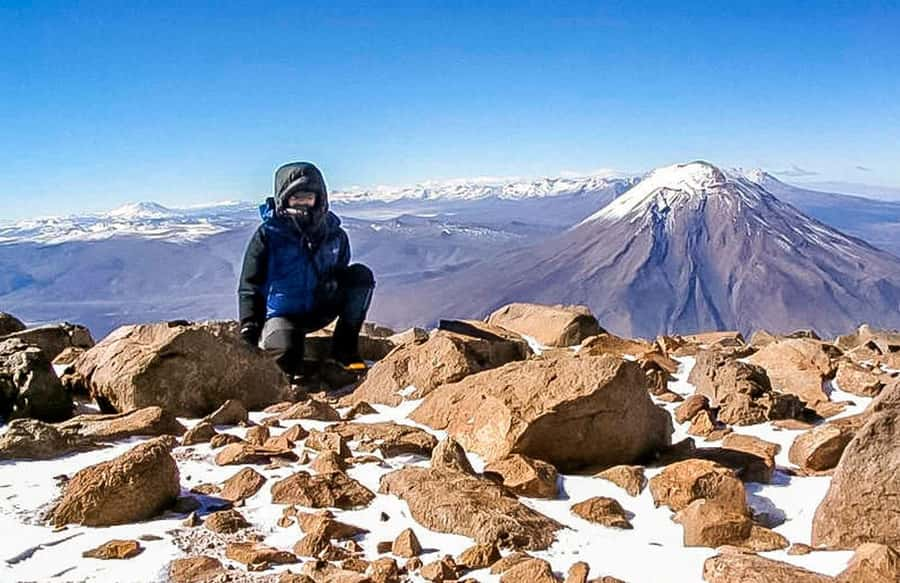
- Tons of named volcano views from the summit stop, including Misti and Sabancaya
- Small-group trekking up to 10 people, which helps with pacing and help when needed
Santa Catalina, Yanahuara and more Arequipa
- From Arequipa: Colca Canyon Full-Day Guided Tour with Meals
★ 4.5 · 982 reviews - Tour to the Salinas Lagoon and National Reserve in Arequipa
★ 4.5 · 548 reviews - From Arequipa: Sillar Route Trek
★ 4.2 · 461 reviews - Arequipa: Chili River White Water Rafting with Hotel Pickup
★ 4.8 · 329 reviews
Chachani’s summit run, minus the tourist show
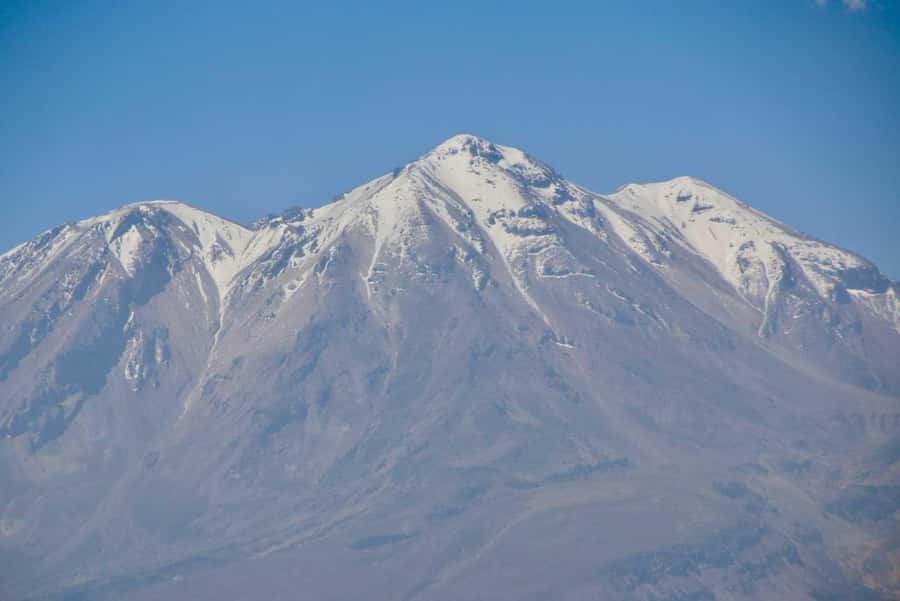
Chachani (the big one above Arequipa) is the kind of mountain that rewards effort. You start with a gradual uphill rhythm, then you transition into an early-morning summit attempt that feels like the real deal. The best part is that this style of outing is built around movement and being cared for, not around constant sightseeing patter.
I like that the guide team comes in with clear recommendations before you start. That matters because at this altitude, small choices, like how you pace yourself in the first stretch, can decide whether you feel strong later. And it helps that you’re not herded with a crowd. With a group limited to 10, you’re more likely to get individualized attention.
There’s also something quietly satisfying about how the tour is structured. Day 1 is about getting you to base camp efficiently. Day 2 is about pushing for the summit, then rewarding you with views and time to recover before heading back down.
Arequipa’s white stone, and why your day starts in the historic center
Arequipa earns the nickname White City for a reason. The volcanic stone used in major buildings, including churches, gives the old core its pale look. Even if you’re not doing a formal city tour, this matters emotionally, because your morning begins right where that story lives.
You can start from either the Historical Centre of Arequipa at Plaza de Armas or another hotel pickup location in the city. Either way, you’re stepping into a classic rhythm of the day: first, the city morning energy, then a direct jump into mountain territory.
The 4×4 transport is practical here. You’re not just “getting to a trail.” You’re getting to the back side of the volcano, near Pampa Cañahuas. That sets up the trek with a clear plan: gear up, follow the guide’s pacing, and begin with low-intensity ascent.
It also means you’re spending less energy just traveling and more energy where it counts, on the hike itself.
Day 1: Pampa Cañahuas at 10:00 a.m., then base camp at 5,200 m
Your day starts early: pickup at 7:30 a.m. from your hotel, in a 4×4. Most of the drive brings you into position to start hiking around 10:00 a.m. at Pampa Cañahuas, located at the back of Chachani. That back-of-the-volcano start is a key part of why this trek feels direct, not wandering.
At the trail start, you’ll get a briefing with basic recommendations from your guide. This is where I’d pay attention if you know you tend to burn out early. The plan calls for about two hours of gradual ascent with low intensity, which sounds simple, but it’s the kind of “slow now, strong later” move that makes summit attempts more realistic.
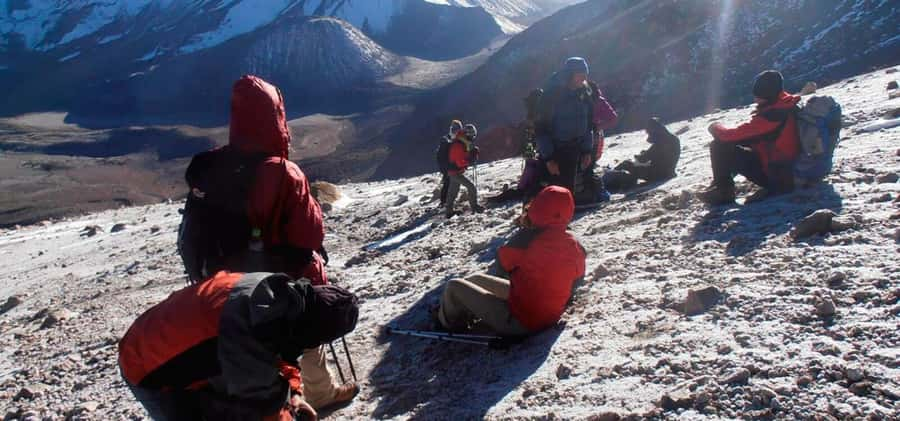
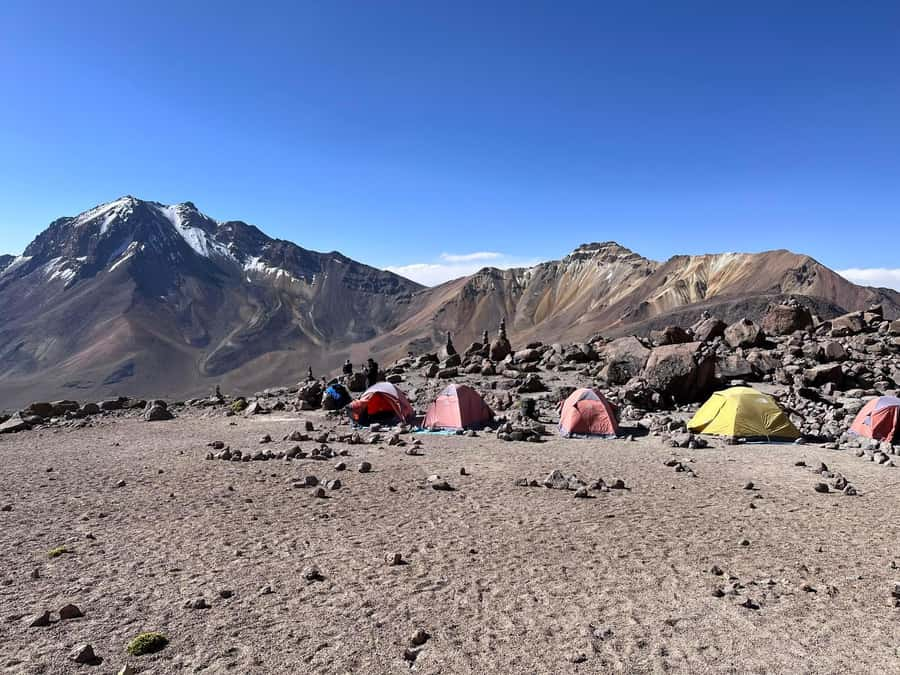
After that steady first push, you reach base camp at 5,200 meters. This is your threshold moment. The air is thinner, and your body has to adjust. Expect the practical side of mountaineering life: you set up your tents, you settle into camp routine, and you start eating like it matters (because it does).
Lunch is then served at base camp, typically as soup and pasta or canned food. It’s not fancy. It’s functional, and you’ll want functional when you’re climbing again the next day.
When evening comes, the schedule stays simple: tea, then sleep. This is a real overnight, not a quick stop. If you’re hoping for “camp vibes,” you’ll get them. If you’re hoping for comfort, you should recalibrate. Tents at altitude are about rest, not luxury.
The summit night: why the 2:00 a.m. start is the whole point
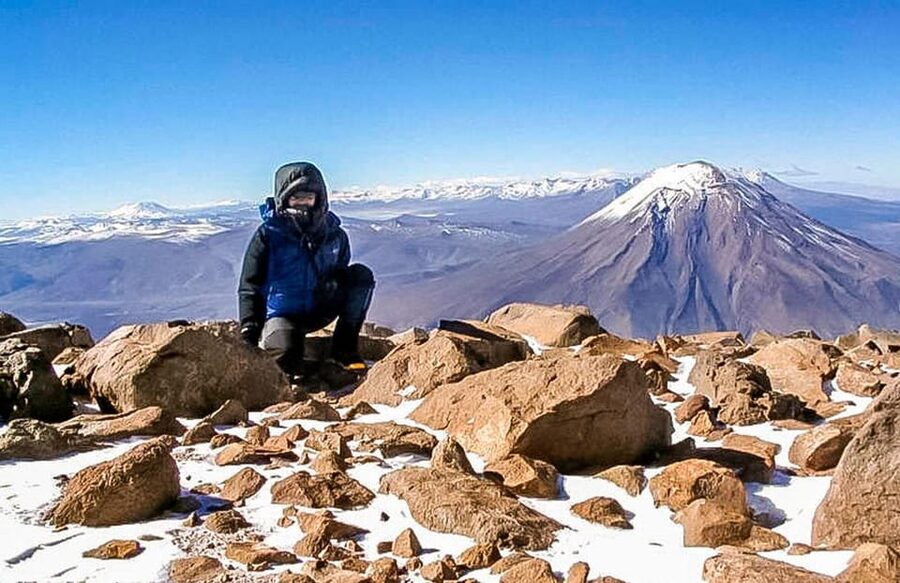
At 2:00 a.m. on day two, things switch gears. You’ll get ready to continue, verify you’re set, then warm up with breakfast. Starting that early is not random. It’s the classic mountain logic of timing: you want the best odds of reaching the top when conditions are workable and before the day can get too complicated.
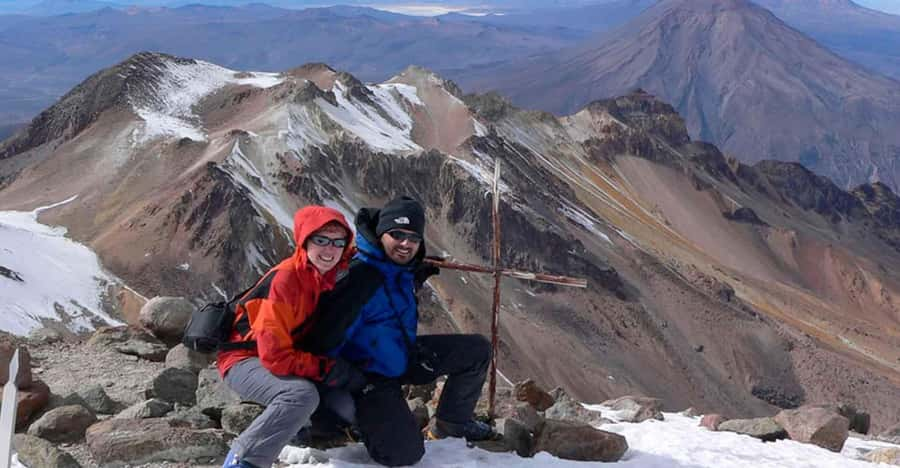
From there, you climb to the summit. If weather is good, you reach the top at around 5:00 a.m. That means you’re hiking in a dark, cold, concentrated window where you need steady footing and a calm pace.
This is where the guide approach shows up. In reviews, people highlight the guide support and porter attention, including the sense that the team is actively watching out for each participant. That kind of care is especially valuable on a summit day because the effort can make you ignore small warning signs in your own body.
Once you’re at the summit, you don’t immediately turn into a “photo and sprint” scenario. You get free time to regain strength and enjoy the view. And it’s not vague scenery. You’ll see a lineup of volcanoes that you can actually name: Coropuna, the snow-capped peaks of Ampato and Hualca Hualca, plus the active Sabancaya, and also Misti and Ubinas.
That naming part is underrated. It turns the summit from a generic “wow” into something you can remember and track later, even if you’re not a geology nerd.
Nearby in Arequipa, these earned their own write-ups
The view stop, then the descent that matters more than you think
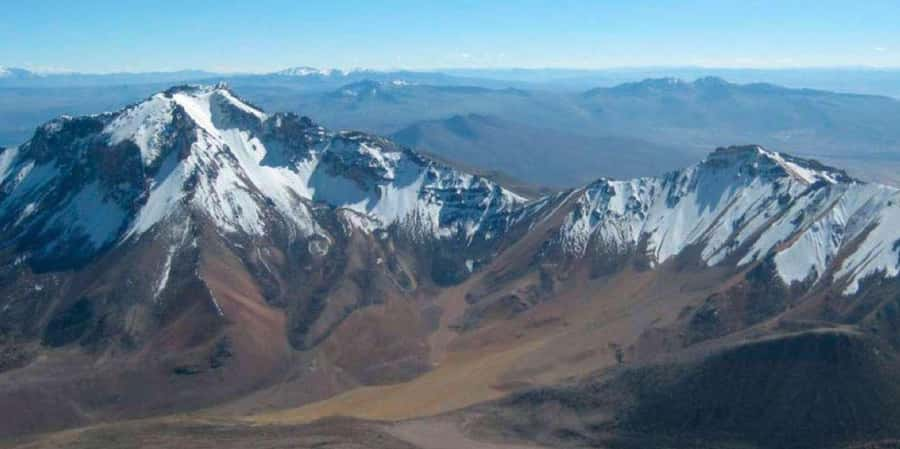
The summit is the headline, but the rest of the day is what closes the loop. After your time at the top, you descend back toward base camp.
As you come down, you’ll make several rest stops. This is another place where a good guide team adds real value. Downhill can be harder than it feels, because your knees do the work your lungs might not. Short rests help you keep moving safely and reduce the chance you push too hard just to “finish.”
Once you reach the starting point, the 4×4 is waiting to take you back to Arequipa. Drop off is in the Historical Centre at Plaza de Armas.
If you’re trying to plan the rest of your day in Arequipa, I’d keep it open and simple. You’ll be tired in that honest way that comes after a high-altitude climb. You’ll want a meal, a shower, and time to stop thinking about foot placement.
Price and value at $144 per person, when you add up what you get
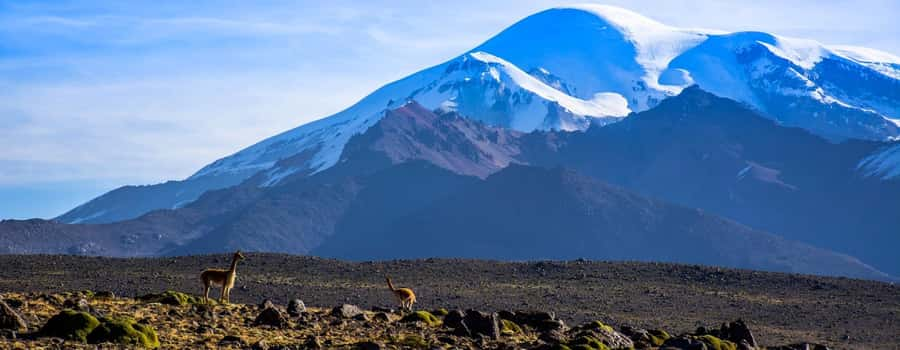
This trip costs $144 per person for a 2-day, 1-night experience. On paper, that can sound either cheap or pricey depending on what you compare it to. The better question is what you’re buying.
You’re getting:
- Hotel pickup and drop-off in Arequipa
- 4×4 transportation to and from the hiking start area
- English and Spanish guide support
- Tents for one night at base camp
- Lunch day 1 and breakfast day 2
Then there’s the “hidden value” category. This is the part people feel but can’t always price. It’s the small group size (up to 10) and the guidance through altitude work. A summit attempt is stressful when you’re doing it on your own, and more manageable when you have a team that understands pacing.
Reviews also suggest the operator can help with gear needs you might not have covered. The official info says trekking equipment (like poles, shoes, and backpacks) is not included, so you should still plan to bring your own. But knowing the team may help if you’re missing something can reduce last-minute panic.
One watch-out from reviews: some hikers wanted more water available for cooking. That doesn’t mean you should assume there will be a water problem, but it does mean you should take water seriously. Bring what you can within the limits of your pack comfort, and plan for the reality that this is an intense climb.
What to bring for Chachani, based on how the days run
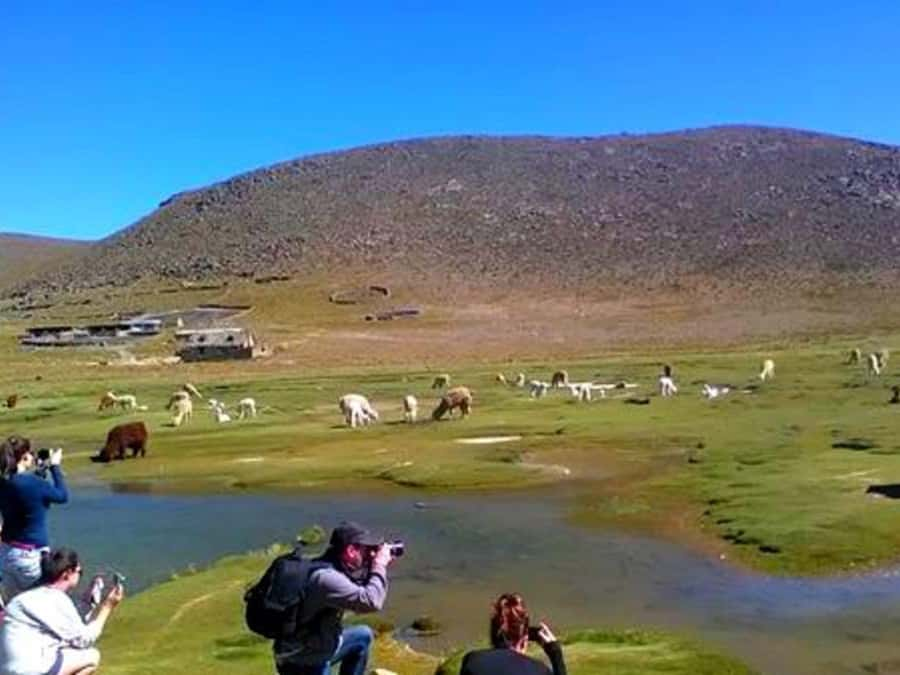
The tour gives a short list of what to bring. I’ll add my practical layer on top based on how the schedule plays out.
Bring:
- Passport
- Change of clothes
- Jacket
- Personal medication
Then, plan for the reality of two cold early starts at altitude. You’ll be moving for hours on day one, sleeping overnight in tents, then hiking again starting at 2:00 a.m. Even if you’re dressed right, you can still feel chilly waiting for the next step.
Also bring:
- Extra water planning (since people have reported a lack of water for camp cooking)
- Snacks, because snacks are not included
For trekking gear, the tour notes that equipment is not included. That means you should treat your footwear and your ability to carry your essentials as part of your preparation. If you don’t have poles, you might want to consider them, especially for the descent.
And one more thing you’ll be glad you did, arrive with everything ready before briefing time, so you can focus on sleep and movement instead of last-minute packing.
Who this tour fits, and who should skip it
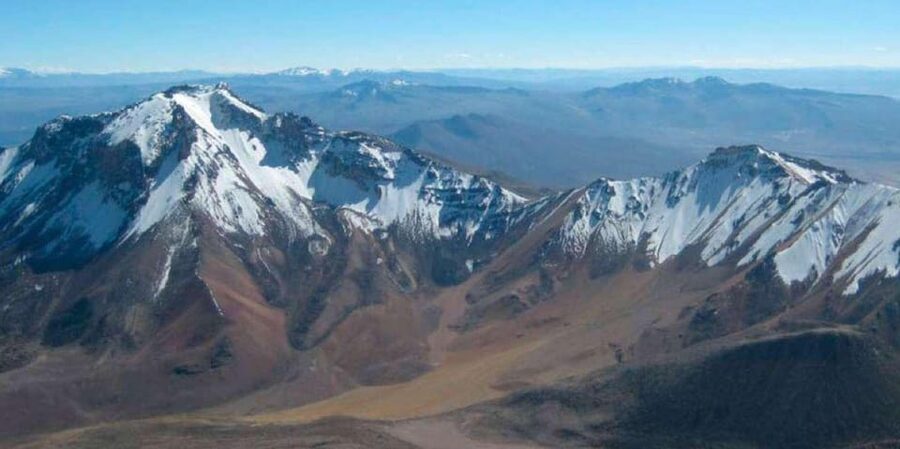
This is a physically demanding ascent. The provider lists several groups as not suitable, including:
- Pregnant women
- People with back problems
- People with heart problems
- Wheelchair users
- People over 60
Even if you fit within those categories, be honest about your comfort level with altitude and with an early summit push. The tour has clear timing, with a base camp night at 5,200 m and a summit attempt if weather is good.
It also suits you if you like structure. You’ll have pickup, a set trail plan, camp routine, and an early-morning itinerary. That’s helpful if you don’t want to make mountain decisions while tired and above 5,000 meters.
If you want a mostly relaxed day with minimal effort, this is not that. But if you want a mountain day that’s demanding yet supported by guides, it’s a solid match.
Should you book this Chachani 2 days / 1 night ascent?
Yes, I’d book this if you want:
- A real summit-day experience from Arequipa with a planned overnight at altitude
- Small-group attention and guides who focus on getting you up, not just entertaining you
- A chance to see named volcanoes from the summit area, with time to actually enjoy the view
I would think twice if:
- You’re worried about cold early starts or getting uncomfortable at altitude
- You have the health limitations listed by the provider
- You tend to struggle with intense hikes and need lots of pace flexibility
My best final advice: bring your own plan for water and snacks, show up with solid trekking basics, and trust the pacing. When the weather cooperates, the payoff is a mountain sunrise view that feels earned, and that’s hard to replicate with a more casual day trip.
FAQ
What time do you pick me up in Arequipa?
Pickup is at 7:30 a.m. from your hotel in Arequipa. You can also start from Plaza de Armas in the Historical Centre.
Where do we start hiking?
You arrive at Pampa Cañahuas around 10:00 a.m. and begin the ascent on foot from there.
How high is the base camp?
The base camp is at 5,200 meters above sea level.
What time do we start the summit climb on day 2?
Day 2 starts preparing at 2:00 a.m., and if weather is good you may reach the summit around 5:00 a.m.
What meals are included?
Lunch on day 1 is provided (soup and pasta or canned food), and breakfast is provided on day 2. You also have tea at night on day 1.
Is trekking equipment included?
No. Trekking equipment such as poles, shoes, and backpacks is not included, and snacks are also not included.
More Evening Experiences in Arequipa
- 2 Day 1 Night Trek / Colca Canyon
★ 4.5 · 92 reviews - Arequipa: Colca Canyon Trekking 2 days and 1 night + food
★ 4.8 · 3 reviews
More Tour Reviews in Arequipa
- From Arequipa: Colca Canyon Full-Day Guided Tour with Meals
★ 4.5 · 982 reviews - Tour to the Salinas Lagoon and National Reserve in Arequipa
★ 4.5 · 548 reviews - From Arequipa: Sillar Route Trek
★ 4.2 · 461 reviews - Arequipa: Chili River White Water Rafting with Hotel Pickup
★ 4.8 · 329 reviews - From Arequipa: 2-Day Colca Canyon Trekking Tour
★ 4.8 · 243 reviews
Arequipa Under El Misti
- From Arequipa: Colca Canyon Full-Day Guided Tour with Meals
★ 4.5 · 982 reviews - Tour to the Salinas Lagoon and National Reserve in Arequipa
★ 4.5 · 548 reviews - From Arequipa: Sillar Route Trek
★ 4.2 · 461 reviews - Arequipa: Chili River White Water Rafting with Hotel Pickup
★ 4.8 · 329 reviews - From Arequipa: 2-Day Colca Canyon Trekking Tour
★ 4.8 · 243 reviews
Freshly reviewed across Arequipa
- Excursion Salinas Lagoon and National★ 5.0 · 3 reviews
- From Arequipa: Full Day Colca Canyon Tour★ 4.5 · 3 reviews
- Arequipa: Colca Canyon Trekking 2 days and 1 night + food★ 4.8 · 3 reviews
- Walking tour through the Historic Center of Arequipa★ 4.0 · 3 reviews
- Arequipa: Catarata de Pillones and Bosque de Piedras Tour★ 4.3 · 3 reviews
- Cooking Class Typical Food in Arequipa★ 3.9 · 3 reviews
Arequipa City Tours side by side.
 ★ 4.5From Arequipa: Colca Canyon Full-Day Guided Tour with MealsFrom $42982 reviews
 ★ 4.5Tour to the Salinas Lagoon and National Reserve in ArequipaFrom $27548 reviews
 ★ 4.2From Arequipa: Sillar Route TrekFrom $12461 reviews
 ★ 4.8Arequipa: Chili River White Water Rafting with Hotel PickupFrom $20329 reviews
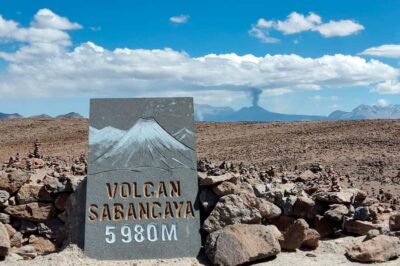 ★ 4.62-Day Tour Colca Canyon in Arequipa with end in PunoFrom $78248 reviews
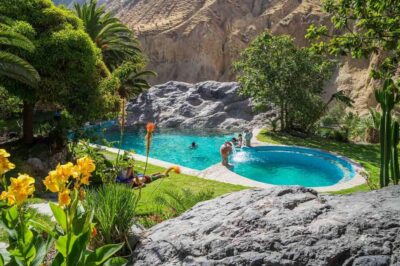 ★ 4.8From Arequipa: 2-Day Colca Canyon Trekking TourFrom $30243 reviews
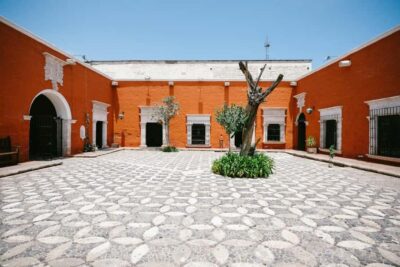 ★ 4.4Walking tour in the Historic Center of ArequipaFrom $10180 reviews
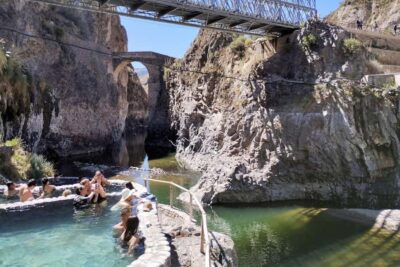 ★ 4.4From Arequipa: Full Day Tour of Colca Canyon with MealsFrom $27146 reviews
Also on these Peru lists