
REVIEW · AREQUIPA CITY
Arequipa: Peruvian Cooking Class
Purple corn meets your cutting board in Arequipa. This Arequipa cooking class turns your hands-on time into a real meal, starting with Chicha Morada and step-by-step help from a professional chef. I love how practical it feels from minute one, and the focus stays on cooking, not watching. One possible drawback, based on how tight 2 hours can be, is that menu expectations and timing may not always match what you hoped for, so confirm your chosen menu clearly.
I also like the smart built-in choice: you pick an Andean, Traditional, or Sea food menu, and the dishes reflect different parts of Peru. You cook two courses, eat what you make, then end with dessert. In the classes I’ve looked at closely, the best part is often the teacher, and one guide named Diana comes up again and again for clear English and a fun group vibe.
In This Review
- Key points before you go
- Why this Arequipa cooking class feels more like a lesson than a show
- The menus in plain English, and how to choose your best match
- Andean Menu: Solterito and Rocoto Relleno
- Traditional Menu: Causa and Lomo Saltado
- Sea food Menu: Ceviche and Pescado a lo Macho
- Starting with Chicha Morada, the drink that sets the tone
- Inside the kitchen flow: apron, chef hat, then step-by-step cooking
- Group size, noise level, and how to stay comfortable
- Learning the why behind the flavors, not just the how
- What you eat: a real two-course meal plus dessert
- Price and value: is $63 a fair deal in Arequipa?
- Where you meet, and the logistics that matter
- Menu selection, allergies, and how to avoid disappointment
- Who should book this cooking class, and who might skip it
- Kids and age note
- Getting the most out of your class: simple tips that help
- Should you book? My take for different kinds of travelers
- FAQ
- Where is the meeting point for the cooking class?
- How much does it cost?
- How long is the experience?
- What is included in the price?
- What is Chicha Morada?
- What menus are available?
- Can vegetarians join?
- What languages will the chef speak?
- Is roundtrip transportation included?
- Is the class suitable for children?
- Is there a minimum number of participants?
Key points before you go
- Two-hour, hands-on format focused on cooking two courses, not just tasting
- Chicha Morada welcome drink made from purple corn, sweet and nonalcoholic
- Menu choices: Andean, Traditional, or Sea food, selected after booking
- Bilingual professional chef in Spanish and English with step-by-step instruction
- Historic center setting with the meeting point at Casa de Avila Hotel
- Small group size (max 12) that keeps questions from getting lost
Santa Catalina, Yanahuara and more Arequipa
- From Arequipa: Colca Canyon Full-Day Guided Tour with Meals
★ 4.5 · 982 reviews - Tour to the Salinas Lagoon and National Reserve in Arequipa
★ 4.5 · 548 reviews - From Arequipa: Sillar Route Trek
★ 4.2 · 461 reviews - Arequipa: Chili River White Water Rafting with Hotel Pickup
★ 4.8 · 329 reviews
Why this Arequipa cooking class feels more like a lesson than a show
If you want Peruvian food you can actually repeat later, this is the kind of class that delivers. You start with a welcome drink, then you cook two dishes with a professional chef guiding each step. The whole setup works for travelers who learn best by doing, and it’s short enough to fit into a busy Arequipa itinerary.
What makes the experience practical is the structure. You show up, get an apron and chef hat, then you move through a real cooking flow: prep, season, assemble, and plate. You’re also learning context along the way, including the history of Peruvian food, which helps the flavors make sense once you’re back in your hotel room.
The menus in plain English, and how to choose your best match
After you book, you’ll be contacted to confirm which menu you want to cook. This matters because the two-course lineup depends on your choice, and you’ll want to make sure it matches what you’re craving.
Andean Menu: Solterito and Rocoto Relleno
This menu starts with Solterito, a fresh salad built from onion, tomato, corn, beans, cheese, and potatoes. It sounds simple, but the ingredients work together like a cool, savory mix. If you like bright acidity and crunchy textures, this course is a strong opener.
For the main, you cook Rocoto Relleno. The star ingredient is rocoto, described as a strong spicy red fruit with an apple-like shape. It’s stuffed with seasoned ground meat, plus cheese and raisins. You get a sweet-salty contrast from the raisins and a cozy richness from the cheese, while the rocoto brings real heat.
If you’re choosing this menu, decide based on your spice tolerance. Rocoto is not subtle.
Traditional Menu: Causa and Lomo Saltado
The first course is Causa, a well-loved Peruvian classic. It’s made with mashed potato seasoned with yellow pepper and lemon, then filled with avocado and tuna or chicken. It’s decorated with black olives and vegetables.
The main course is Lomo Saltado, a Chinese fusion dish made in a wok. You’ll cook beef, onion, yellow pepper, and tomato, plus French fries, then serve it alongside white rice. It’s hearty, savory, and very “comfort food” without being boring.
If you want a Peru meal that feels familiar to people who like stir-fry style cooking, this is an easy pick. Also, it’s a good choice if you want to test-drive Peruvian flavors without leaning heavily on the hottest peppers.
Other Peruvian kitchens taking bookings
Sea food Menu: Ceviche and Pescado a lo Macho
This option is for anyone who wants Peru’s seafood side, not just meat-and-potatoes. You’ll start with Ceviche: fresh fish marinated in lemon juice with onion, sweet potato, and corn. The citrus does the heavy lifting, so the key is timing and balance.
Your second course is Pescado a lo Macho, which includes a fried fish fillet topped with a sauce of onions and tomatoes. You’ll eat it with white rice on the side. It’s a classic mix of crunchy texture and saucy flavor.
If you pick this menu, you might want to mention any seafood allergies or restrictions early, because your menu choice is central to what ingredients you’ll handle.
Starting with Chicha Morada, the drink that sets the tone
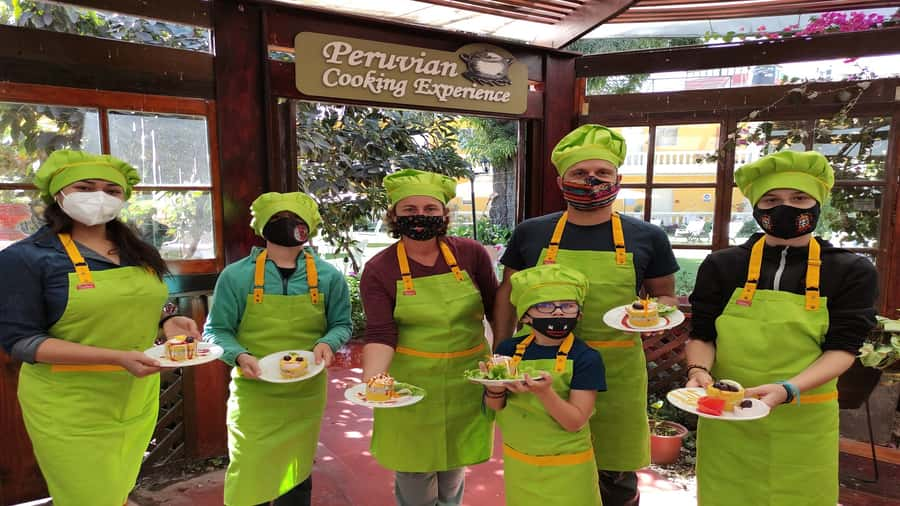
Before you cook, you’re greeted with Chicha Morada. It’s a sweet refreshment made from purple corn, served nonalcoholic. In practice, it’s a nice way to settle in because it’s refreshing but not overpowering.
It also gives you something to sip while you meet the group and get instructions. Small detail, big effect on how the class feels, especially after travel.
Inside the kitchen flow: apron, chef hat, then step-by-step cooking
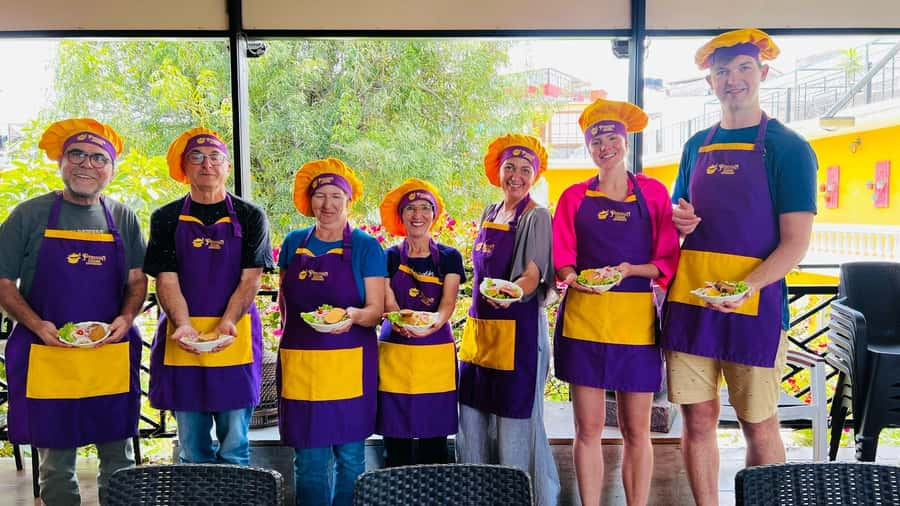
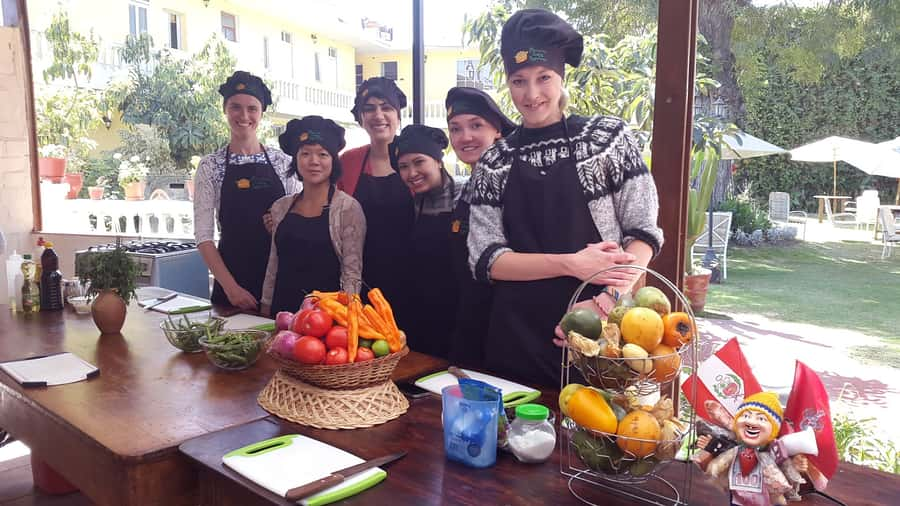
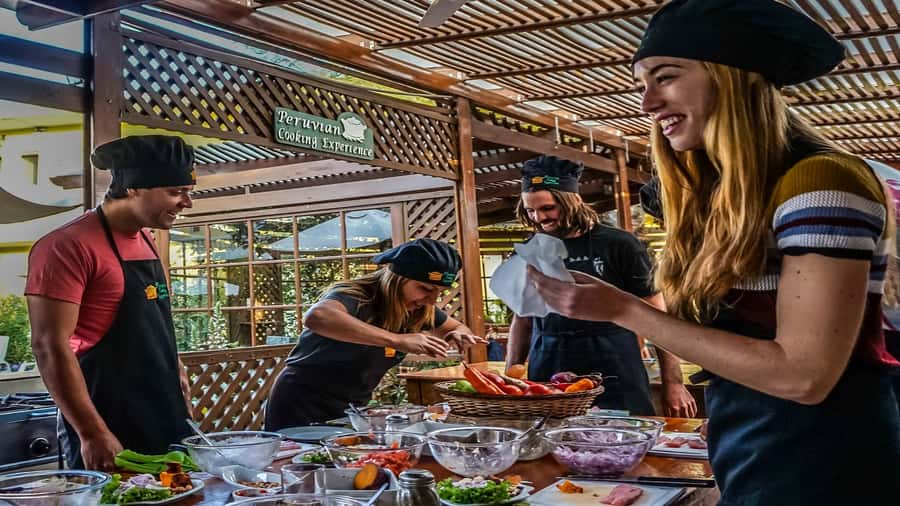
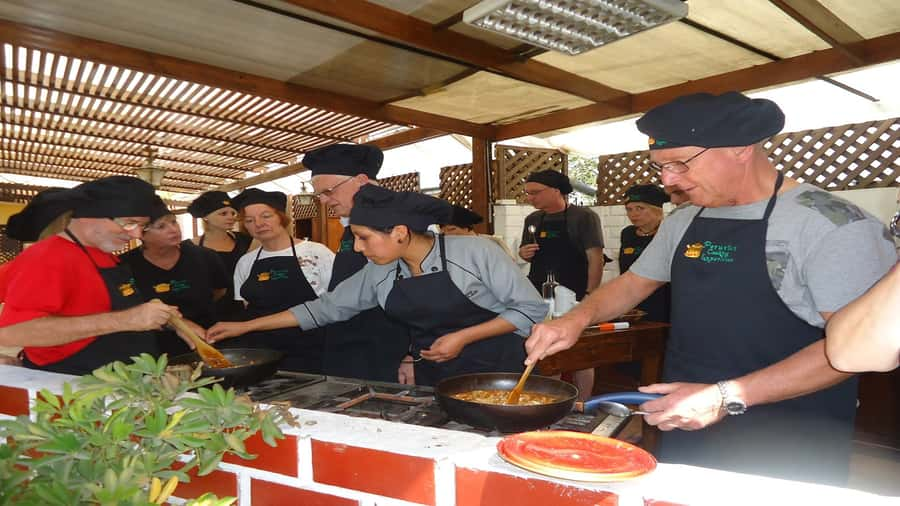
You don’t just watch. You put on an apron and chef hat, then start cooking right away.
The chef provides instruction in Spanish and English, so you’re not stuck guessing. With a bilingual approach, it’s easier to keep up if you’re mid-level with Spanish or starting from zero.
The pace is the thing to understand. It’s only 2 hours, and you’re expected to create two courses in that time. That’s great if you want momentum, but it can feel rushed if your brain needs extra time between steps. One person specifically mentioned the session finishing early, with dessert not fully completed, so if you care about dessert, show up ready and pay attention from the start.
Group size, noise level, and how to stay comfortable
The class caps at 12 people, and it’s wheelchair accessible. Smaller groups generally mean you can ask questions without a long wait.
Still, one detail came up: the music volume can be too loud for some people, making it hard to hear explanations at the table. If you’re sensitive to noise, consider bringing simple earplugs. It’s a small effort that can make the whole class more enjoyable.
Learning the why behind the flavors, not just the how
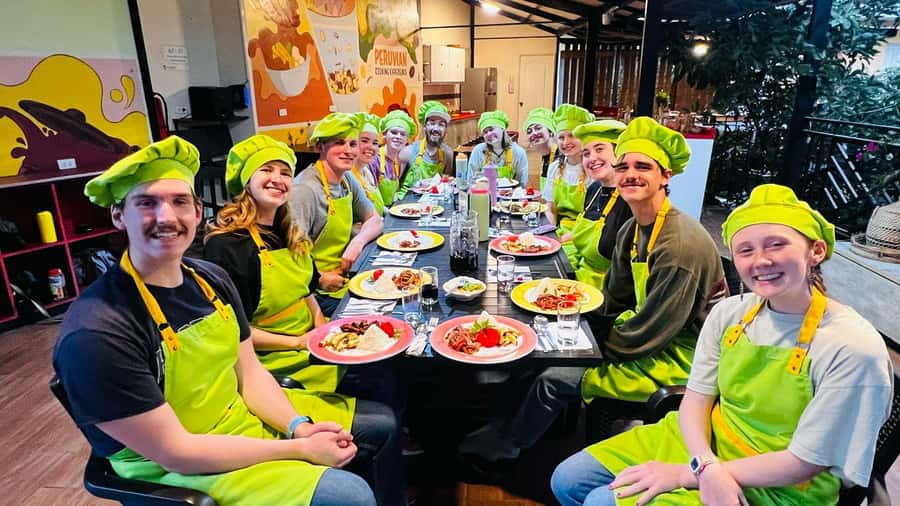
Along with the cooking steps, you learn about the history of Peruvian food. That matters because Peru is not one single cuisine style. It’s many regional influences, and you can taste those differences instantly once you know what you’re looking for.
For example:
- The Andean menu shows up as potato-forward comfort, corn, beans, and pepper heat.
- Traditional dishes highlight Peru’s street-food energy and wok-based fusion flavors in Lomo Saltado.
- The Sea food menu leans on citrus chemistry for Ceviche and sauced fried fish for Pescado a lo Macho.
Even if you’re not a food historian, this context helps you remember what you ate. And it helps you cook smarter next time.
What you eat: a real two-course meal plus dessert
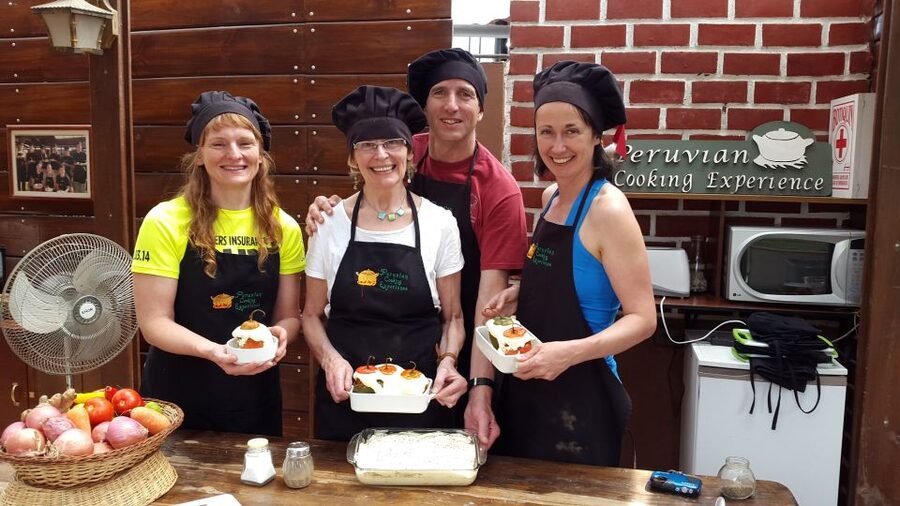
At the end, you eat what you cooked. That’s a big deal. The class isn’t just a demo where ingredients end up elsewhere. You’ll taste your own dishes, then you’ll have dessert to finish.
You’ll also have time to share travel experiences with the group and the Peruvian chef. The mood tends to be social but focused, the kind of conversation that happens naturally while hands are moving.
One practical note: because the class is time-boxed, dessert can depend on how the session runs. If that part matters a lot to you, treat the whole class like a sprint where attention is your best insurance.
Price and value: is $63 a fair deal in Arequipa?
At $63 per person for a 2-hour cooking class, you’re paying for more than instruction. Your price includes:
- Guided cooking class
- Two-course lunch or dinner (based on the selected time)
- Chicha Morada drink
- All ingredients and cookware
- A professional chef in Spanish and English
- Wi-Fi
You’re also not paying for transfers, since roundtrip hotel transport isn’t included. If you’re already in the historic center, that usually isn’t a big issue. But if your hotel is far out, plan on getting yourself to the meeting point.
In value terms, the best way to think about this price is that you’re basically buying both a cooking lesson and a full meal, then adding the context and organization of a chef-led experience. For many travelers, that makes it feel fair.
Where you meet, and the logistics that matter
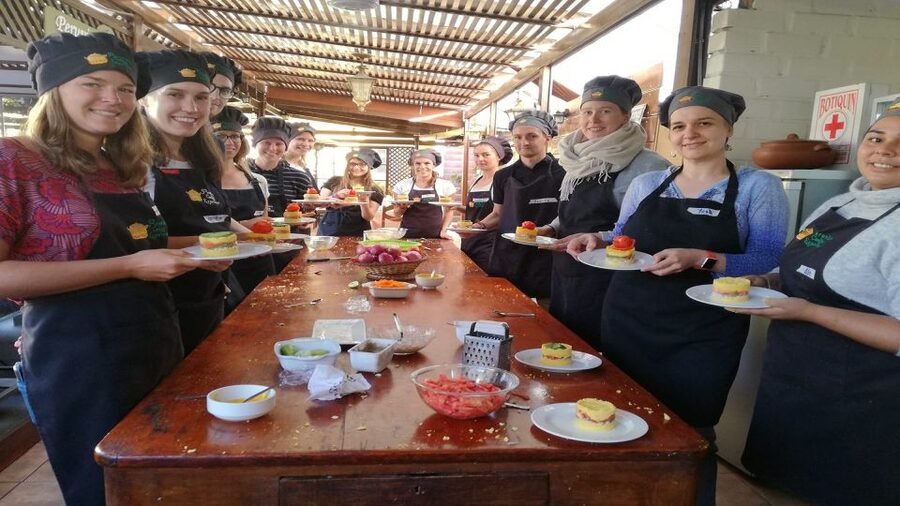
You meet at Casa de Avila Hotel in the historic center of Arequipa. That’s convenient because it places you in the area most people want to explore anyway.
Bring comfortable clothes. Cooking can involve standing, moving between stations, and working in a shared kitchen environment. Shoes that stay comfortable underfoot are worth it.
Menu selection, allergies, and how to avoid disappointment
Two things to take seriously:
1) Menu requests need to be made and confirmed.
2) Dietary restrictions should be communicated at booking.
One person noted a mismatch between the Andean menu they requested and what ended up being cooked. So when you receive confirmation about the menu, treat it like a checklist item. If anything looks off, message back right away.
For allergies or other restrictions, tell the provider at booking so they can adapt the menu. Since the class ingredients are real and hands-on, last-minute surprises are more likely than in a simple restaurant meal.
Who should book this cooking class, and who might skip it
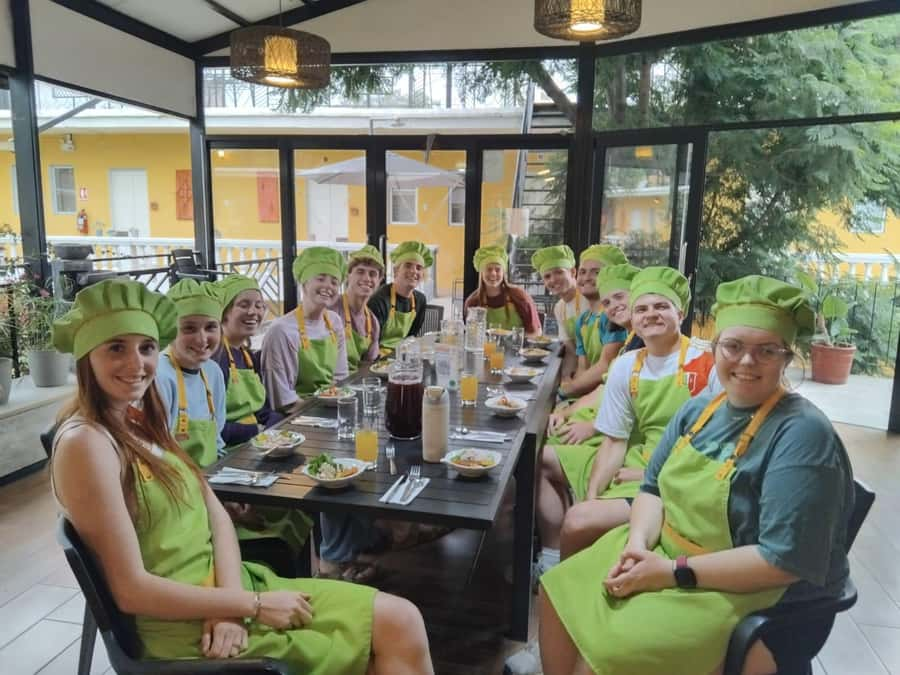
This class is a good fit if:
- You want a hands-on way to learn Peruvian cooking basics
- You like structured teaching with step-by-step guidance
- You want to eat a complete two-course meal you helped make
- You prefer small groups (max 12)
You might skip it if:
- You need very strict control over menu items due to allergies or very specific requirements and you’re not comfortable confirming details in advance
- You dislike short, fast-paced sessions, because 2 hours is the whole window
Kids and age note
It’s not suitable for children under 8. If you’re traveling with younger kids, look for another family-friendly option.
Getting the most out of your class: simple tips that help
Here are practical moves that make the class smoother:
- Arrive on time so you start cooking without feeling behind.
- When you pick your menu, choose based on your comfort with heat and seafood, not just curiosity.
- If you’re planning to document dishes later, take a quick photo of plated results before you dig in, then focus on cooking.
- If you’re sensitive to noise, bring earplugs in advance.
And if you want to have an even better experience, pick your main goal before you go. Do you want to nail Causa technique, learn Lomo Saltado wok timing, or understand how rocoto works as a pepper ingredient? A clear goal helps you pay attention in the moments that matter.
Should you book? My take for different kinds of travelers
Book it if you want a short, organized cooking experience that ends with a real meal in Arequipa. The bilingual chef instruction, the small group setup, and the chance to cook two dishes make it a solid value at $63, especially when you factor in ingredients, cookware, and the included drink.
Skip or be cautious if you have strict dietary needs or you’re particular about a specific menu. The experience can vary based on time flow, and you’ll want to confirm your chosen menu details carefully before you arrive.
If you like learning by cooking, not just eating, this class is an easy “yes” for a day where you want something active, tasty, and genuinely Arequipa.
FAQ
Where is the meeting point for the cooking class?
You meet at Casa de Avila Hotel in the historic center of Arequipa.
How much does it cost?
The price is $63 per person.
How long is the experience?
It lasts 2 hours.
What is included in the price?
The class includes a guided cooking session, a 2-course lunch or dinner (based on the selected time), Chicha Morada, all ingredients and cookware, a professional chef who speaks Spanish and English, and Wi-Fi.
What is Chicha Morada?
Chicha Morada is a sweet nonalcoholic drink made with purple corn.
What menus are available?
You can choose among three menus: Andean, Traditional, or Sea food. Each menu has a different pair of dishes you will cook.
Can vegetarians join?
Yes. There are vegetarian options. You should request this option when booking.
What languages will the chef speak?
The chef/instructor speaks Spanish and English.
Is roundtrip transportation included?
No, roundtrip transfers to and from your hotel are not included.
Is the class suitable for children?
It is not suitable for children under 8 years old.
Is there a minimum number of participants?
Yes. At least 2 people are required to start the class.
Peruvian Kitchens Taking Bookings
- Cooking Class Typical Food in Arequipa
★ 3.9 · 3 reviews
More Tour Reviews in Arequipa
- From Arequipa: Colca Canyon Full-Day Guided Tour with Meals
★ 4.5 · 982 reviews - Tour to the Salinas Lagoon and National Reserve in Arequipa
★ 4.5 · 548 reviews - From Arequipa: Sillar Route Trek
★ 4.2 · 461 reviews - Arequipa: Chili River White Water Rafting with Hotel Pickup
★ 4.8 · 329 reviews - From Arequipa: 2-Day Colca Canyon Trekking Tour
★ 4.8 · 243 reviews
Arequipa Under El Misti
- From Arequipa: Colca Canyon Full-Day Guided Tour with Meals
★ 4.5 · 982 reviews - Tour to the Salinas Lagoon and National Reserve in Arequipa
★ 4.5 · 548 reviews - From Arequipa: Sillar Route Trek
★ 4.2 · 461 reviews - Arequipa: Chili River White Water Rafting with Hotel Pickup
★ 4.8 · 329 reviews - From Arequipa: 2-Day Colca Canyon Trekking Tour
★ 4.8 · 243 reviews
Freshly reviewed across Arequipa
- Excursion Salinas Lagoon and National★ 5.0 · 3 reviews
- From Arequipa: Full Day Colca Canyon Tour★ 4.5 · 3 reviews
- Arequipa: Colca Canyon Trekking 2 days and 1 night + food★ 4.8 · 3 reviews
- Walking tour through the Historic Center of Arequipa★ 4.0 · 3 reviews
- Arequipa: Catarata de Pillones and Bosque de Piedras Tour★ 4.3 · 3 reviews
- Cooking Class Typical Food in Arequipa★ 3.9 · 3 reviews
Arequipa City Tours side by side.
 ★ 4.5From Arequipa: Colca Canyon Full-Day Guided Tour with MealsFrom $42982 reviews
 ★ 4.5Tour to the Salinas Lagoon and National Reserve in ArequipaFrom $27548 reviews
 ★ 4.2From Arequipa: Sillar Route TrekFrom $12461 reviews
 ★ 4.8Arequipa: Chili River White Water Rafting with Hotel PickupFrom $20329 reviews
 ★ 4.62-Day Tour Colca Canyon in Arequipa with end in PunoFrom $78248 reviews
 ★ 4.8From Arequipa: 2-Day Colca Canyon Trekking TourFrom $30243 reviews
 ★ 4.4Walking tour in the Historic Center of ArequipaFrom $10180 reviews
 ★ 4.4From Arequipa: Full Day Tour of Colca Canyon with MealsFrom $27146 reviews
Also on these Peru lists