
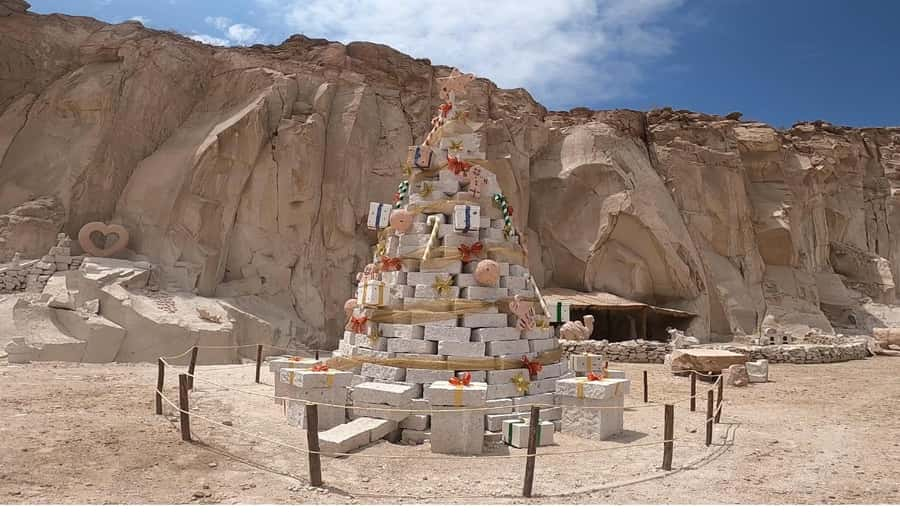
REVIEW · AREQUIPA CITY
Arequipa | Tour of the Sillar Route + Culebrillas Canyon
White stone and petroglyphs in one half day.
This tour strings together two very Arequipa experiences: the Sillar Route stone world, then a short hike in the Culebrillas Canyon where ancient rock symbols still feel like a puzzle.
I like that the stop at the sillar quarries is more than sightseeing. You get a guided look at ashlar stone masonry, including why these stones are worked by hand and why that skill matters. I also like the canyon walk, with rocky walls about 15 to 20 meters high and plenty of chances to frame great photos.
One drawback to consider: the Sillar part can feel quarry-like and light on interpretation, so if your main goal is rock art and walking, you may wish the day tilted more toward the canyon. Also, the tour is not suitable for wheelchair users and can be tough if you have back problems.
In This Review
- Key things to know before you go
- The Sillar Route and Culebrillas in 4 hours: how the pacing really feels
- Pickup and end point: where to meet without wasting time
- The Sillar quarries: learning why Arequipa’s white stone is different
- What is sillar masonry, and why you should care
- Walking into Culebrillas Canyon: the part built for views
- Petroglyphs in the canyon: ancient rock art with an open ending
- Time in town after the tour: a smooth way to round out your Arequipa day
- Price and value: $20 plus two small entrance fees
- Who should book this tour, and who should skip it
- A communication heads-up: protect yourself on pickup
- Should you book the Arequipa Sillar Route and Culebrillas Canyon tour?
- FAQ
- How long is the tour?
- Where is the pickup and where does the tour end?
- What’s included in the price?
- Are entrance fees included?
- What languages is the guide?
- Is the tour suitable for people with back problems or wheelchair users?
Key things to know before you go
- Hand-carved sillar matters: the stone can only be worked by hand, or it breaks. That simple fact changes how you see the whole quarry stop.
- Ashlar masonry, explained: you learn how shaped blocks (ashlar) fit into the construction style people associate with this region.
- A short walk to the canyon: after the quarries, there’s about a half hour on foot to reach the canyon area.
- Culebrillas hike for photos: expect a route through rocky canyon walls roughly 15 to 20 meters high.
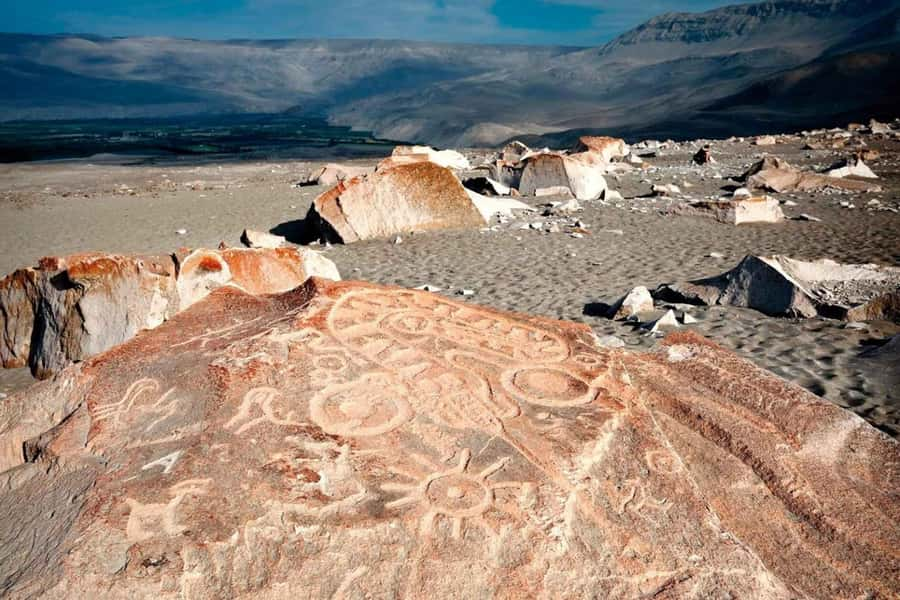
- Millenary petroglyphs: you’ll see engraved rock symbols where the meaning is still a mystery.
- Entrance fees add up: both the quarry and canyon have separate fees not included in the $20 price.
Santa Catalina, Yanahuara and more Arequipa
- From Arequipa: Colca Canyon Full-Day Guided Tour with Meals
★ 4.5 · 982 reviews - Tour to the Salinas Lagoon and National Reserve in Arequipa
★ 4.5 · 548 reviews - From Arequipa: Sillar Route Trek
★ 4.2 · 461 reviews - Arequipa: Chili River White Water Rafting with Hotel Pickup
★ 4.8 · 329 reviews
The Sillar Route and Culebrillas in 4 hours: how the pacing really feels
This is a tight half day. You start with pickup in Arequipa, then you head out by bus or minibus to the sillar quarries. After a guided portion at the stone area, you switch gears and walk to Culebrillas Canyon, where the focus turns to the canyon hike and rock art.
The whole tour is timed for efficient movement: roughly 40 minutes of travel to the quarry area, around 3 hours tied to the Sillar Route segment (including guided time and free time), then about 30 minutes back into town. The day ends near Plaza de Armas at the Plaza Mayor area.
For me, the key is knowing what to optimize. If you like understanding how things are made, the Sillar portion delivers. If you care most about rock art and canyon views, you’ll want to pay extra attention during the canyon segment and not rush through the quarry just to “check the box.”
Pickup and end point: where to meet without wasting time
Pickup is included, and the expectation is that they pick you up from your hotel in Arequipa. If you are staying in the historic center, there is also a pickup option at Plaza de Armas. The best move is to line up your pickup spot clearly the day before, and then be ready in the lobby about 10 minutes before the scheduled time.
After four hours, you return to central Arequipa and finish near Plaza de Armas, at Plaza Mayor de Arequipa.
Practical tip: the tour has a history of communication glitches for some bookings, including missed pickups and hard-to-reach contact numbers. Before you go, double-check your exact pickup location with the provider, and keep your confirmation details handy. This is one of those tours where being proactive protects your time.
The Sillar quarries: learning why Arequipa’s white stone is different
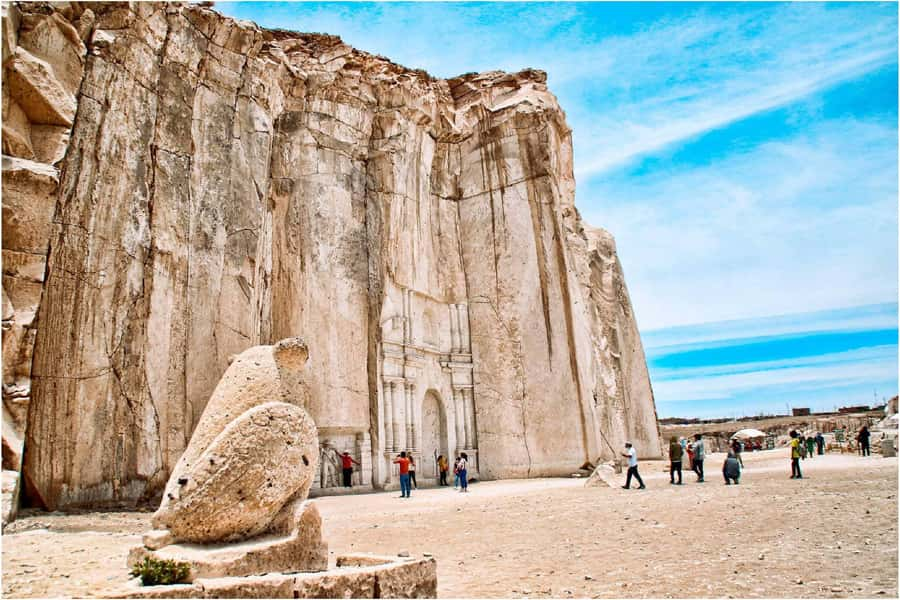
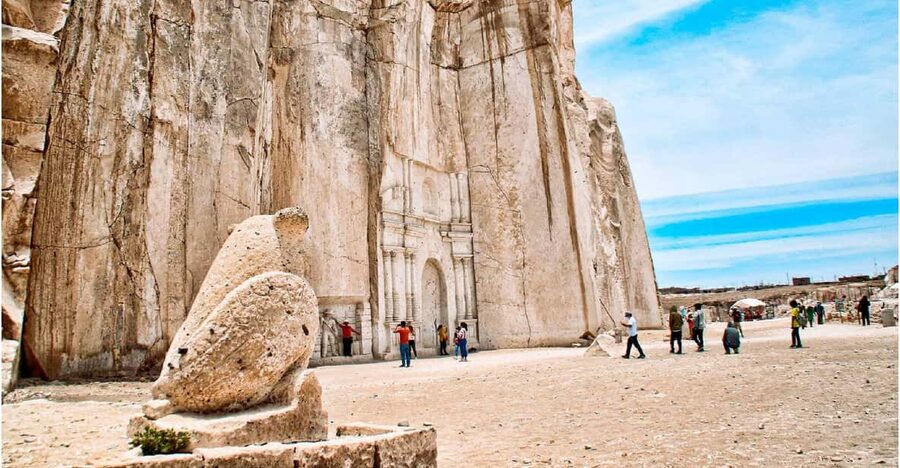
The Sillar Route stop begins at the quarries, where you get a guided tour focused on the stonemasons’ work. This is not just about seeing blocks of pale stone. The guide should explain the craft and the rules of the material.
Here are the two ideas that make the quarry visit click:
1) The stone is hand-work only
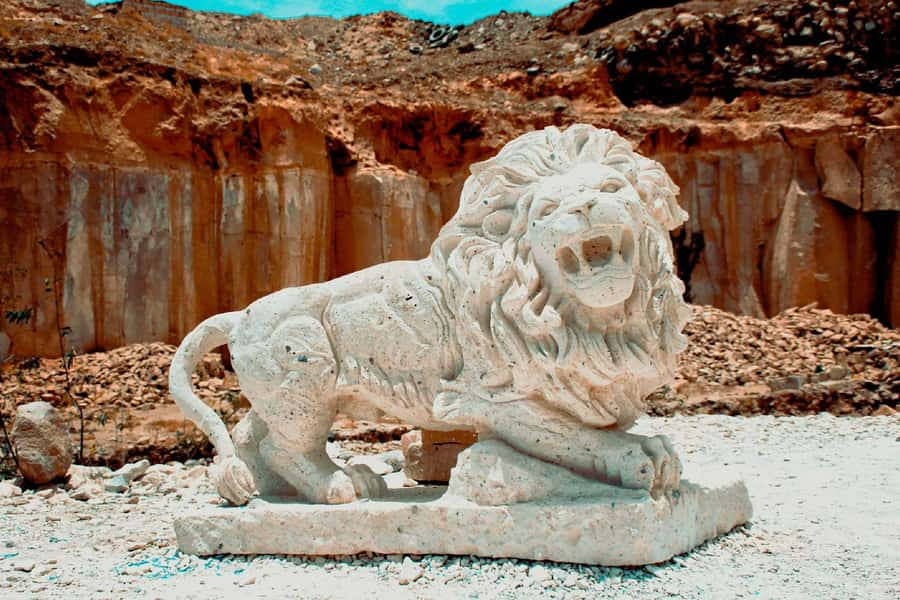
The stones in this area have a specific property: they can be carved and shaped by hand, but if handled in the wrong way, they would break. That tells you why masonry tradition matters here. It is not a generic quarry job.
2) Ashlar blocks shape the look of the region
You learn how shaped stone blocks, ashlar, are used in the kind of constructions people associate with Arequipa. In other words, you start seeing buildings as a continuation of the quarry work, not as separate attractions.
One neat detail you’ll hear: this material comes from lava from volcanoes surrounding Arequipa. That ties the pale stone to the volcanic geography of the region and gives the quarry stop a sense of origin, not just extraction.
What to expect on the ground
You’ll likely spend time walking around the quarry area, listening to the guide, and then you have free time. That free time is useful for taking photos, checking out the stone texture up close, and watching how the hand-work craft shows up in the block shapes.
Possible downside
The quarry stop can feel like a big working area more than a museum. If your expectations are high for lots of interpretive panels or very hands-on demonstrations, you may find the signage limited. The most reliable way to enjoy this portion is to treat it as a guided craft lesson plus a photo break, not a full explanation of everything.
What is sillar masonry, and why you should care
Even if you do not nerd out on building techniques, ashlar masonry is worth paying attention to. Why? Because it changes how you view Arequipa’s city fabric.
When you understand that the stone’s working properties are part of the story, you start noticing things you would normally ignore:
- how blocks look cut and shaped
- why certain edges and faces seem consistent
- how stone form relates to the final building look
This tour gives you that bridge in just a few hours. You go from quarry learning to imagining the material in the walls of the city. For a short day trip, that kind of connection is great value.

Walking into Culebrillas Canyon: the part built for views
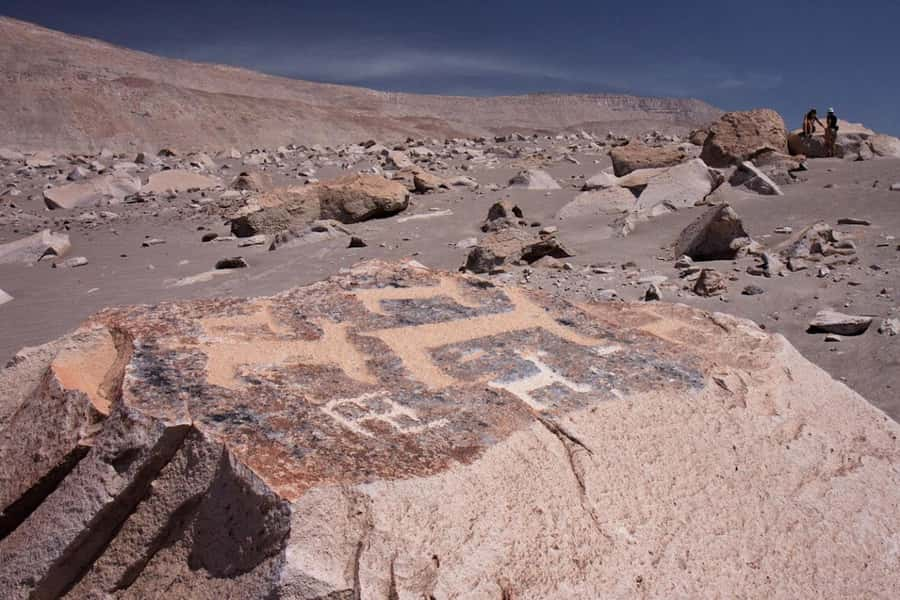
After the quarry, the group walks about half an hour to reach Culebrillas Canyon. Once there, you’ll take a hiking route through a narrow ravine, shaped by water over time.
The canyon walk is where the tour often feels more alive. You’ll move along rocky canyon walls that are roughly 15 to 20 meters high, which is dramatic enough to make photos pop. This is the portion where you can slow down, look up, and appreciate the scale.
What I think you’ll enjoy most here
- the tight canyon feel, where sky becomes a frame
- the rock textures and layers
- the ability to take photos without needing a long detour
What to keep in mind
It is a hike. Comfortable shoes matter. If you have back problems, this is listed as not suitable, so I would not try to “tough it out.” The canyon is not described as wheelchair accessible either, so plan on walking and steady footing.
Petroglyphs in the canyon: ancient rock art with an open ending
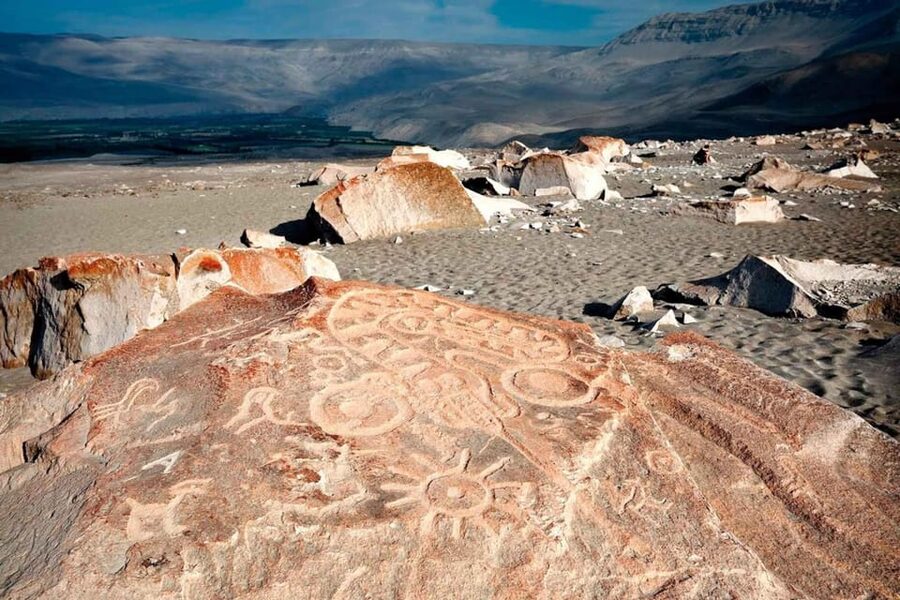
Culebrillas is also about rock art, specifically engraved symbols known as petroglyphs. You’ll see millenary rock symbols carved into the stone, and the meaning is still a mystery.
That mystery is part of the appeal. Unlike an attraction with a fixed, explained narrative, petroglyphs invite you to observe shape and placement and then accept that you may not get a final answer. In a short tour like this, the goal is not to solve the past. The goal is to stand where the symbols are and take them in with fresh eyes.
Photo tip
When you photograph rock art, try different angles. A slightly higher viewpoint can reduce glare and help the engravings read as lines rather than dark marks. Also, use your camera’s focus point carefully on the engraved area, since the surrounding stone texture can confuse auto-focus.
Time in town after the tour: a smooth way to round out your Arequipa day
The day ends near Plaza de Armas. That matters because it keeps you close to food options and easy strolling after the hiking portion.
My practical suggestion: if you want to keep the day balanced, schedule a meal soon after you return. You will likely be tired from walking and from the sun outdoors at elevations typical of the Arequipa region. Plan something simple, then wander when you feel like it.
If you are aiming to do more sightseeing, Plaza de Armas is a good launch point. The tour effectively acts as a “get outside and learn something” segment that drops you back into the center.
Price and value: $20 plus two small entrance fees
The tour price is $20 per person and lasts 4 hours. What you get for that price is not just a driver and a bus ride. Transportation is included (bus or minibus), pickup and transfer back to downtown are included, and you have an English and Spanish speaking guide.
Two entrance fees are not included:
- Culebrillas canyon entrance: 5 S/ (about 1.30 USD) per person
- Ashlar stone quarries entrance: 5 S/ (about 1.30 USD) per person
So in practice, you should expect to add roughly 2.60 USD total in entrance fees on top of the $20 base cost. That is still reasonable for a half day with guided content and a short hike.
Where you get real value
- The quarry guidance teaches you why the craft is distinctive, not just what it looks like.
- The canyon segment gives you views plus rock art, not just one or the other.
Where the value depends on you
If you want a lot of interpretive material at the quarry, the value may feel lower. If you like combining craft explanation with canyon walking and petroglyphs, it feels like a strong deal.
Who should book this tour, and who should skip it
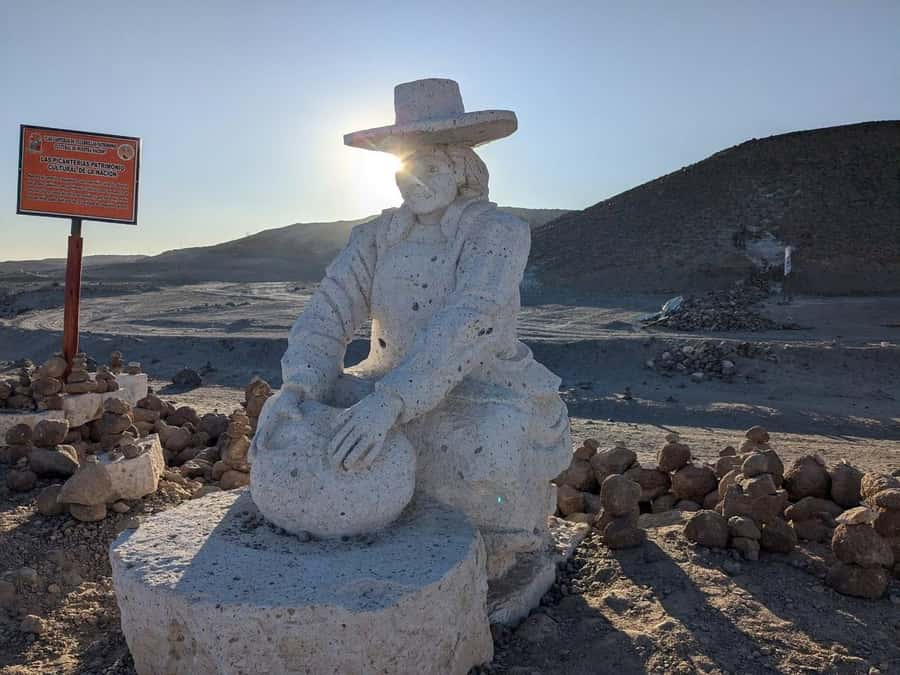
This is a good fit if you:
- like guided context, not just quick photos
- want a short adventure day without a full day commitment
- enjoy rock art settings and canyon views
- are curious how local building materials shape local architecture
It is not a good fit if you:
- have back problems, since it is not suitable per the activity details
- need wheelchair accessibility, because it is not suitable for wheelchair users
If you are traveling with older relatives or anyone with mobility limits, I would lean toward a less walking-heavy option. Here the main challenge is the canyon hike and the general movement between stops.
A communication heads-up: protect yourself on pickup
The tour includes pickup from your hotel and aims to get you back downtown near Plaza de Armas. But based on reported experiences, communication can be an issue, including situations where nobody arrived at pickup.
My advice is simple:
- confirm your pickup point and time in writing if possible
- be at the hotel lobby early
- keep your confirmation details ready
- if you do not hear back when you need it, act quickly through the booking channel you used
This is not meant to scare you away. It is meant to keep your day from turning into an unplanned scramble.
Should you book the Arequipa Sillar Route and Culebrillas Canyon tour?
I would book it if your ideal half day includes both craft learning and a canyon walk with rock art. The combination works because it ties geology (volcanic lava origins), human work (hand-carved stonemasonry), and ancient symbols (petroglyphs) into one compact route.
I would hesitate if you mainly want a polished, museum-style quarry experience with lots of interpretive signage. In that case, the canyon portion is the stronger pull, so you may prefer another option that lets you spend more time there.
If you book, go in with the right mindset:
- treat the Sillar quarries as a guided stone craft lesson plus photos
- save your energy for the canyon hike
- bring comfortable shoes and expect walking
- double-check pickup details so your day stays smooth
FAQ
How long is the tour?
The tour duration is 4 hours.
Where is the pickup and where does the tour end?
You are picked up from your hotel in Arequipa, with an additional pickup option at Plaza de Armas for the historical center. The tour ends near Plaza de Armas at Plaza Mayor de Arequipa.
What’s included in the price?
Included are pickup at your hotel and transfer back to downtown Arequipa, transportation by bus or minibus, and an English and Spanish speaking guide.
Are entrance fees included?
No. Entrance to the Culebrillas canyon costs 5 S/ (about 1.30 USD) per person, and the ashlar stone quarries entrance also costs 5 S/ (about 1.30 USD) per person.
What languages is the guide?
The guide speaks Spanish and English.
Is the tour suitable for people with back problems or wheelchair users?
The tour is not suitable for people with back problems and it is not suitable for wheelchair users.
More Tours in Arequipa
- From Arequipa: Colca Canyon Full-Day Guided Tour with Meals
★ 4.5 · 982 reviews - Tour to the Salinas Lagoon and National Reserve in Arequipa
★ 4.5 · 548 reviews - From Arequipa: 2-Day Colca Canyon Trekking Tour
★ 4.8 · 243 reviews - Walking tour in the Historic Center of Arequipa
★ 4.4 · 180 reviews - From Arequipa: Full Day Tour of Colca Canyon with Meals
★ 4.4 · 146 reviews
More Tour Reviews in Arequipa
- From Arequipa: Colca Canyon Full-Day Guided Tour with Meals
★ 4.5 · 982 reviews - Tour to the Salinas Lagoon and National Reserve in Arequipa
★ 4.5 · 548 reviews - From Arequipa: Sillar Route Trek
★ 4.2 · 461 reviews - Arequipa: Chili River White Water Rafting with Hotel Pickup
★ 4.8 · 329 reviews - From Arequipa: 2-Day Colca Canyon Trekking Tour
★ 4.8 · 243 reviews
Arequipa Under El Misti
- From Arequipa: Colca Canyon Full-Day Guided Tour with Meals
★ 4.5 · 982 reviews - Tour to the Salinas Lagoon and National Reserve in Arequipa
★ 4.5 · 548 reviews - From Arequipa: Sillar Route Trek
★ 4.2 · 461 reviews - Arequipa: Chili River White Water Rafting with Hotel Pickup
★ 4.8 · 329 reviews - From Arequipa: 2-Day Colca Canyon Trekking Tour
★ 4.8 · 243 reviews
Freshly reviewed across Arequipa
- Excursion Salinas Lagoon and National★ 5.0 · 3 reviews
- From Arequipa: Full Day Colca Canyon Tour★ 4.5 · 3 reviews
- Arequipa: Colca Canyon Trekking 2 days and 1 night + food★ 4.8 · 3 reviews
- Walking tour through the Historic Center of Arequipa★ 4.0 · 3 reviews
- Arequipa: Catarata de Pillones and Bosque de Piedras Tour★ 4.3 · 3 reviews
- Cooking Class Typical Food in Arequipa★ 3.9 · 3 reviews
Arequipa City Tours side by side.
 ★ 4.5From Arequipa: Colca Canyon Full-Day Guided Tour with MealsFrom $42982 reviews
 ★ 4.5Tour to the Salinas Lagoon and National Reserve in ArequipaFrom $27548 reviews
 ★ 4.2From Arequipa: Sillar Route TrekFrom $12461 reviews
 ★ 4.8Arequipa: Chili River White Water Rafting with Hotel PickupFrom $20329 reviews
 ★ 4.62-Day Tour Colca Canyon in Arequipa with end in PunoFrom $78248 reviews
 ★ 4.8From Arequipa: 2-Day Colca Canyon Trekking TourFrom $30243 reviews
 ★ 4.4Walking tour in the Historic Center of ArequipaFrom $10180 reviews
 ★ 4.4From Arequipa: Full Day Tour of Colca Canyon with MealsFrom $27146 reviews
Also on these Peru lists