
REVIEW · CITY
Cusco: Half-Day City and Nearby Archaeological Sites Tour
Cusco hits you fast, and this tour helps you read it. In about 5 hours, I love how you bounce from the Inca Temple of the Sun at Coricancha to the massive cathedral in the Main Square, then climb up to Sacsayhuaman and keep going to Quenqo and Puka Pucara. It is a smart first-timer format, and the guide adds useful context so you are not just pointing at stones. One thing to consider: the day includes uphill walking and you will need the Cusco Tourist Ticket (BTC) to visit the archaeological sites.
You start with the religious layers of Cusco, then shift to the stonework and ritual spaces outside town. If you want a guided sampler that covers the big Inca landmarks around Cusco without committing to a full day, this is a strong way to get your bearings.
In This Review
- Key Points You Will Care About
- Coricancha And Cusco Cathedral, Where Empires Overlap
- Sacsayhuaman Fortress, Cyclopean Stones And June 24 Energy
- Quenqo Ceremonial Complex, Not Just Another Ruin Stop
- Puka Pucara Red Fortress, A Resting-Point Story
- Getting The Most From 5 Hours, Including Pickup And Walking
- Price And Value: Where Your $49 Actually Goes
- Language, Group Style, And What Makes The Guide Work
- Should You Book This Cusco Half-Day Tour?
- FAQ
- How long is the Cusco half-day city and archaeological sites tour?
- What is included in the price?
- Do I need the Cusco Tourist Ticket (BTC)?
- Where does pickup happen?
- What languages are the guides?
- Is the tour wheelchair accessible?
Key Points You Will Care About
- Coricancha first, so you understand Cusco’s Inca-to-Spanish transformation right away
- Sacsayhuaman’s scale and the still-mysterious stone transportation make it memorable
- Quenqo’s ritual feel, with stone layouts that explain why these places mattered
- Puka Pucara meaning Red Fortress, plus the idea it was part of a wider Inca resting network
- Pickup in the Historic Center, which saves you from navigating Cusco logistics on day one
Nearby in Cusco, these earned their own write-ups
- Cusco: Half-Day City Tour with Sacsayhuaman and Q’enco
★ 4.6 · 1,129 reviews - City Tour Cusco Qoricancha Sacsayhuaman y Tambomachay
★ 4.7 · 617 reviews - Open Bus Cusco City Tour
★ 4.5 · 219 reviews - Cusco: City Tour | Half-Day Tour to 4 Archaeological Sites
★ 4.6 · 206 reviews
Coricancha And Cusco Cathedral, Where Empires Overlap
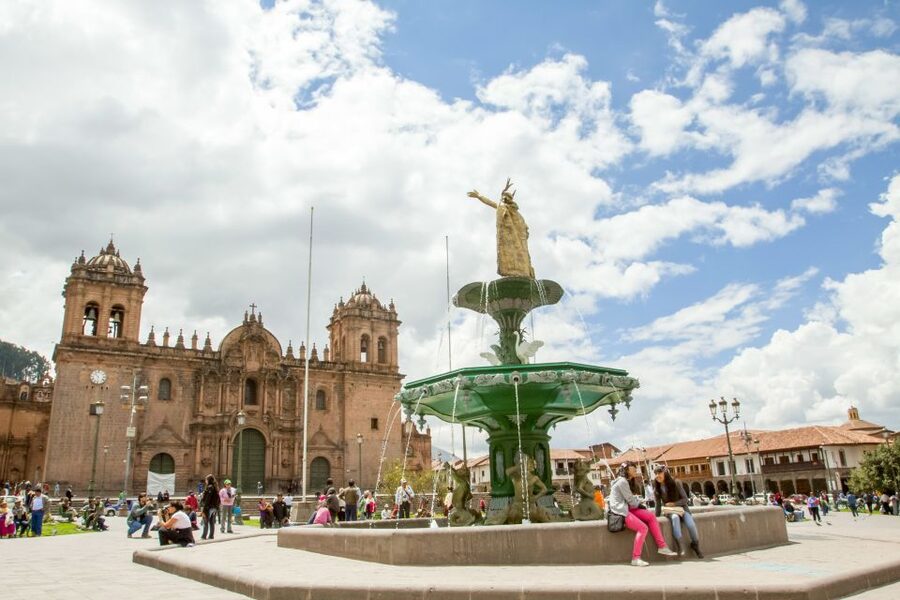
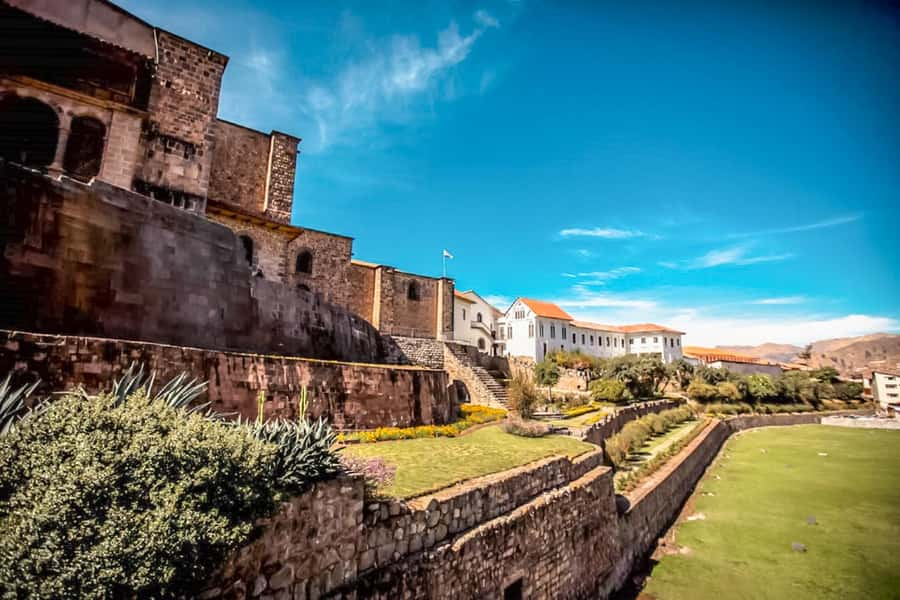
Most Cusco tours start with a viewpoint. This one starts with a power shift, and that is the fun part. You begin at Coricancha, also known as the Temple of the Sun, built by the Inca under Pachacutec. The whole point of going here first is that you see the Inca worldview before you see the city that followed.
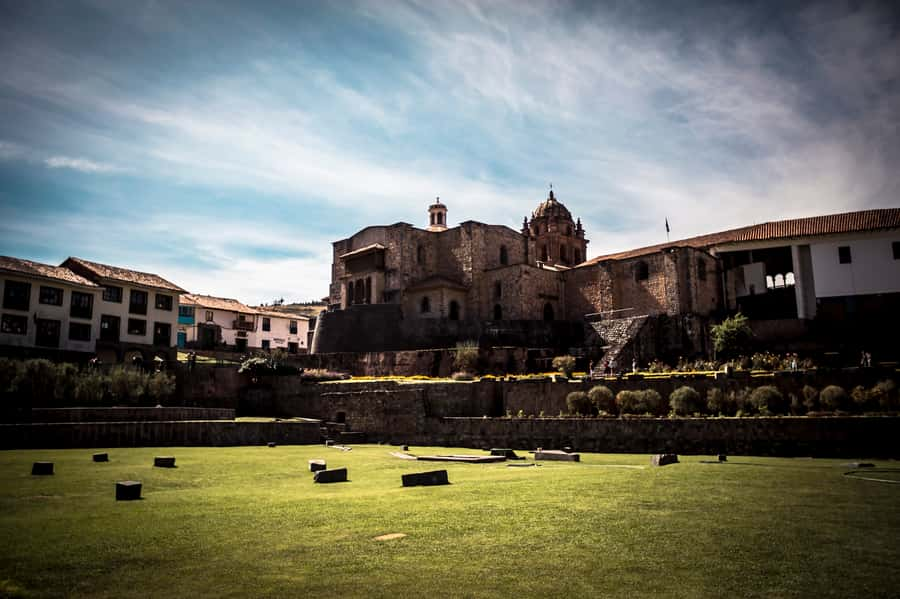
Then you get the Spanish overlay. The arrival of the Spaniards turned Coricancha into the foundation for the Santo Domingo Convent. That is why the complex feels like it holds two eras at once. Even without getting lost in every detail, you can understand the strategy: build over what already commanded attention.
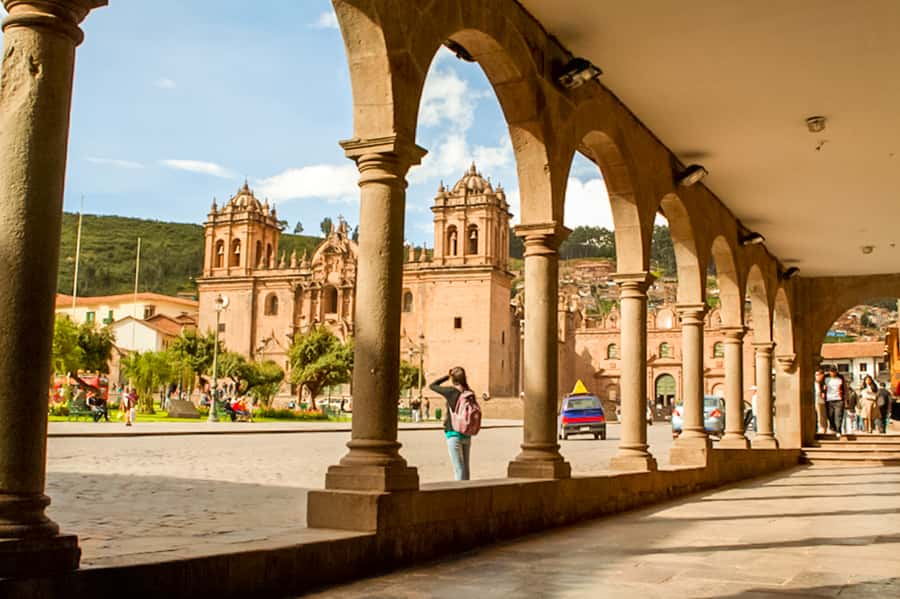
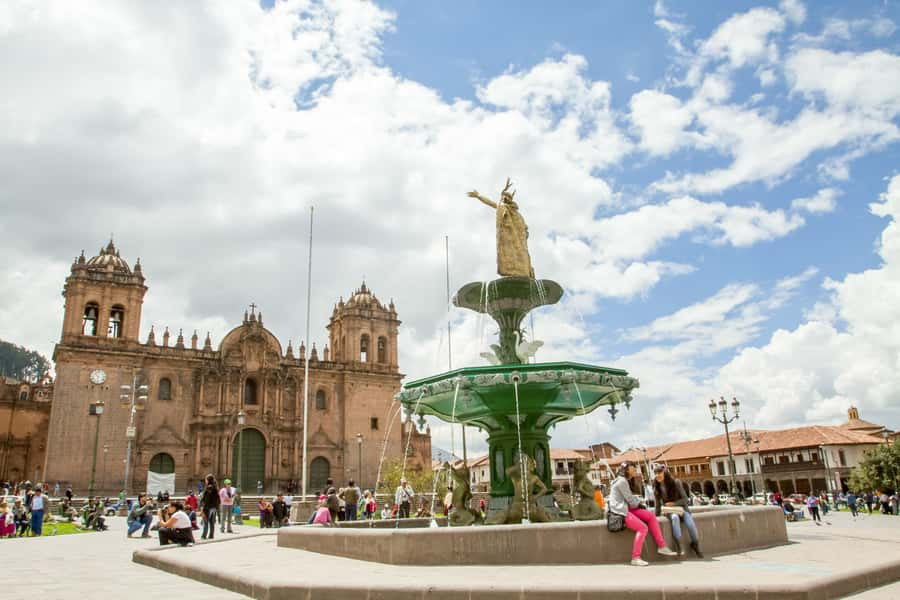
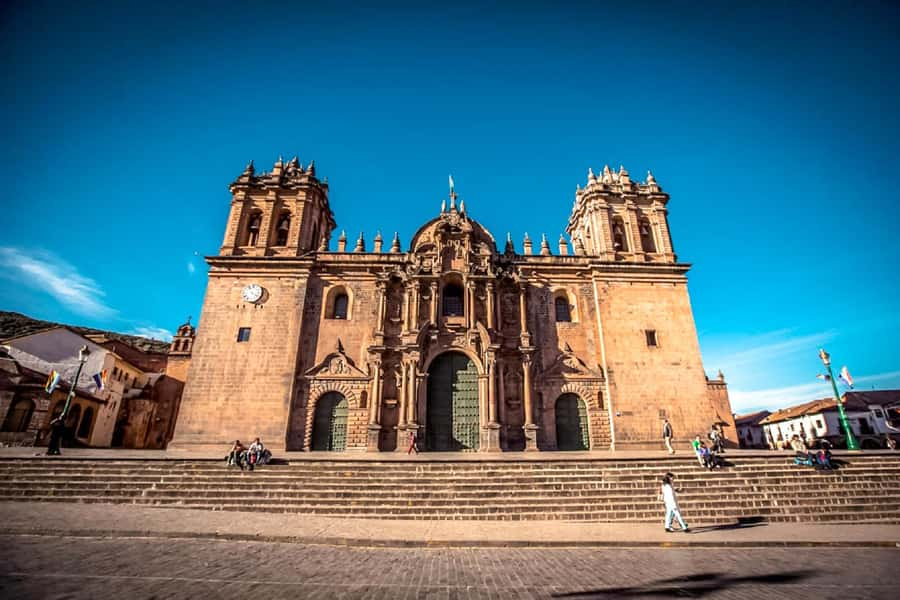
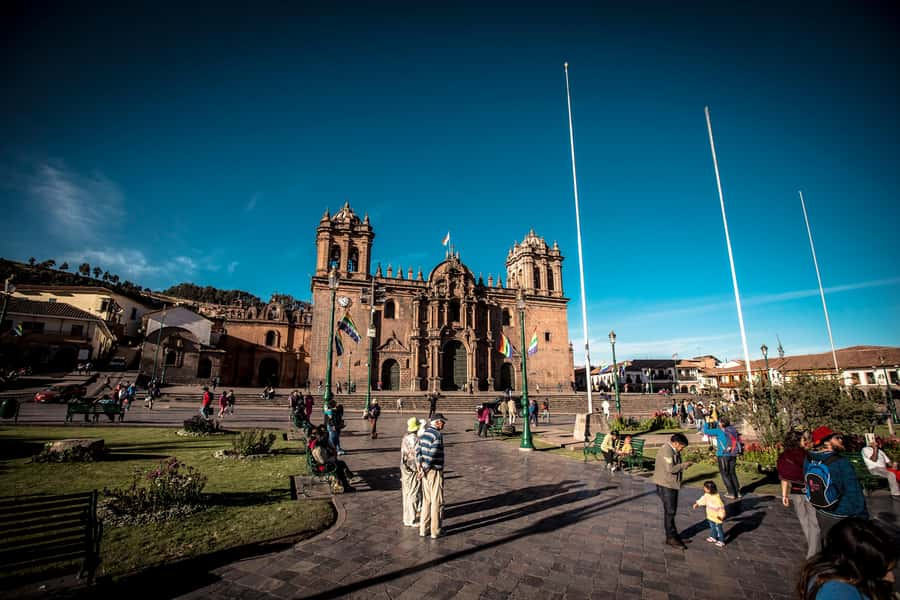
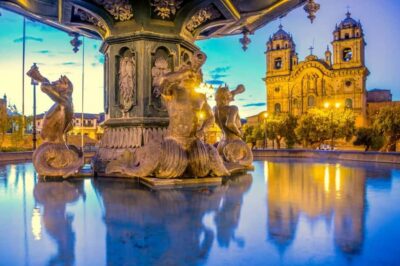
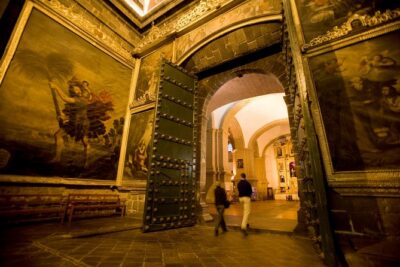
From there, you head to the cathedral in Cusco’s Main Square. It is the most imposing monument in the area, and it changes the mood. If Coricancha is about how the Inca organized belief and space, the cathedral is about how Spanish authority expressed itself through architecture. Seeing both in the same morning helps you connect the dots on how Cusco became what it became.
One practical note: admission to Coricancha and the Cusco Cathedral is included, so you are not stuck calculating entry costs for those two stops. Still, you should plan on the BTC for the archaeological sites later in the route, since the day includes multiple Inca archaeological complexes beyond the cathedral.
Sacsayhuaman Fortress, Cyclopean Stones And June 24 Energy
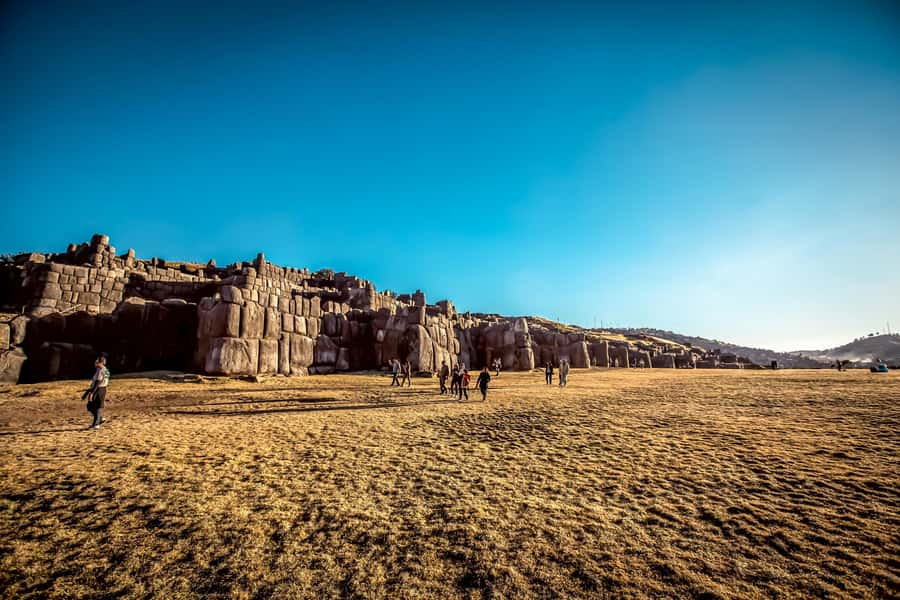
After the city center monuments, you head uphill to Sacsayhuaman, one of the most emblematic Inca fortress sites near Cusco. The first time you see it, the scale hits you. This is not a small ruin. It is a huge fortress made with large stones, and the transportation and fitting of those stones is still treated like a mystery.
That mystery is part of what makes the place worth your time. Even if you have seen photos, seeing it in person is different because your brain measures size differently when you are standing among the stones. You also start to notice how the structure is meant to dominate the landscape.
The guide also gives you a key cultural anchor: every year on June 24, the feast of Inti Raymi is recreated here, with the sun being worshipped. Even if you are not visiting in June, this matters because it tells you what kinds of events these spaces were designed to host. The site is not only about walls and defenses. It is also about ceremony and timing.
A heads-up for your body: this is the day’s main climb. Wear comfortable shoes and expect some uneven ground. If you are fresh in Cusco and still figuring out your altitude rhythm, go steady in the uphill segments. You do not want to spend the best part of the tour gasping instead of looking up at the stones.
Quenqo Ceremonial Complex, Not Just Another Ruin Stop
Next you visit Quenqo, an archaeological complex that was mainly used for religious purposes. This stop is a nice change of pace after the huge fortress feel of Sacsayhuaman. Quenqo is more about space and function, and it helps you see that Inca architecture was not only about fortifications.
You might walk through and think, okay, this is stonework. But with a guide, the stonework becomes language. Religious complexes like this were built with intention, and the geometry and layout often point toward ritual use. The tour framing here is valuable because you are not just hearing general history. You are being guided toward what the site is likely for, and that makes it easier to appreciate.
This is also where the half-day format really helps. By the time you reach Quenqo, you have already seen the Inca-Spanish connection at Coricancha and the fortress scale at Sacsayhuaman. Quenqo then becomes the bridge to understanding the Inca sense of sacred design across different types of places.
Keep in mind this is still outdoors and you will be in the sun at points. Pack sunscreen and plan on taking short pauses when you feel your breathing slow down.
Puka Pucara Red Fortress, A Resting-Point Story
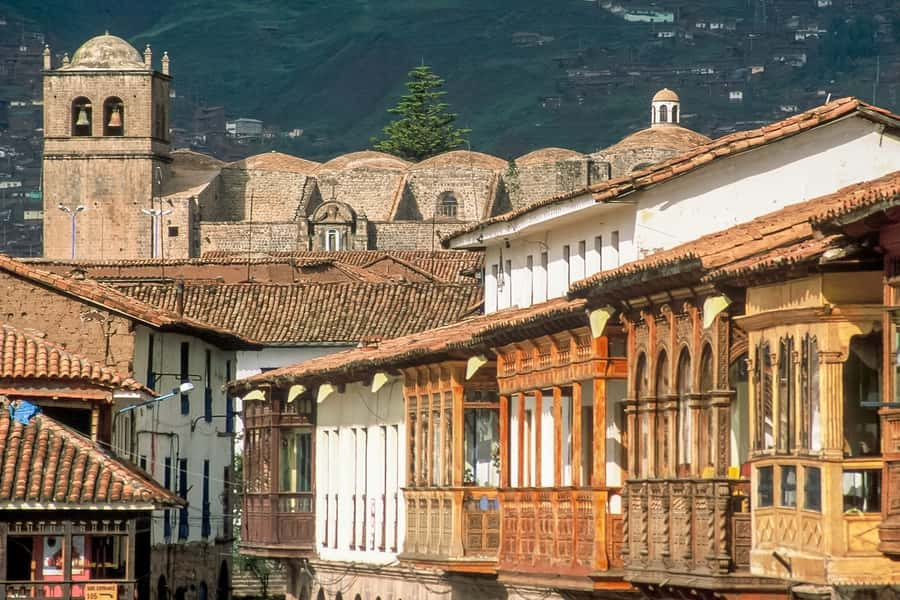
The final archaeological stop is Puka Pucara, which translates to Red Fortress. The name alone is a useful detail because it gives you something to look for while you are there. This complex is believed to have had an alleged military use, but it is not presented as a simple fortress. It includes multiple spaces, plazas, baths, aqueducts, walls, and towers.
That mix matters. You can read Puka Pucara as a place designed for more than one purpose. It suggests a complex that could host people for extended stays, with infrastructure like baths and aqueducts. If you like your ruins to have practical clues, this is the stop.
The tour also connects it to the wider Inca routine. It is believed that the entourage of the Inca used Puka Pucara while they rested in Tambomachay. Even though you are not going to Tambomachay on this specific half-day route, that link helps you understand Cusco’s region as a network of activity, not isolated monuments.
After this stop, you are done with the climbing portion of the day. At that point, you appreciate the pacing more. You did city monuments first, then the high-impact ruins, and the route stays logical instead of feeling like random backtracking.
Nearby in Cusco, these earned their own write-ups
Getting The Most From 5 Hours, Including Pickup And Walking
This tour is built around a 5-hour window, so the schedule is designed to keep you moving without rushing you through every stop. Since pickup and drop-off are included, you can start with fewer hassles. The pickup is available from hotels located in the Historic Center of Cusco.
If you are staying in private residences like an Airbnb outside the standard pickup area, you need to coordinate a meeting point with the local operator a few days before. That is the kind of detail that can make or break the day, especially if you are new to Cusco. A quick confirmation call or message is worth it.
Also, this is not wheelchair accessible. The route includes walking and uphill segments, so plan your footwear and your pace based on comfort, not willpower.
What should you bring?
- Comfortable shoes (you will thank yourself)
- Sunscreen
- Comfortable clothes suitable for sun and altitude
What you will not need to worry about? The big-ticket admissions for Coricancha and the cathedral are included. But you should treat the BTC as a must. The tour notes that to visit the four archaeological sites, acquiring your Cusco Tourist Ticket is important. If you show up without it, you can lose time at the worst moment, right when the tour is about to start.
A final practical tip: plan for photos, because the tour data says photos are not included. If you care about photography, bring your camera or phone charger if you rely on power-hungry apps.
Price And Value: Where Your $49 Actually Goes
At $49 per person, this is priced like a smart sampler rather than a premium private experience. You are paying for several real things at once:
- Pickup and drop-off in the Historic Center
- A professional guide in multiple languages (English, Spanish, French, Portuguese)
- Admission included for Coricancha and the Cusco Cathedral
The value math gets even clearer when you remember the day includes multiple Inca sites. You are not just doing one ruin. You are doing Coricancha plus the high points outside town, and the guide is what turns it from sight-seeing into understanding.
The main add-on to budget for is the Cusco Tourist Ticket (BTC). It is not included in the price. Since the tour visits four archaeological sites, you should plan to buy it in advance rather than trying to improvise on the day.
Food and drinks are also not included, so bring cash or plan for purchases near the end of the tour. The good news is that the tour stays short enough that you can handle this with a simple plan, like grabbing something before pickup or after drop-off.
Gratuity is not included either. In Cusco, tipping is common. If your guide helps you make sense of the stones and keeps the group moving smoothly, I think it is fair to tip based on the service level you received.
And speaking of guides, one theme from the people who booked the tour is that the guide matters a lot. I have seen mentions of Guia Fred being attentive and helpful, and Guia Jose described as excellent for explanation and support. That matches what you want in a half-day. You do not have time to guess.
Language, Group Style, And What Makes The Guide Work
A good guided tour is not only what you see, it is how fast you learn to see it. This tour includes a professional guide speaking Spanish, English, Portuguese, and French, plus pickup for Historic Center hotels. That language support is meaningful if your Spanish is still warming up, because you can still ask questions about what you are looking at.
The tour format also tends to work well because it combines different types of sites. You go from the layered religious complex of Coricancha, to the big civic monument in the cathedral area, then into fortification and ceremonial spaces. A guide helps you connect these categories so you start building a mental map.
One caution, based on an issue that showed up in the booking history: there can be occasional miscommunication between the operator and the guide about what is included. The silver lining is that there was at least one case where the guide corrected things during the tour. Still, it tells you to do your part. When you arrive, confirm the plan in plain language with your guide, especially around included admissions versus anything you still need like the BTC.
If you want a tour that feels organized and explanation-forward, this one fits. And if you want a private, slow, lingering pace at every doorway, you might want a different format. This is a half-day route with a clear end goal, not an all-day ramble.
Should You Book This Cusco Half-Day Tour?
Book it if you want a fast, guided introduction to Cusco’s most important nearby Inca sites, with a logical route from Coricancha to the high fortress and then down through ceremonial and residential complexes. It is especially good value because pickup, major guided stops, and admissions to Coricancha and the cathedral are included in the base price.
Pass or rethink it if you know you are not comfortable with uphill walking, or if you are depending on a tight budget and you forgot that the BTC is required for the archaeological sites. This tour is also not the best fit if you need accessibility support, since it is not wheelchair accessible.
If you book, do one smart thing before you go: confirm your pickup details based on your exact location in the Historic Center, and make sure your BTC is ready so you do not lose time at the sites. Then show up in comfortable shoes, take a breath with the altitude, and let the guide turn Cusco’s stones into a story you can actually follow.
FAQ
How long is the Cusco half-day city and archaeological sites tour?
The duration is 5 hours.
What is included in the price?
Pickup and drop-off, a professional tour guide, and admission to Coricancha and the Cusco Cathedral are included.
Do I need the Cusco Tourist Ticket (BTC)?
Yes. To visit the four archaeological sites, it is important that you acquire your Cusco Tourist Ticket (BTC).
Where does pickup happen?
Pickup is available from hotels located in Cusco’s Historic Center. Pickup from private residences like Airbnb is not included, so you need to coordinate a meeting point with the operator.
What languages are the guides?
The live tour guide languages are Spanish, English, Portuguese, and French.
Is the tour wheelchair accessible?
No, the tour is not wheelchair accessible.
More City Tours in Cusco
- Cusco: Half-Day City Tour with Sacsayhuaman and Q’enco
★ 4.6 · 1,129 reviews - City Tour Cusco Qoricancha Sacsayhuaman y Tambomachay
★ 4.7 · 617 reviews - Cusco: Sightseeing Tour of the City on an Open-Top Bus
★ 4.0 · 481 reviews - Open Bus Cusco City Tour
★ 4.5 · 219 reviews - Cusco: City Tour | Half-Day Tour to 4 Archaeological Sites
★ 4.6 · 206 reviews
More Tours in Cusco
- Cusco: Humantay Lake Tour with Breakfast and Buffet Lunch
★ 4.9 · 2,976 reviews - From Cusco: Moray, Maras Salt Mines & Chinchero Weavers Tour
★ 4.8 · 1,925 reviews - From Cusco: Full-Day Group Tour of Machu Picchu
★ 4.7 · 1,767 reviews - Cusco: Half-Day City Tour with Sacsayhuaman and Q’enco
★ 4.6 · 1,129 reviews - Machu Picchu: Full-Day Tour from Cusco with Optional Lunch
★ 4.6 · 927 reviews
More Tour Reviews in Cusco
- Cusco: Humantay Lake Tour with Breakfast and Buffet Lunch
★ 4.9 · 2,976 reviews - From Cusco: Moray, Maras Salt Mines & Chinchero Weavers Tour
★ 4.8 · 1,925 reviews - From Cusco: Full-Day Group Tour of Machu Picchu
★ 4.7 · 1,767 reviews - Machu Picchu Day Trip from Cusco
★ 4.5 · 1,644 reviews - Cusco: Half-Day City Tour with Sacsayhuaman and Q’enco
★ 4.6 · 1,129 reviews
Freshly reviewed across Cusco
- Excursion Cusco – Puno – Titicaca Observatory Train★ 5.0 · 3 reviews
- Sacred Valley Vip Cusco★ 4.7 · 3 reviews
- Cusco | Humantay Lake 1-Day Tour with Breakfast and Lunch★ 5.0 · 3 reviews
- Full-Day Condor Viewpoint & Inca Sites Tour★ 5.0 · 3 reviews
- Best of Cusco: Private Walking Tour with a Local★ 3.6 · 3 reviews
- From Cusco: Full-Day Private Sacred Valley Tour★ 5.0 · 3 reviews
City Tours side by side.
 ★ 4.6Cusco: Half-Day City Tour with Sacsayhuaman and Q’encoFrom $131,129 reviews
 ★ 4.7City Tour Cusco Qoricancha Sacsayhuaman y TambomachayFrom $13617 reviews
 ★ 4.5Lima’s Vibrant Heritage: Exploring the City’s Landmarks Half-dayFrom $39581 reviews
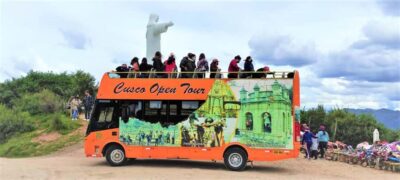 ★ 4.0Cusco: Sightseeing Tour of the City on an Open-Top BusFrom $12481 reviews
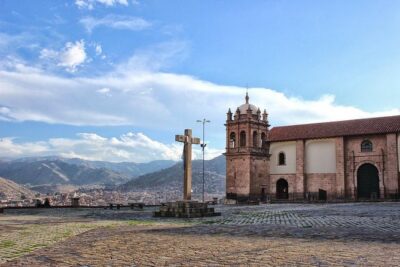 ★ 4.5Open Bus Cusco City TourFrom $14219 reviews
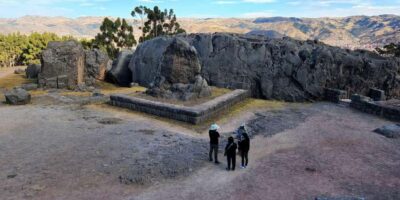 ★ 4.6Cusco: City Tour | Half-Day Tour to 4 Archaeological SitesFrom $29206 reviews
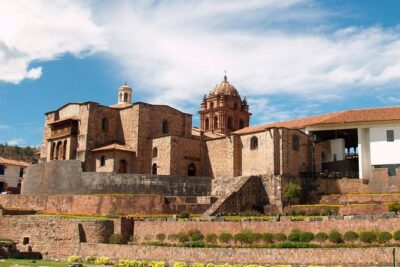 ★ 5.0City Tour in Cusco & visit Museum South American Camelid Private.From $49147 reviews
 ★ 4.5Cusco City Sightseeing, San Pedro Market, Cathedral and Qorikancha TempleFrom $59139 reviews
Also on these Peru lists