
REVIEW · CITY
Cusco: Half-Day City Tour
Cusco hits you fast and up close. This half-day tour threads Plaza de Armas and the Inca streets with guided stops at major sites, plus bus rides that keep the schedule realistic.
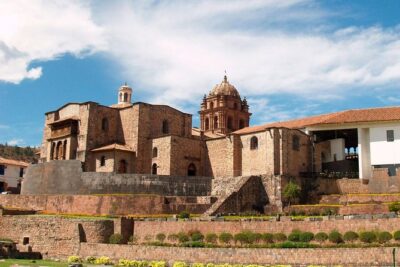
I love the way the guide connects Inca stonework to Catholic-era changes in the same sacred spaces, especially around Qoricancha. I also like the mix of city walking and time at Sacsayhuaman, so you get context and then a proper look at the ruins.
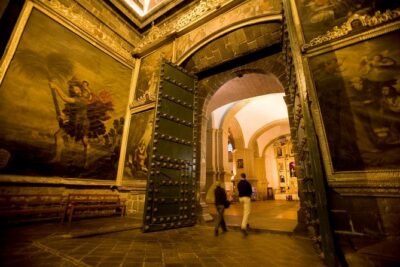
The only catch is the first stop can feel a little rushed, so if you want extra quiet time in the cathedral, plan to do that on your own after the tour.
In This Review
- Key highlights to look for
- Why a Cusco half-day loop is a smart use of time
- Plaza de Armas and the cathedral stop that sets the tone
- Qoricancha, the Temple of the Sun, and the Inca vs Catholic contrast
- Avenida El Sol, the bus ride, and getting to Sacsayhuaman
- Qenqo, Puka Pukara, and Tambomachay’s Temple of Water fountains
- Timing, what to bring, and how to avoid the rush
- Price and value, including the entrance fees in soles
- Should you book this Cusco city tour?
- FAQ
- Where does the tour meet?
- Does the price include entrance fees?
- How long is the Cusco half-day city tour?
- What languages are offered during the tour?
- What should I bring?
- Is there time to explore on my own?
Key highlights to look for
- Bilingual guidance plus audio support in English and Spanish
- Qoricancha (Temple of the Sun) for seeing Inca and Catholic layers in one place
- Sacsayhuaman ruins with guided narration and time to explore on your own
- Qenqo and the Temple of Water areas featuring altars, Puka Pukara, and impressive fountains
- Back in Plaza de Armas at the end, with time to eat street food and browse nearby
Nearby in Peru, these earned their own write-ups
- ECONOMIC PRIVATE TOUR IN THE CITY OF CUSCO – HALF DAY
★ 5.0 · 6 reviews
Why a Cusco half-day loop is a smart use of time
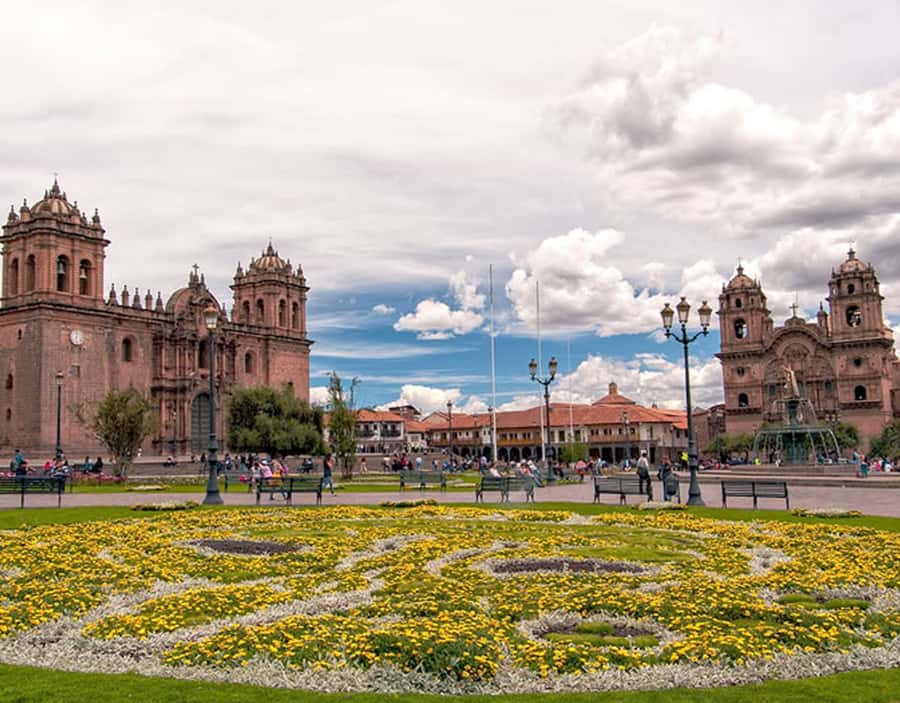
If you only have a short window in Cusco, this tour gives you a lot of “why this place matters” without asking you to spend the whole day on buses. You start in Cusco’s main square, then move through historic Inca-era streets, and finally fan out to the big out-of-town sites. That mix is the whole point, you see both the city and the surrounding sacred landscape, without needing extra tickets for every stop in your own private schedule.
I like that the day is organized around walking plus guided commentary. It helps you notice details you might otherwise gloss over, like how the Inca used stone and how later builders shaped what came after. You also get built-in decompression time at key ruins, so you are not stuck staring at the ground the entire day.
This is also a good “orientation tour.” Even if you plan to return to Cusco sites later, you’ll leave knowing where to start and what to look for first.
Plaza de Armas and the cathedral stop that sets the tone
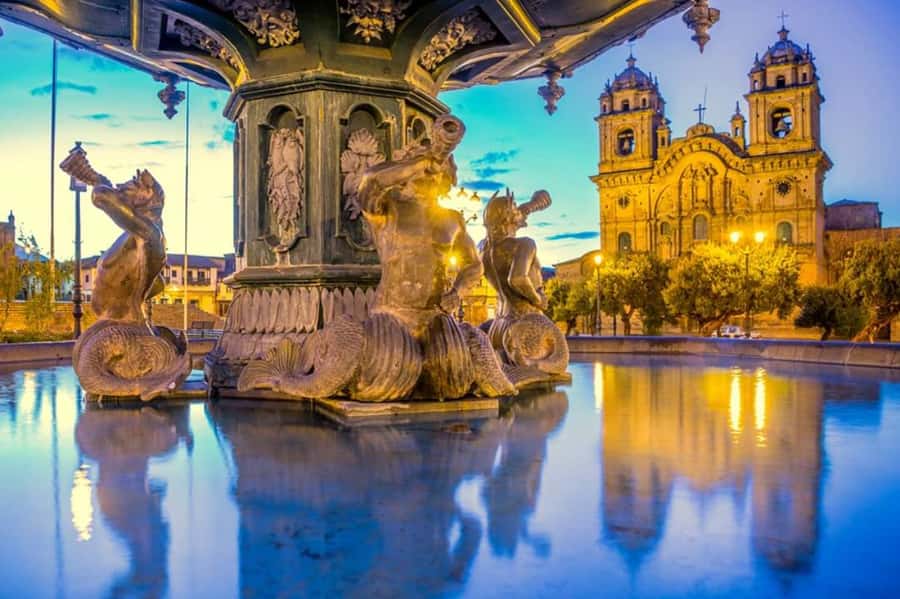
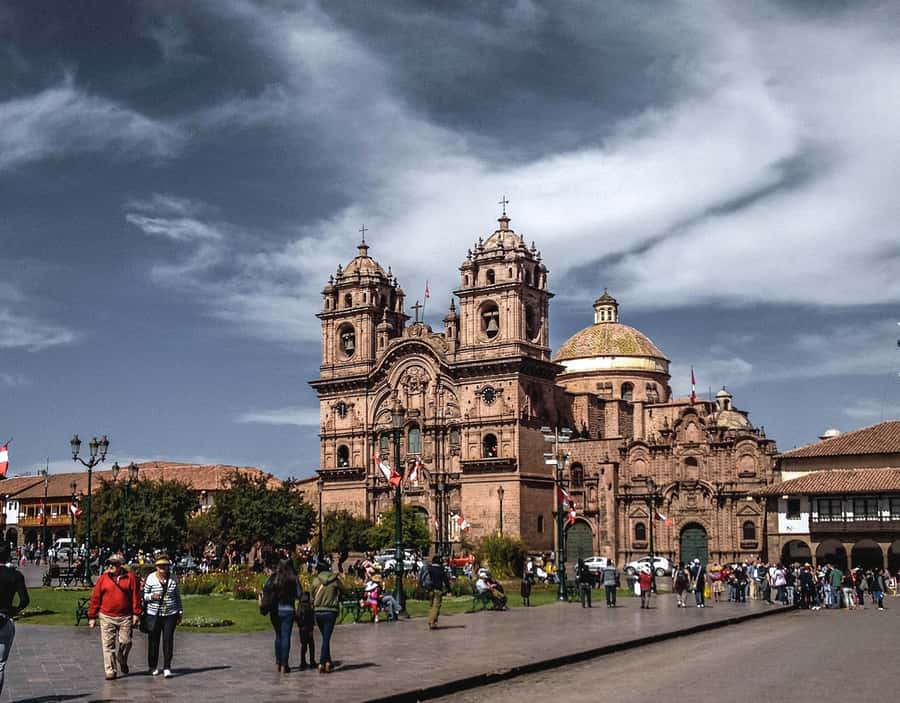
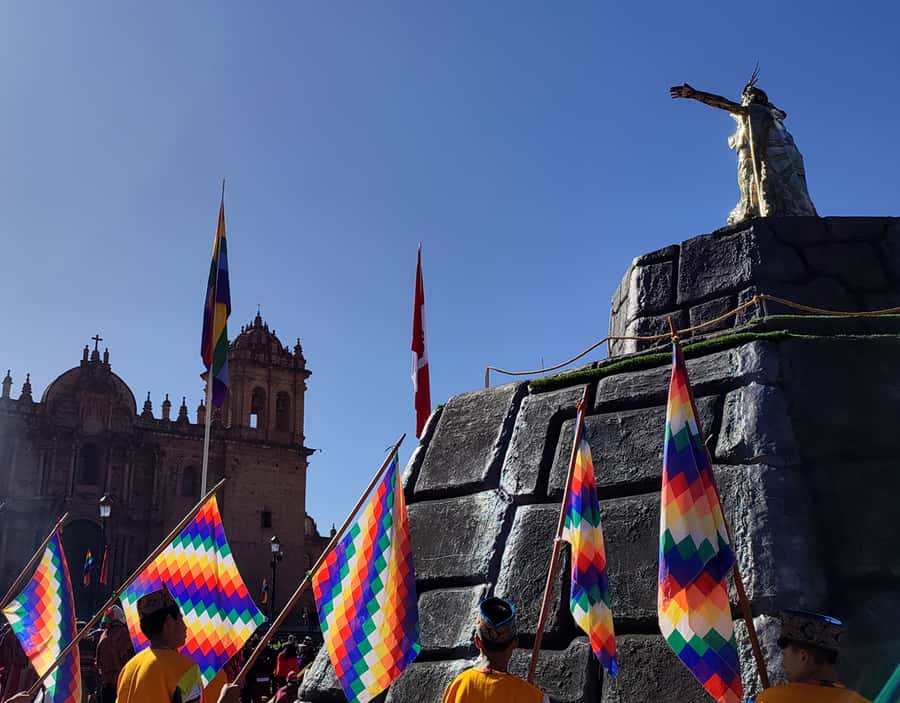
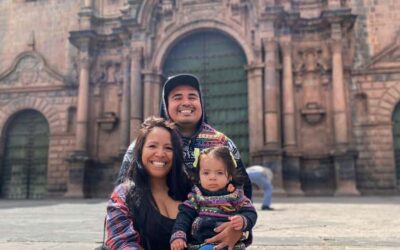
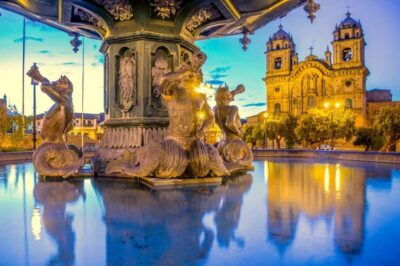
The tour begins at Plaza de Armas, the heartbeat of Cusco. If you selected hotel pick-up when booking, you’ll head to the square by bus first. If you didn’t, you’ll meet at Plaza de Armas at the monument to the Inca, which is an easy reference point once you’re there.
From the start, you are given a sense of scale. The square is busy with locals and tourists, and the cathedral dominates the view. The cathedral entrance fee is not included, it costs 40 soles, so make sure you have cash ready if you want to go inside. Even if you spend most of your time outside, the stop matters because it frames what you’ll see later: a city built on top of earlier sacred territory and remade over time.
What I appreciate here is that the tour uses this first location to orient you fast. You’re not just moving from photo spot to photo spot. You’re learning how Cusco’s layers of power and belief show up in stonework, street layout, and the way people still gather in the plaza.
Practical tip: comfortable shoes help. This part includes walking on uneven surfaces, and the day continues immediately after.
Qoricancha, the Temple of the Sun, and the Inca vs Catholic contrast
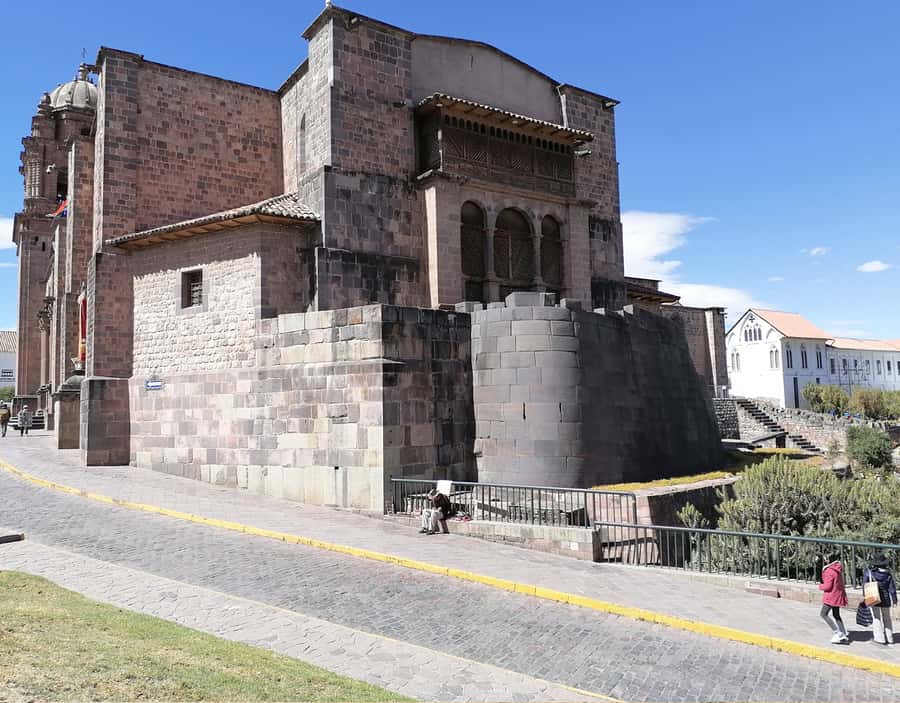
After the Plaza de Armas stop, you continue on foot through the Inca streets to Qoricancha, known for the Temple of the Sun. This is one of the most important moments of the tour because it’s where the guide explains how Inca culture and Catholic influence collided in the same sacred location.
I really like this section for two reasons. First, it gives you a way to interpret what you’re seeing instead of treating it like “old stones.” Second, it highlights different building methods, which helps you understand why the site looks the way it does today.
Coricancha entrance is also not included. The fee is 20 soles, so budget for it. If you come with cash, you can focus on the tour content rather than stressing at the ticket window.
As you walk, pay attention to the feel of the street route. The walking segment along the way is part of the experience, because it connects the city’s present shape to its older lines. This is also where the guide’s bilingual delivery really helps. You’ll hear the story in English and Spanish, and you’ll have the audio guide as backup if you want extra pacing or want to re-check something later.
Avenida El Sol, the bus ride, and getting to Sacsayhuaman
Once you’ve visited Qoricancha, the tour shifts gears. You head down Avenida El Sol and take a scenic bus ride out of the city to Sacsayhuaman. This ride matters. Cusco’s altitude and traffic can wear you out if you try to do everything by yourself, and the bus keeps the day from turning into a logistics puzzle.
At Sacsayhuaman, you get a guided tour plus time to explore independently. The tour structure here is smart. You learn what to look for first, then you can walk at your own pace to connect the guide’s points with what you see in front of you.
Why this stop is so worth it: Sacsayhuaman is not just a backdrop. It’s a major Inca stronghold site, and the stones are the kind of sight that makes you pause even when you’re in a group. If your brain is still busy taking photos, the guide helps you switch modes into observing structure and placement.
One note on cost: the tourist ticket for archaeological sites outside the city is not included, and it is listed as 70 soles. Sacsayhuaman, Qenqo, and the Temple of Water area are the kinds of sites that typically fall under that outside-city ticket, so keep the 70 soles figure in mind when budgeting.
Qenqo, Puka Pukara, and Tambomachay’s Temple of Water fountains
After Sacsayhuaman, you move to the Qenqo site. This part of the itinerary is where the tour gets more “spiritual and interpretive” again. Qenqo is known for its altars and specific rock features, and it’s easier to appreciate when you’ve just visited another major Inca complex.
You’ll admire Qenqo’s altars and see Puka Pukara, described as a small circular feature, plus Tambomachay, the Temple of Water. The Temple of Water stands out because it’s tied to fountains, and the sound and sight of water changes the feel of the stop. Even if you only spend a short time there, the fountains add a sensory layer that makes the ruins more than just shapes.
What I think is valuable for you here is the sequence. Qenqo comes after Sacsayhuaman, so the day builds. You start with the city and religious overlap, then you move to major Inca engineering at Sacsayhuaman, then you shift to sacred altars and water symbolism. It helps your brain organize the day into themes instead of random stops.
If you get a moment, take that independent time to scan slowly. Look at how the features relate to one another instead of chasing the most obvious angles. That slow scan is usually what turns a guided hour into a real memory.
Timing, what to bring, and how to avoid the rush
The tour runs for about 6 hours. That means you will be moving with purpose, even with breaks for guided narration and independent exploring. The earlier part of the day can feel rushed, especially at the Plaza de Armas stop, so I recommend you travel with a flexible mindset and comfortable pace.
Here’s what to bring so you don’t lose time:
- Passport or ID card
- Cash
Why cash matters: several key entrances are not included, including the cathedral (40 soles) and Coricancha (20 soles). The outside-city archaeological ticket (70 soles) is also not included, so you’ll want to be ready for payments without hunting for an ATM mid-day.
Also remember the meeting point detail. You meet at Plaza de Armas at the monument to the Inca if you are not doing hotel pick-up. That helps you avoid that panicked last-minute search for the right group.
If you care about minimizing stress: arrive a few minutes early at the meeting spot. Cusco can be loud, busy, and full of distractions right around the square.
Price and value, including the entrance fees in soles
The tour price is $22 per person, and what you’re paying for is the guided storytelling plus transportation. Included are tourist transportation and a professional bilingual guide in Spanish and English. An audio guide is also included in English and Spanish, which is a nice safety net if you want to pace the information yourself.
But the true value check is the entrance fees. These are not included:
- Cathedral entrance fee: 40 soles
- Coricancha entrance fee: 20 soles
- Tourist ticket for archaeological sites outside the city: 70 soles
So, you’re looking at additional costs on top of the $22 ticket. Still, for a half-day that hits multiple major sites, the overall package can be a good deal if you plan to visit these places anyway. The guide can save you time by explaining what matters, and the transportation keeps the schedule practical at high altitude.
If you’re trying to budget tight, you have options. You can prioritize which entrances are most important to you, but the itinerary is built around visiting Coricancha and the key cathedral stop, so plan on paying at least for those if you want the full experience. Having cash makes the day smoother.
Should you book this Cusco city tour?
Book this if you want a fast, organized Cusco introduction that covers the essentials with guided context. It’s a strong match for first-timers, for travelers who want a mix of city sights and major Inca sites in one day, and for anyone who likes learning as they walk rather than just sightseeing.
I’d skip or adjust if your top priority is a slow, deep cathedral experience on your own timeline. The early Plaza de Armas stop can feel rushed. If you want long reflective time inside, consider doing the cathedral as a separate visit before or after your tour.
One last practical note: Cusco is a place where details matter. This tour does not try to hide the overlap between Inca and Catholic influence, and that makes it feel more grounded than a simple highlights route. If you show up with comfortable shoes and cash for entrance fees, you’ll likely feel you got your money’s worth in both places visited and what you learn along the way.
FAQ
Where does the tour meet?
The meeting point is Plaza de Armas, with a reference point at the monument to the Inca.
Does the price include entrance fees?
No. Entrance to the cathedral (40 soles), Coricancha (20 soles), and the tourist ticket for archaeological sites outside the city (70 soles) are not included.
How long is the Cusco half-day city tour?
It lasts about 6 hours.
What languages are offered during the tour?
You get a live bilingual guided tour in Spanish and English, plus an audio guide in English and Spanish.
What should I bring?
Bring your passport or ID card and cash, since several entrances and tickets are paid separately.
Is there time to explore on my own?
Yes. After the guided tour portions, you’ll also have time to explore at Sacsayhuaman, and the day ends back at Plaza de Armas where you can keep going independently.
More City Tours in Peru
- ECONOMIC PRIVATE TOUR IN THE CITY OF CUSCO – HALF DAY
★ 5.0 · 6 reviews
More Tours in Peru
- From Cusco: Tour Ausangate & 7 Lakes Full Day
★ 4.1 · 16 reviews - Cusco: Ausangate Tour Seven Lagoons + meals
★ 3.7 · 10 reviews - ECONOMIC PRIVATE TOUR IN THE CITY OF CUSCO – HALF DAY
★ 5.0 · 6 reviews - 1-day excursion to Palcoyo Mountain + Breakfast and Lunch
★ 4.0 · 5 reviews - Offer Price Tour Salinas Lagoon and National Reserve 8 hours
★ 5.0 · 4 reviews
More Tour Reviews in Peru
- From Cusco: Tour Ausangate & 7 Lakes Full Day
★ 4.1 · 16 reviews - Cusco: Ausangate Tour Seven Lagoons + meals
★ 3.7 · 10 reviews - From Cusco: Inka Suspension Bridge Qeswachaca – Qeswachaka
★ 3.9 · 7 reviews - ECONOMIC PRIVATE TOUR IN THE CITY OF CUSCO – HALF DAY
★ 5.0 · 6 reviews - 1-day excursion to Palcoyo Mountain + Breakfast and Lunch
★ 4.0 · 5 reviews
Freshly reviewed across Peru
- Cusco: Excursion to Ausangate 7 Lagunas + lunch★ 4.2 · 3 reviews
- Paracas : Paragliding – Fly Like a Bird★ 5.0 · 3 reviews
- excursion to colorful mountain & red valley viewpoint cusco★ 4.6 · 3 reviews
- Paracas: Drive ATV and Buggy in Paracas Reserve★ 4.6 · 3 reviews
- From Lima || Excursion to Sayán and Churín ||★ 3.7 · 3 reviews
- Offer Price Tour Salinas Lagoon and National Reserve 8 hours★ 5.0 · 4 reviews
City Tours side by side.
 ★ 4.6Cusco: Half-Day City Tour with Sacsayhuaman and Q’encoFrom $131,129 reviews
 ★ 4.7City Tour Cusco Qoricancha Sacsayhuaman y TambomachayFrom $13617 reviews
 ★ 4.5Lima’s Vibrant Heritage: Exploring the City’s Landmarks Half-dayFrom $39581 reviews
 ★ 4.0Cusco: Sightseeing Tour of the City on an Open-Top BusFrom $12481 reviews
 ★ 4.5Open Bus Cusco City TourFrom $14219 reviews
 ★ 4.6Cusco: City Tour | Half-Day Tour to 4 Archaeological SitesFrom $29206 reviews
 ★ 5.0City Tour in Cusco & visit Museum South American Camelid Private.From $49147 reviews
 ★ 4.5Cusco City Sightseeing, San Pedro Market, Cathedral and Qorikancha TempleFrom $59139 reviews
Also on these Peru lists