
REVIEW · COOKING
Cusco: Peruvian Cooking Class, Cocktails & Local Market Tour
San Pedro Market is a great warm-up for Cusco food. I love how this 4-hour class pairs a real market walk with hands-on cooking, plus pisco cocktails you make yourself. You also get to learn three classic dishes, then sit down and eat them. The only thing to consider is that it runs long and active, so wear comfortable shoes and plan to go in ready to cook.
What I like most is the small group size, capped at 10, and the way Chef Jesus guides you step by step while also explaining what makes each dish Peruvian. If you are gluten-free, vegan, or vegetarian, you can choose menu options, including sugar-free and gluten-free dessert alternatives. One minor catch: the class is in English only, so that matters if you prefer another language.
In This Review
- Key highlights you’ll actually feel
- San Pedro Market is the best place to learn what Cusco cooks
- From market stroll to a Cusco kitchen you can actually work in
- First: make Peruvian cocktails, then cook like it matters
- The three recipes: cebiche, causa limeña, and quinoa tamal
- Cebiche: bright, acidic, and built for fresh ingredients
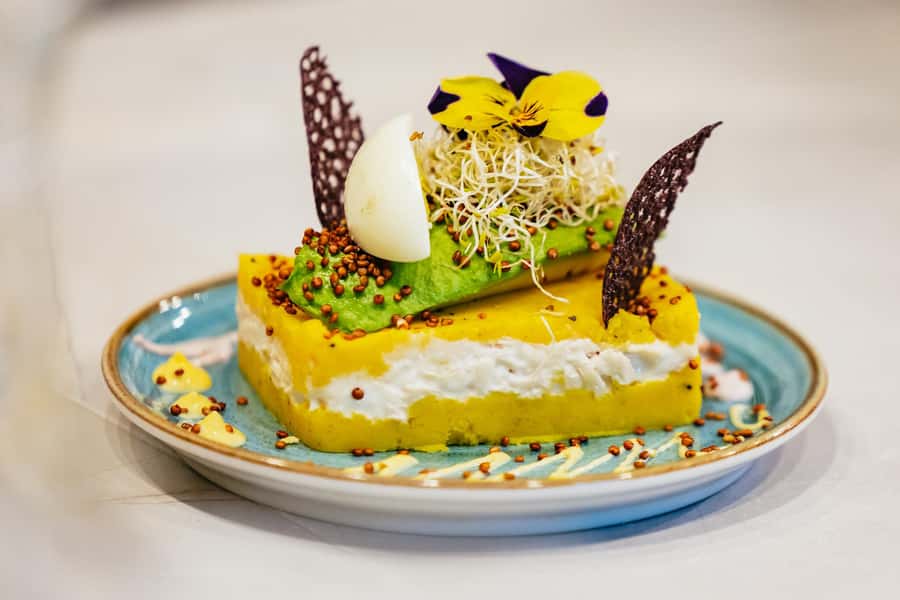
- Causa limeña: creamy layers with lime flavor at the center
- Quinoa tamal: comfort food with quinoa power
- You eat what you make, then finish with picarones
- Dietary options are real, not an afterthought
- Price and value: what you’re really paying for at $67
- Timing and pacing: a long afternoon that can be the highlight
- Who should book this Cusco cooking class
- What to bring so you enjoy every step
- Should you book the Cusco: Peruvian Cooking Class, Cocktails & Local Market Tour?
- FAQ
- Where is the meeting point?
- How long is the cooking class?
- What is the price per person?
- Are cocktails included?
- Which dishes will I learn to make?
- Are vegetarian, vegan, or gluten-free options available?
- Are there non-alcoholic options for the pisco cocktails?
- What language is the tour guide and class taught in?
- Is it suitable for children?
Key highlights you’ll actually feel
- San Pedro Market start: oldest-market vibes, plus ingredient tasting along the way
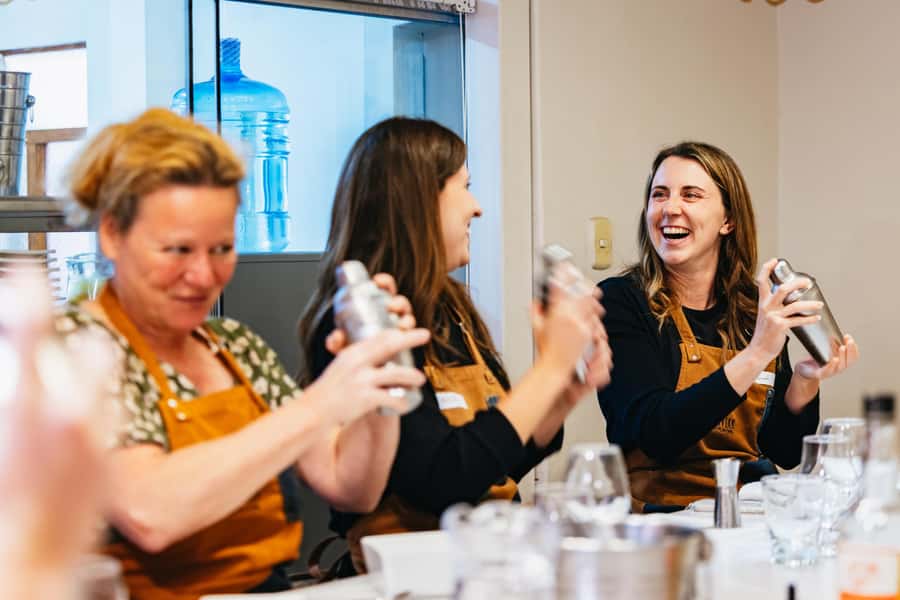
- Cocktails before cooking: you learn the bases for classic Peruvian drinks, with non-alcoholic options
- Three hands-on recipes: cebiche, causa limeña, and quinoa tamal, plus guided assembly and technique
- Chef-led instruction: names like Chef Jesus, Chef Jorge, and Chef Eric show up often in the teaching team
- Picarones with honey: a sweet finish, with sugar-free and gluten-free options available
Nearby in Cusco, these earned their own write-ups
- Pisac Indian Market and Ollantaytambo Fortress with Lunch
★ 4.5 · 395 reviews - Cooking class and market tour with a local chef
★ 5.0 · 186 reviews - Cusco City Sightseeing, San Pedro Market, Cathedral and Qorikancha Temple
★ 4.5 · 139 reviews - Vegan Peruvian Cooking Class Cocktails and Local Market in Cusco
★ 5.0 · 46 reviews
San Pedro Market is the best place to learn what Cusco cooks
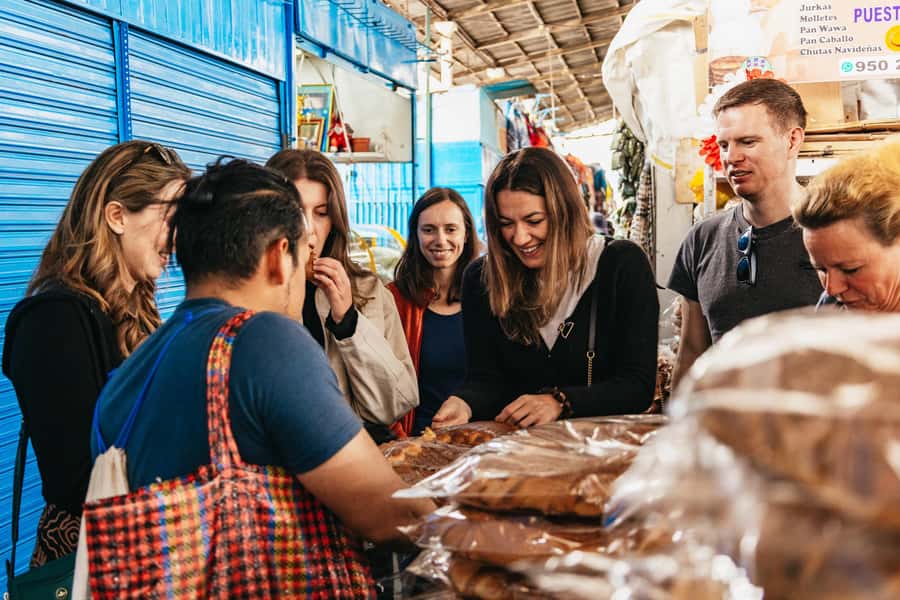
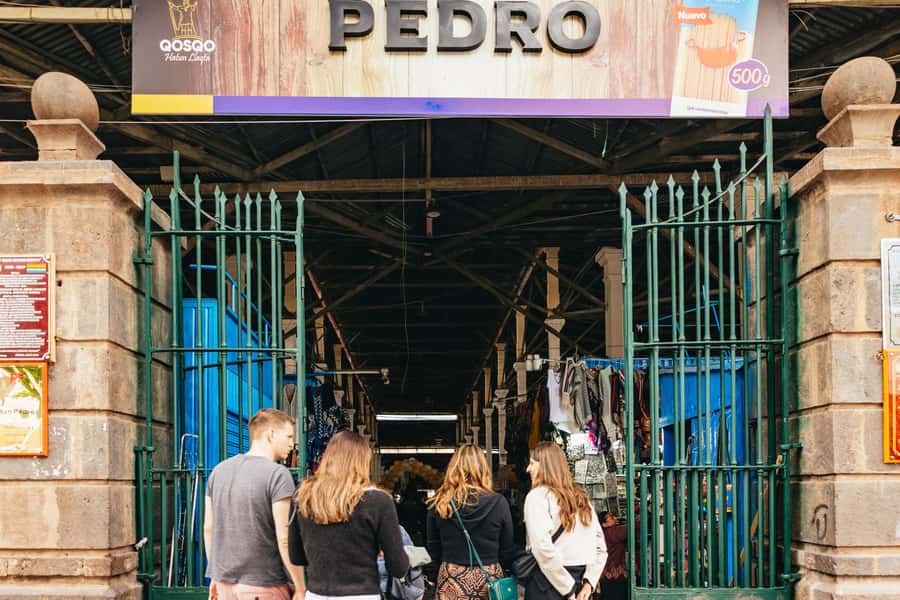
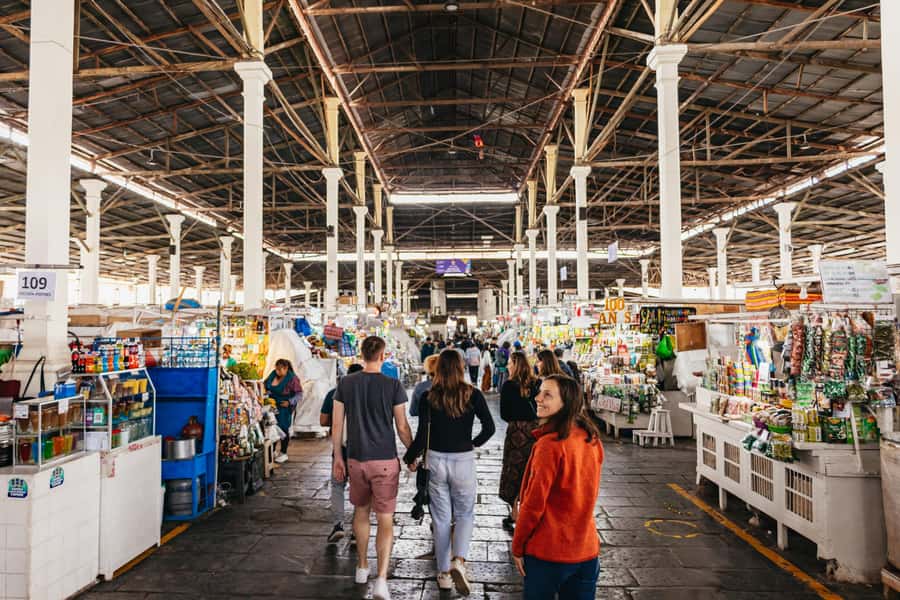
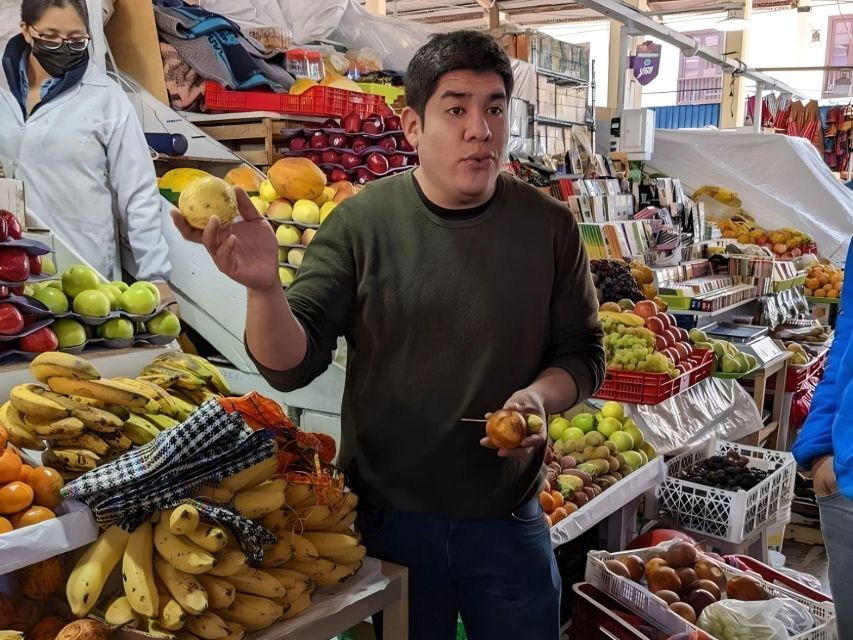
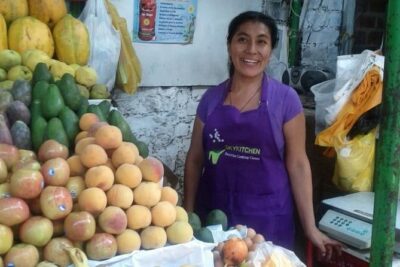
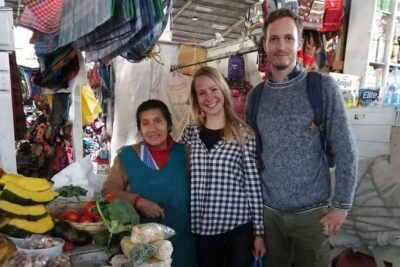
Cusco food makes more sense when you see the ingredients first. The class starts at Door Number 1 at San Pedro Market, one of Cusco’s oldest markets, where you’ll wander and get oriented fast. Expect to spot the building blocks of Peruvian cuisine: exotic fruits, local cheeses, bread, chocolate and cacao, quinoa, potatoes, and more.
This part is not just sightseeing. It’s your ingredient preview. If you look at a potato variety before you cook with it, you understand why Peruvian dishes taste the way they do. And when you sample items like bread or chocolate from the stalls, you start building real connections between flavors and the final plates you’ll make later.
One practical tip: come ready to snack a little. The market tour includes tastings, and the cooking part ends with a full meal plus dessert. If you hate feeling full later, save room on purpose.
From market stroll to a Cusco kitchen you can actually work in
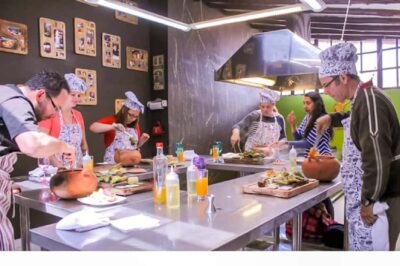
After the market, you’ll take a short walk to the cooking studio in Cusco’s historic center. That walk matters. You are shifting from public, open-air chaos to a controlled kitchen where you can focus, chop, mix, and assemble without guessing.
Because the group is limited to 10 participants, you are not lost in a crowd. You get real attention from the chef and support team, and it’s easier to ask questions when you are mid-recipe. Several people mention that the teaching style is clear and simple enough to follow, even if you do not cook at home.
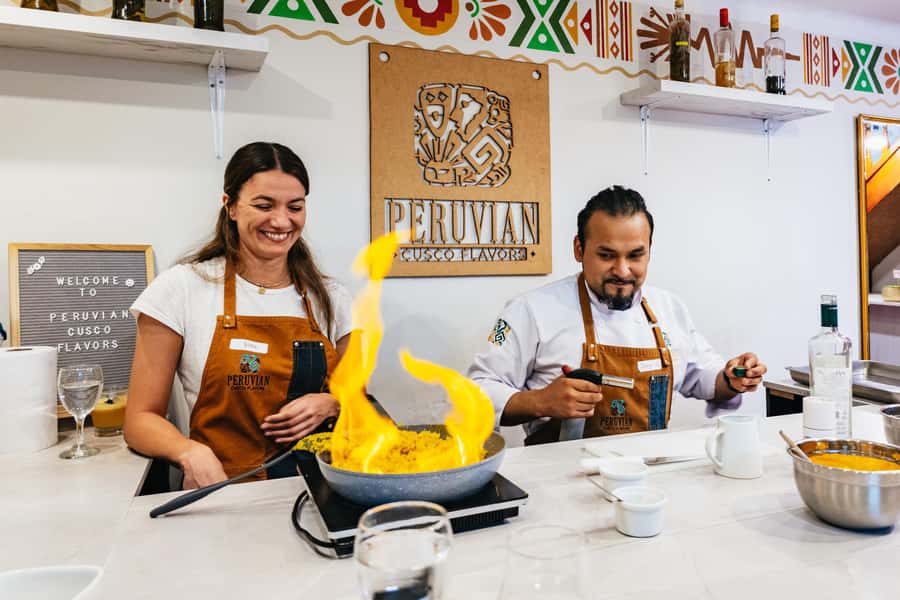
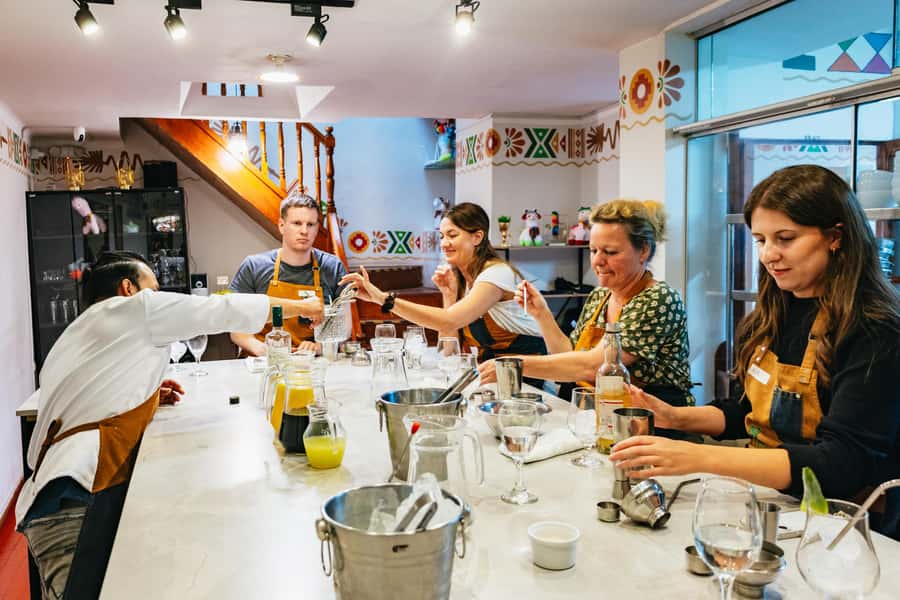
What to expect in the studio: you’ll set up, tie your apron, and get ready to work. The class keeps moving. This is not a slow demo where you watch everything from a seat.
First: make Peruvian cocktails, then cook like it matters
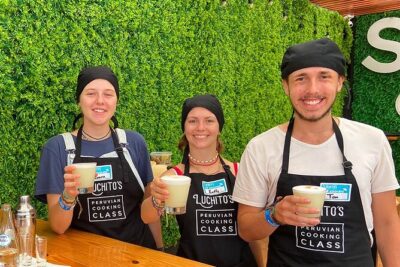
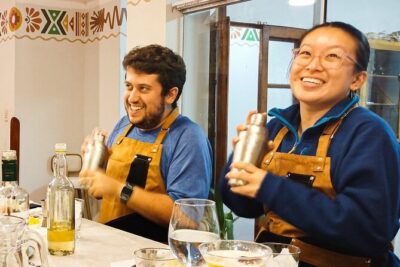
In this class, cocktails are not an afterthought. You start by crafting a delicious Peruvian cocktail while the chef explains what you are doing and why it works. Then you’ll continue with two pisco cocktails as part of the cooking experience.
If alcohol is not your thing, you will still be included. The class notes that non-alcoholic recipes are available, so you can enjoy the process and the flavors without pressure.
A smart move: treat cocktail-making as part training, part taste test. You’ll notice how sweet, sour, and aromatic flavors balance in Peruvian-style drinks. Later, when you eat your dishes, you’ll start tasting that same flavor logic in the food.
Also, go in with an open mind. Pisco cocktails in Peru are not just about alcohol. They are about balance and technique. When you make them yourself, it stops being a drink you order and becomes a flavor you understand.
The three recipes: cebiche, causa limeña, and quinoa tamal
This class teaches three beloved Peruvian dishes: cebiche, causa limeña, and quinoa tamal. The key is that you are guided step by step, so you get both the technique and the cultural context.
Nearby in Cusco, these earned their own write-ups
Cebiche: bright, acidic, and built for fresh ingredients
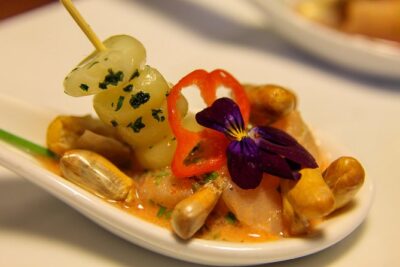
Cebiche is the dish most people associate with Peru, and for good reason. In this class, you’ll learn how to prepare it in a structured way, with the chef walking you through what matters most: timing, seasoning, and how the flavor should land on the plate.
Even if you already like ceviche, making it is different from eating it. You notice what the ingredients contribute, and you learn how to get that clean, sharp taste without overcomplicating it.
Causa limeña: creamy layers with lime flavor at the center
Causa limeña has a very specific vibe, creamy and tangy, built around lime flavor. In the cooking process here, you will learn how to assemble it, and many people come away saying they felt proud once they could plate it.
This is one of those dishes where presentation matters, but you are not expected to be a food artist. The chef supports you, and you’ll learn a simple way to make it look right.
If you are traveling and worried about whether you can handle cooking at altitude, this kind of “guided assembly plus technique” class style is a good match. It is active, but it stays doable.
Quinoa tamal: comfort food with quinoa power
Quinoa tamal sounds hearty because it is. Quinoa brings a distinct nutty character, and tamal-style preparation makes it feel like true comfort food.
In this class, you’ll prepare it with chef guidance so you understand how quinoa is used in Peruvian cooking beyond salads. It also gives you another texture to compare against causa’s creaminess and cebiche’s brightness.
If you want a broader view of Peru beyond one iconic dish, quinoa tamal is your answer. It rounds out the meal and makes the class feel complete.
You eat what you make, then finish with picarones
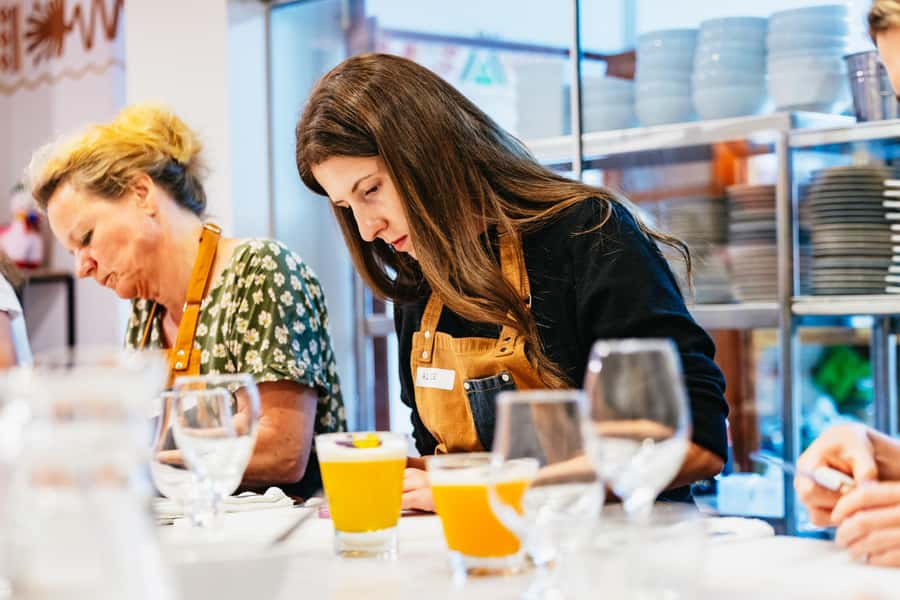
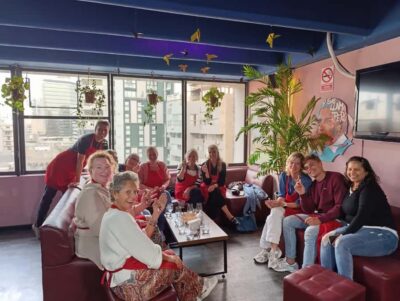
After cooking, you’ll sit down and savor your creations at the table. This is not a quick take-and-go meal. It’s a chance to trade stories with your cooking companions, compare notes, and actually taste what you worked on.
One underrated benefit: when you eat together, it becomes a social reset during a travel day. Several people mention the group dynamic, and it makes a difference in how enjoyable the experience feels.
Then you end on dessert: picarones with honey. These are a classic sweet treat, and the class notes options too: sugar-free and gluten-free alternatives are available. That matters if you avoid certain ingredients, because dessert is part of the full Cusco food experience here.
If you have a sweet tooth, plan for this ending. People often finish the meal feeling full, so treat it as your main dining event for the day.
Dietary options are real, not an afterthought
This is one of the biggest reasons I’d book this for a mixed group. The class offers vegetarian options, a vegan menu, and gluten-free choices. They also mention that dessert can be sugar-free and gluten-free.
In plain terms, you should not feel like you are showing up for a compromised version of the class. The cooking studio and menu structure are set up so you can still make the intended recipes with your restrictions.
If you are traveling with someone who avoids gluten or eats plant-based, this is a smoother option than doing separate activities. Everyone stays in the same cooking flow and gets to sit down for the meal.
One more practical note: since the class is in English only, dietary changes are easiest if you communicate clearly at the start.
Price and value: what you’re really paying for at $67
At $67 per person for a 4-hour experience, you are not just buying a cooking lesson. You are buying multiple parts of the Cusco food story in one block.
Here’s what that price includes:
- a market tour with ingredient tasting
- guided cooking instruction by a professional chef
- ingredients
- two cocktails plus two pisco cocktails (with non-alcoholic recipes available)
- three dishes you learn and eat
- picarones tasting
- water
The value shows up in how much you do, not how much you watch. Many cooking experiences hand you a single dish and call it a day. This one gives you cocktails plus three recipes and dessert, all with chef support and a small group size that keeps the experience personal.
Also, you leave with repeatable know-how. Reviews mention that recipes are sent by email, which means the class can keep paying off after you go home.
Timing and pacing: a long afternoon that can be the highlight
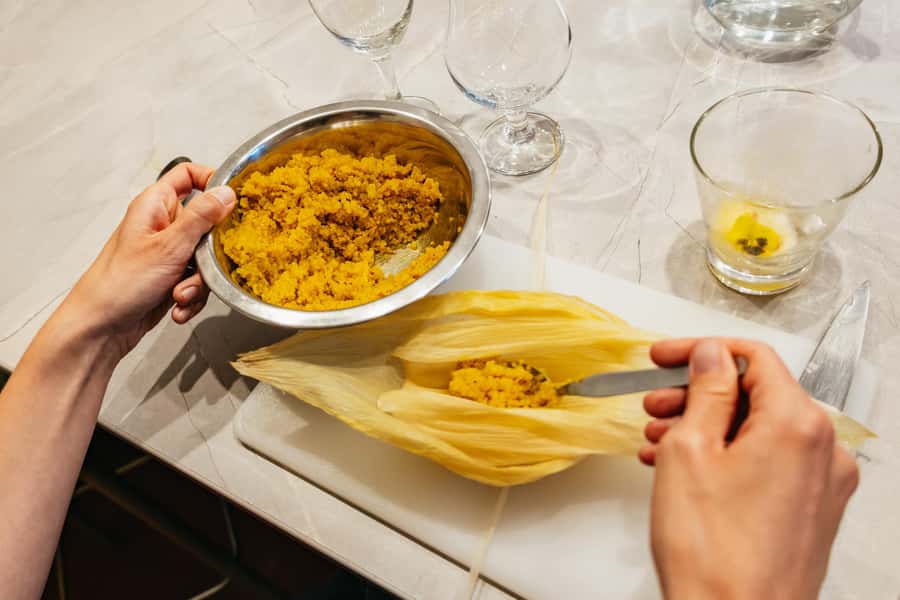
This is a 4-hour class, and it moves from market to kitchen, with cooking starting right after the cocktails segment. People describe it as a long afternoon, but they also call it worth it because it is layered, not repetitive.
If you are acclimating in Cusco, this kind of indoor, guided activity can be a good fit. You are on your feet for the market walk, then mostly working seated or at the cooking stations. Still, come prepared. Wear comfortable shoes and plan to stay engaged.
Because it’s limited to 10 participants, it tends to feel like an actual class, not a factory line. You will likely finish the session with food you can brag about and a stronger sense of what Peruvian ingredients taste like before they turn into a plate.
Who should book this Cusco cooking class
This is a great fit if you want:
- an activity that blends market culture and cooking skills
- a guided class that teaches technique, not just steps
- a small-group experience with attention from the chef
- a main meal plus drinks, all included
It may be less ideal if you want a quick 60 to 90 minute activity. This is half a day. If you prefer short and low-effort plans, pick something lighter.
A note on kids: it is not suitable for children under 10, so this is better for adult travelers or older teens.
Finally, since the class runs in English, you’ll get the most out of it if you’re comfortable following instruction that way.
What to bring so you enjoy every step
The requirements are simple, and they matter:
- comfortable shoes
- comfortable clothes
Beyond that, I suggest you do one more thing: arrive hungry enough to enjoy the market tastings, then keep your appetite for the meal and picarones. This is the kind of class where you end up eating what you made, and you will not want to fight a food coma by dessert time.
Should you book the Cusco: Peruvian Cooking Class, Cocktails & Local Market Tour?
I think you should book it if you want the best of Cusco food in one afternoon: San Pedro Market ingredients, hands-on recipes (cebiche, causa limeña, quinoa tamal), and pisco cocktails you help make. At $67, the value is strong because you get instruction plus a full eating experience, not just a demo.
I would skip it only if you need something very short, or if you know your diet cannot be accommodated. Since the class offers vegetarian, vegan, and gluten-free options, most dietary needs should be manageable, but it’s still smart to confirm your preferences early.
If you’re planning a trip to Cusco and want a hands-on food memory that lasts past the meal, this one is a solid yes.
FAQ
Where is the meeting point?
Meet at Door Number 1 at San Pedro Market.
How long is the cooking class?
The experience lasts 4 hours.
What is the price per person?
The price is $67 per person.
Are cocktails included?
Yes. You’ll make and enjoy 2 cocktails, including pisco cocktails as part of the experience.
Which dishes will I learn to make?
You’ll prepare cebiche, causa limeña, and quinoa tamal.
Are vegetarian, vegan, or gluten-free options available?
Yes. Vegetarian options are available, vegan menu is available, and gluten-free menu is available.
Are there non-alcoholic options for the pisco cocktails?
Yes. Non-alcoholic recipes are available.
What language is the tour guide and class taught in?
The guide and class are in English.
Is it suitable for children?
It is not suitable for children under 10 years.
More Shopping Tours in Cusco
- Pisac Indian Market and Ollantaytambo Fortress with Lunch
★ 4.5 · 395 reviews - Cooking class and market tour with a local chef
★ 5.0 · 186 reviews - Cusco City Sightseeing, San Pedro Market, Cathedral and Qorikancha Temple
★ 4.5 · 139 reviews - Vegan Peruvian Cooking Class Cocktails and Local Market in Cusco
★ 5.0 · 46 reviews - Cusco: Peruvian Cooking Class & Market Tour
★ 4.9 · 19 reviews
More Tours in Cusco
- Cusco: Humantay Lake Tour with Breakfast and Buffet Lunch
★ 4.9 · 2,976 reviews - From Cusco: Moray, Maras Salt Mines & Chinchero Weavers Tour
★ 4.8 · 1,925 reviews - From Cusco: Full-Day Group Tour of Machu Picchu
★ 4.7 · 1,767 reviews - Cusco: Half-Day City Tour with Sacsayhuaman and Q’enco
★ 4.6 · 1,129 reviews - Machu Picchu: Full-Day Tour from Cusco with Optional Lunch
★ 4.6 · 927 reviews
More Tour Reviews in Cusco
- Cusco: Humantay Lake Tour with Breakfast and Buffet Lunch
★ 4.9 · 2,976 reviews - From Cusco: Moray, Maras Salt Mines & Chinchero Weavers Tour
★ 4.8 · 1,925 reviews - From Cusco: Full-Day Group Tour of Machu Picchu
★ 4.7 · 1,767 reviews - Machu Picchu Day Trip from Cusco
★ 4.5 · 1,644 reviews - Cusco: Half-Day City Tour with Sacsayhuaman and Q’enco
★ 4.6 · 1,129 reviews
Freshly reviewed across Cusco
- Excursion Cusco – Puno – Titicaca Observatory Train★ 5.0 · 3 reviews
- Sacred Valley Vip Cusco★ 4.7 · 3 reviews
- Cusco | Humantay Lake 1-Day Tour with Breakfast and Lunch★ 5.0 · 3 reviews
- Full-Day Condor Viewpoint & Inca Sites Tour★ 5.0 · 3 reviews
- Best of Cusco: Private Walking Tour with a Local★ 3.6 · 3 reviews
- From Cusco: Full-Day Private Sacred Valley Tour★ 5.0 · 3 reviews
Cooking Classes side by side.
 ★ 5.0Cooking class and market tour with a local chefFrom $57186 reviews
 ★ 5.0Market Tour, Tasting of 35 Fruits, and 4-Course Peruvian Cooking Class in LimaFrom $12586 reviews
 ★ 5.0#1 Rated Cooking Classes with Local Market Tour & PickupFrom $6669 reviews
 ★ 4.9Miraflores: Amazing Peruvian Cooking Class Ceviche Seafood and Pisco SourFrom $4057 reviews
 ★ 5.0Private Andean Cooking Class, PachamancaFrom $15054 reviews
 ★ 5.0Private Cooking + Market with Maido’s Former Creative Chef (+trasportation)From $10049 reviews
 ★ 5.0Vegan Peruvian Cooking Class Cocktails and Local Market in CuscoFrom $6946 reviews
 ★ 5.0Cusco Cooking Class by ChocoMuseo in CuscoFrom $5429 reviews
Also on these Peru lists