
REVIEW · COOKING
Cooking class and market tour with a local chef
Cusco starts with a market, not a kitchen. This chef-led experience blends a look at local ingredients with hands-on cooking of iconic Peruvian dishes, plus a pisco based drink you choose. It is a great way to understand what Cusco eats and why those flavors make sense here.
I love that the class is run by Ronal, a Cusco born chef who talks culture as he cooks, not just steps. I also like that the food can be adapted for different needs, including vegetarian options and other dietary restrictions.
One drawback to flag: the activity says it is not suitable for people with altitude sickness, even though they may provide natural medicine for altitude discomfort if necessary. If you are even slightly unsure, confirm with the operator before you book.
In This Review
- Key Things That Make This Cooking Class Worth Your Time
- Market First in Cusco: Why This Format Works
- Meeting at Calle San Juan de Dios 264, Then Head to San Pedro
- Market Tour Highlights: Fruits, Cheese, and the Potato Reality Check
- The Starter Course: Rocoto Relleno or Causa Rellena Style
- Pisco Cocktails and Mocktails: Pick Your Drink
- Main Dishes: Ceviche or Lomo Saltado (And Why Both Are Smart Choices)
- Lomo saltado
- Ceviche
- Altitude-Friendly Extras, and the Reality Check on Suitability
- Dietary Restrictions: How Flexibility Plays Out in Real Cooking
- Price and Value: Is $57 Fair for 4 Hours?
- Who Should Book This Cusco Experience, and Who Should Skip It
- Practical Tips to Get the Most Out of Your 4 Hours
- Should You Book It?
- FAQ
- Where is the meeting point for the cooking class and market tour?
- How long is the experience?
- How much does it cost?
- What language is the instructor?
- What is included in the price?
- What is not included?
- What dishes and drinks will you make?
- Can the chef adapt to dietary restrictions?
- What are the key restrictions before booking?
Key Things That Make This Cooking Class Worth Your Time
- Cusco born chef, English and Spanish instruction, so you get local context with clear explanations
- San Pedro market tour with tastings of fruits and cheese, plus plenty of ingredient talk
- You pick your cocktail and main dish, while the starter is set for the group
- Real Peruvian classics, including options like ceviche and lomo saltado
- Dietary flexibility, including vegetarian options, and adjustments for restrictions
- Recipes sent by email afterward, so you can repeat the dishes at home
Nearby in Cusco, these earned their own write-ups
- Pisac Indian Market and Ollantaytambo Fortress with Lunch
★ 4.5 · 395 reviews - Cooking class and market tour with a local chef
★ 5.0 · 186 reviews - Cusco City Sightseeing, San Pedro Market, Cathedral and Qorikancha Temple
★ 4.5 · 139 reviews - Vegan Peruvian Cooking Class Cocktails and Local Market in Cusco
★ 5.0 · 46 reviews
Market First in Cusco: Why This Format Works
In Cusco, food is not just food. It is geography, seasons, and local habits, all mixed together in the market and then proved in the kitchen. I like tours like this because they skip the guesswork. You see and taste ingredients first, then you handle them yourself, so the final plate makes sense.
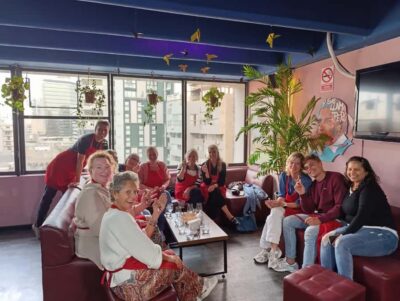
This one is built around a market visit and then a hands-on cooking workshop. You start by walking through a well known Cusco market, sampling fruits and cheese, and learning what makes them different from what you might be used to elsewhere. Then you move to the cooking space and make a Peruvian starter dish, one pisco based drink, and a main course.
The key value here is that you are not only paying for a meal. You are paying for technique and context. That is what makes the flavors easier to recreate later, and what makes the experience feel genuinely local.
Meeting at Calle San Juan de Dios 264, Then Head to San Pedro
You meet at Calle San Juan de Dios 264, right in Cusco’s center. The workshop is in front of the Aranwa boutique Hotel. The wayfinding tip that matters: across the track there is a glass and wooden door with no ads, which is where you should look.
This matters because it is one less thing to stress about after travel days. Also, since transportation is not included, you will be glad to have a precise meet point right away.
From there, the rhythm of the day is straightforward. You walk the market, taste ingredients, then return to the workshop where everything you need is set up: utensils, kitchen tools, and aprons. If you come hungry, come with a plan to pace yourself, because tasting in the market is part of the fun and the drinks add to the momentum later.
Market Tour Highlights: Fruits, Cheese, and the Potato Reality Check
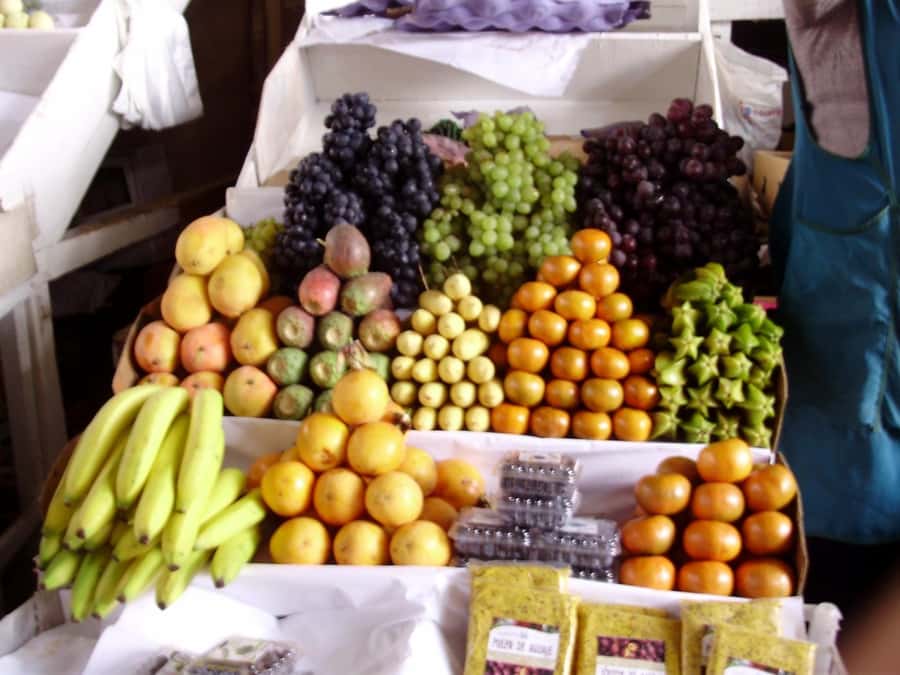
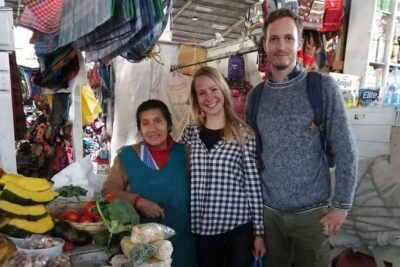
The market portion is where the tour earns its keep. You are not just watching, you are tasting and learning. The experience includes fruits and cheese from the city, and it is a practical way to understand what local vendors actually carry at that time of year.
One detail I think food people will love: you get the kind of ingredient education that changes how you look at produce. For example, a fascinating point that comes up in this food world is that Peru has about 4,000 varieties of potatoes. That number is so wild you will remember it, and it is also a useful reminder that Peruvian cooking is not built around one potato. It is built around many.
You may also notice meat and local foods that belong to the traditional Cusco diet. The tour notes that it may show meat. That is relevant if you are sensitive about what you see, or if you are strictly vegetarian and want to avoid any exposure. In any case, the cooking portion itself can include vegetarian options, and the chef can adapt dishes based on your needs.
The Starter Course: Rocoto Relleno or Causa Rellena Style
After the market, you jump into cooking. The tour includes a starter course that is the same for everyone. The menu includes two classic Peruvian starter styles, rocoto relleno and causa rellena, and you will cook a starter dish as part of the workshop.
Rocoto relleno is the pepper dish: a traditional stuffed chili baked in the oven. The filling is built from ingredients like meat, onions, peas, carrots, peanuts, and dry grapes, and it is topped with local cheese before baking. This sounds unusual until you taste it. Sweet and savory together is very much a Peruvian theme.
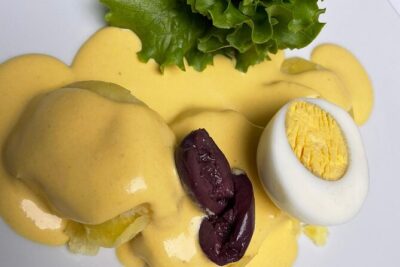
Causa rellena is the layered classic made with potato and yellow chili sauce. It is stuffed with avocado and fish tartare, then finished with mayonnaise style elements and spices. The flavor idea here is bright, creamy, and bold, with chili as the backbone and lime type freshness in the background.
Either way, the takeaway for you is technique. You learn how these dishes come together and how Peruvian staples like chili peppers, cheese, and layered textures create their signature flavor.
Nearby in Cusco, these earned their own write-ups
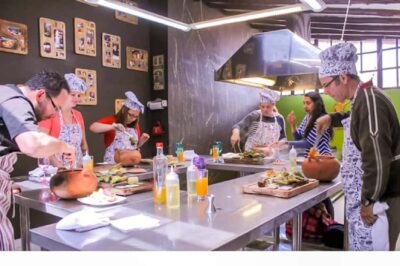
Pisco Cocktails and Mocktails: Pick Your Drink
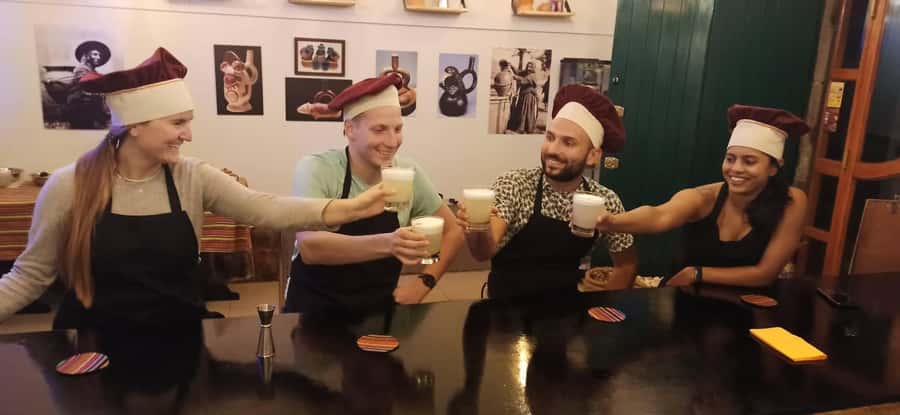
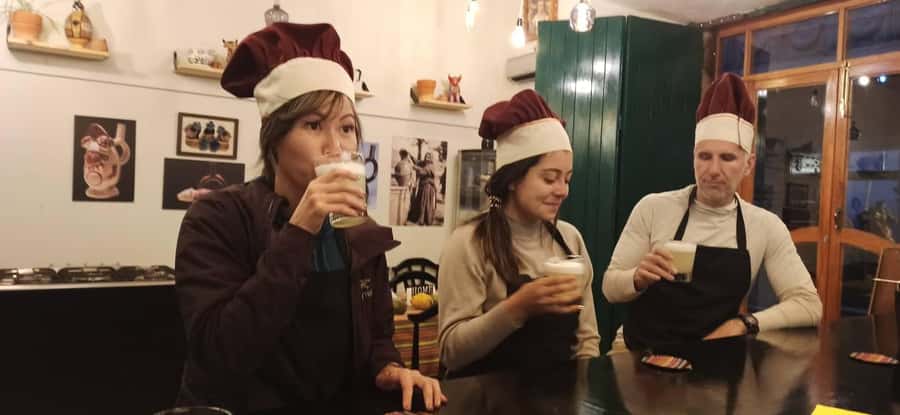
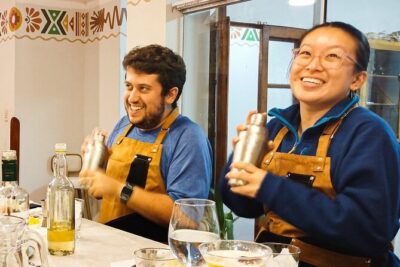
Drink is part of the lesson here, not just the celebration. After you shop and taste, you make a cocktail in base pisco, and you choose which drink you want.
Your pisco options include:
- Pisco sour, the classic Peruvian mix with lime, syrup, and egg whites
- Passion fruit sour, essentially the pisco sour concept but made with fresh passion fruit juice
- A non alcoholic option made with Peruvian fruits and honey
I like this menu because it gives you a spectrum. If you want the iconic route, go for the pisco sour. If you want something fruit forward and lighter, passion fruit sour fits. And if you want flavor without alcohol, the fruit and honey drink is there.
Also, everyone builds their drink choice into the experience, which keeps the day from feeling rigid.
Main Dishes: Ceviche or Lomo Saltado (And Why Both Are Smart Choices)
This is where you steer the experience. Each participant chooses their favorite main dish, while the starter stays the same.
Two main options are offered:
Lomo saltado
Think stir fry comfort, Cusco style. Lomo saltado includes beef tenderloin, rice, onions, tomato, soy sauce, oyster sauce, and vinegar, plus native potato fries. It is hearty and familiar in structure, but the sauce combo and the vinegar snap make it feel unmistakably Peruvian.
Ceviche
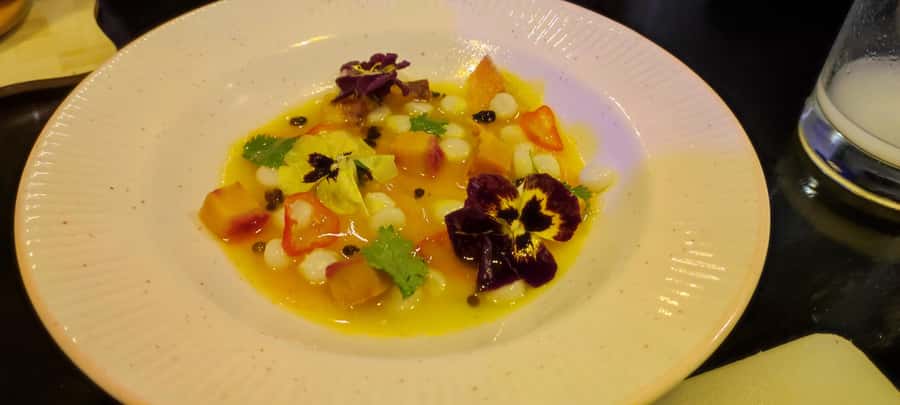
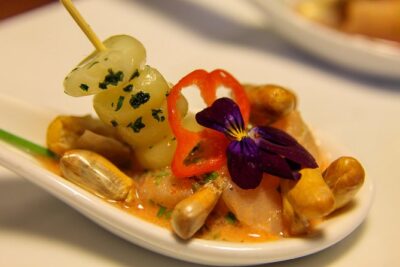
Ceviche here is made with trout and finished with mango, avocado, lime juice, onions, celery, ginger, corn, and sweet potato. It is bright, layered, and a little surprising with sweet potato and fruit in the same bowl.
My practical advice: choose based on what you want from your day. If you want savory and filling, pick lomo saltado. If you want zing, freshness, and a lighter feel, pick ceviche.
The cooking workshop also supports adjustments, and the tour explicitly notes vegetarian options are available. So you are not stuck with only one eating style.
Altitude-Friendly Extras, and the Reality Check on Suitability
Cusco height can mess with your appetite and your mood. This tour includes helpful extras: water is included, and if necessary they offer natural medicine for altitude sickness and digestive teas.
At the same time, the activity lists it as not suitable for people with altitude sickness. That is the tricky part. If altitude affects you, you should treat this as a prompt to check carefully with the operator before committing.
What you can do on your side is simple. Plan to take it easy, hydrate during the day, and tell the chef or guide right away if you start feeling off. In a food setting, getting ahead of discomfort keeps the day fun instead of stressful.
Dietary Restrictions: How Flexibility Plays Out in Real Cooking
This class does not just say it can handle restrictions. The experience is designed so you choose your drink and main, and the chef adapts the dishes accordingly. The tour description says it can adapt to all dietary restrictions, and the class also offers vegetarian options.
In practice, that means you will not feel like you are being awkwardly separated from the group. You still cook, still eat, and still get a plate that fits your needs.
One more note: the tour may show meat from animals that belong to the local diet. If you are vegetarian but fine with seeing meat, you will likely be okay. If you are avoiding all meat exposure, tell the team beforehand.
Price and Value: Is $57 Fair for 4 Hours?
At $57 per person for 4 hours, the price can feel like a lot until you look at what is included. This is not just a kitchen lesson where you bring your own ingredients.
Included in the price:
- A professional chef and guide
- A cooking workshop with fresh ingredients
- Kitchen and bar utensils
- Kitchen aprons
- Water
- A cocktail
- A starter dish and a main course
- If necessary, natural medicine for altitude sickness and digestive teas
Not included:
- Transportation
For value, the biggest point is that you get a full cycle: market context, tastings, then cooking, then eating what you made. Also, the day includes both instruction and ingredients, which often costs more separately if you do it on your own.
If you are a beginner, that matters too. A chef teaching cutting, assembly, and timing saves you from trial and error, and you end up with better results. If you already cook, you still benefit from seeing how these specific Peruvian dishes are built and seasoned.
Who Should Book This Cusco Experience, and Who Should Skip It
This works especially well if:
- You love food and want a hands-on Cusco activity
- You want to learn Peruvian dishes like ceviche and lomo saltado, then replicate them
- You have dietary needs and want a chef who can adapt
- You are traveling solo and want an easy way to meet other people in a structured setting
It is a less ideal match if:
- You have altitude sickness, since the activity says it is not suitable
- You are traveling with very young children, since there are minimum age restrictions listed up to under 6 years
- You fall outside the listed weight limits, which the activity spells out in the fine print
- You need a fully alcohol-free setting, since alcohol drinks are part of the menu but there is also a non alcoholic option
Also, note the rule on what is not allowed: no baby strollers, no baby carriages, and no alcohol and drugs.
Practical Tips to Get the Most Out of Your 4 Hours
Keep it simple and you will enjoy it more.
- Arrive on time at Calle San Juan de Dios 264 so the market portion flows
- Pick your main dish and cocktail style early in the process, since you choose before the class starts
- If you have allergies or restrictions, be direct with the chef and guide before you start cooking
- Come ready to chop and assemble, because this is a real cooking workshop, not just watching
- If you are concerned about altitude effects, take it seriously and follow their guidance on water and any provided digestive teas
Finally, after the day, you get the recipes by email, which is a big deal if you want to cook again at home without guessing measurements and steps.
Should You Book It?
I think this is worth booking if you want an authentic Cusco food day that goes beyond eating. The market tour gives you ingredient context, and the chef-led cooking gives you technique. The choices of pisco based drinks and a main dish like ceviche or lomo saltado make it feel personal, not templated.
Book it if you are excited by Peruvian flavors, you want to learn in a structured way, and you appreciate clear instruction. Skip it or confirm carefully if altitude is a concern for you, since the activity lists altitude sickness as not suitable.
If you want one “do it once the right way” experience in Cusco that you can actually repeat at home, this is a strong candidate.
FAQ
Where is the meeting point for the cooking class and market tour?
The meeting point is at 264 Calle San Juan de Dios, in front of the Aranwa boutique Hotel. The workshop is marked by a glass and wooden door with no ads across the track.
How long is the experience?
The duration is 4 hours.
How much does it cost?
The price is $57 per person.
What language is the instructor?
The instructor and guide are available in English and Spanish.
What is included in the price?
It includes a professional chef and guide, a cooking workshop with fresh ingredients, kitchen and bar utensils, kitchen aprons, water, a cocktail, a starter, and a main course. If necessary, they offer natural medicine for altitude sickness and digestive teas.
What is not included?
Transportation is not included.
What dishes and drinks will you make?
You cook a starter dish for the group, and you also prepare a pisco based cocktail you can choose. The menu includes items like rocoto relleno or causa rellena as a starter, plus cocktails such as pisco sour, passion fruit sour, and a non alcoholic fruit and honey drink. For the main dish, you choose between lomo saltado and ceviche.
Can the chef adapt to dietary restrictions?
Yes. The tour states they can adapt to all dietary restrictions and they also offer vegetarian options.
What are the key restrictions before booking?
The activity lists rules such as no baby strollers and no baby carriages. It also says it is not suitable for people with altitude sickness and includes multiple listed age and weight limits. It notes the tour may show meat from animals that belong to the local population diet.
More Shopping Tours in Cusco
- Cusco: Peruvian Cooking Class, Cocktails & Local Market Tour
★ 4.9 · 512 reviews - Pisac Indian Market and Ollantaytambo Fortress with Lunch
★ 4.5 · 395 reviews - Cusco City Sightseeing, San Pedro Market, Cathedral and Qorikancha Temple
★ 4.5 · 139 reviews - Vegan Peruvian Cooking Class Cocktails and Local Market in Cusco
★ 5.0 · 46 reviews - Cusco: Peruvian Cooking Class & Market Tour
★ 4.9 · 19 reviews
More Tours in Cusco
- Cusco: Humantay Lake Tour with Breakfast and Buffet Lunch
★ 4.9 · 2,976 reviews - From Cusco: Moray, Maras Salt Mines & Chinchero Weavers Tour
★ 4.8 · 1,925 reviews - From Cusco: Full-Day Group Tour of Machu Picchu
★ 4.7 · 1,767 reviews - Cusco: Half-Day City Tour with Sacsayhuaman and Q’enco
★ 4.6 · 1,129 reviews - Machu Picchu: Full-Day Tour from Cusco with Optional Lunch
★ 4.6 · 927 reviews
More Tour Reviews in Cusco
- Cusco: Humantay Lake Tour with Breakfast and Buffet Lunch
★ 4.9 · 2,976 reviews - From Cusco: Moray, Maras Salt Mines & Chinchero Weavers Tour
★ 4.8 · 1,925 reviews - From Cusco: Full-Day Group Tour of Machu Picchu
★ 4.7 · 1,767 reviews - Machu Picchu Day Trip from Cusco
★ 4.5 · 1,644 reviews - Cusco: Half-Day City Tour with Sacsayhuaman and Q’enco
★ 4.6 · 1,129 reviews
Freshly reviewed across Cusco
- Excursion Cusco – Puno – Titicaca Observatory Train★ 5.0 · 3 reviews
- Sacred Valley Vip Cusco★ 4.7 · 3 reviews
- Cusco | Humantay Lake 1-Day Tour with Breakfast and Lunch★ 5.0 · 3 reviews
- Full-Day Condor Viewpoint & Inca Sites Tour★ 5.0 · 3 reviews
- Best of Cusco: Private Walking Tour with a Local★ 3.6 · 3 reviews
- From Cusco: Full-Day Private Sacred Valley Tour★ 5.0 · 3 reviews
Cooking Classes side by side.
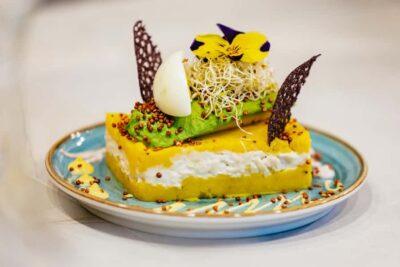 ★ 4.9Cusco: Peruvian Cooking Class, Cocktails & Local Market TourFrom $67512 reviews
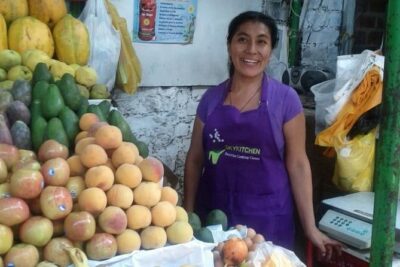 ★ 5.0Market Tour, Tasting of 35 Fruits, and 4-Course Peruvian Cooking Class in LimaFrom $12586 reviews
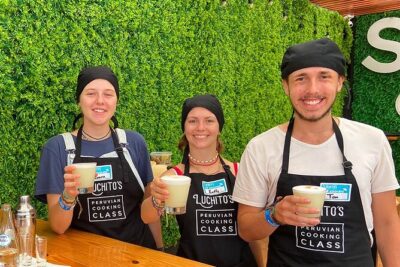 ★ 5.0#1 Rated Cooking Classes with Local Market Tour & PickupFrom $6669 reviews
 ★ 4.9Miraflores: Amazing Peruvian Cooking Class Ceviche Seafood and Pisco SourFrom $4057 reviews
 ★ 5.0Private Andean Cooking Class, PachamancaFrom $15054 reviews
 ★ 5.0Private Cooking + Market with Maido’s Former Creative Chef (+trasportation)From $10049 reviews
 ★ 5.0Vegan Peruvian Cooking Class Cocktails and Local Market in CuscoFrom $6946 reviews
 ★ 5.0Cusco Cooking Class by ChocoMuseo in CuscoFrom $5429 reviews
Also on these Peru lists