
REVIEW · COOKING
Private Andean Cooking Class, Pachamanca
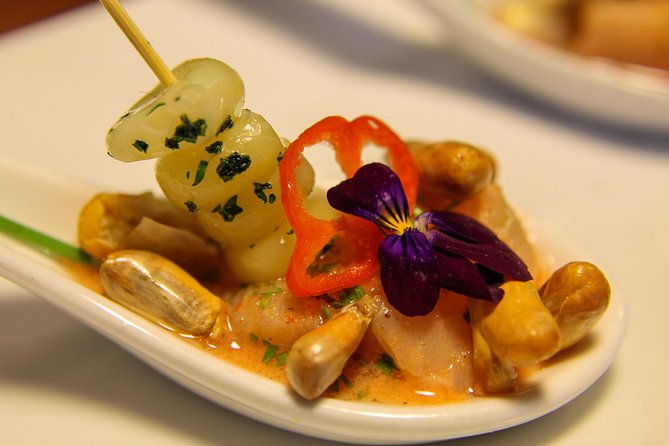
Three hours in Cusco, and you cook Peru. This private Andean cooking class at Marcelo Batata Cooking Classes pairs a hands-on cooking lesson with ingredient tastings, so you understand what you are making and why it tastes like it does. I really like the private group setup, and I also love how the class builds from basics (marination) into classic Peruvian flavors you can actually repeat at home.
The only real heads-up is the paperwork: you must bring your original passport at the start for tax purposes. If you are planning around a tight Cusco schedule, that matters, but it is easy to manage if you know ahead of time.
In This Review
- Key Highlights That Make This Class Worth Your Time
- Meeting Marcelo Batata: Private Class, Real Cooking, Easy Pace
- Step 1 Welcome and Marination: Where Flavor Starts
- Step 2 Andean Tamales: Corn-Based Traditions You Can Taste
- Step 3 Private Market: How Ingredients Tell the Peru Story
- Step 4 Uchucuta Pepper Sauce: The Spicy Link to Inca Food Culture
- Step 5 Chicha Tasting and How Fermentation Fits In
- Step 6 Final Tasting in Clay Pots: Put It All Together
- The Dishes and Cocktails You Might Expect Along the Way
- Price and Value: Why $150 Can Make Sense in Cusco
- Who This Class Fits Best
- A Few Things to Watch Before You Book
- Should You Book It
- FAQ
- What is the meeting point for the class?
- What time does the class start, and how long is it?
- Is this a private tour?
- What language is the cooking class taught in?
- Do they offer a vegetarian option?
- What is included in the price?
- Do I need to bring anything specific at the start?
Key Highlights That Make This Class Worth Your Time
- Private group only, so the chef can slow down for questions and dietary needs
- Market step before cooking, where you taste and learn what Andean staples do in real dishes
- Uchucuta pepper sauce work, a traditional spicy sauce tied to Inca-era food culture
- Chicha tasting, so you experience fermentation traditions beyond just cooking
- Pisco cocktails and Peruvian classics, often including ceviche and lomo saltado
- Clay-pot final tasting, where the flavors come together at the end of class
Nearby in Cusco, these earned their own write-ups
- City Tour in Cusco & visit Museum South American Camelid Private.
★ 5.0 · 147 reviews - Private Tour to Sacred Valley and Machu Picchu from Cusco
★ 5.0 · 133 reviews - Private Rainbow Mountain Full Day Tour from Cusco
★ 5.0 · 129 reviews - Full Day Private Guided Tour in Machu Picchu
★ 5.0 · 115 reviews
Meeting Marcelo Batata: Private Class, Real Cooking, Easy Pace
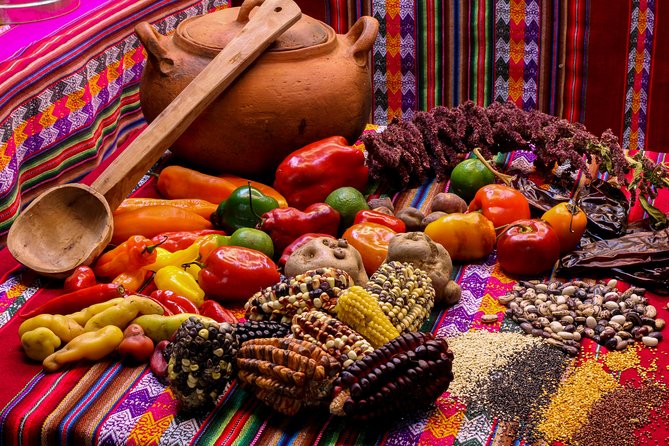
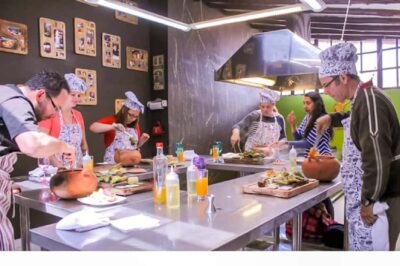
This is a 3-hour private cooking class in Cusco starting at 9:00 am, and it ends back at the meeting point on C. Palacio 135, Cusco 08002. If you like the idea of learning Peruvian food without sharing the kitchen with strangers, this private format is a big part of the appeal.
You will be working with a professional chef and getting beverages during the class, plus bottled water. The meal included covers one appetizer and one main, so you are not paying for a short demo followed by an empty stomach. The class also runs in Spanish or English, depending on what you request when you book.
Step 1 Welcome and Marination: Where Flavor Starts
The class kicks off with what Peruvian cooks do early and often: marination. You learn how to prepare meats and other ingredients in a special sauce meant to boost flavor and prep everything for cooking.
Why I like this part for you: marination is not just kitchen theater. It teaches a repeatable technique. Once you understand the logic of salt, acid, aromatics, and timing, you will be able to reason your way through other Peruvian dishes later, even if the exact ingredient list changes.
Step 2 Andean Tamales: Corn-Based Traditions You Can Taste
Next comes Andean tamales, with an emphasis on corn and ancestral technique. Tamales are one of those foods where the ingredients are simple, but the process is where the culture lives. The corn is doing a lot of work, from texture to flavor, and you learn how that shows up when you cook it properly.
This step is a good fit if you are a complete beginner. You are not expected to already know Peruvian cooking. The structure is hands-on and built for all levels, so you can follow along without feeling lost.
If you are traveling as a family, this corn-focused, step-by-step style can also be a win, since kids and grandparents often enjoy the rhythm of assembling and cooking rather than worrying about complicated technique.
Step 3 Private Market: How Ingredients Tell the Peru Story
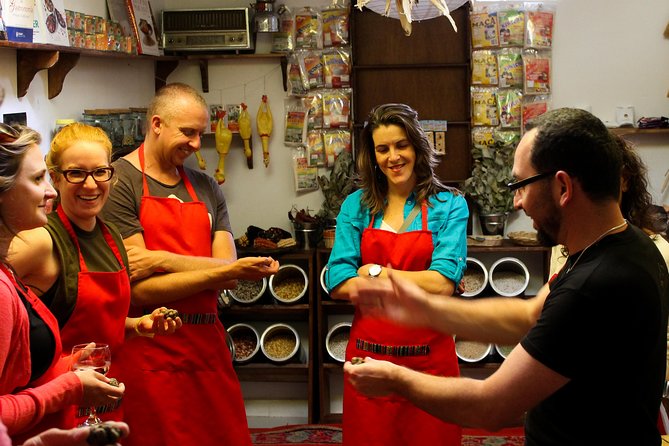
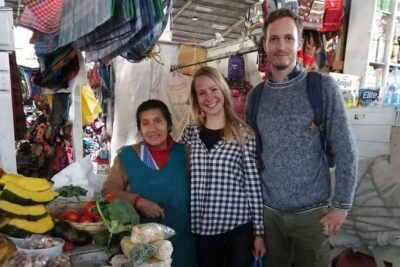
After the first cooking stage, you head to a private market. This part is not just sightseeing. You explore a variety of Andean products, including things like ancient grains and other superfood-style ingredients, and you learn how they matter in Andean diets and daily culture.
This is one of the most valuable steps for me because it changes how you eat after the class. Instead of thinking, I liked that, you start thinking, oh, that pepper or grain is why it tasted that way. You also get a more grounded sense of how Andean cuisine is shaped by what grows locally, including different varieties of crops that you might not see at home.
Other Peruvian kitchens taking bookings
Step 4 Uchucuta Pepper Sauce: The Spicy Link to Inca Food Culture
Then you get into uchucuta, a spicy pepper sauce associated with traditional Inca-era eating, prepared with traditional techniques passed down through generations. This sauce is a great example of why Peruvian cuisine is not only about heat. It is about balance, texture, and building a sauce that turns simple food into something memorable.
Practically, this is also a confidence builder. Even if you do not want a super spicy final dish at home, you learn the core method of making a pepper-forward sauce. You can then adjust the intensity later based on your own taste.
Step 5 Chicha Tasting and How Fermentation Fits In
Next comes chicha tasting, described as the drink of the Incas, made through ancestral fermentation. Chicha is one of those cultural foods where taste and process matter as much as the final product, and this tasting helps you connect that idea.
You should know what to expect at a high level: you are sampling a fermented drink tied to Andean traditions, not just grabbing a random beverage. If you are curious about how fermentation traditions work in different cultures, this is a satisfying moment.
Step 6 Final Tasting in Clay Pots: Put It All Together
The class ends with the payoff: your final tasting, where you enjoy aromas and flavors from ingredients cooked in clay pots. The clay pot finish matters because it changes how heat transfers and how food finishes on the palate. Even when you focus on technique, the last step is where you taste the difference.
The included lunch structure matters too. You are not just tasting tiny bits. You have an appetizer and a main built from what you worked on during the session, so you leave with a full meal and a clear idea of what you made.
Some past participants also describe the experience as finishing in a relaxed setting with time to savor what they cooked. Either way, the end of class is designed to let you eat and compare flavors while everything is still fresh in your mind.
The Dishes and Cocktails You Might Expect Along the Way
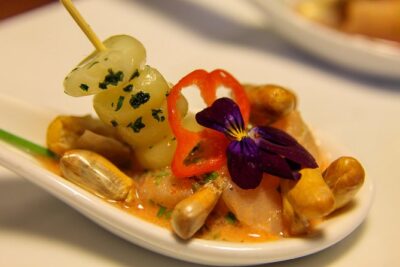
The core steps are tamales, uchucuta, chicha, and the clay-pot final meal. But the class is also described as teaching classic Peruvian dishes and drinks, and the experience commonly includes things like:
- Ceviche, taught as a classic Peruvian preparation
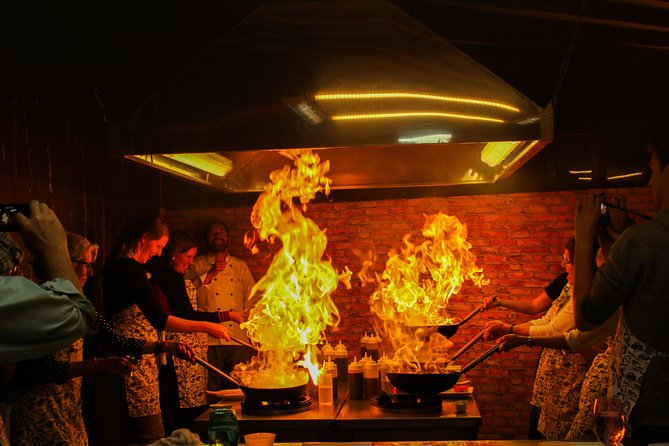
- Lomo saltado, sometimes with a dramatic flambé moment depending on the chef
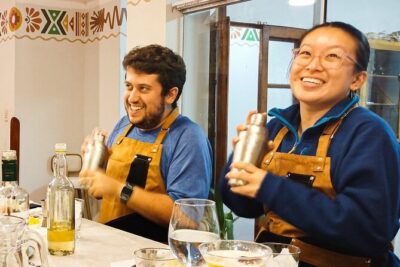
- Pisco-based cocktails, including pisco sours and Chilcano styles
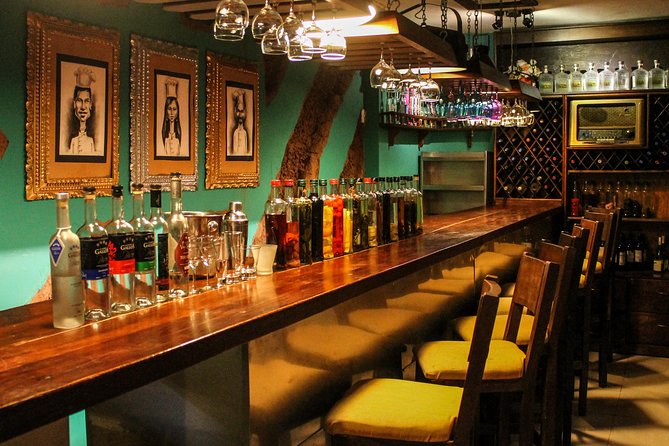
If you care about learning drinks, the pisco focus is a big reason people book this class. You will typically sample pisco-style options and then learn how to make Peruvian cocktail favorites, which is handy when you want souvenirs you can recreate later.
Price and Value: Why $150 Can Make Sense in Cusco
At $150 per person for about 3 hours, this is not a budget cooking class. But for many travelers, the value is in the combination of things you get for one price: a private setting, a professional chef, a market visit with ingredient tastings, beverages, and a meal that includes an appetizer plus a main.
Here is the simple way to judge value for you. If you like cooking classes that include a market step and a real lunch, and you want a chef who can teach and answer questions in your preferred language, the price can feel fair. If you only want a quick cooking demo with no market component and no drinks, you might find other options cheaper.
Who This Class Fits Best
This works especially well if you want a calm, hands-on day between bigger Cusco adventures. The structure is flexible enough for different comfort levels in the kitchen, and the private format helps if you have dietary needs.
It is also a smart choice for:
- Food-first travelers who like understanding ingredients, not just eating
- Couples who want a memorable shared activity
- Families, since the cooking process is practical and can be managed with kid-friendly pacing
- Beginners who want clear steps and guidance
Vegetarian option is available, but you need to advise at booking. If you have any specific dietary requirements, tell them in advance so the chef can plan accordingly.
A Few Things to Watch Before You Book
Bring your original passport to the start of the class. This is a must for tax purposes, and it is the kind of detail that can ruin your morning if you realize it late.
Also, plan your timing in Cusco. The session starts at 9:00 am and lasts about 3 hours, so you want to avoid scheduling a rushed backup activity right after, especially if you are still adjusting to altitude.
Finally, since it is a private activity, you may end up with a chef who matches your group. Different chefs may emphasize different parts of the class, and past sessions have been led by instructors such as Chef Alejandro, Chef Fernando, and chefs including Jose and Christina. Either way, the lesson is structured around the same steps, from marination to final tasting.
Should You Book It
Yes, I would book this if your ideal Cusco day includes hands-on food, ingredient tastings, and Peruvian flavors you can recreate, not just a stand-and-watch cooking lesson. The private format, the market step, and the mix of food plus drinks (including chicha and pisco cocktails) make it feel like more than a typical class.
Book it especially if you are the type of traveler who likes to learn how dishes connect to local agriculture, corn, peppers, and fermentation traditions. If you are short on time or only want a tiny sampling, you might choose a lighter food stop. But for most people, this hits a sweet spot of culture, technique, and a real meal in a half-day window.
FAQ
What is the meeting point for the class?
The class meets at C. Palacio 135, Cusco 08002, Peru. The activity ends back at the meeting point.
What time does the class start, and how long is it?
It starts at 9:00 am and lasts about 3 hours.
Is this a private tour?
Yes. It is a private tour/activity, and only your group participates.
What language is the cooking class taught in?
The class is operated in Spanish or English, depending on your request.
Do they offer a vegetarian option?
Yes, a vegetarian option is available. You need to advise them at booking if you want vegetarian.
What is included in the price?
Included are beverages, a private tour, a professional chef, lunch with one appetizer and one main, and bottled water.
Do I need to bring anything specific at the start?
Yes. You need to provide the original passport at the beginning of the course for tax purposes.
Peruvian Kitchens Taking Bookings
- Cusco: Peruvian Cooking Class, Cocktails & Local Market Tour
★ 4.9 · 512 reviews - Cooking class and market tour with a local chef
★ 5.0 · 186 reviews - Vegan Peruvian Cooking Class Cocktails and Local Market in Cusco
★ 5.0 · 46 reviews - Cusco Cooking Class by ChocoMuseo in Cusco
★ 5.0 · 29 reviews - Cusco: Peruvian Cooking Class & Market Tour
★ 4.9 · 19 reviews
More Private in Cusco
- City Tour in Cusco & visit Museum South American Camelid Private.
★ 5.0 · 147 reviews - Private Tour to Sacred Valley and Machu Picchu from Cusco
★ 5.0 · 133 reviews - Private Rainbow Mountain Full Day Tour from Cusco
★ 5.0 · 129 reviews - Full Day Private Guided Tour in Machu Picchu
★ 5.0 · 115 reviews - Sacred Valley Full-Day Private Tour from Urubamba & Ollantaytambo
★ 5.0 · 112 reviews
More Tour Reviews in Cusco
- Cusco: Humantay Lake Tour with Breakfast and Buffet Lunch
★ 4.9 · 2,976 reviews - From Cusco: Moray, Maras Salt Mines & Chinchero Weavers Tour
★ 4.8 · 1,925 reviews - From Cusco: Full-Day Group Tour of Machu Picchu
★ 4.7 · 1,767 reviews - Machu Picchu Day Trip from Cusco
★ 4.5 · 1,644 reviews - Cusco: Half-Day City Tour with Sacsayhuaman and Q’enco
★ 4.6 · 1,129 reviews
Freshly reviewed across Cusco
- Excursion Cusco – Puno – Titicaca Observatory Train★ 5.0 · 3 reviews
- Sacred Valley Vip Cusco★ 4.7 · 3 reviews
- Cusco | Humantay Lake 1-Day Tour with Breakfast and Lunch★ 5.0 · 3 reviews
- Full-Day Condor Viewpoint & Inca Sites Tour★ 5.0 · 3 reviews
- Best of Cusco: Private Walking Tour with a Local★ 3.6 · 3 reviews
- From Cusco: Full-Day Private Sacred Valley Tour★ 5.0 · 3 reviews
Cooking Classes side by side.
 ★ 4.9Cusco: Peruvian Cooking Class, Cocktails & Local Market TourFrom $67512 reviews
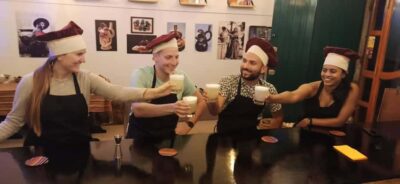 ★ 5.0Cooking class and market tour with a local chefFrom $57186 reviews
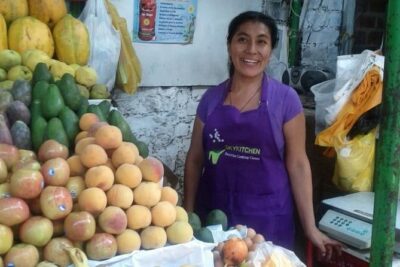 ★ 5.0Market Tour, Tasting of 35 Fruits, and 4-Course Peruvian Cooking Class in LimaFrom $12586 reviews
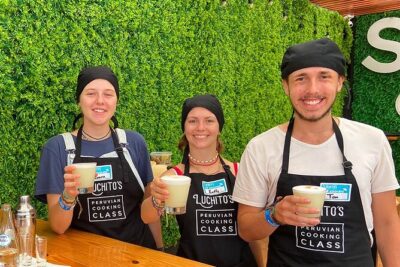 ★ 5.0#1 Rated Cooking Classes with Local Market Tour & PickupFrom $6669 reviews
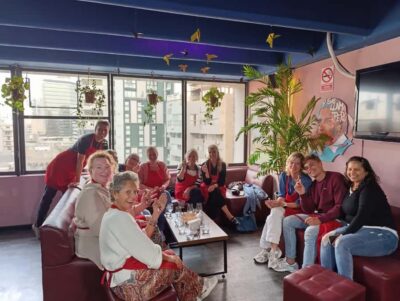 ★ 4.9Miraflores: Amazing Peruvian Cooking Class Ceviche Seafood and Pisco SourFrom $4057 reviews
 ★ 5.0Private Cooking + Market with Maido’s Former Creative Chef (+trasportation)From $10049 reviews
 ★ 5.0Vegan Peruvian Cooking Class Cocktails and Local Market in CuscoFrom $6946 reviews
 ★ 5.0Cusco Cooking Class by ChocoMuseo in CuscoFrom $5429 reviews
Also on these Peru lists