
REVIEW · PISAC AND OLLANTAYTAMBO
Cusco: Pisac, Sacsayhuaman, Q’enqo, and Tambomachay Tour
Six hours sounds short, then you hit the Sacred Valley highlights. This Cusco tour strings together Pisac, Sacsayhuamán, and the other key ruins in a smart route, so you get context fast and don’t waste half a day getting around. I especially like how the plan mixes town life, ancient sites, and viewpoints into one flow.
I also love the chance to see the famous Pisac market area and then connect it to what you’re seeing in the archaeology park. And the ruins portion is where the guide really matters, with stops like Q’enqo and Tambomachay that are best understood with clear explanation, not just photos.
One thing to plan for: archaeological site tickets are extra, and the day does include walking on uneven ground. If you have back issues or mobility limits, this route may be a poor fit, and the vehicle setup can be tight depending on your group.
In This Review
- Key things to know before you go
- Why This Cusco Sacred Valley Loop Fits in Six Hours
- Pisac Town and Market: Where the Sacred Valley Feels Real
- Taray Viewpoint: Terrace Views With a Clear Reason to Stop
- Sacsayhuamán and Q’enqo: Stone Engineering Meets Ritual Purpose
- Tambomachay and Puka-Pukará: Water Worship and an Inca Road Watch
- Price and Entry Fees: The Real Value Math
- The Guide Can Make or Break Your Day
- What You Should Bring (And What to Wear)
- Is This Tour a Good Fit for You?
- Should You Book This Tour?
- FAQ
- What is included in the price?
- Are entrance tickets included for the archaeological sites?
- How long is the tour?
- Where does the pickup happen in Cusco?
- What languages are the guides available in?
- Is this tour private?
- What should I bring?
- Is smoking allowed during the tour?
- Is the tour suitable for wheelchair users or people with back problems?
- Can I get a refund if I cancel?
Key things to know before you go
- Pisac market time plus a guided walk through the nearby archaeological park, so you see more than just stalls.
- Taray viewpoint for terrace views over the Sacred Valley, a great payoff stop on the way back.
- Sacsayhuamán, Q’enqo, and Tambomachay in one day, with each place tied to a different Inca function.
- Entrance fees are not included, so budget extra before you arrive.
- Private group with hotel pickup from the Cusco historic center, which keeps the day simple.
- Bring sun and good shoes, since you are outside for much of the tour and weather can shift quickly.
Pisac market and Ollantaytambo fortress, other runs
- From Cusco: Moray, Maras Salt Mines & Chinchero Weavers Tour
★ 4.8 · 1,925 reviews - Cusco: Sacred Valley, Pisac, Ollantaytambo, Salt Mines Moray
★ 4.6 · 1,058 reviews - Cusco:Chinchero,Moray & Salt Mines drop-off in Ollantaytambo
★ 4.8 · 793 reviews - Sacred Valley: Chinchero, Moray, Ollantaytambo & Pisac+Lunch
★ 4.8 · 501 reviews
Why This Cusco Sacred Valley Loop Fits in Six Hours
This is a full-day tour built for travelers who want a lot of Cusco Region highlights without turning the day into a travel marathon. The timing works because the route groups the Sacred Valley side (Pisac, viewpoints) with the Cusco-side ruins (Sacsayhuamán, Q’enqo, Tambomachay, Puka-Pukará) and then returns you to your hotel within about 6 hours.
A big value point is the hotel pickup and drop-off. Tours that start at a distant meeting point add stress fast in Cusco, especially when you are trying to plan around schedules. Here, pickup happens from hotels in the historic center. If your hotel is outside that zone, the operator arranges a designated meeting point, which is the key detail to confirm.
This is also a private group. That tends to matter more than people expect, because you can ask questions without feeling like you are slowing everyone down. If your group is small, the guide can also pace the walking and explanations more naturally.
Pisac Town and Market: Where the Sacred Valley Feels Real
Pisac is more than ruins and postcard views. You start in the town area with a guided walk that helps you get your bearings quickly. The stops in and around Pisac are the kind of place where local life is part of the experience, and the tour gives you time to absorb the atmosphere without making it feel like a shopping mission.
The highlight is the market. You’ll have a chance to see artisan stalls and watch how people move through the space. Even if you do not buy anything, market time is a great way to understand what the Sacred Valley still looks like today.
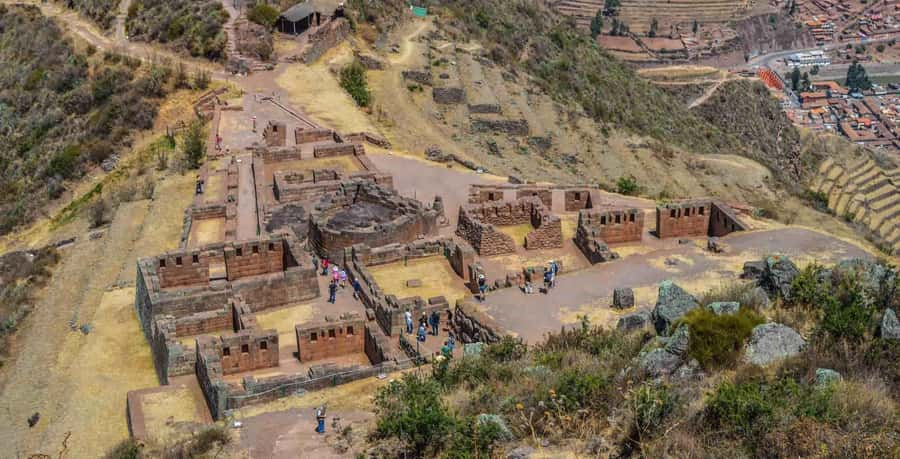
After that, you move from town to history with a guided tour of the Pisac archaeological park. This is a smart sequencing choice. If you see the town first, the archaeology later feels less like a disconnected photo stop. You also get guided context, which helps you understand what you are looking at before you hit the next ruins.
Practical tip: markets and archaeological areas are both outdoors, and sun can hit hard. Wear shoes you trust on uneven paths, and bring your water and sunscreen. A hat is not optional on a bright day.
Taray Viewpoint: Terrace Views With a Clear Reason to Stop
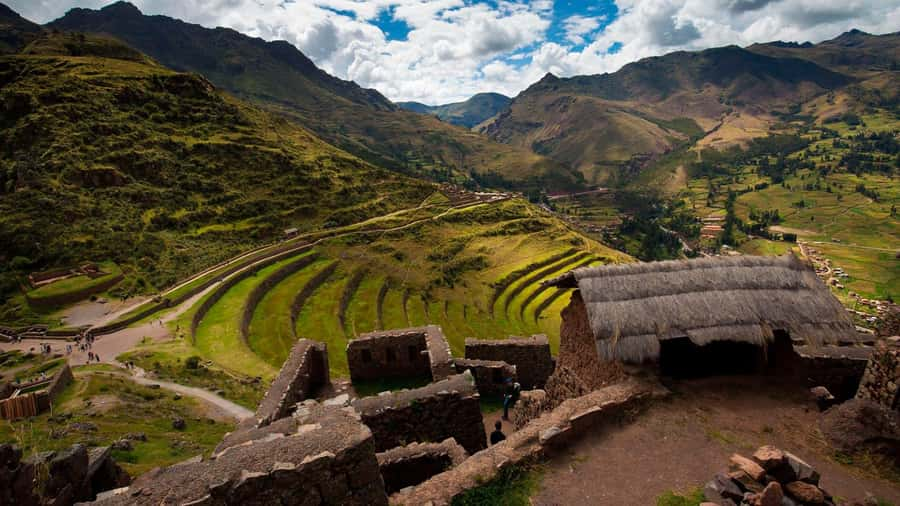
On the return toward Cusco, the tour includes a stop at Taray Viewpoint. This is your “pause and look” moment. You get panoramic views over the Sacred Valley, and the key point is what the guide helps you notice: the sheer number of terraces.
Terraces can look repetitive in photos, but standing at a viewpoint changes how you read them. You start to see how terracing turns a difficult hillside into usable space. It also helps you connect what you saw in Pisac and what you will see later around Cusco, because all these sites relate to how Inca communities shaped and used the land.
This viewpoint stop is also a nice buffer for your day. You are outdoors, but it’s not another long walk through a site. It is a good time to recharge mentally, swap camera cards, and ask any last-minute questions you did not get through during the market portion.
Sacsayhuamán and Q’enqo: Stone Engineering Meets Ritual Purpose
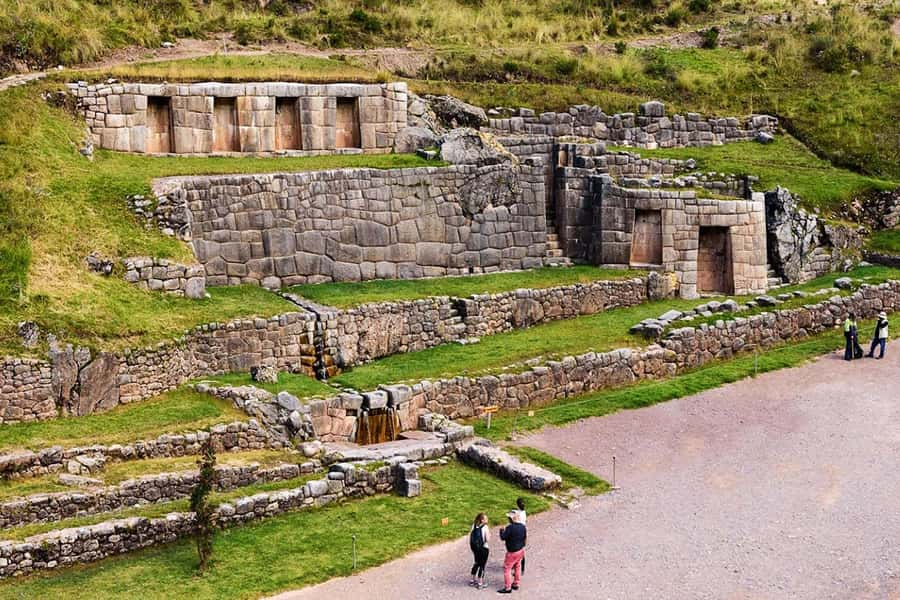
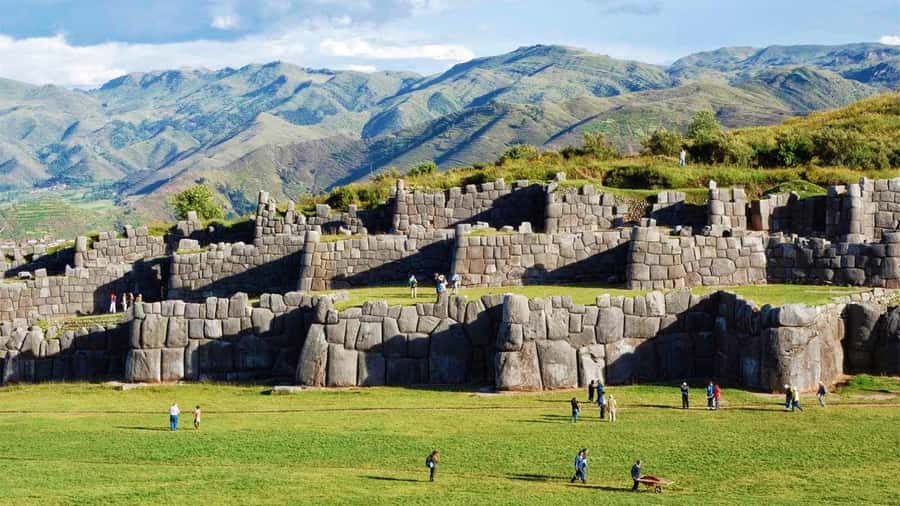
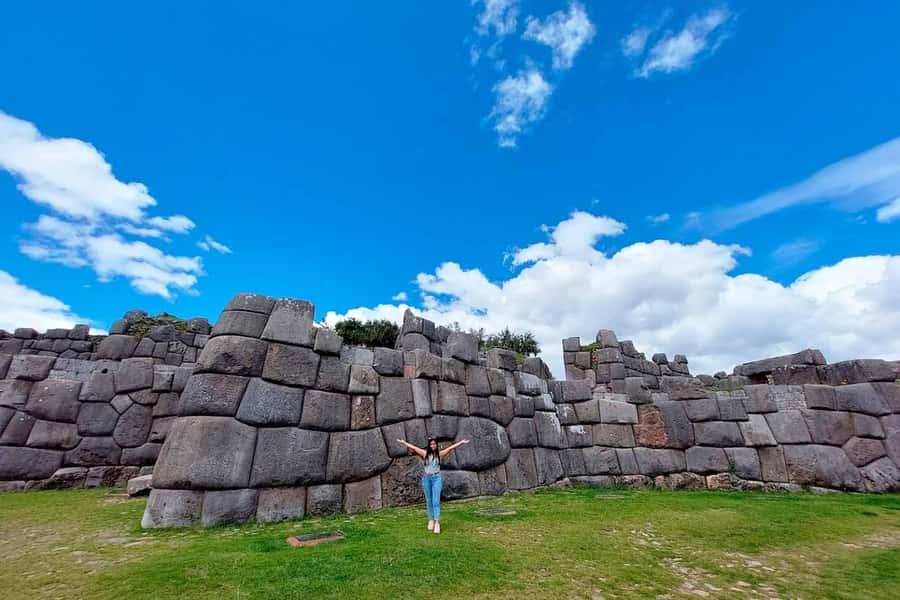
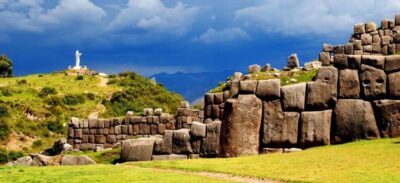
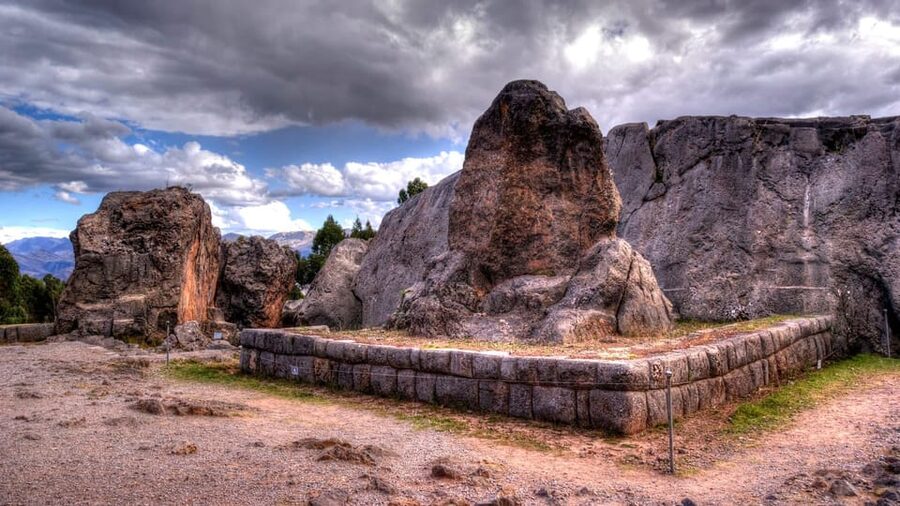
The Cusco-side ruins are where the tour turns from scenery to deep interpretation. You visit Sacsayhuamán, a ceremonial fort built from massive stonework, and then continue to Q’enqo, a ritual site where sacrifices once took place.
At Sacsayhuamán, the standout is the sense of scale. Even if you only have a few hours on the Cusco ruins, this is one of those places where your brain starts asking how they did it. The guide’s job here is crucial. Good explanations turn “big rocks” into “here is how this place functioned.”
Then you shift to Q’enqo, and the meaning changes. Q’enqo is less about defensive vibes and more about ceremonial space. Knowing that sacrifices were once part of what happened here gives you a different lens. Instead of only looking for carvings, you start paying attention to how the site was used.
One of the best parts of this tour is that the guide role is not generic. In real-world experiences from past travelers, guides have ranged from very friendly and culturally focused to highly technical in their archaeology approach. For example, Juan Carlos was described as trained in archaeology, with clear, precise explanations and an evidence-based way of answering questions. If you get a guide like that, you will probably leave with a much more coherent story of Inca life and how the Spanish conquest later changed things.
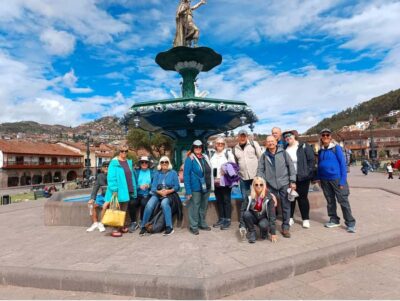
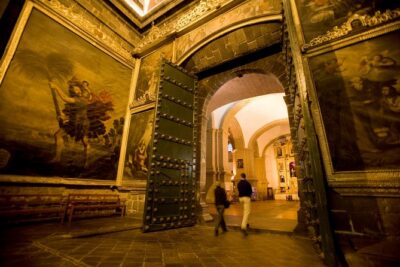
Qorikancha, Sacsayhuaman, Tambomachay: more Cusco
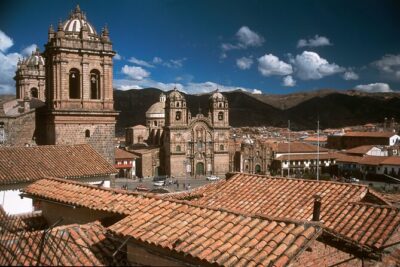
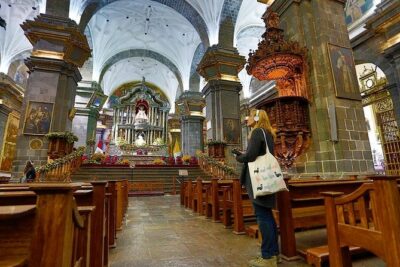
Tambomachay and Puka-Pukará: Water Worship and an Inca Road Watch
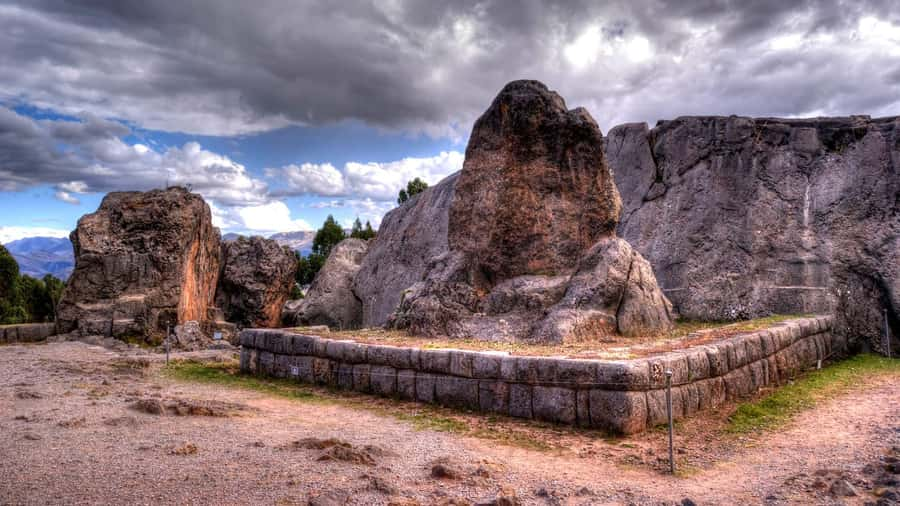
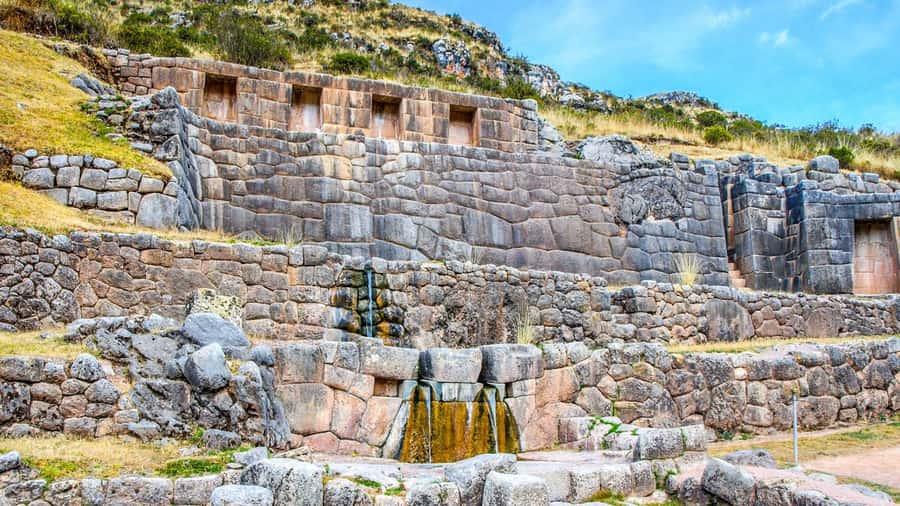
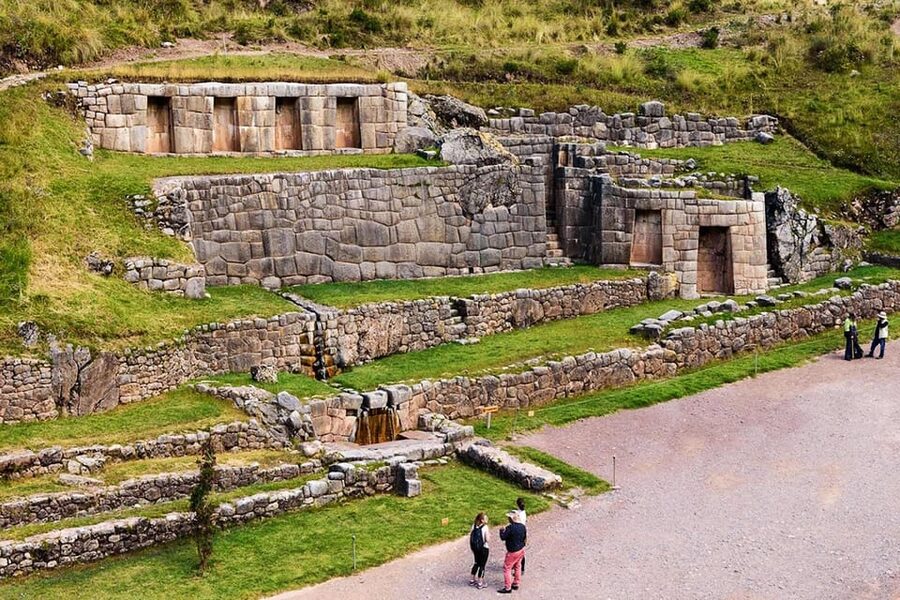
After Q’enqo, the tour heads to Tambomachay, described as a temple dedicated to worshipping the God of Water. This is where the tour earns its name as a “full loop” experience. The ruins are not only about politics or stone engineering. They show religious attention to natural forces and practical life needs like water.
Tambomachay can feel quieter than the most famous sites, which is a plus if you prefer to take your time and absorb rather than rush. Still, it is worth staying alert for what your guide points out, because the theme is specific. If you understand it as water worship, you will probably notice details you would otherwise pass over.
Finally, the tour ends with a panoramic view of Puka-Pukará, described as an ancient tambo or guard post along the Inca roads. This last stop works well as a closing chapter. You are not stuck in another intensive ruin walk, and you get a view that ties the day together thematically: communication, movement, and control along Inca routes.
If you are the type who likes to connect dots, this ending is satisfying. You go from market life to terrace agriculture, to ritual space, to water worship, and then to an Inca roadside function.
Price and Entry Fees: The Real Value Math
The advertised price is $77 per person, and that number matters because it includes several big things you would otherwise have to arrange yourself: hotel pickup and drop-off, transport by car or minibus, and an English-speaking guide.
That’s why this can feel like good value. You are paying for organization plus guided interpretation, not just a seat on a bus. Private groups also often keep the experience from feeling rushed, since you are not sharing with a huge crowd.
However, you do need to budget for archaeological site admission. Tickets are not included. The cost is listed as S/70 (about US$18.70) per person for foreigners, and S/40 (about US$10.70) per person for Peruvians. Since multiple sites are visited, these fees can be a meaningful add-on, and I’d treat them as part of the true cost.
A practical way to look at it: if you already plan to visit Pisac and the Cusco ruins anyway, the biggest “unseen” value is the guide and transport. If you were going to DIY those sites yourself with buses and separate entry tickets, your travel time and stress would likely be higher. On the other hand, if you only want one or two stops, this pricing may feel less efficient.
The Guide Can Make or Break Your Day
With tours like this, the itinerary is solid. The guide is what turns it from a checklist into a story. Past experiences highlight that guide style varies, but the best outcomes share a few traits: clear explanations, cultural context, and the ability to answer questions beyond the basics.
One traveler described Juan Carlos as outstanding, saying he has the background of a trained archaeologist. The key detail there is not the title. It’s the teaching style: his explanations were described as clear and precise, with an evidence-based approach. If you like learning how people know what they know, that approach can feel especially satisfying.
Another traveler praised Jessica, describing her as kind and enthusiastic, and saying she made up for an issue out of her control. A separate note from that same experience included a practical concern about vehicle comfort for four adults, plus some confusion about group size expectations. The takeaway for you is simple: before you go, confirm your group size and any special comfort needs, and keep an eye on whether the vehicle is a good fit for your group.
Also, guides can add small extras through local recommendations. One account mentioned an excellent restaurant near Pisac as part of the day. That kind of suggestion is not guaranteed, but it’s worth asking. Sometimes the best meal advice comes from the person doing the driving and walking you through the sites.
What You Should Bring (And What to Wear)
This is an active day. Even with a car between stops, you will be walking outdoors and moving through archaeological areas.
Bring:
- Comfortable shoes you can walk on for extended stretches
- Water
- Hat
- Sunscreen
- Camera if you like photos
Wear clothing suitable for walking and for weather that can change. The tour notes varying weather conditions, so layers can help. I’d also plan for the fact that you might be in sun much longer than you expect, especially around viewpoints and market areas.
One more practical note: smoking is not allowed. That’s useful to know for comfort and etiquette during the day.
Is This Tour a Good Fit for You?
This tour is a strong match if you want:
- a guided overview of the Sacred Valley and Cusco ruins
- a mix of town life (Pisac market) and major sites (Sacsayhuamán, Q’enqo, Tambomachay)
- viewpoints like Taray and Puka-Pukará to punctuate the day
It may not be the best match if:
- you have back problems or significant walking limits
- you use a wheelchair (not suitable per the tour info)
If you are okay with moderate walking and you want a clear guided route, this is the kind of day that helps you understand Cusco beyond the main viewpoints and photos. It gives you a coherent order: market and agriculture in Pisac, terraces from Taray, ceremonial and ritual spaces near Cusco, then water worship and an Inca road stop.
Should You Book This Tour?
Book it if you want the best value combo of transport plus a guide and you are planning to see Pisac and the Cusco ruins anyway. The day is short enough to be manageable, but still covers multiple major stops, which is where guided sequencing becomes worth it.
I’d especially recommend it if you like getting context. Sites like Q’enqo and Tambomachay make more sense when someone explains what happened there, not just where it is. And if you end up with a guide like Juan Carlos, you can walk away with a sharper, more evidence-based understanding.
Skip it if budget for site tickets would feel uncomfortable, or if your mobility needs mean a walking-heavy route would be stressful. In that case, you might prefer a shorter, fewer-stop option.
FAQ
What is included in the price?
The tour includes hotel pickup and drop-off, transport by car or minibus, and an English-speaking guide.
Are entrance tickets included for the archaeological sites?
No. Admission tickets are not included. The listed cost is S/70 (US$18.70) per person for foreigners and S/40 (US$10.70) per person for Peruvians.
How long is the tour?
The duration is 6 hours.
Where does the pickup happen in Cusco?
Pickup starts at your hotel within the Cusco historic center. If your hotel is farther away, a meeting point will be arranged in advance.
What languages are the guides available in?
The live tour guide is available in Spanish and English.
Is this tour private?
Yes, it is listed as a private group.
What should I bring?
Bring comfortable shoes, a hat, camera, sunscreen, and water.
Is smoking allowed during the tour?
No. Smoking is not allowed.
Is the tour suitable for wheelchair users or people with back problems?
No. It is not suitable for wheelchair users and people with back problems.
Can I get a refund if I cancel?
Yes. The tour offers free cancellation up to 24 hours in advance for a full refund.
More Tour Reviews in Cusco
- Cusco: Humantay Lake Tour with Breakfast and Buffet Lunch
★ 4.9 · 2,976 reviews - From Cusco: Moray, Maras Salt Mines & Chinchero Weavers Tour
★ 4.8 · 1,925 reviews - From Cusco: Full-Day Group Tour of Machu Picchu
★ 4.7 · 1,767 reviews - Machu Picchu Day Trip from Cusco
★ 4.5 · 1,644 reviews - Cusco: Half-Day City Tour with Sacsayhuaman and Q’enco
★ 4.6 · 1,129 reviews
Cusco Street by Street
- Cusco: Half-Day City Tour with Sacsayhuaman and Q’enco
★ 4.6 · 1,129 reviews - City Tour Cusco Qoricancha Sacsayhuaman y Tambomachay
★ 4.7 · 617 reviews - Cusco City Sightseeing, San Pedro Market, Cathedral and Qorikancha Temple
★ 4.5 · 139 reviews - Cusco City Sightseeing and Sacsayhuaman Archeological Park Tour
★ 4.5 · 101 reviews - Cusco 4-Hour Private Tour Including Sacsayhuaman and Qenqo
★ 5.0 · 77 reviews
Pisac and Ollantaytambo Again
- From Cusco: Moray, Maras Salt Mines & Chinchero Weavers Tour
★ 4.8 · 1,925 reviews - Cusco: Sacred Valley, Pisac, Ollantaytambo, Salt Mines Moray
★ 4.6 · 1,058 reviews - Cusco:Chinchero,Moray & Salt Mines drop-off in Ollantaytambo
★ 4.8 · 793 reviews - Sacred Valley: Chinchero, Moray, Ollantaytambo & Pisac+Lunch
★ 4.8 · 501 reviews - Pisac Indian Market and Ollantaytambo Fortress with Lunch
★ 4.5 · 395 reviews
Freshly reviewed across Cusco
- Excursion Cusco – Puno – Titicaca Observatory Train★ 5.0 · 3 reviews
- Sacred Valley Vip Cusco★ 4.7 · 3 reviews
- Cusco | Humantay Lake 1-Day Tour with Breakfast and Lunch★ 5.0 · 3 reviews
- Full-Day Condor Viewpoint & Inca Sites Tour★ 5.0 · 3 reviews
- Best of Cusco: Private Walking Tour with a Local★ 3.6 · 3 reviews
- From Cusco: Full-Day Private Sacred Valley Tour★ 5.0 · 3 reviews
Pisac and Ollantaytambo Tours side by side.
 ★ 4.8From Cusco: Moray, Maras Salt Mines & Chinchero Weavers TourFrom $151,925 reviews
 ★ 4.6Cusco: Sacred Valley, Pisac, Ollantaytambo, Salt Mines MorayFrom $281,058 reviews
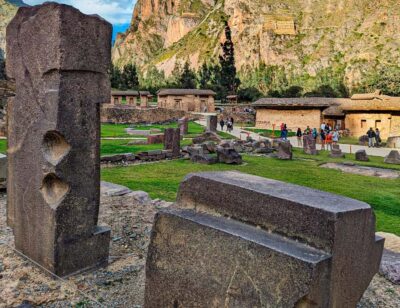 ★ 4.8Cusco:Chinchero,Moray & Salt Mines drop-off in OllantaytamboFrom $27793 reviews
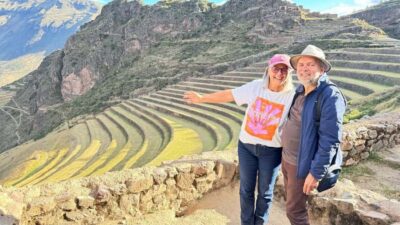 ★ 4.8Sacred Valley: Chinchero, Moray, Ollantaytambo & Pisac+LunchFrom $25501 reviews
 ★ 4.5Pisac Indian Market and Ollantaytambo Fortress with LunchFrom $84395 reviews
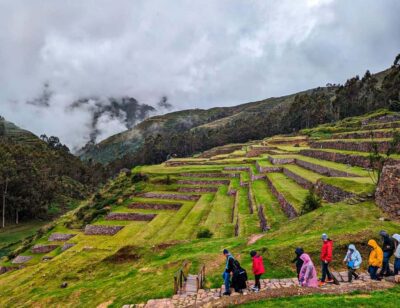 ★ 4.8Cusco:Sacred Valley Pisaq,Ollantaytambo,Chinchero with LunchFrom $28183 reviews
 ★ 4.5Full-Day Excursion to Sacred Valley, Pisac and Ollantaytambo from CuscoFrom $47174 reviews
 ★ 5.0From Cusco: Moray, Maras Salt Mines & Chinchero Weavers Half-DayFrom $15126 reviews
Also on these Peru lists