
REVIEW · RIVER RAFTING
Cusco Rafting and Zipline Adventure
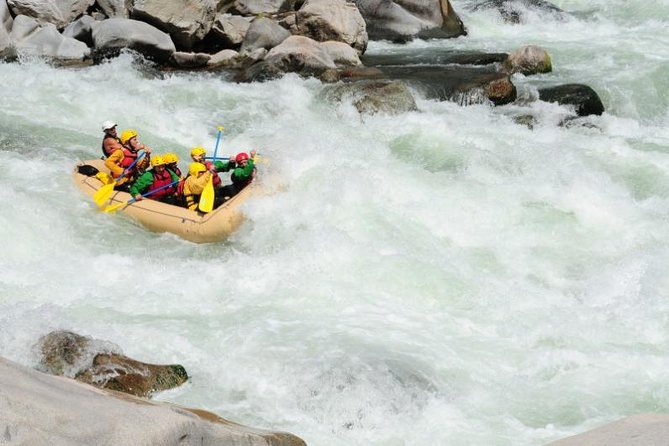
Cusco whitewater is the best kind of reset. This Cusco rafting and zipline day trip swaps city streets for Class III to IV rapids on the Vilcanota River, with a professional guide and a small group. I like two things right away: the clear safety briefings and the fact you raft with a group capped at 15. It also adds a fun zip-line stop after you’re done paddling, so the day feels like one continuous adventure instead of a drive-around tour.
One thing to consider: the zip-line is a weather follower. In rain, your schedule can change, and you may end up missing the zip-line portion. Even so, the core experience is the rafting, and you’ll still get to dry off, eat lunch, and get back to Cusco.
In This Review
- Key highlights you’ll actually care about
- Cusco Rafting and Zipline Adventure, the practical version
- From hotel pickup to Oropesa bread, how the day starts
- Getting suited up for Vilcanota rafting
- Rapids level: exciting for beginners, serious enough for adrenaline
- Safety on the water, plus safety on the zip-line
- The camp stop: dry clothes, sauna time, and lunch that hits
- Zip-line reality check: two runs, weather matters
- What to pack and wear, so your day stays fun
- Timing and group size: why 8 hours feels right
- Price and value: what $100 really buys you
- Who should book this and who should skip it
- Should you book Cusco Rafting and Zipline Adventure?
- FAQ
- How long is the Cusco rafting and zipline adventure?
- Where are you picked up, and what time does it start?
- What river do you raft on, and what rapid level is it?
- What equipment is included?
- Is lunch included, and are drinks included too?
- Is zip-lining included, and how many runs are there?
- Do I need to bring rafting shoes?
- What happens if weather is bad?
- What is the cancellation policy?
Key highlights you’ll actually care about
- Class III to IV rapids on the Vilcanota River, with coaching that suits first-timers who can follow instructions
- Maximum 15 people in the group, so you get more attention than huge commercial rafts
- Included gear and support on the water, including wetsuit, life jacket, helmet, and a safety team around you
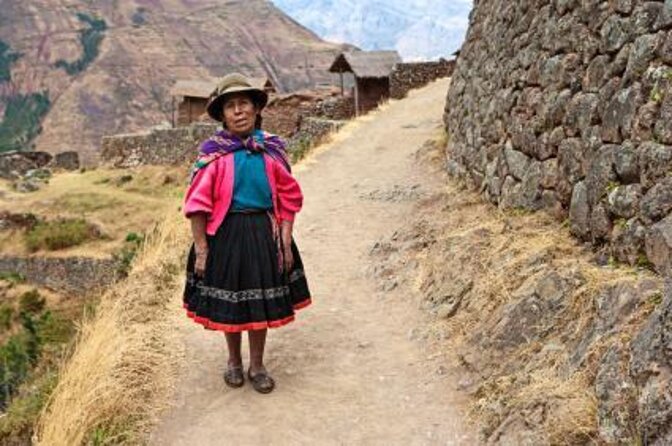
- Oropesa bread stop in the morning, a local touch before you get soaked
- Two zip-line runs as an add-on after lunch, but not the main event
- Warm-up time at the end, including a sauna and hot shower experience at the camp for many people
Rappel, via ferrata and other high-pulse options
- Cusco: Tandem Paragliding in The Sacred Valley of The Incas
★ 4.5 · 89 reviews - 4-Day Inca Jungle Adventure, Mountain Biking, Rafting and Zipline
★ 5.0 · 60 reviews - Rock Climbing full day
★ 5.0 · 47 reviews - 07 Day: Inca Jungle Adventure with Mountain Bike, Rafting, Zipline & Trek
★ 5.0 · 36 reviews
Cusco Rafting and Zipline Adventure, the practical version
If you want a full day outside Cusco that still feels efficient, this trip hits the sweet spot. You leave the city, get outfitted fast, hit the river for a few intense hours, then finish with lunch and a couple of zip-line runs. It is not a short taste. It is a real outdoor day.
What makes it worth your time is the mix of structure and spontaneity. You get picked up, driven to the river area, geared up, briefed, and coached through the rapids. Then you shift gears at camp with dry clothes and food, and the zip-line adds a jolt of adrenaline without turning the day into a marathon of activities.
Also, the price is unusually reasonable for what you get: rafting gear, a guide, a zip-line add-on, lunch, and hotel pickup are all included. For $100 per person, you are mostly paying for logistics, instruction, and safety, plus the river time that most people travel to Peru to experience.
From hotel pickup to Oropesa bread, how the day starts
Your day begins with pickup from your Cusco accommodation between 8:30 and 9:00am. The van stops at different hotels, so your exact pickup time might vary. Plan to be ready in the lobby rather than waiting around in your room.
Right after pickup, you head toward Oropesa, a small Andean town known for homemade bread. You make a stop to pick some up before you go to the rafting starting point. This is more than a random snack. It sets you up for the day because the rafting part uses up energy and the lunch comes after you hit the water.
Then you drive to the rafting area and start the gear and safety routine. This rhythm matters in Cusco. You are already acclimating to altitude, and a day that moves cleanly from transportation to gear to briefing helps you stay relaxed instead of stressed.
Getting suited up for Vilcanota rafting
Once you arrive, you get your rafting equipment: wetsuit, life jacket, and helmet. These items are included, which saves you money and, more importantly, saves you from trying to guess sizing on your own. You’ll also have an English-speaking professional guide running the day.
You should expect a safety briefing before you touch the water. That is where the guide teaches the basics: how to paddle, where to sit, how to move in the raft, and what to do if someone goes over. In practice, this is what turns a potentially scary day into a confidence-building one.
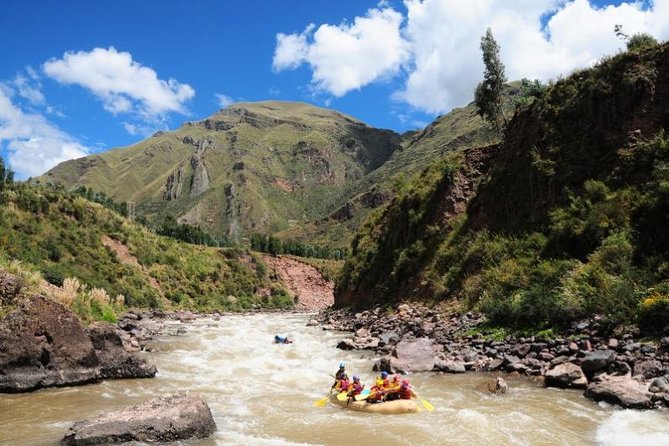
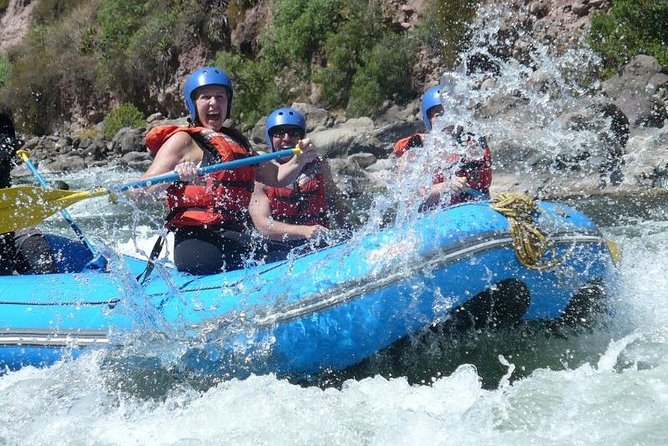
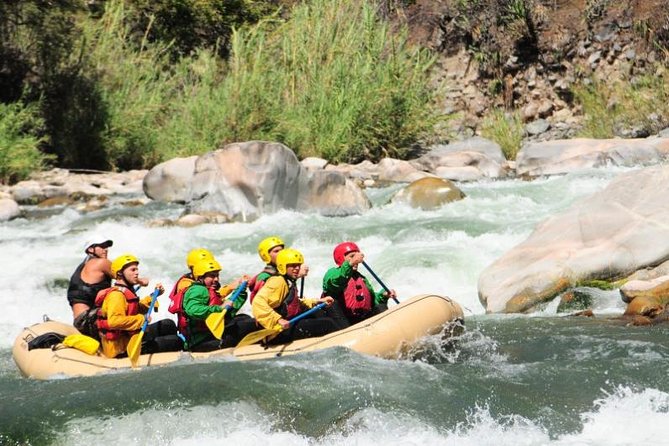
Your rafting section runs on the Vilcanota River. The tour also markets it as Urubamba rafting, so you might hear both names. Either way, the key is the rapid level: Class III, Class III+, and IV. This is not a gentle river float. It is active whitewater with real rapids and real concentration.
You will be on the water for roughly two hours, then you head to camp afterward.
Rapids level: exciting for beginners, serious enough for adrenaline
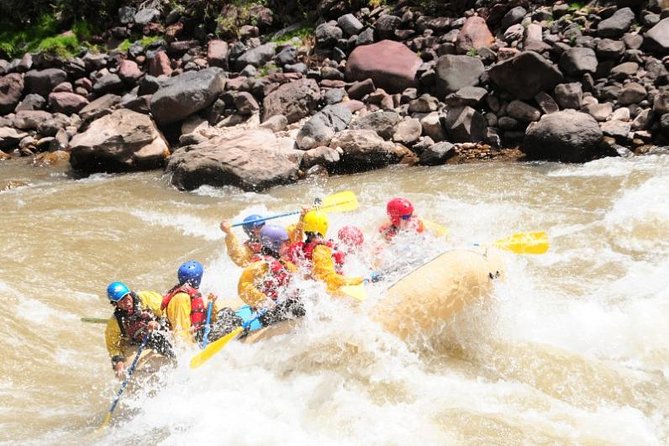
Class III to IV rapids means you will feel it. Expect fast water, clear “go” commands from the guide, and moments where you are watching the next wave like you mean it.
Here is the good news for first-timers: you are not sent out there with zero instruction. The guide’s job is to coach you through paddling and movement so the raft works as a team. People do not need advanced rafting history to have a great time, as long as they can listen and follow directions.
The other good news is the support setup. Safety coverage is not just verbal. There is a support canoe around during the rafting, and there is also a guaranteed security team as part of the operation. In real terms, that means you are not alone out there.
Also, the pace is a good match for many people because peak-season conditions tend to be less extreme. You may still get wet and challenged, but the rapids are often within a range that many ages and skill levels can handle when the group is coached well.
Other Chili River runs and rafting grades
Safety on the water, plus safety on the zip-line
The rafting portion feels controlled because you get structure first, then action. The biggest thing I look for in a whitewater tour is how they handle instruction, and this one leans hard into it. The safety talk is typically clear, and the guides are experienced in keeping people calm and focused.
You may also notice the kind of details that make a difference. For example, more recent safety improvements include secure clipping on the zip-line ladder rather than leaving it to guesswork. That small detail matters when your hands are cold and your brain is busy trying not to slip.
That said, the zip-line part is not a theme-park showpiece. Think of it as two runs at camp after lunch, not a long adrenaline circuit. If you are hoping for a complex zip-line course, you might feel slightly underwhelmed. If you want a fun add-on after rafting, it does the job.
The camp stop: dry clothes, sauna time, and lunch that hits
After rafting, you reach camp where you can change into dry clothes. This matters because being wet in the Andes can make you feel colder than you expect. The camp setup also gives you a transition from “focus on paddling” mode to “recover and refuel” mode.
Lunch is included. It is typically a hot meal, and people report options like chicken, potatoes, salad, and hot drinks. There are also vegetarian lunch arrangements for those who need them. Drinks at lunch are not included, so plan for water or juice to be an extra cost if you want it.
One of the best bonuses at the end is warm-up time. Many people highlight a sauna at camp, plus warm showers. If you take care of yourself and dry off properly, this part can turn a cold, soaked day into a surprisingly comfortable finish.
Practical note: bring a plan for your belongings. You will likely be swapping from wet rafting gear to dry clothing, so have your bag easy to access.
Zip-line reality check: two runs, weather matters
Your zip-line experience happens at the camp after lunch. It is two runs. Some people love the quick thrill because it feels like the day’s reward for surviving the rapids. Others treat it as an extra you are glad to have but do not overhype.
If the weather is poor, your zip-line might not happen. Rain is the main culprit mentioned in real-life experiences. So if you are traveling in a wetter window, keep expectations flexible.
If you do go, expect it to be straightforward. The ladder and setup might feel a little intimidating to first-timers, especially if you have never climbed a ladder in outdoor gear. The best approach is simple: ask for help, go one step at a time, and let the safety routine do its job.
What to pack and wear, so your day stays fun
This is one of those days where packing wrong makes the whole experience worse. You do get wetsuit and rafting safety gear, but your personal comfort depends on what you wear underneath and what you bring to recover.
Here is the most helpful approach based on what works for real outings:
- Wear a swimsuit under your rafting gear.
- Bring a towel and plan on dry clothes for after you raft.
- Bring flip-flops or sandals for camp time and walking around when you get out.
- Bring an extra set of clothing for the end of the day. Many people wish they had.
- Rafting shoes are not included, so you might want water-friendly footwear or shoes you are willing to get slick and wet.
Also, consider how you will carry snacks or small items. The day is active, and you do not want to be rummaging around while you are trying to stay focused.
Timing and group size: why 8 hours feels right
The tour runs about 8 hours. That includes pickup, driving, rafting time, camp time, zip-line, and the return to Cusco.
You are not crammed into a tiny window. Two hours on the water plus meal and changing time gives your body a chance to switch from exertion to recovery. It also gives your guide time to manage the group.
The group size is capped at 15. That matters more than it sounds. In rafting, you want enough people to make it social, but not so many that instruction becomes rushed. A smaller group tends to feel more personal, and you get clearer coaching.
Price and value: what $100 really buys you
At $100 per person, you are buying more than entertainment. You are buying:
- hotel pickup
- rafting equipment, wetsuit, life jacket, and helmet
- a professional guide
- lunch
- zip-line runs
- safety coverage
The real value is that you are not trying to piece together gear rentals, transport, and instruction yourself. In Cusco, where tours are a constant machine, this is a practical deal.
One reason it feels like good value is that the rafting experience is the star. The zip-line is an add-on, but you still get two runs. So you pay for a full outdoor day, not a token activity.
Who should book this and who should skip it
This works best for people with moderate physical fitness who are comfortable following instructions. You do not need to be an athlete, but you should be ready to paddle, react to commands, and handle cold, wet conditions.
It also fits solo travelers and couples because the group size is small and the guide keeps you engaged. Families can do it too, as long as kids can listen and stay with the routine. In at least one family group, ages stretched from childhood to older adults, and coaching kept everyone in sync.
Who should rethink it? If you are very sensitive to cold, do not handle wet conditions well, or you strongly dislike ladder setups, the zip-line part could feel stressful. Also, if you are traveling during a rainy period and you mainly came for the zip-line, be flexible, because weather can change the schedule.
Should you book Cusco Rafting and Zipline Adventure?
Yes, if you want a real active day outside Cusco with professional coaching, included equipment, and a safety-first mindset. This is a solid pick when you want value, not just a checkbox activity.
Book it if you are excited by the idea of Class III to IV rapids and you can listen to directions even if you are nervous at first. Guides like Juan Carlos and Davide have been highlighted for putting people at ease with clear explanations, and that confidence boost is half the battle on whitewater days.
Skip or adjust expectations if zip-line is your main goal. The zip-line is fun, but it is two runs at camp and it can be affected by rain. In other words, treat rafting as the main act, and let the zip-line be the bonus.
If you show up with the right clothing plan, you will leave with sore arms, a huge smile, and that rare feeling of a day that was busy but not chaotic.
FAQ
How long is the Cusco rafting and zipline adventure?
The activity runs for about 8 hours.
Where are you picked up, and what time does it start?
You’re picked up from your Cusco accommodation between 8:30 and 9:00am. The van may vary by hotel, so you should be ready in the lobby.
What river do you raft on, and what rapid level is it?
You raft on the Vilcanota River, with rapids described as Class III, III+, and IV.
What equipment is included?
The tour includes rafting equipment plus a wetsuit, life jacket, and helmet.
Is lunch included, and are drinks included too?
Lunch is included. Drinks at lunch are not included.
Is zip-lining included, and how many runs are there?
Yes, zip-lining is included as an add-on after rafting, with two zip-line runs.
Do I need to bring rafting shoes?
Rafting shoes are not included, so you may want to bring or plan your own footwear for the river portion.
What happens if weather is bad?
This experience requires good weather. If it is canceled due to poor weather, you’ll be offered a different date or a full refund.
What is the cancellation policy?
You can cancel up to 24 hours in advance for a full refund. If you cancel less than 24 hours before the start time, the amount paid is not refunded.
More Tour Reviews in Cusco
- Cusco: Humantay Lake Tour with Breakfast and Buffet Lunch
★ 4.9 · 2,976 reviews - From Cusco: Moray, Maras Salt Mines & Chinchero Weavers Tour
★ 4.8 · 1,925 reviews - From Cusco: Full-Day Group Tour of Machu Picchu
★ 4.7 · 1,767 reviews - Machu Picchu Day Trip from Cusco
★ 4.5 · 1,644 reviews - Cusco: Half-Day City Tour with Sacsayhuaman and Q’enco
★ 4.6 · 1,129 reviews
Rivers to Run
- Rafting & Zip line Urubamba River 1 Day
★ 5.0 · 75 reviews - 4-Day Inca Jungle Adventure, Mountain Biking, Rafting and Zipline
★ 5.0 · 60 reviews - 07 Day: Inca Jungle Adventure with Mountain Bike, Rafting, Zipline & Trek
★ 5.0 · 36 reviews
Higher-Pulse Days in Cusco
- Cusco: Tandem Paragliding in The Sacred Valley of The Incas
★ 4.5 · 89 reviews - 4-Day Inca Jungle Adventure, Mountain Biking, Rafting and Zipline
★ 5.0 · 60 reviews - Rock Climbing full day
★ 5.0 · 47 reviews - 07 Day: Inca Jungle Adventure with Mountain Bike, Rafting, Zipline & Trek
★ 5.0 · 36 reviews - Qampa Climbing 2 Days in Ausangate
★ 5.0 · 27 reviews
Freshly reviewed across Cusco
- Excursion Cusco – Puno – Titicaca Observatory Train★ 5.0 · 3 reviews
- Sacred Valley Vip Cusco★ 4.7 · 3 reviews
- Cusco | Humantay Lake 1-Day Tour with Breakfast and Lunch★ 5.0 · 3 reviews
- Full-Day Condor Viewpoint & Inca Sites Tour★ 5.0 · 3 reviews
- Best of Cusco: Private Walking Tour with a Local★ 3.6 · 3 reviews
- From Cusco: Full-Day Private Sacred Valley Tour★ 5.0 · 3 reviews
River Rafting Trips side by side.
 ★ 4.8Arequipa: Chili River White Water Rafting with Hotel PickupFrom $20329 reviews
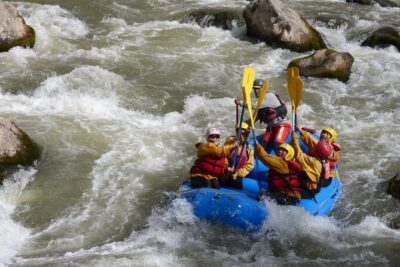 ★ 5.0Rafting & Zip line Urubamba River 1 DayFrom $7975 reviews
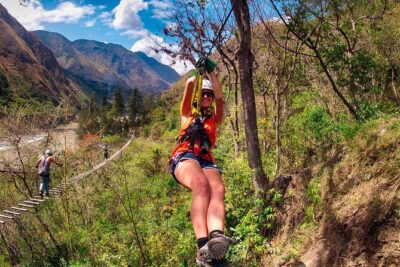 ★ 5.04-Day Inca Jungle Adventure, Mountain Biking, Rafting and ZiplineFrom $37860 reviews
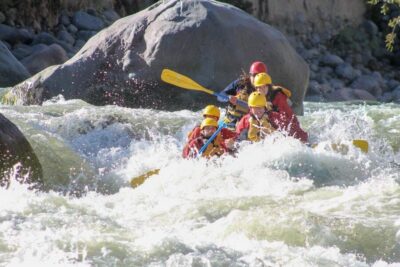 ★ 4.8Arequipa: Chili River RaftingFrom $3460 reviews
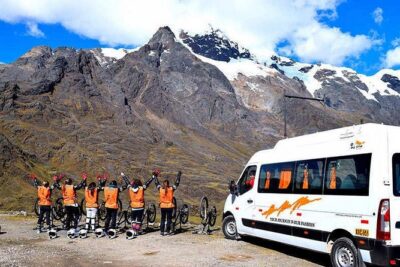 ★ 5.007 Day: Inca Jungle Adventure with Mountain Bike, Rafting, Zipline & TrekFrom $1,12936 reviews
 ★ 4.9Arequipa: Rio Chili Rafting Tour with SnackFrom $1834 reviews
 ★ 4.9Cusco: River Rafting Adventure Full Day | Adrenaline TourFrom $8523 reviews
 ★ 5.0Arequipa: Rafting on the Chili River | Full adrenaline |From $2910 reviews
Also on these Peru lists