
REVIEW · AUSANGATE AND ANDEAN LAKES
Qampa Climbing 2 Days in Ausangate
Two days, one glacier, big skies. That is the appeal of the Qampa (Nevado Qampa) 2-day climb from Cusco, an accessible high-mountain outing where the views can stretch toward Salkantay. Even though you are going up to the 5,500 m range, the whole trip is built around guidance, pacing, and set-up that makes the logistics feel under control.
Two things I really like: first, the route is designed so you can start without mountaineering experience, even though you will do a glacier hike and, depending on season, possibly a small rock-climbing pass. Second, the organization is built for your comfort once you reach camp, with tents already set and meals handled without you chasing pots and snacks.
One consideration: you still wake up absurdly early on Day 2, and you are dealing with altitude (base camp around 4,680 m, summit around 5,520 to 5,560 m). Also, water is not listed as included, so plan for that reality before you go.
In This Review
- Key highlights I’d bank on
- Qampa and Ausangate: the kind of summit trip Cusco does well
- Cusco to Pacchanta: the “early means worth it” rhythm
- Day 1 to Azulccocha and base camp: good altitude training, pretty payoff
- Day 2 glacier climb to Qampa summit: where gear and pacing matter
- Pacchanta return and hot springs: the best kind of tired
- Price and what you actually get for $380
- Who this climb is for, and who should think twice
- Gear, clothing, and the water question you should not ignore
- Small-group energy: guides, chefs, and the “it runs” feeling
- Weather on the mountains: expect variety, plan for it
- Should you book the Qampa Climbing 2 Days in Ausangate?
- FAQ
- How long is the Qampa climbing tour?
- Where does the tour start and end?
- Is pickup offered from my hotel?
- What is included in the price?
- What is not included?
- Do I need mountaineering experience?
- What altitude will I reach?
- How big is the group?
Key highlights I’d bank on
- Beginner-friendly climb for the Cusco region, with guides providing gear and instructions for the glacier portion
- Small group size, up to 6 travelers, which makes it easier to move at your pace
- Camp life is handled for you, with tents and sleeping bags set up at base camp
- Food is a core part of the experience, with breakfast, dinner, and lunch included over the two days
- A hot-spring option on Day 2, so you get a real-world reward before the return bus
- Summit views can reach toward Salkantay on clear days, over 200 km away to the northwest
Ausangate lagoons, other trekking days
- Excursion to Ausangate & 7 lakes with Coca Ceremony |Private|
★ 5.0 · 80 reviews - Ausangate Trek 5 Days
★ 5.0 · 74 reviews - Laguna Humantay Full Day Trail
★ 5.0 · 57 reviews - Full-Day Tour to Ausangate 7 Lakes
★ 5.0 · 56 reviews
Qampa and Ausangate: the kind of summit trip Cusco does well
Qampa is one of those mountains that feels like a rite of passage in the Ausangate area, yet it is often marketed as the easiest and most popular option around Cusco. The high point is the panorama. From the top around 5,520 m, you can get mountain views that reach toward Salkantay, reported as more than 200 km to the northwest when conditions allow.
This is not a long trek where you spend days wandering. It is a focused two-day push, with enough variety to feel like an adventure: village-to-trek day, then a glacier climb day, then a powered-down return with a soak waiting if you want it. For me, that makes it a great choice if you want a real high-altitude experience without burning a full week.
And because this is a small-group climb, you generally feel like you are climbing with a team, not sitting in a crowd. That matters on steep, cold terrain where you want clear instructions and fewer distractions.
Cusco to Pacchanta: the “early means worth it” rhythm
The tour starts in Cusco around 6:00 a.m. with pickup offered from your hotel area. You drive toward Tinki first, a small town on the Inter Oceanica highway, and you get a short break of about 30 minutes. It is a practical window to grab a snack, eat breakfast if you need to, or pick up any last-minute essentials you forgot.
Then you continue on to Pacchanta village at around 4,060 m. This is where the trek truly begins. Arriving by late afternoon for many tours is common in the Andes, but here the schedule aims to move you into the walking portion while daylight is still working for you. The payoff is that your first camp day feels earned, not rushed.
One timing detail you should respect: Day 2 starts at 2:30 a.m. That is not a typo. Your body will still be half-asleep, so you will want to be ready with layers, headlamp, and the mental setup for a cold start.
Day 1 to Azulccocha and base camp: good altitude training, pretty payoff
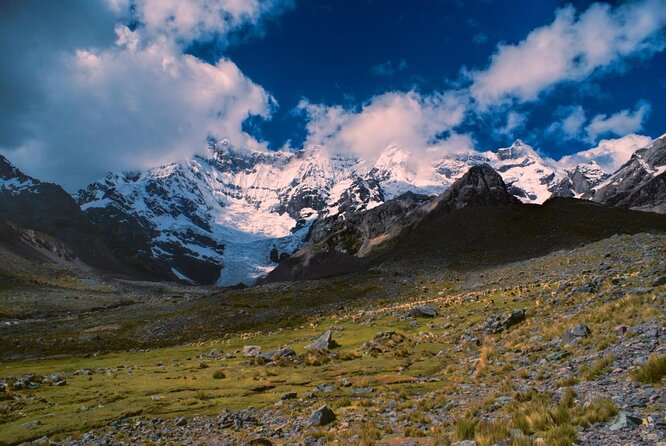
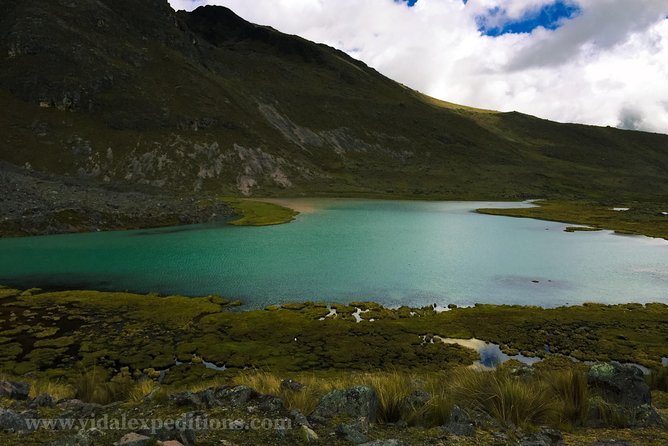
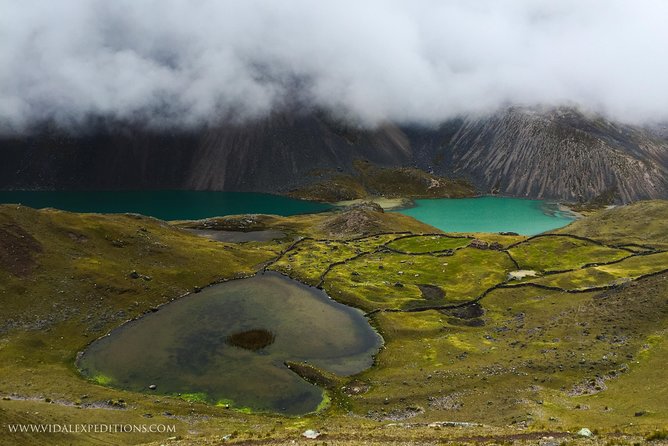
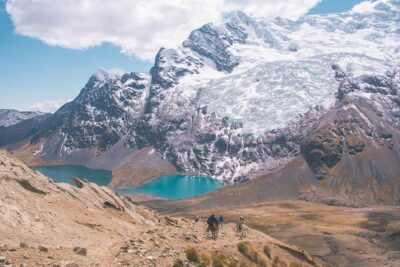
Day 1 is all about getting above the valley and into the rhythm. After Pacchanta, you hike about 2 hours to Azulccocha for lunch, with panoramic views of snowcapped mountains all around. This is your first “wow” moment, and it also serves a purpose: you gain altitude steadily but you are still close enough to camp logistics to keep the day comfortable.
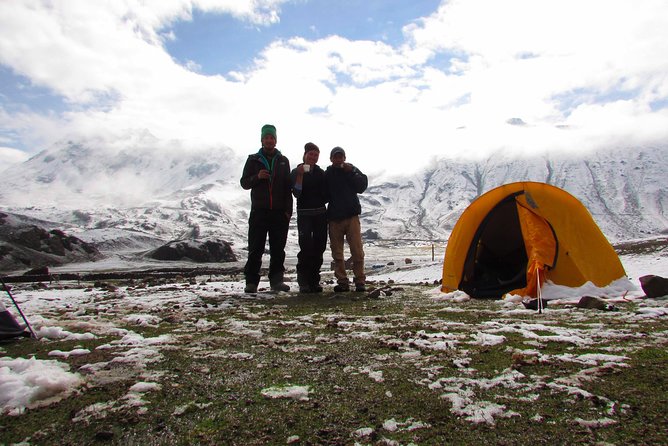
Then you continue hiking to base camp at about 4,680 m, where your tents are already set up. This is one of the smartest parts of the plan. When camp is ready for you, you can put your energy into adjusting to altitude, not wrestling sleeping bags in the wind.
Dinner follows, and the night is built around recovery. In practice, that means you want to treat Day 1 like your prep day: hydrate, eat, and try to sleep. At this elevation, sleep can be light. That is normal. Focus on rest anyway.
A small note on food and morning timing: the trip includes breakfast in the package, but one account you might run into is that the first breakfast, right around departure time, may be on you. The safe move is to bring a small breakfast plan for the morning, just in case.
Day 2 glacier climb to Qampa summit: where gear and pacing matter
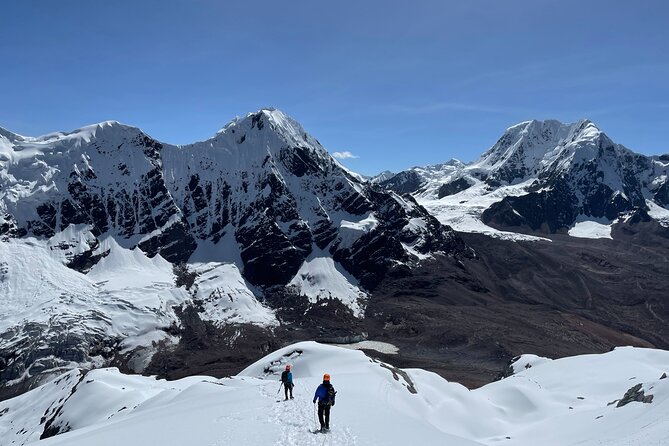
Day 2 is the main event. You wake up at 2:30 a.m., have a strong breakfast, and start trekking toward the moraine, then up to reach the glacier. This is the point where the operator’s high-mountain support becomes crucial.
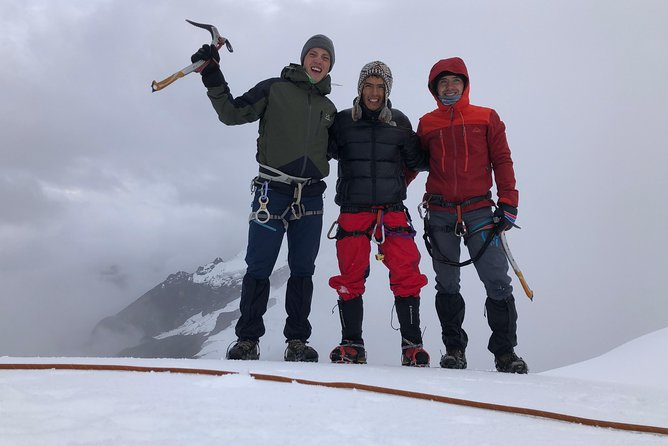
As you transition into the climbing area, you get gear and instructions from a high mountain guide. The schedule suggests you will be climbing for around 2 hours to reach the summit area at roughly 5,520 m. Reviews and trip notes also mention the route includes steps, so expect uneven, cold, and at times slippery ground. Even if you have never climbed before, the idea is that you do not have to figure out technique alone. You follow the guide and keep moving safely.
When you reach the summit, the effort pays back with breathtaking views in every direction. This is also where the earlier “easy” positioning makes sense. The climb is challenging at 5,500+ m, but the structure is designed so inexperienced climbers can succeed with the right supervision, especially in a two-day format.
After the summit, you descend back to base camp for lunch. Descending is not just a victory lap. It is still demanding, and it usually feels longer than the ascent because you are watching your footing more carefully.
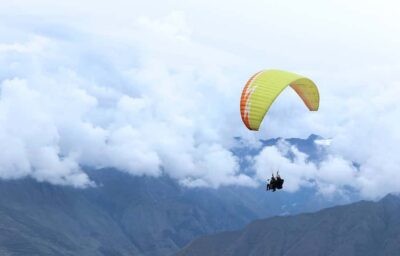
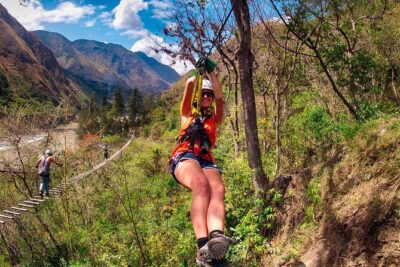
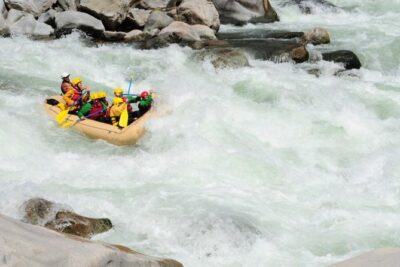
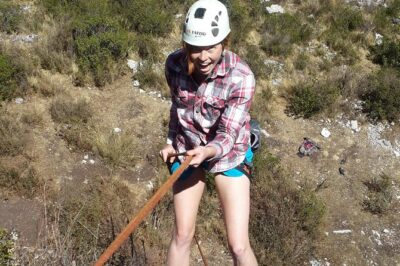
Rappel, via ferrata and other high-pulse options
Pacchanta return and hot springs: the best kind of tired
Once you are back at Pacchanta, you can choose to soak in a hot spring with a view of Ausangate Mountain. This is one of those rare add-ons that feels genuinely linked to the day you just did, because your body is already screaming for warmth.
Then the afternoon return happens by bus to Cusco. That gives you a clean end to the experience, instead of another night of logistics. If you have time the same day in Cusco, I would plan something simple: shower, warm clothes, and an early dinner.
Price and what you actually get for $380
At $380 per person for about 2 days, the value comes from the stuff you normally struggle to manage yourself in high-altitude areas: tents set up in advance, meals through the trip, and guided glacier climbing support.
Also, this is not a huge money-saver style tour. The pricing reflects that you are paying for a small-team operation in a remote region. The operator keeps group size limited to a maximum of 6 travelers, which helps safety and pacing.
One practical value point: extra gear can be carried by horses, at least based on accounts from past climbers. That means you can over-prepare a bit without turning your pack into a brick.
What is not included is water and tips. And that is worth planning for, because high altitude increases how quickly you feel dehydrated. Even if the company provides plenty of food and keeps things organized, you should bring the expectation that you may need to buy or carry water yourself.
Who this climb is for, and who should think twice
This works best if you want a first taste of mountaineering in the Andes and you can handle altitude and early mornings. It is described as doable without mountaineering experience, as long as you can manage a moderate fitness level and follow guide instructions.
You should think twice if you:
- struggle with very early starts or you know you are sensitive to cold and low sleep
- have never handled altitude before and do not have a buffer in your schedule
- are not comfortable climbing on uneven, potentially icy terrain at high elevation
The good news is the trip is short and structured. You are not stranded for days. You go in with support, you climb, you return.
Gear, clothing, and the water question you should not ignore
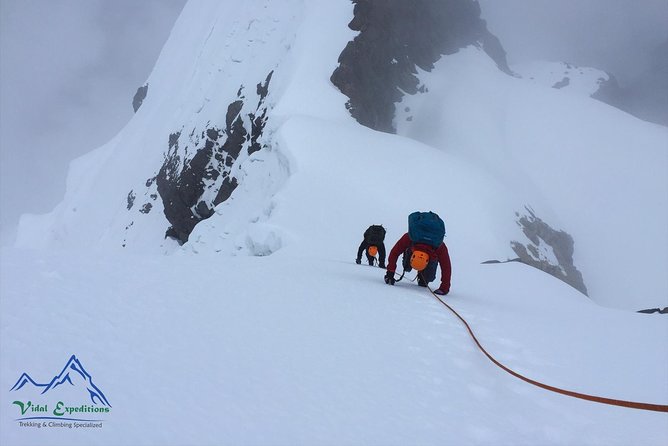
This is a high-altitude glacier day, so layers matter. The itinerary notes that you receive gear and instructions for the glacier portion, but it does not list the full gear kit in detail. In your planning, assume you will bring your own base layers, warm mid layer, and a wind-resistant outer layer.
For your comfort, I would treat this like cold weather plus altitude:
- warm hat and gloves that you can tolerate for hours
- insulating layer for the summit wait and summit break
- headlamp, since Day 2 starts at 2:30 a.m.
- sunglasses, because the glare at altitude can be intense
About water: it is explicitly not included. Yet accounts mention no shortage of water during the experience. So here is the best way to plan without guessing: assume you will need to purchase or carry water at some point, and do not plan on getting every drop automatically without thinking.
Small-group energy: guides, chefs, and the “it runs” feeling
Part of why this tour gets strong marks is that it feels staffed. With up to 6 travelers, you may see a crew that includes a guide, a chef, and horse drivers (and sometimes an assistant). That translates into an experience where tents show up ready, meals happen on time, and you are not stuck improvising while everyone else is walking.
You also see a pattern in guide names across accounts, including Flavio, Chino, Angel, Sergio, Hector, Vinerson, Raul, Julian, and Carlos. The point for you is not the names. The point is how consistently the guides are described as making inexperienced climbers feel safe and comfortable, with clear route guidance and attention on the climb.
A nice bonus that pops up in accounts is a sense of celebration after summit day, including a cake mentioned by one climber. That is not the reason to book, but it does underline that the day is treated as an achievement, not just a checklist item.
Weather on the mountains: expect variety, plan for it
High mountains around Ausangate can swing through conditions fast. The trip notes include accounts of almost every weather type imaginable. That is common up here, and it is why your layering strategy is not optional.
Even if the summit day is clear, you can still hit cold wind on the glacier. Bring a plan to stay warm while you move slowly and when you stop.
If you get good weather, you will feel it most on the summit. That is when the panorama becomes the memory you keep replaying.
Should you book the Qampa Climbing 2 Days in Ausangate?
If you want a short, guided introduction to high-altitude glacier walking, this is a strong option. The biggest reasons to book are the focus, the small group size, and the practical camp set-up that lets you concentrate on the climb.
I would book it if:
- you can handle a 2:30 a.m. start
- you are okay with serious altitude and cold conditions
- you want a guided path to a real summit around 5,520 m
I would skip it if you are not comfortable with early mornings, you hate cold nights in camp, or you are unsure about altitude readiness and timing. In that case, you might be happier with a different style of acclimatization hike before committing to glacier terrain.
One more easy win: cancellation is free up to 24 hours in advance for a full refund, which gives you flexibility if your plans or health need adjusting.
If your goal is Nevado Qampa, not a long trek, this tour fits the bill. It is tough in the right places, organized behind the scenes, and the payoff hits hard when you step onto the high point.
FAQ
How long is the Qampa climbing tour?
The tour runs for about 2 days.
Where does the tour start and end?
It starts in Cusco, Peru, and ends back at the meeting point in Cusco.
Is pickup offered from my hotel?
Yes, pickup is offered.
What is included in the price?
Dinner, breakfast, and lunch (2 meals) are included.
What is not included?
Water and tips are not included.
Do I need mountaineering experience?
The mountain is described as climbable without mountaineering experience, but it does involve a glacier hike and sometimes a small rock climbing pass depending on the season.
What altitude will I reach?
You start around Pacchanta village at about 4,060 m, reach base camp around 4,680 m, and climb to Qampa summit around 5,520 m (some accounts mention around 5,560 m).
How big is the group?
The tour has a maximum of 6 travelers.
More Tour Reviews in Cusco
- Cusco: Humantay Lake Tour with Breakfast and Buffet Lunch
★ 4.9 · 2,976 reviews - From Cusco: Moray, Maras Salt Mines & Chinchero Weavers Tour
★ 4.8 · 1,925 reviews - From Cusco: Full-Day Group Tour of Machu Picchu
★ 4.7 · 1,767 reviews - Machu Picchu Day Trip from Cusco
★ 4.5 · 1,644 reviews - Cusco: Half-Day City Tour with Sacsayhuaman and Q’enco
★ 4.6 · 1,129 reviews
Higher-Pulse Days in Cusco
- Cusco: Tandem Paragliding in The Sacred Valley of The Incas
★ 4.5 · 89 reviews - 4-Day Inca Jungle Adventure, Mountain Biking, Rafting and Zipline
★ 5.0 · 60 reviews - Cusco Rafting and Zipline Adventure
★ 4.5 · 47 reviews - Rock Climbing full day
★ 5.0 · 47 reviews - 07 Day: Inca Jungle Adventure with Mountain Bike, Rafting, Zipline & Trek
★ 5.0 · 36 reviews
Lagoons Below Ausangate
- From Cusco: 7 Lakes Ausangate Trek with Breakfast and Lunch
★ 4.8 · 360 reviews - Excursion to Ausangate & 7 lakes with Coca Ceremony |Private|
★ 5.0 · 80 reviews - Ausangate Trek 5 Days
★ 5.0 · 74 reviews - Laguna Humantay Full Day Trail
★ 5.0 · 57 reviews - Full-Day Tour to Ausangate 7 Lakes
★ 5.0 · 56 reviews
Freshly reviewed across Cusco
- Excursion Cusco – Puno – Titicaca Observatory Train★ 5.0 · 3 reviews
- Sacred Valley Vip Cusco★ 4.7 · 3 reviews
- Cusco | Humantay Lake 1-Day Tour with Breakfast and Lunch★ 5.0 · 3 reviews
- Full-Day Condor Viewpoint & Inca Sites Tour★ 5.0 · 3 reviews
- Best of Cusco: Private Walking Tour with a Local★ 3.6 · 3 reviews
- From Cusco: Full-Day Private Sacred Valley Tour★ 5.0 · 3 reviews
Ausangate and Andean Lakes side by side.
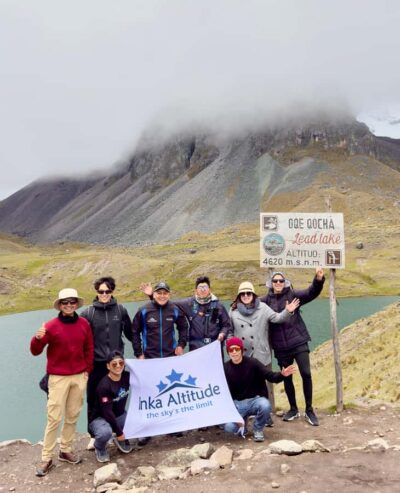 ★ 4.8From Cusco: 7 Lakes Ausangate Trek with Breakfast and LunchFrom $29360 reviews
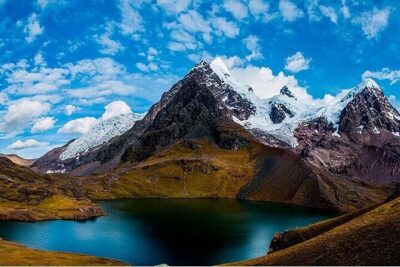 ★ 5.0Excursion to Ausangate & 7 lakes with Coca Ceremony |Private|From $10880 reviews
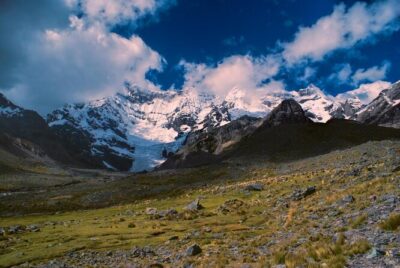 ★ 5.0Ausangate Trek 5 DaysFrom $66074 reviews
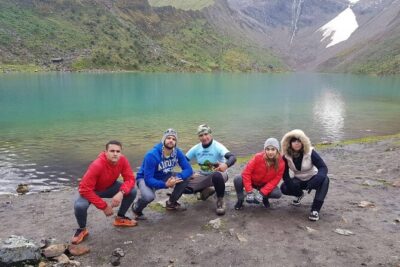 ★ 5.0Laguna Humantay Full Day TrailFrom $12157 reviews
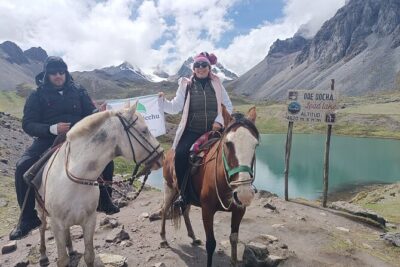 ★ 5.0Full-Day Tour to Ausangate 7 LakesFrom $6956 reviews
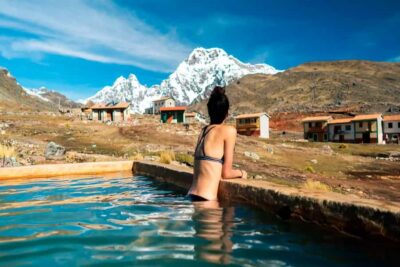 ★ 4.5From Cusco: Ausangate 7 Lakes Tour with MealsFrom $3747 reviews
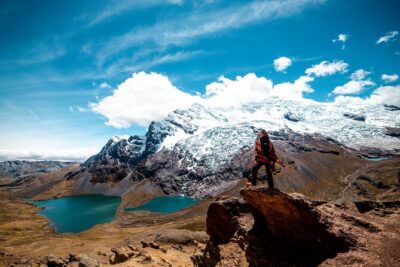 ★ 5.0Ausangate and Rainbow Mountain Trek – 3 Days / 2 NightsFrom $53535 reviews
 ★ 5.06 day Rainbow Mountain x Ausangate Trek – FlashpackerConnectFrom $1,05030 reviews
Also on these Peru lists