
REVIEW · ALTERNATIVE TREKS TO MACHU PICCHU
4-Day Inca Jungle Adventure, Mountain Biking, Rafting and Zipline
Rainforest to Machu Picchu in four days. This Cusco-area Inca Jungle Adventure strings together a big variety of active stops, from a high-altitude bike descent to a Machu Picchu day with a guided walk through the main sectors.
I love the small-group limit of 15, because you’re not lost in the shuffle, and I love how the route shifts climates so quickly, from Andes chill to tropical humidity. Biggest drawback: you need strong fitness, and the lodging is hostal style, so comfort can be basic.
In This Review
- Key highlights at a glance
- A fast, active way to experience the Inca Jungle near Cusco
- Price and value: what $378 covers, and what you must budget for
- Day 1: Cusco pickup, Abra Malaga biking, and the Amazon drop to Santa Maria
- The Huamanmarka stop: a smart break from adrenaline
- Day 2: the Waka Yupana hike through cocoa and coffee, then zipline in Santa Teresa
- Day 3: Lucmabamba coffee fields, Llactapata views, and the walk into Aguas Calientes
- Day 4: the Puente Ruinas walk, main gate stairs, and a guided Machu Picchu visit
- Hostal reality check: meals included, comfort varies night to night
- What to pack for bikes, zipline, rafting, and Machu Picchu stairs
- Pace, group size, and why fitness is the real deciding factor
- Who should book this Inca Jungle Adventure, and who should not
- Should you book it?
- FAQ
- How many people are in the group?
- What time do you get picked up in Cusco on Day 1?
- What’s included in the tour price?
- Is Machu Picchu admission included?
- Is Huayna Picchu included?
- Do you include the bus between Aguas Calientes and Machu Picchu?
- Can I cancel for a full refund?
Key highlights at a glance
- Begin at high altitude, bike the Abra Malaga descent (4,316 masl), with gear provided and views that keep you focused
- A real jungle-style hike to Waka Yupana through coca, coffee, cassava, and tropical fruit fields
- Zipline over the river canyon area (about 2 hours), plus an optional thermal-bath soak after
- Coffee farm + rainforest walking day that keeps Machu Picchu in your line of sight along the way
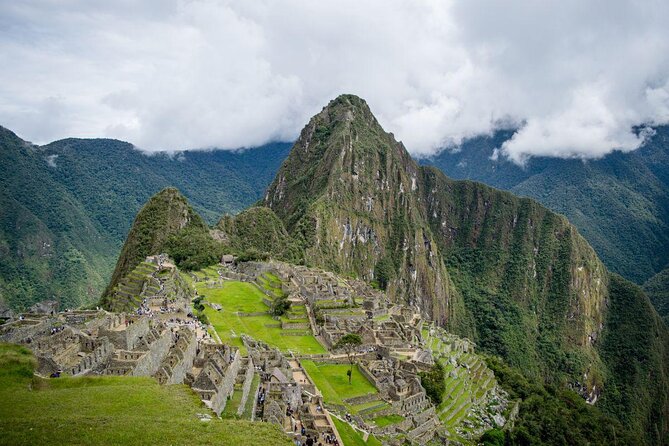
- Machu Picchu entry via a steep walk to the main gate, followed by a focused guided visit
- 3 hostal nights with meals included so you’re not budgeting every lunch and dinner
Lares, Choquequirao and quieter approaches
- Choquequirao Trek 4 days and 3 nights
★ 5.0 · 81 reviews - Ancascocha Trek To Machu Picchu 4 Days And 3 Nights
★ 5.0 · 77 reviews - 4-Day Inca Jungle Adventure, Mountain Biking, Rafting and Zipline
★ 5.0 · 60 reviews - Classic Choquequirao Trek – 5 Days / 4 Nights
★ 5.0 · 52 reviews
A fast, active way to experience the Inca Jungle near Cusco
This is not the quiet, sit-on-a-bus kind of trip. It’s a good choice if you want Cusco’s big sights plus real physical days, without committing to a long trek like you might hear about elsewhere. The payoff is variety: mountain biking, rafting, zipline, and multi-hour hikes, all tied together with transfers and included meals.
The route is also smart for how it changes your environment. You start in the high Andes, then you drop into fruit fields and river valleys where the weather feels totally different. That shift matters. You’ll feel it in your clothing, your energy, and even how your body handles the later stairs and early-morning wakeups.
Price-wise, $378 per person can feel steep until you line up what’s included. Between guides, gear support, transport, 3 hostal nights, and multiple meals, it’s more than just “a tour with tickets.” The catch is that Machu Picchu entrance and some transport cost extra, so you’ll want to plan your final budget before you fall in love with the idea.
Price and value: what $378 covers, and what you must budget for
Here’s the value math I’d use to decide. This trip includes hotel pickup in Cusco, transport from Cusco toward Abra Malaga, the biking experience, zipline, and the river rafting experience. You also get train tickets from Aguas Calientes to Ollantaytambo and transport from Ollantaytambo back to Cusco. On top of that, meals are largely handled: breakfasts, lunches, and dinners across the three nights.
So where does the money go? Mostly into the heavy lifting: guides, timing, transport, and the biggest logistics headaches. That’s why this sort of packaged adventure can be worth it, even when the add-ons for Machu Picchu tickets make you squint.
What you should budget beyond the base price:
- Bus to Machu Picchu (around trip) is listed at $24 per person
- Machu Picchu entrance is not included, and the circuit you get depends on availability (Circuit 1 or 2)
- Huayna Picchu entrance is not included, listed at $79 per person if purchased through the company
If you price this like a DIY plan, you’ll often discover how expensive it is to line up transport, guided activities, and meal coverage for four days. If your top priority is comfort, this might not be the best fit. If your priority is an efficient mix of adventure plus Machu Picchu, the value starts making sense quickly.
Day 1: Cusco pickup, Abra Malaga biking, and the Amazon drop to Santa Maria
Your day starts early, with hotel pickup in Cusco between 6:00 and 7:00 a.m. Then you head toward the Sacred Valley area. You stop in Ollantaytambo after about an hour, where you can grab breakfast on your own and make any last purchases. After that, it’s continued driving toward Abra Málaga (4,316 masl).
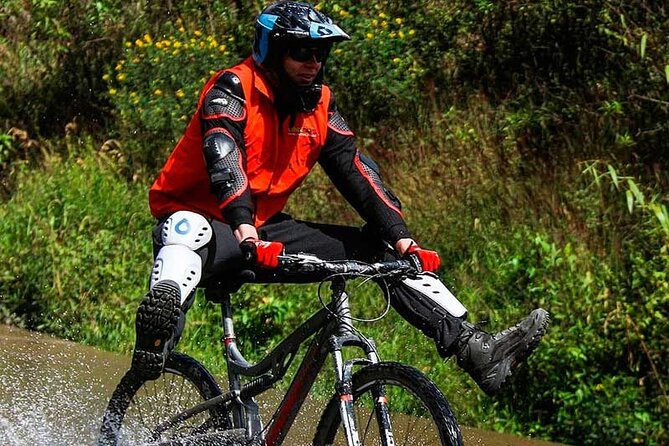
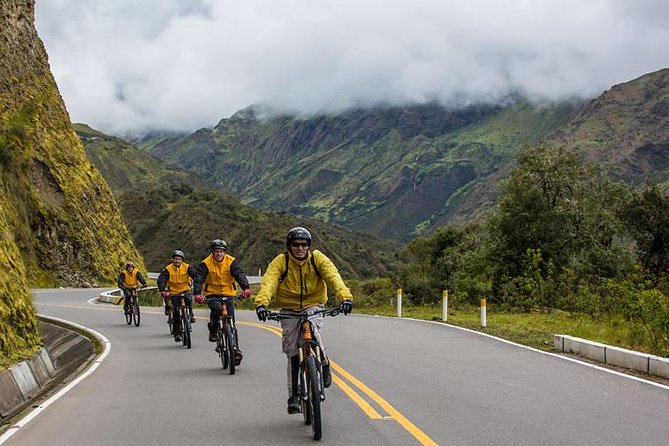
The bike part is the centerpiece, and it’s exactly where this tour earns its name. At Abra Málaga, you begin a descent by bicycle. The guide provides the equipment for this activity, and the pacing is geared for a group setting, not a stunt show. Plan for a descent that feels fast once you’re rolling, but also plan to focus, because speed plus mountain terrain deserves attention.
About 2.5 hours into the bike portion, you stop at the archaeological center of Huamanmarka. This matters because it breaks up the physical time with context. Even if you’re tired, you’ll be glad someone is explaining what you’re seeing rather than just pointing at stones.
Then comes the climate shift. You move toward Santa María, and the day’s storyline turns from Andes chill into something warmer and more tropical. That transition is more than scenery. It changes how you’ll feel on your skin, and it affects how long you’ll want to stay outside after the activities.
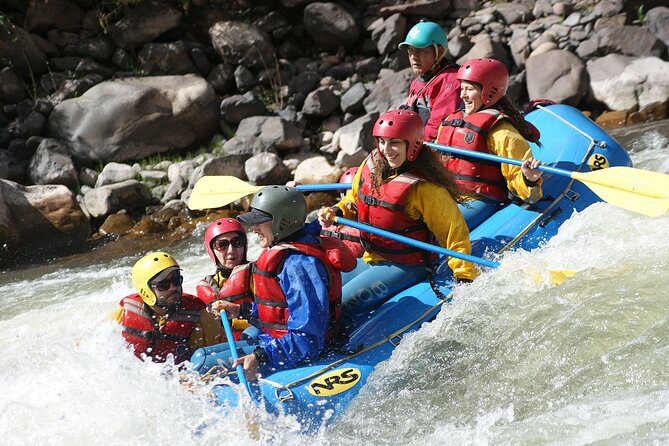
Overnight is in Santa María, and this is also the day where the program includes river rafting. The exact timing of rafting isn’t spelled out in the schedule details you provided, but it is listed as part of Day 1, so you should plan your day with the expectation that your body will get wet and then need to warm up afterward.
The Huamanmarka stop: a smart break from adrenaline
Even if biking is your main adrenaline hit, I like that Huamanmarka is built in as a structured stop. It gives your group a break at a moment when you might otherwise just count minutes.
Archaeological stops like this can go two ways. If the guide is engaging, you start noticing patterns. If the guide is rushed, you see rocks and nothing more. You’ll get the explanation here, and it’s one of the reasons this adventure feels tied to the region instead of just being “outdoor activities with Inca references.”
Practical tip: wear layers you can manage quickly. You’ll likely go from cooler driving temps to warmer descent temps, and that makes one-size-fits-all clothing annoying fast.
Tambopata and Iquitos lodges we have covered

Day 2: the Waka Yupana hike through cocoa and coffee, then zipline in Santa Teresa
After breakfast, you start walking toward Waka Yupana. This is a long day, around 5 hours of hiking with a mix of easier sections and a more uphill push. The schedule calls out about two hours that feel easier, then roughly two hours of uphill trail.
The trail is not just scenery. You pass through plantations and farm plots, including coca, coffee, cassava, annatto, and a range of tropical fruits. You’ll get to see how agriculture shapes the route. It’s also a good reminder that the “jungle” around Cusco is not untouched wilderness. It’s working land, and your guide’s explanation helps you connect the plants you see to how locals use them.
Later, you’ll reach one of the most impressive views of the Wankar Q’asa canyon. This is one of those payoff moments that turns a sweaty climb into a story you’ll remember.
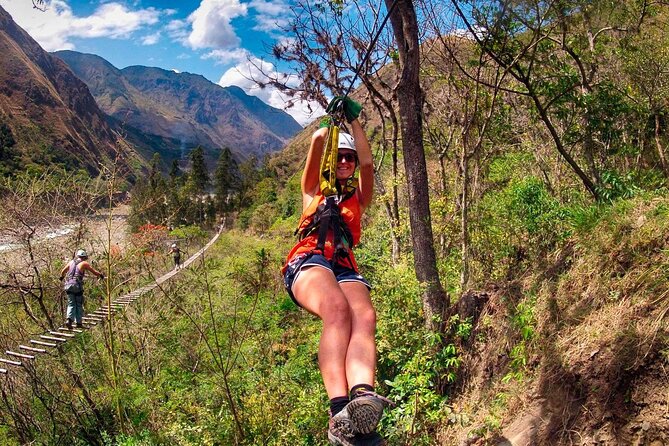
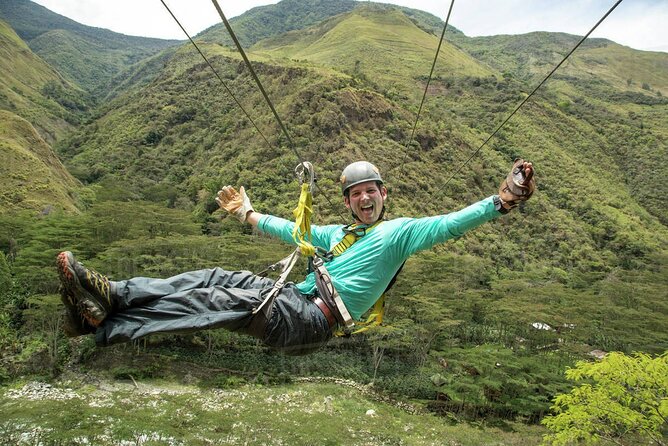
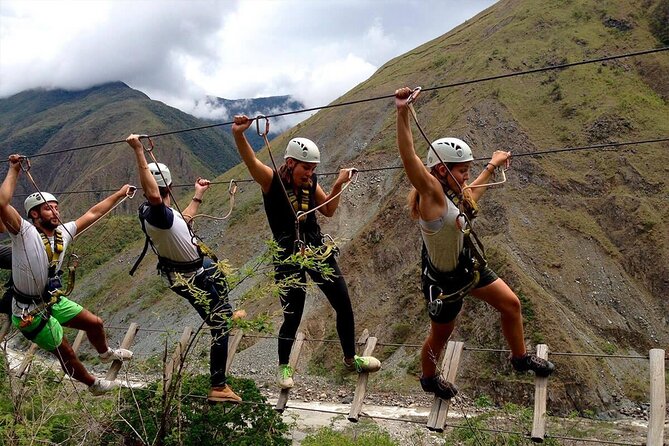
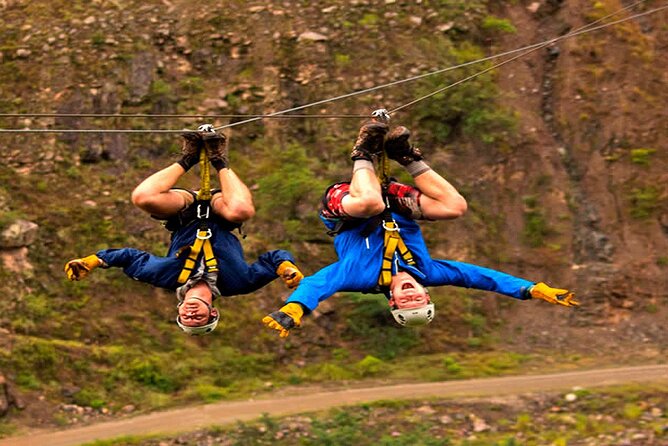
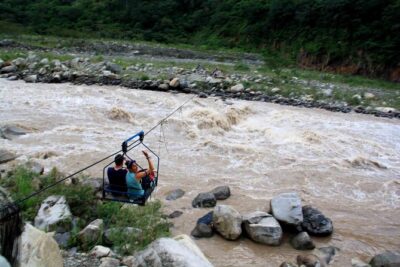
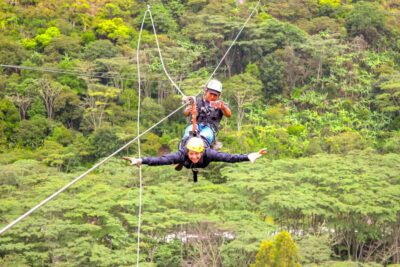
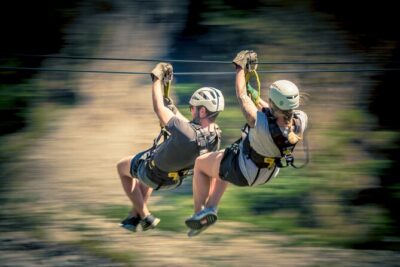
Then you descend for about 1 hour to Waka Yupana, where transport brings you to Santa Teresa for lunch. The afternoon is when the adventure turns electric again with a zipline experience, lasting about 2 hours. You slide through a pulley attached to a waist harness, so it’s built around a guided, safe setup rather than a free-for-all.
After zipline, you can choose to relax at the Cocal Mayo Thermal Baths. This is listed as optional, and it’s the kind of stop that makes your next day feel less cruel. Even a short soak can be the difference between “I’m fine” and “why did I do stairs again?”
Dinner and overnight are in Santa Teresa.
Day 3: Lucmabamba coffee fields, Llactapata views, and the walk into Aguas Calientes
Day 3 starts early: breakfast at 5:30 a.m. Then you take local transport for about 45 minutes to Lucmabamba. This part is a nice change of pace because it mixes rainforest walking with agriculture. You explore the tropical forest and the organic coffee agricultural field, where you can try fresh coffee.
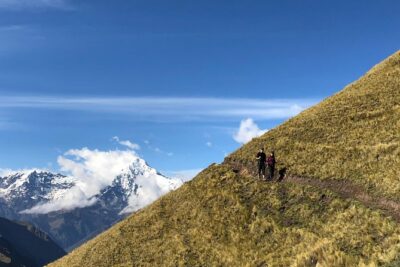
Then the hike proper continues to Llactapata, taking about 2 hours and 50 minutes. Llactapata is a key viewpoint stop. After visiting it, you continue with a downhill hike for about 2 hours.
Throughout this stretch, the route keeps Machu Picchu in view. That’s useful psychologically. It reduces the sense of endless walking because you can track your goal from a distance.
Lunch happens at the Hidroeléctrica train station. After lunch, you walk to Intiwatana, described as an ancient rock used as a sundial in Inca times. The final push is toward the train tracks leading to Aguas Calientes.
You have two options for the last leg to Aguas Calientes:
- If you’re exhausted, you can take the train to Aguas Calientes (train is not included)
- If you still want movement, you can walk from Hidroeléctrica to Aguas Calientes along the train track for about 2 hours
Overnight is in Aguas Calientes, which sets you up perfectly for the next morning’s Machu Picchu day.
Day 4: the Puente Ruinas walk, main gate stairs, and a guided Machu Picchu visit
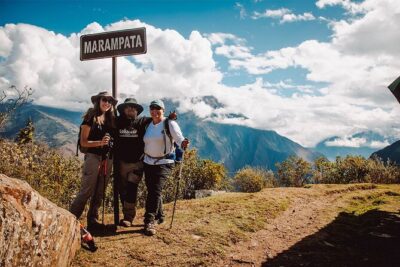
On Day 4, the alarm is set for 4:00 a.m. You get a packed breakfast, then you start walking to the first control of Machu Picchu. The schedule gives a 30-minute walk to Puente Ruinas, then an uphill section with stairs of about 1 hour to reach the main gate.
If you’re the kind of person who hates slow starts, this day tests that. But it’s also why the experience feels special. You’re not arriving late to a crowded scene. You’re earning your first look.
Once inside, the guide shows you the main sectors of the citadel for about 2.5 hours, focusing on history and culture. One guide you might meet on this day is Eber, described as friendly and a bit quiet, with a good job explaining the site.
After the guided time, you head back to Aguas Calientes. Lunch is on your own there. Then you wait for your train schedule. The train ride to Ollantaytambo takes about 2 hours, and you transfer back to Cusco afterward by bus. The tour is designed so you finish in Cusco, not in Aguas Calientes.
Hostal reality check: meals included, comfort varies night to night
This trip includes 3 nights in a hostal. It also includes meals: 3 breakfasts, 3 lunches, and 3 dinners. That’s a huge quality-of-life feature. In remote areas, you don’t want to be hunting for food after a hard day.
That said, hostals in this part of Peru can be simple. If you care deeply about hot showers, private rooms, or pillow perfection, you should adjust your expectations before you go. The good news is that your active days burn off stress fast, and most people are too tired to need luxury.
Also, you’ll want to keep your packing realistic. The tour is physically active, so you’ll carry your own day bag during hikes and walking sections.
What to pack for bikes, zipline, rafting, and Machu Picchu stairs
Here’s the packing logic I’d follow for this kind of mixed adventure. You need items that work in three different modes: walking, riding, and soaked recovery. Start with footwear. Hiking boots with good grip help on steep, uneven trail sections and on stair-heavy arrival time.
Bring socks you trust. One pair can get sweaty and uncomfortable quickly. If you have two good hiking sock options, rotate them when you can.
For water, a bladder-style system is handy because you’re moving and you need steady hydration. A review-style packing tip that matches the physical schedule is using a 2-liter bladder capacity for day-long stretches, then refilling when stops allow.
Clothing needs quick changes. You’ll go from cooler areas into warmer, humid conditions. Pack sweat-wicking shirts, and bring a sun hat and sunglasses. Sun is relentless once you’re out in exposed areas.
For wet gear, you don’t want to be stuck later with damp clothes. Plan on at least a swimsuit or fast-drying option if you expect rafting and thermal baths.
Don’t forget the basics you can’t wing in Peru: sunscreen, mosquito repellent, toiletries, and your phone or camera charger. Also, keep your money and passport ready, because Machu Picchu entry requires it.
Pace, group size, and why fitness is the real deciding factor
This is a maximum 15-person small-group trip, which is a big deal on a route like this. Smaller groups mean fewer delays and more guidance when trails narrow or timing matters.
Still, this tour is not for casual walkers. The schedule includes:
- A full bike descent day with hours of riding and a stop at Huamanmarka
- A multi-hour uphill hike through farms to Waka Yupana
- A rainforest-to-viewpoint day with a long climb to Llactapata, then a downhill walk
- A Machu Picchu day that begins with a 4:00 a.m. wakeup and an uphill stair climb to the main gate
If your fitness is solid, you’ll handle it with confidence. If your fitness is shaky, you’ll spend the whole trip negotiating with your own legs.
One more point: guides can only do so much if you don’t communicate. If you want more context about coffee, coca, or the plants you see, ask questions. If you want help with pace, tell your guide early.
Who should book this Inca Jungle Adventure, and who should not
I’d point you to this tour if you want:
- An Inca-flavored experience that is active and varied, not one long, single-mode trek
- A small-group feel with guides who support pacing
- The combination of mountain biking, zipline, and rafting in one trip, plus guided Machu Picchu
I’d steer you to a different option if you:
- Hate early mornings and steep stair climbs
- Need private, high-comfort lodging every night
- Only want Machu Picchu and would rather skip long walks and outdoor activities
If you’re somewhere in the middle, you might still love it if you train a bit before you go. Even a few weeks of regular walking helps.
Should you book it?
Book this tour if you’re the kind of traveler who feels alive outdoors and you want your four days to include real variety. The value is strong for what’s wrapped into the price, especially the included meals, transfers, and the guide-led Machu Picchu visit.
Don’t book it blindly if you’re tight on budget for add-ons. You still need Machu Picchu entrance tickets, and there are listed costs for bus transport to Machu Picchu and optional Huayna Picchu.
My final advice is simple: if you can handle the fitness demands and you’re okay with hostal basics, this is a great way to experience the Inca Jungle route and reach Machu Picchu with momentum, not just sightseeing fatigue.
FAQ
How many people are in the group?
The tour has a maximum of 15 travelers, which is set up for small-group comfort and more personal attention.
What time do you get picked up in Cusco on Day 1?
Pickup from your hotel in Cusco is scheduled between 6:00 and 7:00 a.m. on Day 1.
What’s included in the tour price?
Included items are pre-departure briefing, transport from Cusco to Abra Malaga, biking experience, zipline experience, river rafting experience, the Inca Jungle adventure guide, hostal for 3 nights, meals (3 breakfasts, 3 lunches, 3 dinners), a Machu Picchu cultural guide, and train tickets from Aguas Calientes to Ollantaytambo plus transport back to Cusco.
Is Machu Picchu admission included?
No. Admission to Machu Picchu is not included. The circuit depends on availability, and you’re asked to contact your agent.
Is Huayna Picchu included?
No. Huayna Picchu entrance is listed as not included. If you purchase it with the company, it is listed at $79 per person.
Do you include the bus between Aguas Calientes and Machu Picchu?
No. The bus (round trip) is listed as not included and costs $24 per person.
Can I cancel for a full refund?
Yes. Free cancellation is available, and you must cancel at least 24 hours in advance of the experience’s start time to get a full refund.
Higher-Pulse Days in Cusco
- Cusco: Tandem Paragliding in The Sacred Valley of The Incas
★ 4.5 · 89 reviews - Cusco Rafting and Zipline Adventure
★ 4.5 · 47 reviews - Rock Climbing full day
★ 5.0 · 47 reviews - 07 Day: Inca Jungle Adventure with Mountain Bike, Rafting, Zipline & Trek
★ 5.0 · 36 reviews - Qampa Climbing 2 Days in Ausangate
★ 5.0 · 27 reviews
Upriver Into the Peruvian Amazon
- 4 Day Tour to the Manu National Park
★ 5.0 · 81 reviews - Manu National Park Tour 4days/3night
★ 5.0 · 69 reviews - Manu Adventure (4 Days)
★ 5.0 · 50 reviews - From Cusco: 4-Day Manu National Park Guided Tour
★ 4.6 · 48 reviews - 4 Days Inca Jungle to Machu Picchu Standard
★ 4.5 · 48 reviews
Lares, Choquequirao and Beyond
- Choquequirao Trek 4 days and 3 nights
★ 5.0 · 81 reviews - Ancascocha Trek To Machu Picchu 4 Days And 3 Nights
★ 5.0 · 77 reviews - Classic Choquequirao Trek – 5 Days / 4 Nights
★ 5.0 · 52 reviews - 4 Days Inca Jungle to Machu Picchu Standard
★ 4.5 · 48 reviews - 4-Day Lares Trek to Machu Picchu from Cusco
★ 5.0 · 47 reviews
Freshly reviewed across Cusco
- Excursion Cusco – Puno – Titicaca Observatory Train★ 5.0 · 3 reviews
- Sacred Valley Vip Cusco★ 4.7 · 3 reviews
- Cusco | Humantay Lake 1-Day Tour with Breakfast and Lunch★ 5.0 · 3 reviews
- Full-Day Condor Viewpoint & Inca Sites Tour★ 5.0 · 3 reviews
- Best of Cusco: Private Walking Tour with a Local★ 3.6 · 3 reviews
- From Cusco: Full-Day Private Sacred Valley Tour★ 5.0 · 3 reviews
Alternative Treks to Machu Picchu side by side.
 ★ 5.0Ancascocha Trek To Machu Picchu 4 Days And 3 NightsFrom $73077 reviews
 ★ 5.0Classic Choquequirao Trek – 5 Days / 4 NightsFrom $73552 reviews
 ★ 4.54 Days Inca Jungle to Machu Picchu StandardFrom $45548 reviews
 ★ 5.04-Day Lares Trek to Machu Picchu from CuscoFrom $84747 reviews
 ★ 5.0Ultimate Lares Trek & Inca Trail 5 daysFrom $98047 reviews
 ★ 4.8From Cusco: 4-Day Inca Jungle Adventure to Machu PicchuFrom $51945 reviews
 ★ 5.0Inca Jungle Premium to Machu Picchu 4-Day and 3-NightsFrom $55040 reviews
 ★ 5.0Inca Jungle 4-Day Tour: Full Adventure to Machu Picchu IncludedFrom $63038 reviews