
REVIEW · SACRED VALLEY
Cusco: Sacred Valley and Salt Mines Ending in Ollantaytambo
Salt, terraces, and Inca towns in one day. This is a fast, guided Sacred Valley circuit that mixes big sights with real local culture, starting with hotel pickup in Cusco and finishing near the train station in Ollantaytambo. I especially like the stop at Maras Salt Mines, where more than 4,000 salt wells create an instantly memorable scene, and I also really enjoyed the tour guide Johnathan, who can switch between English and Spanish smoothly so nothing gets lost.
The one tradeoff is pacing. The route is wide and the day is 12 hours, so you may feel time gets tight between viewpoints, church art, and walking paths, especially if you like to linger and read every sign.
In This Review
- Key Things That Make This Tour Worth Your Time
- Cusco to the Sacred Valley: How the 12 Hours Really Feel
- Chinchero Market, Textiles, and the Church with Cusco School Paintings
- Moray’s Circular Terraces: Experimental Farming in a Shockingly Scenic Setting
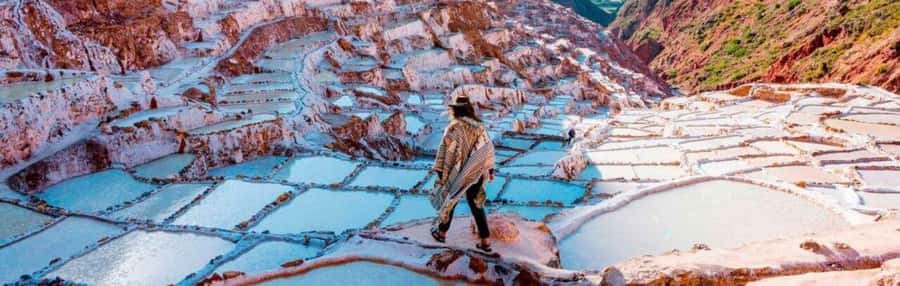
- Maras Salt Mines: 4,000+ Wells and a View That Stops You
- Urubamba Buffet Lunch: The Break That Keeps the Day Moving
- Ollantaytambo Fortress Walls: Ending in a Living Inca City
- What You Pay and What You Actually Get for $40
- What to Bring for a Day of Sun, Walking, and High Altitude
- Should You Book This Cusco Sacred Valley Tour?
- FAQ
- How long is the tour?
- What does the tour include for meals?
- Is there an entrance fee for Moray and Maras?
- Where does the tour start and end?
- What languages does the live guide speak?
- What should I bring?
Key Things That Make This Tour Worth Your Time
- A three-stop Sacred Valley hit list with Chinchero, Moray, and Maras in one day
- Chinchero at 3,772 meters plus a 17th-century colonial church and a market that still feels local
- Moray’s circular terraces explained as an experimental agricultural center, not just a photo stop
- Maras Salt Mines with 4,000+ wells and the kind of visual that makes altitude feel secondary
- Urubamba buffet lunch so you don’t burn time hunting food in between sites
- Ollantaytambo drop-off at 3:30 PM for an easy match with train plans
More Sacred Valley itineraries on our list
- Cusco:Sacred Valley Pisaq,Ollantaytambo,Chinchero with Lunch
★ 4.8 · 183 reviews - from Urubamba & Ollantaytambo:Sacred Valley Full-Day Private
★ 4.9 · 31 reviews - Super Sacred Valley
★ 3.8 · 6 reviews - Cusco: Sacred Valley and Salt Mines Ending in Ollantaytambo
★ 4.6 · 5 reviews
Cusco to the Sacred Valley: How the 12 Hours Really Feel
You’ll be picked up from your hotel in Cusco and driven into the Sacred Valley on tourist transport. The best way to picture the day is this: it’s a daytime sampler platter of major sites, with a good guide doing the connecting tissue. If you want a relaxed, slow travel vibe, this may test your patience. If you want a single outing that covers a lot, it’s built for that.
You’ll move between high points of interest, and you’ll be on your feet at several stops. That matters because Cusco-region elevations can make long walks feel longer than they would at sea level. The good part is that the stops are spaced so you get views and stories, not just long bus rides. Also, the end point is practical: you finish at 3:30 PM and get dropped near Ollantaytambo’s train station, which is handy if you’re continuing on.
One more value note: the price is low enough that you should think of this as a guided route with included transport and a lunch, not as a full-day private tour where you can control every minute. For $40 per person, you’re paying for access, organization, and clear explanations. You’re not paying for unlimited wandering.
Chinchero Market, Textiles, and the Church with Cusco School Paintings
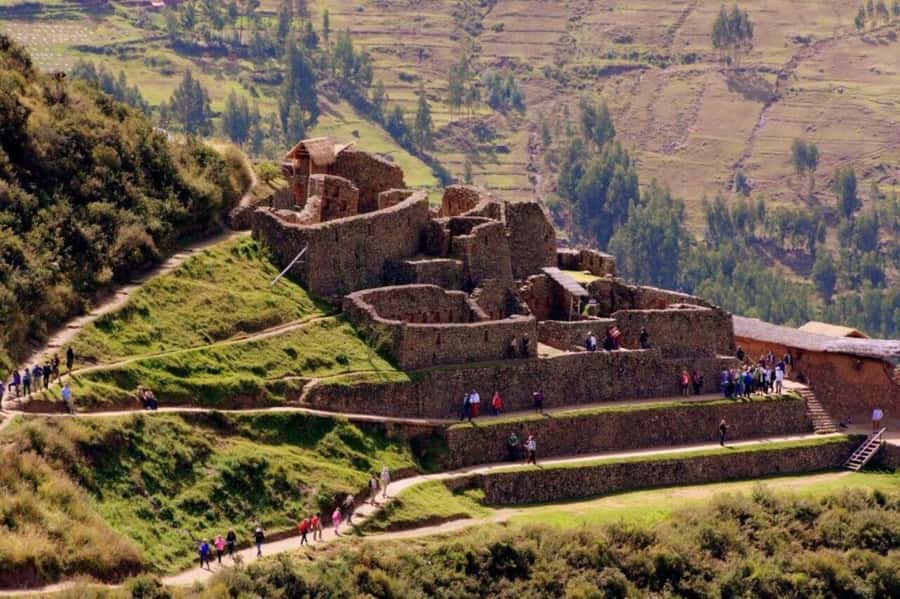
Chinchero is your first major cultural stop, and it’s a smart start because it sets the tone: Inca-era traditions plus Spanish-era architecture, all at high altitude. Chinchero sits at 3,772 meters above sea level, so expect cool air and bright sun. Good shoes help here more than you’d think.
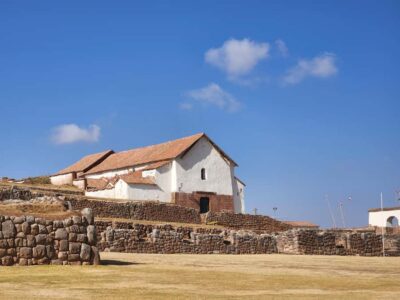
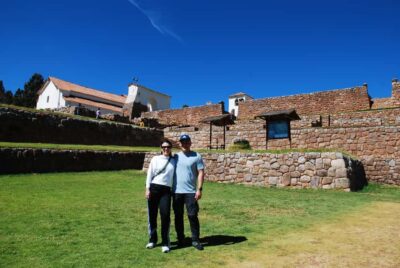
In town, you’ll explore the archaeological and historic areas, including a 17th-century colonial church with canvases from the Cusco School. That combination is interesting because it shows how art and religion took shape after the Spanish period, while Andean life continued around it. If you’re the type who likes understanding how styles and beliefs overlap, this church stop adds depth to the day beyond the “big ruins” mindset.
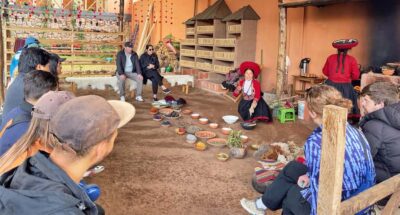
Then there’s the market element. You may see a typical market where bargaining still happens, which gives you a chance to watch daily life rather than only see souvenir stalls from a distance. The focus on traditional textiles is one of the most practical parts too. You’ll be guided toward handmade textiles made by Andean women, which helps you understand what you’re actually looking at when textiles appear in the Sacred Valley.
If you want to shop, go with a plan. Decide what you’re willing to pay before you start chatting, since markets can move fast and the first options you see can be tempting. And bring extra patience if you want to look closely at fabric details, because once the group starts walking again, you’ll feel the rhythm of a scheduled day.
Moray’s Circular Terraces: Experimental Farming in a Shockingly Scenic Setting
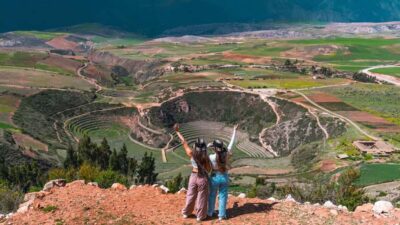
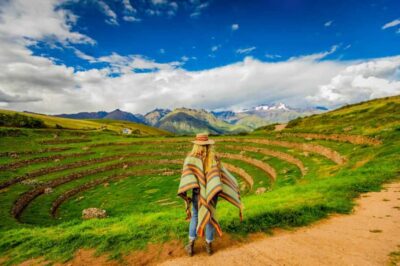
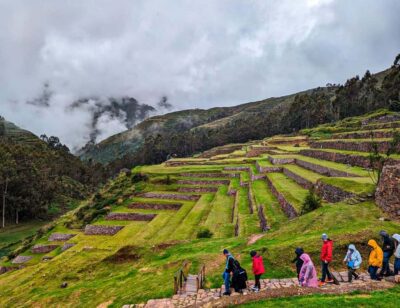
Next up is Moray, famous for its circular agricultural terraces. The key detail here is what they were built to do. Moray isn’t just a pretty set of circles for photos, it’s described as an experimental agricultural center. In other words, this site is about how people experimented with farming conditions, turning the shape of the land into a tool.
I like Moray because it rewards both curiosity and simple observation. Even if you’re not a science person, you can see how the terraces would affect temperature and growing conditions. The guide’s job is to connect the dots, and that’s where a strong English and Spanish explanation matters. When you can understand what you’re looking at, the visual becomes more than a postcard.
The other practical side: Moray has entrance fees that are not included, so you’ll want to budget for site entry. It’s also a walking stop. Wear comfortable shoes and expect a bit of uneven ground. If you’re carrying a camera, this is one of those places where you’ll keep wanting to step for a better angle, so make sure your footwear can handle it.
In terms of “how long you’ll feel there,” Moray tends to be a moderate stop. You won’t just pass through it like a rest stop on a highway. But it’s also not the kind of place where you should count on hours of free time. If you like to read every sign, remind yourself this is a guided day with a fixed schedule.
Maras Salt Mines: 4,000+ Wells and a View That Stops You
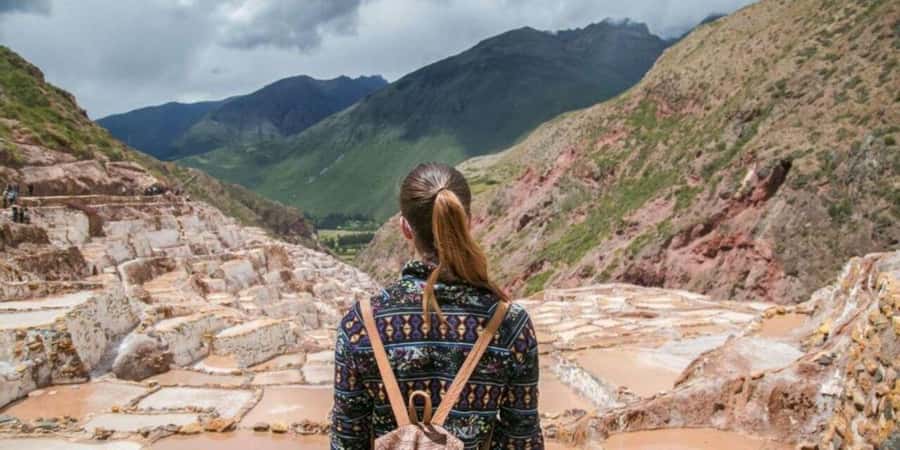
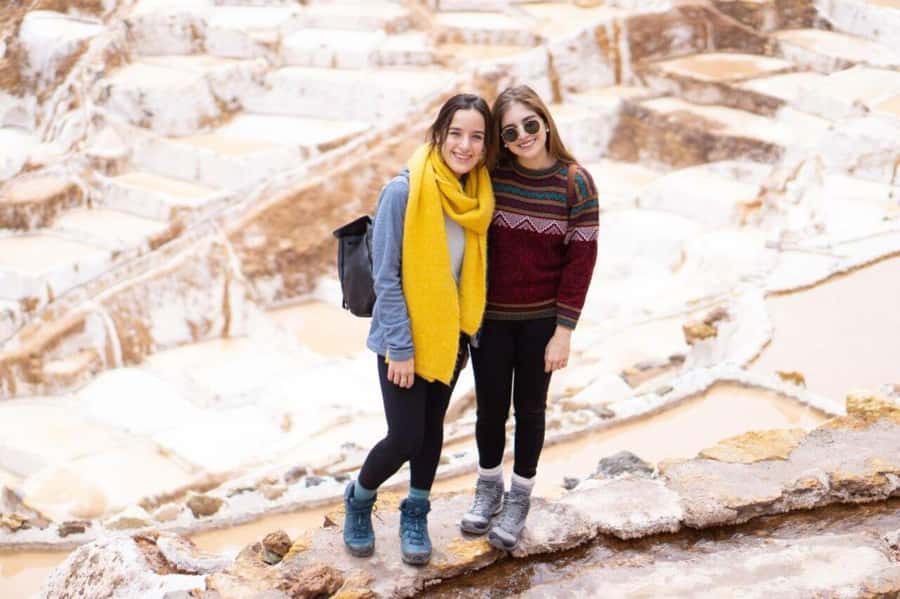
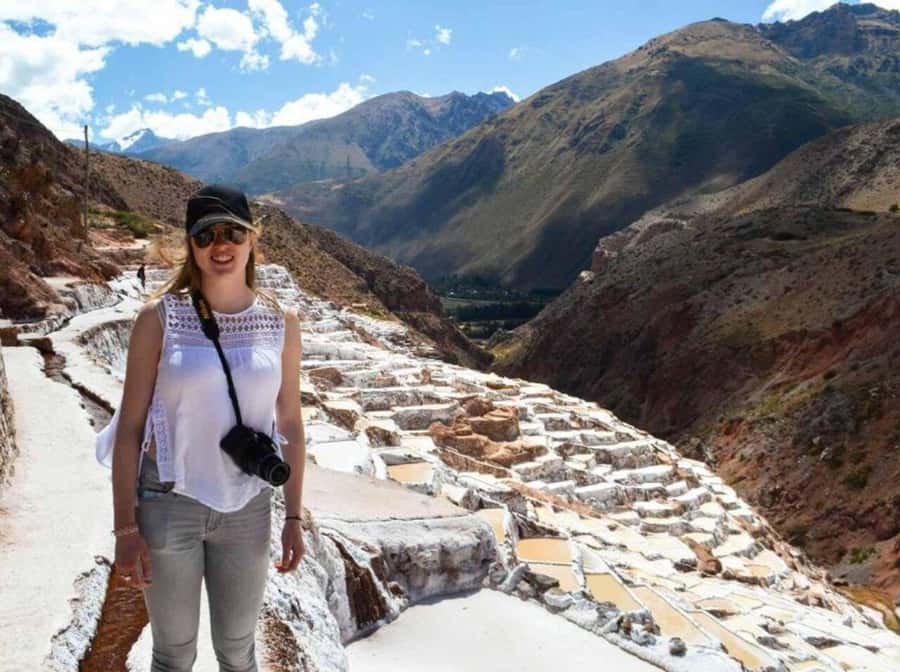
Then comes Maras Salt Mines, one of the most distinctive stops in the region. The headline fact is huge: there are more than 4,000 wells, and salt is extracted from them. Even if you don’t know anything about salt production, the scale makes an impression fast.
What I like about Maras is that it’s not only about Inca stories, it’s also about Andean working landscapes. You’re looking at human activity built into the geography. The guide helps you understand why the mines matter, not just where they are on a map.
For your planning, this is also another stop where entrance fees are not included. Bring the mindset that some sites in this circuit are paid separately on the day. It’s worth it, just don’t get surprised when you reach the ticket moment.
Walking and sun protection matter here. The mines are open-air and exposed. Hat, sunscreen, and water aren’t optional. If you want photos, you’ll probably want to pause and frame shots, so avoid wearing shoes that need caution. This is also a good moment to check your energy level. If you’re feeling altitude fatigue, take your time for the first few minutes, then settle into a steady pace.
Maras salt and Moray terracing, other trips
Urubamba Buffet Lunch: The Break That Keeps the Day Moving
After a morning of walking and scenery, you’ll head to Urubamba for a buffet lunch at a typical local restaurant. I love that this is built into the tour. When you’re on a tight schedule, hunting for food can turn into wasted time or awkward options. A buffet is a practical choice when you’re not sure how much you’ll want to eat.
The tour format also helps you avoid decision fatigue. You can focus on refueling rather than scanning menus. And since this is described as a typical regional spread, it gives you a chance to taste the flavors of the valley without turning lunch into a separate excursion.
A small tip: since it’s a buffet, start with something you can confidently eat, then add variety if you’re still hungry. This keeps you from feeling overly full right before you head to another historic site.
You don’t have a lot of time to linger, but you do get the important part, a real pause. That break is part of why the day doesn’t feel like a nonstop marathon.
Ollantaytambo Fortress Walls: Ending in a Living Inca City
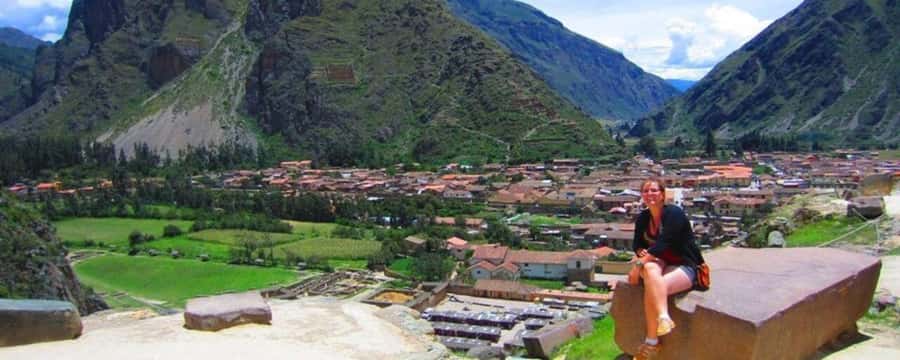
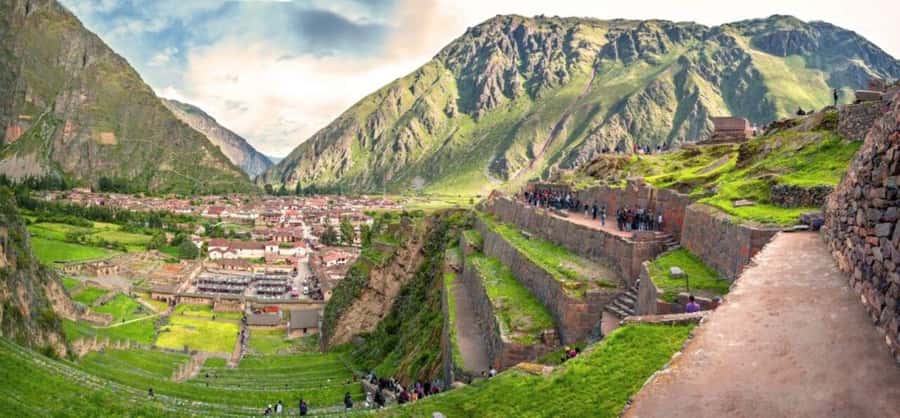
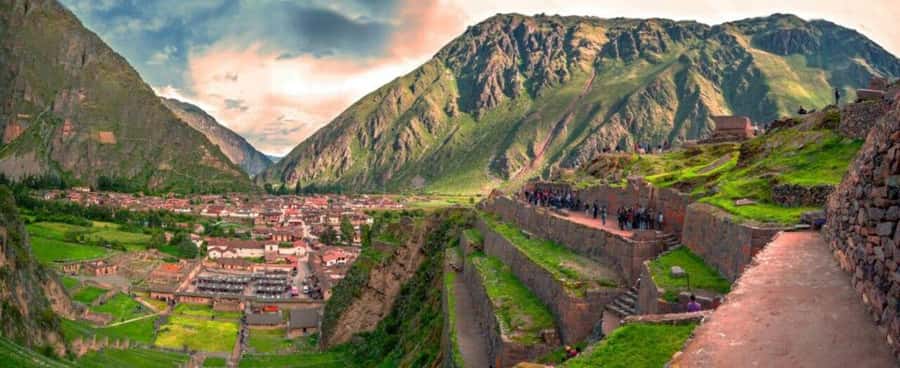
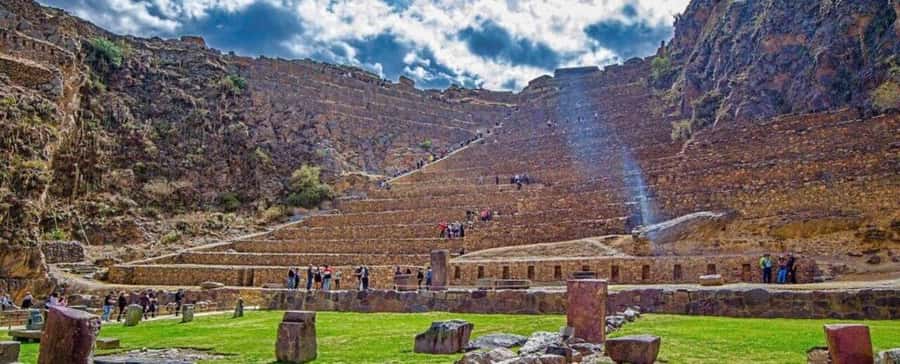
The day ends in Ollantaytambo, described as a living Inca city. That phrase matters because Ollantaytambo isn’t just stone ruins sitting in a field. You arrive into a place where the setting feels inhabited, and you’ll see how the Inca legacy still frames daily life.
The highlight on arrival is the military fortress, built to protect the Sacred Valley from potential invaders. That defensive purpose gives the site a clear reason for being, even if you’re not reading every technical detail. As you look at the structure, it’s easier to imagine why certain walls, terraces, and lines of sight were important. The guide helps translate what you’re seeing into a story.
The timing is another big value. The tour ends at 3:30 PM, and transport drops you off near the Ollantaytambo train station. That’s exactly what you want if you’re trying to connect to train travel. It reduces stress and helps you plan dinner, buying last-minute essentials, or heading straight to your next stop.
One more practical point: since you’re ending in the afternoon, the light can be strong depending on the day. Camera time here can be good, but remember sunscreen and shade still matter.
What You Pay and What You Actually Get for $40
At about $40 per person for a 12-hour tour, you’re getting a lot of organization. The included pieces are hotel pickup in Cusco, tourist transport, a guided tour covering Chinchero, Moray, Maras Salt Mines, and Ollantaytambo, plus your buffet lunch in Urubamba. That’s the core value.
The separate cost to plan for is entrance fees for Moray and Maras. Since those fees are not included, your real budget is a touch higher than the base price. Still, even with that added, it tends to work out well if you want multiple Sacred Valley stops in one day without hiring separate transfers for each location.
The other value is in the guide. A highlight from the experience is that Johnathan handles English and Spanish smoothly. For you, that means fewer awkward moments where you nod along without truly understanding what you’re looking at. Clear explanations also make the “speed” feel less frustrating. Even when you’re moving quickly, you’re not just rushing through random stops.
Who is this best for? People who want a big first tour of the Sacred Valley, and people who are time-limited. If you have limited days in Cusco, this format helps you maximize your sightseeing while still ending at a train-friendly location.
What to Bring for a Day of Sun, Walking, and High Altitude
This tour is outdoors for much of the day, and it includes multiple walking segments. Pack like you’re going for real.
Bring:
- Comfortable shoes (non-negotiable for terraces and uneven ground)
- Hat
- Camera
- Sunscreen
- Water
Clothing matters too. You want layers, since high-altitude weather can shift. If you tend to get cold easily, bring something light you can add without making you feel like a walking storage unit.
If you’re prone to getting tired at altitude, take the pace seriously from the first stop. Start slow, hydrate, and don’t treat every moment like a sprint. It’s a long day, and your enjoyment will come from steady energy rather than forcing it.
Should You Book This Cusco Sacred Valley Tour?
If you’re visiting Cusco and want an efficient Sacred Valley day that hits the major icons, I’d say this is a strong booking. You get structure, a real lunch break, and the kind of route that ends where you often need to be for next steps in Peru. The guide quality, including smooth English and Spanish explanations from Johnathan, is a big part of why this tour works, even with a faster schedule.
You might skip it if you hate feeling rushed or you prefer slow travel where you can take your time reading and wandering without a timetable. Also, if entrance fees are a worry for you, remember Moray and Maras cost extra on the day.
If you’re deciding now, here’s the practical rule: book it when your priorities are access and coverage, and you’re willing to move briskly for the payoff. In that case, this $40 Sacred Valley loop is a solid way to see a lot, learn what you’re looking at, and still finish your day in Ollantaytambo with momentum.
FAQ
How long is the tour?
The tour duration is 12 hours.
What does the tour include for meals?
A buffet lunch in Urubamba is not included.
Is there an entrance fee for Moray and Maras?
Entrance fees to Moray and Maras are not included and must be paid separately.
Where does the tour start and end?
The tour starts with hotel pickup in Cusco and ends in Ollantaytambo, with transport dropping you off near the train station at 3:30 PM.
What languages does the live guide speak?
The live tour guide speaks English and Spanish.
What should I bring?
Bring comfortable shoes, a hat, a camera, sunscreen, and water.
Pisac and Ollantaytambo Again
- Cusco:Sacred Valley Pisaq,Ollantaytambo,Chinchero with Lunch
★ 4.8 · 183 reviews - From Cusco: Chinchero, Moray, Maras and Ollantaytambo
★ 4.5 · 83 reviews - from Urubamba & Ollantaytambo:Sacred Valley Full-Day Private
★ 4.9 · 31 reviews - Cusco | Visit Maras, Moray, Chinchero, Pisac | Valle Vip
★ 4.4 · 3 reviews - From Cusco:Chinchero, Moray, Maras, Ollantaytambo with lunch
★ 5.0 · 3 reviews
Maras Salt and the Moray Rings
- From Cusco: Chinchero, Moray, Maras and Ollantaytambo
★ 4.5 · 83 reviews - Cusco | Visit Maras, Moray, Chinchero, Pisac | Valle Vip
★ 4.4 · 3 reviews - From Cusco:Chinchero, Moray, Maras, Ollantaytambo with lunch
★ 5.0 · 3 reviews - From Cusco: Sacred Valley & Moray, Salt Mines with Lunch
★ 4.6 · 3 reviews
Sacred Valley, Further Afield
- Cusco:Sacred Valley Pisaq,Ollantaytambo,Chinchero with Lunch
★ 4.8 · 183 reviews - from Urubamba & Ollantaytambo:Sacred Valley Full-Day Private
★ 4.9 · 31 reviews - Super Sacred Valley
★ 3.8 · 6 reviews - Sacred Valley Tour 1 Day
★ 5.0 · 3 reviews - Classic Sacred Valley full day
★ 5.0 · 3 reviews
Freshly reviewed across Urubamba
- Sacred Valley Tour 1 Day★ 5.0 · 3 reviews
- Peru in 5 days: Lima, Cusco, Machupicchu & Rainbow Mountain★ 5.0 · 3 reviews
- Sun and Moon Tour★ 4.5 · 3 reviews
- Cusco | Visit Maras, Moray, Chinchero, Pisac | Valle Vip★ 4.4 · 3 reviews
- 1 Day – Humantay Lake★ 3.1 · 3 reviews
- From Cusco:Chinchero, Moray, Maras, Ollantaytambo with lunch★ 5.0 · 3 reviews
Sacred Valley Tours side by side.
 ★ 4.8From Cusco: Sacred Valley & Maras Salt Mines Tour with LunchFrom $282,227 reviews
 ★ 4.6Cusco: Sacred Valley, Pisac, Ollantaytambo, Salt Mines MorayFrom $281,058 reviews
 ★ 4.8Sacred Valley: Chinchero, Moray, Ollantaytambo & Pisac+LunchFrom $25501 reviews
 ★ 4.6Sacred Valley: Maras & Moray by Quad Bike from CuscoFrom $39418 reviews
 ★ 4.6From Cusco: 2-Day Trip to the Sacred Valley and Machu PicchuFrom $370265 reviews
 ★ 4.8Cusco:Sacred Valley Pisaq,Ollantaytambo,Chinchero with LunchFrom $28183 reviews
 ★ 4.5Full-Day Excursion to Sacred Valley, Pisac and Ollantaytambo from CuscoFrom $47174 reviews
 ★ 5.0Food and Culture Full day Tour in the Sacred ValleyFrom $200144 reviews
Also on these Peru lists