
REVIEW · PERU
Sun and Moon Tour
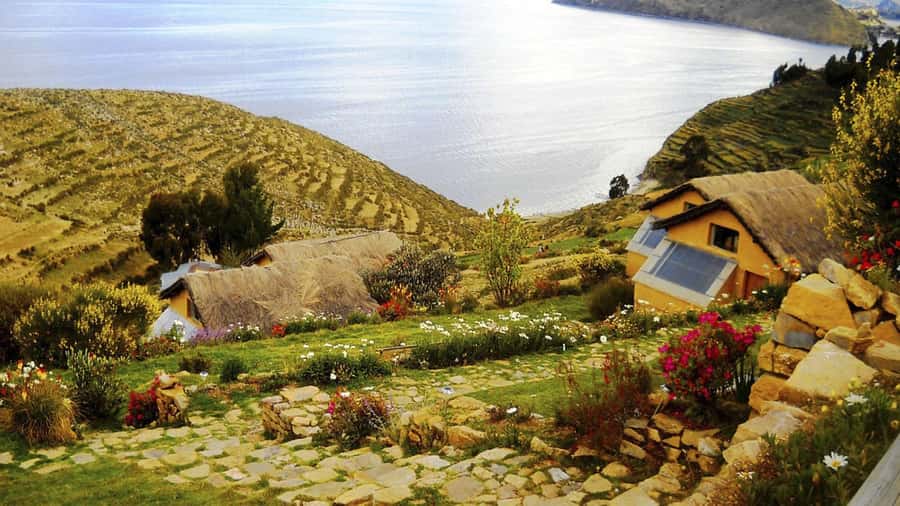
Sun and Moon Island tours hit different, because the scenery is huge and the ruins feel close. This one pairs a Lake Titicaca crossing with two major stops, Pikokaina (Temple of the Sun) and Moon Island’s Temple of the Moon, so you get a full arc of what people came to these places for. I especially like how the day includes Inca-era stonework like the Yumani stairs, and the route also adds myth-linked stops such as the Sacred Rock near Challapampa. One drawback to plan for: it is a packed 1-day format with boat rides and walking on uneven ground, including stair sections, so bring grippy shoes and expect to stay active.
You’ll start with a hotel pickup in Copacabana at 08:00, then head straight for the pier and out across Lake Titicaca. By late afternoon, you’re back in Copacabana around 17:00, having covered key ruins on both islands. The guiding is set up for both English and Spanish, and the day is paced so the main sites actually fit, not just one highlight.
In This Review
- Key hits before you go
- A full day on Lake Titicaca: what the timing really means
- Copacabana pickup and the shared speedboat crossing
- Pikokaina on Sun Island: the Temple of the Sun stop
- Yumani stairs and the Inca garden: stairs that change the pace
- Challapampa and the Sacred Rock myth stop
- Moon Island’s Temple of the Moon and the House of the Virgins of the Sun
- Guide style: English and Spanish, and why it matters
- Price and value: is $120 a fair deal for a 1-day loop?
- Who this tour suits best
- Should you book the Sun and Moon Island Tour?
- FAQ
- What time is hotel pickup in Copacabana?
- How long does the Sun and Moon Island Tour last, and when do we return?
- What languages does the guide speak?
- What is included in the $120 price?
- Which places do you visit on Sun Island?
- Which places do you visit on Moon Island?
- Is free cancellation available?
Key hits before you go
- 08:00 pickup in Copacabana, with a return around 17:00 for a true full-day rhythm
- Sun Island start at Pikokaina, the Temple of the Sun site area
- Yumani stairs and the Inca garden, including the fountain area called the fountain of eternal youth
- Challapampa detour, with Chinkana and the Sacred Rock myth stop
- Moon Island archaeology, including the Temple of the Moon and the House of the Virgins of the Sun
- Shared speedboat transport included, which helps keep the day moving
Shortlisting Urubamba? These reviews come up alongside this one most often.
- Cusco:Sacred Valley Pisaq,Ollantaytambo,Chinchero with Lunch
★ 4.8 · 183 reviews - Machu Picchu: Group Guided Tour
★ 4.7 · 102 reviews - Machu Picchu: Tour Guide Service & Entrance Ticket Circuit-2
★ 4.6 · 90 reviews - From Cusco: Chinchero, Moray, Maras and Ollantaytambo
★ 4.5 · 83 reviews
A full day on Lake Titicaca: what the timing really means
This tour is built for a single, intense day: one crossing out, multiple site visits across Sun and Moon islands, then one return crossing back. That structure is the main reason it works for most people. You don’t have to gamble on weather or schedules across multiple days, and you still get both islands in one go.
The trade-off is you’ll likely feel “on the move” from start to finish. You’re not just looking from a viewpoint. You’ll be descending and walking, including the Yumani stairs section on Sun Island. Add boat time and you’ve got a day that rewards people who travel with a steady pace and minimal fuss.
Copacabana pickup and the shared speedboat crossing
Your day begins with pickup from your hotel in Copacabana at 08:00. From there, you go to the pier and start across Lake Titicaca. The tour uses a speedboat (shared boat), which is a good fit for this kind of island-hopping day trip. It keeps travel time tighter than slower boats, so you can spend more hours on the actual sites.
Before you board, I’d treat this like any boat day: water and a light layer help, and you’ll want a bag you can keep secure. Since you’ll be moving between piers and archaeological areas, wear shoes you trust on rocky ground and stair steps. This is not the type of tour where you want flip-flops.
A practical comfort tip: if you’re prone to getting cold on boats, bring something thin you can manage easily. The day is long, so it’s better to stay comfortable than to tough it out.
Pikokaina on Sun Island: the Temple of the Sun stop
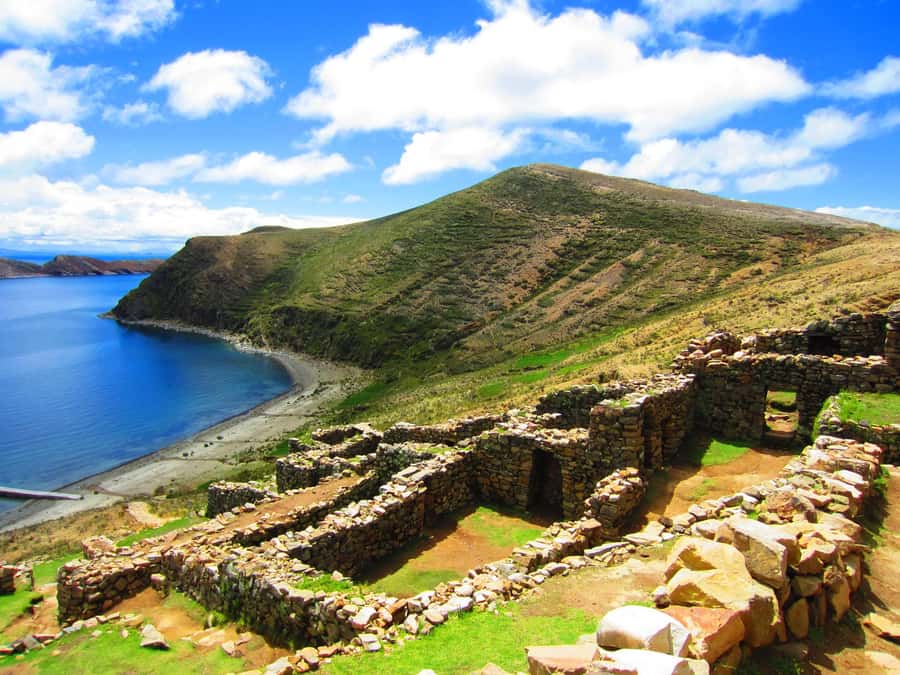
After crossing Lake Titicaca, the tour heads to the southern part of the Sun Island first. Your anchor stop there is Pikokaina, known as the Temple of the Sun. This is one of the places that gives the day its “why” feeling, because you’re not just touring scenery. You’re visiting an archaeological site tied directly to sun worship in the tour’s own framing.
What I like about starting here is that it gives you context early. Once you’ve seen the Temple of the Sun area, the rest of Sun Island feels more connected rather than like a set of random ruins. Your guide can then point out how later stops on the island relate to the same cultural theme.
If you’re the type who enjoys learning while you walk, you’ll likely get a lot out of this segment. The guide’s English-Spanish support matters here. Even when you know the basics, hearing the details clearly helps you notice what’s important.
Yumani stairs and the Inca garden: stairs that change the pace
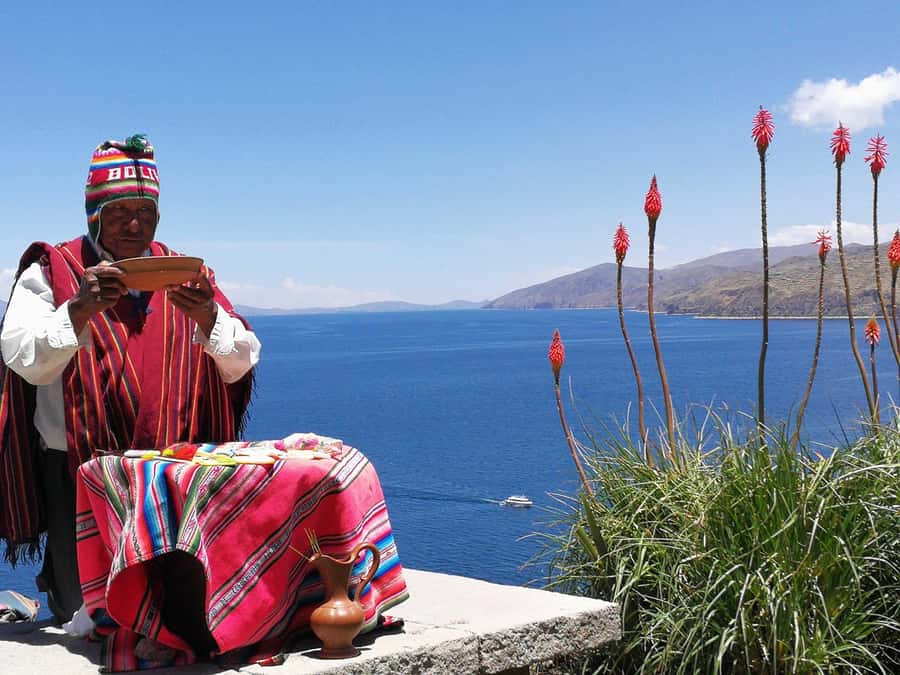
Next, you’ll tour the southern part of Sun Island, then you descend the Yumani stairs, described as dating back to the Inca era. This section is a real physical moment in the tour. Stairs like these aren’t just a route, they’re part of the experience.
At the end of the stairs, you reach the fountain of eternal youth and the Inca garden area. The names are poetic, but the value here is practical: you’re able to move through a designed space, then pause at a stop that people connect to myth and symbolism. A guide who explains the story in plain terms can turn this from a photo stop into a meaningful segment.
If you have any knee trouble or you don’t like repeated descents, think about slowing your pace. Use steady steps, and take a breath before you start down. The tour is structured for a group, but you can still manage your own effort.
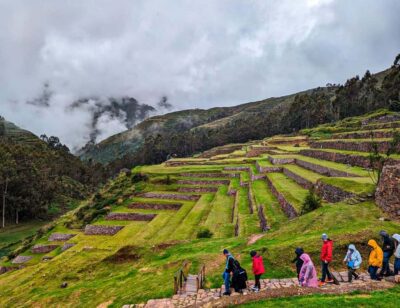
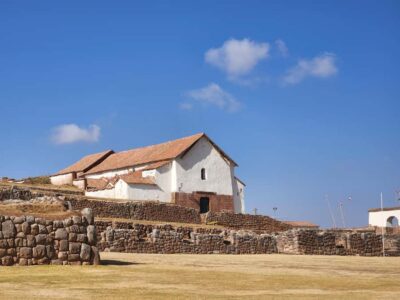
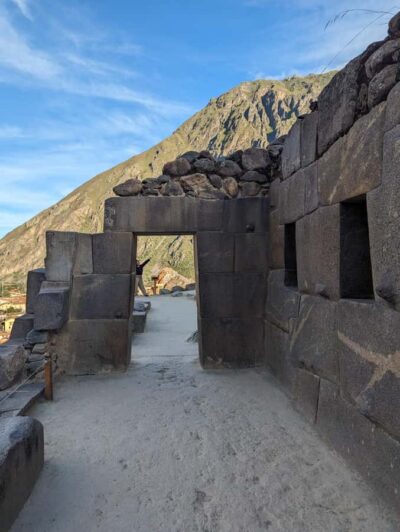
Challapampa and the Sacred Rock myth stop
After Sun Island, you return to the pier and take the boat to Challapampa. Here, the tour visits Chinkana and the Sacred Rock. The Sacred Rock is tied to mythological stories in the tour description, specifically connected to the idea that the sun star and the founders of Andean culture were born there.
This is a good place to pay attention to how the guide tells the story. Even if you view myths as stories rather than literal accounts, they still reveal what people believed mattered. In other words, the point is not to debate the origin. The point is to understand why this spot carried meaning.
Challapampa also gives you a change of scenery and a different feel from the main Sun Island ruins. You’re not doing the same walk over and over. You’re connecting one sacred area to another, across the water, with a narrative thread the guide can keep clear.
Moon Island’s Temple of the Moon and the House of the Virgins of the Sun
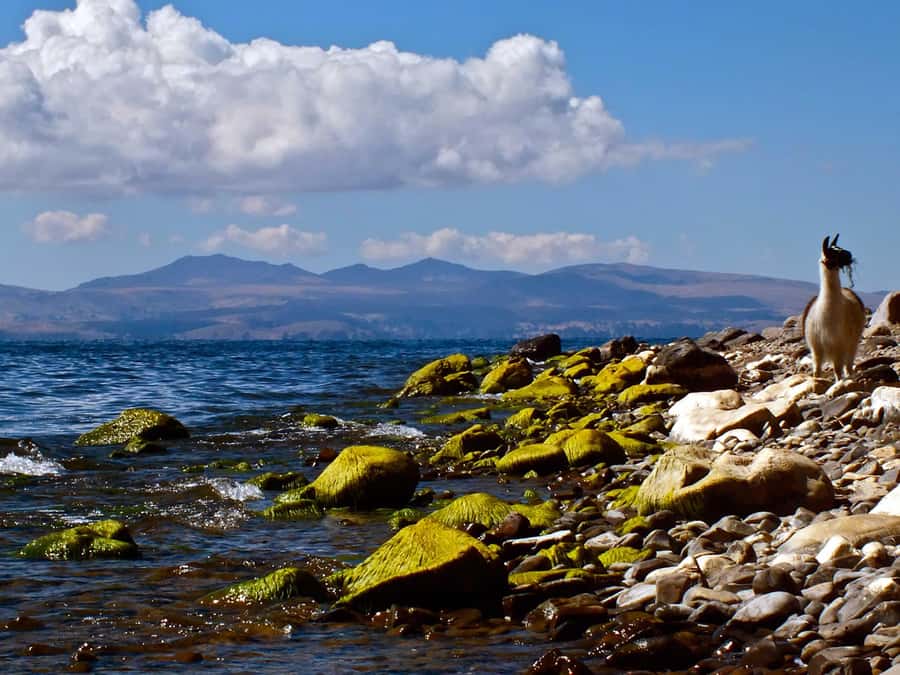
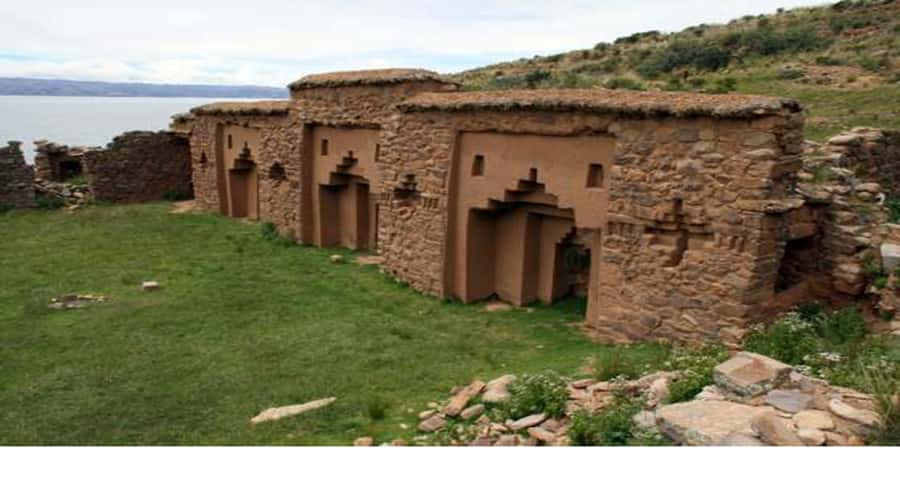
Then it’s back down to the pier for the boat to Moon Island. This side of the tour focuses on the archaeological remains of two major features: the Temple of the Moon and the house of the Virgins of the Sun.
The interesting thing about pairing these stops is contrast. You move from sun-linked sites to moon-linked ones, but you’re still inside a broad spiritual and cultural world. When the guide explains what these places represent, it helps you see the day as more than a checklist.
For me, this is the part that tends to feel most emotionally charged, because the names alone are vivid. You’re standing where religious and ceremonial life was organized, then your guide frames it in a way that makes the ruins feel like a system, not scattered stones.
If you’re someone who likes to take photos, plan for it, but don’t let the camera run the show. Sit for a second when you can. A short pause makes the whole place feel larger and more real.
Guide style: English and Spanish, and why it matters
The tour includes a professional English-Spanish guide, and that language support is more than a comfort perk. On archaeology days, the details are the difference between seeing something and understanding it.
One theme that stands out from the tour experience is that the guiding tends to be friendly and eager to explain. You’re not stuck with one-note facts. You get a guided walk through sites tied to Inca-era elements, sun and moon themes, and myth-linked stops like the Sacred Rock.
Because the day is only 1 day, clarity matters. A guide who can explain well helps you get value out of every hour, instead of losing time by guessing what you’re looking at.
Price and value: is $120 a fair deal for a 1-day loop?
At $120 per person for a 1-day tour, the value comes from what’s included, not just the headline number. You get:
- A professional English-Spanish guide
- Entrance tickets to each place visited
- A speedboat (shared boat)
- The full Sun and Moon island excursion for the day
For a one-day trip, entrance fees alone can add up quickly. Adding the boat transport and a bilingual guide means you’re paying for coordination and access, which is exactly what makes this kind of island route work smoothly.
If you were to try doing this on your own, the hard part wouldn’t just be getting to the islands. It would be stitching together timing, getting into the right sites, and having someone explain what you’re seeing in context. This tour solves that, and it does it in a way that gets you back to Copacabana around 17:00.
Who this tour suits best
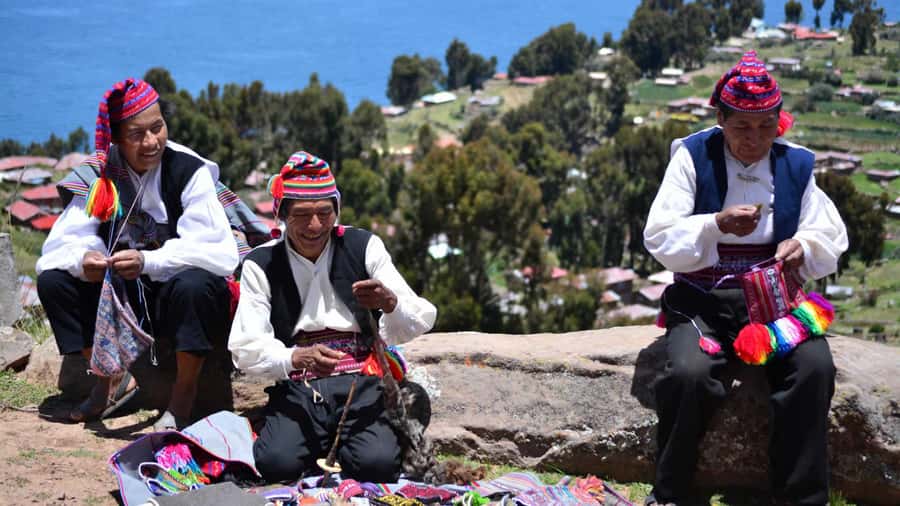
This tour is a strong match if you:
- Want both islands in one day, not a multi-day commitment
- Enjoy walking through archaeological areas with story-based interpretation
- Prefer a guided day with clear sequencing and entrance tickets handled
- Like the idea of seeing sun and moon themed sites back-to-back
It may not be ideal if you’re hoping for a slow, relaxing day with lots of free time. The structure is built for moving. It also includes stair sections, including the Yumani stairs, so people who need very easy walking might want to compare alternatives.
Should you book the Sun and Moon Island Tour?
If your goal is a focused, culturally themed day on Lake Titicaca, I think this is worth booking. The biggest reason: it hits the key sites on both Sun and Moon islands in one managed loop, with an included guide and entrances that keep the day smooth. You also get meaningful stops, not just scenic passing views, including Pikokaina, Yumani stairs, Chinkana, the Sacred Rock, plus Moon Island’s Temple of the Moon and the house of the Virgins of the Sun.
My final call: book if you want a structured day with strong cultural context and you’re comfortable staying active all day. Pass if you want lots of downtime or need very gentle walking. With the tour’s 4.5-style track record and a guide approach that clearly connects the sites, it’s a solid choice for first-time island visitors.
FAQ
What time is hotel pickup in Copacabana?
Pickup is at 08:00 in Copacabana. From there, you head to the pier to begin the boat portion of the tour.
How long does the Sun and Moon Island Tour last, and when do we return?
The tour lasts 1 day. The approximate return to Copacabana is 17:00.
What languages does the guide speak?
The guide is available in English and Spanish.
What is included in the $120 price?
The tour includes a professional English-Spanish guide, entrance tickets to each place visited, and a speedboat (shared boat) for the excursion.
Which places do you visit on Sun Island?
On the Sun Island side, you visit Pikokaina (Temple of the Sun), tour the southern part of Sun Island, descend the Yumani stairs, and see the fountain of eternal youth and the Inca garden.
Which places do you visit on Moon Island?
On Moon Island, you visit the archaeological remains of the Temple of the Moon and the house of the Virgins of the Sun.
Is free cancellation available?
Yes. You can cancel up to 24 hours in advance for a full refund.
More Tours in Urubamba
- Machu Picchu: Group Guided Tour
★ 4.7 · 102 reviews - Machu Picchu: Tour Guide Service & Entrance Ticket Circuit-2
★ 4.6 · 90 reviews - Cusco: One Day Tour to Machu Picchu with Train Transfers
★ 4.8 · 28 reviews - Machu Picchu: historical and photographic guided tour
★ 4.9 · 27 reviews - Cusco: River Rafting Adventure Full Day | Adrenaline Tour
★ 4.9 · 23 reviews
More Tour Reviews in Urubamba
- Cusco:Sacred Valley Pisaq,Ollantaytambo,Chinchero with Lunch
★ 4.8 · 183 reviews - Machu Picchu: Group Guided Tour
★ 4.7 · 102 reviews - Machu Picchu: Tour Guide Service & Entrance Ticket Circuit-2
★ 4.6 · 90 reviews - From Cusco: Chinchero, Moray, Maras and Ollantaytambo
★ 4.5 · 83 reviews - from Urubamba & Ollantaytambo:Sacred Valley Full-Day Private
★ 4.9 · 31 reviews
Freshly reviewed across Urubamba
- Sacred Valley Tour 1 Day★ 5.0 · 3 reviews
- Peru in 5 days: Lima, Cusco, Machupicchu & Rainbow Mountain★ 5.0 · 3 reviews
- Sun and Moon Tour★ 4.5 · 3 reviews
- Cusco | Visit Maras, Moray, Chinchero, Pisac | Valle Vip★ 4.4 · 3 reviews
- 1 Day – Humantay Lake★ 3.1 · 3 reviews
- From Cusco:Chinchero, Moray, Maras, Ollantaytambo with lunch★ 5.0 · 3 reviews