
REVIEW · MARAS AND MORAY
Cusco | Visit Maras, Moray, Chinchero, Pisac | Valle Vip
One day can feel like a whirlwind, and this Cusco loop earns it. It strings together Chinchero, Moray, the Maras salt ponds, Urubamba lunch, Ollantaytambo ruins, and Pisac terraces and a major cemetery in about 10 hours. I especially like how the day moves from Inca agriculture to salt extraction and then into Inca stonework and burial history.
Two standouts for me are the stop at Moray’s agricultural terraces and the salt ponds, with their long Inca-era connection. I also like that you get a real break with an Andean buffet lunch in Urubamba, not just a quick snack. The one drawback to plan for is pacing and crowd friction, since the day can include touristy shop stops and it can feel loud if you end up in a mixed group.
If you want to see a lot without organizing transport yourself, this is a solid way to do it. Just keep your expectations realistic: you’ll be active, you’ll walk uneven ground, and you’ll want good footwear more than anything else.
In This Review
- Key things to know before you go
- Entering the Sacred Valley loop from Cusco
- Chinchero: Inca roots plus a colonial temple
- Moray: an agricultural laboratory you can actually picture
- Maras salt ponds: Inca-era salt extraction in plain sight
- Urubamba buffet lunch: fuel before the ruins
- Ollantaytambo ruins: history plus transport connection
- Pisac archaeological center: terraces and a preserved cemetery
- Price and value: is $43 a deal for 10 hours?
- Pace, shops, and group dynamics you should plan for
- What to bring, and what to avoid
- Who should book this Valle Vip style day?
- Should you book this one-day Cusco Sacred Valley loop?
- FAQ
- What time does the tour pick you up in Cusco?
- How long is the Cusco to Valle Vip tour?
- What’s included in the price?
- What entrance fees are not included?
- What languages does the guide speak?
- Is this tour suitable for wheelchair users?
Key things to know before you go

- Early pickup at 6:30 a.m. means you should be ready for a full, long day.
- Five major stops in one loop saves time, especially if you have limited days in Cusco.
- Moray’s terraces plus Maras salt ponds connect two very different Inca-era uses of land.
- Urubamba buffet lunch is included and gives you a proper sit-down meal.
- Ollantaytambo ruins are paired with the train terminal area for Aguas Calientes.
- Pisac terraces and a notable cemetery close the day with something visually dramatic and historically heavy.
Maras salt and Moray terracing, other trips
- From Cusco: Chinchero, Moray, Maras and Ollantaytambo
★ 4.5 · 83 reviews - Cusco: Sacred Valley and Salt Mines Ending in Ollantaytambo
★ 4.6 · 5 reviews - From Cusco:Chinchero, Moray, Maras, Ollantaytambo with lunch
★ 5.0 · 3 reviews - From Cusco: Sacred Valley & Moray, Salt Mines with Lunch
★ 4.6 · 3 reviews
Entering the Sacred Valley loop from Cusco
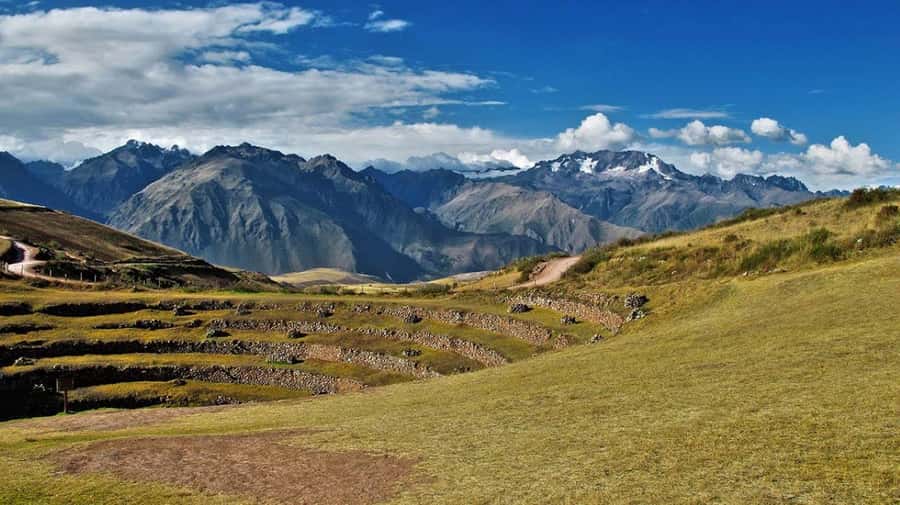
This tour is built for momentum. You’re picked up in Cusco at 6:30 a.m., then you spend the day working through the Sacred Valley sites in a clockwise-style route. The return is around 7:00 p.m., so it’s not a half-day sightseeing sprint. It’s a full cultural circuit with plenty of stops and enough time at each place to get the main ideas.
You get a bilingual live guide (English and Spanish) and round-trip transportation. That matters because each site has its own story, and the guide helps you connect the dots between Inca engineering, colonial-era presence, and everyday life in the valley. If you like understanding what you’re seeing, the guide role is a real part of the value.
The structure also means you’ll be walking and viewing on the go. You should come prepared with comfortable shoes and water, and keep your camera handy for big terrace views. Alcohol and drugs are not allowed, so keep the day simple and focused.
Chinchero: Inca roots plus a colonial temple
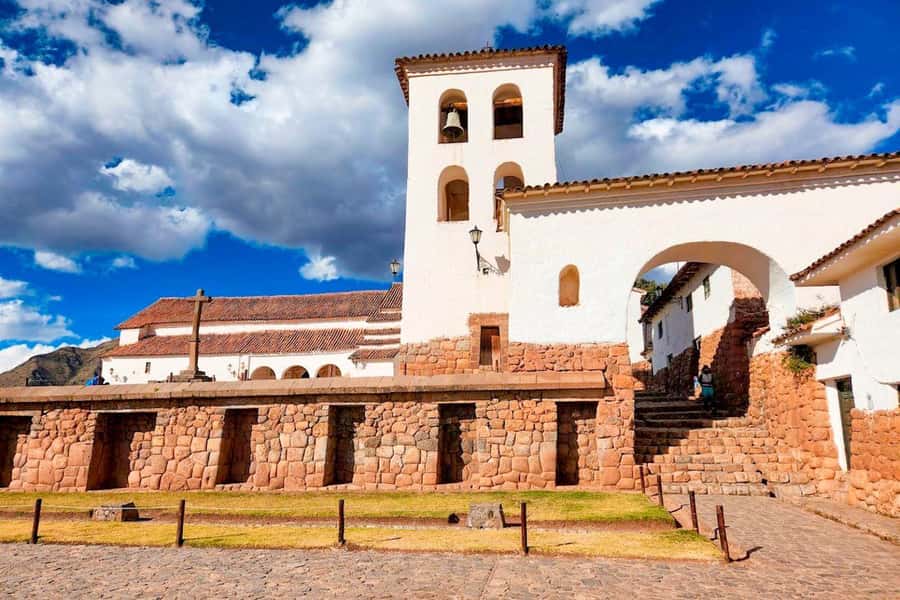
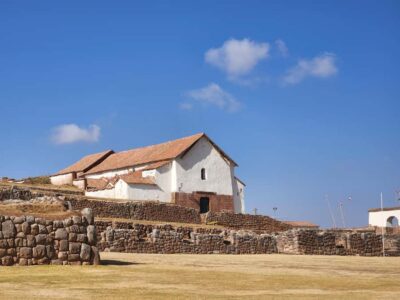
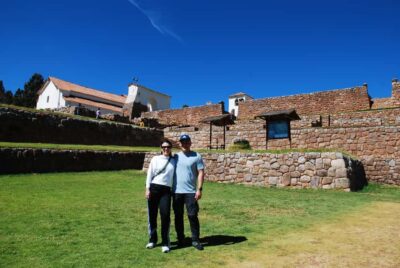
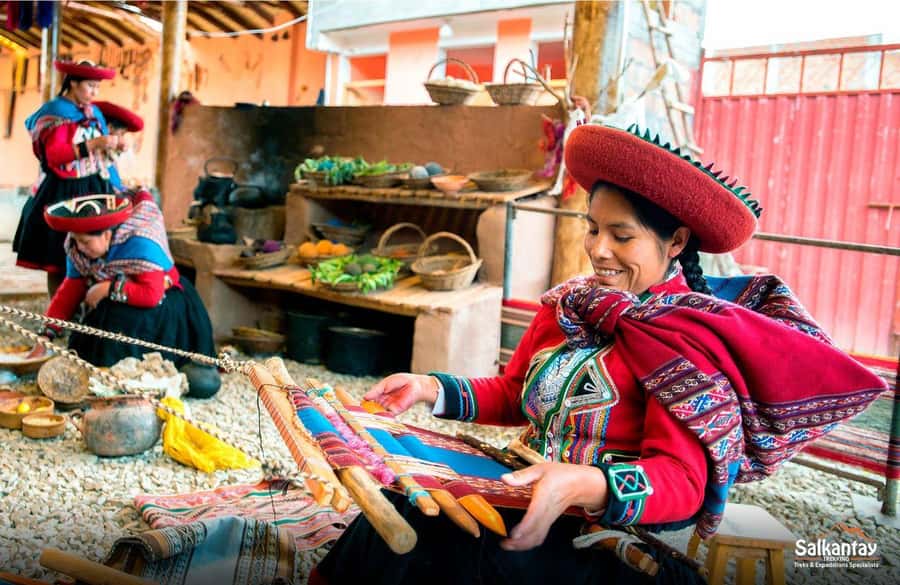
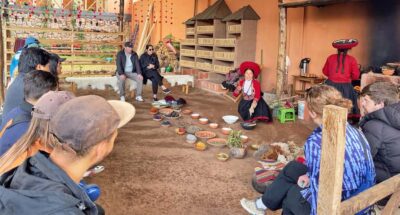
Chinchero is the first major stop, and it’s a smart one to start with. You visit the archaeological centers and a colonial temple, which gives you an early contrast between older Inca presence and later Spanish influence. Seeing both in the same area helps you understand how layers of history overlap in this region.
Here’s what makes Chinchero useful for first-time visitors: it frames the day’s bigger themes. The Inca sites tend to highlight planning and terrain use, while the colonial temple points to the cultural shift that followed. Even if you’re not a hardcore history reader, the guide’s explanation helps you look past the postcard view and into why the buildings sit where they do.
Practical tip: Chinchero is a place where you’ll likely do some walking between viewpoints. Wear shoes that handle uneven stone and don’t rely on sand-colored sneakers that slip easily on rocks.
Moray: an agricultural laboratory you can actually picture
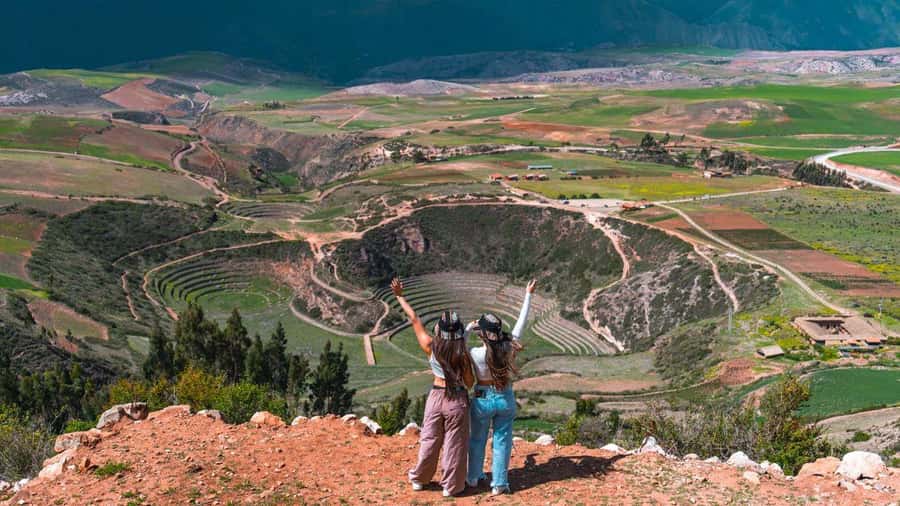
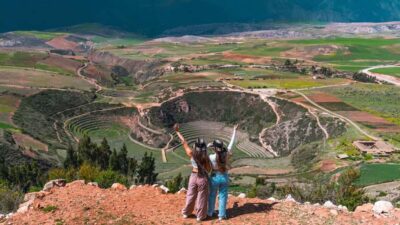
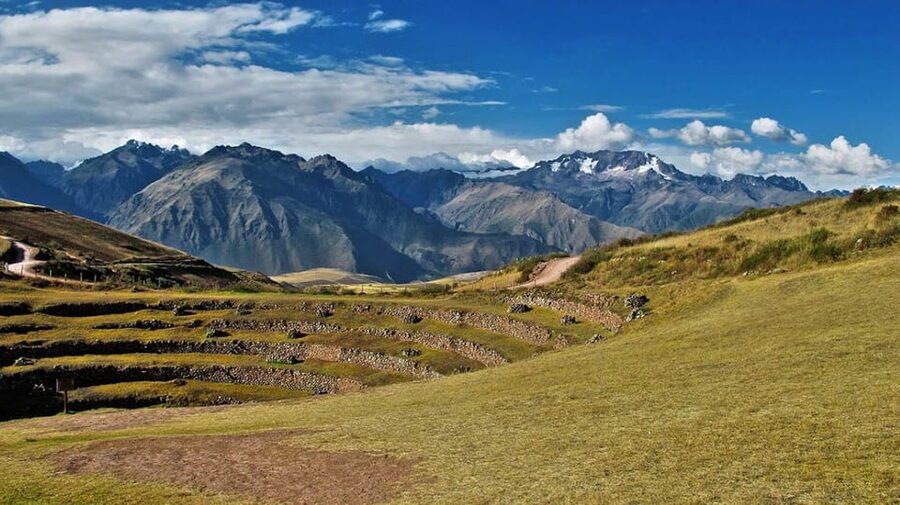
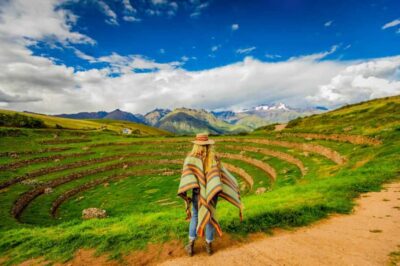
Moray is one of the best stops on this kind of route because it’s both visual and conceptually interesting. You go to the agricultural laboratory area and see the agricultural terraces, which are often explained as part of how the Incas experimented with growing conditions.
The key value here is how easy it is to imagine the experiment once you’re standing in the terrace bowl-like setting. Terraces weren’t just for looks, they were a tool. The guide can connect the geometry to agriculture, helping you see Moray as a working system rather than just a set of ruins.
If you like science-by-way-of-land, Moray is a highlight. You’re not only looking at stonework, you’re learning why the terraces matter. Come in with a curious mindset and take your time with the terrace lines, because that’s where the explanation clicks.
Maras salt ponds: Inca-era salt extraction in plain sight
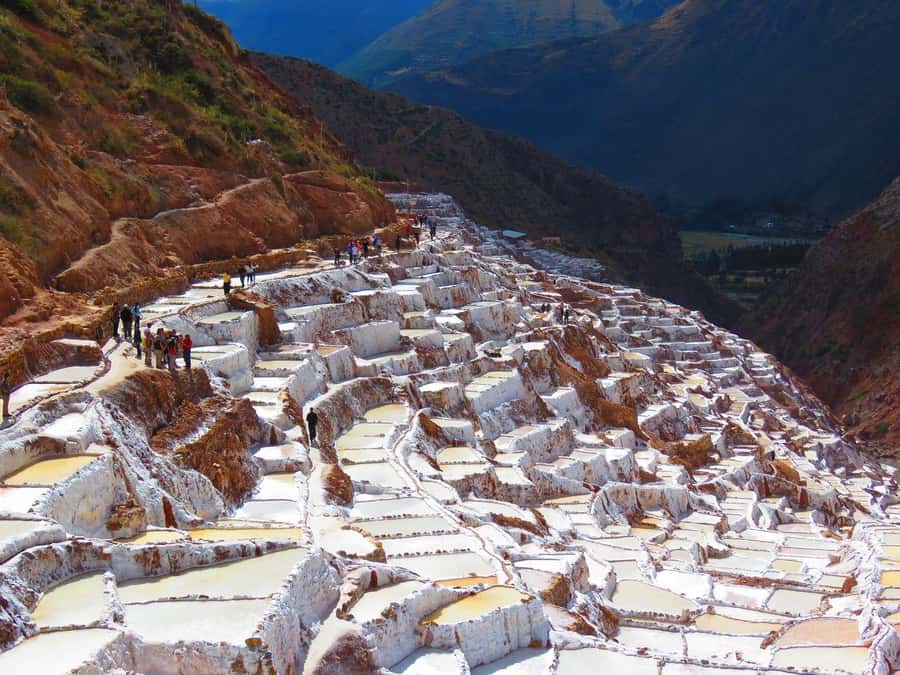
After Moray, the route heads toward the salt ponds connected to Maras. This is a standout because the scene is instantly recognizable: small, separated ponds, stacked and stepped into the terrain. What the tour emphasizes is that these salt ponds were exploited since Inca times, so you’re seeing a long-running resource use, not a modern invention.
This stop also changes the tone of the day. After terraces focused on farming experiments, you shift to a different kind of production: salt. You get the sense of how Inca-era infrastructure could serve practical needs that kept going for generations.
Practical tip: if you’re sensitive to sun, bring your water and take short breaks when you can. You’ll be outside for part of the morning through the afternoon, and the overall schedule runs tight.
Pisac market and Ollantaytambo fortress, other runs
Urubamba buffet lunch: fuel before the ruins
In Urubamba, you get a buffer lunch at leisure. That word leisure matters, because it breaks the non-stop pattern. You’re not just grabbing something standing up, you have a set lunch window before the next archaeological stretch.
Why this lunch slot is valuable: Urubamba is where you reset your energy. The day’s final third includes two heavier sites, and you’ll want food in your system for the walking and the viewing. Also, because the lunch is included, you can budget your day more cleanly. (Just note that not all site entrance costs are included, so you may still want some cash or payment plan ready.)
If you’re a picky eater, keep it simple and go with what looks familiar. Don’t assume it’ll match your home-country preferences, but do expect a genuine, local-style meal rather than a snack-only stop.
Ollantaytambo ruins: history plus transport connection
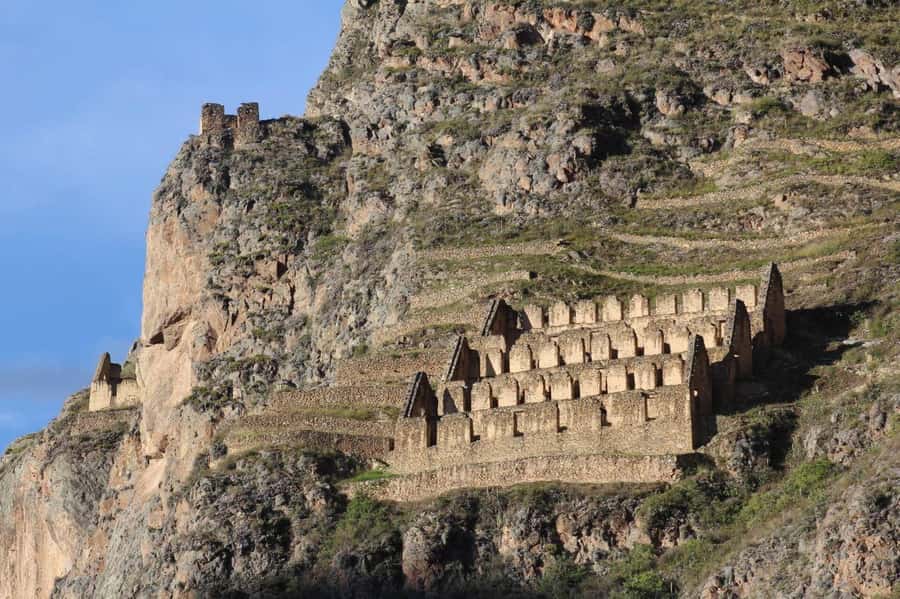
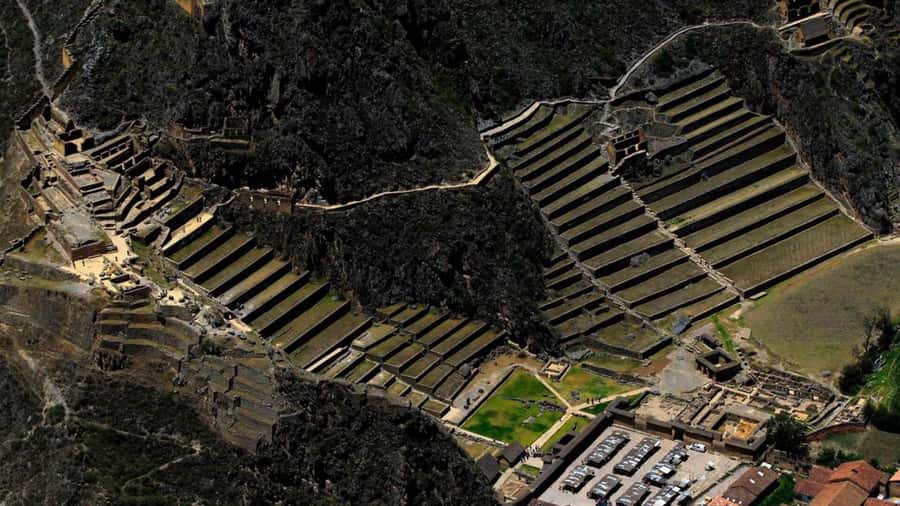
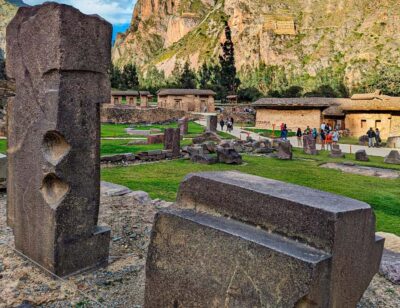
Ollantaytambo comes next, and it’s both an archaeological site and a modern travel hub. You visit the archaeological ruins and also see the town area where the train terminal is located. Some travelers take trains from there to Aguas Calientes, which is the doorway to Machu Picchu for many routes.
What makes this stop more than just ruins is the context. The guide can help you connect why Ollantaytambo still matters today. It isn’t only stone on a hill, it’s a working gateway that modern routes still rely on.
A balanced caution: because of that transport connection, the area can feel busy. If you’re the type who needs quiet to enjoy ruins, come prepared for movement around you. The upside is that the ruins themselves are still worth your attention. They give you a strong Inca stonework feeling after Moray’s terrace engineering.
Pisac archaeological center: terraces and a preserved cemetery
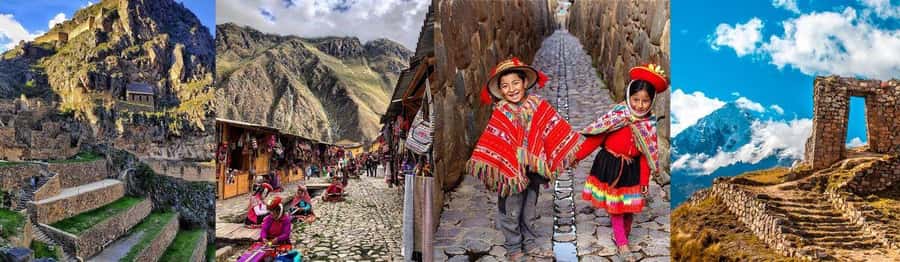
Pisac closes out the day, and it’s a good finale. You’ll see numerous Andean terraces and what the tour describes as the best preserved Andean cemetery in the region. That combination is powerful because terraces show land use, while the cemetery brings the human story forward.
This is where the day’s theme can land emotionally. Early stops focus on production and structures, but Pisac adds how communities lived and what they valued in death and remembrance. Even if you’re not fluent in the deeper symbolism, the scale and preservation help you take it seriously.
Timing note: because you’re on a one-day schedule, your time here may feel more intense than a slow visit would. That doesn’t mean it’s short, it means you should walk intentionally. If you see a terrace line or cemetery viewpoint, pause and look, then move on when you’ve taken it in.
Price and value: is $43 a deal for 10 hours?
The stated price is $43 per person for 10 hours, including hotel pickup in Cusco, round-trip transportation, a bilingual guide, and buffet lunch. For many people, that’s where the value lives. You’re paying to have a guide interpret multiple major sites and to avoid the mental load of coordinating transport across the valley.
But you should account for entrance fees not included. The tour lists sacred valley entrance fees of 70 soles and Maras entrance fees of 20 soles. That means the true all-in cost can be meaningfully higher than the headline price. If you’re comparing options, ask yourself whether you prefer paying extra for comfort and interpretation, or going cheaper with self-guided transport.
Where this tour tends to be worth it is when you want structure. A one-day circuit can prevent that common Cusco problem: spending half your time figuring logistics and the other half missing the main sights. Here, the route is already arranged, and the guide helps you use the time efficiently.
Pace, shops, and group dynamics you should plan for
This is the part you should not skip in your decision. The schedule is full, and that can lead to a common pattern on these routes: brief stops that feel more commercial than archaeological.
One recurring theme is that there may be a sales-oriented shop stop, including a jewelry store at the end of the tour. Another comment pointed to wanting more time at the Inca sites and less time at craft stores. That doesn’t mean the day is bad, but it does mean you should be mentally ready for some time that feels secondary to the core ruins.
Then there’s the human factor, which is harder to predict. Even though the format is described as small group, one experience highlighted that being grouped with a loud cluster can make the day feel longer. So if you know you’re sensitive to noise, it’s worth bringing coping tools, like keeping headphones available for quiet moments between stops (assuming the operator allows it).
The good news is that the same day can still deliver if the guide controls timing well. One named guide, Vergilio, was specifically praised for doing a great job managing the flow. A strong guide can make the pacing feel smoother, and you’ll feel it most during the transitions between sites.
What to bring, and what to avoid
The tour gives clear basics, and I’d treat them as non-negotiables.
Bring:
- Comfortable shoes for stone paths and uneven ground
- Water to stay steady through the long day
- Camera if terraces and ruins are your thing
- Comfortable clothes for outdoor walking
Not allowed:
- Alcohol and drugs
Also remember this is a full-day physical plan. You’re looking at multiple sites in one stretch, so pack like you’re doing a long walk day, not a casual stroll.
Who should book this Valle Vip style day?
This tour makes sense if you fit one of these profiles:
- You have limited time in Cusco and want to hit multiple Sacred Valley anchors in one day.
- You want a bilingual guide telling you what you’re looking at, especially for agricultural systems like Moray.
- You like a practical travel day with transport handled and an included buffet lunch.
It may be less ideal if:
- You want a slow, quiet experience at one or two sites rather than a packed loop.
- You strongly dislike shop stops. Be ready for some commercial time, even if the core sights are the main event.
The tour also notes it’s not suitable for wheelchair users and not suitable for people over 95 years. If you’re in that range, it’s worth looking for a less physically demanding alternative or a shorter itinerary.
Should you book this one-day Cusco Sacred Valley loop?
If you want the most sightseeing coverage per day and you’re okay with a tightly managed schedule, I think this is a good booking. The combination of Chinchero, Moray, Maras salt ponds, Ollantaytambo, and Pisac gives you a strong cross-section of the region, not just one type of site.
I’d book it when you can handle:
- a long day starting early
- walking between stops
- the chance of a bit of commercial time
I’d skip or reconsider if you crave:
- deep, unhurried time at fewer sites
- a tour day that feels strictly focused on ruins only
- a guaranteed quiet group experience
If you do book, tip to maximize your day: wear your best shoes, bring water, and keep your expectations anchored on the core sights. When the guide keeps the pace controlled, this kind of itinerary can give you a full, memorable snapshot of the Sacred Valley before evening returns you to Cusco.
FAQ
What time does the tour pick you up in Cusco?
Pickup is at 6:30 a.m. and the tour returns to Cusco around 7:00 p.m.
How long is the Cusco to Valle Vip tour?
The duration is 10 hours.
What’s included in the price?
It includes hotel pickup in Cusco, round-trip transportation, a bilingual live guide (English and Spanish), and an Andean buffet lunch.
What entrance fees are not included?
Entrance fees are not included for the Sacred Valley (70 soles) and Maras (20 soles).
What languages does the guide speak?
The tour provides a live guide in Spanish and English.
Is this tour suitable for wheelchair users?
No. It is not suitable for wheelchair users, and it is also noted as not suitable for people over 95 years.
More Tour Reviews in Urubamba
- Cusco:Sacred Valley Pisaq,Ollantaytambo,Chinchero with Lunch
★ 4.8 · 183 reviews - Machu Picchu: Group Guided Tour
★ 4.7 · 102 reviews - Machu Picchu: Tour Guide Service & Entrance Ticket Circuit-2
★ 4.6 · 90 reviews - From Cusco: Chinchero, Moray, Maras and Ollantaytambo
★ 4.5 · 83 reviews - from Urubamba & Ollantaytambo:Sacred Valley Full-Day Private
★ 4.9 · 31 reviews
Pisac and Ollantaytambo Again
- Cusco:Sacred Valley Pisaq,Ollantaytambo,Chinchero with Lunch
★ 4.8 · 183 reviews - From Cusco: Chinchero, Moray, Maras and Ollantaytambo
★ 4.5 · 83 reviews - from Urubamba & Ollantaytambo:Sacred Valley Full-Day Private
★ 4.9 · 31 reviews - Cusco: Sacred Valley and Salt Mines Ending in Ollantaytambo
★ 4.6 · 5 reviews - From Cusco:Chinchero, Moray, Maras, Ollantaytambo with lunch
★ 5.0 · 3 reviews
Maras Salt and the Moray Rings
- From Cusco: Chinchero, Moray, Maras and Ollantaytambo
★ 4.5 · 83 reviews - Cusco: Sacred Valley and Salt Mines Ending in Ollantaytambo
★ 4.6 · 5 reviews - From Cusco:Chinchero, Moray, Maras, Ollantaytambo with lunch
★ 5.0 · 3 reviews - From Cusco: Sacred Valley & Moray, Salt Mines with Lunch
★ 4.6 · 3 reviews
Freshly reviewed across Urubamba
- Sacred Valley Tour 1 Day★ 5.0 · 3 reviews
- Peru in 5 days: Lima, Cusco, Machupicchu & Rainbow Mountain★ 5.0 · 3 reviews
- Sun and Moon Tour★ 4.5 · 3 reviews
- Cusco | Visit Maras, Moray, Chinchero, Pisac | Valle Vip★ 4.4 · 3 reviews
- 1 Day – Humantay Lake★ 3.1 · 3 reviews
- From Cusco:Chinchero, Moray, Maras, Ollantaytambo with lunch★ 5.0 · 3 reviews
Maras and Moray Tours side by side.
 ★ 4.8From Cusco: Sacred Valley & Maras Salt Mines Tour with LunchFrom $282,227 reviews
 ★ 4.8From Cusco: Moray, Maras Salt Mines & Chinchero Weavers TourFrom $151,925 reviews
 ★ 4.6Cusco: Sacred Valley, Pisac, Ollantaytambo, Salt Mines MorayFrom $281,058 reviews
 ★ 4.8Cusco:Chinchero,Moray & Salt Mines drop-off in OllantaytamboFrom $27793 reviews
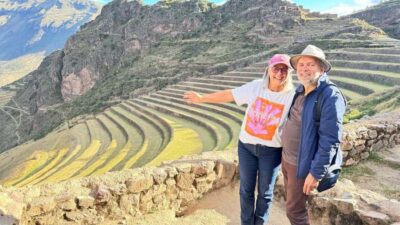 ★ 4.8Sacred Valley: Chinchero, Moray, Ollantaytambo & Pisac+LunchFrom $25501 reviews
 ★ 4.6Sacred Valley: Maras & Moray by Quad Bike from CuscoFrom $39418 reviews
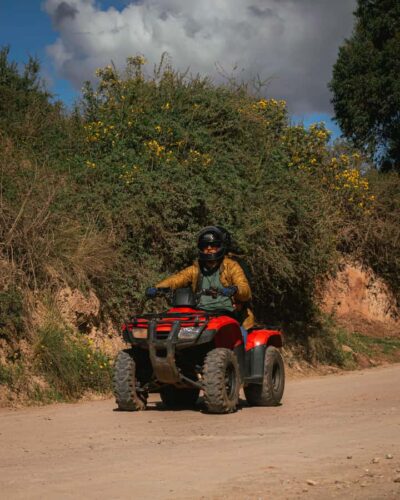 ★ 4.7From Cusco: Quad bike tour Moray and Salt MinesFrom $27314 reviews
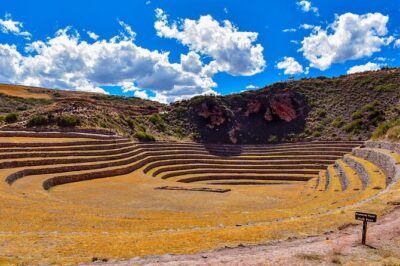 ★ 5.0From Cusco: Moray, Maras Salt Mines & Chinchero Weavers Half-DayFrom $15126 reviews
Also on these Peru lists