
REVIEW · AREQUIPA CITY
From Arequipa: Climbing in the Chilina Valley
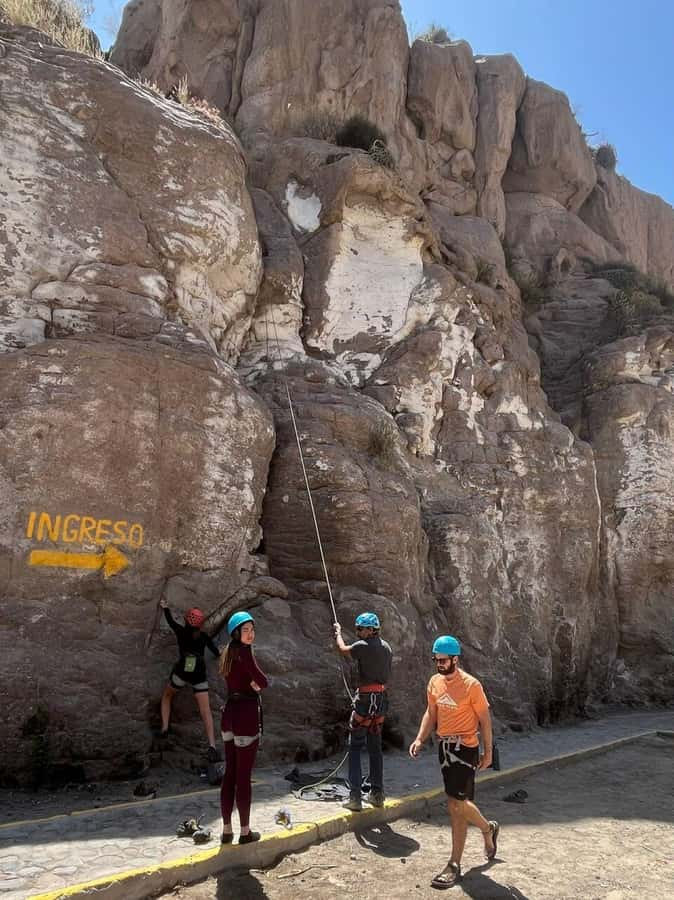
Rock climbing in Arequipa sounds intense, and it is. This Chilina Valley session mixes real wall time with big views from the top, and in at least one recent climb with guide Joshua, the instruction was calm and confidence-building for a first-timer. The one catch is simple, you’re on rock for about three hours, so this is not a sit-and-see photo tour.
I like the structure: pickup at 10:00 am, a brief technical talk, harness up, then climb at heights that match your level, usually in the 10 to 25 meter range. You’ll finish back in Arequipa at 2:00 p.m., with a small cookie, fruit, and bottled water to reset your legs and mind.
If you want this to feel fun instead of stressful, you’ll need to go in ready to listen, climb, and trust the guide’s feedback. That means paying attention during the technical talk and speaking up if something feels off.
In This Review
- Key points
- Chilina Valley Starts With a 10:00 am Pickup, Not a Long Wait
- The Brief Technical Talk That Makes You Safer and Smarter
- Harness Up and Climb 10 to 25 Meters, Matched to Your Level
- The View From the Top Makes the Work Feel Worth It
- Snack Time and Route Debrief, Because Recovery Is Part of Adventure
- Language Support and Guides: English and Spanish With Real Guidance
- Who Should Book This Chilina Valley Climb
- Practical Tips That Keep Your Day Smooth
- Is It Good Value? The Short Half-Day Packing Problem
- Should You Book This Chilina Valley Climbing Tour?
- FAQ
- Where does this climbing tour take place?
- How long is the experience?
- What time does pickup happen?
- When do you return to Arequipa?
- How long do you climb?
- How high can I climb?
- Are harnesses provided?
- What languages is the guide available in?
- Is food or water included?
- Can I cancel if my plans change?
Key points
- Pickup at 10:00 am, finish in Arequipa by 2:00 p.m.
- Harness up and climb for about 3 hours with a live guide.
- Climb 10 to 25 meters high, adjusted to your level.
- Top-of-wall views across the whole Chilina Valley.
- Cookie, fruit, and bottled water after climbing, plus route conversation.
Santa Catalina, Yanahuara and more Arequipa
- From Arequipa: Colca Canyon Full-Day Guided Tour with Meals
★ 4.5 · 982 reviews - Tour to the Salinas Lagoon and National Reserve in Arequipa
★ 4.5 · 548 reviews - From Arequipa: Sillar Route Trek
★ 4.2 · 461 reviews - Arequipa: Chili River White Water Rafting with Hotel Pickup
★ 4.8 · 329 reviews
Chilina Valley Starts With a 10:00 am Pickup, Not a Long Wait
This tour runs like a clean, half-day plan. You get picked up at 10:00 am and you’re back in Arequipa by 2:00 p.m. That timing matters because it keeps the trip efficient. You still get a full morning workout, but you don’t lose your whole day to transportation and delays.
Once you reach the Chilina Valley, the day quickly shifts from travel mode to action mode. There’s no slow “watch and wait” stage. The program is built around doing, first with a short technical briefing and then with actual climbing on the rocky walls.
I also like that the tour stays centered on one place and one goal. Chilina Valley is the star. Instead of bouncing between stops, you get time to feel the rhythm of the activity, improve with each route, and end with a clear sense of accomplishment.
The Brief Technical Talk That Makes You Safer and Smarter
Before you start climbing, you get a brief initial technical talk. Even though it sounds short, it’s the part that can turn a scary activity into a manageable one.
From the way the guide Joshua worked with first-timers, the focus seems to be on making you feel at ease, not just giving rules. He helped a new climber and their partner feel comfortable and confident, and he guided them while they ascended. That’s a big deal. When your brain is calm, you climb better. You also learn quicker.
Here’s the practical takeaway for you: treat that talk like your “real climbing lesson.” Ask questions during it. Get clarity on what to do if you feel unsure. If your guide offers different options based on your comfort level, lock in on that right away.
The good sign is simple. You should be leaving the briefing knowing what to expect on the wall: how the climbing will work, what your limits feel like, and how your guide will help you adjust as you go.
Harness Up and Climb 10 to 25 Meters, Matched to Your Level
The tour’s climbing time is the heart of it. After the talk, you put on your harness and you begin climbing. The program is designed so you can climb somewhere around 10 to 25 meters high, depending on your sport level.
That range is one of the most useful details here. It tells you the tour isn’t locked into one fixed route height for everyone. Instead, you should get a choice or adjustment so you’re not forced into a level that feels above your head, literally.
What you’ll likely notice is that higher isn’t automatically better. Higher means more exposure and more mental pressure. If you’re newer, you can often focus on technique and confidence on the lower sections. If you’re more experienced, the higher options let you push harder and enjoy the sustained wall time.
The overall climbing block runs about three hours. Three hours is long enough for real progress, but short enough that you’re not wrecked for the rest of the day. If you’re used to gentler activities, mentally plan for effort. Your arms and legs will feel it.
And yes, you’ll still want to move with care. Rock climbing is not about rushing. It’s about controlled body movements and listening to the guide’s cues.
The View From the Top Makes the Work Feel Worth It
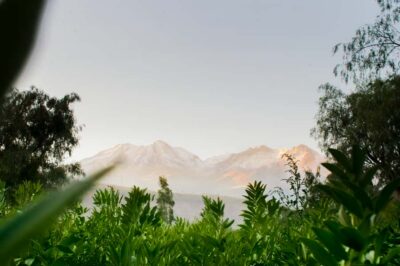
You don’t climb just to climb. Once you reach the top, you get the payoff: a beautiful view of the entire Chilina Valley.
This is why the tour feels special even for people who are nervous about heights. The view is earned. It’s not just a scenic backdrop. It’s a reward that changes how the whole climb feels in hindsight.
Standing up high over the valley gives you perspective on Arequipa’s geography and how dramatically the terrain shapes the experience. You also get a moment to slow down after the physical effort. That matters, because the climb is active and focused, and then suddenly you’re just taking in the view.
One more note that I think is worth your attention: the tour describes ascending as a way to work both body and mind. That’s not marketing fluff. Climbing forces concentration, decision-making, and self-control. The view becomes the moment your brain relaxes and realizes you made it.
Rappel, via ferrata and other high-pulse options
Snack Time and Route Debrief, Because Recovery Is Part of Adventure
After you’re back on dry land, you don’t just get sent off. The experience includes a small recovery break with cookie and fruit, plus bottled water.
That snack sounds basic, but it helps you reset quickly. After climbing, sugar and hydration can make the difference between “I’m done for the day” and “I can still enjoy my afternoon in Arequipa.”
Then there’s the social part. The program includes time to comment on the climbing route you enjoyed, and it’s a good window to connect with your guide and learn from what you did.
If you’re the kind of person who likes to understand the activity beyond the physical part, this is your chance. Ask what you did well. Ask what to improve next time. Even if you’re a first-timer, a few targeted tips can make a future climb feel smoother.
It also helps you digest the whole experience. A climb can feel like blur while you’re in it. Talking about it after makes it stick.
Language Support and Guides: English and Spanish With Real Guidance
You’ll have a live tour guide in English and Spanish. That matters because climbing is a communication sport. You need clear instructions and reassurance.
In one recent experience, the guide Joshua stood out for creating a comfortable environment for first-time climbers. The key was not only patience, but also the way he adapted routes to individual strengths. That combination is what turns a “try it once” outing into a “I might do this again” memory.
If you’re traveling with a partner or in a small group, this kind of adaptation also helps. Different people get different comfort levels. You want a guide who keeps an eye on both the technique and the confidence.
Who Should Book This Chilina Valley Climb
This experience fits best when you want active adventure with guided support, not just scenic sightseeing.
Book it if:
- You’re curious about climbing and want guided instruction from a live English or Spanish guide.
- You’re a beginner or intermediate climber who would like your height options adjusted, because the climb can range 10 to 25 meters based on level.
- You want a half-day outing with a clear start and finish, pickup at 10:00 am and return by 2:00 p.m.
Skip it or think twice if:
- You’re looking for a relaxed, low-effort experience.
- You’re not comfortable with being harnessed and climbing rock walls for about three hours, even if you can choose lower heights.
Also, if you love nature views but want your body involved, this tour is a good match. The view is the prize, but the activity is the main course.
Practical Tips That Keep Your Day Smooth
Based on the details provided for the experience, here are the most practical things you can do to avoid stress.
First, make sure your contact number is correct with your country code and that you have WhatsApp. This helps the supplier reach you for coordination and last-minute updates.
Second, if you’re booking last minute, check availability with the supplier by e-mail before you finalize. That reduces the chance of a mismatch between your plans and what slots are actually open.
Third, plan your mindset for the timing and effort. You’re climbing for about three hours, then you’ll return and eat a small snack. If you try to stack other big plans for right after 2:00 p.m., you might feel it.
Finally, use the guide’s guidance during the climb. This tour is built around adapting the experience to your level. That means you’ll do better if you listen actively and communicate when you need an adjustment.
Is It Good Value? The Short Half-Day Packing Problem
There’s no price listed here, so I can’t judge cost directly. But you can still judge value by what you get in 4 hours total.
You’re getting:
- A brief technical talk before climbing.
- Harness time and climbing on the valley’s rock walls.
- About three hours on the wall, not just a quick taste.
- A chance to climb up to 25 meters depending on level.
- A top-of-wall view of the whole Chilina Valley.
- A small but real recovery break with cookie, fruit, and bottled water.
When you total that up, the tour feels structured. It’s not just a view stop. It’s not just a workout with no payoff. It’s both, with a guided layer that helps you enjoy it more, especially if it’s your first time.
Should You Book This Chilina Valley Climbing Tour?
If your ideal Arequipa day includes physical activity, a guided experience, and a big view reward, I’d say this is worth booking. It’s time-efficient, it’s designed to match your climbing level with heights around 10 to 25 meters, and it includes the support piece that helps you feel comfortable on the rock.
I especially recommend it if you value clear guidance. The story around guide Joshua is exactly the kind of thing you want from an instructor, patient, confidence-building, and focused on routes that fit individual strengths.
The only real reason to pass is if you want a totally relaxed day. This is active climbing in the Chilina Valley, and your body will know it. If that sounds like your kind of adventure, lock it in and plan for a memorable morning.
FAQ
Where does this climbing tour take place?
It takes place in the Chilina Valley in the Arequipa Region of Peru.
How long is the experience?
The total duration is 4 hours.
What time does pickup happen?
Pickup is at 10:00 am.
When do you return to Arequipa?
The activity finishes with arrival in Arequipa at 2:00 p.m.
How long do you climb?
You enjoy the climbing activity for about three hours.
How high can I climb?
You can climb between 10 and 25 meters high, depending on your level in the sport.
Are harnesses provided?
Yes, you put on the harness and then begin climbing the rocky walls of the valley.
What languages is the guide available in?
The live tour guide is available in English and Spanish.
Is food or water included?
Yes. After returning to dry land, you get a cookie and fruit with bottled water.
Can I cancel if my plans change?
Yes. There is free cancellation up to 24 hours in advance for a full refund.
More Tour Reviews in Arequipa
- From Arequipa: Colca Canyon Full-Day Guided Tour with Meals
★ 4.5 · 982 reviews - Tour to the Salinas Lagoon and National Reserve in Arequipa
★ 4.5 · 548 reviews - From Arequipa: Sillar Route Trek
★ 4.2 · 461 reviews - Arequipa: Chili River White Water Rafting with Hotel Pickup
★ 4.8 · 329 reviews - From Arequipa: 2-Day Colca Canyon Trekking Tour
★ 4.8 · 243 reviews
Higher-Pulse Days in Arequipa
- Rock Climbing in Arequipa, Perú
★ 5.0 · 28 reviews
Arequipa Under El Misti
- From Arequipa: Colca Canyon Full-Day Guided Tour with Meals
★ 4.5 · 982 reviews - Tour to the Salinas Lagoon and National Reserve in Arequipa
★ 4.5 · 548 reviews - From Arequipa: Sillar Route Trek
★ 4.2 · 461 reviews - Arequipa: Chili River White Water Rafting with Hotel Pickup
★ 4.8 · 329 reviews - From Arequipa: 2-Day Colca Canyon Trekking Tour
★ 4.8 · 243 reviews
Freshly reviewed across Arequipa
- Excursion Salinas Lagoon and National★ 5.0 · 3 reviews
- From Arequipa: Full Day Colca Canyon Tour★ 4.5 · 3 reviews
- Arequipa: Colca Canyon Trekking 2 days and 1 night + food★ 4.8 · 3 reviews
- Walking tour through the Historic Center of Arequipa★ 4.0 · 3 reviews
- Arequipa: Catarata de Pillones and Bosque de Piedras Tour★ 4.3 · 3 reviews
- Cooking Class Typical Food in Arequipa★ 3.9 · 3 reviews
Arequipa City Tours side by side.
 ★ 4.5From Arequipa: Colca Canyon Full-Day Guided Tour with MealsFrom $42982 reviews
 ★ 4.5Tour to the Salinas Lagoon and National Reserve in ArequipaFrom $27548 reviews
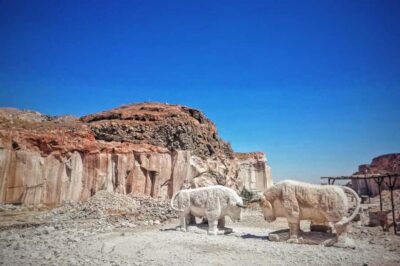 ★ 4.2From Arequipa: Sillar Route TrekFrom $12461 reviews
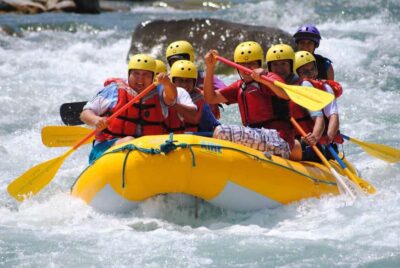 ★ 4.8Arequipa: Chili River White Water Rafting with Hotel PickupFrom $20329 reviews
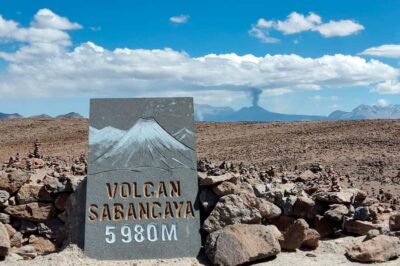 ★ 4.62-Day Tour Colca Canyon in Arequipa with end in PunoFrom $78248 reviews
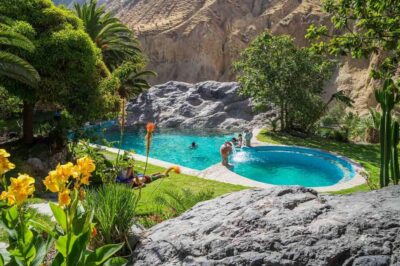 ★ 4.8From Arequipa: 2-Day Colca Canyon Trekking TourFrom $30243 reviews
 ★ 4.4Walking tour in the Historic Center of ArequipaFrom $10180 reviews
 ★ 4.4From Arequipa: Full Day Tour of Colca Canyon with MealsFrom $27146 reviews
Also on these Peru lists