
REVIEW · MACHU PICCHU
Huchuy Qosqo Trek To Machu Picchu
Three days, two ancient sites, one Andean night. This trek is interesting because it blends Patabamba community life and stargazing with real time in the smaller Inca world of Huchuy Qosqo terraces before you hit Machu Picchu with a guide. I like that you get both local culture and structured interpretation, so the walking turns into understanding, not just ticking off ruins. One consideration: the schedule is active, and the price is high, so this is best for travelers who want the full workout and the full story.
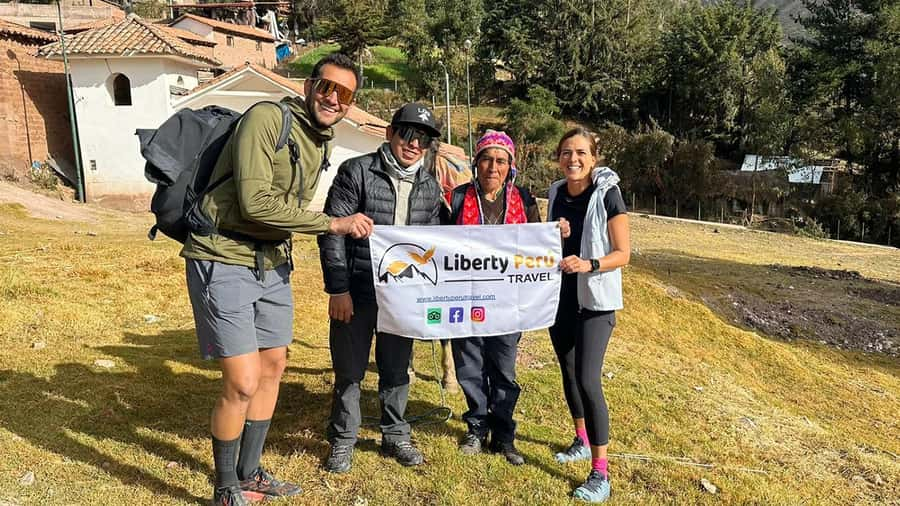
I also appreciate the safety-minded details. You get a bilingual guide, entrance tickets for both stops, plus practical backstops like emergency oxygen, a first aid kit, and even a horse for emergencies. In one booking, guide Jhordy stood out for great rapport and lots of curious facts, which is the kind of thing that makes a guided trek feel worth it.
In This Review
- Key things to know before you go
- Why Huchuy Qosqo makes Machu Picchu feel earned
- Day 1: Cusco start, Tambomachay and Qoricocha, then Patabamba under stars
- Day 2: Huchuyqosqo terraces, the Puma punku canyon approach, and the train to Aguas Calientes
- Day 3: Machu Picchu Sanctuary guided tour, bus ride up, and back to Cusco
- Fitness and altitude, the real talk version
- Price and value: where the $490 actually goes
- Lodging and community time you can actually feel
- Packing list that matches the itinerary
- Who should book this trek to Huchuy Qosqo and Machu Picchu
- Should you book it? My practical take
- FAQ
- How long is the Huchuy Qosqo trek to Machu Picchu?
- Where does the trek take place?
- What languages is the guide available in?
- Are meals included, and is there a vegetarian option?
- What lodging is included during the trek?
- How do you travel from the trekking area to Aguas Calientes?
- How do you get to Machu Picchu on the third day?
- What should I bring, and what is not allowed?
Key things to know before you go
- Patabamba night under the stars: you sleep with a local welcome, dinner included, and a genuine community feel
- Huchuy Qosqo is about craft and engineering: terraces and an Inca hydraulic system help you see how the Andes were farmed
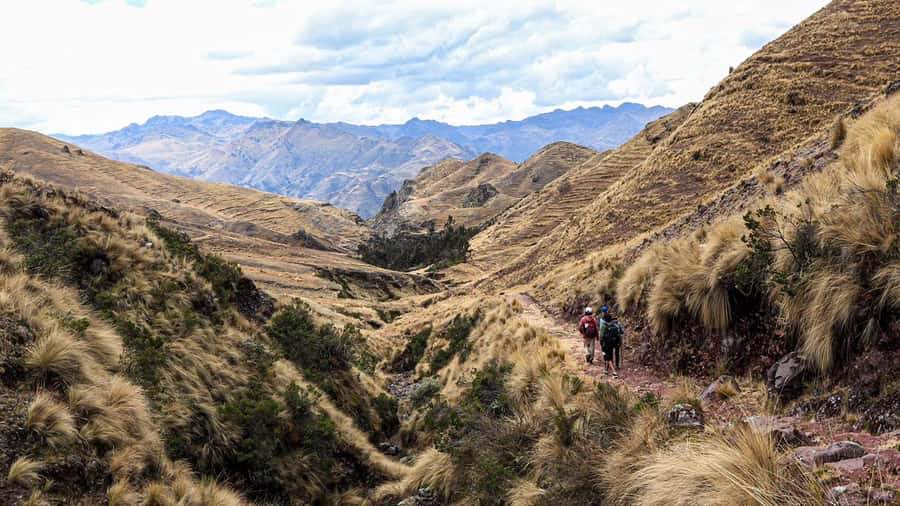
- Puma punku plus a canyon walk: the route name and scenery give extra texture between towns
- Guided Machu Picchu with named stops: you do the temples and key viewpoints with explanations, not wandering blind
- Included logistics reduce stress: transfers, train to Aguas Calientes, and the return flow back to Cusco
- Vegetarian meals included: vegetarian options are available at no extra cost
Other citadel visits, ticket types and start times
- From Aguas Calientes: Machu Picchu guided tour with tickets
★ 4.9 · 72 reviews - From Cusco: Machu Picchu 2 days
★ 3.6 · 29 reviews - Cusco: Machu Picchu Day Trip with Train + Entrance ticket
★ 4.5 · 17 reviews - Rainbow Mountain tour and Machu Picchu tour by train
★ 4.8 · 13 reviews
Why Huchuy Qosqo makes Machu Picchu feel earned
If your only goal is Machu Picchu, you can do it a dozen ways. The reason I like this route is that it adds a whole “in-between” chapter. Huchuy Qosqo is not the headline, but it helps you read the landscape and the Inca logic. When you finally reach Machu Picchu, the buildings and terraces start to make more sense, because your guide has already trained your eye.
This trek also does something smart with pacing. You start in Cusco, warm up with a walk that includes Tambomachay and Qoricocha, then shift into community time in Patabamba. On the second day, you move through the quieter, archaeological-feeling path to Huchuy Qosqo and then down toward Lamay and Aguas Calientes. That mix of hiking, learning, and rest is what helps the experience land.
And yes, it is still physical. The route requires great physical effort. If you go in with realistic expectations and solid hiking shoes, you will feel better about every climb, every downhill, and the long day at Machu Picchu.
Day 1: Cusco start, Tambomachay and Qoricocha, then Patabamba under stars
Your day begins early, with pickup from your Cusco hotel at 07:00 AM. From there you head to Tambomachay, where the walking portion starts. You then climb for about two hours until you reach the first steps of the hike. At that point, you get some breathing room and time to look out at Cusco.
I like this opening because it gives you a quick sense of altitude and terrain. You are not guessing what kind of effort you need. You feel it right away, then you adapt, hydrate, and find your pace.
After the initial climb, you descend into the valley to Quesser Grande, a small local town that helps break up the trail into human-scale moments. You continue onward to Lake Qoricocha. Lunch happens here, and that matters more than it sounds. A real meal early in the hike helps you keep energy for the late afternoon and the final push toward Patabamba.
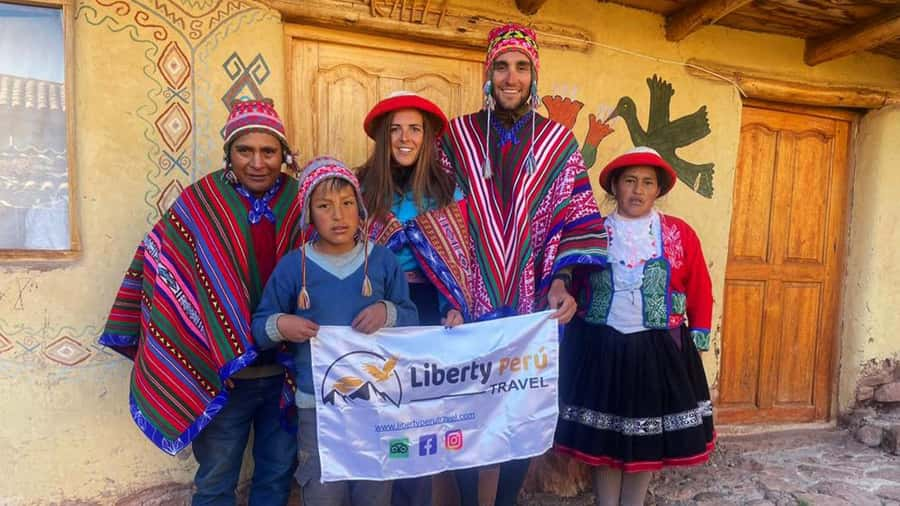
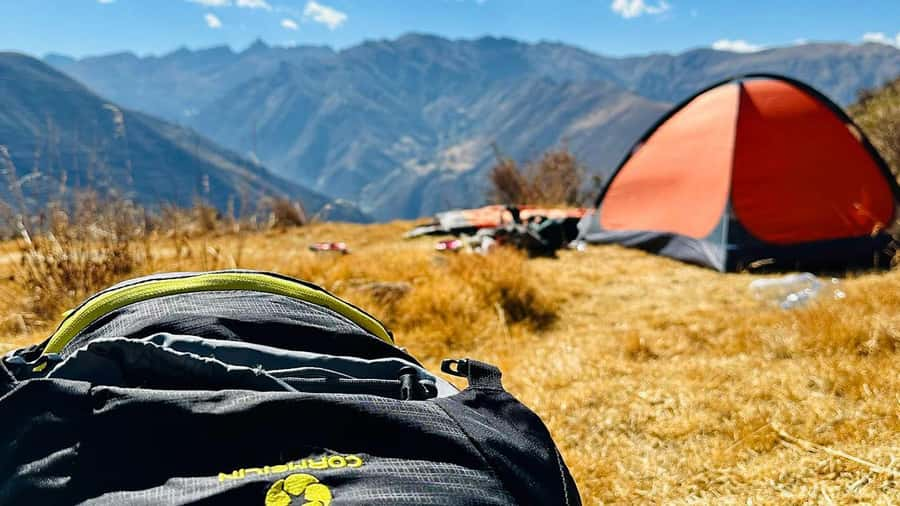
The afternoon walk continues for about two hours along the lake area before you arrive in Patabamba. You do not just arrive to a bed. Residents welcome you, share customs, and serve dinner. Then you sleep in a cozy lodge style setting, with the big payoff of the day being the night under the stars.
Possible drawback on Day 1: the pacing includes both a climb and a descent, so if you are prone to sore knees on downhills, pack smart and take the steps slowly.
Day 2: Huchuyqosqo terraces, the Puma punku canyon approach, and the train to Aguas Calientes
Day 2 starts with breakfast, then you begin walking along a trail that passes through small towns. You eventually reach Pukamarca for lunch, which is a practical mid-point and gives you a reset before the archaeology-focused portion.
After lunch, you head toward the Puma punku canyon. The trail includes an Inca route section that takes you to Huchuy Qosqo, which means Little Cusco. This is where the tour stops feeling like a scenic hike and starts feeling like a guided interpretation.
With your guide, you explore the Inca constructions of Huchuy Qosqo, including sacred temples and Inca terraces. One of the best things to listen for here is the agricultural logic. You are not only looking at ruins. You are learning how the terraces were used and how the site managed water, including its hydraulic system. It is the kind of detail that makes ruins feel alive, because it connects engineering to daily life.
Once you have had time to look around, you hike downhill to Lamay for about two hours. Then the tour transitions into comfort mode. You board tourist transportation to the Ollantaytambo train station, and then you take the train to Aguas Calientes for about two hours.
I like that the itinerary builds in a clear “hike to train” switch. Your legs get a chance to recover, and you end the day with a proper hotel night in Aguas Calientes. That matters because Machu Picchu day is intense.
One consideration for Day 2: if you are easily tired after long stair-like sections, treat the downhill to Lamay as its own challenge. Downhills can be harder than they look.
Day 3: Machu Picchu Sanctuary guided tour, bus ride up, and back to Cusco
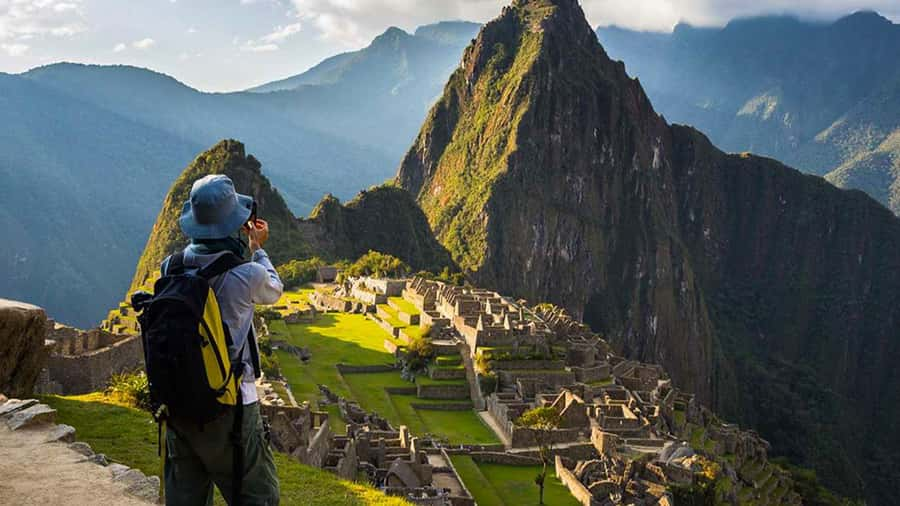
In the morning, you go to the bus station for a short ride, about 30 minutes, to the Machu Picchu Sanctuary. Then you enter and do a guided tour inside the citadel.
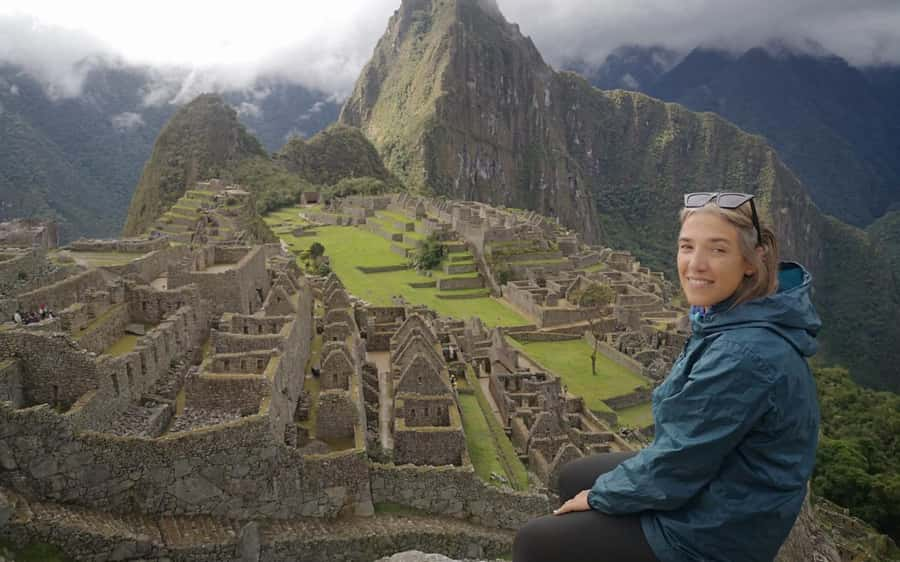
What I like here is that the guide names the main stops you are meant to understand. Your tour includes the temple of the sun, the intiwatana, the sacred plaza, the temple of the 3 windows, and the temple of the condor. That set of points gives you structure. You do not just wander around hoping it all clicks.
After the guided portion, you take the bus back down to Aguas Calientes, where you get free time. Later, you take the train back to Ollantaytambo station, and then agency transport brings you back to Cusco.
If you want to make the most of the free time in Aguas Calientes, think practically. Use it for a meal, a slow walk, and preparing for your train ride. Do not schedule anything ambitious. Your energy is best spent being comfortable, not chasing a second plan.
Lares, Choquequirao and quieter approaches
Fitness and altitude, the real talk version
This trek is not a casual stroll. The route requires great physical effort. That does not mean it is impossible, but it does mean you should train your expectations. You will hike multiple days, and your body will feel it, especially on the climbs and the downhill portions.
Here is how I would plan for it:
- Wear hiking shoes you trust on uneven ground. New shoes on a trek are a gamble.
- Bring sunscreen and sunglasses. The Andes sun can be relentless even when the air feels cool.
- Pace yourself early. The first two hours uphill on Day 1 sets the tone for the whole rhythm.
Also remember that you are in a high-altitude environment. Hydration and steady breathing matter more than speed. The itinerary is built for learning and stamina, not for racing.
Good news: this tour includes a first aid kit and emergency oxygen bottle, plus a horse in case of emergencies. That extra layer does not replace good pacing, but it gives peace of mind.
Price and value: where the $490 actually goes
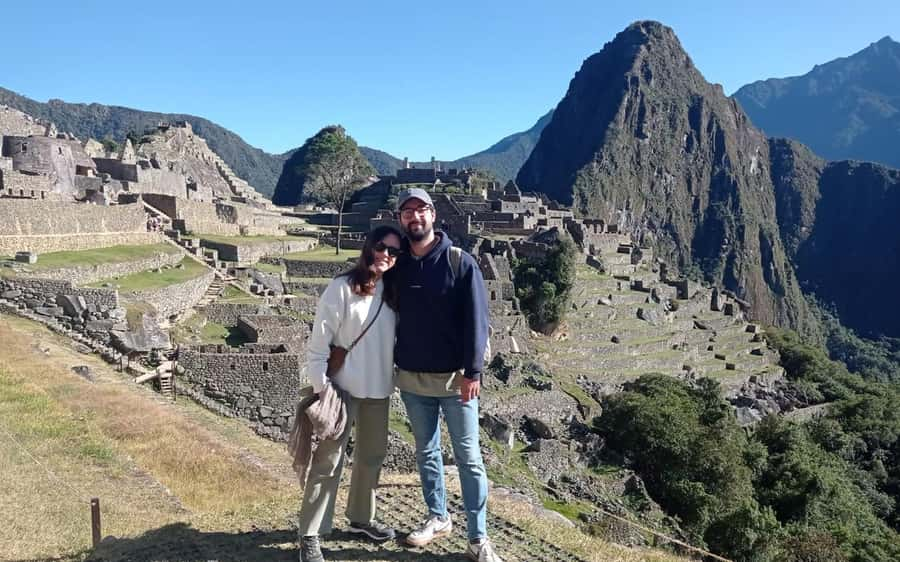
At $490 per person, this is not the cheapest way to reach Machu Picchu. I look at value in two ways: what you avoid, and what you gain.
You avoid a lot of planning work because the major logistics are handled for you: hotel pickup in Cusco, transfers to trail starts, entrance tickets for Huchuy Qosqo and Machu Picchu, meals across the trekking days, lodging (one night in a lodge and one in Aguas Calientes), train rides, and bus rides to Machu Picchu.
You also gain time with interpretation. A guided walkthrough of the Machu Picchu highlights is part of what you are paying for. When you know what you are looking at, Machu Picchu stops being a blur of stone and becomes a readable system.
Meals are another value lever. You get two breakfasts, two lunches, and two dinners. Vegetarian options are available at no extra cost. If you have ever tried to piece together food on the fly during multi-day hikes, you know that included meals reduce hassle and keep you moving.
The main “cost” here is effort. You are paying for a trek that is designed as an experience, not a shortcut. If you just want Machu Picchu with minimal walking, there are other options. If you want the hike plus the guided meaning, this price starts to look more fair.
Lodging and community time you can actually feel
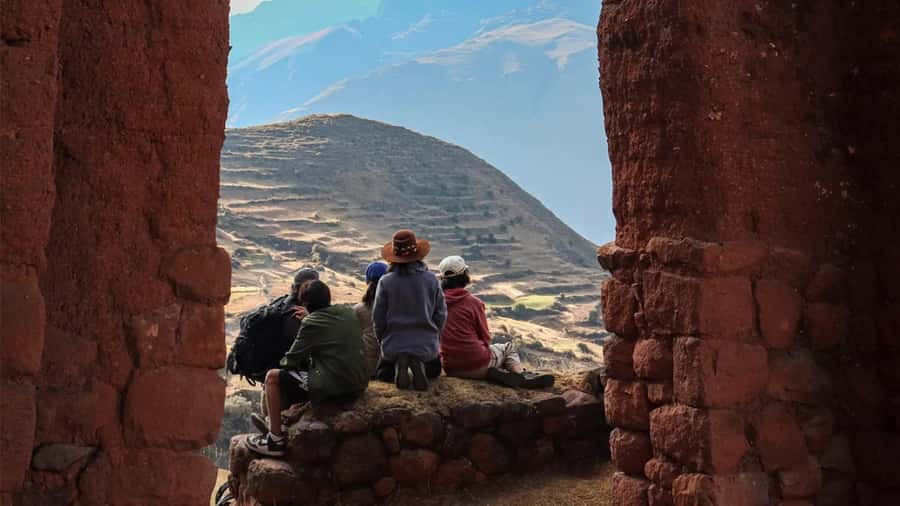
One of the most praised parts is the night in Patabamba. You are welcomed by residents, then fed dinner, and then you sleep under the stars. That is exactly the kind of moment that turns a route into a story.
I also like that the tour includes a lodge night during the trek and a hotel night in Aguas Calientes. You get a balance of rustic community atmosphere and later-day comfort when you are tired.
In a recent experience, the agency was able to help with luggage storage for several days, and the lodging included a locally prepared typical meal. That tells me the provider can handle the small practical needs that make treks smoother, especially if you arrive early or plan to stay in Cusco longer.
Packing list that matches the itinerary
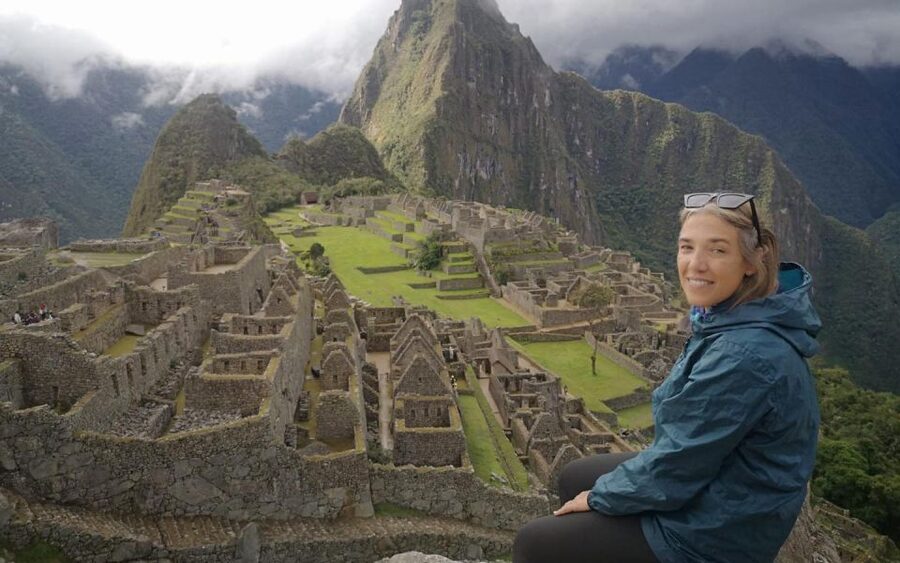
Based on what the tour expects you to bring, aim for practical Andean hiking gear. You are going to walk, sun-bake, and then do a Machu Picchu visit that rewards solid footwear and a calm head.
Bring:
- Sunglasses and sunscreen
- Hiking shoes and hiking pants
- A camera
- Personal medication
- Cash
- Trekking gear (even though some items are not included)
Also make sure you have:
- Passport or ID card
- Anything you need for altitude comfort, like any personal medical statement if required for your situation
Not included but available to rent:
- Sleeping bag
- Trekking poles
Small but important reminder: alcohol and drugs are not allowed.
Who should book this trek to Huchuy Qosqo and Machu Picchu
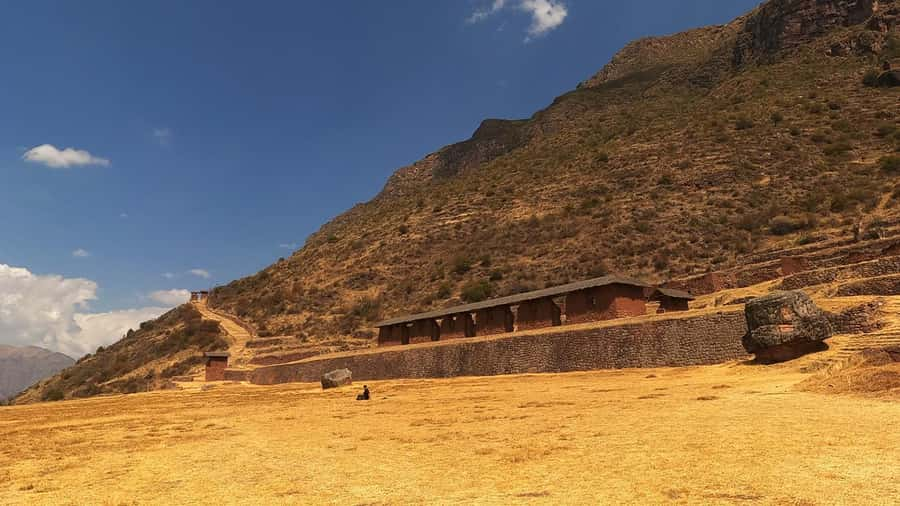
This trek is best for you if:
- You want a 3-day active route and enjoy the idea of earning Machu Picchu through hiking and learning
- You like guided explanations, not just photos
- You enjoy nature and the day-to-day feel of the Andes, including community time in Patabamba
You might not love it if:
- You want the lightest possible trip with minimal walking
- You are not comfortable with steep or long trail days
- You are price sensitive and only care about the final Machu Picchu visit
Should you book it? My practical take
Book this trek if you want Machu Picchu plus an extra layer of meaning. The combination of Huchuy Qosqo ruins, terraces and water management focus, and the guided walkthrough inside Machu Picchu is the real payoff. Add in Patabamba customs and that starry night, and you get a more human, more complete Andes experience.
Skip it if your idea of value is pure convenience. This is a hike with great physical effort built in, and it is priced accordingly. If you are ready for the work and you care about understanding what you are seeing, this is a strong choice.
FAQ
How long is the Huchuy Qosqo trek to Machu Picchu?
The total duration is 3 days.
Where does the trek take place?
It takes place in the Cusco Region of Peru, and it includes stops in the Huchuy Qosqo area and the Machu Picchu Sanctuary.
What languages is the guide available in?
The tour includes a professional bilingual guide in English and Spanish.
Are meals included, and is there a vegetarian option?
Yes. The tour includes 2 breakfasts, 2 lunches, and 2 dinners, and vegetarian meals are available at no extra cost. The first day breakfast and third day lunch are not included.
What lodging is included during the trek?
You get 1 night in a lodge during the trek and 1 night in a hotel in the town of Aguas Calientes.
How do you travel from the trekking area to Aguas Calientes?
After hiking to Lamay, you take tourist transportation to the Ollantaytambo train station, then you ride the train to Aguas Calientes for about 2 hours.
How do you get to Machu Picchu on the third day?
You take a bus from Aguas Calientes to the Machu Picchu Sanctuary, which takes about 30 minutes.
What should I bring, and what is not allowed?
Bring hiking shoes, hiking pants, sunglasses, sunscreen, cash, personal medication, and a passport or ID card. Alcohol and drugs are not allowed.
More Tour Reviews in Aguas Calientes
- From Aguas Calientes: Machu Picchu guided tour with tickets
★ 4.9 · 72 reviews - From Cusco: Machu Picchu 2 days
★ 3.6 · 29 reviews - Cusco: Machu Picchu Day Trip with Train + Entrance ticket
★ 4.5 · 17 reviews - Rainbow Mountain tour and Machu Picchu tour by train
★ 4.8 · 13 reviews - From Cusco: One-Day Round Trip to Machu Picchu by Train
★ 4.7 · 10 reviews
Lares, Choquequirao and Beyond
- 4 Days Inca Jungle Adventure to Machu Picchu
★ 4.5 · 7 reviews - Inka Jungle trek to Machu Picchu 3 D/ 2 N
★ 4.8 · 4 reviews
Reaching the Citadel, Other Options
- From Aguas Calientes: Machu Picchu guided tour with tickets
★ 4.9 · 72 reviews - From Cusco: Machu Picchu 2 days
★ 3.6 · 29 reviews - Cusco: Machu Picchu Day Trip with Train + Entrance ticket
★ 4.5 · 17 reviews - Rainbow Mountain tour and Machu Picchu tour by train
★ 4.8 · 13 reviews - From Cusco: One-Day Round Trip to Machu Picchu by Train
★ 4.7 · 10 reviews
Freshly reviewed across Aguas Calientes
- Huchuy Qosqo Trek To Machu Picchu★ 5.0 · 3 reviews
- Machu Picchu: Private Tour Guide Service for up to 15 people★ 4.5 · 3 reviews
- “Glamping Sky Lodge Domes” 2-Day Humantay Lake & Salkantay★ 5.0 · 3 reviews
- From Cusco: Machu Picchu by Car 2D/1N★ 3.5 · 3 reviews
- Inka Jungle trek to Machu Picchu 3 D/ 2 N★ 4.8 · 4 reviews
- Machu Picchu 2 Days / 1 Night (By Bus)★ 3.7 · 4 reviews
Machu Picchu Tours side by side.
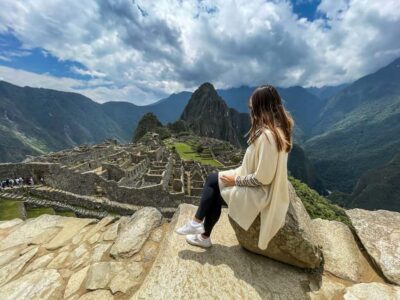 ★ 4.7From Cusco: Full-Day Group Tour of Machu PicchuFrom $3211,767 reviews
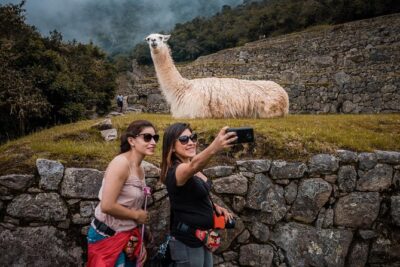 ★ 4.5Machu Picchu Day Trip from CuscoFrom $3361,644 reviews
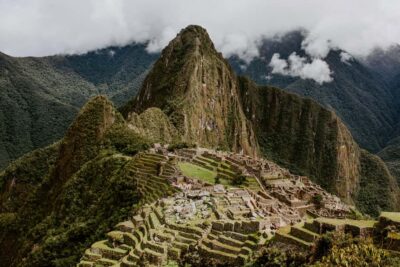 ★ 4.6Machu Picchu: Full-Day Tour from Cusco with Optional LunchFrom $283927 reviews
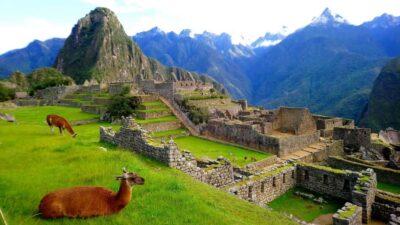 ★ 4.8Cusco: 4-Day Inca Trail to Machu Picchu with AccommodationFrom $470432 reviews
 ★ 4.6From Cusco: 2-Day Trip to the Sacred Valley and Machu PicchuFrom $370265 reviews
 ★ 4.9Cusco: Machu Picchu 2-Day Inca Trail with Panoramic TrainFrom $582260 reviews
 ★ 4.2From Cusco: 2-Day Inca Trail to Machu PicchuFrom $290244 reviews
 ★ 4.9Machu Picchu: Inca Trail 2-Day Overnight Guided TourFrom $585203 reviews
Also on these Peru lists