
REVIEW · MACHU PICCHU
Inka Jungle trek to Machu Picchu 3 D/ 2 N
Machu Picchu begins with wheels and wild birds. This Inka Jungle route mixes adventure sports with Inca trail scenery, then lands you at Machu Picchu for sunrise and a guided walk.
I love the Abra Málaga bike descent on Day 1, especially the stop at Huamanmarca and the chance to spot jungle birds and medicinal plants. I also love how Day 3 is timed, you walk up early enough to catch sunrise and enter Machu Picchu with the first groups, then spend about 2.5 hours with a guide seeing key sites like Inti Watana and the Temple of the Condor.
One consideration: the river rafting is weather dependent, and if the river is too high (especially between Jan 1 and Mar 31), it will not run and there is no refund.
In This Review
- Key things I’d circle in your plan
- Cusco to Santa María to Santa Teresa: the bike day that sets the tone
- Santa Teresa to Aguas Calientes: zip line, canyons, waterfalls, and that long track walk
- Machu Picchu at sunrise: the guided highlights you won’t want to miss
- Price and value: what $410 covers, and why it can be a smart bundle
- Meals, hostels, and what you should plan to eat and carry
- Getting around physically: cycling time, track walking, and the no-backpack rule
- Hot springs and add-ons: optional so you can tailor the trip
- Should you book this Inka Jungle trek to Machu Picchu?
- FAQ
- What time will I be picked up in Cusco?
- What’s included in the $410 per person price?
- Is the river rafting activity guaranteed?
- What optional activities can I add?
- Are vegetarian or vegan meals available?
- What should I bring, and what is not allowed?
Key things I’d circle in your plan
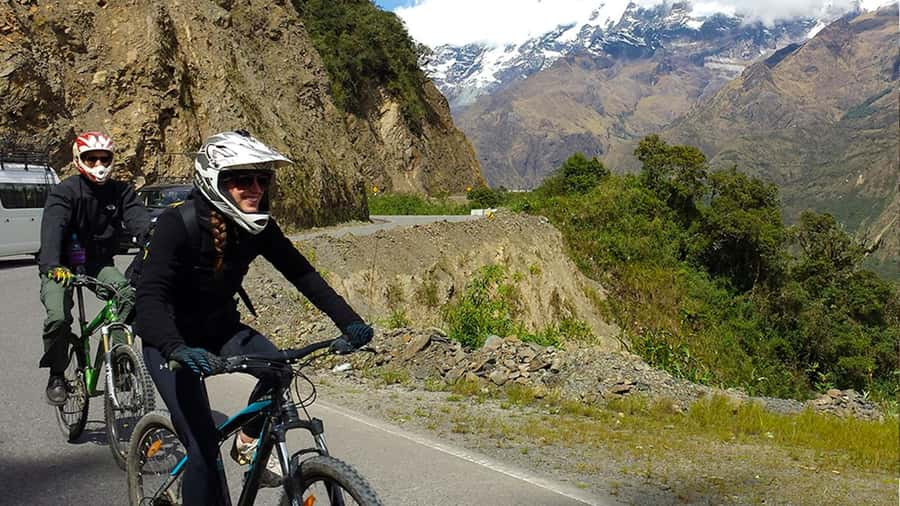
- Abra Málaga bike descent that lasts about 3 to 4 hours, with safety gear included
- Huamanmarca and local life via an archaeological stop plus time with families and fruit and plant spotting
- Cola de Mono zip line option on Day 2, before your walk toward Hidroeléctrica
- Aguas Calientes hot springs after the long trek along the train tracks
- Sunrise entry timing at Machu Picchu plus a guided route hitting Inti Watana, Temple of the Condor, and more
Other citadel visits, ticket types and start times
- From Aguas Calientes: Machu Picchu guided tour with tickets
★ 4.9 · 72 reviews - From Cusco: Machu Picchu 2 days
★ 3.6 · 29 reviews - Cusco: Machu Picchu Day Trip with Train + Entrance ticket
★ 4.5 · 17 reviews - Rainbow Mountain tour and Machu Picchu tour by train
★ 4.8 · 13 reviews
Cusco to Santa María to Santa Teresa: the bike day that sets the tone
Your day starts early. You’ll be picked up from your Cusco hotel at 06:00, and you should be waiting in the lobby about 10 minutes early. From there, you’ll ride about 4 hours toward Abra Málaga, crossing the Malaga pass as the adventure begins.
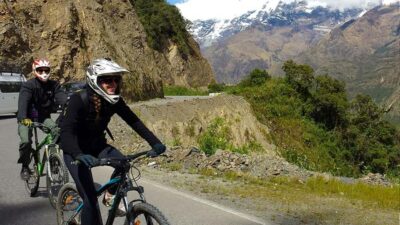
Then comes the main event of Day 1: the descent by bicycle. Expect an average 3 to 4 hour ride down to Santa María. This is not just transportation. It is the kind of day where you feel the change in terrain, because the route moves between mountain and jungle zones. If you like active travel, this is a big part of the appeal, you are seeing the region while your legs and lungs do the work.
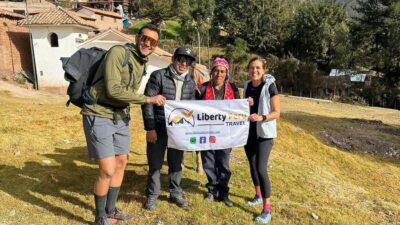
Along the way, the tour builds in small moments that make it feel local. You’ll visit the archaeological center of Huamanmarca, and you’ll get a guided look at what you are seeing around you: birds, medicinal plants, and fruits that grow in the warmer zones like mango, pineapple, papaya, avocado, and more. The itinerary even lists coffee and coca leaves, which matters because it frames the jungle not as scenery, but as a lived-in landscape with plants people use every day.
You’ll also have time to visit local families and learn how they fit the day around the land. That can be the difference between a photo stop and an experience that sticks with you. The group is limited to 18 participants, so it is more likely you can actually ask questions instead of shouting over the crowd.
As you reach Santa María, the day does not end with just biking. In the afternoon, you transfer by car to Santa Teresa and sleep there overnight. If you want a soak, you can optionally visit the Cocalmayo hot springs. The entrance fee is not included, so budget for it if you decide to go.
What might surprise you: even though this is called an Inca Jungle trek, Day 1 is heavily active and biking-focused. If you are expecting a slow walking start, this day will feel faster, and that is exactly why it is popular with people who want adventure without a huge time commitment.
Santa Teresa to Aguas Calientes: zip line, canyons, waterfalls, and that long track walk
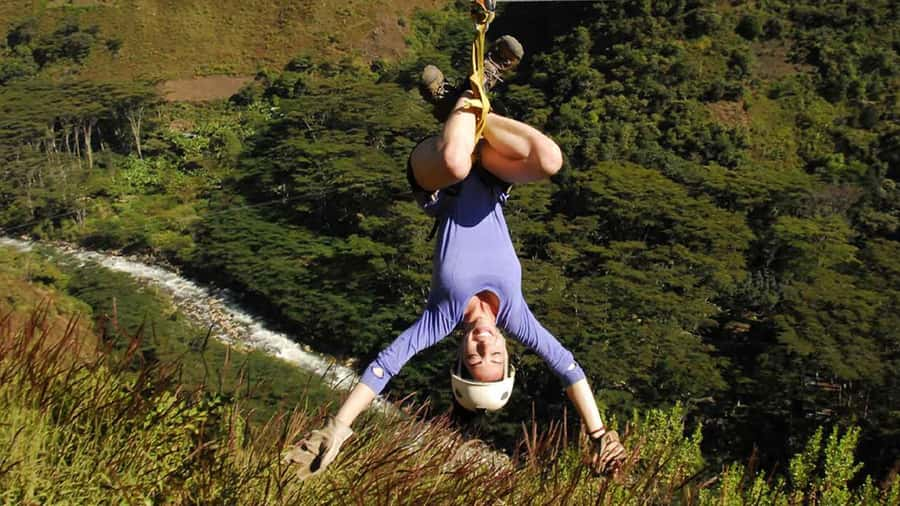
Day 2 starts again in Santa Teresa. After breakfast, you get an optional zip line experience at Cola de Mono. If you’re the type who thinks, Why not?, this is usually the moment you look at later and think, yep, that was the trip.
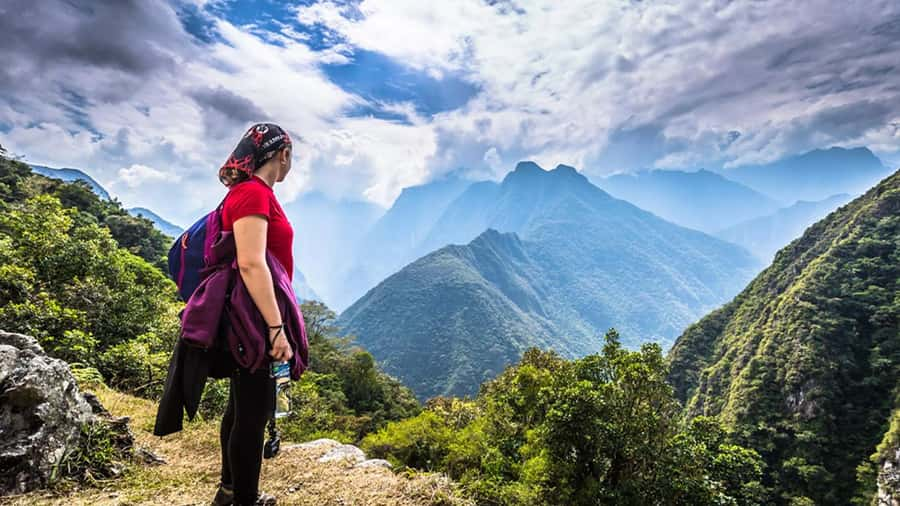
After zip line (or if you skip it), the itinerary shifts into hiking mode. You’ll begin your walk to Hidroelectrica. One of the best parts here is the setting. You’ll go through a narrow canyon, and the climate is described as pleasant, which is exactly what you want on a day that includes both sightseeing and a physical walk.
Along the canyon route, expect waterfalls and lots of vegetation. The guide will point out agricultural patches too, including plantations of banana, mango, avocado, cocoa, orange, and coca leaves. Seeing those crops helps you understand why the Inca routes through this region were practical, not just ceremonial. People farmed and moved through these zones because water, temperature, and soils made it possible.
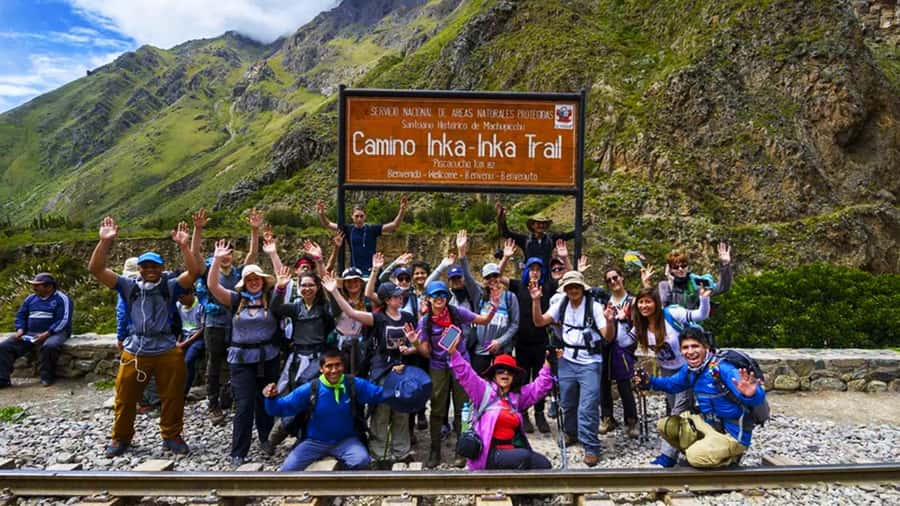
Eventually you’ll reach Hidroelectrica. Lunch is served there, and then you continue along the train tracks. This is the part that changes the pace. The trek along the tracks takes about 3 hours to reach Aguas Calientes.
Aguas Calientes is the base for Machu Picchu visits, so it feels more tourist-forward than the earlier parts of the trek. Still, it is a practical payoff. After you arrive, you have the chance to visit the town’s hot springs for a little recovery time. Your hotel night is included in Aguas Calientes.
Also note a meal detail: lunch in Aguas Calientes is not listed as included. Your lunch on Day 2 is at Hidroelectrica, so plan for whatever you want in town on arrival.
The realistic takeaway: Day 2 is a mix of adrenaline and steady effort. If your body enjoys variety, you’ll probably love this. If you prefer one type of activity per day, you might find it mentally tiring, because you bounce between zip line, canyon walking, and track walking.
Machu Picchu at sunrise: the guided highlights you won’t want to miss
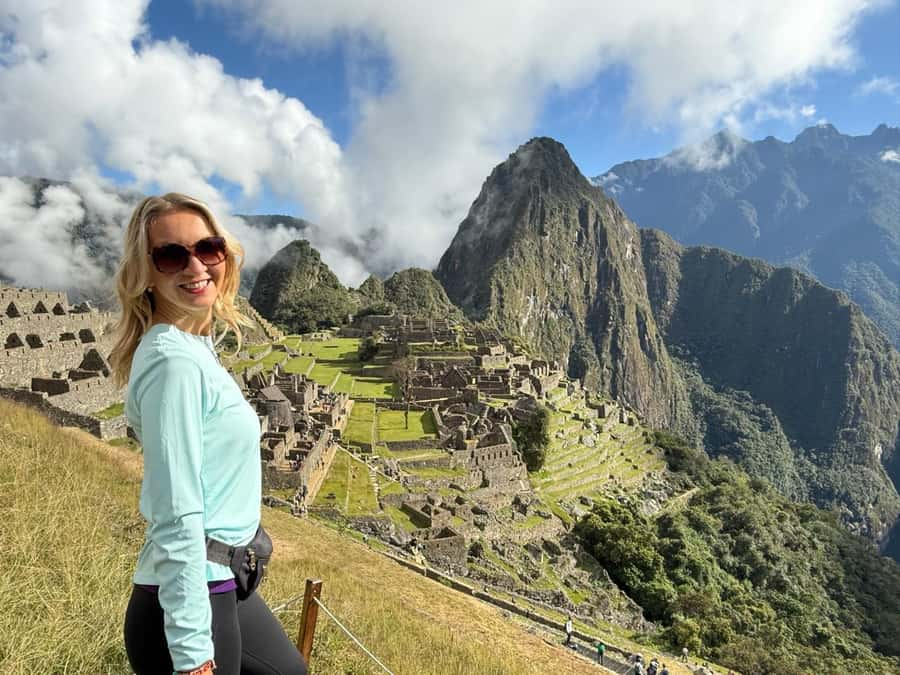
Day 3 is all about Machu Picchu, and the timing is the secret ingredient. Early in the morning, after breakfast, you’ll walk up to Machu Picchu. The goal is sunrise, so you can have the chance to be among the first groups inside the site. That matters because Machu Picchu changes fast. Light hits differently, and even the mood shifts as more people arrive.
Once you’re in, you get a guided tour with a professional guide for about 2.5 hours. The itinerary calls out some of the key stops, and they are the kind that help you read the site instead of just staring at stones.
You’ll visit places like Inti Watana, the Temple of the Condor, the sacred rock, and other important areas along the route. Even if you know a little about the Incas, a guide helps you connect what you are seeing to how the site functioned. You also get a route that keeps you from randomly zigzagging, which is easy to do when you’re tired and excited.
After the tour, you head back down from Machu Picchu to Aguas Calientes. Then you’ll board the train from Machu Picchu Pueblo (Aguas Calientes) to Ollantaytambo. From there, tourist transportation returns you to Cusco, where your ride takes you back to your hotel.
The itinerary also mentions an alternate option: you can walk back to the hydroelectric plant to take the car. That’s one of those details you only need to know if your timing gets adjusted, but it is reassuring that there’s a plan beyond only one method.
Practical tip that matters: start this day focused. Wear footwear you trust and keep an eye on your energy. Sunrise entries reward the early start, but they also punish anyone who starts the day underprepared.
Price and value: what $410 covers, and why it can be a smart bundle
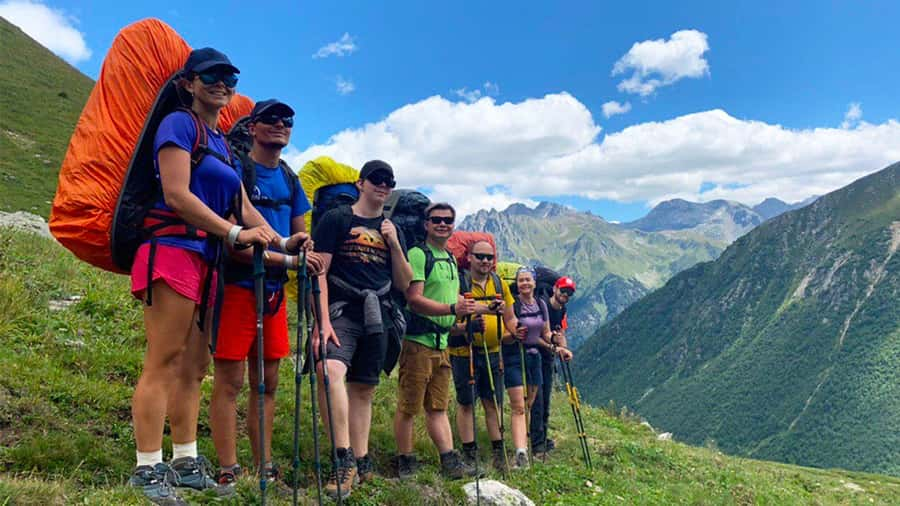
At $410 per person for 3 days, you’re paying for a bundled package that includes far more than admission. Here’s what your money is supporting:
- Official guide for the Inca Jungle trek
- Machu Picchu entrance
- Cycling equipment for the bike descent (bike plus arm protectors, knee pads, helmet, and gloves)
- Two nights of accommodation, described as Inka Jungle hostels
- Meals during the trek (2 breakfasts, 2 lunches, 2 dinners)
- Transport from Cusco to Abra Málaga and return from Ollantaytambo to Cusco
- Train between Aguas Calientes and Ollantaytambo
- Zip line, plus rafting that is weather dependent
- A first aid kit
What you are not paying for includes the day 1 breakfast and lunch in Aguas Calientes, plus optional add-ons like Wayna Picchu (USD 65) and the bus between Aguas Calientes and Machu Picchu for about USD 24.
So the value comes from logistics. You are not piecing together permits, transport segments, and activity gear one by one. You also get a guide who coordinates timing, which is huge for Machu Picchu sunrise.
Is it the cheapest way to get to Machu Picchu? Probably not. But if you compare it to paying separately for train transfers, entrance, and guided activities, this package is often a better deal because it reduces the friction and uncertainty you would otherwise manage yourself.
Lares, Choquequirao and quieter approaches
Meals, hostels, and what you should plan to eat and carry
Food is a real part of the experience here. The tour includes meals during the trek, described as delicious and made with ingredients from the Peruvian Andes. Practically, that means you are not only biking and hiking, you are also getting fuel without having to hunt for meals while on the move.
The included meal count is 2 breakfasts, 2 lunches, 2 dinners. What is not included is breakfast on the first day, plus lunch in Aguas Calientes. If you want a smooth Day 3 transition, plan to budget for anything you might crave in Aguas Calientes.
Also, if you have dietary needs, vegetarian and vegan options are available if you indicate it at booking time. That’s worth doing early, because it helps the operator communicate clearly.
Your packing list includes snacks and water, plus sunscreen and sunglasses. Those are the items that keep your energy steady during cycling and walking days. I’d also suggest cash, because optional hot spring fees and add-ons like Wayna Picchu cost extra.
Accommodations are in Inka Jungle hostels for two nights. Hostels usually mean simple rooms and a focus on location and access. You should expect basic comfort, not luxury. The trade-off is that you are staying where your next travel step is ready.
Getting around physically: cycling time, track walking, and the no-backpack rule
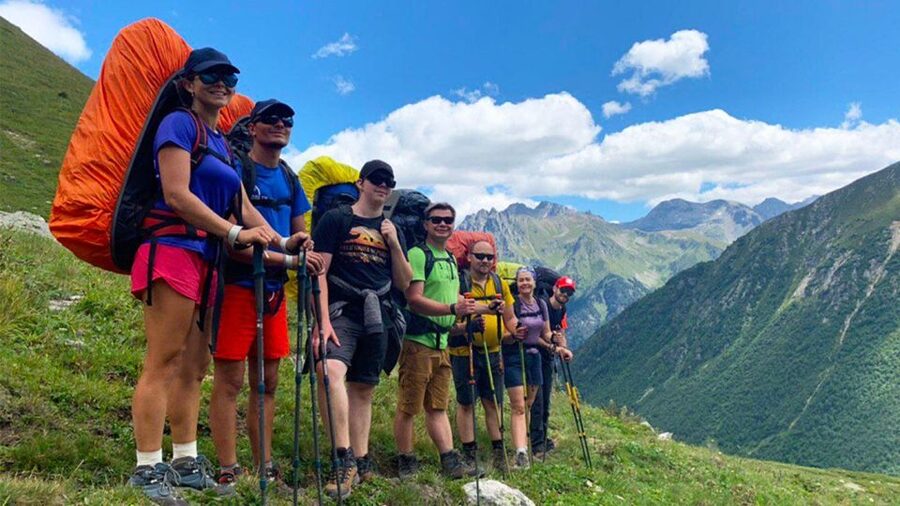
This trek is for people who are okay with physical effort. The tour is not marketed for gentle walking only. You will bike down for 3 to 4 hours on Day 1, then hike on Day 2 from Santa Teresa to Hidroelectrica, and then walk another 3 hours along train tracks to Aguas Calientes. On Day 3, you also walk up early to Machu Picchu.
The itinerary also lists restrictions:
- Not suitable for people with back problems
- Not suitable for pregnant women
- Not suitable for wheelchair users
- Not allowed: backpacks
That no-backpack rule is a big one. It affects how you pack and move. You will want a carry setup that meets the rules and keeps you comfortable while biking and hiking. Since the exact alternative is not provided, follow the operator’s guidance and keep your load small.
One more altitude note: coca tea is recommended before the excursion to help prevent altitude sickness. That advice is included in the tour info, so it’s a straightforward thing you can follow.
If you’re worried about fitness, don’t guess. Ask yourself if you can handle cycling downhill for hours and walking for several hours over two days. If the answer is yes, you’ll probably love the pace because it feels like you’re traveling through different worlds, not just transferring between points.
Hot springs and add-ons: optional so you can tailor the trip
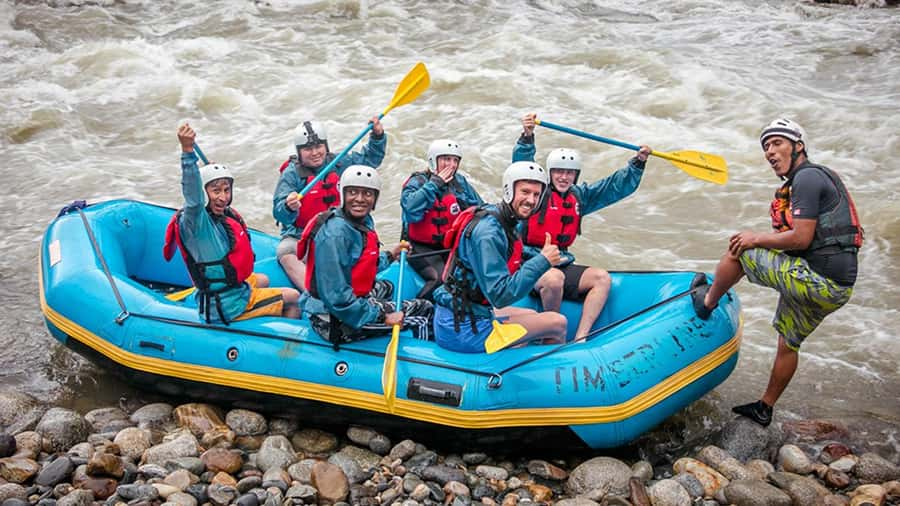
You have two hot springs possibilities built around your route.
First, in Santa Teresa, Cocalmayo hot springs are optional, and entrance is not included. If you do it, it’s a recovery moment after a biking day and before the zip line and track walking day.
Second, in Aguas Calientes, you’ll have the chance to visit the town’s hot springs after you arrive. That can be a great reset after the 3-hour walk along the tracks.
Add-ons also let you customize. Wayna Picchu is optional for USD 65. There’s also mention of a bus between Aguas Calientes and Machu Picchu for USD 24. That bus is not included, and the base plan includes walking up early for sunrise.
If you are the type who likes having options, this is a good setup. You can keep the core tour intact and pay for extras only if your energy and schedule allow it.
Should you book this Inka Jungle trek to Machu Picchu?
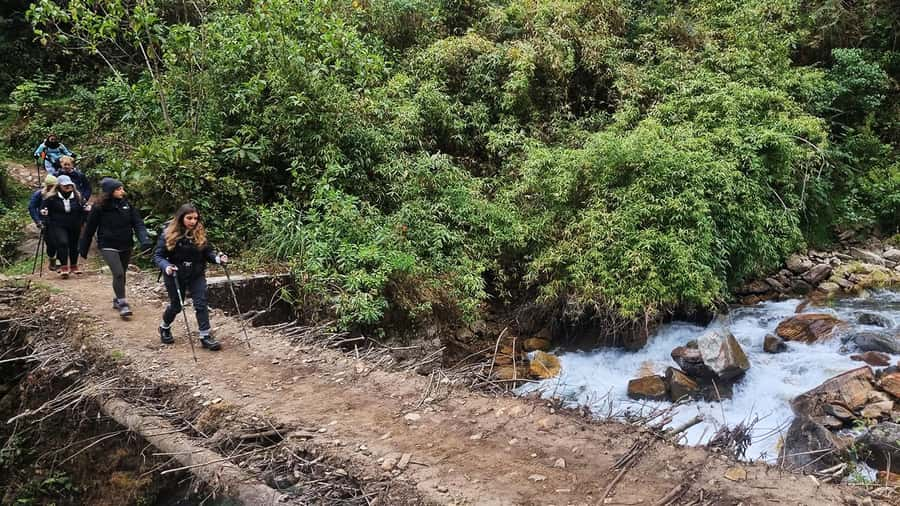
Book it if you want Machu Picchu with more movement and more variety: cycling down from Abra Málaga, optional zip line, possible river rafting when conditions allow, and a sunrise entrance day that’s guided and structured. The small group size and included equipment also make it easier than planning everything yourself.
Skip it, or at least think hard, if you dislike early mornings, strong physical days, or you know you have mobility or back issues. Also, if your travel dates fall in the Jan to Mar window, remember the river rafting can be canceled if the river is high, with no refund.
If you want a Machu Picchu trip that feels like an adventure through the jungle and not just a ticket to a site, this one is a strong match.
FAQ
What time will I be picked up in Cusco?
You’ll be picked up from your hotel at 06:00. Plan to be waiting in the hotel lobby about 10 minutes before your scheduled pickup time.
What’s included in the $410 per person price?
Your price includes tourist transport from Cusco to Abra Málaga, an official adventure trek guide, Machu Picchu entrance, train transport from Aguas Calientes station to Ollantaytambo (or hydroelectric transport to Cusco), transport from Ollantaytambo back to Cusco, meals during the trek (2 breakfasts, 2 lunches, 2 dinners), 2 nights in Inka Jungle hostels, biking equipment, a first aid kit, and zip line plus rafting (subject to weather conditions).
Is the river rafting activity guaranteed?
No. The rafting is subject to weather conditions between January 1 and March 31. If the river is high on the day of your activity, it will not take place, and there is no refund.
What optional activities can I add?
Zip line is offered as an option on Day 2. You can also add Cocalmayo hot springs in Santa Teresa, but the entrance is not included. Wayna Picchu is optional for USD 65. There’s also a bus option between Aguas Calientes and Machu Picchu for USD 24.
Are vegetarian or vegan meals available?
Yes. Vegetarian and vegan options are available if you indicate your needs at the time of booking.
What should I bring, and what is not allowed?
Bring your passport or ID card, sunglasses, camera, snacks, sunscreen, water, cash, and personal medication. Backpacks are not allowed, and alcohol and drugs are not allowed. Pets are also not allowed.
Upriver Into the Peruvian Amazon
- 4 Days Inca Jungle Adventure to Machu Picchu
★ 4.5 · 7 reviews
Lares, Choquequirao and Beyond
- 4 Days Inca Jungle Adventure to Machu Picchu
★ 4.5 · 7 reviews - Huchuy Qosqo Trek To Machu Picchu
★ 5.0 · 3 reviews
Reaching the Citadel, Other Options
- From Aguas Calientes: Machu Picchu guided tour with tickets
★ 4.9 · 72 reviews - From Cusco: Machu Picchu 2 days
★ 3.6 · 29 reviews - Cusco: Machu Picchu Day Trip with Train + Entrance ticket
★ 4.5 · 17 reviews - Rainbow Mountain tour and Machu Picchu tour by train
★ 4.8 · 13 reviews - From Cusco: One-Day Round Trip to Machu Picchu by Train
★ 4.7 · 10 reviews
Freshly reviewed across Aguas Calientes
- Huchuy Qosqo Trek To Machu Picchu★ 5.0 · 3 reviews
- Machu Picchu: Private Tour Guide Service for up to 15 people★ 4.5 · 3 reviews
- “Glamping Sky Lodge Domes” 2-Day Humantay Lake & Salkantay★ 5.0 · 3 reviews
- From Cusco: Machu Picchu by Car 2D/1N★ 3.5 · 3 reviews
- Inka Jungle trek to Machu Picchu 3 D/ 2 N★ 4.8 · 4 reviews
- Machu Picchu 2 Days / 1 Night (By Bus)★ 3.7 · 4 reviews
Machu Picchu Tours side by side.
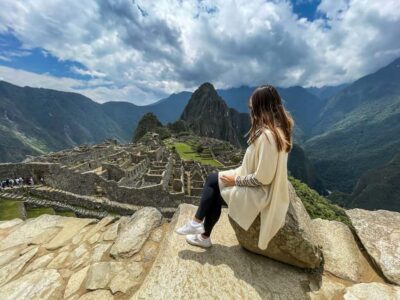 ★ 4.7From Cusco: Full-Day Group Tour of Machu PicchuFrom $3211,767 reviews
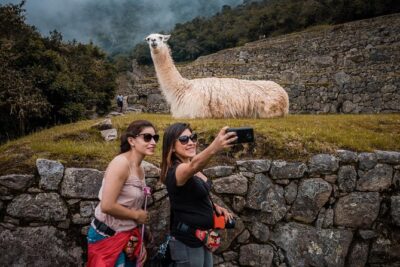 ★ 4.5Machu Picchu Day Trip from CuscoFrom $3361,644 reviews
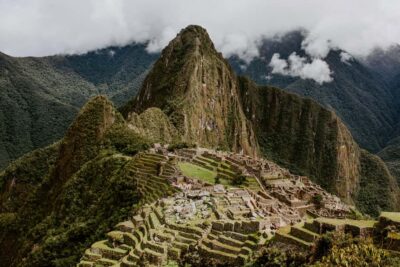 ★ 4.6Machu Picchu: Full-Day Tour from Cusco with Optional LunchFrom $283927 reviews
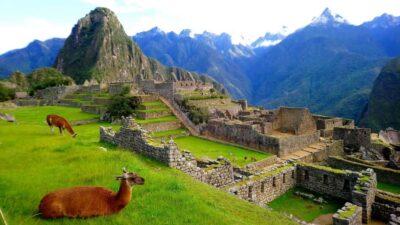 ★ 4.8Cusco: 4-Day Inca Trail to Machu Picchu with AccommodationFrom $470432 reviews
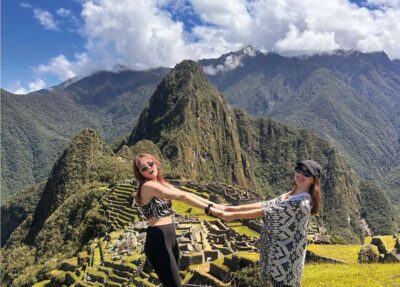 ★ 4.6From Cusco: 2-Day Trip to the Sacred Valley and Machu PicchuFrom $370265 reviews
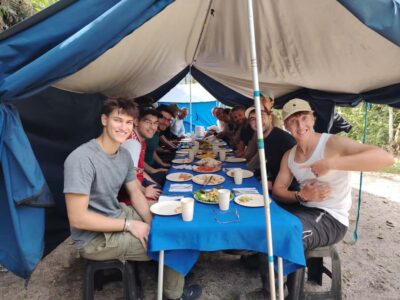 ★ 4.9Cusco: Machu Picchu 2-Day Inca Trail with Panoramic TrainFrom $582260 reviews
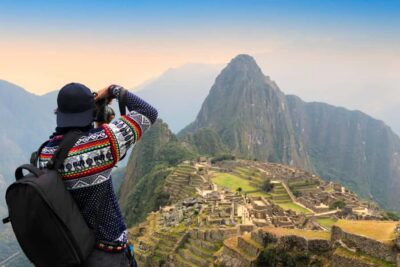 ★ 4.2From Cusco: 2-Day Inca Trail to Machu PicchuFrom $290244 reviews
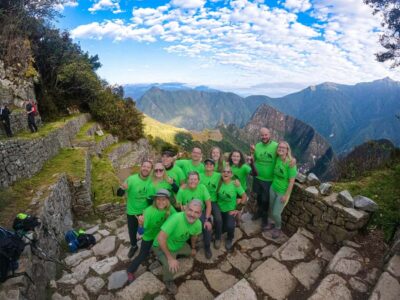 ★ 4.9Machu Picchu: Inca Trail 2-Day Overnight Guided TourFrom $585203 reviews
Also on these Peru lists