
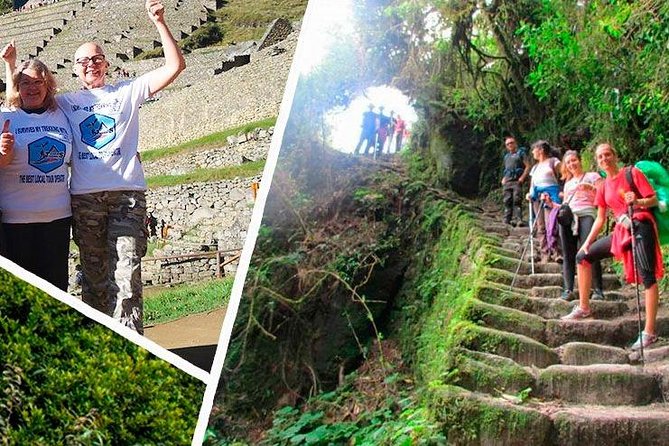
REVIEW · MACHU PICCHU
Inca Trail 4 Day Adventure to Machu Picchu with Panoramic Train
Four days, one giant sacred route.
This Inca Trail plan is interesting because it mixes 100% local operation with the big moment most people dream about, the view from Inti Punku, then ties it to a train ride back toward Cusco. I love the small-group feel (max 16), plus the guide support you get right from the first morning pickup. One consideration: you still need to handle a very tough altitude day around the Warmiwañusca pass, and you will start early, with pickup at 5:00 am.
I also love how much help comes with the trek. You get porters and a professional cook, 3 meals per trekking day in buffet style, snacks each day, and boiled water for drinking, so you can focus on walking and photos instead of camp logistics. The potential downside is simple, the comfort level depends on your expectations, because camping gear is provided, but you may still want to rent a proper sleeping bag or walking sticks.
In This Review
- Key reasons this Inca Trail plan works well
- Why this classic Inca Trail route feels built for real people
- The 100% local operator angle, and what it means for your trip
- Price and value: what $950 includes, and what might cost extra
- Day 1: the 5:00 am pickup, Piskacucho, and Patallacta’s first wow
- Day 2: Warmiwañusca (Dead Woman Pass) at 4,200 m and the hardest day
- Day 3: Inca Flat to Phuyupatamarca, then cloud forest birds and orchids
- Day 4: Inti Punku approach, 2 hours guided Machu Picchu, then optional Huayna Picchu
- Camp life: tents, porters, meals, and what comfort really means here
- The train and transfers: your smooth transition out of Machu Picchu
- Group size and pacing: why small tours help on the steep days
- Who should book this trek, and who might want a different plan
- Practical prep you can do before you start walking
- Should you book this Inca Trail to Machu Picchu with panoramic train?
- FAQ
- What is the maximum group size on this trek?
- Where do you pick me up for the trek?
- When do we start on Day 1?
- How long is the hike on each day?
- Is Huayna Picchu included?
- What meals and drinks are included during the trek?
- Do I need a sleeping bag or walking sticks?
- Is train travel included in the itinerary?
- What if I need to cancel or change my dates?
Key reasons this Inca Trail plan works well
- Local team with community-minded impact, including school supplies for children in remote areas
- A small group up to 16 people, which usually means an easier pace to manage
- Porters carry the camping and kitchen setup, plus you still trek with a manageable load
- High-touch guide time, including a guided Machu Picchu visit with key temple stops
- Food and water are handled, with buffet meals, snacks, and boiled water
- Optional Huayna Picchu, so you can choose extra views if you want them
Other citadel visits, ticket types and start times
- From Cusco: Full-Day Group Tour of Machu Picchu
★ 4.7 · 1,767 reviews - Machu Picchu Day Trip from Cusco
★ 4.5 · 1,644 reviews - Machu Picchu: Full-Day Tour from Cusco with Optional Lunch
★ 4.6 · 927 reviews - Cusco: 4-Day Inca Trail to Machu Picchu with Accommodation
★ 4.8 · 432 reviews
Why this classic Inca Trail route feels built for real people
The best part of this 4-day setup is the balance. It gives you the classic Inca Trail experience, but it is not built like a survival challenge for show-offs. You walk long days, yes, but the operation is designed around support, food, and timing that makes the altitude and the steep sections feel more manageable.
You also get a clear structure each day. The itinerary stages you from entry at Piskacucho (Km 82), to the big “dead woman” pass, to the clouds and terraces, and then ends with Machu Picchu the way you want it, with a guided introduction, then time to explore on your own.
The 100% local operator angle, and what it means for your trip
This tour is run as a 100% Local Inca Trail Operator, and that matters for more than feel-good branding. The company states it dedicates resources each year to supporting children in remote communities, including school supplies like books, notebooks, pencils, and other essentials. When a local operator can reinvest into education and quality of life nearby, the benefits of tourism are more likely to stay close to where the work happens.
On a practical level, you also feel that local focus in how the trip is organized. The tour includes bilingual and certified guides, a briefing about the trek the day before, and pickup from Cusco, Urubamba, or Ollantaytambo. That kind of front-end coordination makes a huge difference when you are trying to line up altitude acclimation, gear, and train schedules without stress.
Price and value: what $950 includes, and what might cost extra
$950 is not cheap, but this is one of those “you pay for the whole machine” trips. The big value piece is that you get the permits and entrances, porters, meals, camp setup, and the Machu Picchu day flow. Specifically, the inclusions list covers:
- Inca Trail entrances and permits
- A bilingual certified guide, plus a pre-trek briefing
- Porters to carry camping equipment and kitchen items
- Four-season tents (2 trekkers per tent) plus mattresses and camp furniture
- Professional cook, plus 3 meals per day during the trek and snacks
- Boiled drinking water during the trail
- A first aid kit with an oxygen balloon
- Machu Picchu entrance tickets
- Train from Aguas Calientes to Ollantaytambo, then private transport back to Cusco
Where cost can creep up for some people is gear rentals and optional extras. Sleeping bags and walking sticks are not included, but you can rent them for $20 each. Also, Huayna Picchu is optional and has an extra cost. The bus down from Machu Picchu to Aguas Calientes costs $12, and the luxury train upgrade to Vistadome is not included.
Day 1: the 5:00 am pickup, Piskacucho, and Patallacta’s first wow
Day 1 starts early, with pickup at 5:00 am from your hotel in Cusco, Urubamba, or Ollantaytambo. Before the trail begins, you stop in Ollantaytambo so you can grab last-minute equipment and personal needs. If you need breakfast on the go, you can order it at a local restaurant there, then you transfer onward to Piskacucho (Km 82), where the trek starts.
The walking portion is about 6 to 7 hours. The first two hours take you to Patallacta, described as the largest archaeological site on the Inca Trail. This matters because it turns the “hike day” into a “history and altitude orientation day.” Your guide explains what you are seeing, which helps you keep paying attention even when legs get heavy.
After that, you continue for a couple more hours to lunch, take a short break, then walk another 2.5 to 3 hours to reach the first campsite. The practical benefit of this pacing is that you do not feel thrown into the deepest water on day one. You start building rhythm, then you have time to settle into camp.
Other Inca Trail departures, permits included
Day 2: Warmiwañusca (Dead Woman Pass) at 4,200 m and the hardest day
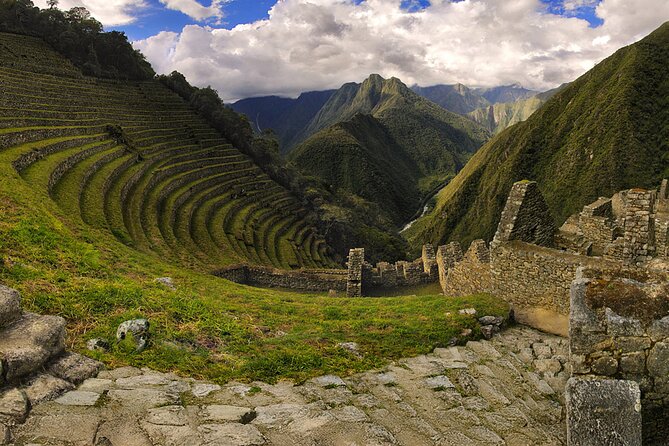
This is the day most trekkers consider the toughest and longest. The itinerary calls for about 8 hours on foot, and it includes the high point at Warmiwañusca pass at 4,200 m (13,780 feet), also known as the Dead Woman Pass.
You start with coca tea as a greeting to the apus, then breakfast, and then you hike so you take advantage of the mountains’ shadow. That sounds like a small detail, but in the Andes it can be the difference between feeling roasted and feeling workable. Your guide keeps the day moving while you climb through different ecological zones and microclimates, meaning the walk changes feel as you go higher.
After a short rest at the pass, you head toward the Pacaymayu Valley. This part of the day is a mental shift. You are no longer trying to “win the climb,” you are learning how the trail breathes after the highest point, with new views and new air.
Day 3: Inca Flat to Phuyupatamarca, then cloud forest birds and orchids
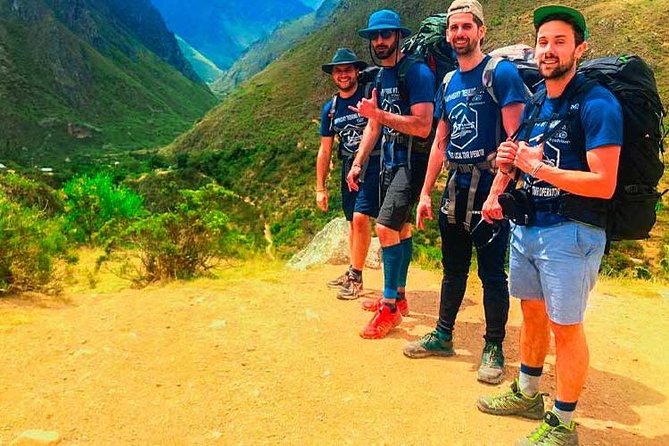
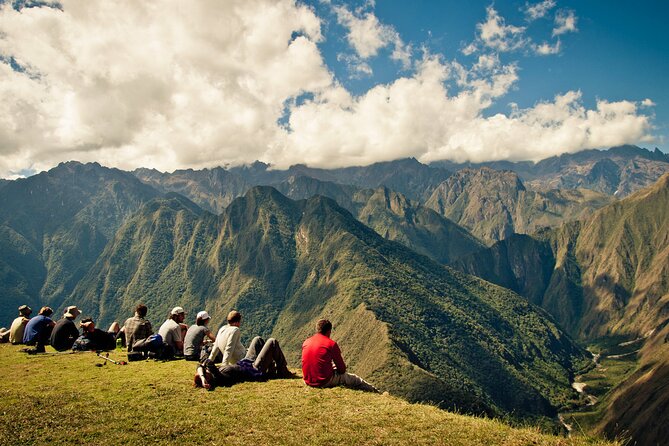
Day 3 is often the most beautiful day, and this itinerary leans hard into that. You have an early nutritious breakfast, then walk about 2 hours along what they call Inca Flat. That stretch gives you views, including the Salkantay snowy mountain and the Vilcabamba mountain range.
Then you reach Phuyupatamarca (Town in the clouds) at 3,650 m (11,975 feet). This is a key moment because it moves you from steep, challenging walking into a more atmospheric zone. The route continues into cloud forest, where you may see small streams and small waterfalls, and plants like palm trees, orchids, and bromeliads. The itinerary even calls out birds such as parrots and parakeets, so this is a day when nature watching works alongside trekking.
After lunch, the plan includes a visit to the ruins of Wiñayw… (the name is cut in the provided details). Expect ruins plus a chance to slow down and understand why this area mattered to the Incas.
This day is also a confidence-builder. You are still walking all morning and part of the afternoon, but it tends to feel more rewarding because you are surrounded by cloud forest life and still working toward the final day.
Day 4: Inti Punku approach, 2 hours guided Machu Picchu, then optional Huayna Picchu
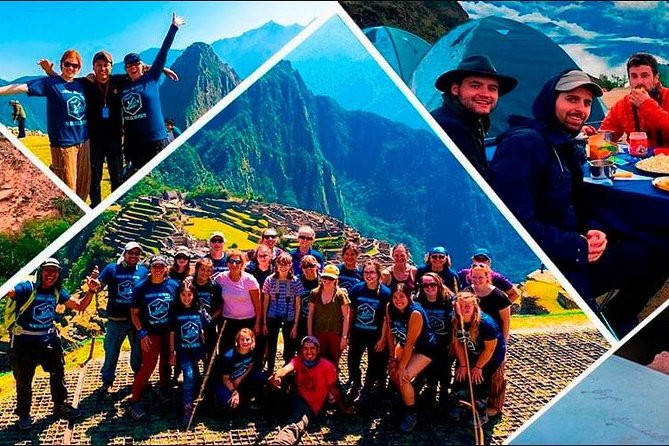
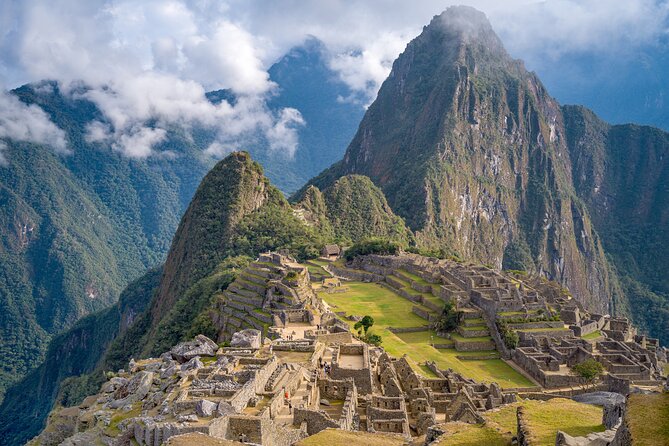
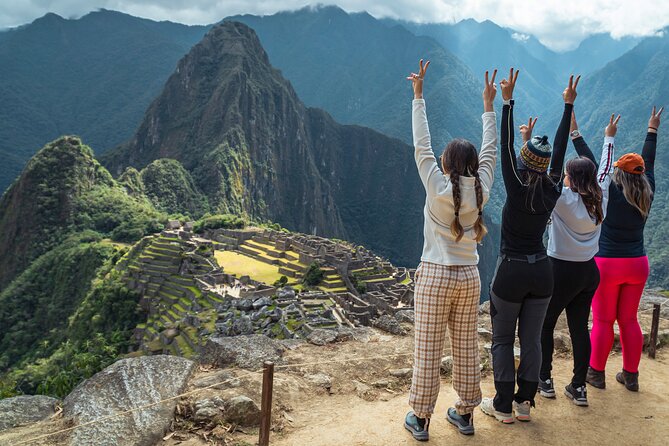
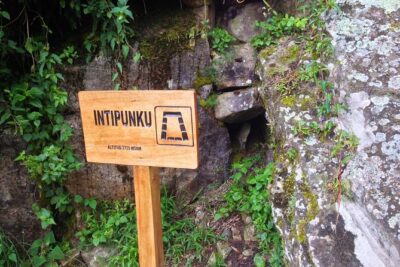
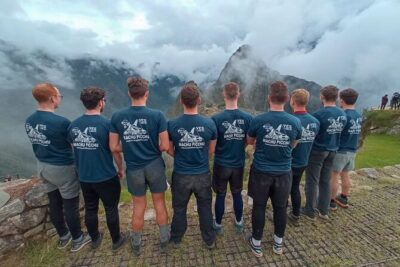
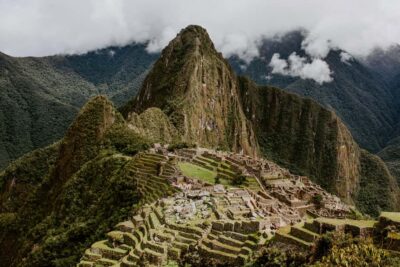
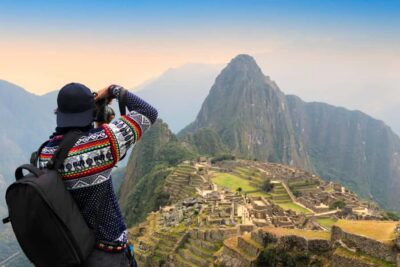
Day 4 starts with an early breakfast and ends with you arriving at Machu Picchu. Before you head in, you say goodbye to the porters and cook. Then you begin the final walk to Machu Picchu, arriving at Inti Punku (Puerta del Sol). This stop is all about perspective. You enjoy an inspiring panoramic view of the citadel before you register and move into the guided portion.
The guided tour lasts about 2 hours. Your guide explains major stops including:
- The temple of the sun
- The temple of the water
- The temple of the moon
After the guided tour, you get enough time to explore on your own and take photos. This is important. Even the best guide cannot cover every angle you will want. The open time lets you go back to your favorite viewpoints, slow down if the crowds thin, and take photos that match what you actually felt at the moment you saw everything in person.
Huayna Picchu is optional, with an extra cost. The itinerary frames it as a 2-hour visit after the Machu Picchu tour, so you can decide whether you want the extra climb and views, or if you would rather stay with the main citadel experience.
Camp life: tents, porters, meals, and what comfort really means here
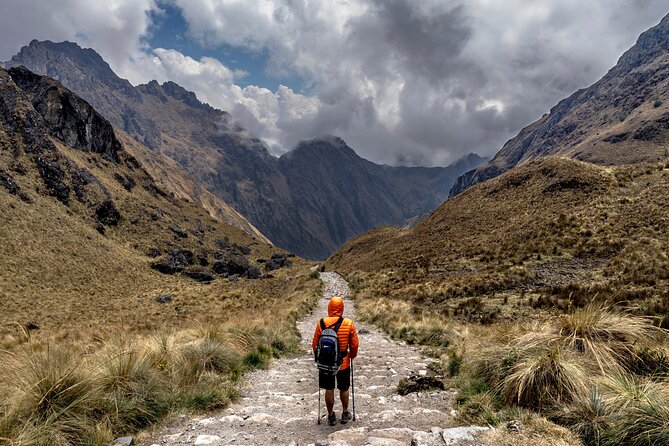
Most of the comfort in a multi-day trek comes from what you do not have to think about. Here, porters carry the camping equipment and kitchen stuff, which means you walk while they handle the heavy logistics. You also get a professional cook, which is a big deal when you are trekking for days and food quality affects energy and mood.
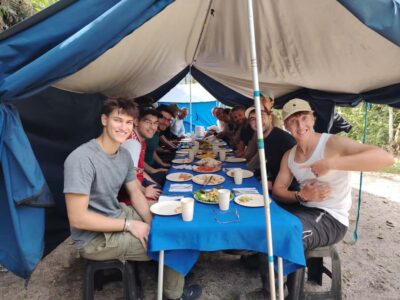
You eat three meals per day during the trek, with buffet style service, plus a snack each trekking day. The tour also says meals can be prepared based on preferences such as vegetarian, vegan, or pesquetarian, which is a real help for planning your week. Drinking water is handled too, with boiled water available during the trail.
For sleep, the plan includes four-season tents and mattresses, with two trekkers per tent. Four-season tents are built to handle a wider range of weather, but you should still plan for Andean conditions. One reviewer specifically raised the issue of tent size for a very tall traveler, and was told tents were about 2.2 x 2.2 m. If you are tall or carry bulky gear, it is worth confirming tent dimensions when you book.
Sleeping bags and walking sticks are not included, but you can rent them for $20 each. If you have ever regretted skipping a comfort item on a cold night, this is where you avoid that.
The train and transfers: your smooth transition out of Machu Picchu
This trip includes a train ride from Aguas Calientes to Ollantaytambo. That timing is key because it is the bridge between the Machu Picchu day and getting back to Cusco.
After you arrive in Ollantaytambo, the plan includes private transportation from Ollantaytambo to Cusco. The included list also mentions private transportation from Ollantaytambo back to Cusco, plus private transport to the trailhead on day one. That matters because it removes the “what bus do I take now” stress at the end of a long trek.
One practical cost note: the bus down from Machu Picchu to Aguas Calientes costs $12 and is not included. So if you like to travel with fewer surprises, budget for that.
Group size and pacing: why small tours help on the steep days
The tour has a maximum of 16 travelers. That number may not sound small on paper, but on a trail it changes how the day feels. Your guide can slow down or speed up without losing the group to constant waiting. A smaller group also tends to make it easier to handle different walking levels, especially when the itinerary includes the steepest and longest day at Warmiwañusca.
You also get porters and kitchen staff support, which reduces strain. Multiple guide names show up in the feedback, including Paulo and Raul. There are also assistant guides mentioned in the feedback such as Timoteo and Daniel. What I like about that for you is simple: there is enough staffing to keep the trek moving while still explaining sites along the way.
Who should book this trek, and who might want a different plan
This tour is for people with moderate physical fitness. That fits a wide range of travelers, including families, as long as everyone can handle long days at altitude.
It is especially a good fit if you want:
- Guided cultural context while you hike
- Camp meals and porters so you are not running a one-person logistics operation
- A Machu Picchu day that mixes guided time with free time for photos
You might reconsider if you know you struggle with altitude or long hours of walking. Warmiwañusca at 4,200 m is the clear line. If you have any medical concerns, ask your doctor before committing, especially if you have prior altitude issues.
Practical prep you can do before you start walking
Don’t show up to Peru thinking you can wing every detail. This itinerary includes gear support, including last-minute stops in Ollantaytambo on day one, plus rentals for sleeping bags and walking sticks. If you plan to rent, consider doing it through the operator so you are not hunting for equipment right at the moment you need it.
Also, pack around the fact that you will have cold and altitude conditions at least some portion of the trek. The included tents are four-season, and there is boiled water, but you still need your own body comfort. A proper sleeping setup is often the difference between waking refreshed or starting each day irritated.
Finally, make sure your passport is current. The provided details say a valid passport is required on the day of travel.
Should you book this Inca Trail to Machu Picchu with panoramic train?
I think this is a strong choice if you want the classic Inca Trail experience without taking on the hard work of planning every camp and meal detail yourself. The inclusion list is doing real heavy lifting: permits, guides, porters, cook, tents, mattresses, and the Machu Picchu guided day.
Book it if you like structured days, guided explanations of sites such as Patallacta and the Machu Picchu temples, and you want a calm exit via train to Ollantaytambo. Choose it with care if you are sensitive to altitude, because Day 2 at Warmiwañusca is the obvious challenge.
If you are deciding between options, here is my simple checklist: confirm you are comfortable with a long day at 4,200 m, plan for possible extra costs like Huayna Picchu and the sleeping bag or walking stick rentals, and check that the train and bus portions fit your timing comfort.
FAQ
What is the maximum group size on this trek?
The group maximum is 16 travelers.
Where do you pick me up for the trek?
Pickup is offered from accommodation in Cusco, Urubamba, or Ollantaytambo.
When do we start on Day 1?
You are picked up at 5:00 am from your hotel, then you travel to Piskacucho (Km 82) where the trek begins.
How long is the hike on each day?
Day 1 is about 6 to 7 hours, Day 2 is about 8 hours, and Day 3 is about 6 hours. Day 4 focuses on reaching Machu Picchu and includes a guided visit and time to explore.
Is Huayna Picchu included?
Huayna Picchu is optional. It has an extra cost and is not included.
What meals and drinks are included during the trek?
You get 3 meals per day during the trek served buffet style, plus snacks each day. Boiled water to drink is also included. Vegetarian, vegan, and other preferences are accommodated.
Do I need a sleeping bag or walking sticks?
Sleeping bags and walking sticks are not included, but you can rent them for $20 each.
Is train travel included in the itinerary?
Yes. There is a touristic train from Aguas Calientes to Ollantaytambo, and then private transportation from Ollantaytambo to Cusco.
What if I need to cancel or change my dates?
The experience is non-refundable and cannot be changed for any reason.
Rail Into Aguas Calientes
- Cusco: Machu Picchu 2-Day Inca Trail with Panoramic Train
★ 4.9 · 260 reviews - The First Class Machu Picchu Train by Inca Rail
★ 4.0 · 182 reviews - Machu Picchu: 5-Day Salkantay Trek with Panoramic Train
★ 5.0 · 79 reviews - Excursion to the Sacred Valley and Machu Picchu by Panoramic Train
★ 5.0 · 45 reviews - Machu Picchu Tour by Vistadome Panoramic Train from Cusco
★ 5.0 · 43 reviews
Other Inca Trail Departures
- Cusco: 4-Day Inca Trail to Machu Picchu with Accommodation
★ 4.8 · 432 reviews - Cusco: Machu Picchu 2-Day Inca Trail with Panoramic Train
★ 4.9 · 260 reviews - From Cusco: 2-Day Inca Trail to Machu Picchu
★ 4.2 · 244 reviews - Machu Picchu: Inca Trail 2-Day Overnight Guided Tour
★ 4.9 · 203 reviews - Short Inca trail to MachuPicchu || 2days – 1nigth ||
★ 5.0 · 103 reviews
Reaching the Citadel, Other Options
- From Cusco: Full-Day Group Tour of Machu Picchu
★ 4.7 · 1,767 reviews - Machu Picchu Day Trip from Cusco
★ 4.5 · 1,644 reviews - Machu Picchu: Full-Day Tour from Cusco with Optional Lunch
★ 4.6 · 927 reviews - Cusco: 4-Day Inca Trail to Machu Picchu with Accommodation
★ 4.8 · 432 reviews - From Cusco: 2-Day Trip to the Sacred Valley and Machu Picchu
★ 4.6 · 265 reviews
Freshly reviewed across Cusco
- Excursion Cusco – Puno – Titicaca Observatory Train★ 5.0 · 3 reviews
- Sacred Valley Vip Cusco★ 4.7 · 3 reviews
- Cusco | Humantay Lake 1-Day Tour with Breakfast and Lunch★ 5.0 · 3 reviews
- Full-Day Condor Viewpoint & Inca Sites Tour★ 5.0 · 3 reviews
- Best of Cusco: Private Walking Tour with a Local★ 3.6 · 3 reviews
- From Cusco: Full-Day Private Sacred Valley Tour★ 5.0 · 3 reviews
Machu Picchu Tours side by side.
 ★ 4.7From Cusco: Full-Day Group Tour of Machu PicchuFrom $3211,767 reviews
 ★ 4.5Machu Picchu Day Trip from CuscoFrom $3361,644 reviews
 ★ 4.6Machu Picchu: Full-Day Tour from Cusco with Optional LunchFrom $283927 reviews
 ★ 4.8Cusco: 4-Day Inca Trail to Machu Picchu with AccommodationFrom $470432 reviews
 ★ 4.6From Cusco: 2-Day Trip to the Sacred Valley and Machu PicchuFrom $370265 reviews
 ★ 4.9Cusco: Machu Picchu 2-Day Inca Trail with Panoramic TrainFrom $582260 reviews
 ★ 4.2From Cusco: 2-Day Inca Trail to Machu PicchuFrom $290244 reviews
 ★ 4.9Machu Picchu: Inca Trail 2-Day Overnight Guided TourFrom $585203 reviews