
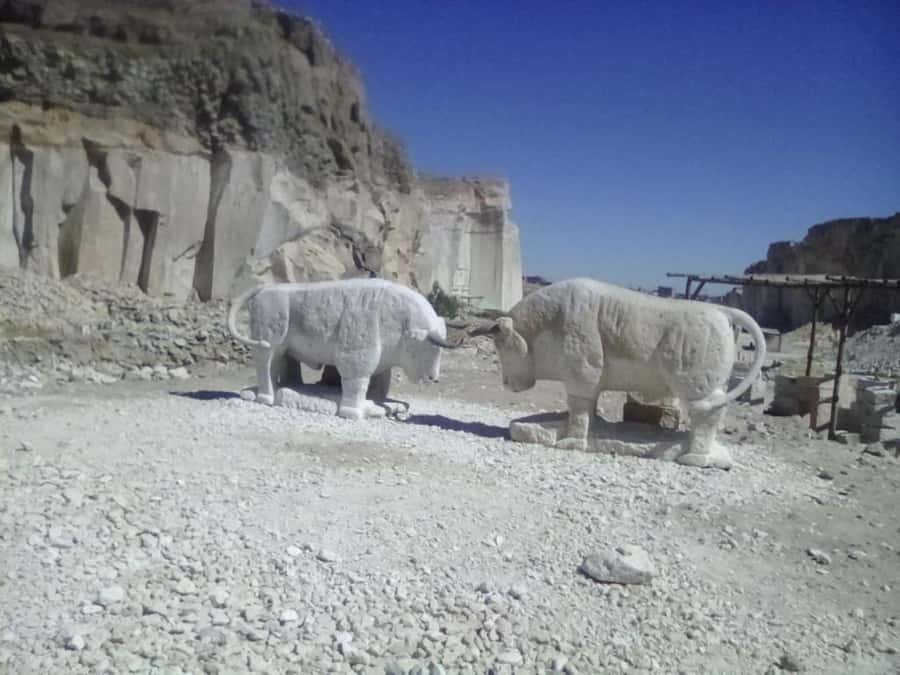
REVIEW · AREQUIPA CITY
Route of the Sillar | Quarries of Añashuaycos | Half day
Stone, art, and volcano views in one half day. This route is a smart combo of Arequipa’s signature sillar stone and living desert canyon scenery, with a quick look at how the rock was cut and used. I especially like the stop at Añashuayco quarry, because you can see the stonework in real scale, not just in photos.
You’ll also get a short walk in Culebrillas Gorge, where the water-shaped canyon walls rise up to about 20 meters. One drawback to plan around: the timing can feel a bit quick for photography, and the group may not linger long at every photo angle or roadside sign, so you’ll want to move with the guide and keep your camera ready.
In This Review
- Key highlights worth planning for
- Half-day timing from Arequipa, 8:50 a.m. to 1:00 p.m.
- Volcano viewpoint first, quick orientation before the sillar route
- Añashuayco quarry and ashlar carving, seeing how sillar becomes a city
- What to watch for (so you get more than quick photos)
- Culebrillas Gorge canyon walk, tall walls and a short entry trek
- Walking tips that actually matter
- A realistic drawback to consider
- Petroglyphs in the canyon, a cultural finish with meaning
- Price and value: $20 tour, plus two paid entrances
- Pickup and pacing: how to avoid the most common headaches
- What to bring for a smoother morning
- Who this tour is best for, and who should skip it
- Best-fit traveler types
- Practical tips so you get the best of each stop
- Should you book the Ruta del Sillar, Añashuayco Quarry, and Culebrillas half-day?
- FAQ
- What time does pickup happen?
- How long is the tour?
- What is the return time to Arequipa?
- What entrance fees should I budget for?
- Are meals included?
- What language will the guide speak?
Key highlights worth planning for
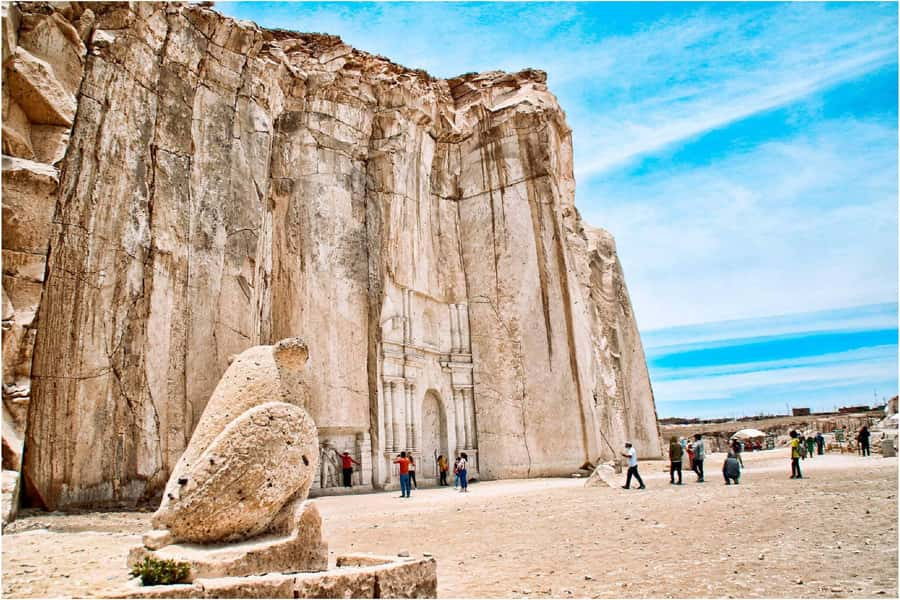
- Añashuayco quarry stonecraft: Watch the ashlar carving process that helped build Arequipa’s look.
- Two-volcano orientation stop: A viewpoint near Arequipa sets the scene before you head into the canyons.
- Culebrillas Gorge walk, about 20 minutes: A manageable hike inside the canyon with steep, tall walls.
- Walls up to 20 meters: The canyon scale hits harder when you’re close to it.
- Petroglyphs in the canyon: A final cultural stop that adds meaning beyond scenery.
- Bilingual live guide (English, Spanish): Clear explanations, with help for questions along the way.
Santa Catalina, Yanahuara and more Arequipa
- From Arequipa: Colca Canyon Full-Day Guided Tour with Meals
★ 4.5 · 982 reviews - Tour to the Salinas Lagoon and National Reserve in Arequipa
★ 4.5 · 548 reviews - From Arequipa: Sillar Route Trek
★ 4.2 · 461 reviews - Arequipa: Chili River White Water Rafting with Hotel Pickup
★ 4.8 · 329 reviews
Half-day timing from Arequipa, 8:50 a.m. to 1:00 p.m.
This is a 5-hour excursion with hotel pickup around 8:50 a.m. from the area near or inside Arequipa’s historical center. You’ll be back in town by about 13:00, which makes it a good use of a morning when you still want afternoon flexibility for museums, markets, or another tour.
That schedule also means you should travel with a “go with the flow” mindset. You’ll get several stops, but each one is tightly timed. If you’re the type who likes to wander and linger, you’ll enjoy the experience more if you focus on the key photo moments and let the guide manage the pacing.
Volcano viewpoint first, quick orientation before the sillar route
The morning starts with a short drive toward the Ruta del Sillar, and before you reach the quarries you’ll stop at a viewpoint to see the two volcanoes that surround Arequipa. Even if you’ve already seen volcano silhouettes from the city, this viewpoint gives you better context for how the city sits in the basin.
Practical note: this is one of those stops where the group often forms fast to catch the best angles. Have sunscreen on, get your hat situated, and take a few photos early rather than waiting until the crowd thickens.
Añashuayco quarry and ashlar carving, seeing how sillar becomes a city
The heart of the tour is the visit to the Añashuayco Quarry, where you’ll learn about working and carving ashlar stone. Arequipa’s famous building look depends on stone that has been shaped to fit purpose, and here you can connect the dots between what you see in the city and what’s happening outside it.
What I like about this stop is that it’s not just a scenic “look at rocks” moment. You’re seeing a process tied to everyday architecture. When your guide explains how the stone is carved, you start noticing details back in town, like how blocks are sized and finished to fit construction needs.
What to watch for (so you get more than quick photos)
- Pay attention to how the stonework is described, then compare it to any sillar buildings you plan to visit later.
- Use your time well for photos, because quarry stops can attract a line for the best angles.
- If you want close-up shots, keep moving with the group so you don’t lose your place when it’s time to head out.
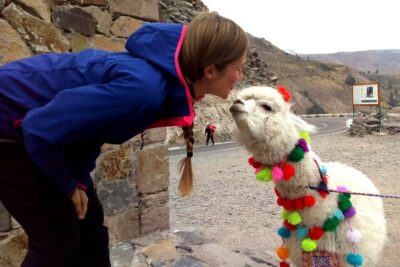

Culebrillas Gorge canyon walk, tall walls and a short entry trek
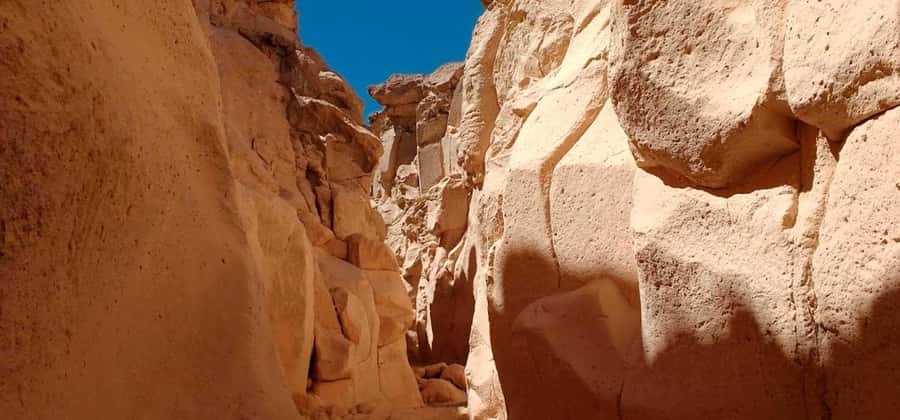
After leaving Añashuayco, you’ll travel for about 30 minutes until you reach Quebrada de Culebrillas. This is the water canyon portion of the tour, and it’s one of the most visually dramatic moments.
The canyon walls can reach up to around 20 meters, and you’ll enter for a walk of about 20 minutes. This is long enough to feel the canyon’s scale without it turning into a long hike. You’ll get that “I’m inside it” effect where the walls close in and your photos look more dramatic than they do from a roadside viewpoint.
Walking tips that actually matter
- Wear sports shoes. The canyon entry is a walk, not a stroll in flip-flops.
- Bring insect repellent, even though the walk is short. It’s a canyon, and bugs can still show up.
- Keep an eye on your footing when the ground is uneven.
A realistic drawback to consider
A few people mention that some parts can feel a little rushed for photos. If you’re chasing perfect shots, you may need to accept that the group pacing controls your timing. Instead of trying to capture everything, aim for a couple of strong angles early in the walk, then enjoy the space without always looking through the screen.
Petroglyphs in the canyon, a cultural finish with meaning
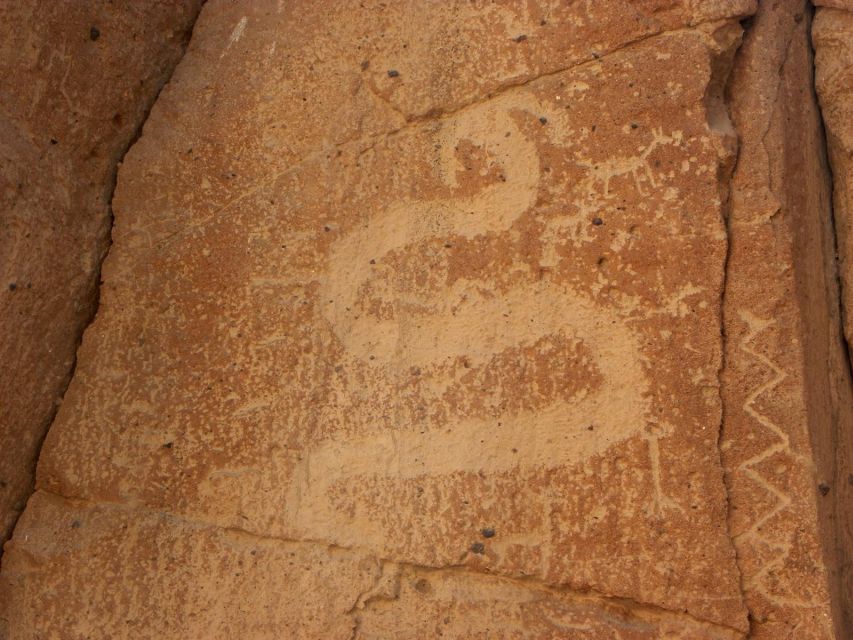
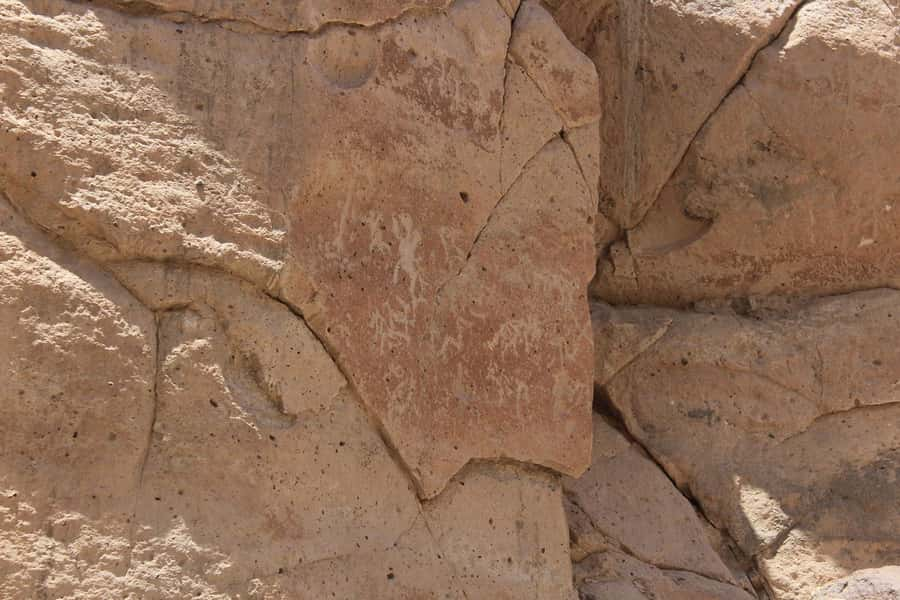
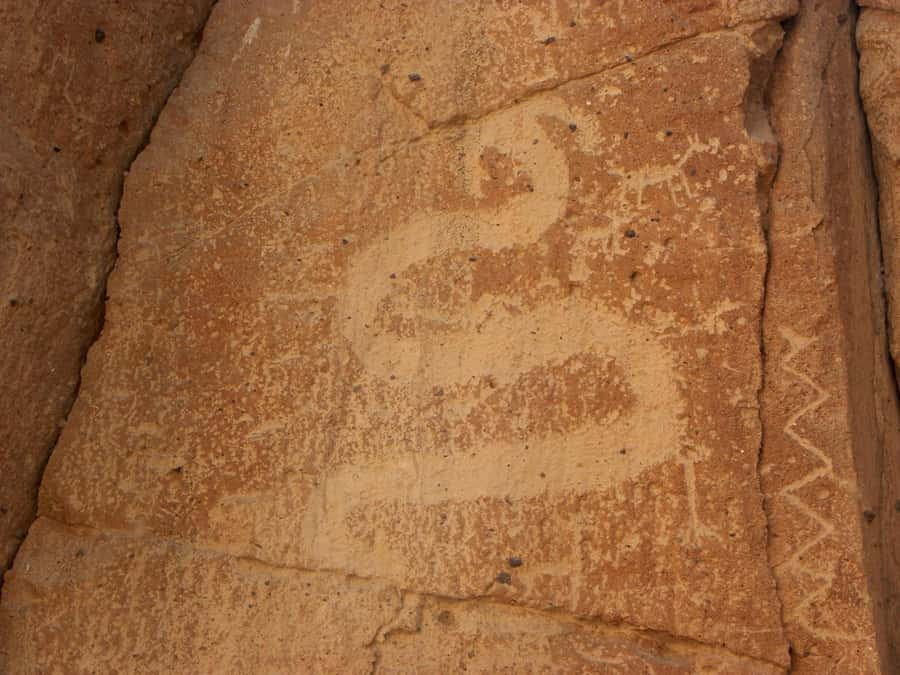
Your last stop on the Ruta del Sillar is to discover petroglyphs of the canyon. This is a great finishing note because it shifts the story from materials to people. Instead of only learning how stone gets carved for buildings, you also get a sense of how humans carved and marked the landscape in earlier times.
It’s not a museum-style experience with long explanations and slow pacing. Think of it as a short, guided moment where your guide points out what you’re looking at, then you spend time observing the marks yourself. If you like cultural details, this ending is the kind of stop that makes the whole half-day feel more connected.
Price and value: $20 tour, plus two paid entrances
On paper, the tour price starts at $20 per person for the core experience. But two entrances add up: $5 per person for the Sillar Route and $5 per person for Culebrillas Canyon. That puts your total at about $30 per person before meals and optional insurance.
Here’s why I think it still works as a value for the time you have:
- You’re paying for hotel pickup (near or inside the historical center) and transportation, which is usually where half-day trips can get pricey.
- You get a professional bilingual guide for the full outing, which matters because the quarry and petroglyph stops are more interesting with explanations.
- You hit multiple distinct experiences in one go: volcano orientation, quarry stonecraft, canyon walk, and petroglyphs.
What’s not included:
- Meals
- Travel insurance
- The two entrance fees mentioned above
So if you’re budgeting, I’d plan on either a quick snack that morning or something you can buy after you’re back in town, since the tour runs until about 1 p.m.
Pickup and pacing: how to avoid the most common headaches
Pickup is scheduled around 8:50 a.m., and it’s from the area near or inside Arequipa’s historical center. That’s convenient, but it can still be tricky if your pickup point is crowded or if your guide can’t easily confirm who you are.
Two practical lessons from real-world experience:
- Watch for the guide promptly at the pickup point. If you’re unsure, ask the front desk staff at your hotel for help locating where the meeting spot is for tours.
- Keep your expectations realistic about time at each stop. Some outings can feel like you’re moving quickly, especially when there are photo lines. If you want specific shots, think of them as “capture and go,” not “wander and linger.”
Language can also vary depending on the day. The tour is listed as bilingual, English and Spanish, but if you’re traveling with complex questions, it helps to jot your questions down before you go, and keep them simple and direct.
What to bring for a smoother morning
For this trip, I’d pack like you’re going out for sun, dust, and a short walk in a canyon:
- Passport (bring it)
- Sun hat and sunscreen
- Insect repellent
- Comfortable clothes
- Sports shoes
- Cash (useful for entrance fees and any small purchases)
- A little hydration routine, even though meals are not included
Also, start the morning with layers that can handle temperature swings. Arequipa can feel different from one minute to the next, especially once you’re outside the city.
Who this tour is best for, and who should skip it
This is a strong choice if you want an efficient half-day that mixes geology, architecture, and short canyon scenery.
It is not suitable for:
- Wheelchair users
- Visually impaired people
- People with pre-existing medical conditions
If you’re traveling with mobility limitations, your safest move is to choose a different format with fewer walking portions and less uneven terrain.
Best-fit traveler types
- First-time visitors who want a quick Arequipa countryside hit
- People curious about why the city looks the way it does
- Travelers who like short, guided walks over long treks
- Anyone who wants culture plus scenery, ending with petroglyphs
Practical tips so you get the best of each stop
A half-day is long enough to enjoy a lot, but not long enough to fix mistakes. Here’s how to make the most of it:
- Bring your camera settings ready before the volcano viewpoint. Light changes fast in open areas.
- At Añashuayco, listen closely to the explanation of the ashlar process, then use that knowledge for better photos, not just louder snapshots.
- At Culebrillas, prioritize footing and a couple of solid canyon angles. A perfect photo matters less than staying in step with the group.
- At the petroglyphs, slow down. This is the moment where your guide’s pointers help you see what you might otherwise miss.
And if you care about the small signage or entrance details, don’t assume there will be a long pause. Move with the group, then take your shots quickly and respectfully.
Should you book the Ruta del Sillar, Añashuayco Quarry, and Culebrillas half-day?
Book it if you want an efficient morning that connects the dots between Arequipa’s built environment and the dramatic stone and canyon setting around it. The quarry visit and ashlar carving explanation give you something more grounded than a typical sightseeing loop, and the Culebrillas walk adds a real sense of scale.
Skip it or switch to another option if you need a slower pace, lots of time at each stop, or you have mobility or medical constraints that make uneven ground and canyon walking difficult. Also, if your idea of a great tour is unlimited time for photo lines and long stops at every roadside sign, you may find the pacing a touch tight.
FAQ
What time does pickup happen?
Pickup is scheduled for about 8:50 a.m. from your hotel area near or inside Arequipa’s historical center.
How long is the tour?
The total duration is about 5 hours.
What is the return time to Arequipa?
The tour returns to the city and you should arrive back around 13:00.
What entrance fees should I budget for?
Entrance to the Sillar Route costs $5.00 per person, and entrance to Culebrillas Canyon costs $5.00 per person. These are not included in the base tour price.
Are meals included?
No, meals are not included.
What language will the guide speak?
The guide is bilingual, with English and Spanish available.
More Tour Reviews in Arequipa
- From Arequipa: Colca Canyon Full-Day Guided Tour with Meals
★ 4.5 · 982 reviews - Tour to the Salinas Lagoon and National Reserve in Arequipa
★ 4.5 · 548 reviews - From Arequipa: Sillar Route Trek
★ 4.2 · 461 reviews - Arequipa: Chili River White Water Rafting with Hotel Pickup
★ 4.8 · 329 reviews - From Arequipa: 2-Day Colca Canyon Trekking Tour
★ 4.8 · 243 reviews
Arequipa Under El Misti
- From Arequipa: Colca Canyon Full-Day Guided Tour with Meals
★ 4.5 · 982 reviews - Tour to the Salinas Lagoon and National Reserve in Arequipa
★ 4.5 · 548 reviews - From Arequipa: Sillar Route Trek
★ 4.2 · 461 reviews - Arequipa: Chili River White Water Rafting with Hotel Pickup
★ 4.8 · 329 reviews - From Arequipa: 2-Day Colca Canyon Trekking Tour
★ 4.8 · 243 reviews
Freshly reviewed across Arequipa
- Excursion Salinas Lagoon and National★ 5.0 · 3 reviews
- From Arequipa: Full Day Colca Canyon Tour★ 4.5 · 3 reviews
- Arequipa: Colca Canyon Trekking 2 days and 1 night + food★ 4.8 · 3 reviews
- Walking tour through the Historic Center of Arequipa★ 4.0 · 3 reviews
- Arequipa: Catarata de Pillones and Bosque de Piedras Tour★ 4.3 · 3 reviews
- Cooking Class Typical Food in Arequipa★ 3.9 · 3 reviews
Arequipa City Tours side by side.
 ★ 4.5From Arequipa: Colca Canyon Full-Day Guided Tour with MealsFrom $42982 reviews
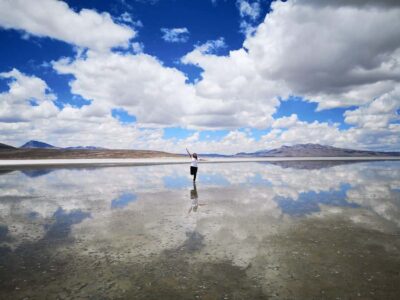 ★ 4.5Tour to the Salinas Lagoon and National Reserve in ArequipaFrom $27548 reviews
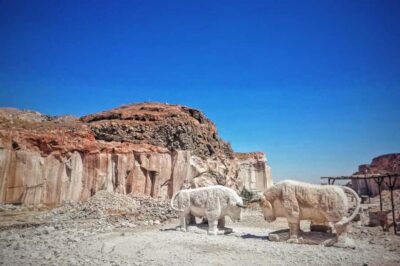 ★ 4.2From Arequipa: Sillar Route TrekFrom $12461 reviews
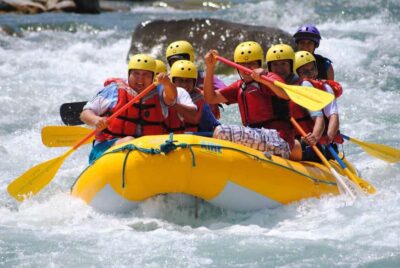 ★ 4.8Arequipa: Chili River White Water Rafting with Hotel PickupFrom $20329 reviews
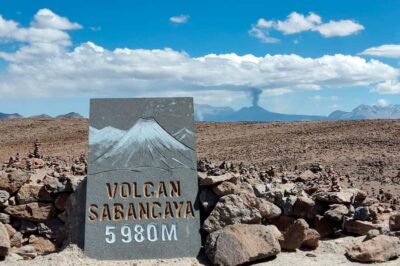 ★ 4.62-Day Tour Colca Canyon in Arequipa with end in PunoFrom $78248 reviews
 ★ 4.8From Arequipa: 2-Day Colca Canyon Trekking TourFrom $30243 reviews
 ★ 4.4Walking tour in the Historic Center of ArequipaFrom $10180 reviews
 ★ 4.4From Arequipa: Full Day Tour of Colca Canyon with MealsFrom $27146 reviews
Also on these Peru lists