
REVIEW · SACRED VALLEY
Sacred Valley Textile Workshop – Dyeing & Weaving in Cusco
Cusco has plenty of big sights. This is different, you spend a full morning and afternoon with Peru’s Indigenous master weaver Ruth Pimentel and learn the steps behind Andean color and cloth. I love how hands-on it is, from choosing botanicals for dye to learning the backstrap weaving rhythm. Just know the day can feel long because the drive adds time, and the weaving part is genuinely challenging.
You’re not watching a performance. You’re working at the loom with instruction from Ruth and master weavers, then finishing a one-of-a-kind textile piece on-site. I also appreciate that the experience includes a shared lunch plus coffee or tea, and you get to see how the craft connects to the people who keep it alive. The one consideration I’d plan for is time at floor level, since weaving happens seated for a stretch.
Key reasons this workshop earns its 5-star reputation
- Ruth Pimentel leads the day, sharing lineage and UNESCO-recognized expertise in living textile tradition
- You hand-dye premium baby-alpaca yarn using seasonal botanicals and ancestral methods
- You learn backstrap weaving, the classic Andean technique taught through guided practice
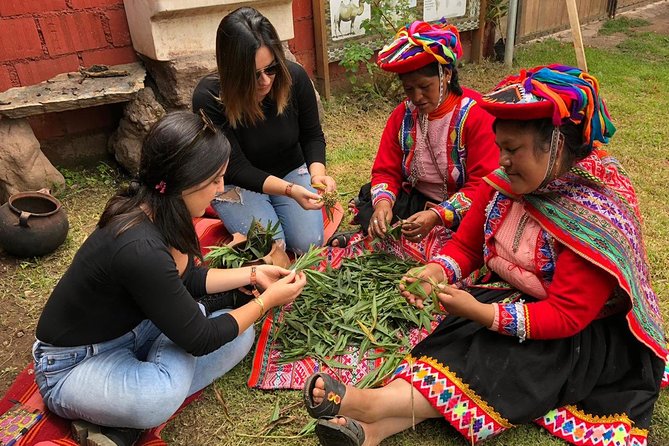
- Expect a foraging step for dye materials, not just a studio demo
- You finish with a take-home piece in elegant packaging with a signed provenance card
- The day is paired with lunch and coffee or tea, plus time to meet the weavers in their community
In This Review
- Meeting Ruth Pimentel and the Private Atelier Near Cusco
- Hotel Pickup and the 8:30 Start That Turns into a Full Day
- From Alpaca Yarn to Organic Colors: How the Dyeing Step Works
- Backstrap Weaving at the Loom: The Skill That Takes Time
- Choosing Your Textile and Taking It Home with Provenance
- Lunch, Coffee or Tea, and the Community Side of the Sacred Valley
- Price and Value: What $420 Covers (and When It’s Worth It)
- Who Should Book This Workshop, and Who Should Skip It
- Should You Book Sacred Valley Textile Dyeing & Weaving?
- FAQ
- What time does the Sacred Valley Textile Workshop start?
- How long is the experience?
- Is lunch included?
- Will I be picked up from my hotel in Cusco?
- What will I make during the workshop?
- Is this a private tour?
- What happens if the weather is bad?
- Can I cancel for a full refund?
Meeting Ruth Pimentel and the Private Atelier Near Cusco
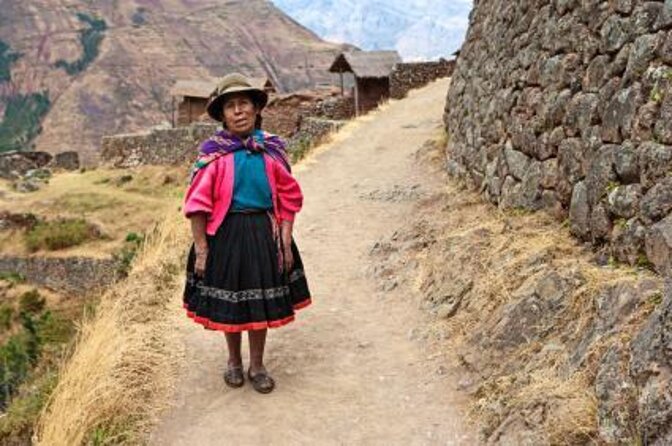
Ruth Pimentel is the headline, and you feel that from the first moments. The workshop starts at a private atelier in the hills near Cusco, where Ruth welcomes you personally and explains her lineage and UNESCO recognition tied to Peru’s living textile heritage.
What I like most is that the day isn’t just about technique. You also get context on how the tradition is preserved through a social-impact initiative, which gives the craft a real “why” behind the “how.” And yes, you do end up at the loom, not standing around hoping someone else can do it faster for you.
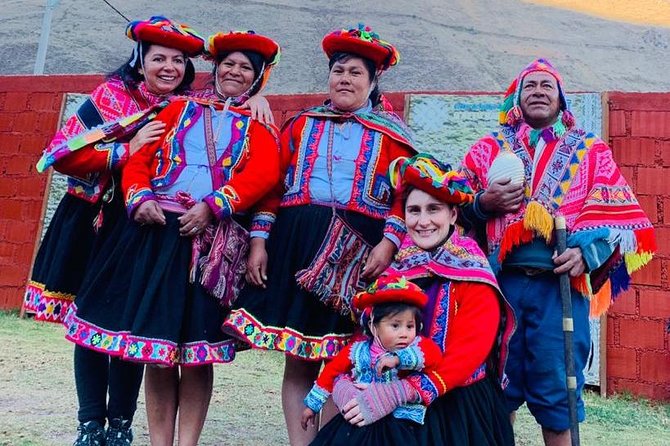
You’ll be working with Ruth and other master weavers from Parobamba, and you’ll learn in a structured sequence. That matters because dyeing and weaving each have their own learning curve, and the order helps your brain actually make sense of it.
More Sacred Valley itineraries on our list
- Cusco: Sacred Valley, Pisac, Ollantaytambo, Salt Mines Moray
★ 4.6 · 1,058 reviews - Sacred Valley: Chinchero, Moray, Ollantaytambo & Pisac+Lunch
★ 4.8 · 501 reviews - Sacred Valley: Maras & Moray by Quad Bike from Cusco
★ 4.6 · 418 reviews - From Cusco: 2-Day Trip to the Sacred Valley and Machu Picchu
★ 4.6 · 265 reviews
Hotel Pickup and the 8:30 Start That Turns into a Full Day
This is scheduled to begin at 8:30am, with hotel pickup by private transport. In practice, you should plan for a long, steady day, because the workshop site is outside central Cusco and involves countryside driving.
Even if you love Cusco sightseeing, this one is a “day commitment” tour. Several people mention that the drive can be about an hour and a half each way, which is why it can feel like an all-day commitment even though the class portion is about 8 hours total.
Here’s the upside: you’re not juggling logistics. Once you’re picked up, the transport, meals, and workshop flow are handled, so you can focus on the work and not on timing the next bus or figuring out lunch.
From Alpaca Yarn to Organic Colors: How the Dyeing Step Works
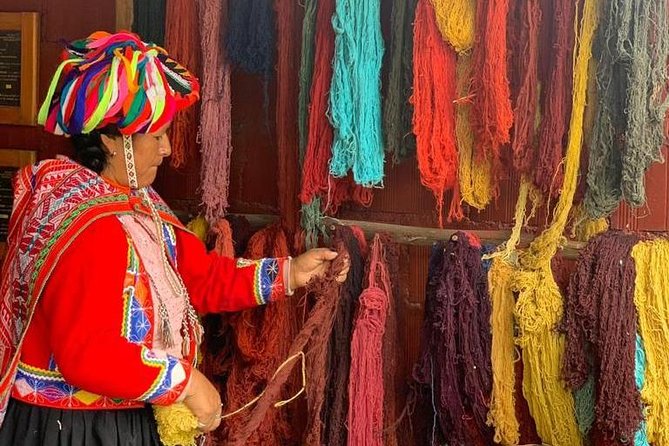
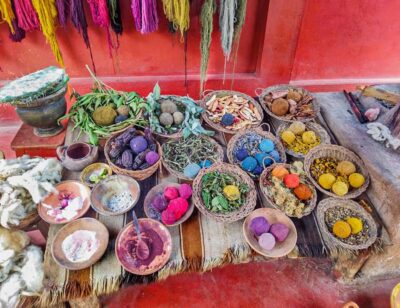
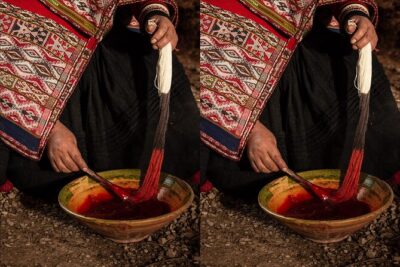
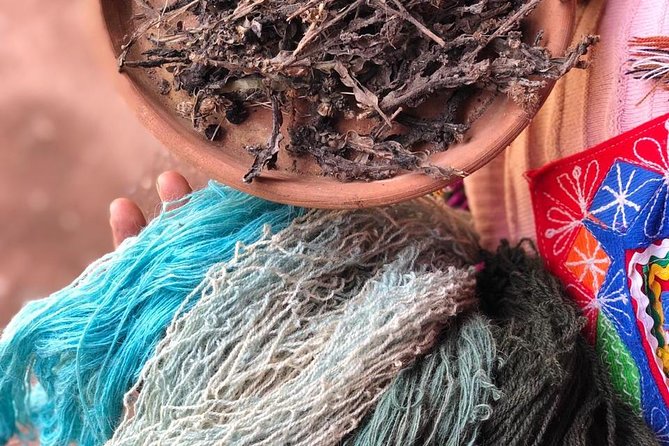
The dyeing process is the heart of the experience, and it’s not treated like a quick craft step. You select seasonal botanicals, and you’ll hand-dye premium baby-alpaca yarn using ancestral techniques.
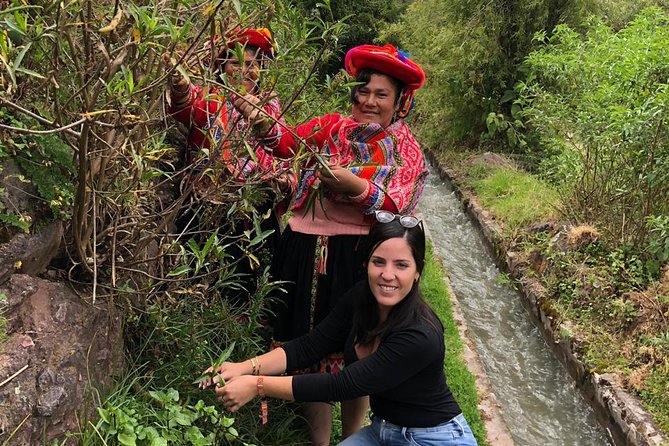
A big part of the day is learning how the color is created, not just how it looks. You’ll learn what goes into dye baths and how the materials work together, and many people say the walk to collect dye leaves and plant ingredients is one of the most memorable parts.
You also get a stronger appreciation for why Andean textiles have such distinct character. Natural dye colors can be shaped by plant selection and preparation, so the process teaches you that “color” is a result of careful work, not just a pigment you buy off a shelf.
One more detail that helps: you’re not dealing with theory only. You’re preparing, dyeing, and then moving into weaving, which makes the dye step feel connected instead of random.
Backstrap Weaving at the Loom: The Skill That Takes Time
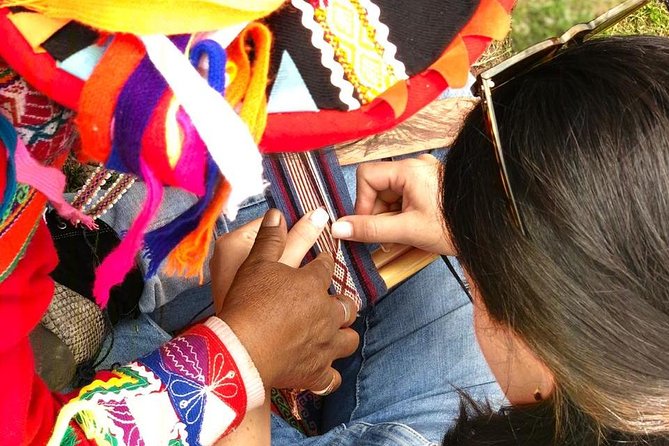
When it’s time to weave, you’ll learn backstrap weaving with guided help at the loom. This is the technique passed down through generations of Andean women, where the body and the loom work together through tension and controlled movement.
Here’s where I’d be honest with you about expectations. Backstrap weaving is not always quick to “get.” Many people mention it’s challenging, in a good educational way, because the hands learn differently than they expect and the fabric has its own pace.
What you should love about this part is the focus it creates. You’re making something step-by-step, and the guidance from master weavers helps you understand why each action matters. It’s also a real respect-builder, because you see how much patience is required to produce even a small section well.
Also note the practical reality: weaving takes place sitting for hours on the workshop floor. If you’re sensitive to prolonged sitting, that’s your main physical consideration for the day.
Choosing Your Textile and Taking It Home with Provenance
The goal is a bespoke creation finished on-site. Depending on the day’s structure, many people come away with small woven items and accessories they’ve worked on themselves, like bookmarks, bracelets, or headbands, plus yarn they dyed.
The workshop also ends with your textile being packaged in elegant materials. You’ll receive it with a signed provenance card, so you’re not just buying a souvenir, you’re carrying a documented, one-of-a-kind piece tied to the maker and process.
I like this approach because it keeps expectations grounded. You’re not leaving with something mass-produced that looks handmade. You leave with a piece that reflects the dye and weaving steps you learned, and that makes it more meaningful long after the photos fade.
There’s also often time to browse the workshop shop. People mention it’s a good chance to buy additional handmade goods directly from the women who made them, which can be a thoughtful way to support beyond just the workshop fee.
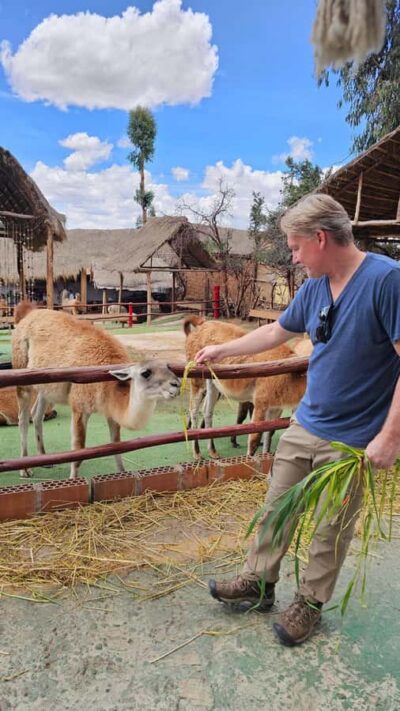
Other weaving demonstrations and alpaca herds
Lunch, Coffee or Tea, and the Community Side of the Sacred Valley
You get lunch included, along with coffee or tea. The meal is part of the day, not an afterthought, and many people say it’s homecooked and delicious.
More importantly, lunch is when the day becomes social. People mention conversations with the weavers and guides, learning a few words of Quechua, and connecting through shared curiosity about plants, dye, and the textiles themselves.
This is also where the workshop avoids feeling like a one-way “craft demonstration.” The day is structured so you work with the weavers, eat with them, and see the atmosphere of the community where the craft happens.
If you want a Cusco experience that feels like it has a human heartbeat, this is one of the best ways to get it without rushing from one big site to the next.
Price and Value: What $420 Covers (and When It’s Worth It)
At $420 per person, this is not a bargain. But it’s also not just a “class” in the casual sense. You’re paying for a private, all-day, guided craft experience led by Ruth Pimentel and supported by master weavers, plus transport pickup, lunch, and the materials and labor that go into dyeing and weaving.
Think of it as paying for several things at once:
- Guided instruction through the full process, dye to loom
- A private group format, so your time isn’t lost to crowd management
- Natural materials and yarn used in the process
- A finished take-home piece, presented with provenance
Is it worth it? For me, it’s worth it if you care about textiles, color, and process, not just the final product. If you’re the kind of traveler who likes “how it’s made,” you’ll get a lot out of spending a day learning to spin, dye, and weave.
If you mainly want a quick cultural stop for photos, you might find the time commitment and the learning curve a bit much. This is a working day, and the weaving takes concentration.
Who Should Book This Workshop, and Who Should Skip It
This works best for you if:
- You enjoy arts and hands-on making
- You want to learn natural dye processes and Andean textile techniques
- You appreciate cultural context tied to makers, not just buildings and artifacts
- You like the idea of taking home a one-of-a-kind piece with provenance
It’s less ideal if:
- You’re not comfortable sitting for long periods on the floor
- You want something quick and low-effort
- You have limited time and can’t handle a long drive from Cusco
One more reality check: the workshop requires good weather. If weather is poor, you’ll be offered a different date or a full refund, so keep your schedule flexible if you can.
Should You Book Sacred Valley Textile Dyeing & Weaving?
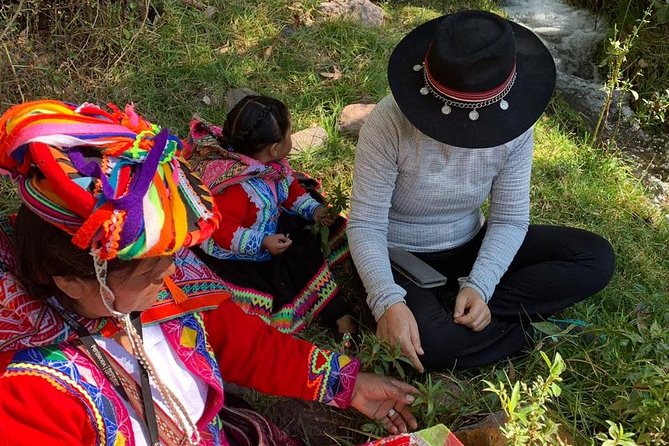
If you’re torn, here’s my simple decision rule. Book it if you want a day where your hands learn the craft and your brain understands why the colors and patterns are the way they are. This is the rare Cusco-area activity where the “culture” is not an extra, it is built into the process.
I’d skip it only if you’re mainly after sightseeing checkboxes or you can’t manage a long day. Otherwise, this is one of the strongest choices for getting off the usual path and leaving with something you actually helped make, from hand-dyed baby-alpaca yarn to a finished, provenance card-backed textile piece.
FAQ
What time does the Sacred Valley Textile Workshop start?
The workshop start time is 8:30am.
How long is the experience?
The duration is about 8 hours.
Is lunch included?
Yes. Lunch and coffee or tea are included.
Will I be picked up from my hotel in Cusco?
Yes. Hotel pickup by private transport is offered.
What will I make during the workshop?
You’ll be involved in dyeing and weaving your own textile piece, using techniques taught by master weavers, and you’ll finish your creation on-site.
Is this a private tour?
Yes. It’s a private tour/activity, so only your group will participate.
What happens if the weather is bad?
This experience requires good weather. If it is canceled due to poor weather, you’ll be offered a different date or a full refund.
Can I cancel for a full refund?
You can cancel up to 24 hours in advance for a full refund. If you cancel less than 24 hours before the start time, the amount you paid will not be refunded.
More Tour Reviews in Cusco
- Cusco: Humantay Lake Tour with Breakfast and Buffet Lunch
★ 4.9 · 2,976 reviews - From Cusco: Moray, Maras Salt Mines & Chinchero Weavers Tour
★ 4.8 · 1,925 reviews - From Cusco: Full-Day Group Tour of Machu Picchu
★ 4.7 · 1,767 reviews - Machu Picchu Day Trip from Cusco
★ 4.5 · 1,644 reviews - Cusco: Half-Day City Tour with Sacsayhuaman and Q’enco
★ 4.6 · 1,129 reviews
Wool, Dye and Loom
- From Cusco: Moray, Maras Salt Mines & Chinchero Weavers Tour
★ 4.8 · 1,925 reviews - Cusco: Alpaca and Llama Farm Tour w/ Transfer & Weaving Demo
★ 4.9 · 151 reviews - City Tour in Cusco & visit Museum South American Camelid Private.
★ 5.0 · 147 reviews - From Cusco: Moray, Maras Salt Mines & Chinchero Weavers Half-Day
★ 5.0 · 126 reviews - The Textile Workshop Experience in Cusco Region
★ 5.0 · 118 reviews
Sacred Valley, Further Afield
- Cusco: Sacred Valley, Pisac, Ollantaytambo, Salt Mines Moray
★ 4.6 · 1,058 reviews - Sacred Valley: Chinchero, Moray, Ollantaytambo & Pisac+Lunch
★ 4.8 · 501 reviews - Sacred Valley: Maras & Moray by Quad Bike from Cusco
★ 4.6 · 418 reviews - From Cusco: 2-Day Trip to the Sacred Valley and Machu Picchu
★ 4.6 · 265 reviews - Full-Day Excursion to Sacred Valley, Pisac and Ollantaytambo from Cusco
★ 4.5 · 174 reviews
Freshly reviewed across Cusco
- Excursion Cusco – Puno – Titicaca Observatory Train★ 5.0 · 3 reviews
- Sacred Valley Vip Cusco★ 4.7 · 3 reviews
- Cusco | Humantay Lake 1-Day Tour with Breakfast and Lunch★ 5.0 · 3 reviews
- Full-Day Condor Viewpoint & Inca Sites Tour★ 5.0 · 3 reviews
- Best of Cusco: Private Walking Tour with a Local★ 3.6 · 3 reviews
- From Cusco: Full-Day Private Sacred Valley Tour★ 5.0 · 3 reviews
Sacred Valley Tours side by side.
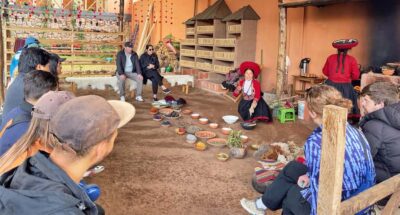 ★ 4.8From Cusco: Sacred Valley & Maras Salt Mines Tour with LunchFrom $282,227 reviews
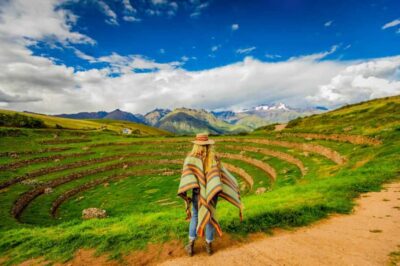 ★ 4.6Cusco: Sacred Valley, Pisac, Ollantaytambo, Salt Mines MorayFrom $281,058 reviews
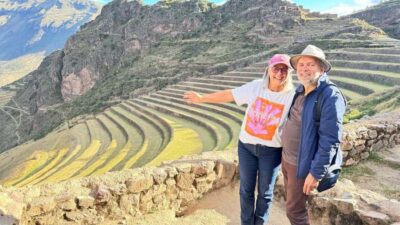 ★ 4.8Sacred Valley: Chinchero, Moray, Ollantaytambo & Pisac+LunchFrom $25501 reviews
 ★ 4.6Sacred Valley: Maras & Moray by Quad Bike from CuscoFrom $39418 reviews
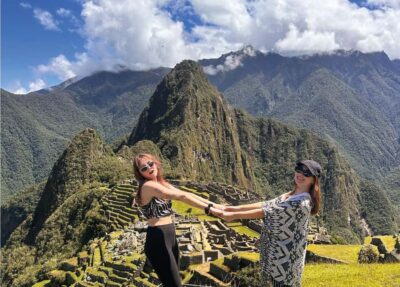 ★ 4.6From Cusco: 2-Day Trip to the Sacred Valley and Machu PicchuFrom $370265 reviews
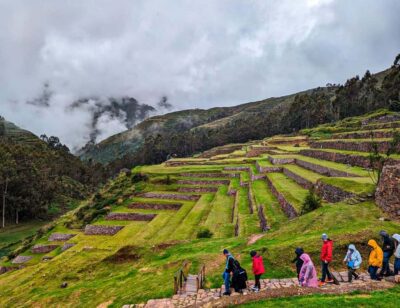 ★ 4.8Cusco:Sacred Valley Pisaq,Ollantaytambo,Chinchero with LunchFrom $28183 reviews
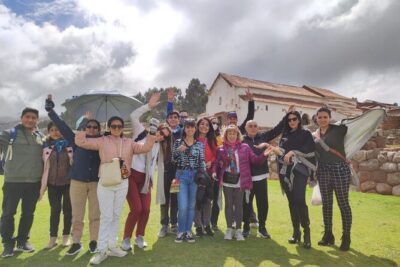 ★ 4.5Full-Day Excursion to Sacred Valley, Pisac and Ollantaytambo from CuscoFrom $47174 reviews
 ★ 5.0Food and Culture Full day Tour in the Sacred ValleyFrom $200144 reviews
Also on these Peru lists