
REVIEW · ALPACA FARMS
The Textile Workshop Experience in Cusco Region
Textiles in Cusco, hands-on, not a show. You’ll learn Peruvian fiber traditions at Andean ColorsRacchi ayllu, then make your own bracelet or bookmark using ancient techniques. You also get a full Andean lunch and a sweet llama and alpaca encounter with big mountain views.
I especially loved the fact that you do the process step by step, not just watch. You’ll work with wool, natural dyes, and the tools to spin and weave, then take your handmade piece home. One thing to plan for: private transportation is not included, and the workshop is outside central Cusco, so you’ll want to arrange how you get there.
In This Review
- Why This Cusco Textile Workshop Feels Different
- Key Highlights Worth Your Time
- Entering The Andean Colors Workshop Area
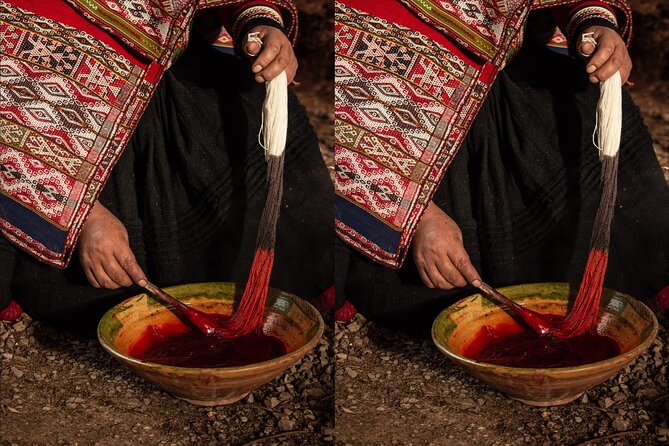
- The Fiber Journey: Wool Cleaning and Natural Dye Work
- Spinning Like They Did It: From Wool to Yarn
- Weaving Your Own Bracelet or Bookmark
- The Andean Lunch: A Real Fuel Break
- Llamas, Alpacas, and Goats With Big Views
- Shopping at the On-Site Boutique Without Feeling Tricked
- Price, Time, and Getting There From Cusco
- Who This Cusco Textile Workshop Is Perfect For
- Should You Book Andean Colors?
- FAQ
- How long is the Textile Workshop experience?
- How much does it cost?
- What is included in the price?
- Is private transportation included?
- What will I create during the workshop?
- What animals will I see?
- Do I need Spanish to join?
- What is the cancellation policy?
Why This Cusco Textile Workshop Feels Different
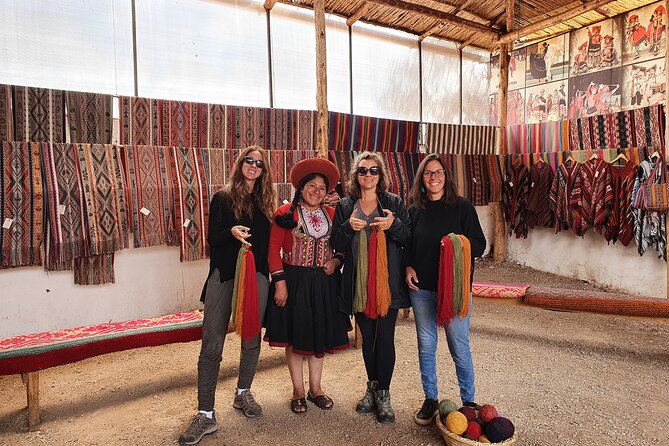
This is the kind of activity that gives your brain a new respect for what you’re seeing in Cusco shops. In many places you get a quick demo and a souvenir moment. Here, you actually handle the materials and try the techniques, from wool prep to dye to weaving.
Also, the setting does real work. You start in a countryside area tied to the workshop and farm life, so the animals and views do not feel like a random add-on. It’s calm, scenic, and practical, with enough structure to keep it moving without feeling rushed.
And yes, the brand has a mission that matters. Several reviews point out that purchases and support help women artisans from local communities, including single mothers. If you’ve been eyeing alpaca scarves and hats anyway, this turns shopping into something you understand.
Other weaving demonstrations and alpaca herds
- From Cusco: Moray, Maras Salt Mines & Chinchero Weavers Tour
★ 4.8 · 1,925 reviews - City Tour in Cusco & visit Museum South American Camelid Private.
★ 5.0 · 147 reviews - From Cusco: Moray, Maras Salt Mines & Chinchero Weavers Half-Day
★ 5.0 · 126 reviews - The Textile Workshop Experience in Cusco Region
★ 5.0 · 118 reviews
Key Highlights Worth Your Time
- Full fiber-to-finish workshop, including dyeing, spinning, and weaving
- You make and keep a bracelet or bookmark using the provided wool and tools
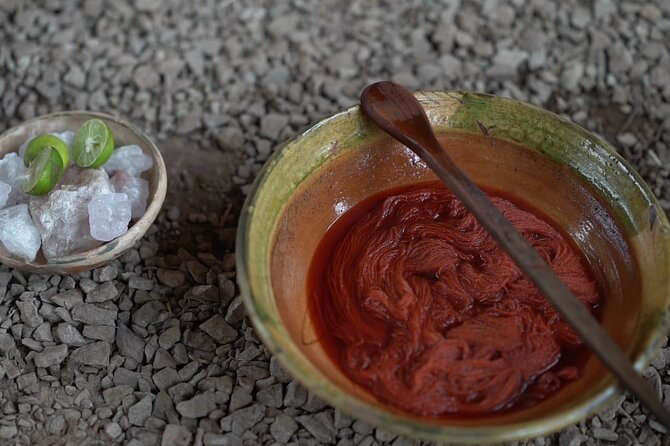
- Natural dye inspiration from plants used during the process
- Llama, alpaca (and even baby-goat) interaction plus walking time
- On-site boutique shopping with a clear social purpose behind it
Entering The Andean Colors Workshop Area
The day starts at Andean ColorsRacchi ayllu (08670), Peru, and it ends back at the same meeting point. It’s listed as being near public transportation, which helps if you’re not renting a private car. Still, the workshop itself runs on the farm side of the Sacred Valley orbit, so you should budget time and energy for travel, even if it’s only short.
The experience is private, meaning it’s just your group. That matters more than it sounds. If you’re traveling with kids, going as a couple, or you’re solo, private pacing means you can ask questions and get help without a crowd hovering over you.
Reviews also mention strong communication and organization. In particular, Miguel is named as a guide who handled different needs well, including dietary restrictions for at least one group. Another review highlights that you can get by even with minimal Spanish, especially with English support.
The Fiber Journey: Wool Cleaning and Natural Dye Work
This workshop is built around the idea that Peruvian textiles start way before the loom. You begin with wool prep, then move into dyeing using wool, dyes, and fabric tools provided by the workshop.
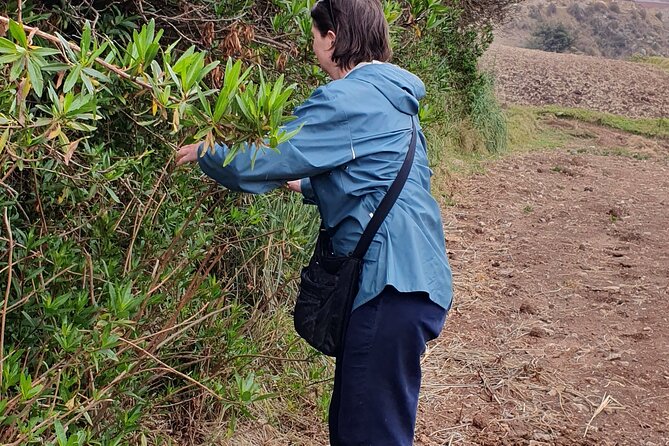
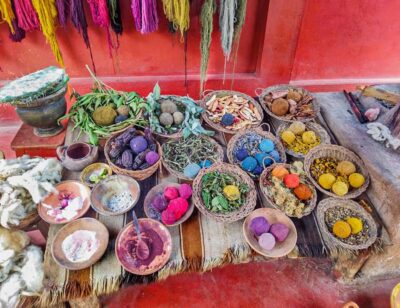
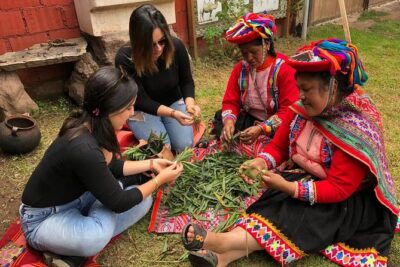
In the reviews, people highlight the dyeing part as a real eye-opener. You’re not just told that natural colors exist. You learn how the color process works, and in some cases you even use materials gathered for dye. One person mentioned choosing leaves for dye, another described using materials like moss and cactus-based sources for different yarn colors. The practical takeaway for you is simple: natural dye is slower and more hands-on, and that’s exactly why it’s worth doing in person.
Expect a step-by-step rhythm. You wash or clean the wool, then work with dye ingredients and timing. If you’re thinking this will be light and casual, you might still be surprised by how methodical it feels. The good part is that the guides pace it so you stay involved without feeling lost.
A quick consideration: this is not a one-click craft. If you’re short on patience, or if you want a super fast activity, plan for a real process. The payoff is that you understand why certain colors look the way they do and why handmade textiles cost what they cost.
Spinning Like They Did It: From Wool to Yarn
After dyeing and cleaning, you move into the spinning portion. This is where many workshops stop at a demo. Here, you practice.
Multiple reviews describe learning to spin yarn by hand using a simple tool, described as top-like with a stick. That’s a key detail because it tells you what you’re signing up for. You’re not using a modern machine. You’re learning the manual mechanics behind turning fibers into usable thread.
For your brain, spinning is also a lesson in physics and patience. You control tension and consistency, and you see how small choices affect the yarn. Even if your first attempt is uneven, that’s normal. The guides named in reviews, including Marco and Paulita/Paolina, are praised for being patient and guiding you through it.
If you’re traveling with kids, reviews show this part can work when the team supports them. Still, it’s the kind of activity where younger children might need more encouragement. The bright side is that you’re doing something tangible, so it doesn’t turn into passive waiting.
Nearby in Cusco, these earned their own write-ups


Weaving Your Own Bracelet or Bookmark
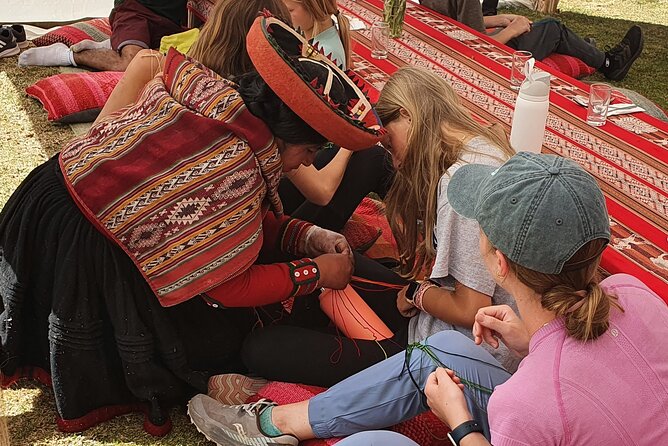
Then comes weaving, the part that feels closest to the souvenirs you see in Cusco. But it’s not just a final craft photo-op. You weave using the same generational approach the workshop teaches, and the goal is for you to make something you can keep.
You’ll create a bracelet or bookmark (the included materials list supports both options). Several reviews emphasize that people were able to participate in every single step, and one reviewer specifically mentions taking home the yarn and the bracelet they made.
This is also why the workshop beats most textile tours. Once you’ve tried weaving, you stop thinking of textiles as decoration and start seeing them as engineering. You understand why loops matter, why patterning needs planning, and why mistakes are part of learning.
How long it takes depends on your comfort level. Since the whole experience is around 4 hours, the team usually keeps you moving at a steady pace so you finish without rushing.
The Andean Lunch: A Real Fuel Break
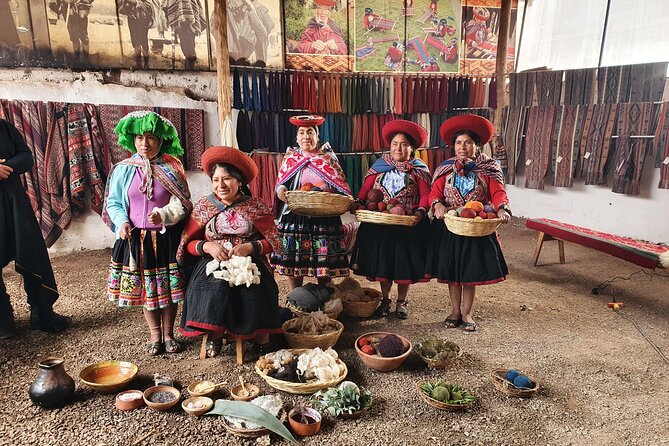
After the weaving and hands-on crafting, you’ll eat a traditional lunch. It’s included, along with the workshop materials and the fresh grass used to feed the llamas and alpacas.
Food quality comes up a lot in reviews. People describe it as delicious and warm, and one review calls it the best lunch they had in their whole trip. Another review mentions a meal that felt like home in this Andean setting.
Still, not every lunch description is identical. One reviewer notes the lunch was a lovely soup and a basic main, good but not as spectacular as other reviews made it sound. So here’s the balanced expectation: you should plan on a satisfying traditional meal, not a fine-dining tasting menu.
If you have dietary restrictions, message ahead. One review says Miguel reached out to ask about restrictions like gluten-free and no red meat, then cooked a great meal that worked for their needs. That suggests they can be flexible when they know your situation early.
Llamas, Alpacas, and Goats With Big Views
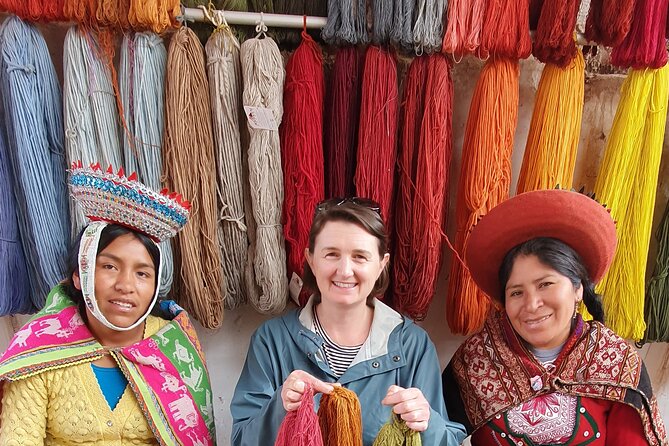
The animal encounter is one of the main reasons people book this rather than just browsing a textile shop. You get fresh grass to feed the animals, and you likely also walk with them or spend time on the property where they roam.
Reviews mention llamas and alpacas repeatedly, plus baby goats in at least one description. People also mention the views during these moments, with the Andes and countryside backdrop giving you easy photo opportunities.
One fun detail: at least one reviewer says they even saw a baby alpaca being born. That’s not something you can count on, but it shows the setting is truly farm-based rather than a staged photo stop.
For you, this segment is more than cute animals. It connects the textile journey back to source fibers. You learn that wool comes from living animals, not factory products, and it makes the rest of the workshop feel more grounded.
Shopping at the On-Site Boutique Without Feeling Tricked
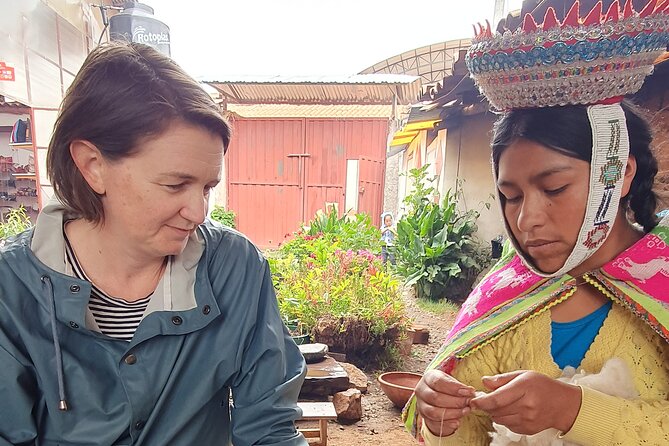
There’s a large boutique at Andean Colors, with authentic textiles and fine leather goods. Several reviews highlight the shopping experience as a benefit, not a pressure tactic.
One reviewer specifically compares prices and quality to the main plaza in Cusco, saying some items there were double the price for half the quality compared to what they found at Andean Colors. That is a useful lesson for you: if you’re planning to buy hats, ponchos, or scarves anyway, do the workshop first. You’ll know what good materials and good weaving feel like, and you can shop with better judgment.
Another key point from reviews: purchases support the mission behind the weaving program, including women artisans and single mothers. So if you buy something here, you’re not just buying an item. You’re funding the work you just learned.
Tip: bring a little room in your budget for shopping, but also go in with eyes open. The best buying decision is the one where you understand the craft, and the workshop gives you that context.
Price, Time, and Getting There From Cusco
At $79 per person for about 4 hours, this sits in the mid-range category for Cusco-region tours. The value question is whether you get a real craft outcome. You do: wool and tools are provided, you learn dyeing and spinning, you weave something, and you keep what you make.
So, the price makes more sense if you like learning and making things. If you only want sightseeing with minimal effort, you might find the time spent at the loom less appealing.
The other value factor is what is not included. You should plan for:
- No private transportation
- No bottled water
- No breakfast (and soda/pop is not included)
That doesn’t mean the day is hard. It just means you should organize your own transport ahead of time. Reviews mention that the team can help arrange transportation, and one reviewer paid about $80 round trip from a Cusco hotel when arranging via the vendor.
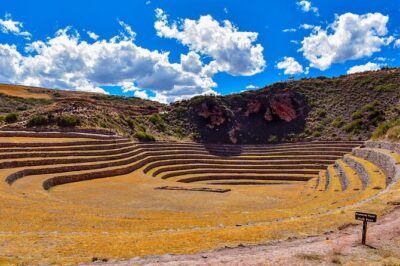
If you extend your day with nearby sites like Maras and Moray, plan for a long drive. One couple mentions 1.5 hours or more one way for that kind of add-on. That can work, but don’t stack too many moving parts, especially if you’re still adjusting to altitude.
One extra planning tip from reviews: doing this on your first full day can help your body adjust. The workshop is calmer than intense hikes, so it’s a nice “warm up” activity in the Andes.
Who This Cusco Textile Workshop Is Perfect For
Book this if you want an authentic, practical experience with a strong craft focus. It’s especially good for:
- People who have been inspired by Cusco textiles and want to understand how they’re made
- Couples and solo travelers who want a peaceful, scenic day without constant bus stops
- Families with kids who can handle hands-on learning, with staff support (reviews include children around ages 8 to 11)
- Travelers who might not speak much Spanish, since guides like Miguel are described as fluent in English and Spanish
It might be less ideal if you:
- Want a quick photo stop only
- Dislike working with natural materials and hands-on steps
- Haven’t planned transportation and don’t want to think about logistics at all
Should You Book Andean Colors?
My take: if you’re deciding between another city tour and a farm-based craft day, this is the smarter choice. For the same general time window in the Cusco region, you get a full process experience, an Andean lunch, and animal interaction with views. The most convincing part is that you make something and keep it, so the day has a tangible result.
Book it if you like learning by doing. If you’d rather be purely sightseeing, you might feel this is more work than you expected. Also, because transportation is not included, make a plan for how you’ll get there and back.
If you want a true Cusco culture moment that feels more real than another checklist stop, this textile workshop is an easy yes.
FAQ
How long is the Textile Workshop experience?
It runs for about 4 hours.
How much does it cost?
The price is $79.00 per person.
What is included in the price?
You get the textile workshop, lunch, wool, dyes and tools to make your own bracelet or bookmark, and fresh grass to feed the llamas and alpacas during the encounter.
Is private transportation included?
No. Private transportation is not included, though the activity is near public transportation and the provider may help with transportation planning.
What will I create during the workshop?
You’ll make your own bracelet or bookmark using the wool, dyes, and tools provided.
What animals will I see?
You’ll have an encounter with llamas and alpacas, including feeding them with fresh grass. Some descriptions also mention goats.
Do I need Spanish to join?
No. One review notes that travelers with minimal Spanish had no problems, with a guide named Miguel speaking fluent English and Spanish.
What is the cancellation policy?
You can cancel for a full refund if you cancel at least 24 hours before the start time. Free cancellation applies under that 24-hour rule.
More Workshops in Cusco
- Cusco: Peruvian Cooking Class, Cocktails & Local Market Tour
★ 4.9 · 512 reviews - Cooking class and market tour with a local chef
★ 5.0 · 186 reviews - The First Class Machu Picchu Train by Inca Rail
★ 4.0 · 182 reviews - Sacred Valley Textile Workshop – Dyeing & Weaving in Cusco
★ 5.0 · 92 reviews - Chocolate Workshop in Cusco with Premium Organic Cacao
★ 5.0 · 75 reviews
More Tour Reviews in Cusco
- Cusco: Humantay Lake Tour with Breakfast and Buffet Lunch
★ 4.9 · 2,976 reviews - From Cusco: Moray, Maras Salt Mines & Chinchero Weavers Tour
★ 4.8 · 1,925 reviews - From Cusco: Full-Day Group Tour of Machu Picchu
★ 4.7 · 1,767 reviews - Machu Picchu Day Trip from Cusco
★ 4.5 · 1,644 reviews - Cusco: Half-Day City Tour with Sacsayhuaman and Q’enco
★ 4.6 · 1,129 reviews
Wool, Dye and Loom
- From Cusco: Moray, Maras Salt Mines & Chinchero Weavers Tour
★ 4.8 · 1,925 reviews - Cusco: Alpaca and Llama Farm Tour w/ Transfer & Weaving Demo
★ 4.9 · 151 reviews - City Tour in Cusco & visit Museum South American Camelid Private.
★ 5.0 · 147 reviews - From Cusco: Moray, Maras Salt Mines & Chinchero Weavers Half-Day
★ 5.0 · 126 reviews - Sacred Valley Textile Workshop – Dyeing & Weaving in Cusco
★ 5.0 · 92 reviews
Freshly reviewed across Cusco
- Excursion Cusco – Puno – Titicaca Observatory Train★ 5.0 · 3 reviews
- Sacred Valley Vip Cusco★ 4.7 · 3 reviews
- Cusco | Humantay Lake 1-Day Tour with Breakfast and Lunch★ 5.0 · 3 reviews
- Full-Day Condor Viewpoint & Inca Sites Tour★ 5.0 · 3 reviews
- Best of Cusco: Private Walking Tour with a Local★ 3.6 · 3 reviews
- From Cusco: Full-Day Private Sacred Valley Tour★ 5.0 · 3 reviews
Alpaca Farms and Textile Workshops side by side.
 ★ 4.8From Cusco: Moray, Maras Salt Mines & Chinchero Weavers TourFrom $151,925 reviews
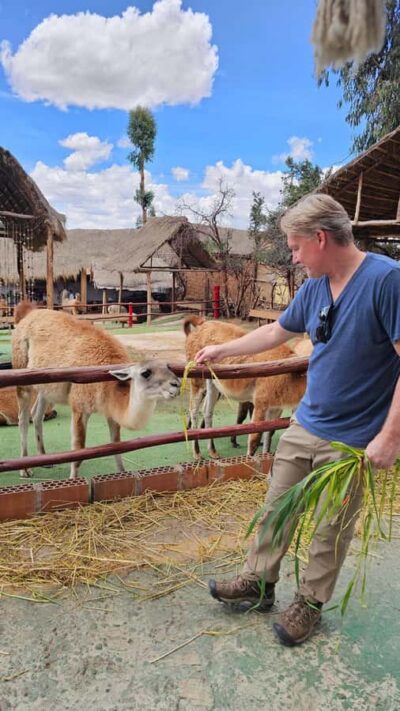 ★ 4.9Cusco: Alpaca and Llama Farm Tour w/ Transfer & Weaving DemoFrom $34151 reviews
 ★ 5.0City Tour in Cusco & visit Museum South American Camelid Private.From $49147 reviews
 ★ 5.0From Cusco: Moray, Maras Salt Mines & Chinchero Weavers Half-DayFrom $15126 reviews
 ★ 5.0Sacred Valley Textile Workshop – Dyeing & Weaving in CuscoFrom $42092 reviews
 ★ 4.5City Tour in Cusco & visit Museum South American CamelidFrom $1180 reviews
 ★ 5.02-Day Sacred Valley Machu Picchu by Train with Llama ExperienceFrom $45755 reviews
 ★ 4.8From Nazca: Cahuachi Pyramids Tour and Textile WorkshopFrom $4521 reviews
Also on these Peru lists